What to Know Before Buying a Car Body Baler for Vehicle Shell Processing

Introduction to Vehicle Shell Processing and Car Body Balers
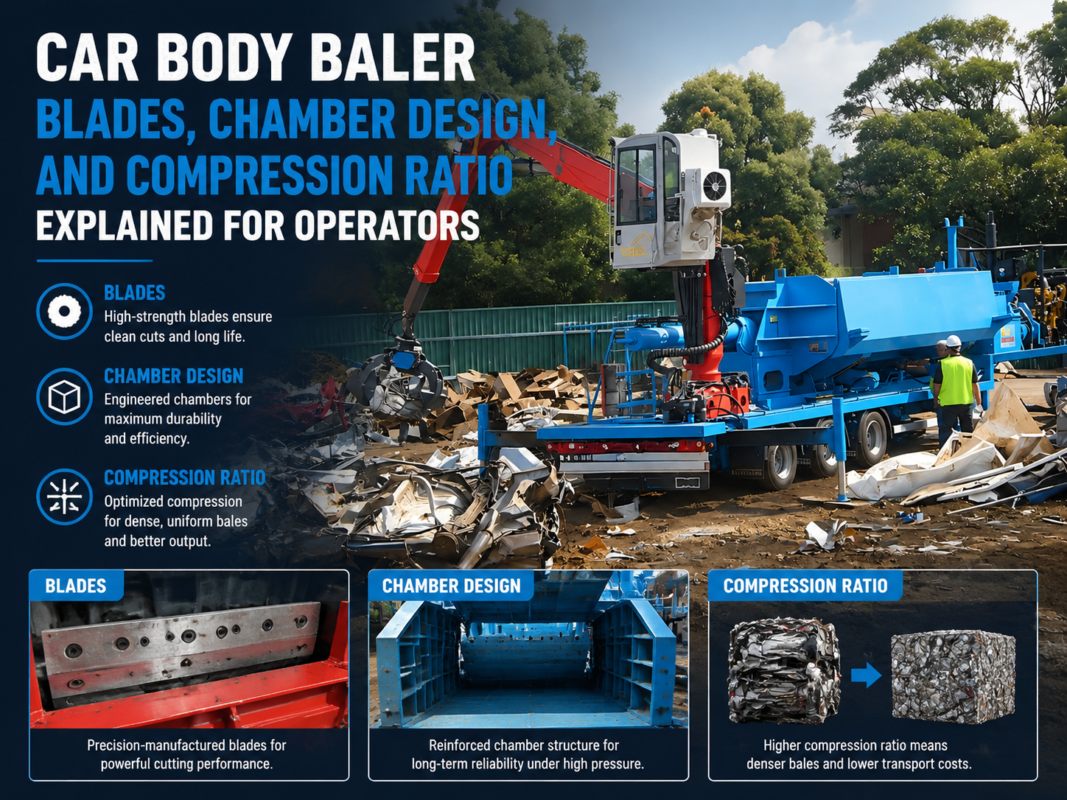
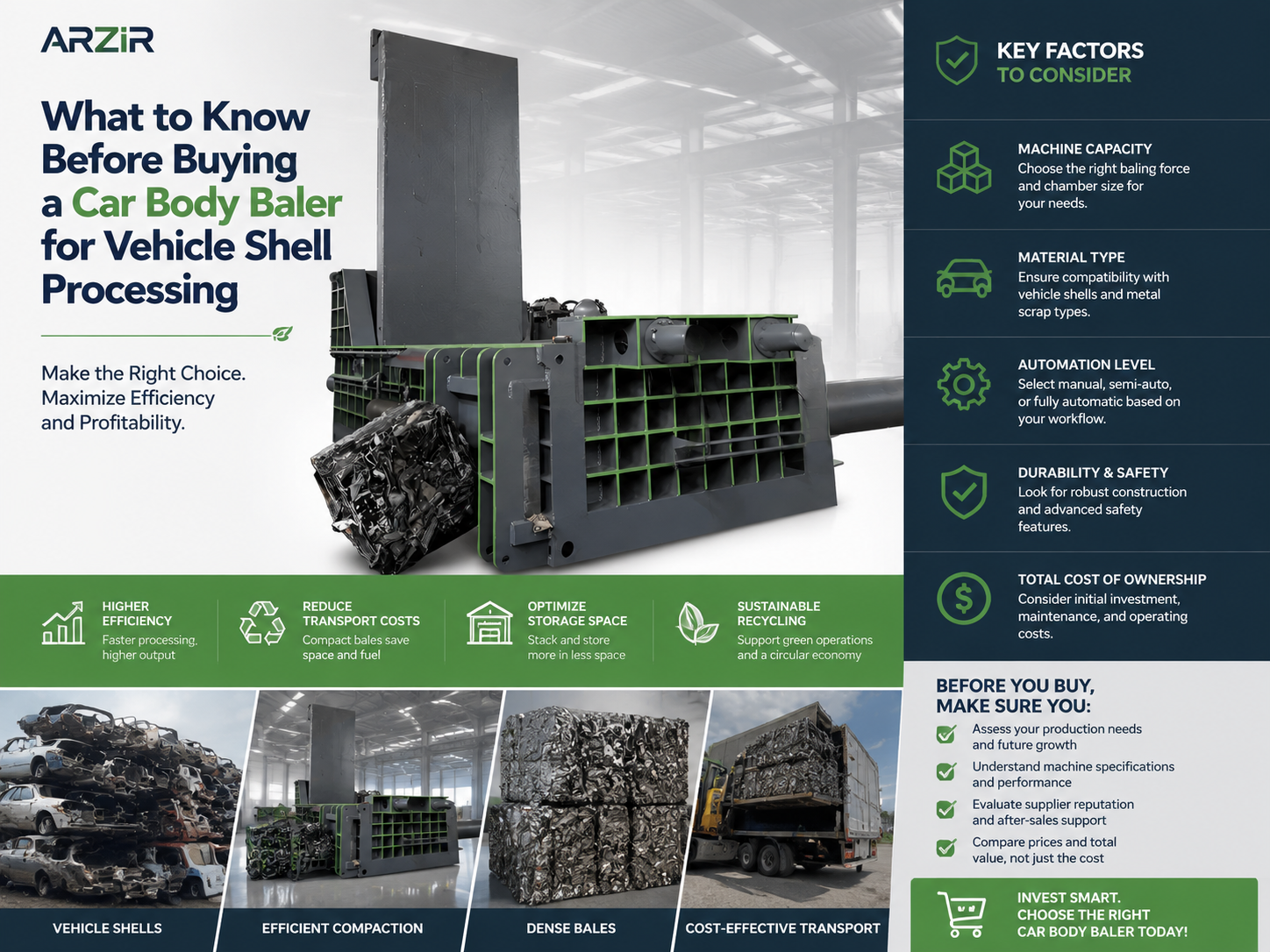
In the rapidly evolving world of metal recycling, the efficiency of processing end-of-life vehicles (ELVs) has become a cornerstone of profitability. A car body baler is a specialized piece of heavy-duty machinery designed to compress entire vehicle shells into dense, manageable blocks. This process is essential for reducing transportation costs, optimizing storage space, and preparing scrap for the smelting process. However, investing in such a machine is a significant capital expenditure that requires a deep understanding of technical specifications, market dynamics, and operational requirements.
Before you commit to a purchase, it is vital to understand that not all balers are created equal. The market offers a wide range of options, from mobile units designed for on-site scrap yard work to massive stationary systems capable of processing hundreds of vehicles per day. This guide aims to provide a comprehensive overview of everything you need to know before buying a car body baler for vehicle shell processing, ensuring that your investment yields the highest possible return while meeting your specific production goals.
Price Range Overview: What to Expect
The price of a car body baler can vary significantly based on its capacity, automation level, and mobility. Generally, the market is divided into three primary price tiers. Entry-level machines, often smaller stationary units or basic mobile models, typically range from $40,000 to $80,000. These are suitable for smaller yards that process a limited number of cars per week. While they offer the basic functionality required for baling, they may lack advanced features like high-speed cycles or remote-controlled operation.
Mid-range balers, which are the most common choice for professional recycling centers, fall between $80,000 and $180,000. These machines offer a balance of power and efficiency, often featuring larger compression chambers, faster hydraulic systems, and more durable wear plates. They are designed for daily use and can handle a steady stream of vehicle shells without significant downtime. At this level, you begin to see better integration of PLC (Programmable Logic Controller) systems for automated cycles.
High-end, industrial-grade car body balers can exceed $250,000. These are massive, high-throughput machines often equipped with triple-compression technology, integrated cranes, and fully automated loading systems. They are built for 24/7 operation in high-volume environments. When considering the price, it is crucial to look beyond the initial sticker cost and evaluate the total cost of ownership, including maintenance, energy consumption, and the expected lifespan of the machine.
Main Cost Drivers in Car Body Baler Manufacturing
Several factors contribute to the final price of a car body baler. Understanding these drivers helps buyers distinguish between a high-quality machine and a budget-oriented one that might fail under heavy use. The primary cost driver is the hydraulic system. The quality of the pumps, valves, and cylinders determines the machine’s pressing force and cycle speed. High-pressure systems using components from reputable brands like Rexroth or Vickers naturally command a higher price but offer superior reliability.
The second major factor is the quality of the steel and the wear-resistant liners. Vehicle shells are abrasive and can quickly wear down the interior of a baler’s chamber. High-quality machines use Hardox or similar high-strength, wear-resistant steel liners that can be replaced when worn. The thickness of the main frame and the precision of the welding also play a role in the machine’s structural integrity over decades of use.
Automation and control systems also add to the cost. A machine equipped with a sophisticated PLC, touch-screen interface, and remote diagnostics allows for safer and more efficient operation. These systems can monitor oil temperature, pressure levels, and cycle counts, providing valuable data for preventative maintenance. Additionally, the inclusion of specialized features like a “pre-fill” valve system can significantly increase cycle speeds, which adds to the manufacturing cost but boosts productivity.
Configuration Impact: Matching the Machine to Your Needs
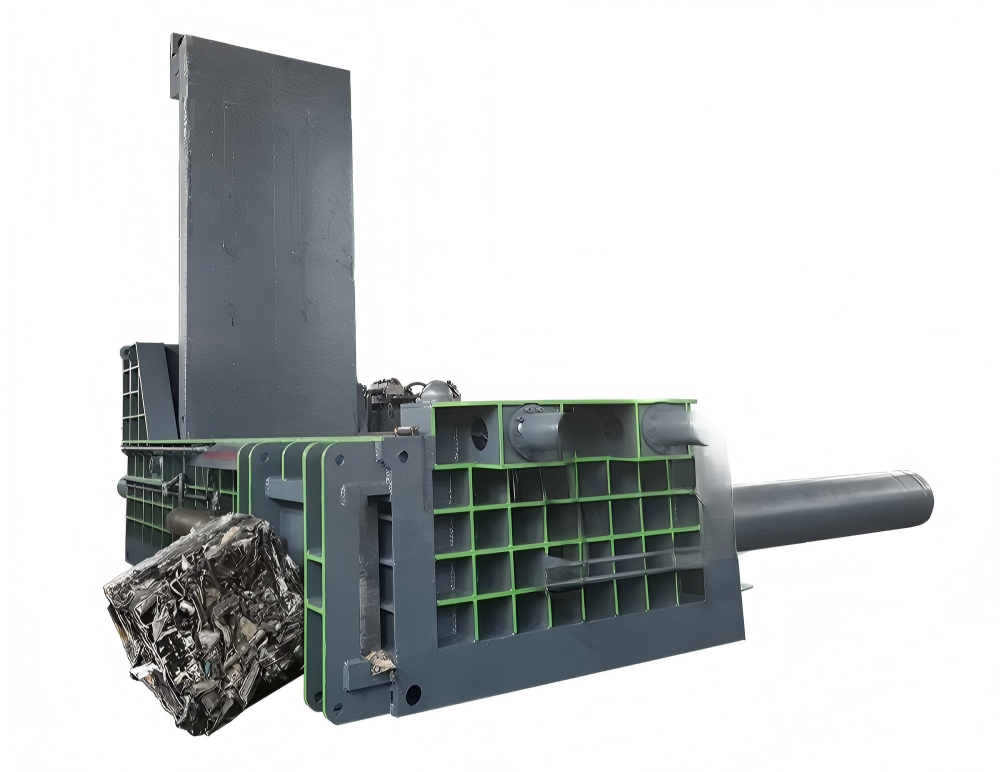
When you know before buying a car body baler for vehicle shell processing what your specific throughput requirements are, you can choose the right configuration. The chamber size is perhaps the most critical configuration detail. If the chamber is too small, you will spend excessive time prepping the vehicle shells (e.g., cutting them in half). A standard car body baler should have a chamber length of at least 5 meters to accommodate most passenger vehicles and light trucks comfortably.
Another configuration choice is between a two-ram and a three-ram system. A two-ram baler is generally faster and simpler, making it ideal for standard car shells. However, a three-ram (triple compression) baler produces much denser bales, which is often a requirement for certain steel mills or for maximizing shipping container weights. The density of the bale directly impacts the price you receive for your scrap, making this a vital configuration decision.
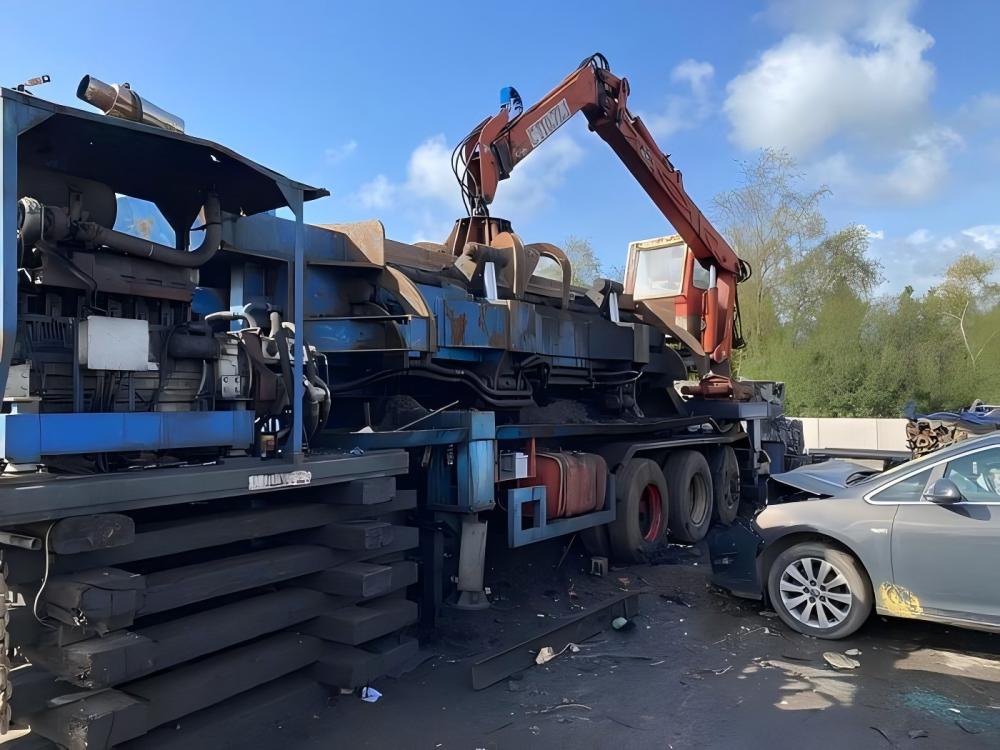
Mobility is another configuration factor. Mobile balers are mounted on trailers or tracks, allowing them to be moved between different scrap yards. This is highly beneficial for companies that provide on-site baling services. Stationary balers, on the other hand, are typically more powerful and have larger capacities because they are not limited by road weight and size restrictions. Your choice depends on whether your business model is centralized or distributed.
Hidden Costs of Owning a Car Body Baler
The purchase price is only the beginning. Buyers must account for several hidden costs that can impact the budget. Installation is a major consideration; stationary balers require a reinforced concrete foundation to handle the immense vibrations and weight. This foundation work can cost several thousand dollars and must be completed before the machine arrives. Additionally, the electrical infrastructure of your facility may need an upgrade to support the high-kilowatt motors used in these machines.
Hydraulic oil is another significant ongoing expense. A large car body baler can require 1,000 to 3,000 liters of high-grade hydraulic oil. This oil must be filtered and periodically replaced to ensure the longevity of the hydraulic components. Furthermore, the cost of spare parts—such as seals, filters, and wear plates—should be factored into the annual operating budget. Choosing a manufacturer like HARSLE, which provides readily available spare parts, can mitigate the risk of long-term downtime.
Labor and training are also hidden costs. Operating a heavy-duty baler requires skilled personnel who understand safety protocols and basic maintenance. You may need to invest in training for your operators to ensure they can maximize the machine’s efficiency while avoiding costly mistakes. Finally, consider the cost of freight and rigging. Moving a 30-ton machine from the factory to your site requires specialized logistics and heavy-duty cranes for offloading and positioning.
ROI Calculation: When Will the Machine Pay for Itself?
Calculating the Return on Investment (ROI) is essential for justifying the purchase. The primary source of ROI for a car body baler is the reduction in transportation costs. An uncrushed car shell is mostly air, meaning a truck can only carry a few units at a time. Once baled, the same truck can carry significantly more weight, often reaching the legal limit. If you can reduce your shipping frequency by 70%, the savings in fuel, driver wages, and truck maintenance will quickly add up.
Another factor is the increased value of the scrap. Many steel mills pay a premium for dense, clean bales because they are easier to handle and melt more efficiently in electric arc furnaces. By producing high-quality bales, you can negotiate better rates with scrap buyers. Additionally, a baler allows you to process more volume in less time, enabling you to take on larger contracts and grow your business.
To calculate a basic ROI, estimate your monthly savings in logistics and the increase in scrap value, then subtract your monthly operating costs (electricity, labor, maintenance). Divide the total machine cost by this monthly net profit to find the payback period in months. For most busy scrap yards, a well-chosen car body baler will pay for itself within 18 to 36 months.
Buying Advice: Expert Tips for a Smooth Purchase
When you are ready to buy, follow these expert tips to ensure you get the best machine for your needs:
- Verify the Pressing Force: Don’t just take the manufacturer’s word for it. Ask for the cylinder bore size and the operating pressure to calculate the actual tonnage. For car bodies, a main ram force of 150-250 tons is usually required.
- Check the Cycle Time: Time is money. A machine that takes 3 minutes to make a bale will produce significantly less over a year than one that takes 90 seconds. Look for high-flow hydraulic systems.
- Inspect the Wear Plates: Ensure the chamber is lined with high-quality wear-resistant steel. Ask if the liners are bolted or welded; bolted liners are much easier to replace.
- Evaluate the Manufacturer: Choose a manufacturer with a proven track record in the recycling industry. Check for certifications and ask for customer references. HARSLE, for example, is known for robust engineering and excellent after-sales support.
- Consider Future Growth: Don’t buy a machine that just barely meets your current needs. If you expect your volume to grow, invest in a slightly larger capacity than you currently require.
Frequently Asked Questions (FAQ)
1. Can a car body baler process engines and transmissions?
While some heavy-duty balers can crush engines, it is generally recommended to remove them first. Engines contain fluids and heavy cast iron or aluminum that can damage the baler’s chamber or contaminate the steel scrap. Removing the drivetrain also allows you to sell those components separately for a higher price.
2. What is the difference between a baler and a logger?
A baler compresses the metal into a rectangular block (bale) that stays compressed due to the deformation of the metal. A logger (or logger-baler) can either make bales or simply “log” the material into a long, dense cylinder. Loggers are often used to feed large shearers, while balers produce a finished product ready for the mill.
3. How much maintenance does a car body baler require?
Daily maintenance includes checking oil levels, inspecting hydraulic hoses for leaks, and greasing moving parts. Weekly tasks involve checking the tightness of bolts and inspecting wear plates. A full hydraulic oil change and filter replacement are typically required every 2,000 to 4,000 hours of operation.
4. Is a diesel or electric motor better?
Electric motors are generally more cost-effective and easier to maintain if you have a stable power supply at your yard. Diesel engines are necessary for mobile units or yards without sufficient electrical infrastructure, but they require more maintenance and have higher fuel costs.
5. What safety features should I look for?
Essential safety features include emergency stop buttons at multiple locations, safety interlocks on access doors, pressure relief valves to prevent hydraulic overloads, and clear warning signage. Remote control operation is also a significant safety advantage, as it allows the operator to stay at a safe distance from the machine.
6. How do I choose the right bale size?
The ideal bale size depends on your end-buyer’s requirements. Most steel mills prefer a standard size (e.g., 600mm x 600mm x variable length) that fits easily into their charging buckets. Always consult with your scrap buyer before finalizing the machine’s configuration.
Conclusion
Investing in a car body baler is a transformative step for any vehicle recycling operation. By understanding the price ranges, cost drivers, and technical configurations, you can make an informed decision that aligns with your business goals. Remember that the cheapest machine is rarely the most cost-effective in the long run. Focus on build quality, hydraulic efficiency, and manufacturer support to ensure your car body baler remains a productive asset for years to come. With the right equipment from a trusted partner like HARSLE, you can maximize your throughput, minimize your costs, and significantly increase your bottom line in the competitive world of scrap metal processing.