Best Practices for Operating an Alligator Shear in Steel Recycling and Demolition Sites

Technical Overview of Alligator Shears in Modern Industry
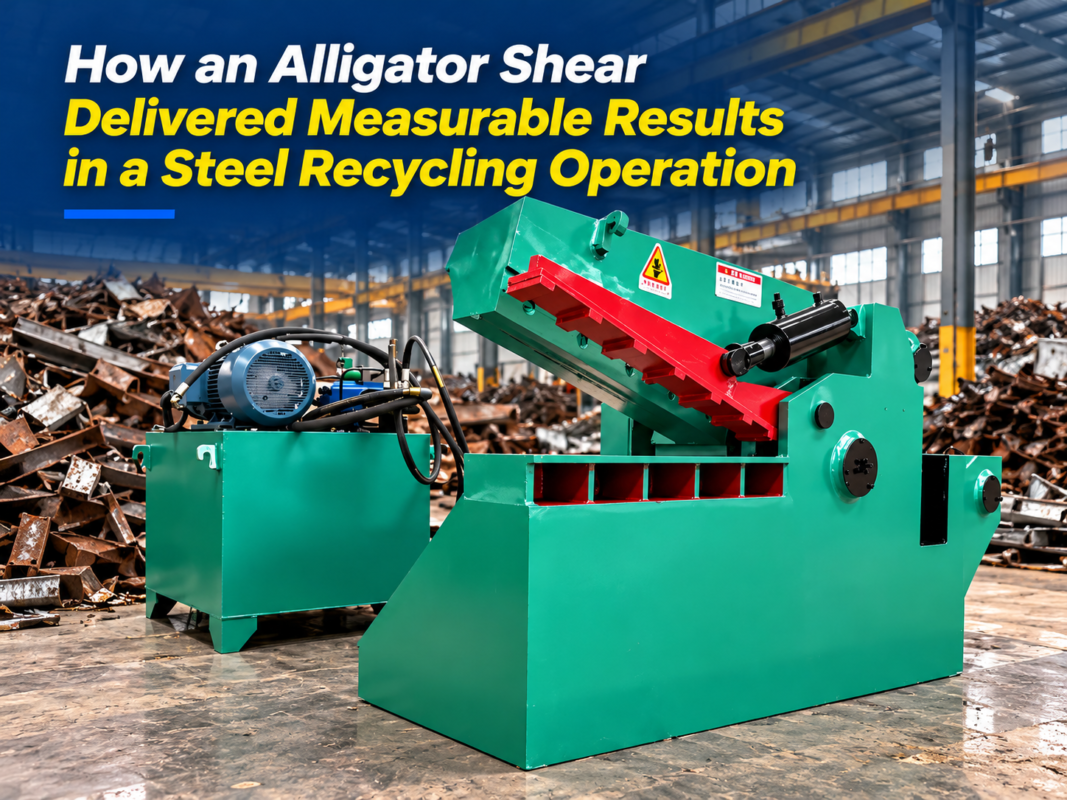
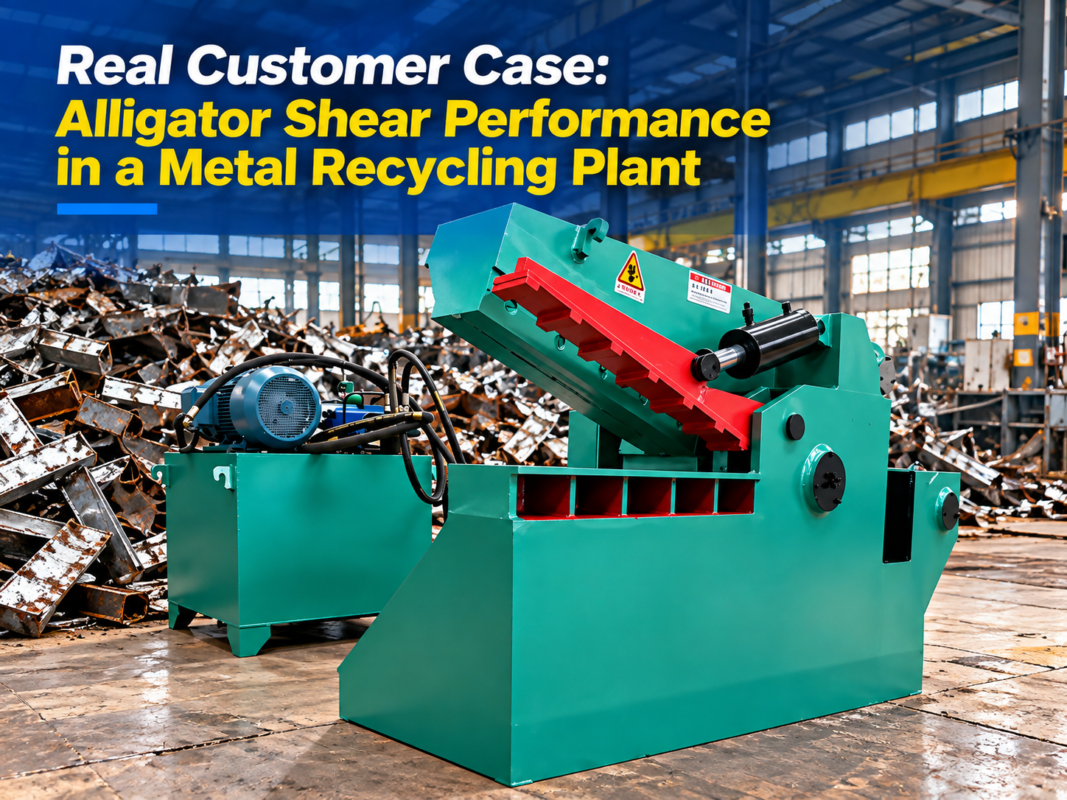
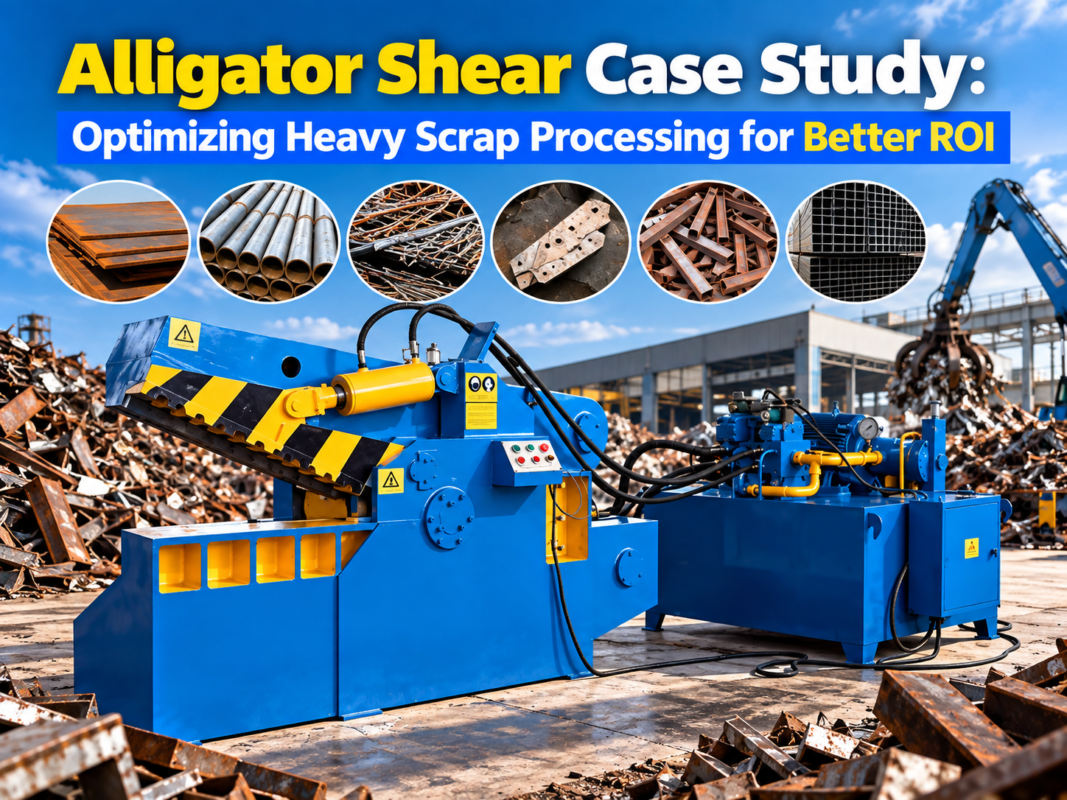
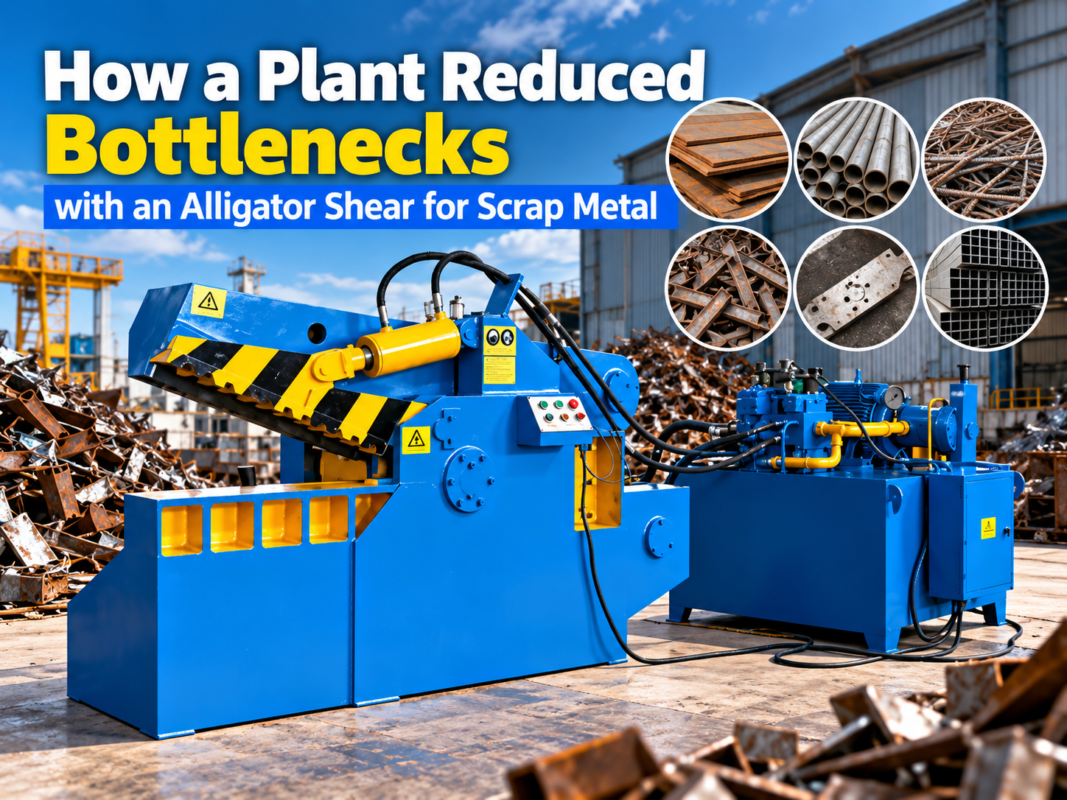
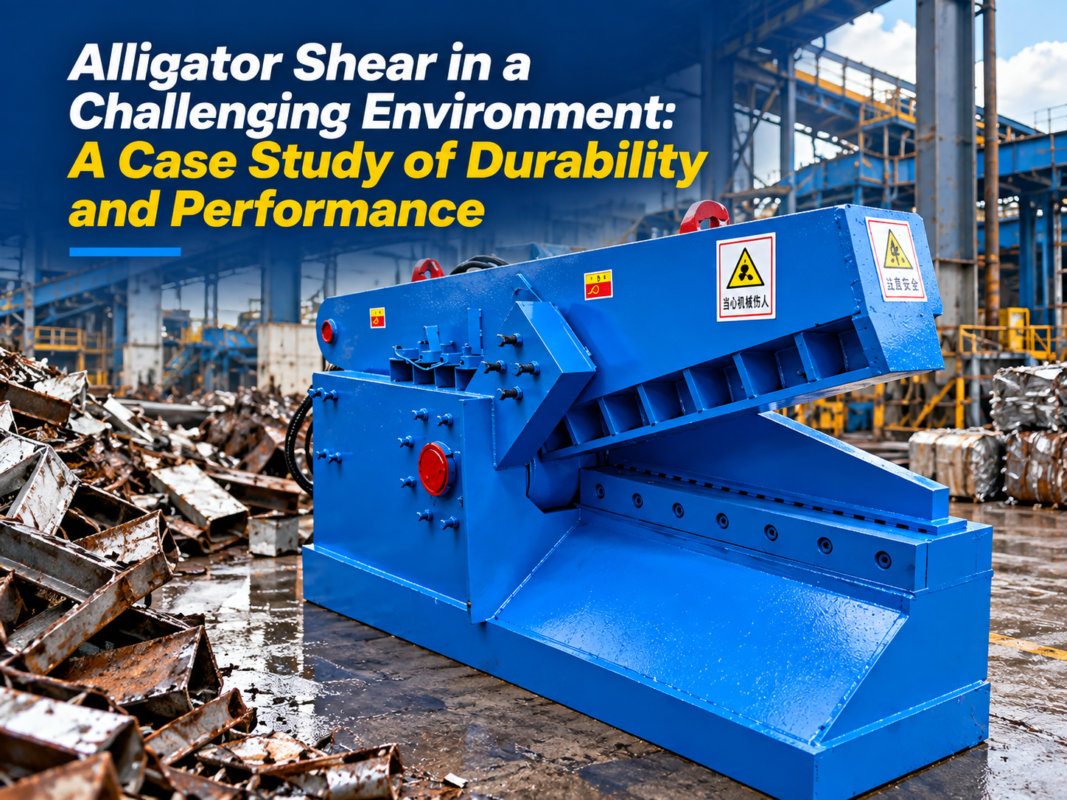
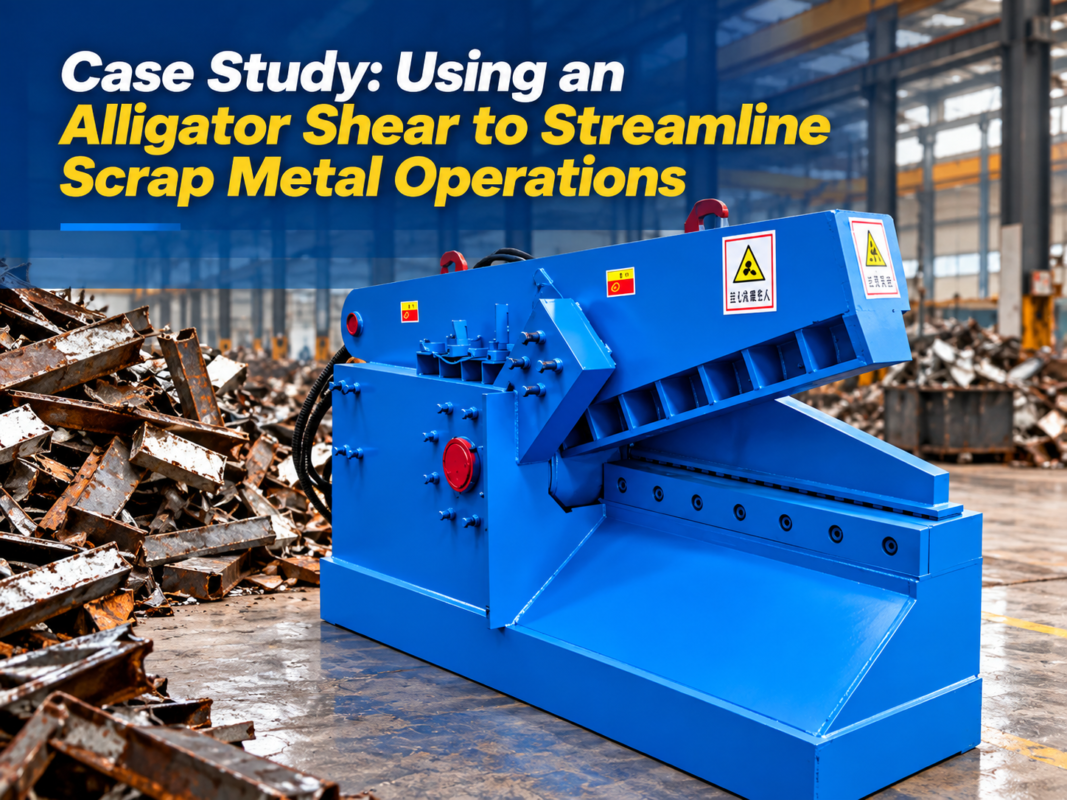
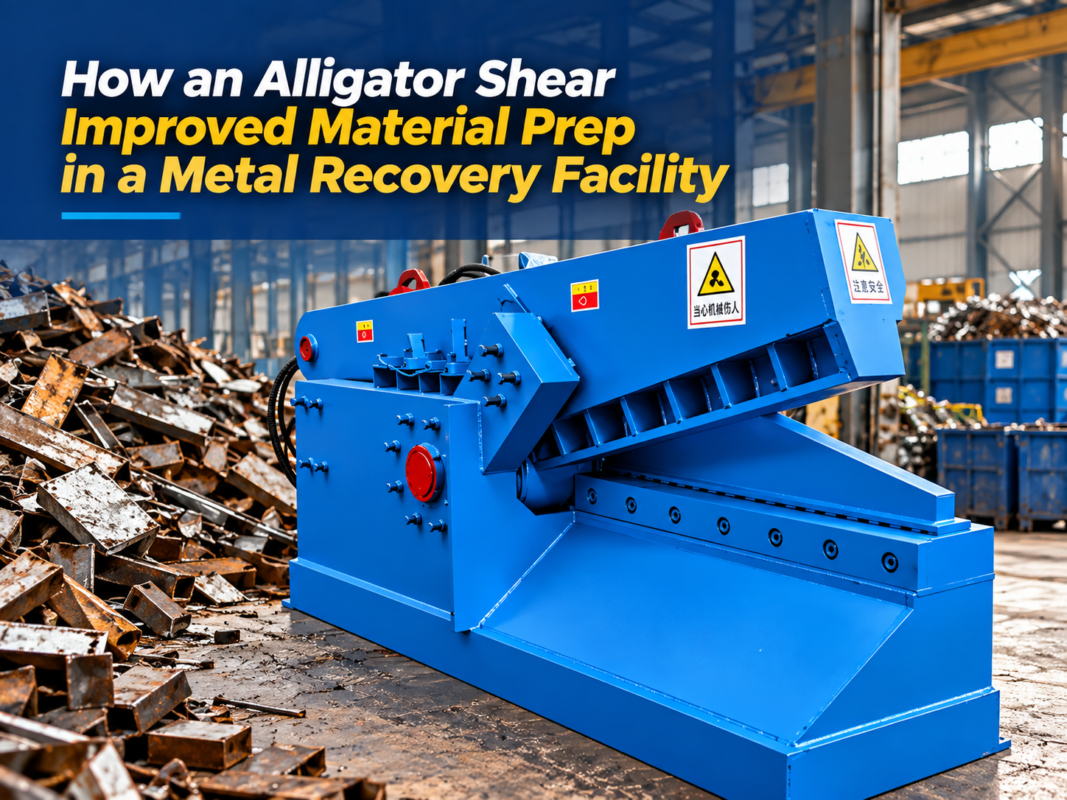
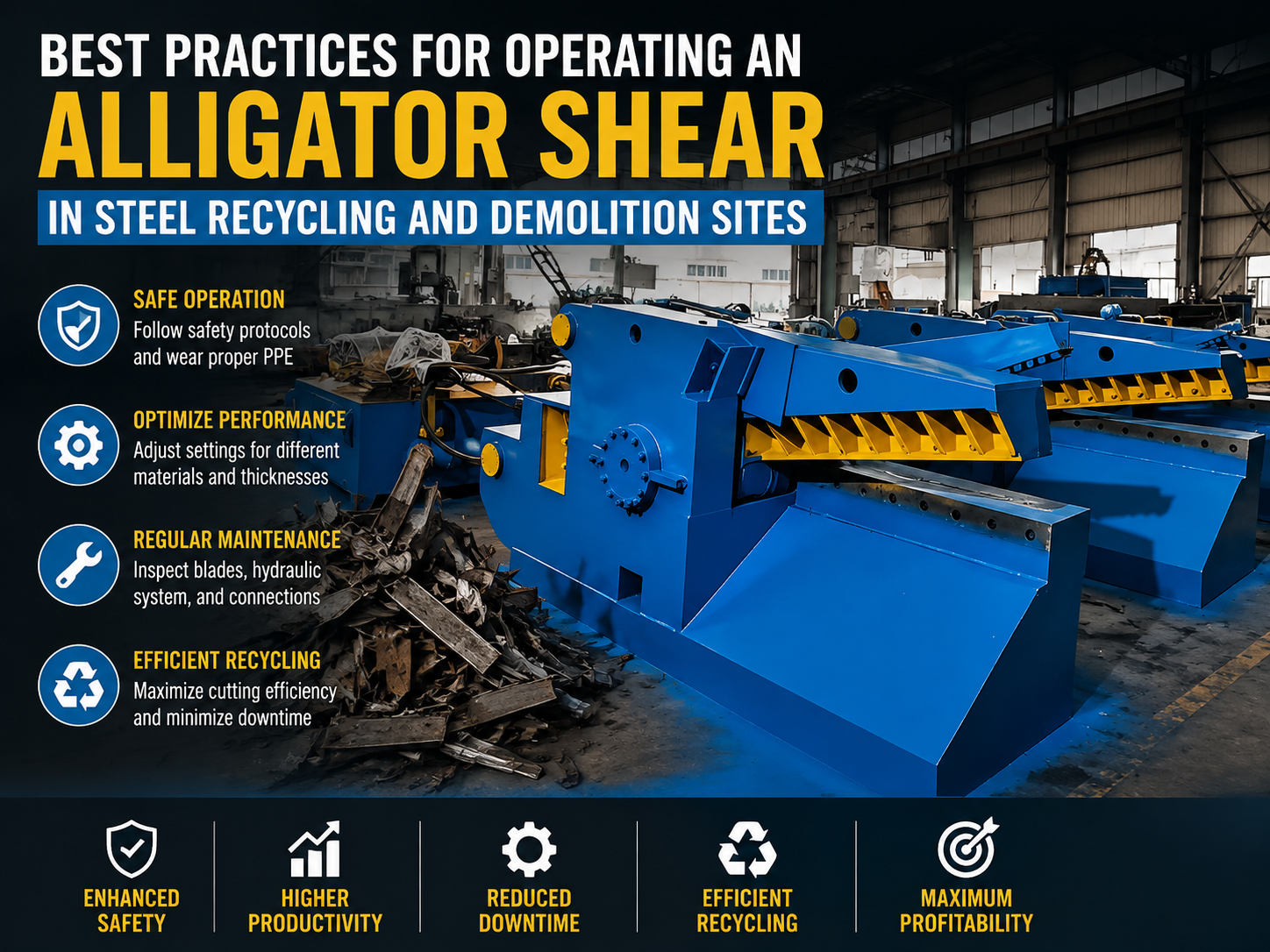
In the demanding environments of steel recycling and demolition sites, the alligator shear stands as a cornerstone of efficiency. Named for its characteristic jaw-like motion, this hydraulic powerhouse is designed to cold-cut various metal shapes, including round bars, square steel, angle iron, I-beams, and scrap pipes. Unlike larger guillotine shears, the alligator shear offers a unique combination of portability and accessibility, making it indispensable for processing oversized scrap into manageable sizes for smelting or transport.
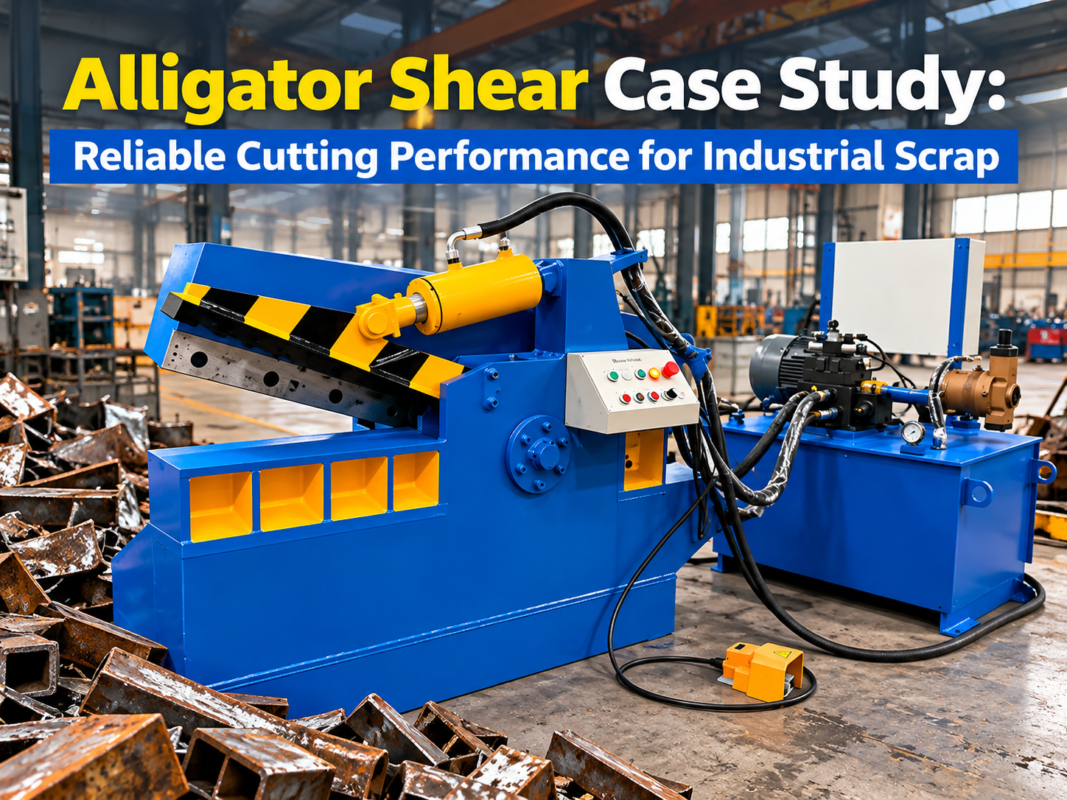
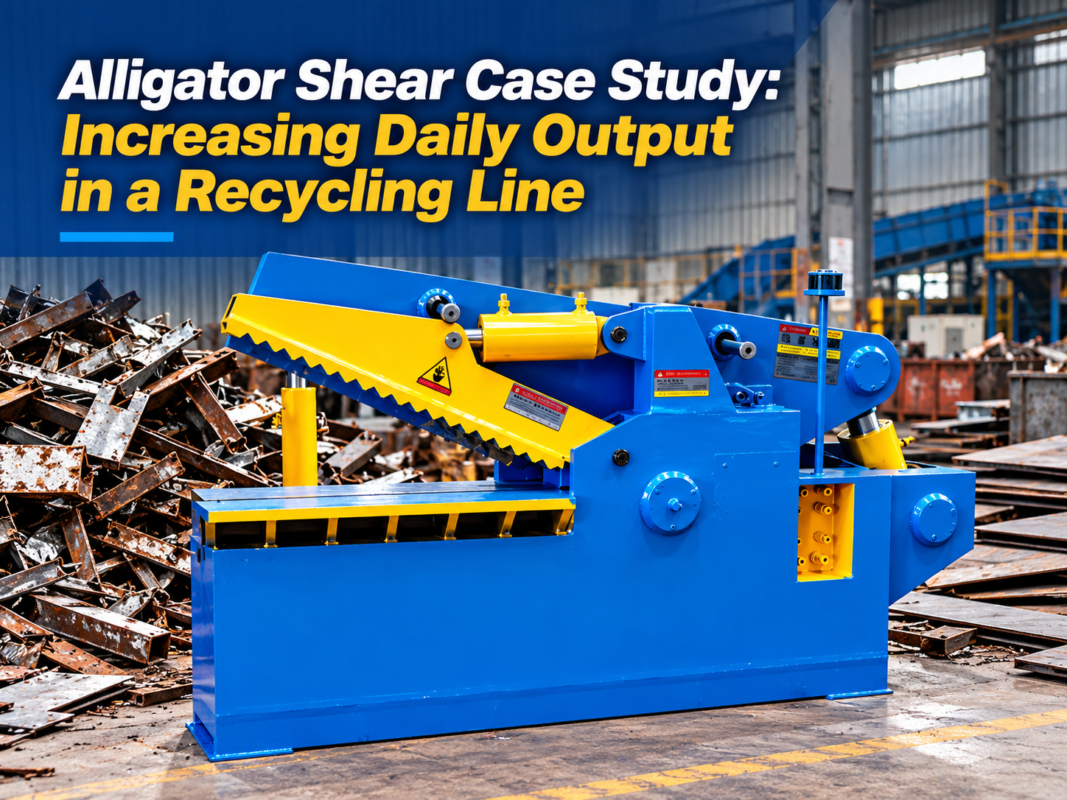
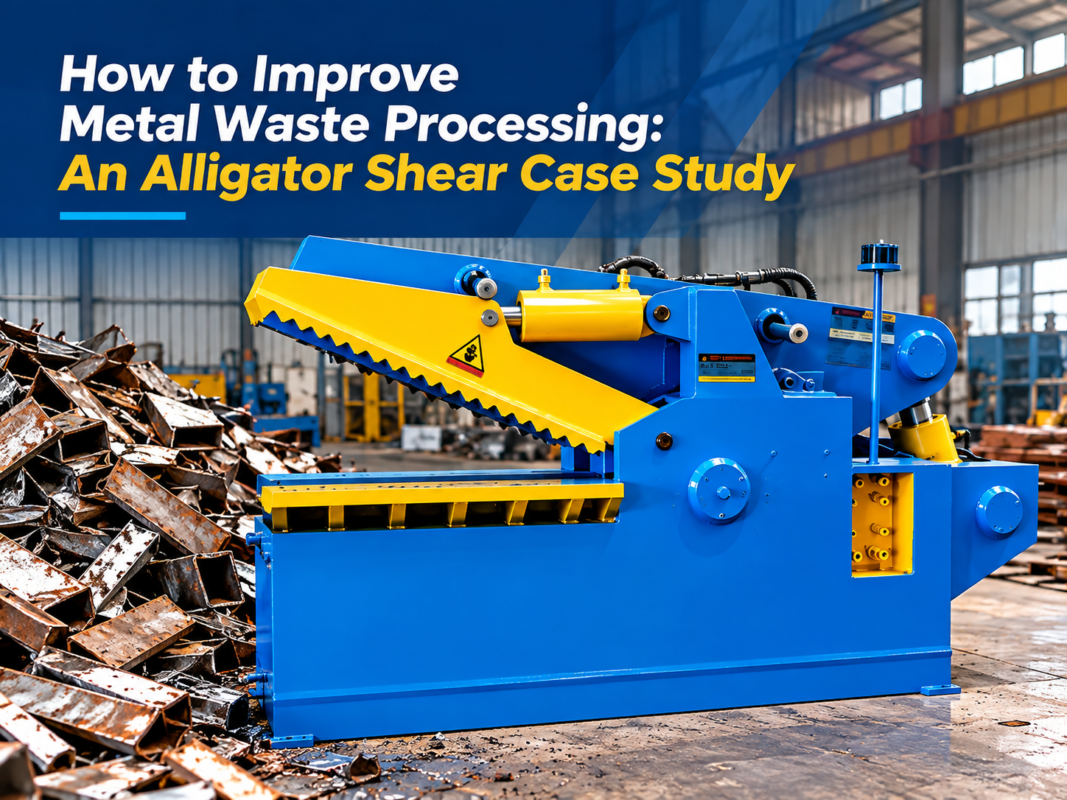
The fundamental mechanism of an alligator shear involves a fixed lower blade and a pivoting upper blade driven by a high-pressure hydraulic cylinder. HARSLE alligator shears are engineered with high-strength alloy steel frames to withstand the immense torsional stresses encountered during heavy-duty cutting. The integration of advanced hydraulic systems ensures a smooth, controlled stroke, which is critical for both operator safety and machine longevity. In demolition sites, these machines are often the first line of defense in reducing structural steel into recyclable dimensions.
Modern alligator shears have evolved significantly from their mechanical predecessors. Today’s hydraulic models feature adjustable stroke lengths, allowing operators to optimize cycle times based on the thickness of the material. This adaptability is a key component of the Best Practices Operating An Alligator Shear In Steel Recycling Demolition Sites, as it prevents unnecessary wear on the hydraulic pump and seals. Furthermore, the inclusion of automatic hold-down devices ensures that the material remains stable during the cut, preventing dangerous kickbacks that can occur with irregular scrap pieces.
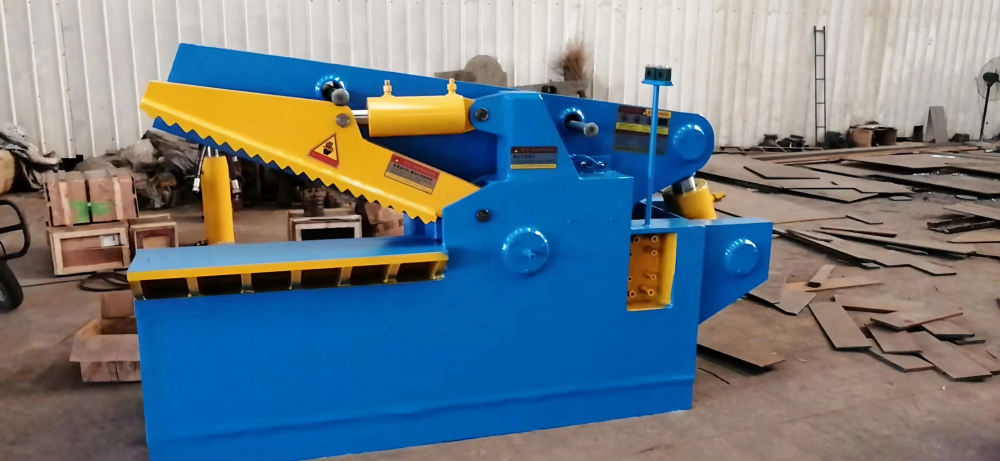
Understanding the metallurgy of the blades is equally vital. Most industrial alligator shears utilize high-chromium tool steel blades that are heat-treated to achieve a balance between hardness and toughness. This allows the machine to maintain a sharp edge while resisting the chipping that often occurs when cutting hardened alloys. In the context of demolition, where materials are often contaminated with concrete or rust, the robustness of the blade and the rigidity of the jaw assembly determine the overall productivity of the site.
Core Parameters for Optimal Performance
To achieve peak efficiency, operators must understand the core parameters that define the capability of an alligator shear. The primary metric is the cutting force, usually measured in tons. This force is generated by the hydraulic pressure acting upon the piston area of the main cylinder. For steel recycling, cutting forces typically range from 60 tons for light aluminum profiles to over 500 tons for heavy structural steel. Selecting a machine with the appropriate tonnage is the first step in following the Best Practices Operating An Alligator Shear In Steel Recycling Demolition Sites.
Blade length is another critical parameter. Standard lengths range from 400mm to 1200mm. A longer blade allows for the processing of wider scrap pieces in a single stroke, but it also requires a more robust frame to prevent deflection. The jaw opening height determines the maximum diameter of the material that can be fed into the shear. Operators must ensure that the material is fed as deep into the “throat” of the jaw as possible, where the leverage is greatest and the cutting force is maximized.
Cycle time, or the number of cuts per minute, directly impacts the throughput of a recycling yard. While faster cycle times are desirable, they must be balanced against the cooling capacity of the hydraulic system. Continuous operation at high speeds generates significant heat, which can degrade hydraulic oil and damage seals if not managed properly. HARSLE machines often incorporate air or water cooling systems to maintain optimal oil temperatures during multi-shift operations in demolition environments.
Motor power and pump displacement are the secondary parameters that support the cutting force and speed. A high-kilowatt motor ensures that the hydraulic pump can maintain the necessary flow rate even under maximum load. In demolition sites where power may be supplied by portable generators, understanding the electrical requirements of the shear is essential to prevent motor burnout or inconsistent performance. Always verify that the site’s power infrastructure matches the machine’s specifications.
Calculation Method for Cutting Capacity
Determining whether a specific alligator shear can handle a particular piece of scrap requires a basic understanding of shear stress calculations. The required force (F) to cut a piece of metal is generally calculated using the formula: F = L × T × τ, where L is the length of the cut, T is the thickness of the material, and τ (tau) is the shear strength of the material. For example, mild steel typically has a shear strength of approximately 350-450 MPa.
However, alligator shears use a pivoting motion, meaning the force is not distributed linearly across the blade. The force is highest near the fulcrum (the pivot point) and lowest at the tip of the blade. Therefore, when calculating capacity for thick solids, operators should use the “effective cutting force” at the specific point where the material is placed. Placing heavy material at the tip of the blades is a common mistake that leads to frame distortion and hydraulic overload.
Another factor to consider is the “ultimate tensile strength” (UTS) of the scrap. In demolition, you may encounter rebar or structural beams made of high-strength low-alloy (HSLA) steel. These materials require significantly more force than standard A36 mild steel. A good rule of thumb is to allow a 20% safety margin; if your calculation suggests you need 100 tons of force, utilize a machine capable of at least 120 tons to ensure clean cuts and reduce mechanical fatigue.
Alligator Shear Parameter Table
The following table provides a reference for common HARSLE alligator shear models and their typical applications in recycling and demolition.
| Model Series | Cutting Force (Tons) | Blade Length (mm) | Max Opening (mm) | Typical Application |
|---|---|---|---|---|
| Q43-63 | 63 | 400 / 600 | 280 | Aluminum profiles, light scrap |
| Q43-100 | 100 | 600 / 700 | 320 | Small pipes, rebar, thin plates |
| Q43-160 | 160 | 800 | 400 | Medium structural steel, I-beams |
| Q43-250 | 250 | 1000 | 450 | Heavy demolition scrap, thick pipes |
| Q43-500 | 500 | 1200 | 550 | Oversized industrial scrap, ship breaking |
Common Engineering Mistakes in Operation
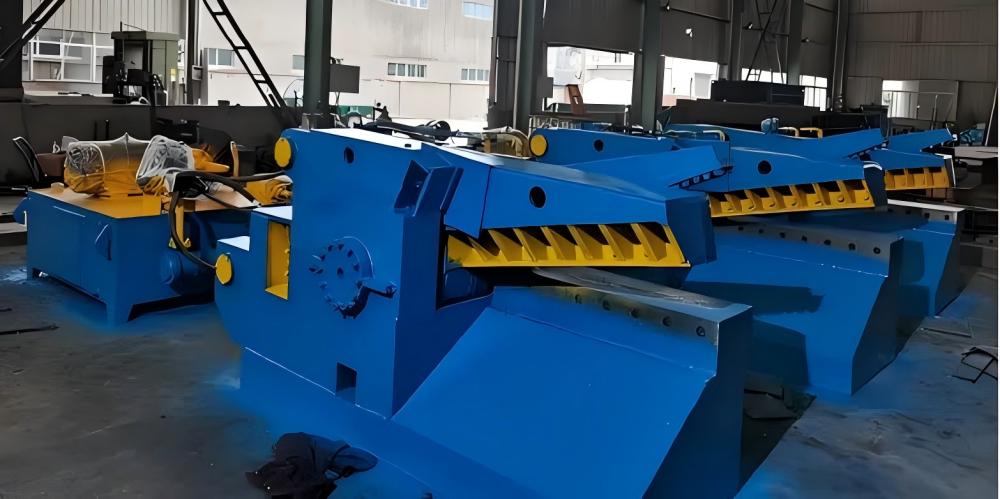
One of the most frequent mistakes in Best Practices Operating An Alligator Shear In Steel Recycling Demolition Sites is improper material placement. Operators often attempt to cut material that is too far from the pivot point. This creates a massive bending moment on the jaw and the pivot pin, leading to premature wear or catastrophic failure of the pin. Always position the thickest part of the scrap as close to the throat of the machine as possible to leverage the maximum mechanical advantage.
Neglecting the blade gap is another critical error. As blades wear down or the bolts securing them loosen, the gap between the upper and lower blades increases. Instead of a clean shear, the material begins to “fold” or wedge between the blades. This not only produces a poor quality cut but also exerts lateral forces on the jaw that the machine was not designed to handle. Regularly checking and shimming the blades to maintain the manufacturer-recommended clearance (usually 0.1mm to 0.3mm) is vital.
Hydraulic mismanagement is a silent killer of alligator shears. Many operators fail to monitor the oil quality or temperature. Contaminated oil can score the cylinder walls and destroy the precision components of the hydraulic pump. In demolition sites, dust and debris are rampant; failing to clean the air filters and change the hydraulic oil according to the maintenance schedule will inevitably lead to downtime. Furthermore, operating the machine when the oil is too cold can cause cavitation, while operating when it is too hot thins the oil, reducing lubrication and pressure.
Finally, ignoring the “hold-down” mechanism is a significant safety and engineering mistake. The hold-down plate is designed to prevent the scrap from jumping or flipping during the cut. When operators bypass this feature to speed up the process, they risk damaging the blades and injuring themselves. The sudden release of energy when a piece of steel snaps can turn a small scrap fragment into a high-velocity projectile. Proper use of the hold-down device is a non-negotiable aspect of safe operation.
Selection Checklist for Alligator Shears
Choosing the right equipment is fundamental to the Best Practices Operating An Alligator Shear In Steel Recycling Demolition Sites. Use this checklist to evaluate your needs:
- Material Type: Are you primarily cutting non-ferrous metals, mild steel, or hardened alloys? Higher hardness requires higher tonnage and specialized blade grades.
- Material Shape: For round bars, a V-notched blade might be more effective. For flat plates, a standard straight blade is sufficient.
- Volume Requirements: Calculate your expected tons-per-hour. High-volume yards should look for shears with high-speed valves or regenerative hydraulic circuits.
- Power Source: Does the site have stable 3-phase electricity, or do you require a diesel-driven hydraulic power unit for remote demolition work?
- Blade Length: Ensure the blade is long enough to handle your widest scrap pieces without requiring multiple repositioning moves.
- Safety Features: Does the machine include a foot pedal guard, an emergency stop, and an automatic hold-down?
- Maintenance Access: Look for designs where the blades are easy to rotate (most blades have 4 cutting edges) and the grease points are easily accessible.
Frequently Asked Questions (FAQ)
1. How often should I rotate or sharpen the blades?
Blade life depends entirely on the material being cut. For clean mild steel, you may get weeks of use before needing to rotate the blades. However, if cutting sandy or rusted demolition scrap, you may need to rotate them more frequently. Most HARSLE blades have four usable edges; once all four are dull, they should be professionally reground.
2. Why is my alligator shear losing cutting power?
Loss of power is usually attributed to three things: internal leakage in the hydraulic cylinder (worn seals), a failing hydraulic pump, or a misadjusted relief valve. First, check the pressure gauge during a cut; if it reaches the rated pressure but fails to cut, the issue may be mechanical (dull blades or too much gap). If it doesn’t reach rated pressure, the issue is in the hydraulic circuit.
3. Can I use an alligator shear to cut cables and wires?
While it is possible, it is not recommended for fine copper wire as the wires tend to wedge between the blades rather than being cut. For heavy armored cables, an alligator shear works well, provided the blade gap is set very tight. Specialized cable strippers or shears are generally better for high-volume wire recycling.
4. What is the best hydraulic oil for demolition sites?
In most environments, an ISO 46 or ISO 68 anti-wear hydraulic oil is standard. However, if you are operating in extreme cold, you may need a multi-grade oil with a high viscosity index to ensure the pump can prime correctly at startup. Always refer to the HARSLE manual for specific climate-based recommendations.
5. Is it safe to operate the shear with a foot pedal?
Yes, provided the foot pedal is housed in a protective shroud to prevent accidental activation. Operators should always stand to the side of the jaw, never directly in front of the cutting zone, to avoid being hit by flying debris. Proper PPE, including face shields and heavy-duty gloves, is mandatory.
6. How do I prevent the machine from overheating?
Ensure the cooling system (if equipped) is functional and that the hydraulic oil level is at the maximum mark. A larger volume of oil takes longer to heat up. If the machine is running hot, check for restricted return lines or a relief valve that is constantly “cracking” and dumping heat into the reservoir.