How to Reduce Downtime on an Alligator Shear with Preventive Maintenance Planning

Technical Overview of Alligator Shear Mechanics
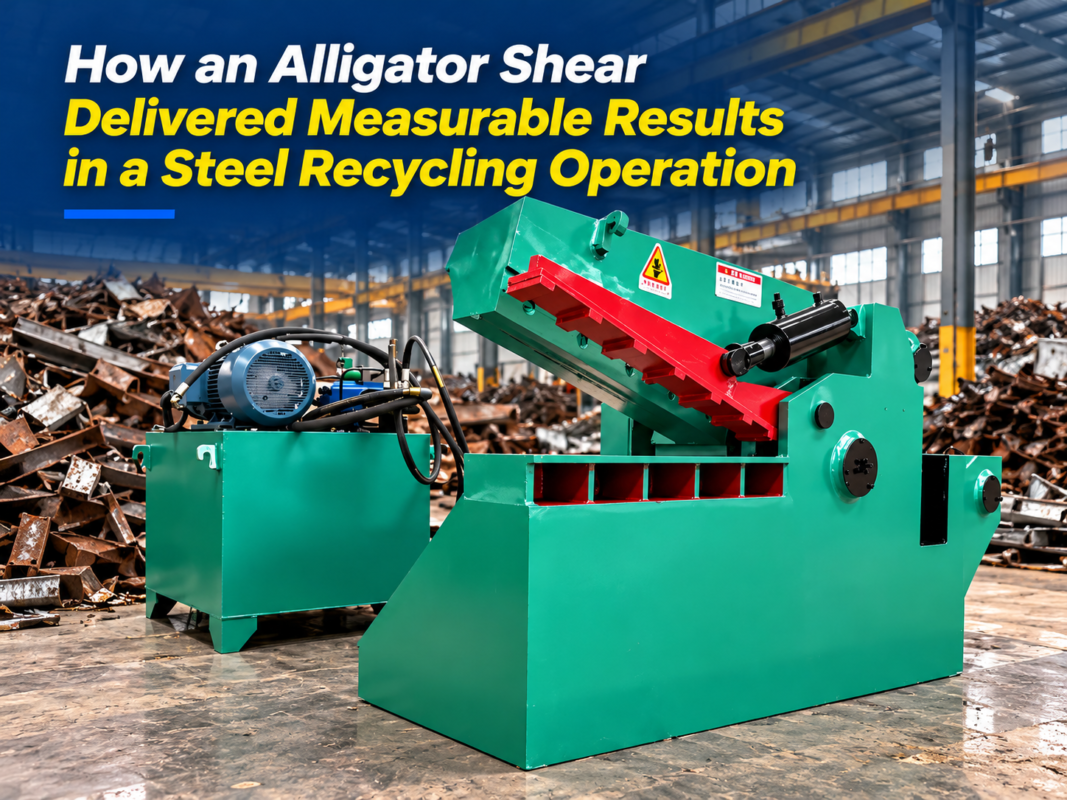
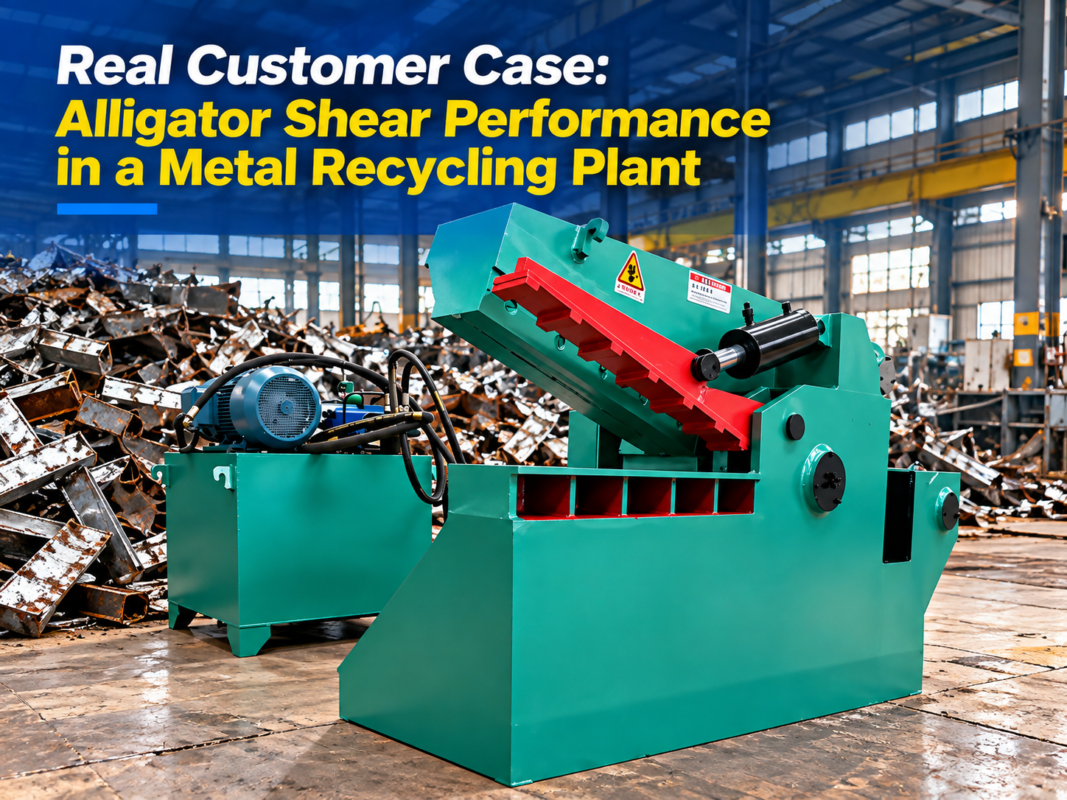
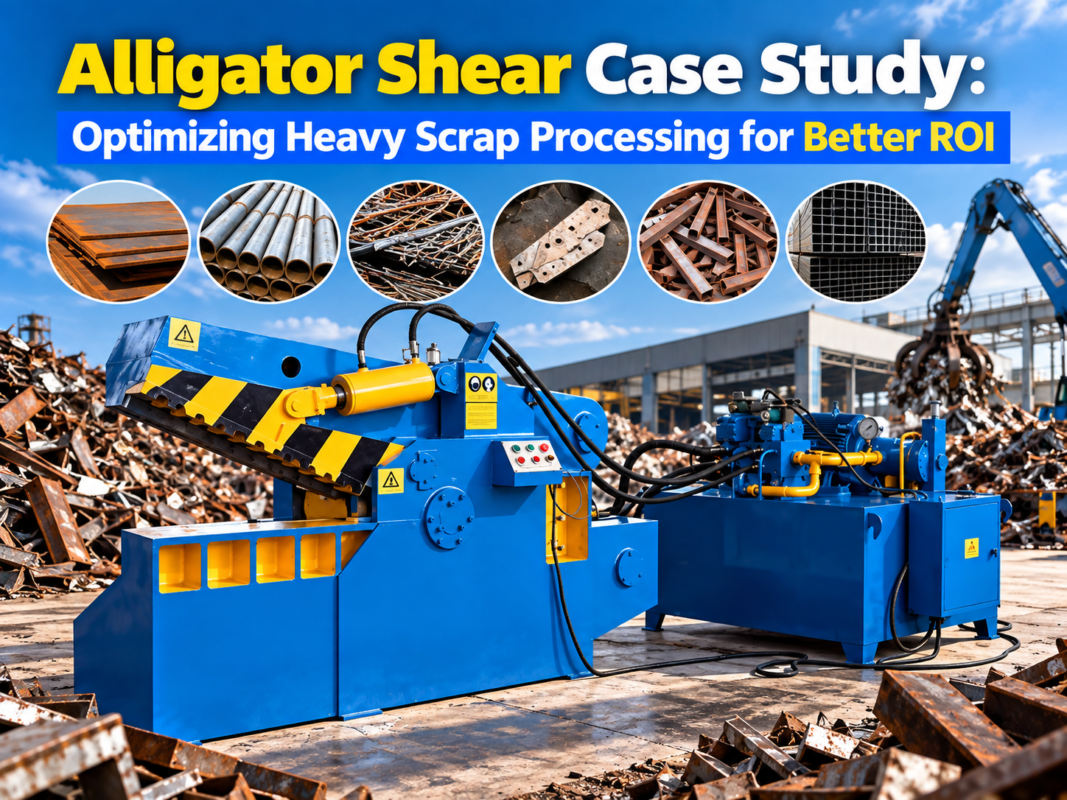
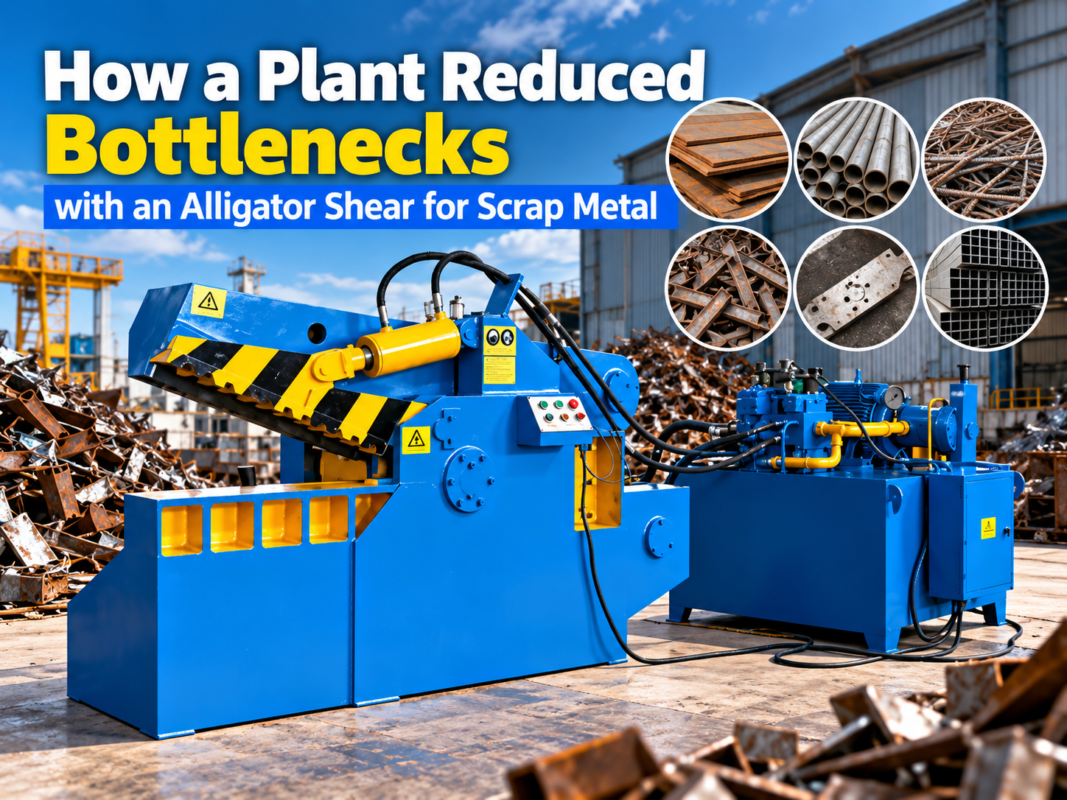
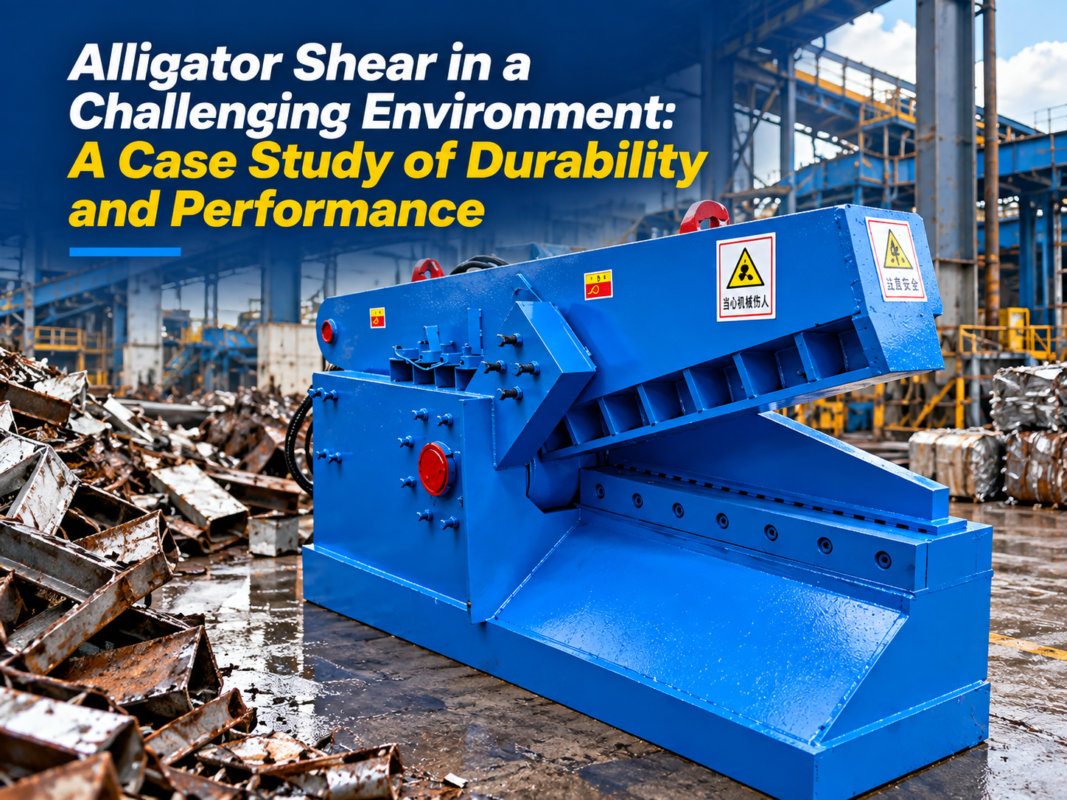
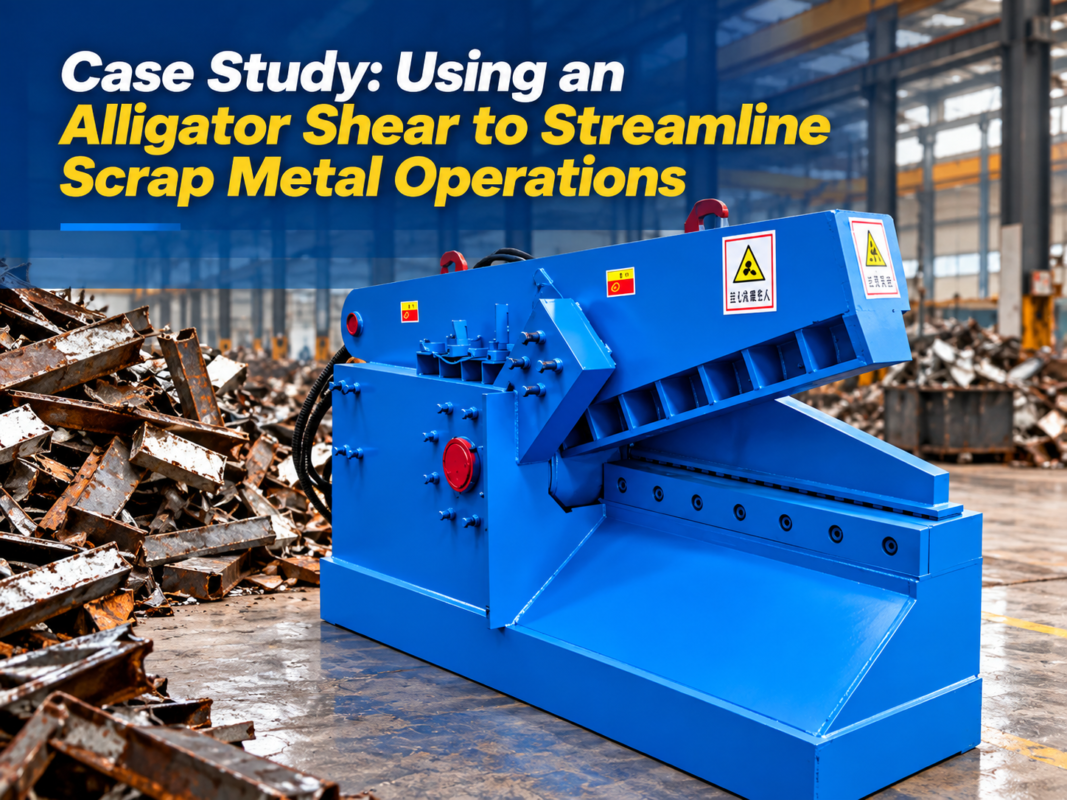
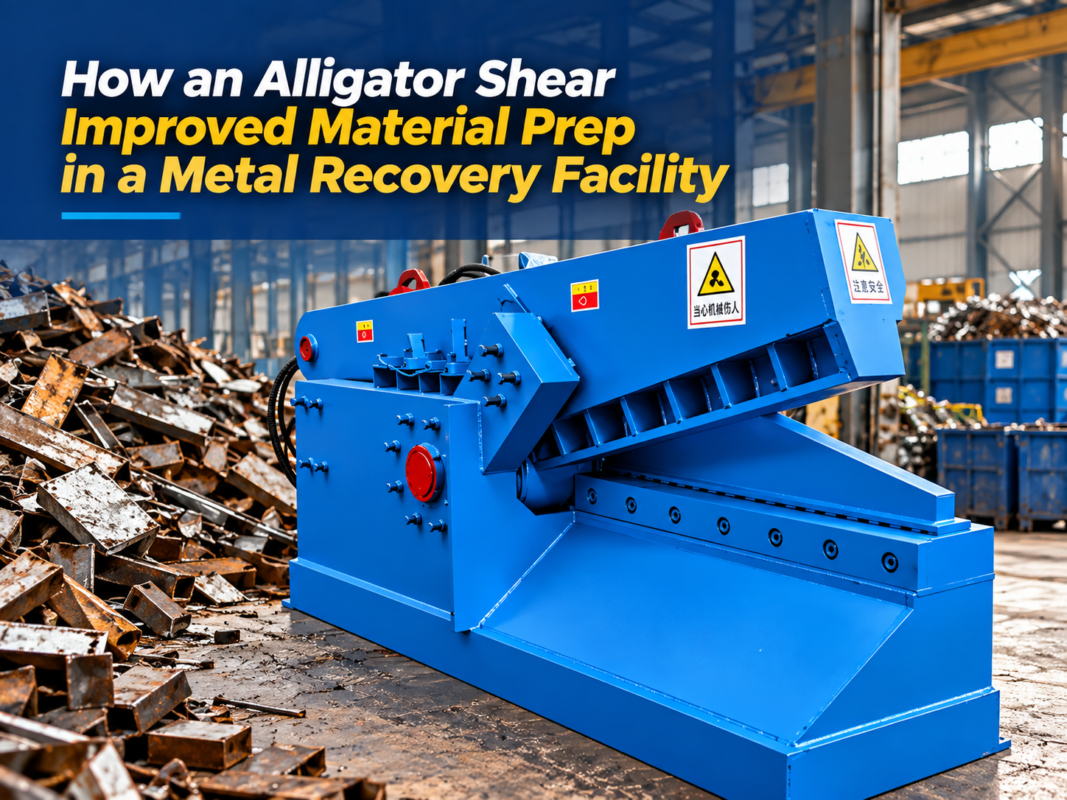
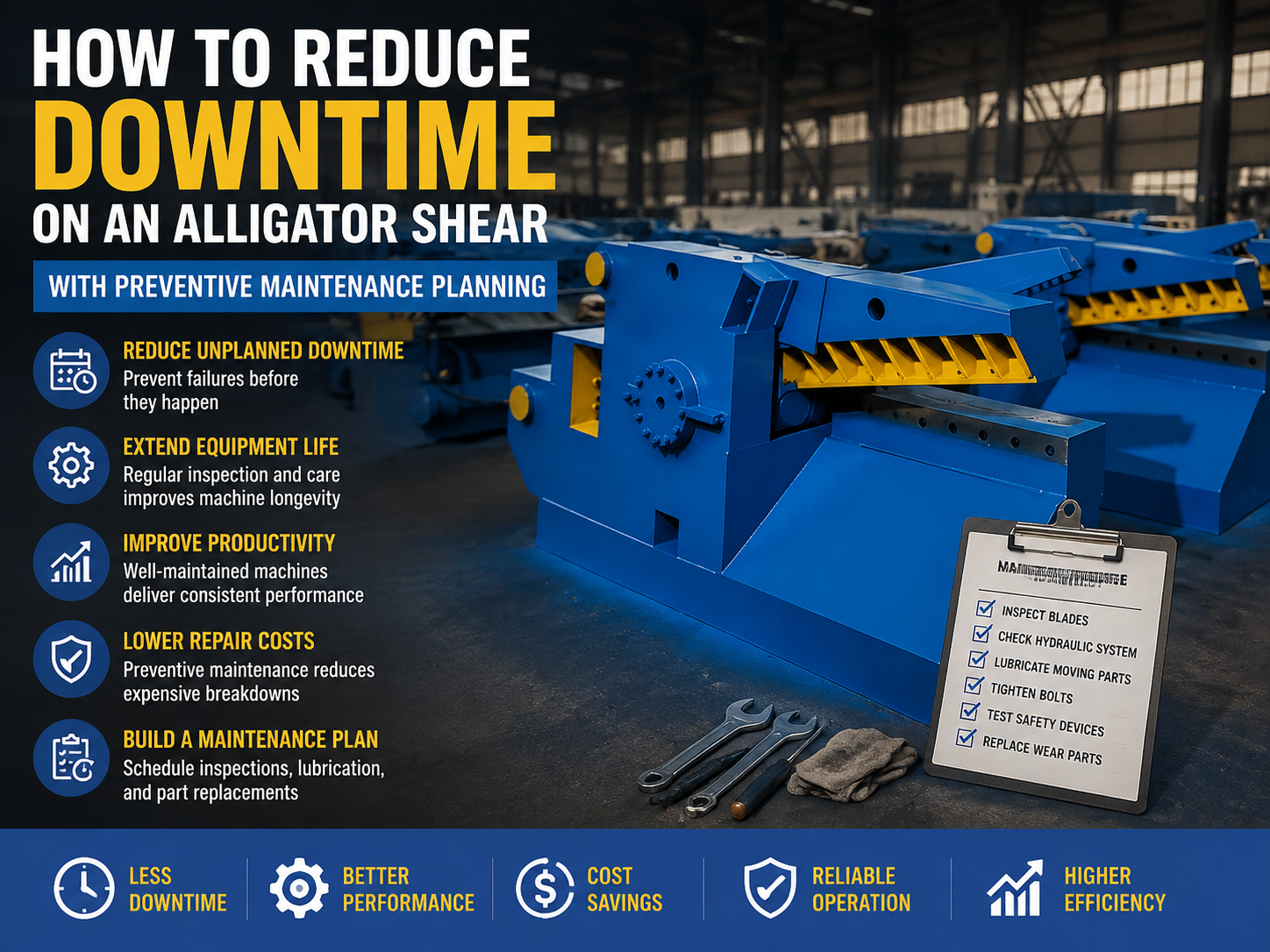
The alligator shear, a staple in the metal recycling and fabrication industry, operates on a relatively simple yet powerful mechanical principle. Named for its characteristic jaw-like movement, the machine utilizes a hydraulic cylinder to actuate a hinged upper blade against a fixed lower blade. This lever-action design allows for the generation of immense shearing force, capable of cutting through structural steel, pipes, and various non-ferrous scrap materials. Understanding the mechanical synergy between the hydraulic system, the pivot pin, and the blade assembly is the first step in learning how to reduce downtime on an alligator shear with preventive maintenance planning.
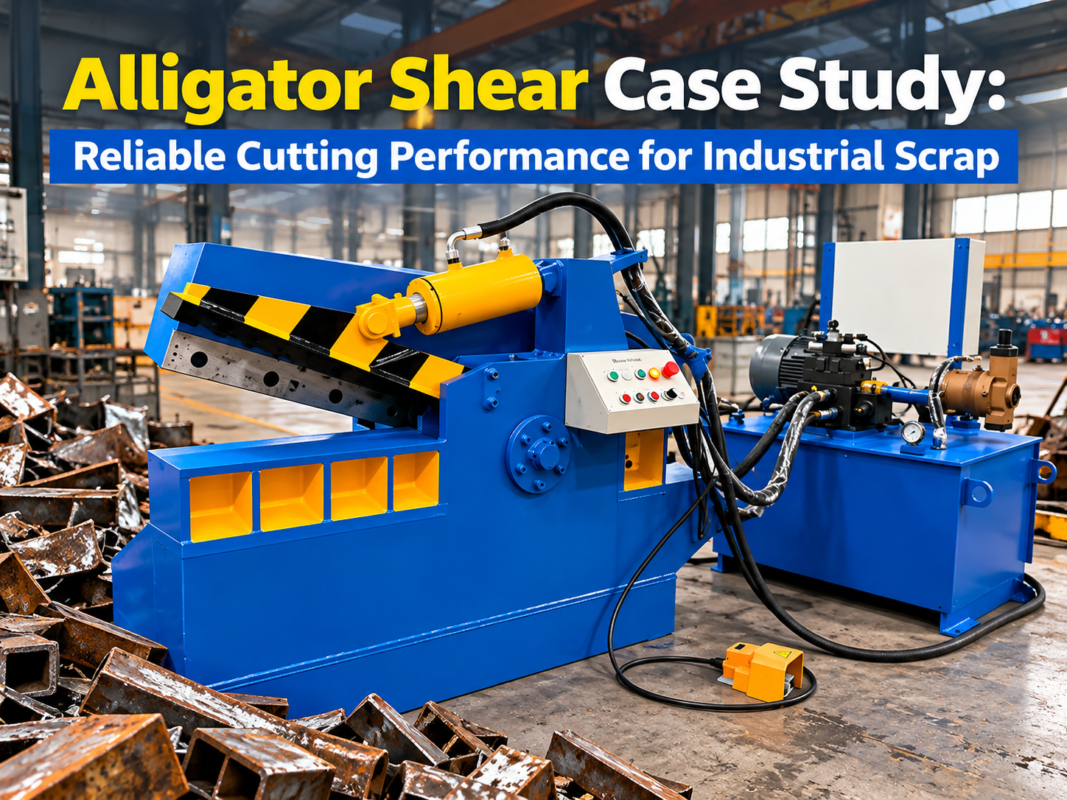
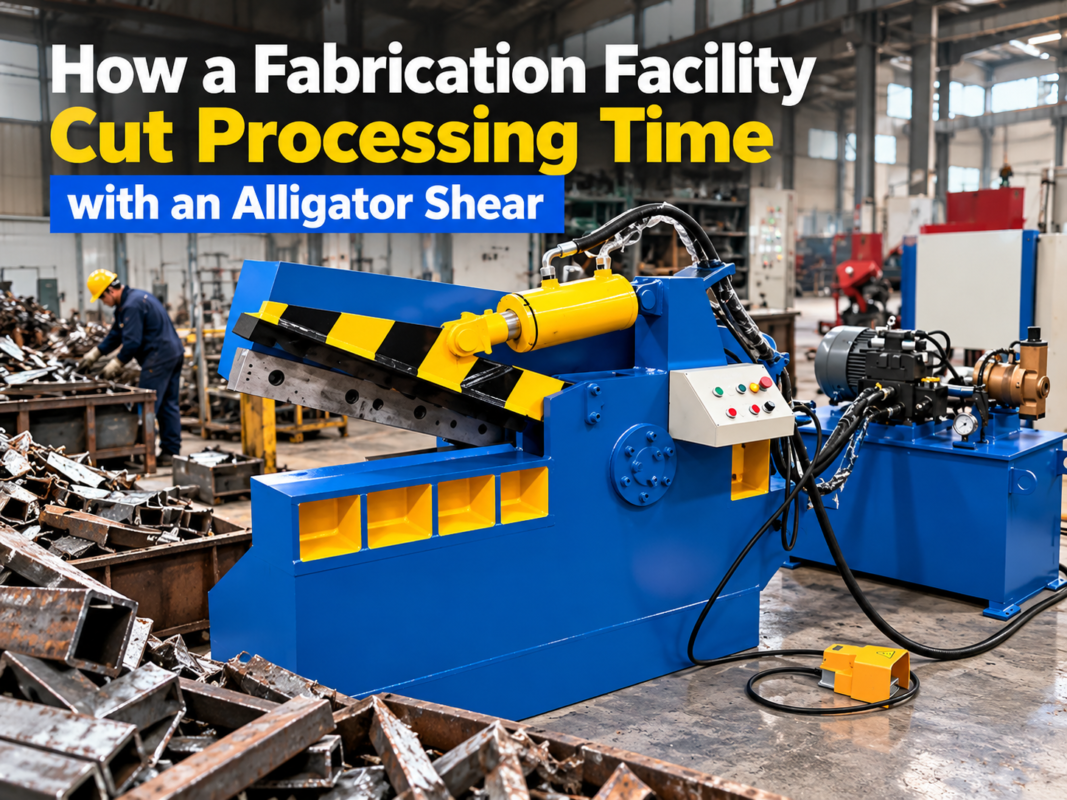
At the heart of the alligator shear is the hydraulic power unit (HPU). The HPU consists of a high-pressure pump, a reservoir, and a series of control valves that direct fluid to the main cylinder. When the operator engages the foot pedal or hand lever, hydraulic fluid is forced into the cylinder, extending the piston rod and forcing the upper jaw downward. The efficiency of this process depends heavily on the integrity of the hydraulic seals and the cleanliness of the fluid. Any degradation in these components leads to slower cycle times and eventual mechanical failure.
The structural frame of a HARSLE alligator shear is engineered to withstand extreme torsional stress. Unlike smaller shears, industrial-grade alligator shears feature heavy-duty castings or reinforced steel plates. The pivot point, where the upper jaw meets the main frame, is a critical area of focus. It houses large bushings and pins that must remain lubricated to prevent friction-induced wear. If the pivot pin wears down, the blade alignment shifts, leading to ‘burring’ of the material and increased stress on the hydraulic pump.
Furthermore, modern alligator shears often incorporate an automatic hold-down device. This component secures the material before the blade makes contact, preventing the scrap from ‘kicking up’ and damaging the machine or injuring the operator. Maintenance of this hold-down system is just as vital as the blades themselves. A malfunctioning hold-down can lead to uneven blade wear and catastrophic frame damage over time.
Core Parameters Influencing Maintenance Frequency
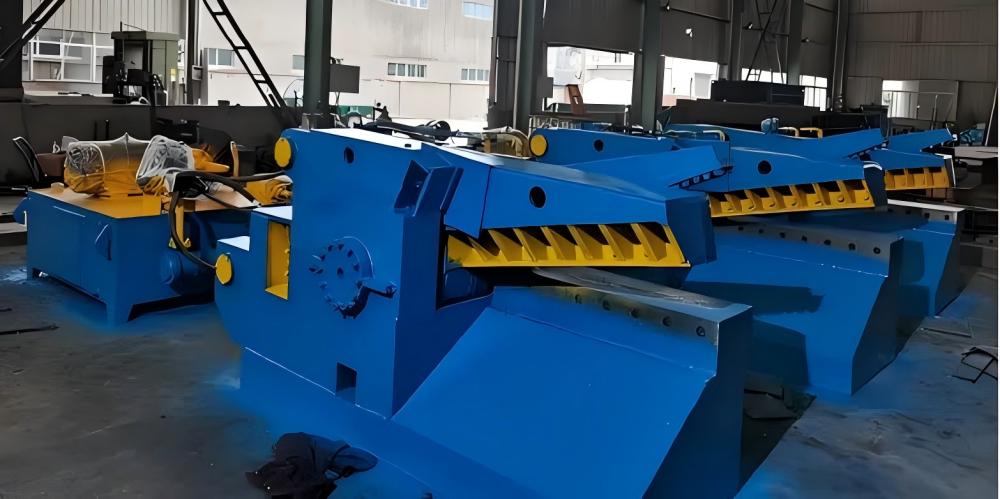
To effectively reduce downtime on an alligator shear with preventive maintenance planning, one must understand the core parameters that dictate the machine’s workload and wear rate. The most significant parameter is the Shear Force (Tonnage). A machine rated for 200 tons will experience significantly higher internal stress when consistently cutting 190-ton capacity materials compared to a machine cutting 100-ton materials. High-tonnage operations require more frequent inspections of the hydraulic fittings and structural welds.
Blade Length is another critical factor. Longer blades allow for the processing of larger scrap pieces but also introduce a greater risk of blade deflection. If the material is not centered correctly on a long blade, the resulting lateral force can strain the pivot bearings. Maintenance plans must account for the specific blade length, ensuring that the gap between the upper and lower blades is checked more frequently on larger models to prevent ‘folding’ rather than ‘cutting’.
Cycle Speed (measured in cuts per minute) directly impacts the thermal load on the hydraulic system. High-speed shears generate more heat within the oil. If the machine is operated at its maximum cycle rate for extended shifts, the hydraulic oil will degrade faster, losing its lubricating properties. This necessitates a more aggressive oil filtration and cooling system maintenance schedule. Monitoring the oil temperature gauge is a daily requirement for high-speed operations.
Finally, the Material Type being processed plays a massive role. Cutting soft aluminum extrusions is far less taxing than shearing hardened steel rebar or thick-walled pipe. A maintenance plan should be ‘load-aware,’ meaning that if the facility switches to harder materials, the frequency of blade sharpening and bolt tightening should increase proportionally. Ignoring the relationship between material hardness and machine wear is a leading cause of unexpected downtime.
Calculation Methods for Shear Force and Maintenance Intervals
Calculating the required shear force is essential for ensuring the machine is not being overloaded. The basic formula for calculating the force (F) required to shear a piece of metal is: F = L × T × S, where L is the length of the cut, T is the thickness of the material, and S is the shear strength of the material. For example, if you are cutting a steel plate with a shear strength of 35 kg/mm², a thickness of 20mm, and a cut length of 100mm, the required force would be 70,000 kg (or 70 tons). If your machine is rated for 63 tons, attempting this cut will trigger the relief valve, causing heat buildup and potential seal damage.
To determine maintenance intervals, engineers often use the MTBF (Mean Time Between Failures) and MTTR (Mean Time To Repair) metrics. However, for preventive maintenance, a ‘Cycle-Based Interval’ is often more accurate than a ‘Time-Based Interval.’ For instance, instead of changing hydraulic oil every six months, a high-volume scrap yard should change it every 2,000 operating hours or 500,000 cycles. This ensures that the maintenance is performed based on actual wear and tear rather than an arbitrary calendar date.
Another useful calculation is the Blade Gap Ratio. For optimal cutting and minimal machine stress, the gap between the blades should typically be 5% to 10% of the material thickness. If the gap is too wide, the material will bend, increasing the pressure required to finish the cut and stressing the hydraulic cylinder. If the gap is too narrow, the blades may rub against each other, causing premature dulling and chipping. Regularly calculating and adjusting this gap is a cornerstone of any preventive maintenance plan.
Comprehensive Parameter Table for HARSLE Alligator Shears
The following table outlines the technical specifications for common HARSLE alligator shear models. These parameters should serve as the baseline for your maintenance planning, as each model has different requirements for oil capacity and pressure settings.
| Model Number | Shear Force (Tons) | Blade Length (mm) | Max Opening (mm) | Cutting Speed (cuts/min) | Motor Power (kW) |
|---|---|---|---|---|---|
| Q43-63 | 63 | 600 | 320 | 8-12 | 7.5 |
| Q43-100 | 100 | 700 | 350 | 8-12 | 11 |
| Q43-120 | 120 | 800 | 400 | 7-11 | 15 |
| Q43-160 | 160 | 800 | 450 | 6-10 | 18.5 |
| Q43-200 | 200 | 1000 | 500 | 5-9 | 22 |
| Q43-250 | 250 | 1200 | 600 | 4-8 | 30 |
Developing a Preventive Maintenance Plan to Reduce Downtime
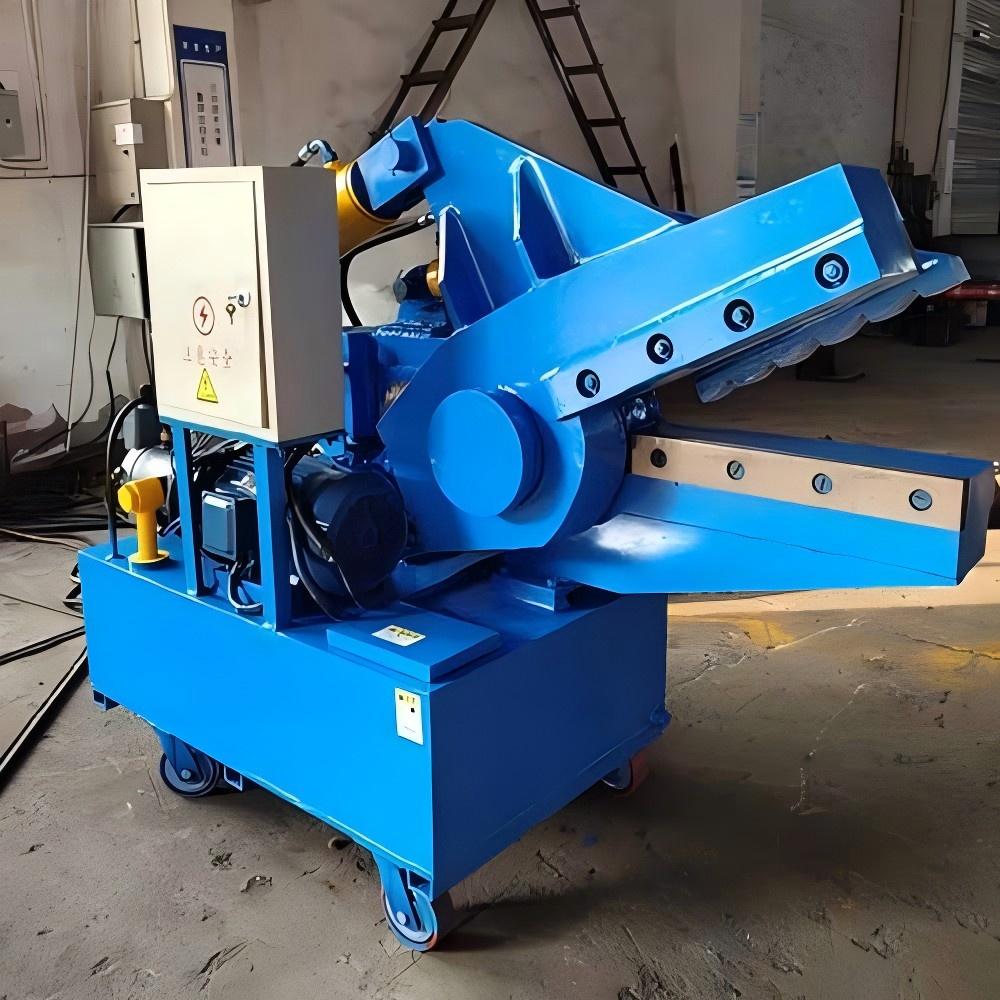
A robust preventive maintenance plan is divided into daily, weekly, and monthly tasks. To truly reduce downtime on an alligator shear with preventive maintenance planning, consistency is key. Daily Tasks should focus on the basics: checking hydraulic oil levels, inspecting for leaks around the cylinder and hoses, and lubricating the main pivot pin. Operators should also perform a visual inspection of the blades for any visible chips or cracks. A ‘clean machine’ policy is also vital; removing metal dust and debris from the moving parts prevents abrasive wear.
Weekly Tasks involve a deeper dive into the machine’s integrity. This includes checking the tightness of all mounting bolts, especially those securing the blades. The vibration from thousands of cuts can loosen even the most secure bolts. Additionally, the air filter on the hydraulic reservoir should be cleaned or replaced. A clogged air filter creates a vacuum in the tank, leading to pump cavitation—a leading cause of expensive pump failures. This is also the time to check the blade gap and adjust it if necessary based on the material being processed.
Monthly and Quarterly Tasks focus on fluid health and electrical systems. Hydraulic oil should be sampled and analyzed for particulate contamination and water content. If the oil appears milky, water has entered the system, likely through a faulty seal or condensation. The electrical cabinet should be opened (with power off) to check for loose wiring or signs of overheating in the contactors. For machines equipped with an oil cooler, the heat exchanger fins should be blown out with compressed air to ensure maximum cooling efficiency.
Finally, Annual Maintenance should involve a complete system flush and a professional inspection of the structural frame. Ultrasonic testing on the pivot pin and the main cylinder mount can reveal microscopic stress cracks before they lead to a catastrophic failure. By identifying these issues during a scheduled annual shutdown, you avoid the massive costs associated with an emergency mid-production breakdown. This proactive approach is the essence of how to reduce downtime on an alligator shear with preventive maintenance planning.
Common Engineering and Operational Mistakes
One of the most common mistakes in alligator shear operation is Overloading the Machine. Operators often try to cut material that exceeds the machine’s rated capacity by ‘nibbling’ at it or using the very tip of the blades. This creates an immense amount of lateral force that the machine was not designed to handle, leading to bent frames and blown seals. Always stay within the 80% capacity range for continuous operation to ensure longevity.
Another frequent error is Improper Blade Gap Adjustment. As mentioned earlier, the gap must be tailored to the material thickness. Many shops leave the gap at a ‘universal’ setting. While this might work for a variety of materials, it accelerates blade wear and increases the load on the hydraulic system. Taking ten minutes to adjust the gap when switching from thin sheet metal to thick structural beams can save hours of downtime in the long run.
Ignoring Hydraulic Oil Temperature is a silent killer of alligator shears. When oil exceeds 60°C (140°F), it begins to break down chemically. The seals become brittle, and the pump loses its ability to maintain pressure. Operators often ignore the temperature gauge until the machine starts moving slowly. By then, the damage is often already done. Installing an automatic shut-off or a larger cooling system is a wise engineering choice for hot climates or high-intensity environments.
Lastly, Poor Foundation and Leveling can lead to subtle but destructive issues. An alligator shear generates significant vibration. If the machine is not bolted to a level, reinforced concrete pad, the frame can twist slightly over time. This misalignment affects the blade path and puts uneven pressure on the pivot bushings. Ensuring a rock-solid foundation is a one-time task that prevents years of alignment-related headaches.
Selection Checklist for Low-Maintenance Alligator Shears
When purchasing a new machine, certain features can make your preventive maintenance planning much easier. Use this checklist to evaluate potential equipment:
- Automatic Lubrication System: Does the machine have a centralized grease pump? This ensures the pivot pin and other critical points are lubricated without relying on manual intervention.
- Oversized Hydraulic Reservoir: A larger tank allows the oil to cool more effectively and lets contaminants settle at the bottom, away from the pump intake.
- Replaceable Bushings: Ensure the pivot points use high-quality, replaceable bronze or composite bushings rather than just steel-on-steel contact.
- Standardized Components: Does the machine use name-brand hydraulic valves and electrical components (like Rexroth or Schneider)? Finding replacement parts for generic components can add weeks to your downtime.
- Blade Design: Are the blades four-sided? Four-sided blades can be rotated three times before they need to be reground, effectively quadrupling their lifespan.
- Safety Interlocks: Does the machine have modern safety sensors? While primarily for safety, these sensors also prevent the machine from operating if a component is misaligned, protecting the hardware.
Frequently Asked Questions (FAQ)
Q: How often should I sharpen the blades on my alligator shear?
A: This depends entirely on the material. For clean scrap, you may only need to rotate or sharpen every 500-1,000 hours. If cutting dirty or hardened scrap, this could drop to every 200 hours. Monitor the cut quality; if the metal is ‘tearing’ rather than ‘snapping,’ it’s time for a sharpen.
Q: Why is my alligator shear losing cutting power?
A: The most common causes are a worn hydraulic pump, a leaking internal seal in the cylinder (bypassing), or a misadjusted relief valve. Check the system pressure with a gauge during a cut to see if it reaches the factory-specified PSI.
Q: Can I use any hydraulic oil in my HARSLE shear?
A: No. You should use a high-quality anti-wear hydraulic oil, typically ISO VG 46 or 68, depending on your ambient temperature. Using the wrong viscosity will lead to pump noise and sluggish performance.
Q: What is the most common cause of frame cracking?
A: Frame cracking is usually caused by ‘side-loading.’ This happens when material is placed at an angle or when the blade gap is so wide that the material wedges between the blades, forcing the jaws apart laterally.
Q: Is it worth repairing an old alligator shear or should I buy new?
A: If the main frame and pivot housing are intact, most hydraulic and electrical issues can be repaired. However, if the frame is warped or the pivot point is wallowed out, the cost of machining and repair often exceeds the value of a new, more efficient HARSLE model.