
Quad-Shaft Industrial Secondary Shredder
Four-Shaft Shredder Uniform Output
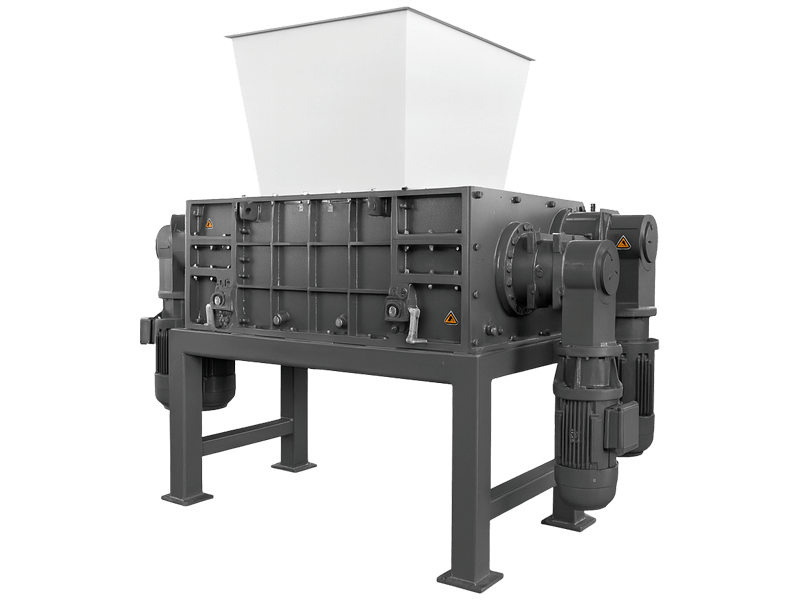
A precision industrial shredder built around two stacked pairs of counter-rotating cutter shafts and an integrated bottom screen — delivering fine, guaranteed-uniform particle output for plastic recycling, e-waste processing, confidential document destruction, SRF/RDF preparation, and secondary size reduction where output quality is non-negotiable.
15–80 mm
Screen-Controlled Output Size
15–400 kW
Total Installed Drive Power
4 shafts
Dual-Stage Recirculating Cut
15–60 RPM
Low-Speed High-Torque Drive
Product Overview
Why Processors Specify a Four-Shaft Shredder
When downstream processes demand uniform, screen-controlled particle size — optical sorters, air classifiers, washing lines, SRF/RDF caloric consistency, or certified security destruction — the four-shaft shredder is the industry benchmark. Its two stacked cutter pairs and integrated bottom screen guarantee that every particle exiting the machine meets the specified size target, with no oversized fraction requiring re-runs.
Dual-Stage Cutter Architecture
Two pairs of counter-rotating shafts are stacked vertically. The upper pair performs the primary tear; the lower pair intercepts oversized particles and re-shreds them back into the cutting zone — creating a self-contained recirculating reduction cycle.
Integrated Bottom Screen
A swappable perforated screen beneath all four shafts controls the maximum output particle size. Only particles below the aperture pass through; all others are recirculated for further reduction — delivering 100% on-spec output, every pass.
Guaranteed Uniform Particle Output
Unlike twin-shaft shredders that produce a wide distribution of coarse strips, the four-shaft machine eliminates oversized fractions at source. Downstream sorters, washing lines, and fuel-preparation processes receive consistent, predictable input.
Interchangeable Screen & Cutters
Swapping the bottom screen changes the output size target in minutes — no mechanical reconfiguration needed. Cutter discs on all four shafts are individually bolted and can be rotated, resharpened, or replaced one at a time without shaft removal.
PLC Auto-Reverse on All Four Drives
The integrated PLC monitors motor amperage and gearbox load on all four independent drives simultaneously. Any overload triggers automatic shaft reversal to clear the jam, then resumes forward operation — minimizing unplanned stops and protecting all four gearboxes.
Certified Destruction Compliance
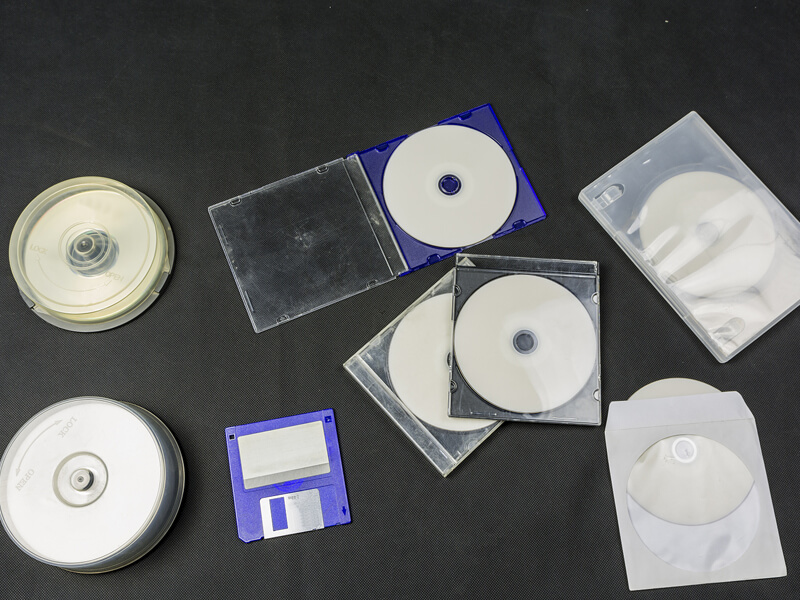
With a 15–25 mm screen fitted, the four-shaft shredder meets DIN 66399 and equivalent security-destruction standards for paper, hard drives, optical media, ID documents, currency, and pharmaceutical products — providing auditable, certified particle-size compliance.
Technical Data
Representative Specifications
The figures below represent typical configuration ranges for industrial four-shaft shredders deployed in plastic recycling, e-waste processing, document destruction, SRF/RDF preparation, and secondary size reduction. Final specifications depend on feedstock type, target output size, required throughput, and downstream process requirements.
| Model | Rotor Count | Cutter Count | Motor Power | Screen Size | Capacity |
|---|---|---|---|---|---|
| ARZIR FS-800 | 4 synchronized shafts | 160 pieces | 500 kW | 10–80 mm | 3–10 t/h |
| ARZIR FS-1200 | 4 synchronized shafts | 200 pieces | 750 kW | 15–100 mm | 8–20 t/h |
| ARZIR FS-1600 | 4 synchronized shafts | 240 pieces | 1000 kW | 20–120 mm | 15–30 t/h |
| ARZIR FS-2000 | 4 synchronized shafts | 280 pieces | 1500 kW | 25–150 mm | 25–40 t/h |
Operating Cycle
How a Four-Shaft Shredder Works
The four-shaft shredder runs a continuous two-stage recirculating reduction cycle. Material fed in at the top passes through two counter-rotating cutter pairs before reaching the bottom screen — and anything that does not meet the aperture requirement is automatically returned to the cutting zone until it does.
01
Feed Loading
Pre-shredded or light feedstock is loaded into the hopper by conveyor, grab, or direct feed. The open hopper geometry guides material onto the upper shaft pair — no ram, no metering required for most feedstocks.
02
Upper Pair Primary Cut
The first pair of counter-rotating shafts grips and shears the feedstock, performing the initial size reduction. Particles small enough to pass the gap between shafts fall toward the lower cutting zone.
03
Lower Pair Re-Shred & Screen
The lower shaft pair intercepts all particles above the screen aperture and re-shears them. Only material conforming to the specified maximum size passes through the bottom screen — oversized pieces are continuously recirculated.
04
Uniform Discharge & PLC Control
On-spec particles exit through the screen directly onto a discharge conveyor below. The PLC monitors all four drives simultaneously; on any overload it auto-reverses all shafts to clear jams, then resumes — typically without operator intervention.
Feedstock
Materials Processed by a Four-Shaft Shredder
The four-shaft shredder excels at secondary size reduction of light-to-medium fraction waste where uniform output quality governs the downstream process — from plastics and e-waste to paper archives, packaging, and SRF/RDF fuel fractions.

Rigid & Film Plastics
E-Waste & Hard Drives

Paper & Confidential Documents
Cardboard & Paper Bales

Plastic Bottles & PET/HDPE

SRF / RDF Fractions
Optical Media & ID Cards
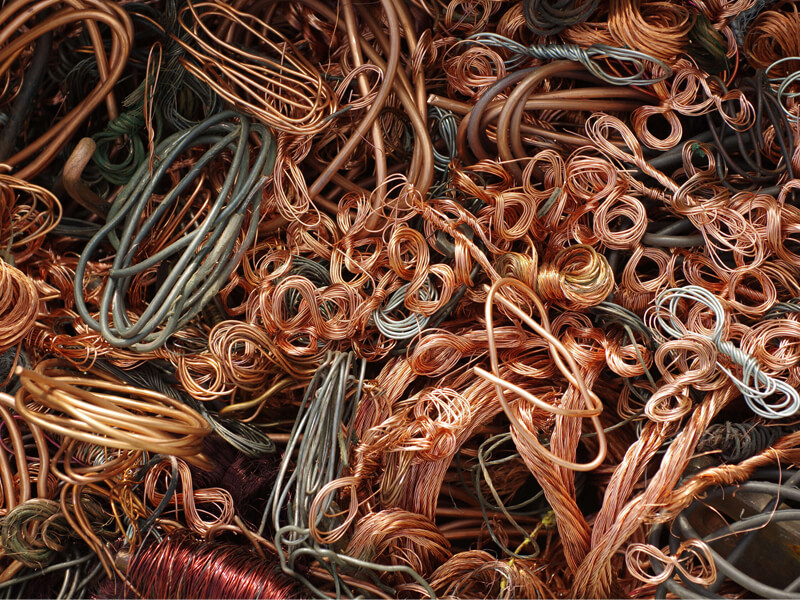
Light Non-Ferrous Scrap
Competitive Comparison
Why Choose ARZIR Four-Shaft Shredders
See how ARZIR four-shaft shredders compare against conventional double-shaft machines across the metrics that matter most — material recovery, output uniformity, processing stages, and long-term return on investment.
| Comparison Item | ARZIR Four-Shaft | Double-Shaft Shredder | ARZIR Advantage |
|---|---|---|---|
| Material Liberation Rate | 90–95% superior liberation | 75–85% standard liberation | 15–20% higher material recovery |
| Output Uniformity | 95%+ uniform particle distribution | 80–90% output consistency | Superior downstream processing efficiency |
| Processing Stages | Single-pass coarse to fine processing | Primary reduction requires secondary processing | Eliminates multiple processing stages |
| Fine Material Handling | Specialized for fine and precision processing | Optimized for primary size reduction | Superior fine processing capabilities |
| Material Contamination Control | Progressive separation maintains purity | Good separation with some mixing | Higher purity recovered materials |
| Investment Requirements | Higher investment for advanced capabilities | Lower initial investment cost | ROI through superior material recovery |
Use Cases
Application Scenarios
Four-shaft shredders occupy the secondary position in size-reduction lines — downstream of a primary twin-shaft shredder and upstream of sorters, washing systems, or fuel-preparation conveyors — where their screen-controlled output quality is the critical enabling factor.
E-Waste Processing Centers
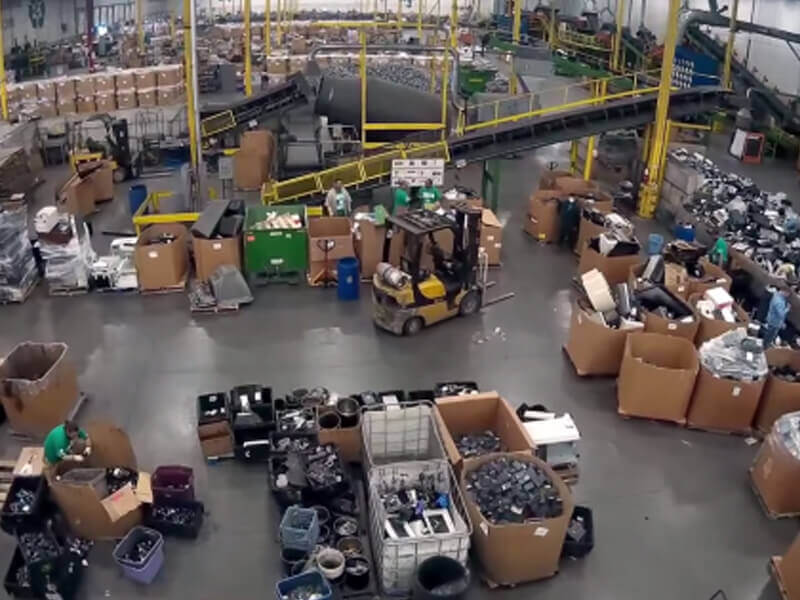
Secondary fine shredding of pre-processed electronics, PCBs, mobile phones, and hard drives into uniform flakes that maximize metal liberation and recovery in downstream optical and eddy-current sorters.

Automotive Shredder Residue
Fine shredding of ASR light fractions — foam, fabric, mixed plastics, and rubber — into a tight particle-size distribution that improves separation efficiency in downstream density, optical, and sensor-sorting stages.

Complex Plastic Processing
Producing uniform flakes from multi-layer film, rigid containers, composite packaging, and mixed polymer streams — meeting washing-line and extruder feed specifications without a separate downstream screening step.

Fine Metal Processing
Secondary reduction of light non-ferrous scrap, aluminum foil, thin-gauge sheet, and cable offcuts into uniform pieces that improve bulk density and separation efficiency in downstream eddy-current and sensor-sorting stages.
Knowledge Base
Frequently Asked Questions
What is a four-shaft shredder?
A four-shaft shredder, also called a quad-shaft shredder, is an industrial size-reduction machine that uses two pairs of counter-rotating cutter shafts arranged in two stacked stages above an integrated bottom screen. The upper pair of shafts pre-tears the incoming feedstock; particles that are still oversized are returned by the lower pair and re-shredded until they pass through the screen aperture. This two-stage architecture delivers fine, uniform, screen-controlled output — making the four-shaft shredder the preferred choice for secondary size reduction of plastics, e-waste, paper, confidential documents, and SRF/RDF preparation.
What materials can a four-shaft shredder process?
Typical feedstock for a four-shaft shredder includes rigid and film plastics, plastic bottles and containers, HDPE and PET bales, electronic waste such as mobile phones, laptops, hard drives, and PCBs, confidential documents and paper archives, cardboard and paper bales, light aluminum profiles, cable offcuts, packaging waste, SRF/RDF feed fractions, non-ferrous light scrap, pharmaceutical waste for destruction, and branded goods requiring certified IP destruction. Most four-shaft machines receive pre-shredded or relatively uniform feedstock from a primary twin-shaft shredder upstream.
How does a four-shaft shredder differ from a double-shaft shredder?
A double-shaft shredder uses two counter-rotating shafts with no screen, producing coarse, irregular strips for primary size reduction of tough, bulky, and oversized feedstock. A four-shaft shredder adds a second pair of shafts and a bottom screen, creating a recirculating two-stage cutting cycle that re-shreds any particle too large to pass through the screen aperture. The result is fine, consistent, screen-controlled output suitable for downstream sorting, granulation, or direct fuel use — making the four-shaft shredder ideal for secondary or finish shredding, not primary reduction.
What output particle size does a four-shaft shredder produce?
Because all output must pass through a fixed bottom screen, a four-shaft shredder guarantees a precise, upper-bound particle size. Typical screen apertures range from 15 mm to 80 mm, producing uniform flakes, strips, or granules depending on the cutter profile and feedstock. This screen-controlled output is a key advantage over double-shaft shredders — it eliminates oversized material and ensures consistent input quality for downstream optical sorters, air classifiers, washing lines, and granulators.
What shaft size and motor power range is typical for a four-shaft shredder?
Industrial four-shaft shredders typically use shaft diameters between 150 mm and 400 mm with cutting chamber lengths between 500 mm and 2000 mm. Total installed drive power ranges from 15 kW on small document-destruction units up to 400 kW on heavy plastic and e-waste secondary shredders. Each of the four shafts is driven by its own motor-gearbox set, and rotational speed is kept low — typically 15–60 rpm — to maximize torque and minimize heat, dust, and noise.
How does the bottom screen work in a four-shaft shredder?
The bottom screen in a four-shaft shredder sits directly below all four shafts. Particles small enough to pass through the screen aperture fall through and exit the machine on the discharge conveyor. Oversized particles are intercepted by the lower pair of shafts, which shear and re-tear them back up into the cutting zone between all four rotors. This recirculation continues until every piece is reduced below the screen aperture, guaranteeing 100% compliance with the specified maximum output size.
Can a four-shaft shredder handle confidential document and data destruction?
Yes. The four-shaft shredder is widely used for certified confidential destruction of paper archives, hard drives, optical media, ID cards, currency, and branded or pharmaceutical products. The combination of a tight screen aperture (typically 15–25 mm for document destruction) and the recirculating two-stage cutting cycle ensures that no piece exits the machine above the certified destruction particle size — meeting DIN 66399 or equivalent security-level standards when the correct screen is fitted.
Are the cutters on a four-shaft shredder replaceable?
Yes. Four-shaft shredders use individually bolted cutter discs and spacers on all four shafts. Each cutter can be removed, rotated to a fresh cutting edge, or replaced independently without dismounting the shafts. The bottom screen is also interchangeable — different aperture screens can be swapped to change the output particle size target for different products or campaigns. This modularity makes the four-shaft machine highly flexible and keeps wear-part downtime low.
How does a four-shaft shredder protect itself from overload?
An integrated PLC continuously monitors the motor amperage and gearbox load on all four drives. On overload, the controller automatically reverses all shafts to clear any jammed or unshredable material, then resumes forward operation — typically without operator intervention. Torque-limiting couplings or shear pins provide final mechanical overload protection for gearboxes and shaft bearings on extreme shock loads. Four-shaft shredders are generally operated downstream of a primary shredder that removes the most damaging contraries.
What maintenance does a four-shaft shredder require?
Routine maintenance includes daily visual inspection of the cutting chamber and screen condition, regular cutter rotation or replacement based on hourly wear data, screen aperture inspection for deformation, gearbox oil sampling on all four gearboxes, shaft bearing lubrication, PLC and drive system checks, and inspection of discharge conveyor components. Following manufacturer-recommended service intervals by shaft run-hours maximizes cutter and screen life, minimizes unplanned downtime, and protects the gearboxes and bearings on all four drive units.
Get the Right Machine for Your Operation
Tell us about your material type, throughput requirements, and site conditions — our engineers will recommend the ideal equipment and provide a competitive quote within 24 hours.
- Response within 24 hours
- Free technical consultation & quotation
- ISO-certified factory & strict quality control
- Shipped to 100+ countries worldwide