
Single-Rotor Industrial Size Reduction
Single-Shaft Shredder Universal Industrial Shredder
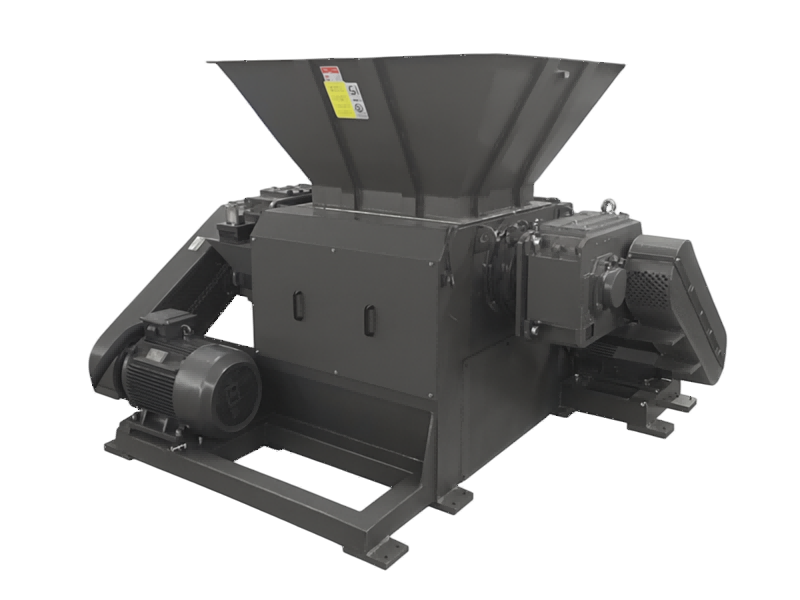
A heavy-duty industrial shredder built around a single low-speed, high-torque rotor, a hydraulic hopper ram, and a calibrated discharge screen — engineered to deliver a uniform, screen-controlled output from plastic regrind, wood waste, paper, light metal scrap, e-waste, tires, and RDF/SRF feedstock.
350–800 mm
Rotor Diameter Range
30–250 kW
Installed Drive Power
20–100 mm
Screen-Controlled Output
80–150 RPM
Low-Speed High-Torque
Product Overview
Why Recyclers Specify a Single-Shaft Shredder
When the size-reduction goal is a uniform, screen-defined particle ready for granulation, washing, pelletizing, baling, or fuel preparation, the single-shaft shredder is the industry standard. Its single rotor working against a fixed counter-knife — combined with a hydraulic hopper ram and a calibrated screen — delivers consistent output dimensions across plastic, wood, paper, light metal, e-waste, and RDF feedstock with a single pass.
Single-Rotor Cutting Geometry
One welded or solid forged rotor fitted with bolted, multi-edge cutter inserts shears feedstock against fixed counter-knives — producing clean, predictable cuts with low fines and minimal dust generation.
Hydraulic Hopper Ram Feeding
An active hydraulic ram pushes material into the rotor on a programmed forward/retract cycle, maintaining stable amperage, preventing bridging, and protecting the drivetrain from sudden load spikes.
Calibrated Discharge Screen
An interchangeable screen with 20–100 mm perforations sits beneath the rotor and controls maximum particle size — making output dimensions independent of feedstock variability and operator skill.
Heavy-Duty Welded Steel Frame
A reinforced, fully welded structural frame absorbs cutting torque and contains shock loads from contraries, allowing continuous-duty operation in the 24/7 production environments typical of recycling plants.
Replaceable Cutter Inserts
Bolted, multi-edge cutter inserts can be rotated to expose a fresh edge and replaced individually without removing the rotor — dramatically lowering blade-related downtime and per-tonne wear cost.
PLC Control & Load Sensing
Integrated PLC monitors motor amperage, hydraulic pressure, and ram position; on overload, the ram automatically retracts and the rotor reverses — eliminating most jam events without operator intervention.
Technical Data
Representative Specifications
The figures below represent typical configuration ranges for industrial single-shaft shredders deployed in plastic, wood, paper, light metal, e-waste, and RDF/SRF preparation. Final specifications depend on feedstock density, bulk geometry, contamination level, and the target output particle size determined by the screen.
| Model | Rotor Size | Blade Count | Motor Power | Output Size | Capacity |
|---|---|---|---|---|---|
| ARZIR SS-800 | 800mm x 600mm | 32 pieces | 90 kW | 20–150 mm | 1–3 t/h |
| ARZIR SS-1000 | 1000mm x 800mm | 40 pieces | 132 kW | 25–200 mm | 2–5 t/h |
| ARZIR SS-1200 | 1200mm x 1000mm | 48 pieces | 200 kW | 30–250 mm | 3–8 t/h |
| ARZIR SS-1500 | 1500mm x 1200mm | 60 pieces | 315 kW | 40–300 mm | 5–12 t/h |
Operating Cycle
How a Single-Shaft Shredder Works
A single-shaft shredder coordinates four core sub-systems — feed hopper with hydraulic ram, single low-speed rotor, fixed counter-knife, and discharge screen — to convert variable, bulky feedstock into a uniform, screen-defined output stream ready for the next process step.
01
Feeding & Ram Engagement
Material is loaded into the hopper by conveyor, forklift, or grab. The hydraulic ram pushes the feedstock horizontally toward the rotor on a programmed forward stroke, maintaining a controlled feed pressure.
02
Rotor Cutting Action
The low-speed, high-torque rotor — fitted with bolted multi-edge cutter inserts — shears the feedstock against the fixed counter-knife. The shear-type cut minimizes dust, fines, and friction heat versus high-speed grinding.
03
Screen Calibration
Cut material falls onto the curved screen below the rotor. Particles smaller than the screen perforation pass through; larger pieces re-enter the cutting circuit until they reach the target dimension.
04
Discharge & Load Control
Screened output drops onto a discharge conveyor or pneumatic line. The PLC continuously monitors motor amperage; if a contrary causes overload, the ram retracts and rotor briefly reverses to clear the jam automatically.
Feedstock
Materials Processed by a Single-Shaft Shredder
A single-shaft shredder is one of the most universal size-reduction machines in modern recycling. Feedstock spans plastic, wood, paper, light metal, e-waste, tires, and pre-sorted municipal waste — all delivered as a uniform, screen-controlled output.

Plastic Lumps & Purgings
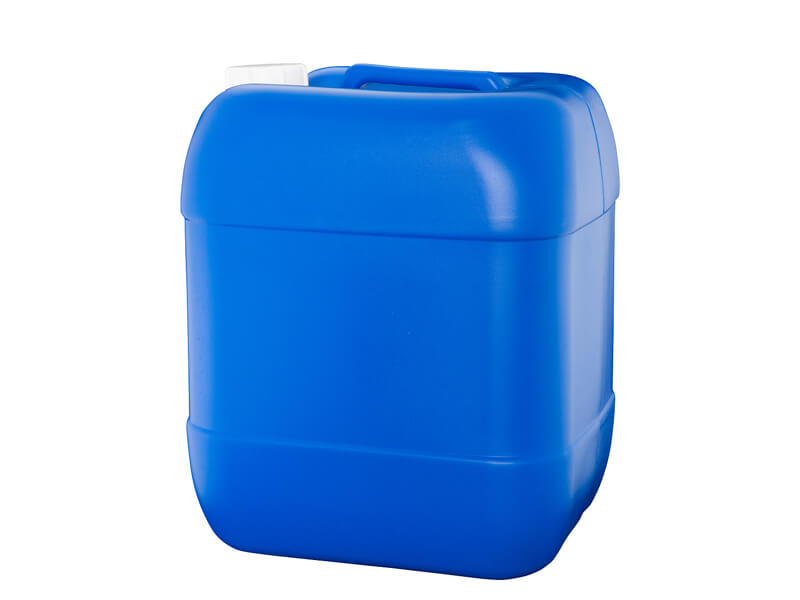
HDPE / PP Drums

Films & Big Bags

Paper & Cardboard
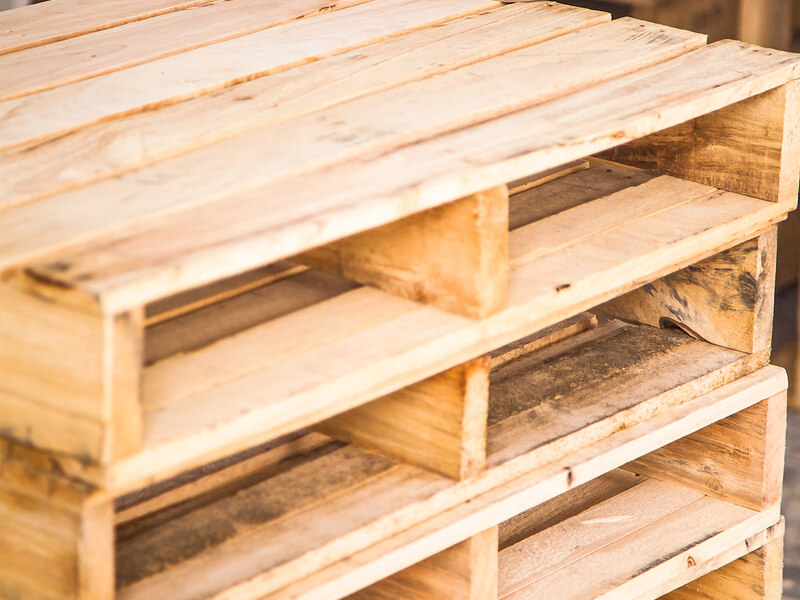
Wood Pallets & Offcuts

E-Waste & PCBs
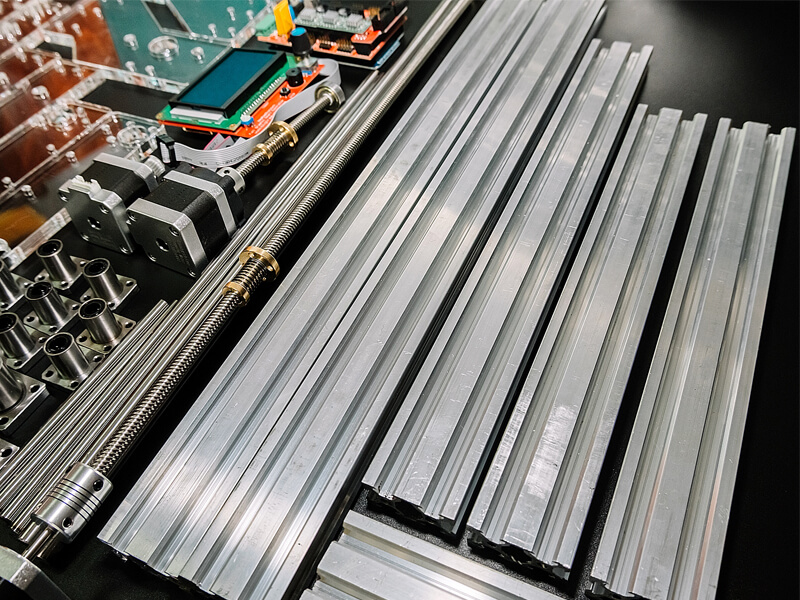
Light Metal & Aluminum
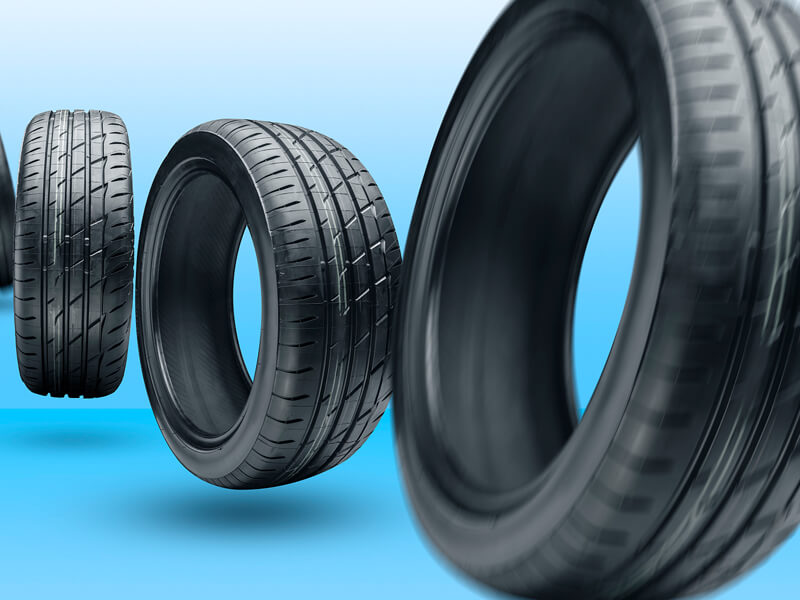
Tires & Rubber
Deployment Context
Where Single-Shaft Shredders Add Value
Single-shaft shredders are deployed wherever a uniform, screen-controlled output particle size is the operational requirement — ahead of granulation, washing, pelletizing, baling, briquetting, or fuel preparation. Their adaptability across plastic, wood, paper, metal, and waste streams makes them the workhorse of modern recycling lines.
Plastic Recycling Plants
Reducing post-industrial regrind, purgings, lumps, drums, and big bags to a 20–40 mm flake suitable for friction washers, sink-float tanks, and downstream pelletizing extruders.
Wood Recycling & Biomass Yards
Shredding pallets, crates, demolition timber, and forest residues into a homogeneous chip for screening, de-nailing, briquette presses, or boiler feed.
Paper & Document Destruction
Producing security-compliant shreds from sensitive documents, expired packaging, and over-runs at confidentiality levels suitable for industrial document destruction services.
E-Waste & WEEE Recycling
Pre-shredding electronic devices, printed circuit boards, and small appliances ahead of magnetic, eddy-current, and density-based separation for metal recovery.
Tire & Rubber Recycling
Reducing whole or pre-cut tires into rubber chips for cryogenic granulation, devulcanization, civil-engineering aggregate, or tire-derived fuel.
RDF & SRF Preparation
Converting pre-sorted municipal solid waste, commercial waste, and reject fractions into the dimensionally controlled fuel required by waste-to-energy and cement co-processing plants.
Light Metal & Aluminum Scrap
Reducing aluminum cans, sheet offcuts, profile drops, and post-shredder light fraction into a furnace-ready charge with consistent bulk density and dimensions.
Industrial & Production Waste
On-site reduction of off-spec product, expired stock, packaging waste, and confidential prototypes — protecting brand IP and lowering disposal logistics costs.
Engineering Advantages
Why the Single-Rotor Configuration Outperforms Alternatives
Compared with double-shaft pre-shredders, hammer mills, and high-speed granulators, the single-shaft architecture delivers the most consistent output particle size in a single pass — at lower energy per tonne, with cleaner cuts, and with significantly reduced fines, dust, and noise.
01
Screen-Defined Output Particle Size
Output dimensions are determined by the discharge screen, not by feedstock geometry — guaranteeing a consistent flake or chip dimension that downstream washers, granulators, pellet extruders, and pneumatic conveyors rely on.
02
Low-Speed, High-Torque Drive
An 80–150 rpm rotor minimizes friction heat, dust generation, and noise versus high-speed granulators, while delivering the cutting torque required to shear ductile film, fibrous wood, and tough HDPE in a single stroke.
03
Active Hydraulic Ram Feeding
Programmed ram cycles eliminate manual feed-rate management, prevent bridging of soft materials, and stabilize main-motor amperage — translating directly into higher availability and lower kWh per tonne.
04
Replaceable, Multi-Edge Cutter Inserts
Bolted four-edge cutter inserts can be rotated three times before replacement and are serviced without rotor removal, dramatically reducing planned downtime and cost-per-tonne wear cost on abrasive feedstock.
05
Automatic Overload Recovery
The PLC continuously monitors motor amperage and hydraulic pressure; on overload it retracts the ram and reverses the rotor automatically — clearing most contraries without operator intervention or unplanned stops.
06
Tramp-Metal & Contraries Tolerance
The robust welded steel frame, oversized bearings, and protected drivetrain absorb shock loads from screws, fasteners, and tramp metal commonly present in mixed waste — reducing emergency stoppages on real-world feedstock.
Use Cases
Application Scenarios
Single-shaft shredders are positioned at the heart of the size-reduction stage in industrial recycling plants, where uniform output particle size determines downstream washing, separation, pelletizing, or fuel-preparation performance.
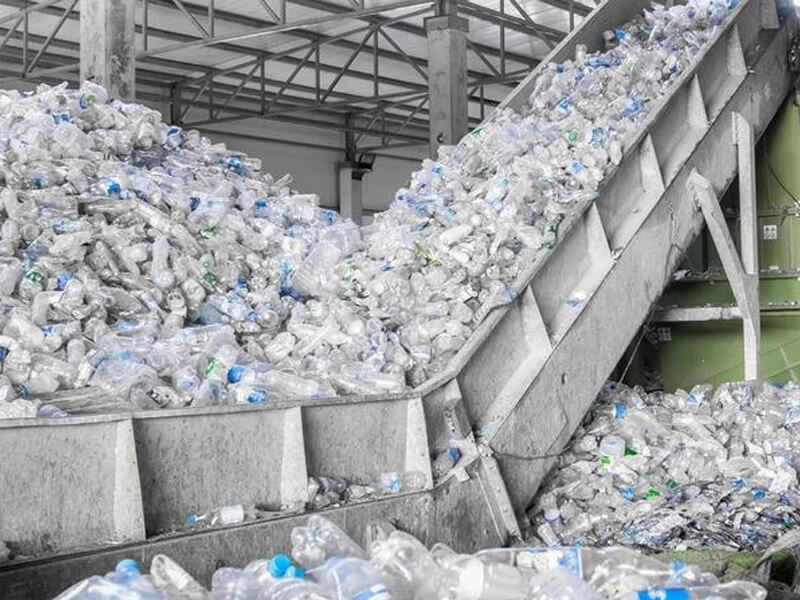
Plastic Recycling Plants
Front-end size reduction of bottles, films, lumps, and regrind to feed friction washers, sink-float tanks, and twin-screw pelletizers with a uniform flake stream.
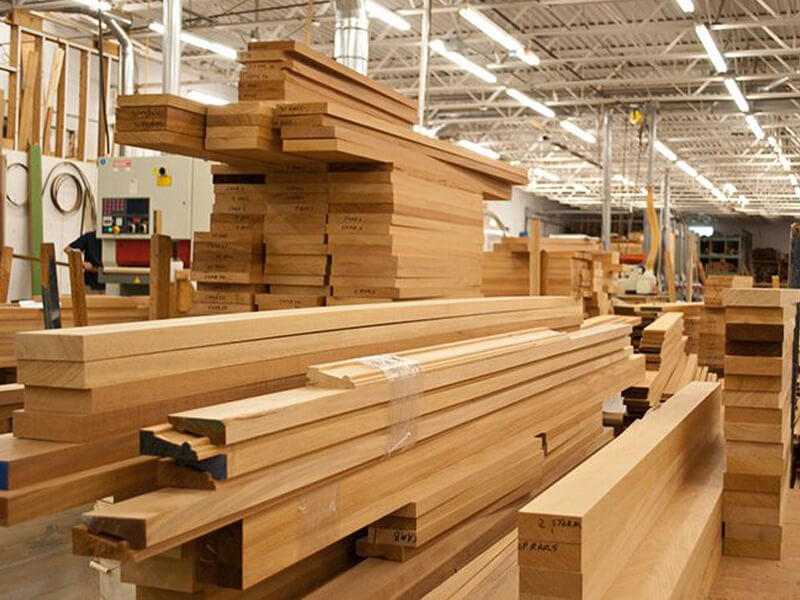
Wood Processing Facilities
Reducing pallets, demolition timber, and forest residues to a homogeneous chip for de-nailing, screening, biomass boilers, and densified briquette production.

Textile Recycling Centers
Shredding post-consumer garments, industrial fabric scraps, and fiber bales into uniform fibers for shoddy production, insulation fill, and nonwoven material reprocessing.

Municipal Solid Waste Facilities
Converting pre-sorted household and commercial waste into dimensionally controlled output for RDF/SRF fuel preparation, material recovery, and waste-to-energy combustion.
Knowledge Base
Frequently Asked Questions
What is a single-shaft shredder?
A single-shaft shredder is an industrial size-reduction machine that uses one rotating shaft fitted with replaceable cutter inserts to shear material against a fixed counter-knife. A hydraulic hopper ram pushes the feedstock into the rotor, and a calibrated screen below the rotor controls the maximum particle size released from the cutting chamber. The single-rotor configuration is widely used to produce a uniform, screen-defined output from plastic, wood, paper, light metal, e-waste, tires, and RDF/SRF input streams.
What materials can a single-shaft shredder process?
Typical feedstock includes rigid plastic lumps and purgings, HDPE and PP drums, plastic films and big bags, PET bottles and preforms, wood pallets and offcuts, paperboard and confidential documents, light ferrous and non-ferrous sheet metal, aluminum profiles and cans, electronic waste and printed circuit boards, post-shredder residue, whole and pre-cut tires, and pre-sorted municipal solid waste destined for RDF or SRF production.
How does a single-shaft shredder differ from a double-shaft or four-shaft shredder?
A double-shaft shredder uses two counter-rotating shafts with interlocking cutters and produces a coarse, irregular output, ideal for primary reduction of bulky waste. A four-shaft shredder adds a screen and is used for finer, more uniform secondary reduction. A single-shaft shredder uses one rotor working against a fixed counter-knife together with a screen — combining primary and secondary reduction in one pass and producing a uniform, screen-controlled output particle size that is ready for granulation, washing, pelletizing, baling, or downstream sorting.
What output particle size can a single-shaft shredder produce?
Output size is controlled by the screen installed below the rotor. Common screen perforations range from 20 mm to 100 mm, producing average particle sizes between roughly 15 mm and 80 mm depending on material density and ductility. Smaller screens produce finer flake suitable for washing, granulation, or pellet feed; larger screens deliver higher throughput for fuel preparation, bulking, and pre-shred applications.
What rotor diameter and motor power range is typical?
Industrial single-shaft shredders typically use rotor diameters between 350 mm and 800 mm, with installed drive power between 30 kW and 250 kW. The drive train is intentionally low-speed, high-torque — usually 80–150 rpm — to maximize cutting force, minimize fines and dust generation, and reduce wear on the cutters and screen.
Why does a single-shaft shredder use a hopper ram?
The hydraulic hopper ram pushes feedstock continuously and consistently against the rotor. This active feeding ensures stable amperage draw on the main motor, prevents bridging of soft materials such as film and big bags, controls how much material is presented to the rotor at any moment, and maintains output particle uniformity. The ram can also retract automatically when the motor approaches its load limit, protecting the drivetrain from jams.
Is the cutter system on a single-shaft shredder replaceable?
Yes. Modern single-shaft shredders use individually bolted, multi-edge cutter inserts mounted on a welded or solid forged rotor. Each insert can be rotated to expose a fresh edge and replaced individually when worn. Counter-knives are also segmented and replaceable. This modular design dramatically lowers blade-related downtime and simplifies maintenance compared with welded or single-piece cutter rotors.
Can a single-shaft shredder produce RDF or SRF?
Yes. Single-shaft shredders are widely used in waste-to-energy plants and cement co-processing facilities to produce refuse-derived fuel (RDF) and solid recovered fuel (SRF). With a 30–80 mm screen and an upstream pre-shredder for bulky waste, the single-shaft configuration delivers the consistent, dimensionally controlled output required by combustion, gasification, and pyrolysis processes.
What maintenance does a single-shaft shredder require?
Routine maintenance includes daily visual inspection of the cutting chamber, weekly inspection of cutter and counter-knife wear, periodic rotation or replacement of cutter inserts, screen condition checks, hydraulic oil level and filtration monitoring, gearbox oil sampling, V-belt or coupling alignment verification, and electrical control system tests. Following hours-based service intervals maximizes blade life and protects the gearbox, motor, and hydraulic system.
Get the Right Machine for Your Operation
Tell us about your material type, throughput requirements, and site conditions — our engineers will recommend the ideal equipment and provide a competitive quote within 24 hours.
- Response within 24 hours
- Free technical consultation & quotation
- ISO-certified factory & strict quality control
- Shipped to 100+ countries worldwide