Alligator Shear Buying Guide: What to Check Before Purchasing a Metal Cutting Machine

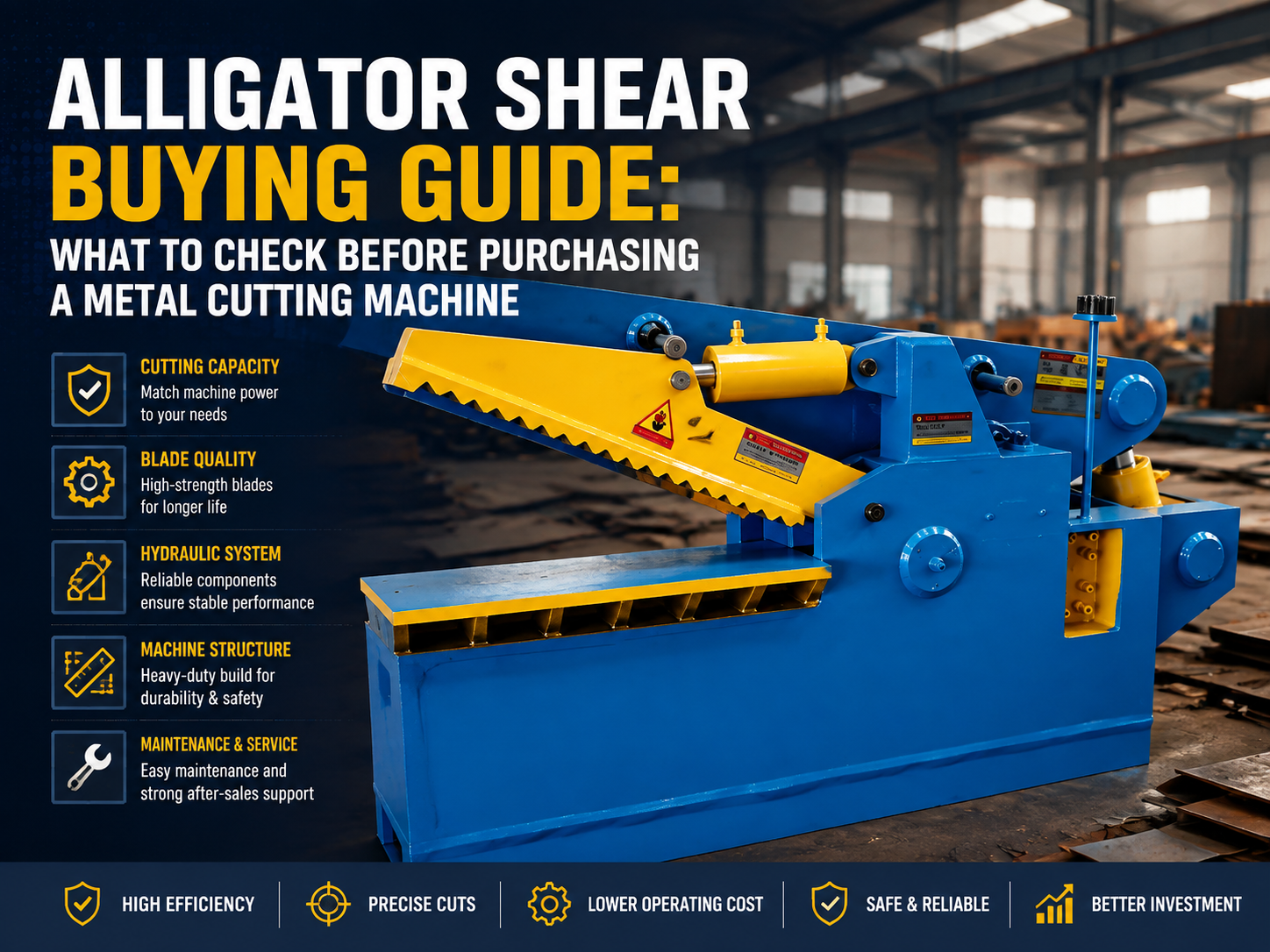
Technical Overview: Understanding the Alligator Shear
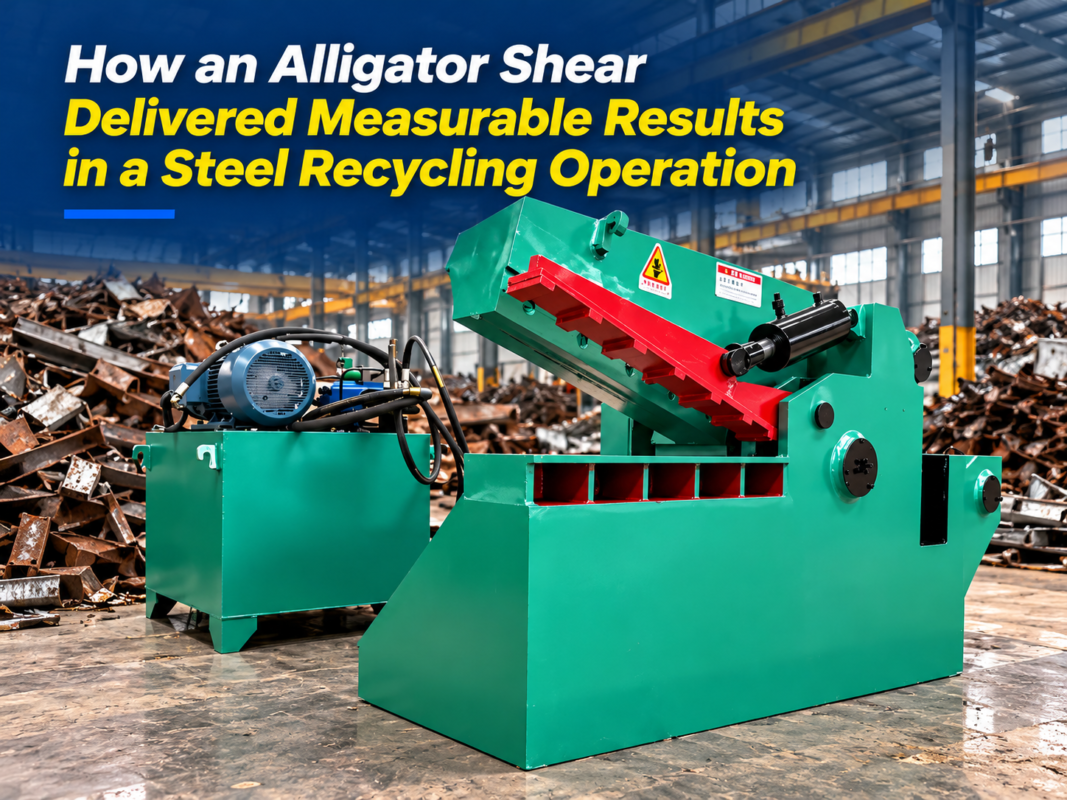
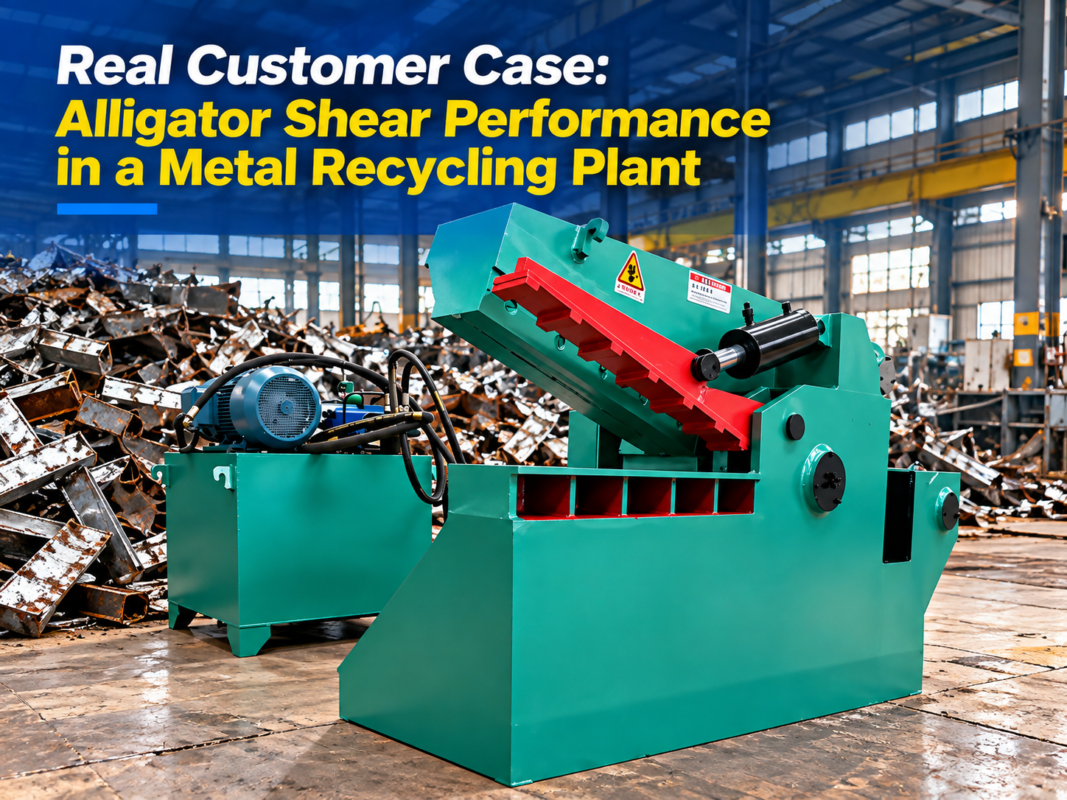
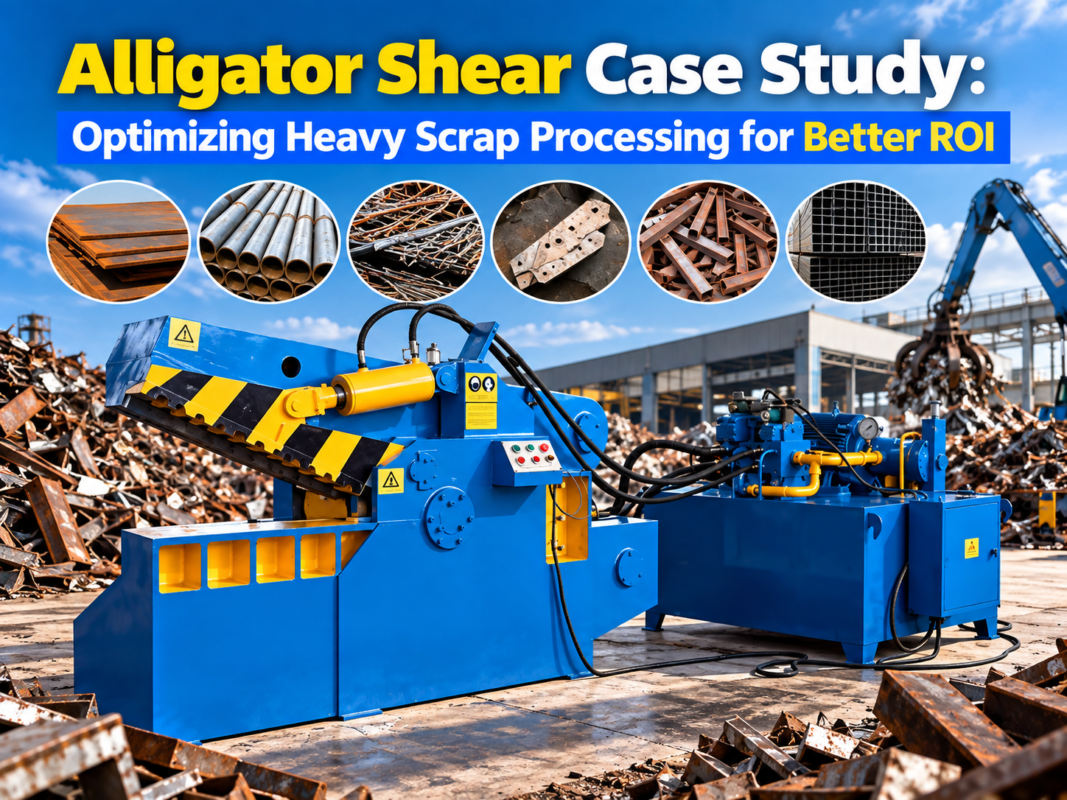
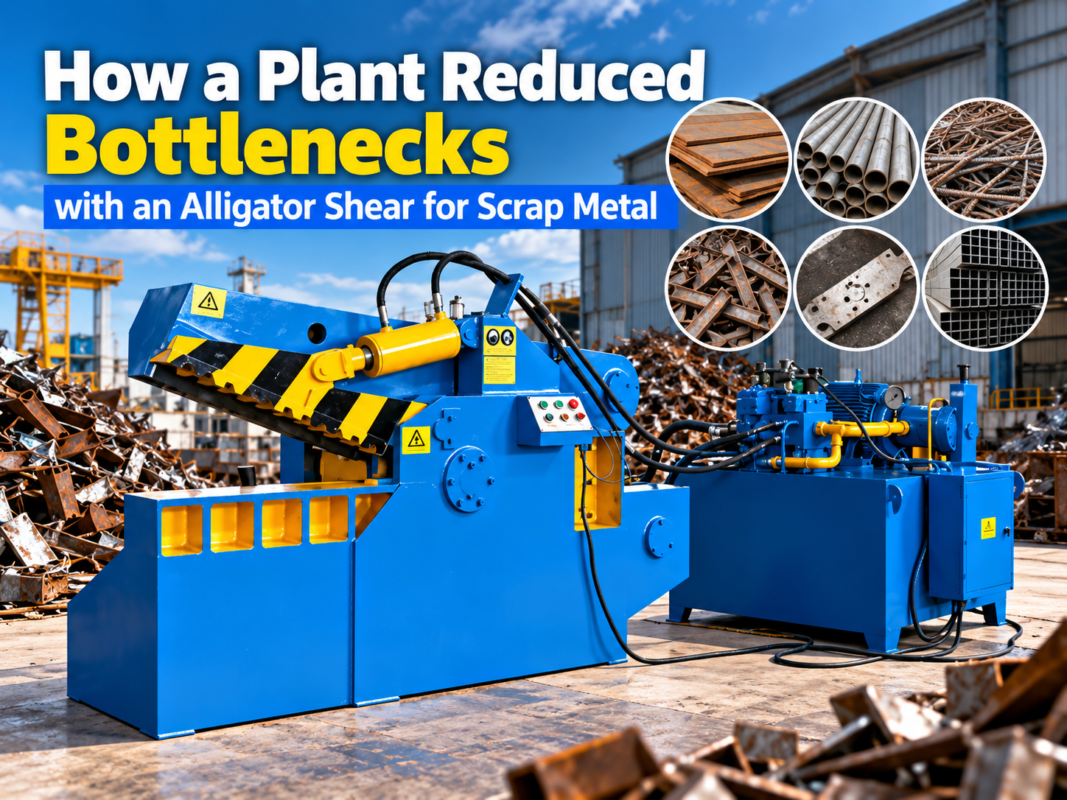
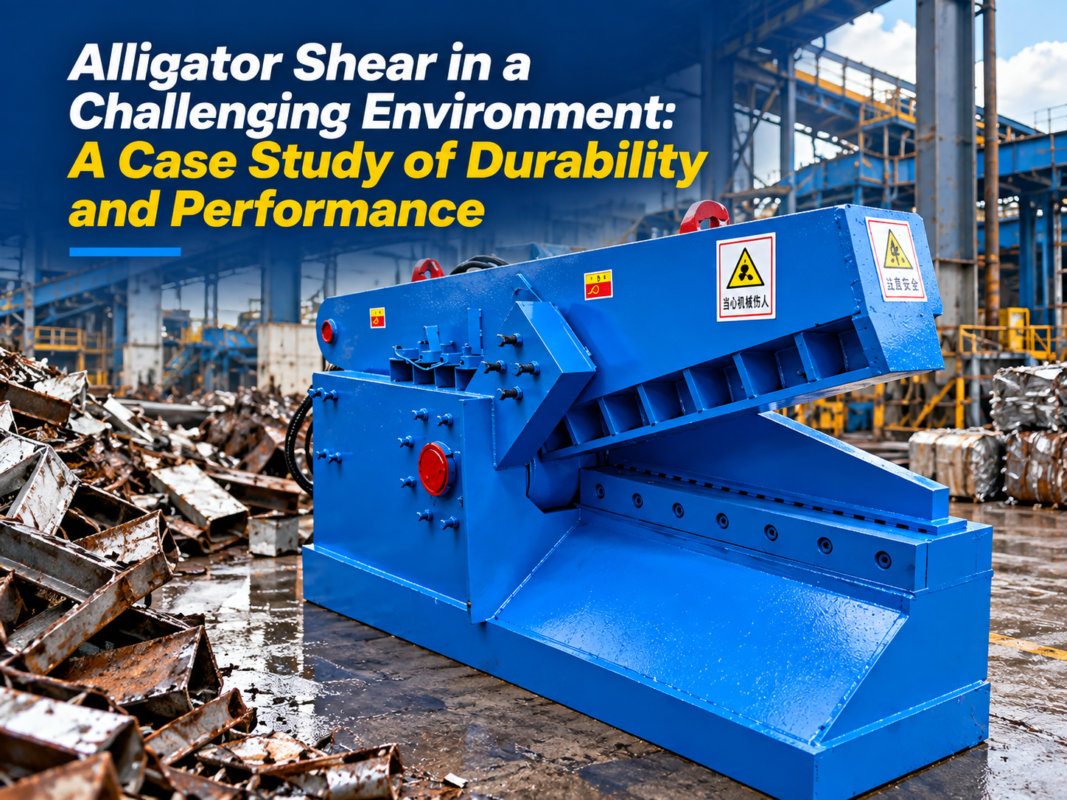
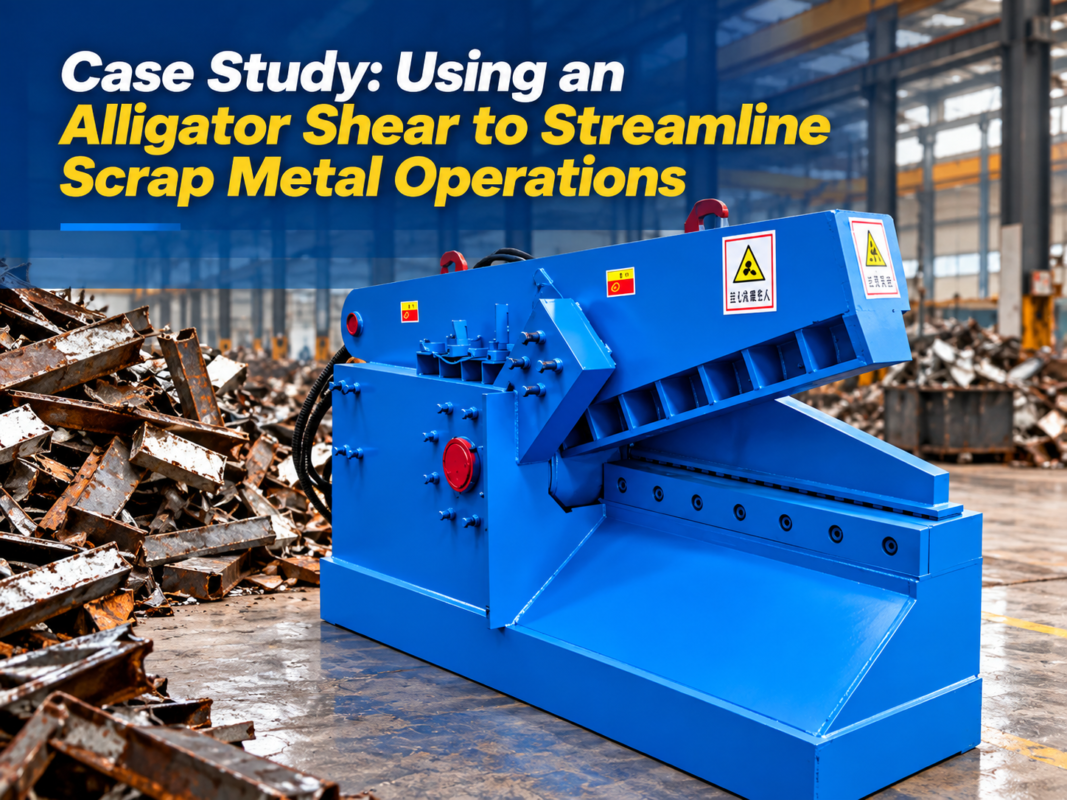
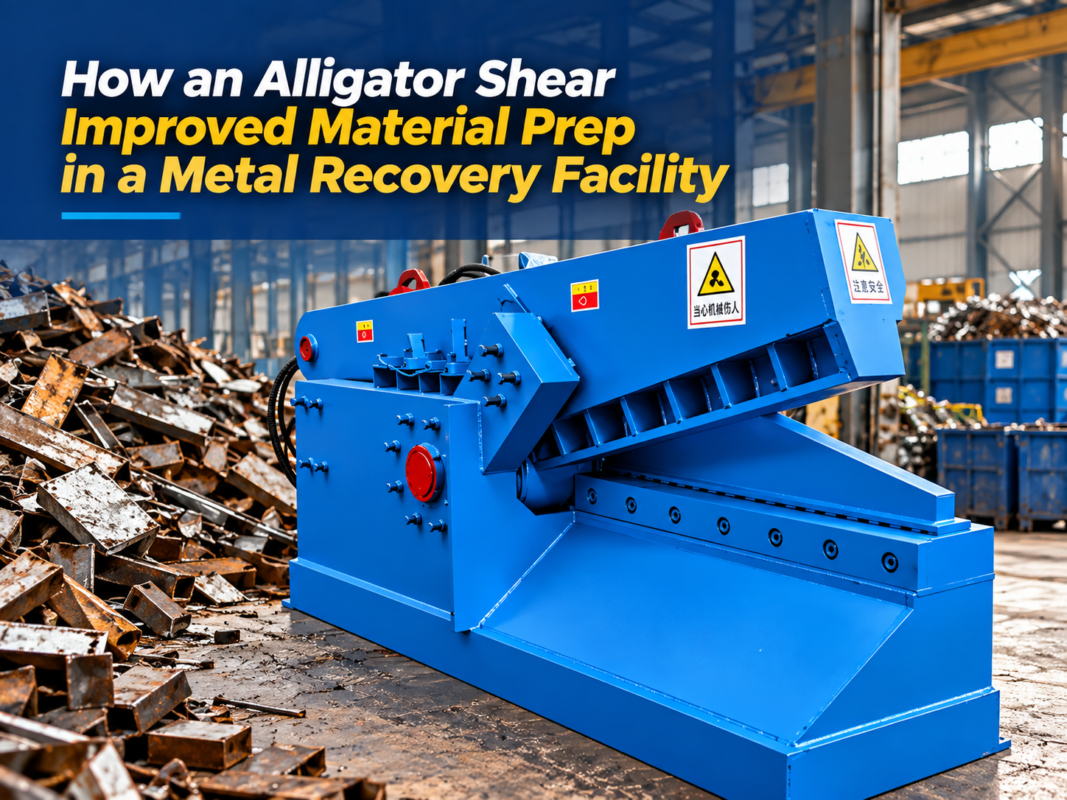
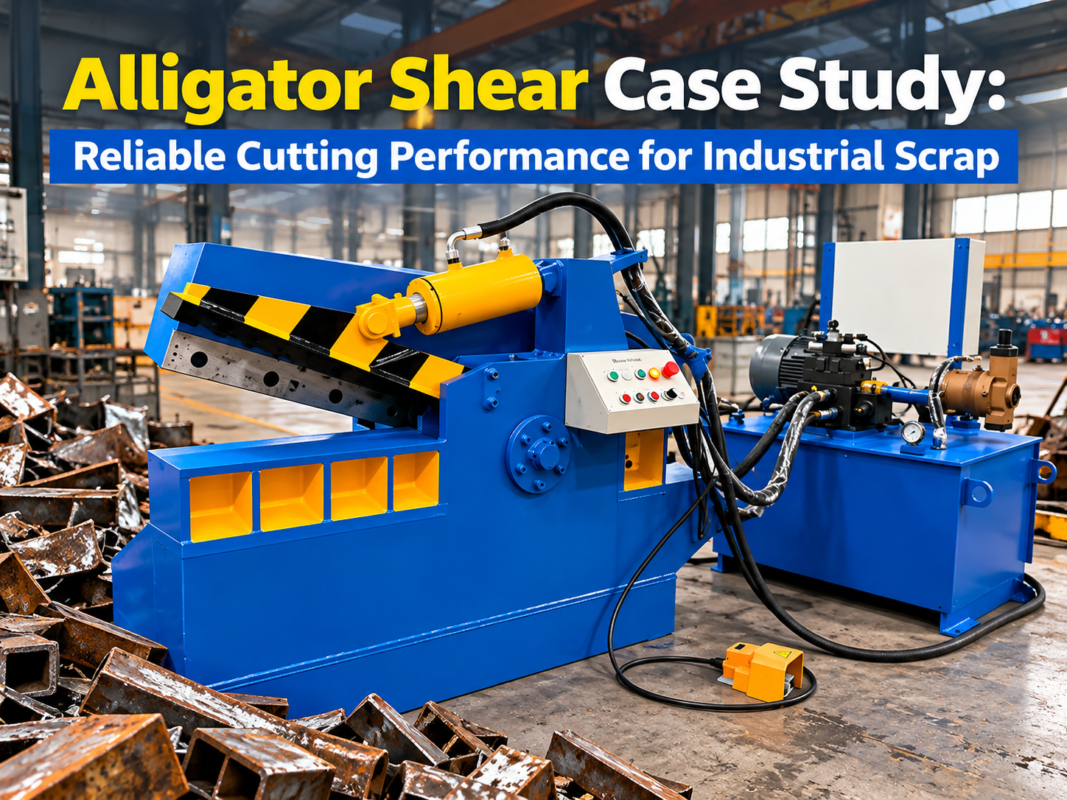
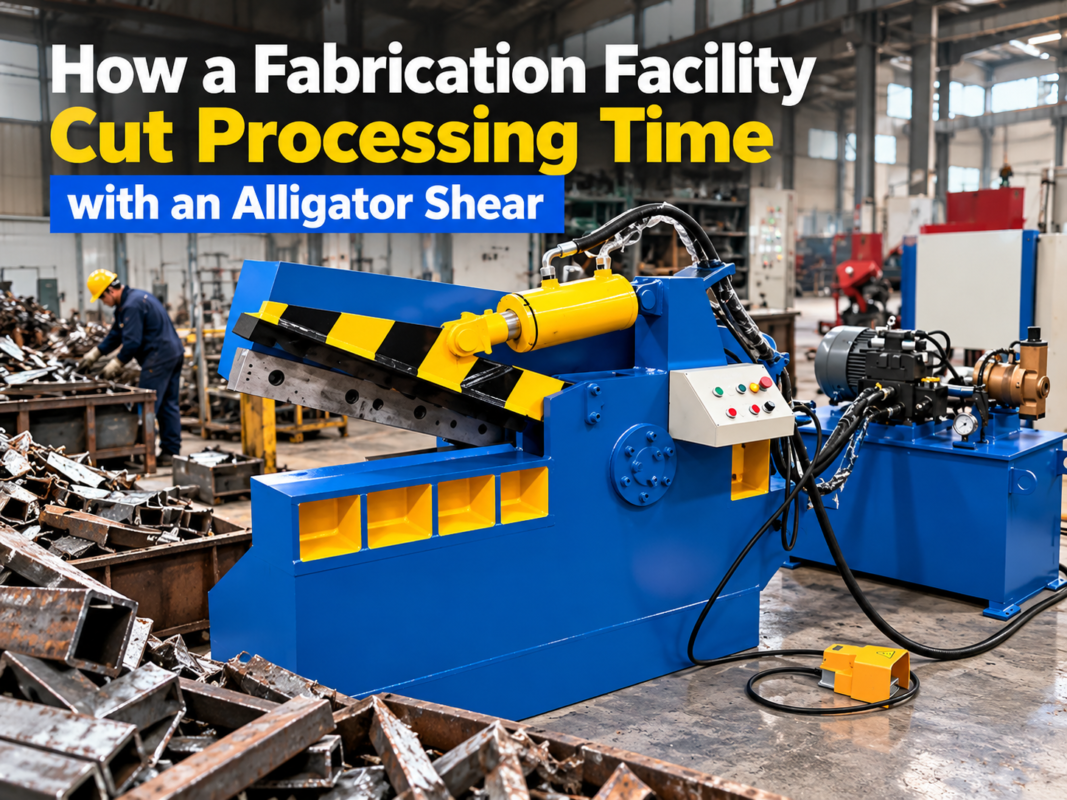
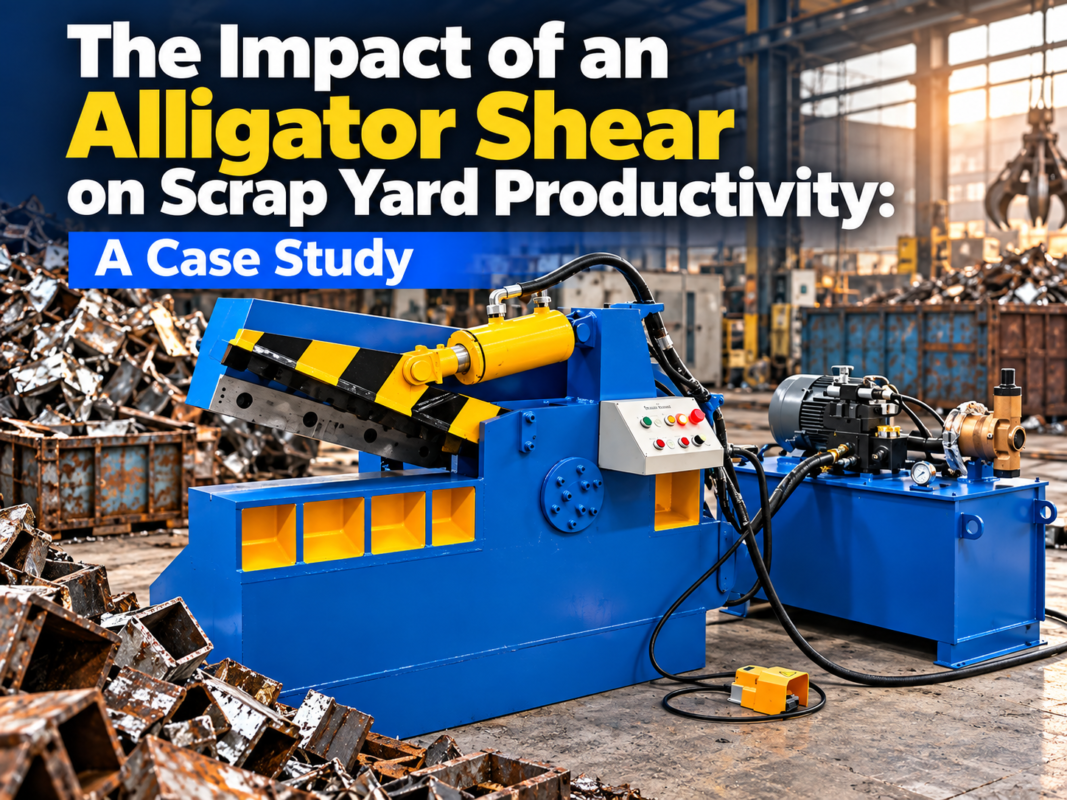
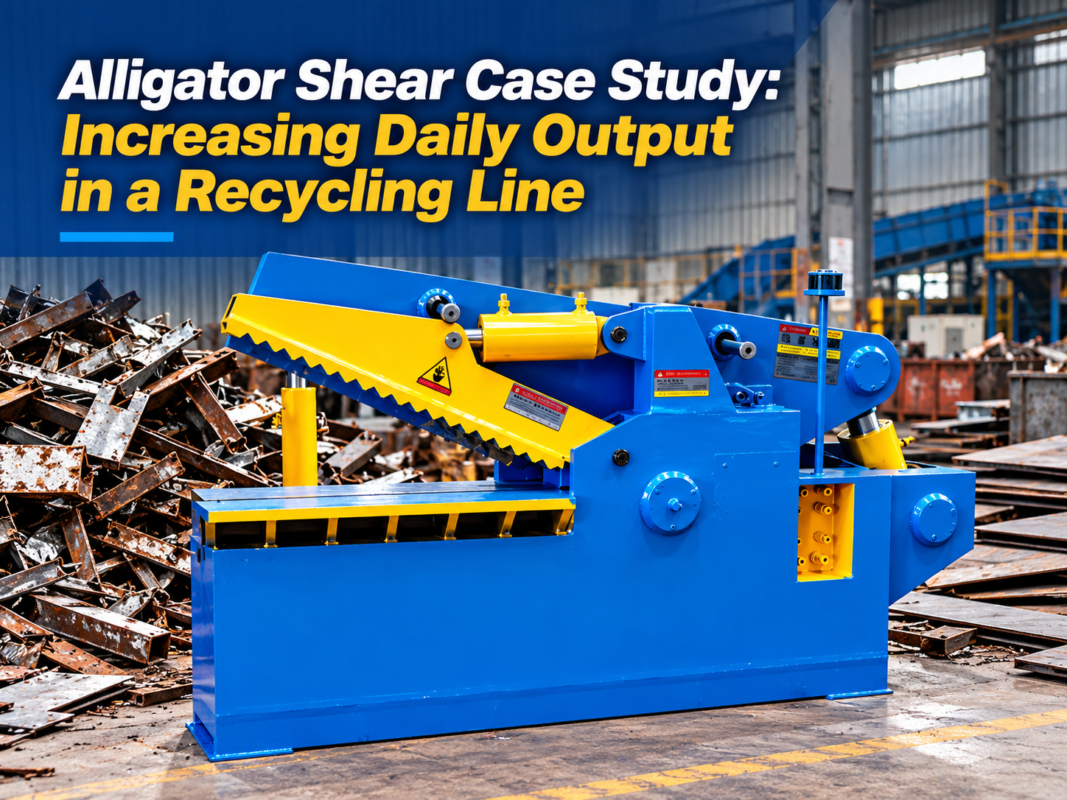
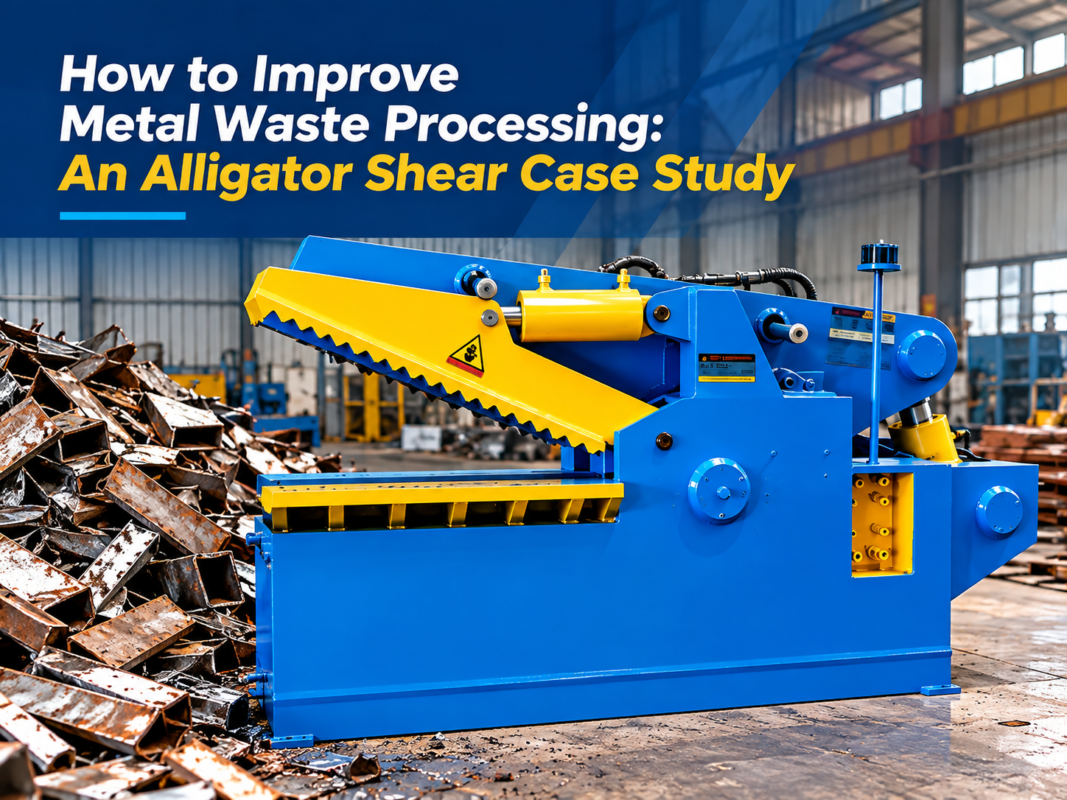
The alligator shear, often referred to as a crocodile shear, is a fundamental piece of equipment in the scrap metal recycling and metal fabrication industries. Its primary function is to cut long pieces of metal scrap into smaller, more manageable sizes that meet the specifications for smelting or further processing. Unlike large-scale gantry shears, the alligator shear is prized for its versatility, compact footprint, and ease of operation. At its core, the machine utilizes a lever-action mechanism powered by a hydraulic cylinder to drive a heavy-duty blade against a fixed lower blade.
Modern alligator shears, such as those manufactured by HARSLE, are designed with high-strength steel frames to withstand the immense stresses of cold-cutting metal. The technical design focuses on the ‘shear angle’ and the ‘throat depth.’ A well-designed shear angle ensures that the force is concentrated at the point of contact, allowing the machine to bite through thick sections of structural steel, pipes, and non-ferrous alloys. The hydraulic system is the heart of the machine, consisting of a high-pressure pump, control valves, and a reservoir designed to maintain optimal oil temperatures during continuous operation.
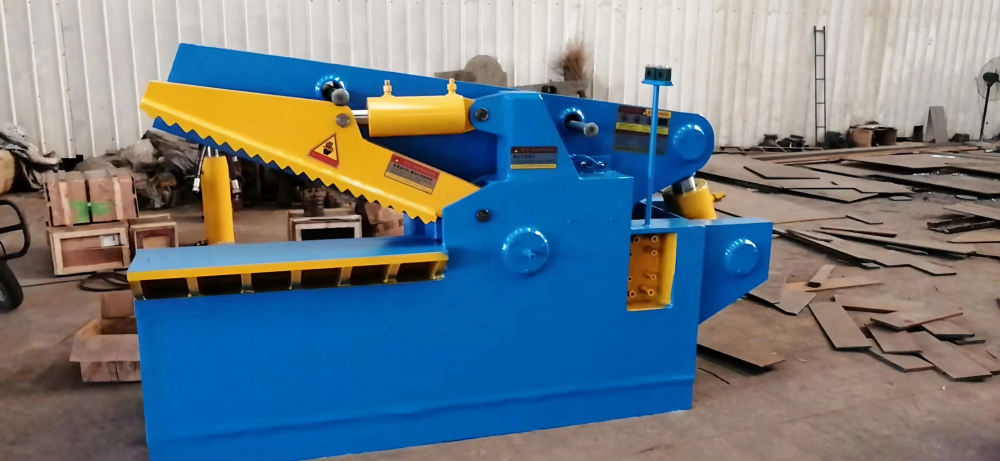
When considering an Alligator Shear Buying : Check Before Purchasing A Metal Cutting Machine, it is essential to understand the distinction between manual and automatic modes. Most industrial-grade shears offer a foot-pedal operation for single cuts and an automatic cycle for continuous processing. The safety features, such as the hold-down device (press-kin), are critical technical components. This device prevents the material from ‘kicking up’ during the cut, which protects the operator and ensures a cleaner shear. Without a robust hold-down mechanism, the material can twist, leading to blade damage or catastrophic frame failure.
Furthermore, the metallurgy of the blades is a technical detail that cannot be overlooked. High-quality alligator shears use blades made from chromium-rich tool steels (like D2 or H13) that have undergone precise heat treatment. This ensures the blades maintain their edge under high-impact loads and resist the abrasive nature of rusted or contaminated scrap metal. Understanding these technical foundations is the first step in making an informed investment in metal fabrication machinery.
Core Parameters: What Defines Machine Performance
When evaluating different models, several core parameters dictate the machine’s capability and suitability for your specific application. The most prominent parameter is the Shear Force, usually measured in tons (kN). This represents the maximum pressure the cylinder can exert at the throat of the blades. However, buyers must be cautious: the force decreases as you move further away from the fulcrum (the pivot point). Therefore, a machine rated at 250 tons might only provide that force at the innermost part of the blade.
The Blade Length is another critical factor. Standard lengths range from 400mm to 1200mm. While a longer blade allows for cutting wider sheets or larger diameter pipes, it also requires a more powerful hydraulic system to maintain the same cutting pressure per inch. For scrap yards dealing with bulky items like car bumpers or large radiators, a longer blade is advantageous. Conversely, for high-precision cutting of solid bars, a shorter, more rigid blade is often preferred to prevent blade deflection.
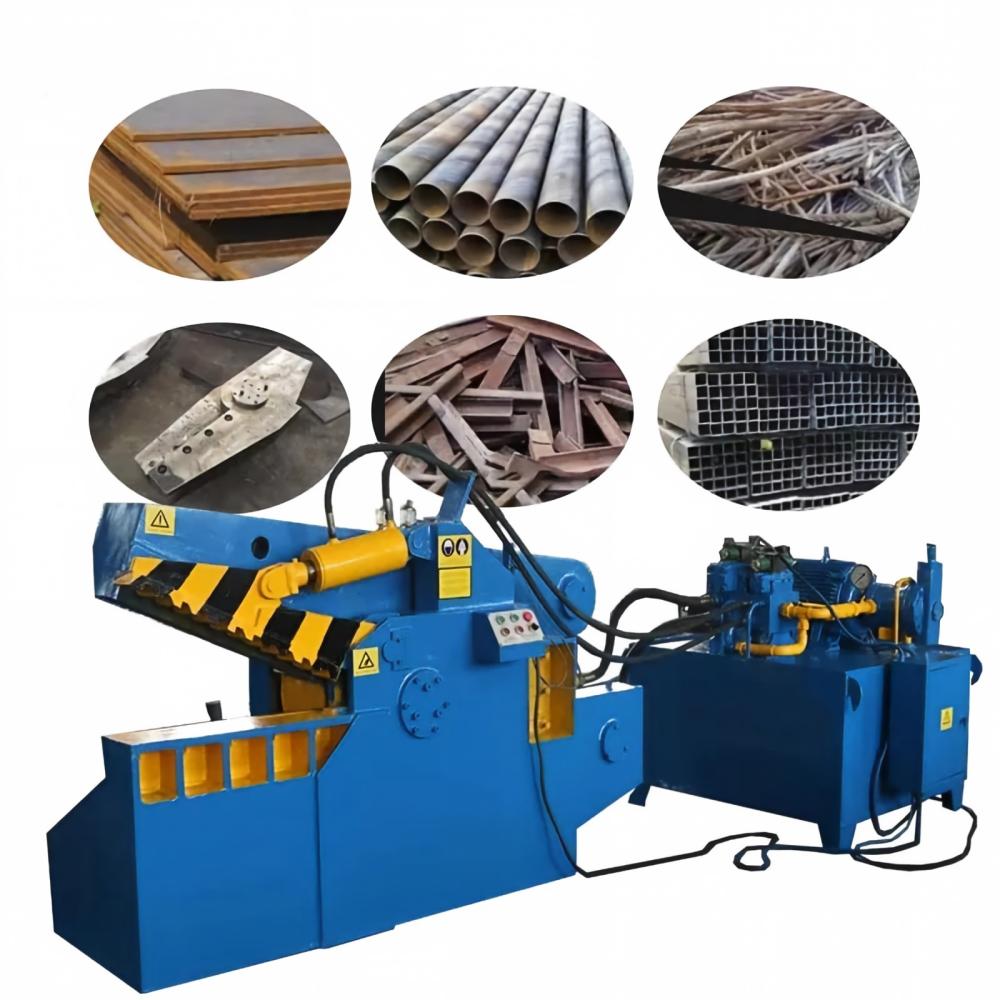
The Maximum Opening Height (or jaw opening) determines the maximum size of the scrap that can be fed into the machine. If you are processing large-diameter pipes or thick structural I-beams, a narrow jaw opening will severely limit your productivity, forcing operators to pre-cut material with torches. Additionally, the Cycle Speed (cuts per minute) is a vital metric for high-volume operations. A machine with a fast ‘no-load’ speed but a slow ‘cutting’ speed may indicate an underpowered hydraulic pump or an inefficient valve block design.
Finally, consider the Motor Power and Oil Tank Capacity. A higher horsepower motor allows the pump to maintain high pressure at higher flow rates, resulting in faster cycle times. The oil tank capacity is crucial for thermal management; a larger tank helps dissipate heat, which is essential if the machine is running in multi-shift environments or high-ambient temperatures. Always check the electrical specifications to ensure the machine is compatible with your facility’s voltage and frequency (e.g., 380V/50Hz vs. 460V/60Hz).
Calculation Method: Determining the Required Shear Force
To ensure you are Alligator Shear Buying : Check Before Purchasing A Metal Cutting Machine that fits your needs, you must perform a basic calculation of the required shear force. Purchasing a machine that is too weak will lead to stalled cuts and mechanical fatigue, while an oversized machine is an unnecessary capital expenditure. The force required to shear metal depends on the material’s cross-sectional area and its ultimate shear strength.
The general formula for calculating the required shear force (F) is:
F = L × T × S × K
Where:
- L: The length of the cut (or the width of the material being cut).
- T: The thickness of the material.
- S: The shear strength of the material (usually about 75-80% of the tensile strength). For mild steel, this is typically around 350-450 MPa.
- K: A safety factor (usually 1.2 to 1.3) to account for blade dullness, material impurities, and friction.
For example, if you need to cut a mild steel plate that is 20mm thick and 200mm wide, and the shear strength is 400 MPa:
F = 200mm × 20mm × 400 N/mm² = 1,600,000 Newtons.
Converting to tons (1 ton ≈ 9800 N): 1,600,000 / 9800 ≈ 163 Tons.
Applying a safety factor of 1.25, you would need a machine with at least 200 tons of shear force at the point where the material is placed.
It is also important to consider the ‘Shear Angle’ effect. Alligator shears have a raked blade (the upper blade is at an angle to the lower blade). This reduces the instantaneous force required because only a small portion of the metal is being cut at any given millisecond. However, for solid round bars or thick squares, the ‘peak’ force required is much higher than for thin plates. Always consult with the manufacturer’s capacity chart, which usually lists maximum diameters for round bars and thicknesses for plates based on standard steel grades (Q235 or A36).
Parameter Table: Comparison of Common Alligator Shear Models
The following table provides a reference for standard hydraulic alligator shears (Q43 Series) typically found in the industry. Use this to compare against your calculated requirements.
| Model (Series) | Nominal Shear Force (Tons) | Blade Length (mm) | Max Opening (mm) | Cuts per Minute | Motor Power (kW) |
|---|---|---|---|---|---|
| Q43-63 | 63 | 400 / 600 | 260 | 10 – 15 | 7.5 |
| Q43-100 | 100 | 600 / 700 | 320 | 8 – 12 | 11 |
| Q43-120 | 120 | 600 / 800 | 350 | 8 – 12 | 15 |
| Q43-160 | 160 | 800 / 1000 | 420 | 6 – 10 | 18.5 |
| Q43-200 | 200 | 800 / 1000 | 450 | 5 – 9 | 22 |
| Q43-250 | 250 | 1000 / 1200 | 500 | 4 – 8 | 30 |
| Q43-315 | 315 | 1200 | 600 | 3 – 6 | 37 |
Note: The values above are representative. High-speed versions or custom configurations by HARSLE may offer different cycle times or motor configurations. Always verify the specific ‘Force at the Throat’ versus ‘Force at the Tip’ when reviewing these specifications.
Common Engineering Mistakes When Buying an Alligator Shear
One of the most frequent mistakes in Alligator Shear Buying : Check Before Purchasing A Metal Cutting Machine is underestimating the ‘Hardness’ of the scrap. Many buyers calculate force based on mild steel, but scrap yards often encounter alloy steels, hardened shafts, or stainless steel. Stainless steel work-hardens as it is cut, requiring significantly more force and higher-quality blades. If your machine is consistently struggling at its pressure relief limit, you will cause the hydraulic oil to overheat and the seals to fail prematurely.
Another common error is ignoring the ‘Hold-Down’ mechanism. In cheaper models, the hold-down might be a simple manual screw or a weak hydraulic cylinder. If the hold-down doesn’t exert enough pressure, the material will tilt during the cut. This creates a lateral force (side-loading) on the blades. Alligator shears are designed for vertical shearing; lateral forces can snap the blade bolts, chip the blade edges, or even crack the main pivot casting. Always ensure the hold-down force is proportional to the shear force.
Neglecting the cooling system is a mistake often realized too late. In hot climates or high-production environments, the hydraulic oil can easily exceed 60°C. At these temperatures, the oil loses its viscosity, leading to increased wear on the pump and internal leakage in the valves. If you plan to run the machine for more than 4 hours a day, an air-cooled or water-cooled oil heat exchanger is not an option—it is a necessity. Furthermore, ensure the machine has a proper filtration system to remove metal fines that inevitably enter the system in a scrap yard environment.
Finally, many buyers fail to check the ‘Blade Clearance’ adjustment mechanism. As blades wear or after they are reground, the gap between the upper and lower blade must be adjusted. If the gap is too wide, the metal will ‘fold’ rather than cut, especially with thinner materials. If it is too tight, the blades will rub, causing excessive heat and potential breakage. A machine that makes it difficult to adjust this clearance will lead to poor cut quality and frustrated operators.
Selection Checklist: What to Check Before Purchasing
Before finalizing your purchase, use this checklist to ensure the machine meets industrial standards and your specific operational needs:
- Frame Integrity: Is the frame a solid casting or a welded plate construction? For high-tonnage machines, heavy-duty welded plates that have been stress-relieved are often superior to cheap castings.
- Cylinder Quality: Check the piston rod plating. It should be hard-chromed to resist scratches from scrap dust. Look for reputable seal brands (like PARKER or NOK).
- Blade Material: Confirm the blades are made from 9CrSi, Cr12MoV, or better. Ask about the hardness rating (HRC).
- Hydraulic Components: Are the valves and pumps from recognized brands? This ensures you can find replacement parts locally in the future.
- Safety Guards: Does the machine include a protective cage over the cutting area? Is there an emergency stop button within easy reach of the operator?
- Ease of Maintenance: Are the grease points accessible? Can the blades be removed easily for sharpening?
- Power Unit Location: Can the hydraulic power unit be placed separately to protect it from falling scrap, or is it integrated into the frame?
- Testing: If possible, request a video of the machine cutting the specific type of material you intend to process.
Frequently Asked Questions (FAQ)
1. Can an alligator shear cut stainless steel?
Yes, but with caveats. Stainless steel is much tougher than mild steel. You generally need to de-rate the machine’s capacity by 30-50% for stainless. Additionally, you must use blades specifically heat-treated for high-impact toughness to prevent chipping.
2. How often do the blades need sharpening?
This depends entirely on the material being cut. For clean mild steel, blades can last for thousands of cuts. For sandy, rusted, or hardened scrap, you may need to rotate or regrind the blades every few weeks. Most alligator shear blades have four cutting edges that can be rotated before needing a regrind.
3. Is a foot pedal better than an automatic cycle?
A foot pedal is better for safety and precision when cutting irregular scrap pieces. An automatic cycle is better for uniform materials (like pipes or bars) where the operator is simply feeding the machine. Most HARSLE machines offer both modes.
4. What kind of hydraulic oil should I use?
Standard anti-wear hydraulic oil (ISO VG 46 or 68) is typically used. In very cold environments, a lower viscosity oil (VG 32) may be required for startup. Always check the manufacturer’s manual for specific recommendations.
5. Can the machine be used outdoors?
While many scrap yards use them outdoors, the hydraulic unit and electrical box should be protected from direct rain and extreme sunlight. Moisture in the hydraulic oil can lead to pump cavitation and rust in the valve block.
6. Why is my alligator shear losing power during a cut?
This is usually due to one of three things: a clogged suction filter in the oil tank, a worn-out hydraulic pump that can no longer reach peak pressure, or a pressure relief valve that is set too low or is leaking internally.