How Alligator Shear Pressure Settings Affect Cutting Speed and Machine Stability

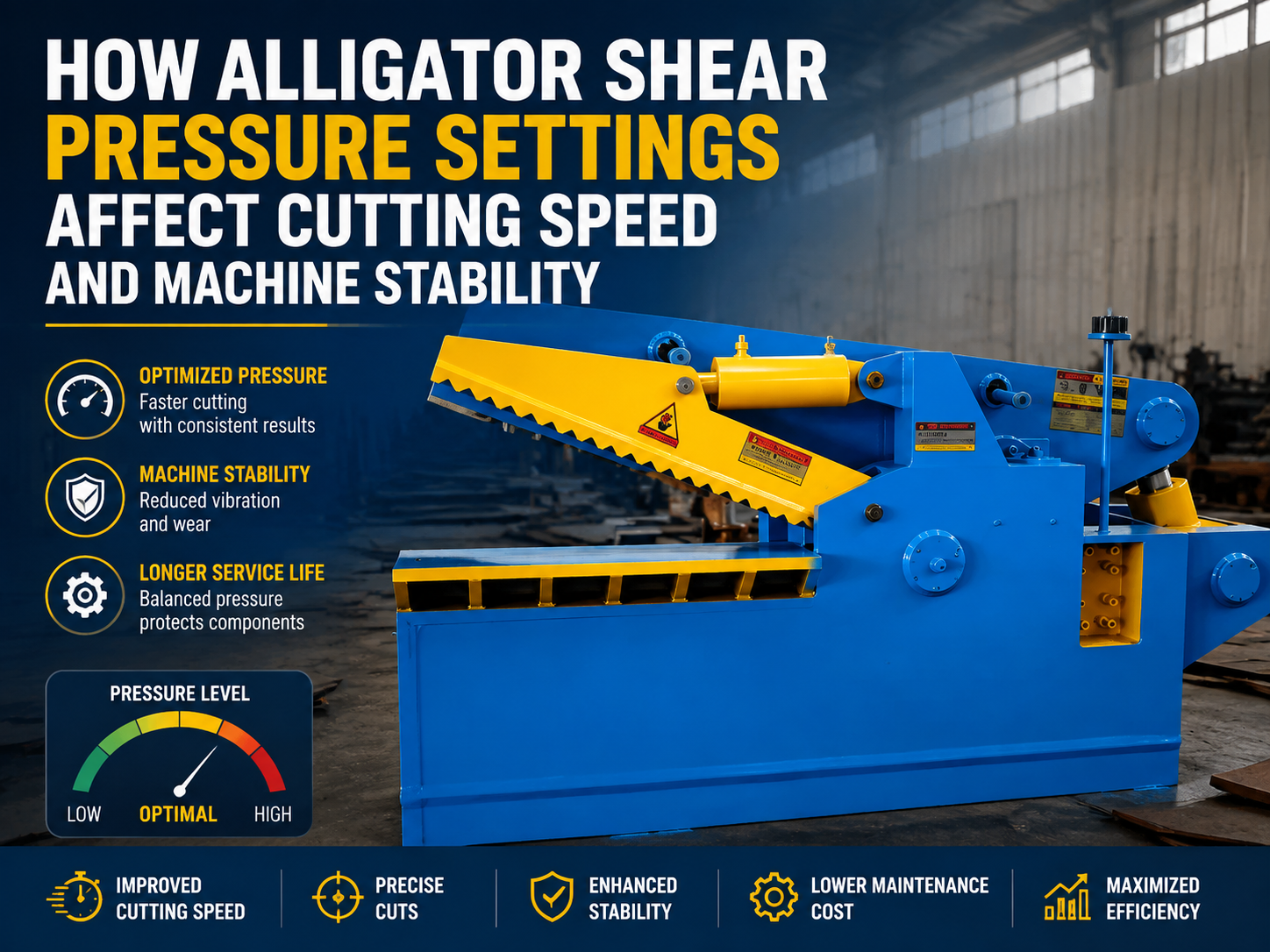
Technical Overview of Alligator Shear Hydraulic Systems
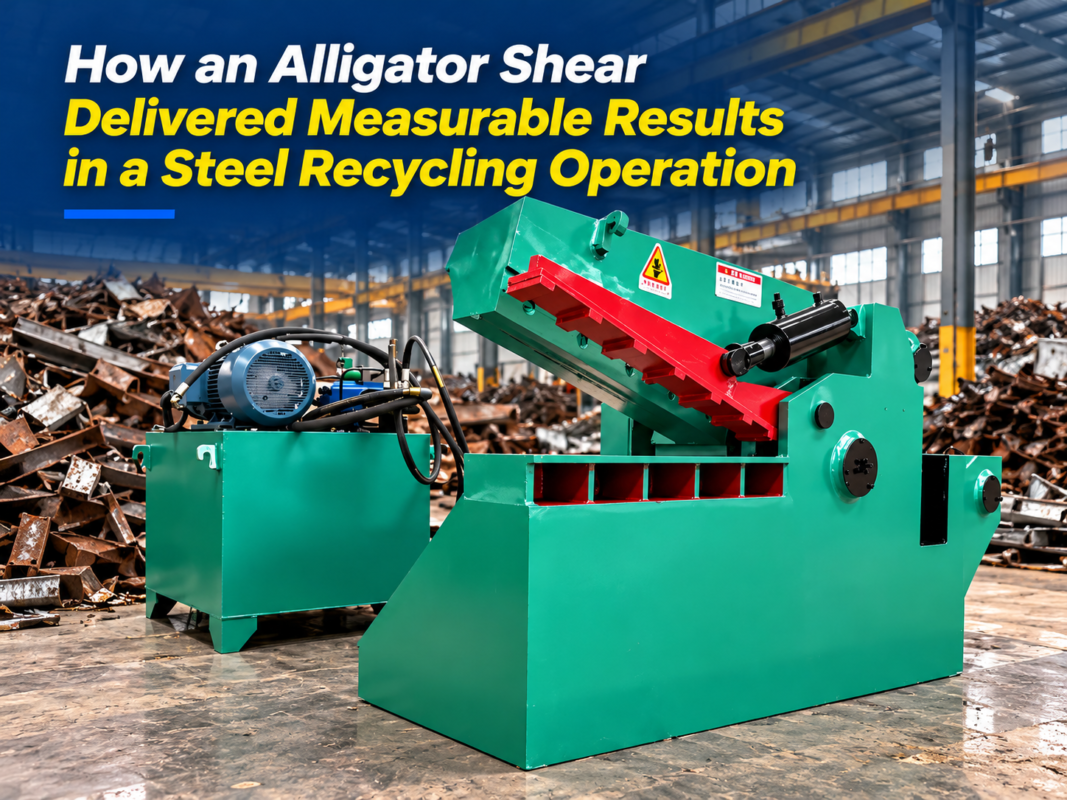
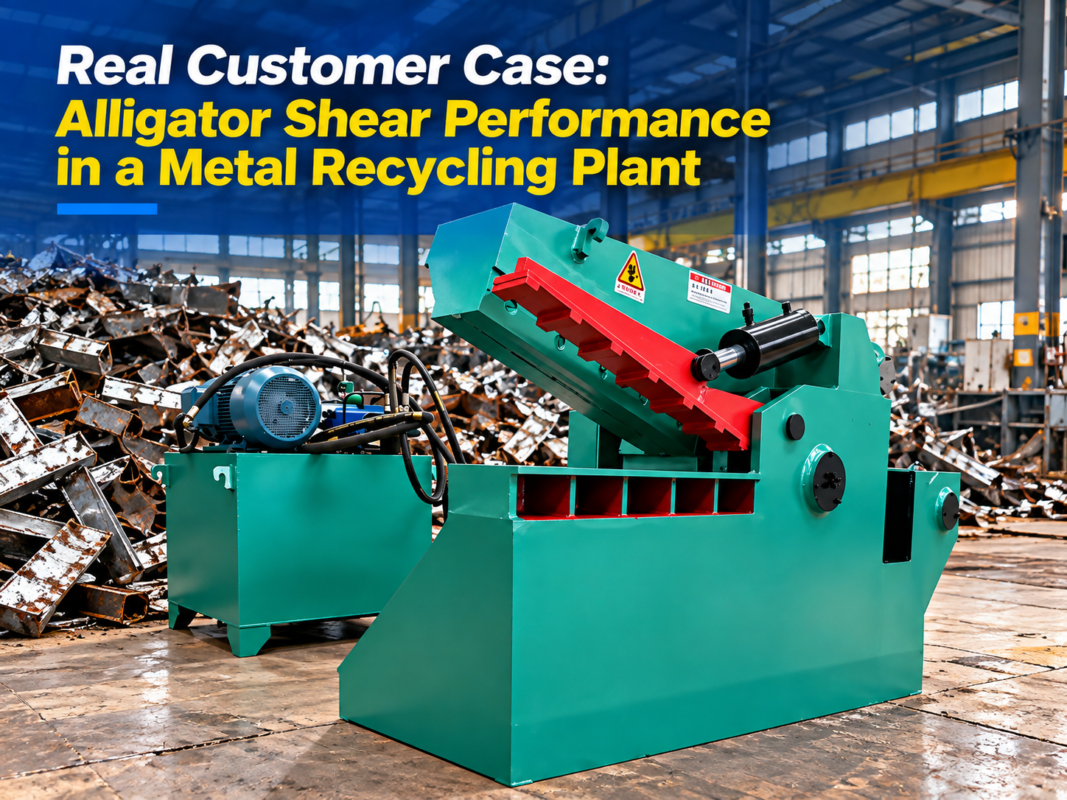
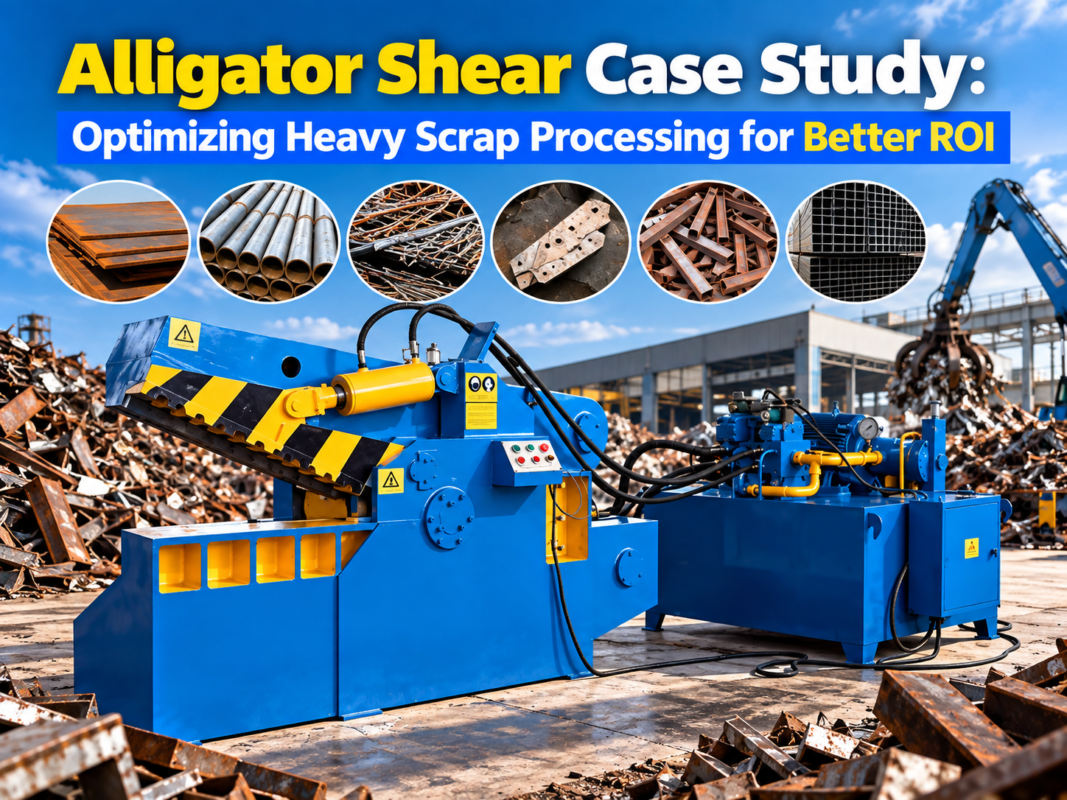
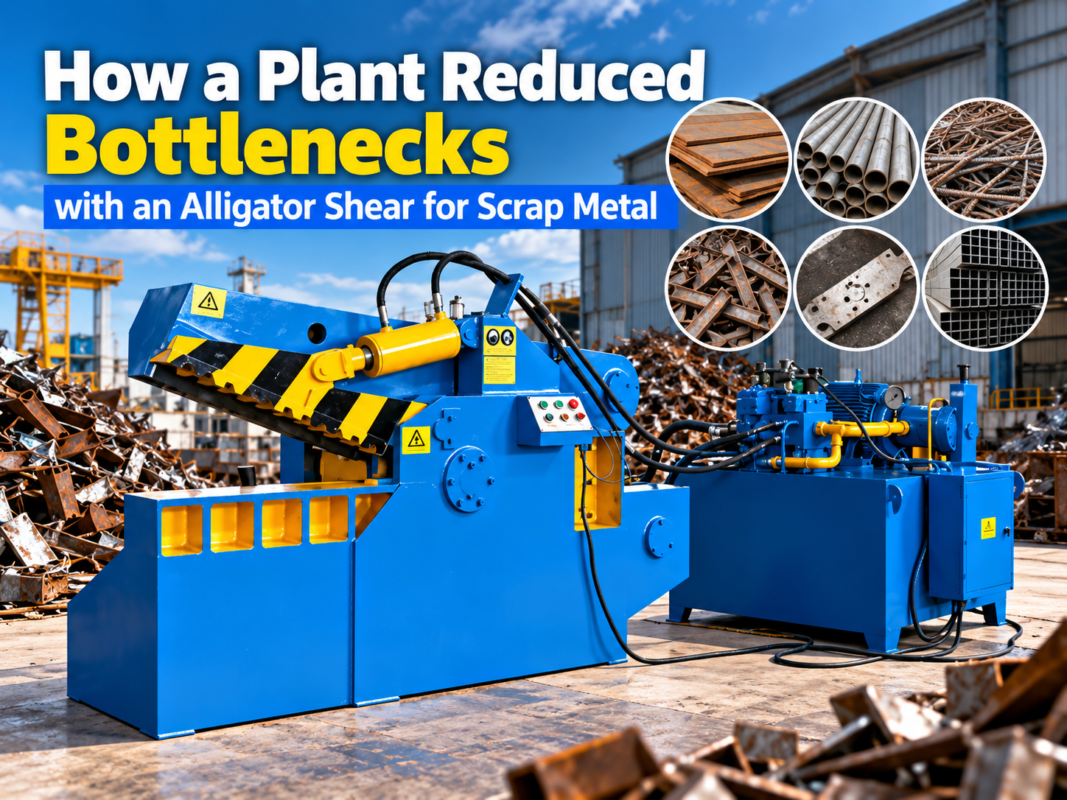
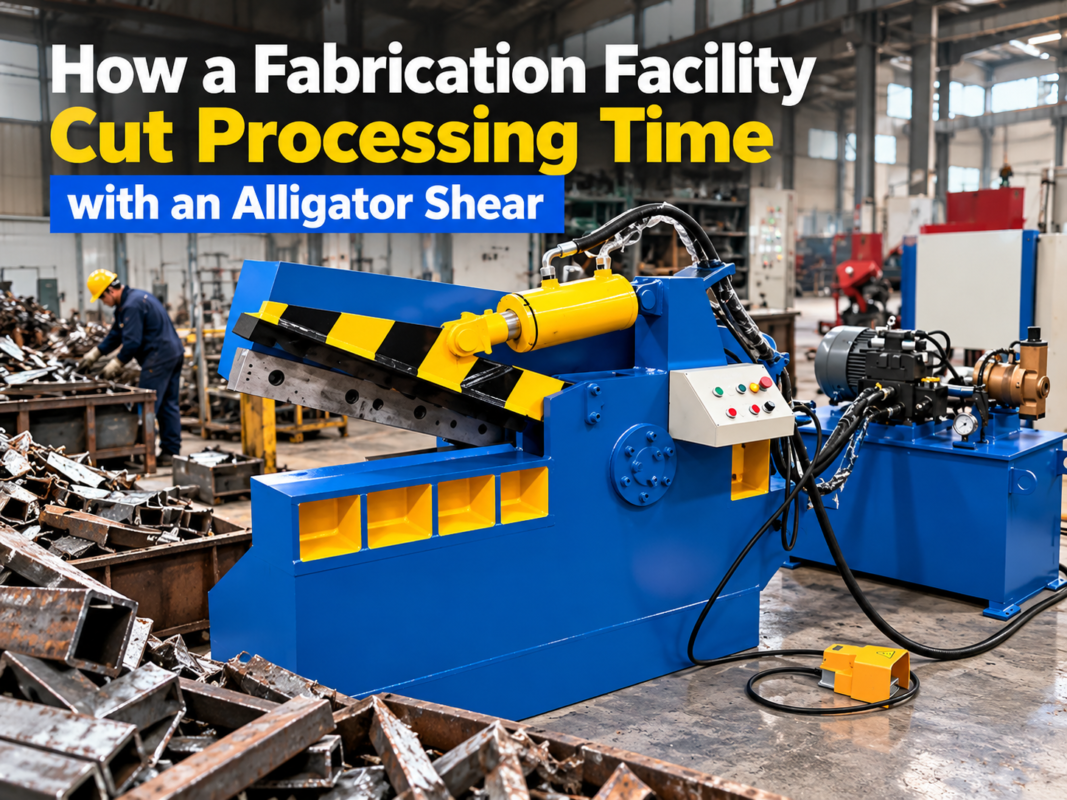
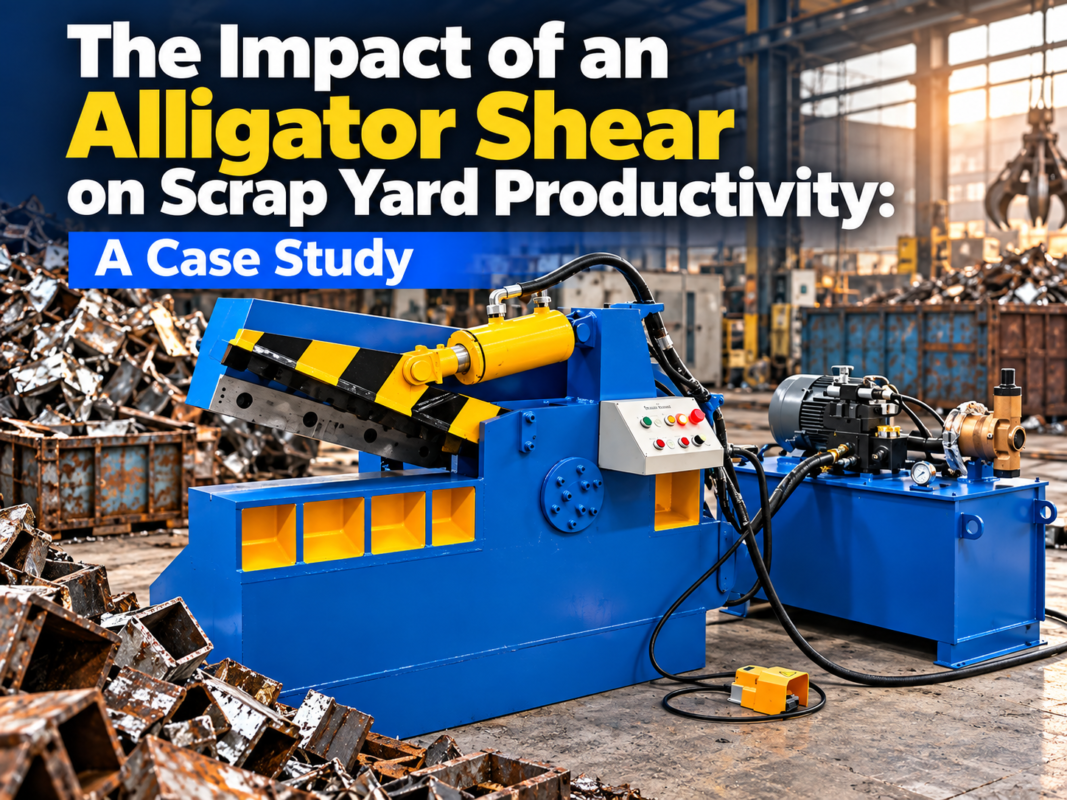
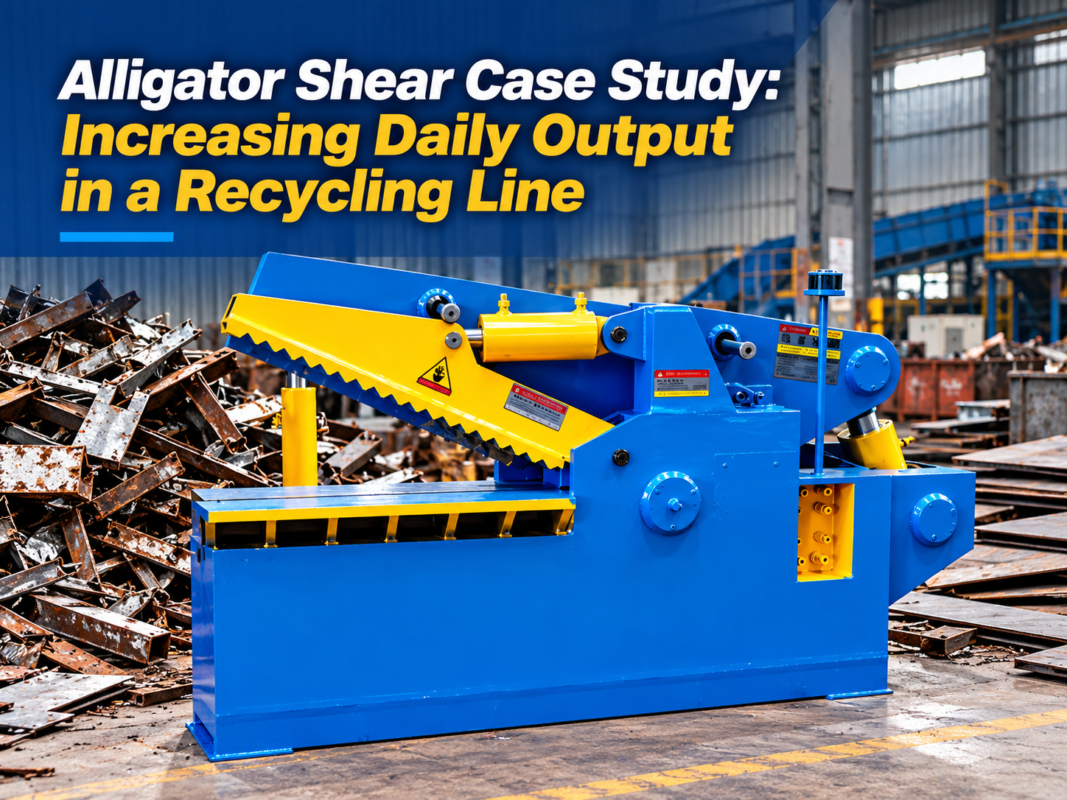
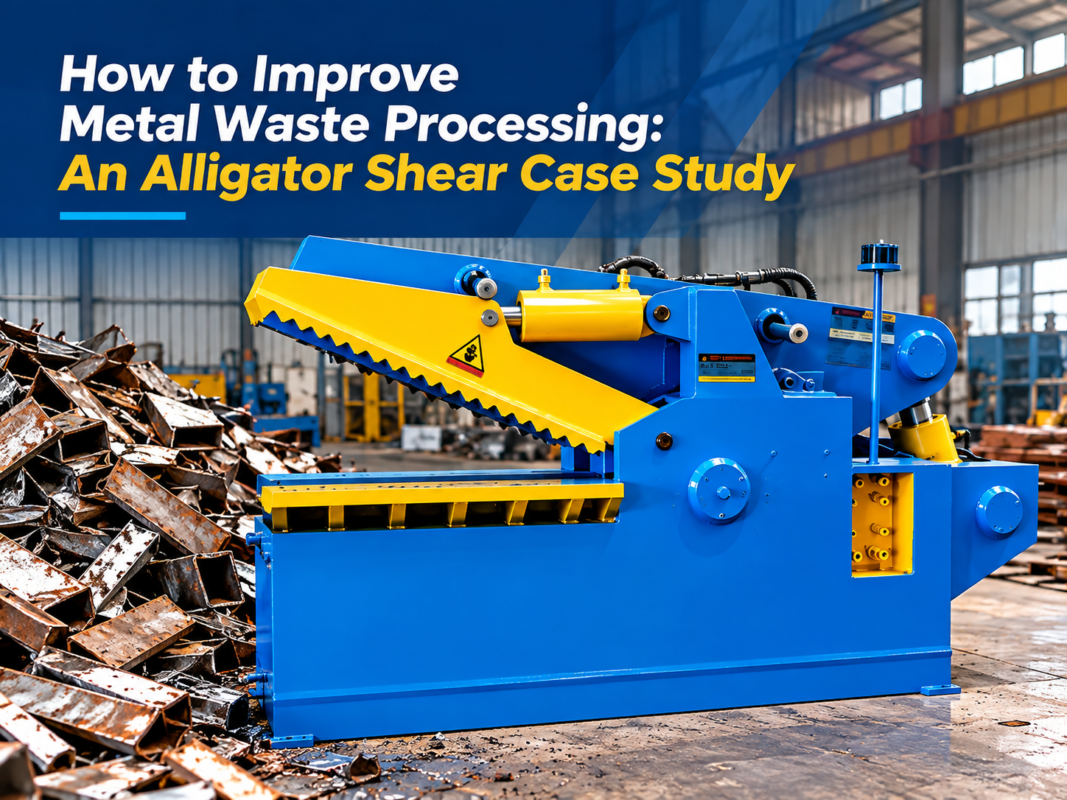
In the world of scrap metal recycling and industrial demolition, the alligator shear stands as a foundational piece of equipment. Manufactured by industry leaders like HARSLE, these machines utilize hydraulic power to generate the massive force required to sever steel, copper, aluminum, and various alloys. Understanding how Alligator Shear Pressure Settings Affect Cutting Speed Machine Stability is crucial for any facility manager or operator looking to maximize throughput while minimizing maintenance costs. At its core, an alligator shear operates on a simple lever principle powered by a hydraulic cylinder. However, the interplay between hydraulic pressure, fluid flow, and mechanical resistance is anything but simple.
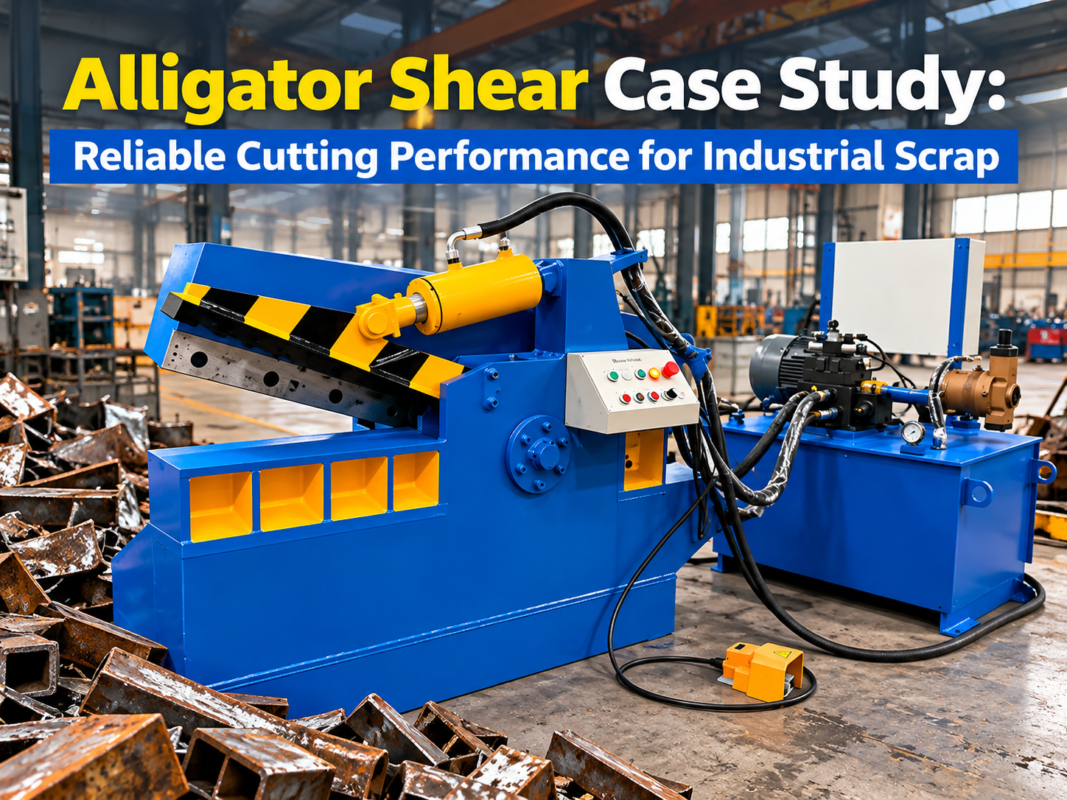
The hydraulic system of an alligator shear consists of a reservoir, a motor-driven pump, control valves, and the main cylinder. The pressure setting, typically measured in Bar or PSI, determines the maximum force the shear can exert at the blade’s edge. When an operator adjusts the relief valve to increase system pressure, they are essentially increasing the machine’s capacity to cut through thicker or harder materials. However, this increase in pressure is not a ‘free’ upgrade; it has direct consequences for the speed of the cutting cycle and the overall stability of the machine’s frame and foundation.
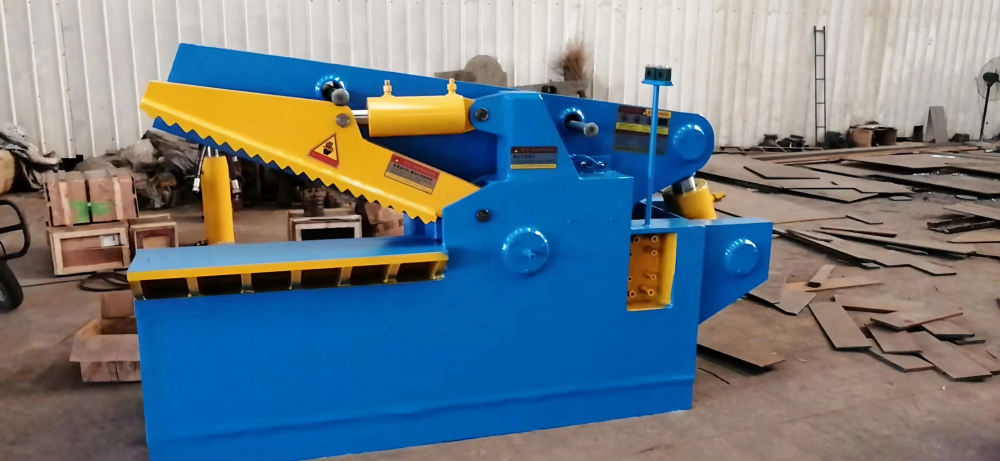
Machine stability is often the most overlooked factor when tweaking pressure settings. An alligator shear is subject to intense reactionary forces. As the blades meet resistance from the metal, that force is transmitted back through the pivot pin, the cylinder mounts, and eventually the machine’s base. If the pressure is set too high for the machine’s structural design, the resulting ‘kickback’ or vibration can lead to premature fatigue of the steel frame, loosening of anchor bolts, and misalignment of the cutting blades. Therefore, finding the ‘sweet spot’ is a matter of balancing the physics of hydraulics with the mechanical limits of the hardware.
Core Parameters Influencing Performance
To understand how Alligator Shear Pressure Settings Affect Cutting Speed Machine Stability, we must first define the core parameters that govern the machine’s operation. These parameters are interconnected; changing one almost always necessitates a change in another to maintain efficiency.
- System Pressure (Bar/PSI): This is the potential energy available in the hydraulic fluid. It dictates the ‘crushing’ or ‘shearing’ force. Higher pressure allows for the processing of high-tensile materials like rebar or thick I-beams.
- Flow Rate (L/min or GPM): This is the volume of fluid moved by the pump per unit of time. Flow rate is the primary driver of cutting speed. In many hydraulic systems, there is an inverse relationship between pressure and flow due to the power limitations of the electric motor.
- Cylinder Bore and Stroke: The physical dimensions of the hydraulic cylinder determine the base force (Pressure x Area) and the time required to fill the cylinder (Volume / Flow).
- Blade Gap and Sharpness: While not a hydraulic parameter, the physical state of the blades significantly impacts how much pressure is required to complete a cut. Dull blades require higher pressure, which in turn slows down the cycle and decreases stability.
- Material Yield Strength: The resistance offered by the scrap metal. Harder materials require the system to reach higher pressure thresholds before the ‘shear’ occurs.
When we discuss cutting speed, we are looking at the total cycle time: the time it takes for the jaw to close, shear the material, and return to the open position. If the pressure setting is too high, the hydraulic pump may reach its power limit, causing the flow rate to drop (in variable displacement pumps) or causing the relief valve to bypass fluid, both of which slow down the stroke. Conversely, if the pressure is too low, the machine may stall mid-cut, requiring the operator to reset, which drastically reduces productivity.
Calculation Method: The Physics of Shearing
Calculating the ideal settings for an alligator shear involves basic hydraulic formulas. For engineers and maintenance teams, these calculations provide a baseline for optimizing Alligator Shear Pressure Settings Affect Cutting Speed Machine Stability. The first formula to consider is the Force formula: F = P × A, where F is the force, P is the hydraulic pressure, and A is the surface area of the cylinder piston.
To determine the cutting speed, we use the formula: V = Q / A, where V is the velocity of the piston, Q is the flow rate from the pump, and A is the piston area. It is important to note that most industrial alligator shears use a ‘differential circuit’ or a ‘regenerative valve’ to speed up the closing stroke when no resistance is met. However, once the blades touch the metal, the system switches to full pressure mode, and the speed becomes a function of the pump’s ability to maintain flow under high load.
Another critical calculation is the Power requirement: Power (kW) = (Pressure (Bar) × Flow (L/min)) / 600. This formula illustrates why increasing pressure often leads to a decrease in speed. If the electric motor has a fixed power output (e.g., 15kW), and you increase the pressure to handle tougher scrap, the flow rate must decrease to keep the equation balanced. If the flow rate decreases, the cutting speed slows down. This is the fundamental trade-off in hydraulic machinery design.
Parameter Table for Common Scrap Materials
The following table provides generalized pressure and speed guidelines for a standard HARSLE alligator shear (e.g., a 200-ton model). Note that these are estimates and should be adjusted based on specific machine manuals and material conditions.
| Material Type | Thickness/Diameter | Recommended Pressure (Bar) | Relative Cutting Speed | Stability Impact |
|---|---|---|---|---|
| Aluminum Extrusions | Up to 50mm | 100 – 120 | High | Low |
| Copper Tubing/Wire | Mixed Bundles | 120 – 140 | High | Low |
| Mild Steel Plate | 10mm – 15mm | 180 – 210 | Medium | Moderate |
| Structural Steel (I-Beam) | Small Profile | 220 – 250 | Low | High |
| Rebar (High Carbon) | 25mm+ | 250 – 280 | Very Low | Very High |
| Stainless Steel Scrap | 8mm – 12mm | 230 – 260 | Low | Moderate |
As seen in the table, as the material hardness increases, the required pressure rises, which subsequently lowers the cutting speed and increases the strain on machine stability. Operating at the ‘Very High’ stability impact range for extended periods requires enhanced foundation anchoring and more frequent inspections of the hydraulic seals and pivot pins.
Common Engineering Mistakes in Pressure Management
One of the most frequent mistakes in scrap yard operations is the ‘Max It Out’ mentality. Operators often believe that setting the relief valve to the maximum possible pressure will make the machine ‘stronger’ and ‘faster.’ In reality, this often leads to the opposite. When the pressure is set beyond the manufacturer’s recommended peak, the hydraulic oil heats up rapidly due to internal friction and fluid bypassing the relief valve. Hot oil loses its viscosity, leading to internal leakage in the pump and cylinders, which actually reduces cutting speed and force over time.
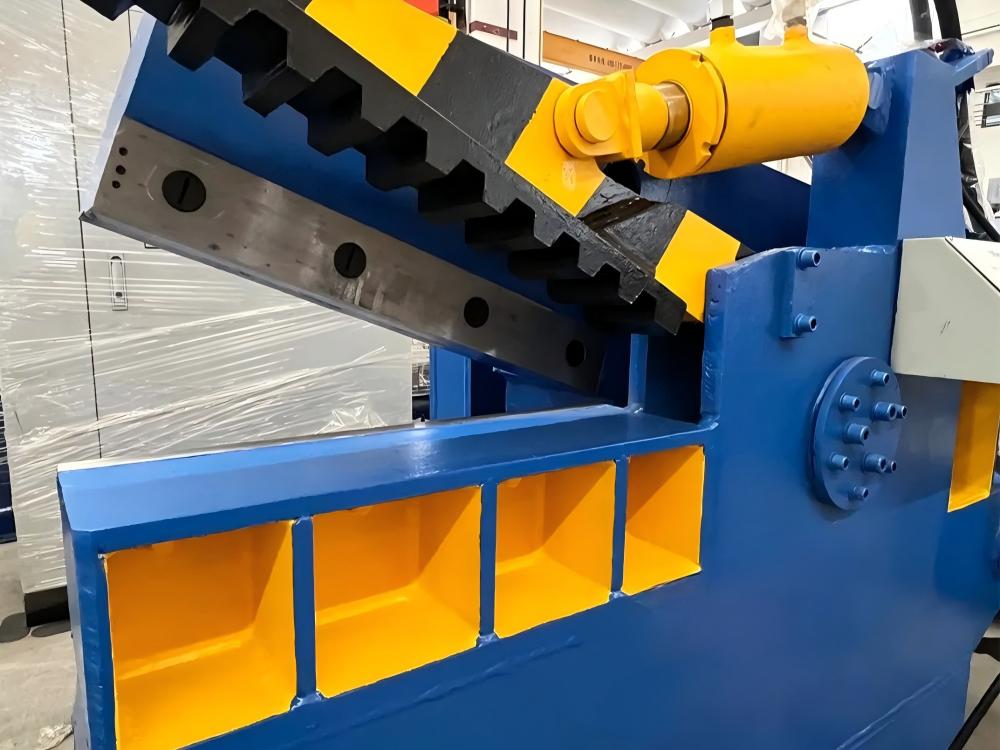
Another common error is ignoring the ‘Pressure Spike’ phenomenon. When the shear finally breaks through a tough piece of metal, there is a sudden release of stored energy. If the pressure was set excessively high, this release causes a massive mechanical shock to the frame. This is where Alligator Shear Pressure Settings Affect Cutting Speed Machine Stability most visibly; you will see the machine ‘jump’ or vibrate violently. Over time, these shocks cause hairline cracks in the weldments and can even shatter the hardened steel blades.
Furthermore, many engineers fail to account for the ‘Blade Gap’ when troubleshooting pressure issues. If the gap between the upper and lower blades is too wide, the material will tend to ‘fold’ rather than ‘shear.’ The operator’s instinct is to turn up the pressure to force the cut, but this only increases the lateral force on the jaw, leading to pivot pin failure. The correct solution is to shim the blades correctly, which allows the machine to cut efficiently at a lower, safer pressure setting.
Selection Checklist for Optimizing Your Alligator Shear
When purchasing a new HARSLE alligator shear or optimizing an existing one, use this checklist to ensure your pressure settings are aligned with your production goals:
- Verify Motor Horsepower: Ensure your electric motor can support the flow rate required at your target operating pressure.
- Check Oil Cooling Capacity: High-pressure operations generate heat. Does your machine have an air or water cooler? If not, you may need to lower pressure settings during summer months.
- Inspect Foundation Bolts: For high-pressure shearing, the machine must be chemically anchored to a reinforced concrete pad to maintain stability.
- Monitor Cycle Times: Use a stopwatch to time 10 dry cycles. If the cycle time increases significantly when cutting, your pressure/flow balance is likely inefficient.
- Blade Maintenance Schedule: Sharpen or rotate blades every 40-80 hours of operation (depending on material) to keep required pressure levels low.
- Relief Valve Calibration: Use a certified pressure gauge to ensure the relief valve is opening at the correct setting and hasn’t drifted over time.
- Analyze Scrap Mix: If 90% of your scrap is aluminum, lower your system pressure to increase speed and save on electricity and wear.
Frequently Asked Questions (FAQ)
How does high pressure affect the lifespan of hydraulic seals?
High pressure increases the friction between the seal and the cylinder wall. It also forces the seal material into the clearances between metal parts (extrusion). Consistently running at maximum pressure can reduce seal life by 50% or more, leading to external leaks and internal ‘drifting’ of the jaw.
Can I increase cutting speed by changing the hydraulic oil?
While oil type doesn’t directly change the pump’s flow rate, using the correct viscosity (usually ISO 46 or 68) ensures the pump operates at peak volumetric efficiency. If the oil is too thick, it causes cavitation at the pump inlet; if too thin, it leaks internally. Both scenarios slow down the cutting speed.
Why does my alligator shear vibrate more when cutting thin sheet metal?
This is often due to the ‘snap-through’ effect. Thin, hard materials build up pressure and then fail suddenly. Because the pressure setting might be high, the sudden lack of resistance causes the hydraulic cylinder to accelerate instantly until it hits the end of its stroke or the oil catches up, creating a vibration. Adjusting the ‘down-stroke’ cushioning or lowering the pressure can help.
What is the relationship between blade length and pressure settings?
Longer blades provide a larger cutting area but require more force to maintain the same ‘PSI’ at the cutting edge. If you are using a machine with 1000mm blades, you will need higher system pressure to cut the same thickness of material compared to a machine with 600mm blades, assuming the leverage ratios are similar.
Is it better to have a fast cycle or a high-force cycle?
This depends on your business model. For high-volume ‘clean’ scrap (like copper pipe), speed is king. For heavy industrial scrap (like demolition beams), force is mandatory. HARSLE machines are often equipped with variable pumps that attempt to provide the best of both worlds: high speed at low pressure and high force at low speed.
Conclusion
In summary, understanding how Alligator Shear Pressure Settings Affect Cutting Speed Machine Stability is the key to a profitable and safe scrap metal operation. By carefully balancing the hydraulic output with the mechanical realities of the machine, operators can achieve faster cycle times, lower energy bills, and a much longer lifespan for their equipment. Always refer to your HARSLE technical manual for specific limit settings, and remember that in the world of heavy machinery, precision always beats brute force.