Alligator Shear for Scrap Yard Operations: Workflow Optimization and Equipment Selection

Technical Overview of Alligator Shears in Modern Recycling
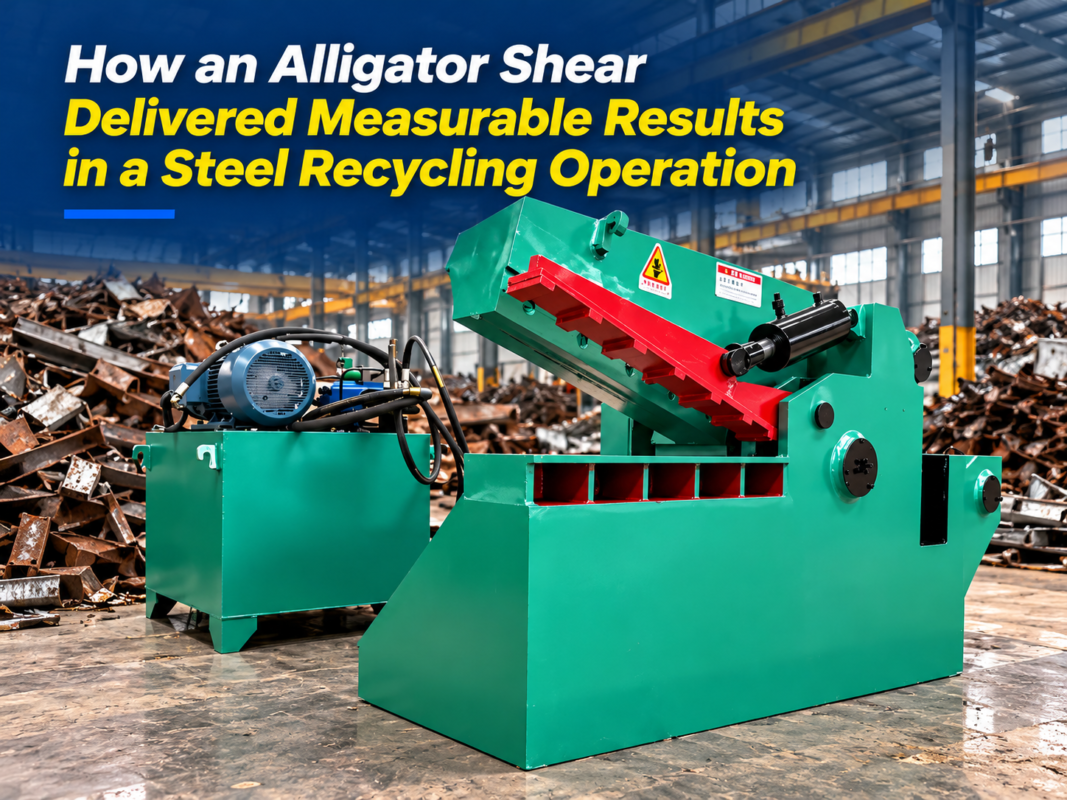
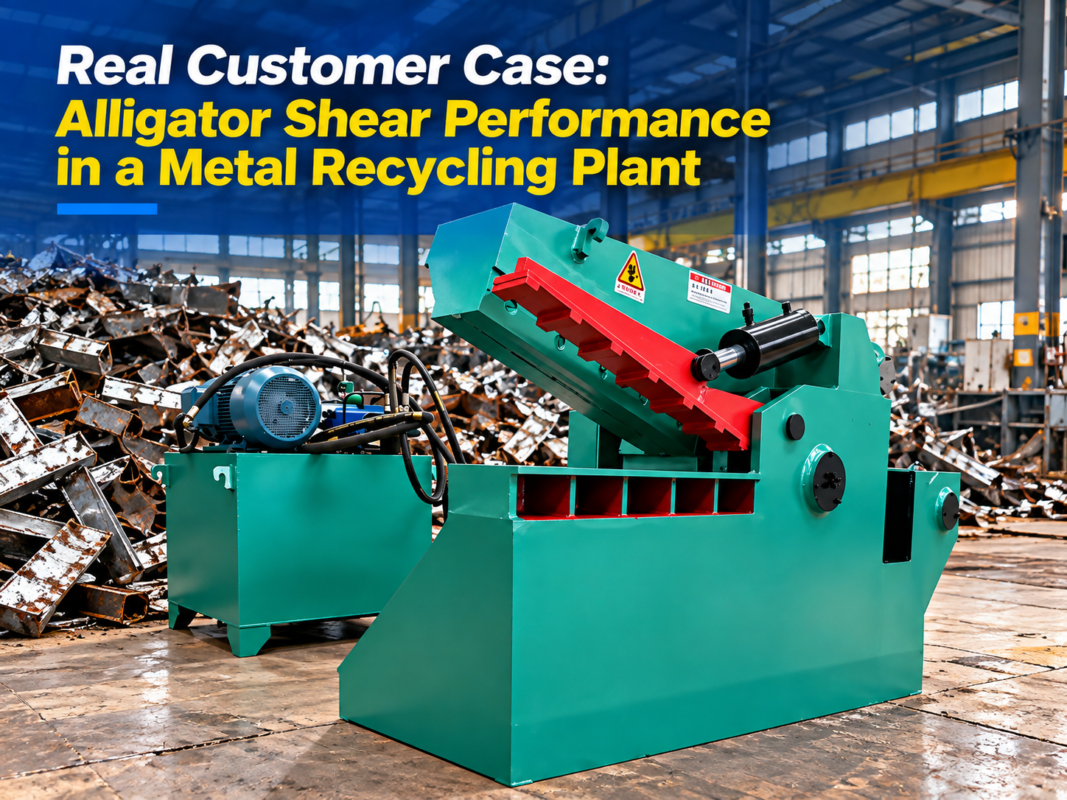
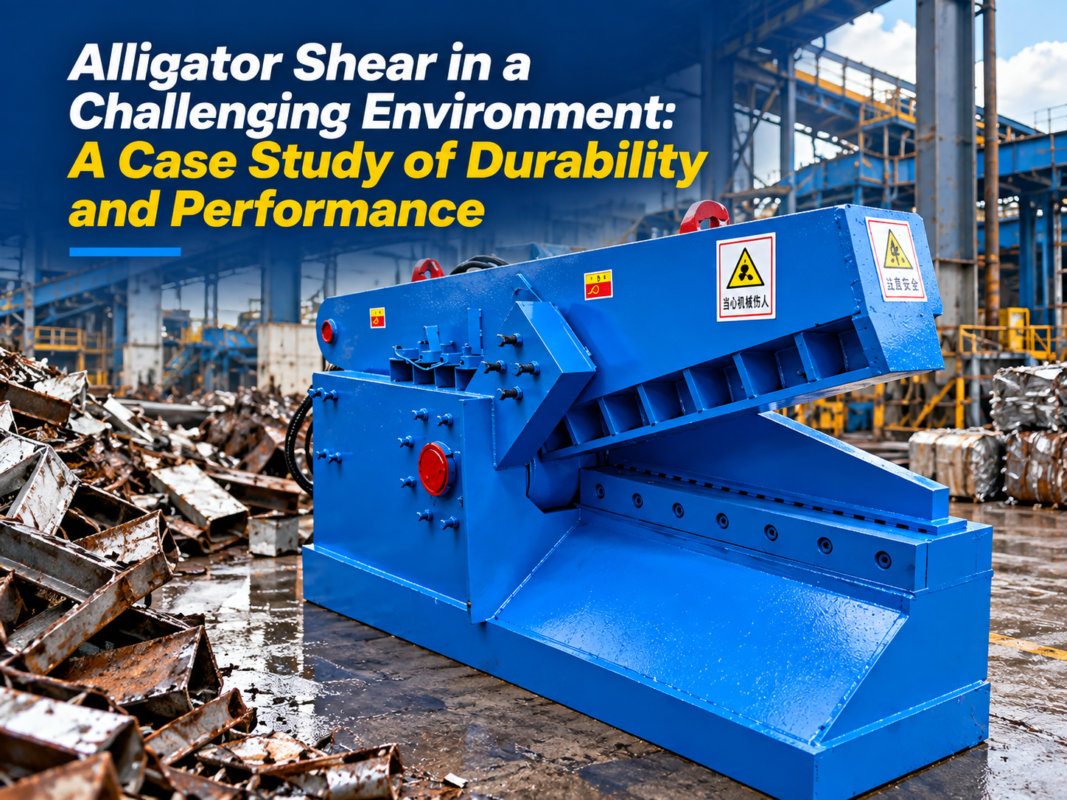
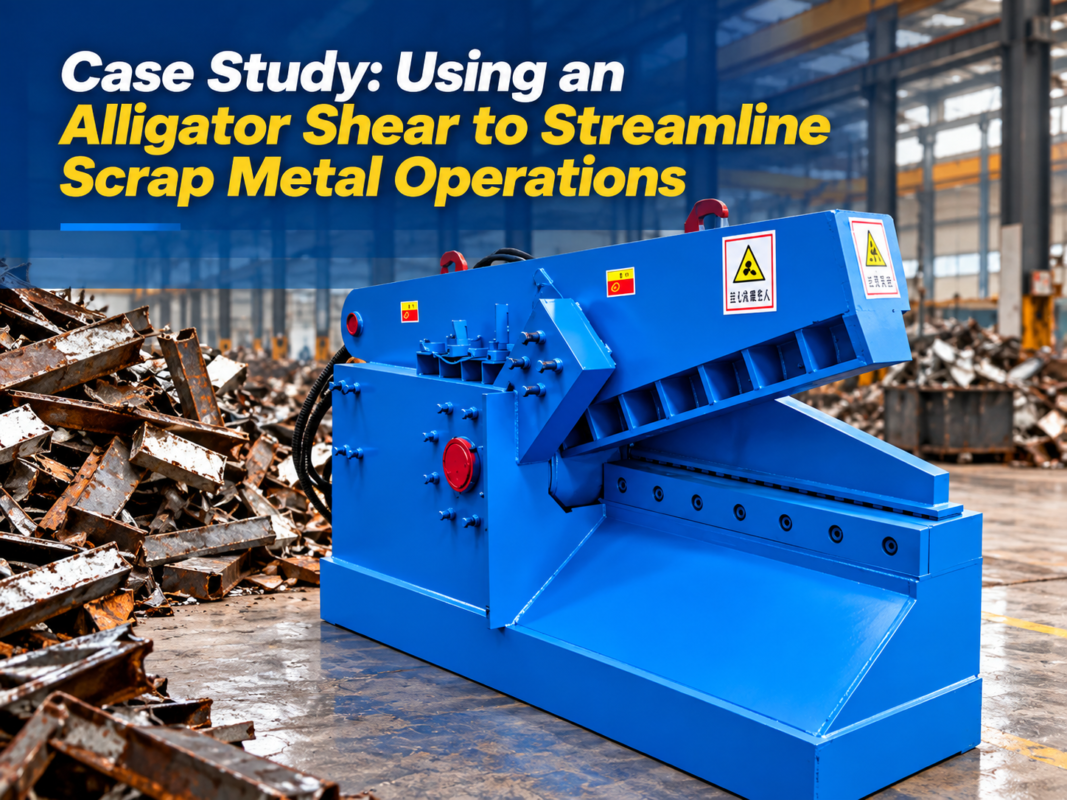
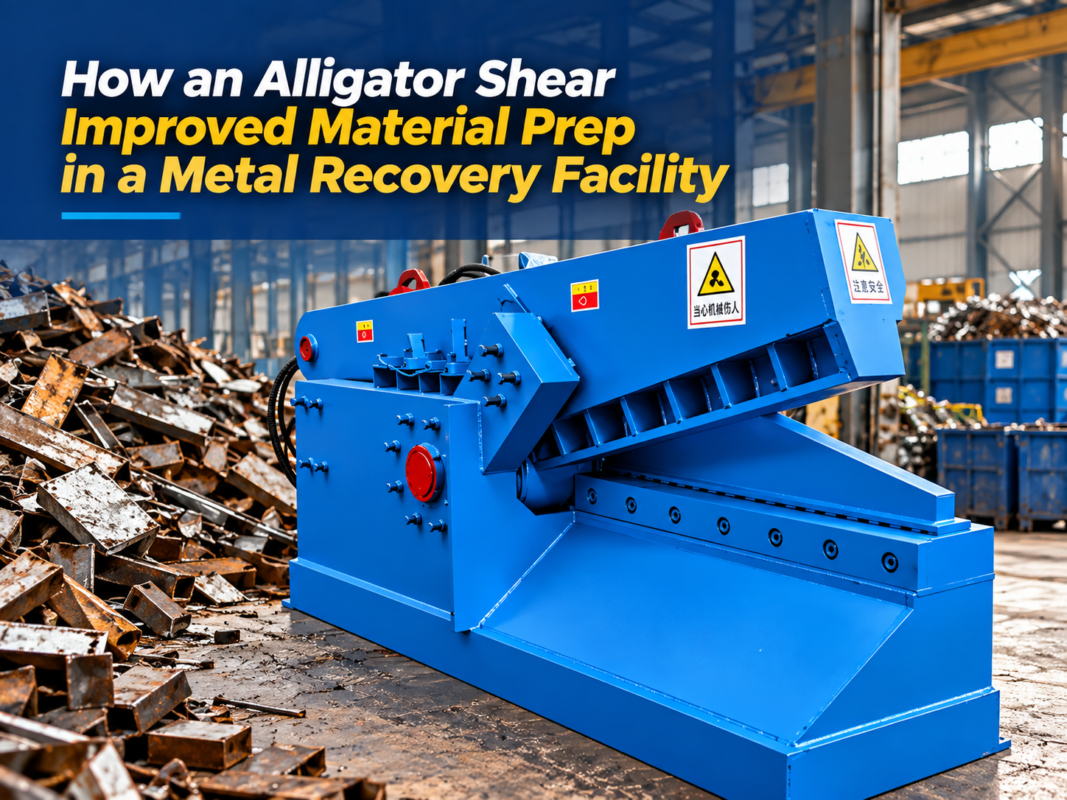
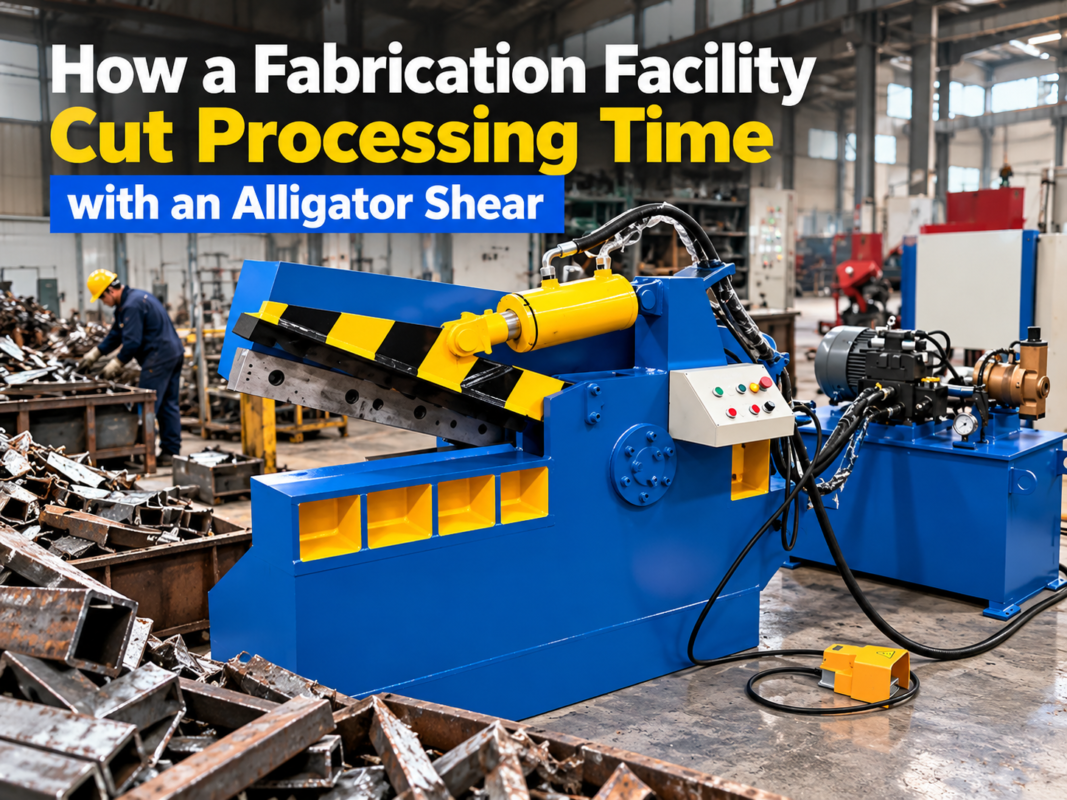
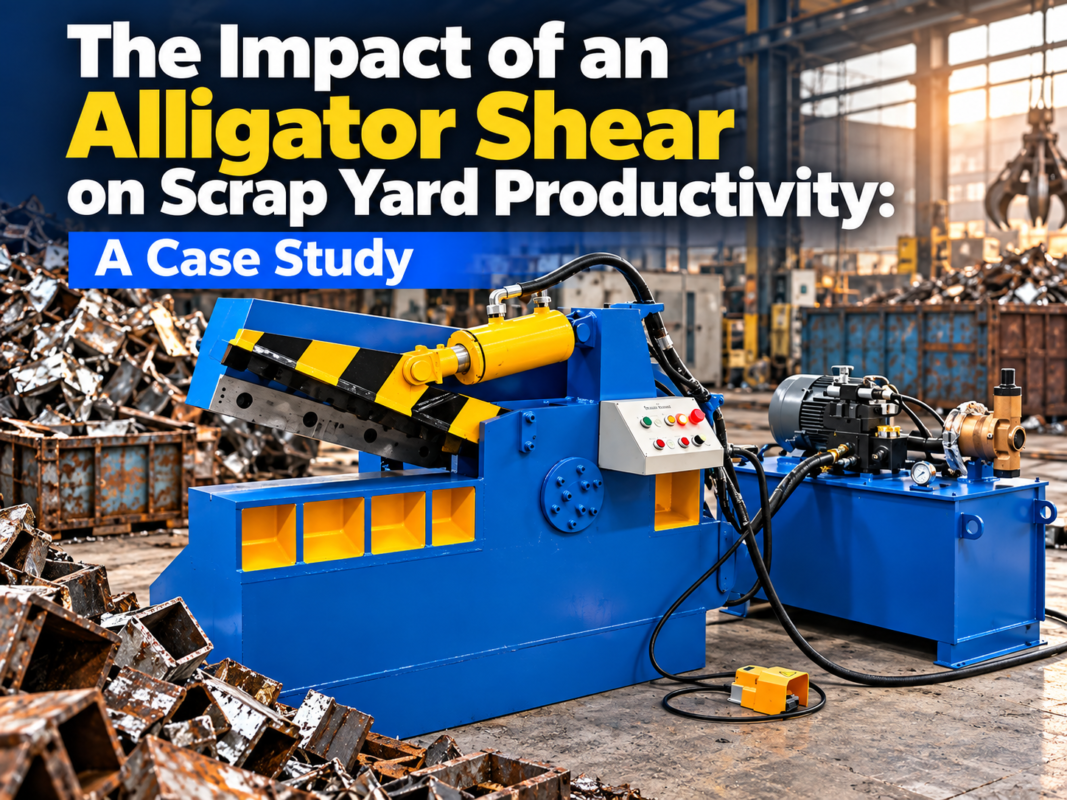
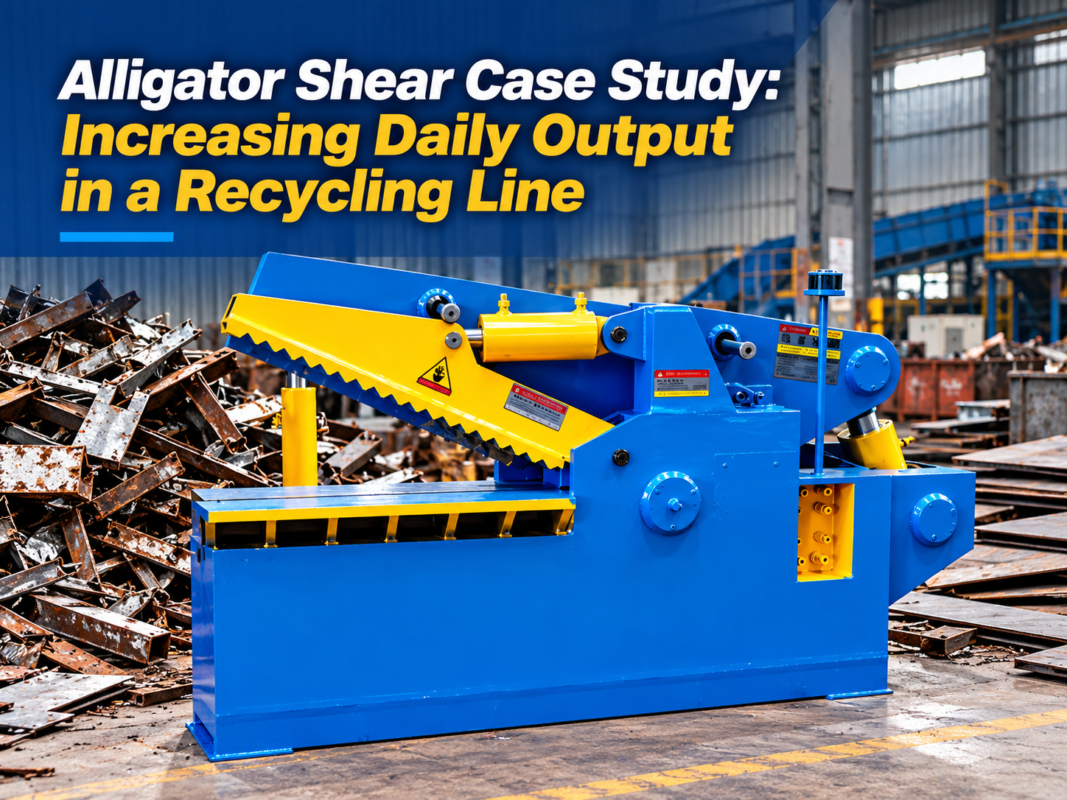
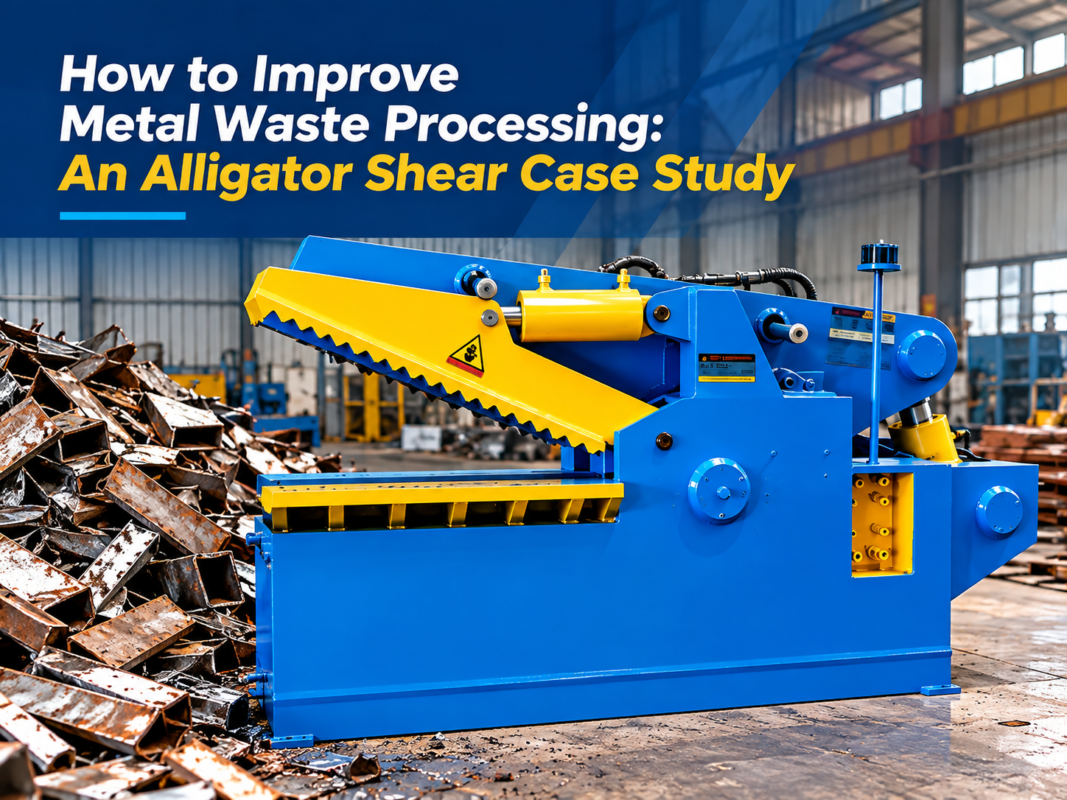
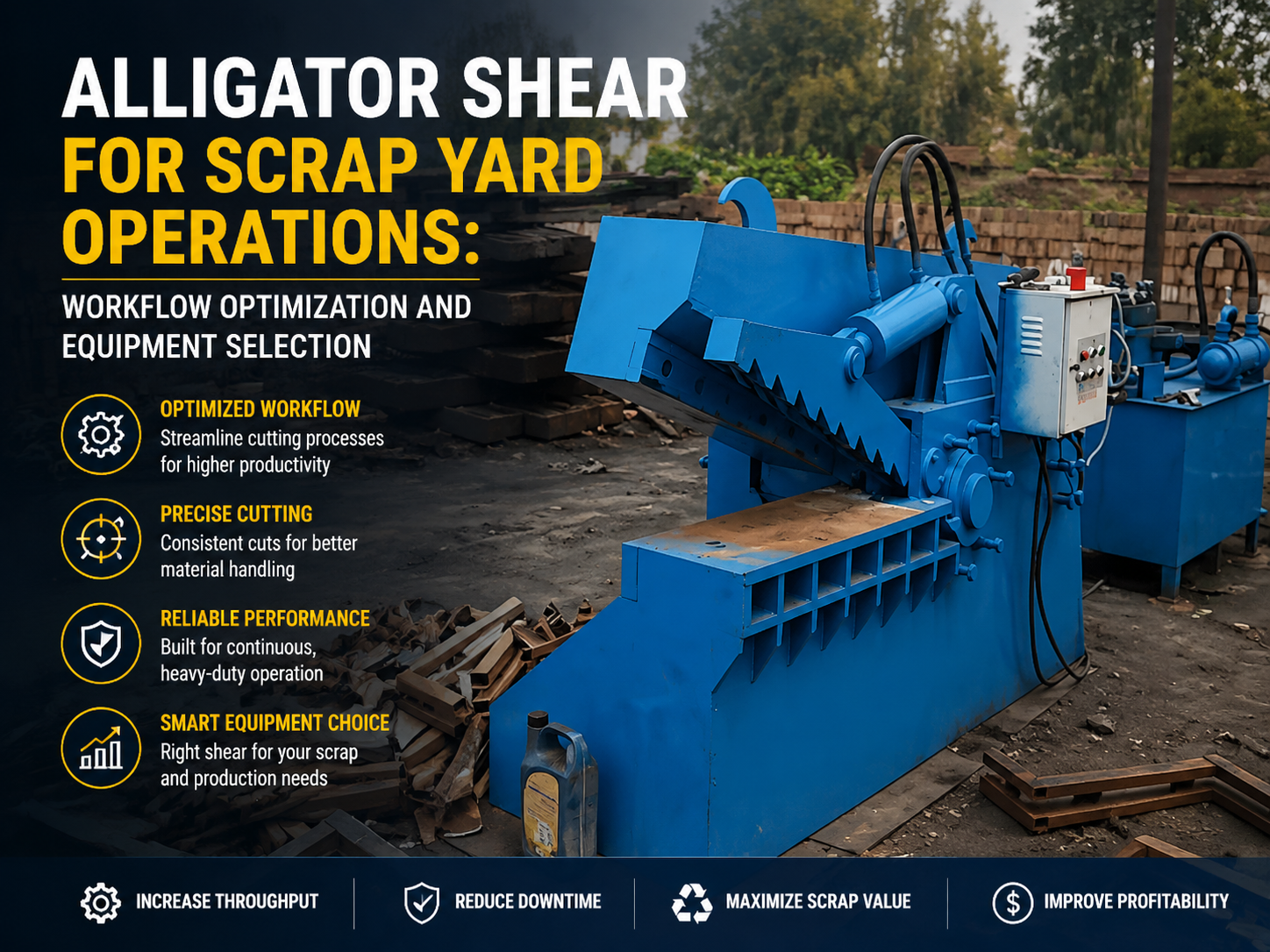
In the high-stakes environment of a modern scrap yard, the alligator shear stands as a foundational piece of equipment. Named for its characteristic jaw-like movement, the alligator shear is a hydraulic or mechanical cutting tool designed to process oversized metal scrap into manageable sizes for further processing or smelting. For facilities focusing on Alligator Shear Scrap Yard Operations: Workflow Optimization Equipment Selection, understanding the underlying mechanics is the first step toward achieving operational excellence. These machines are primarily used for ‘cold cutting’—a process that avoids the thermal distortion associated with torch cutting, thereby preserving the metallurgical integrity of the scrap.
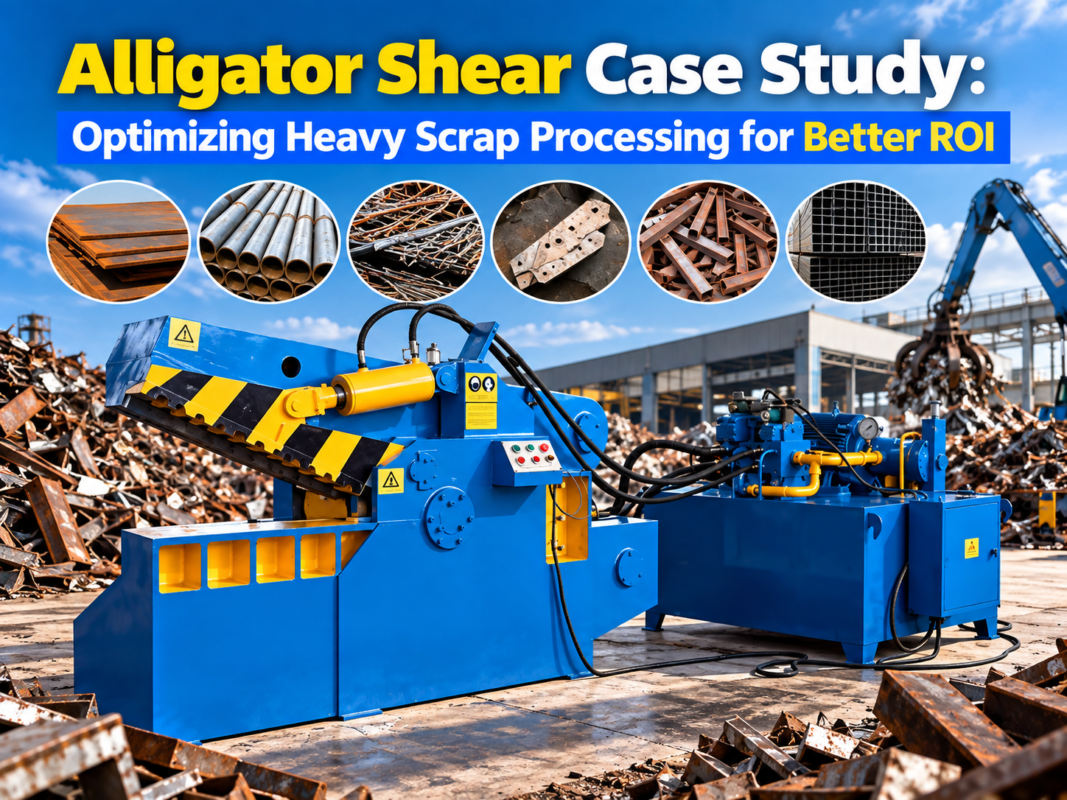
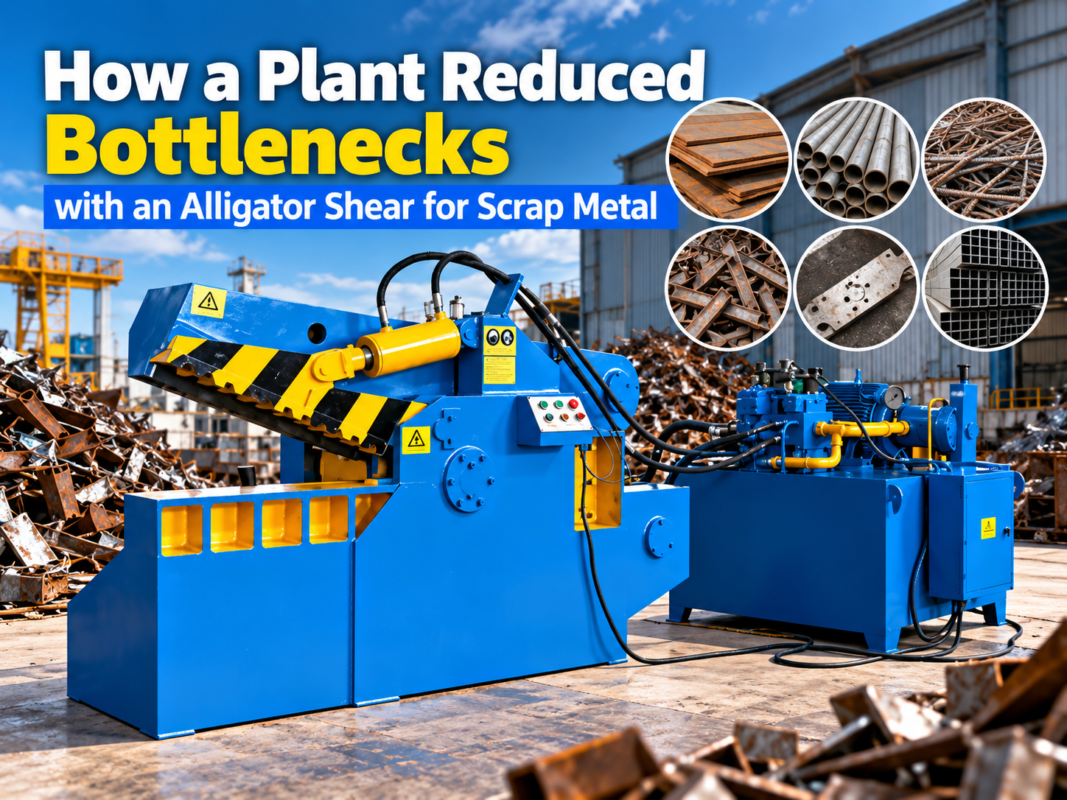
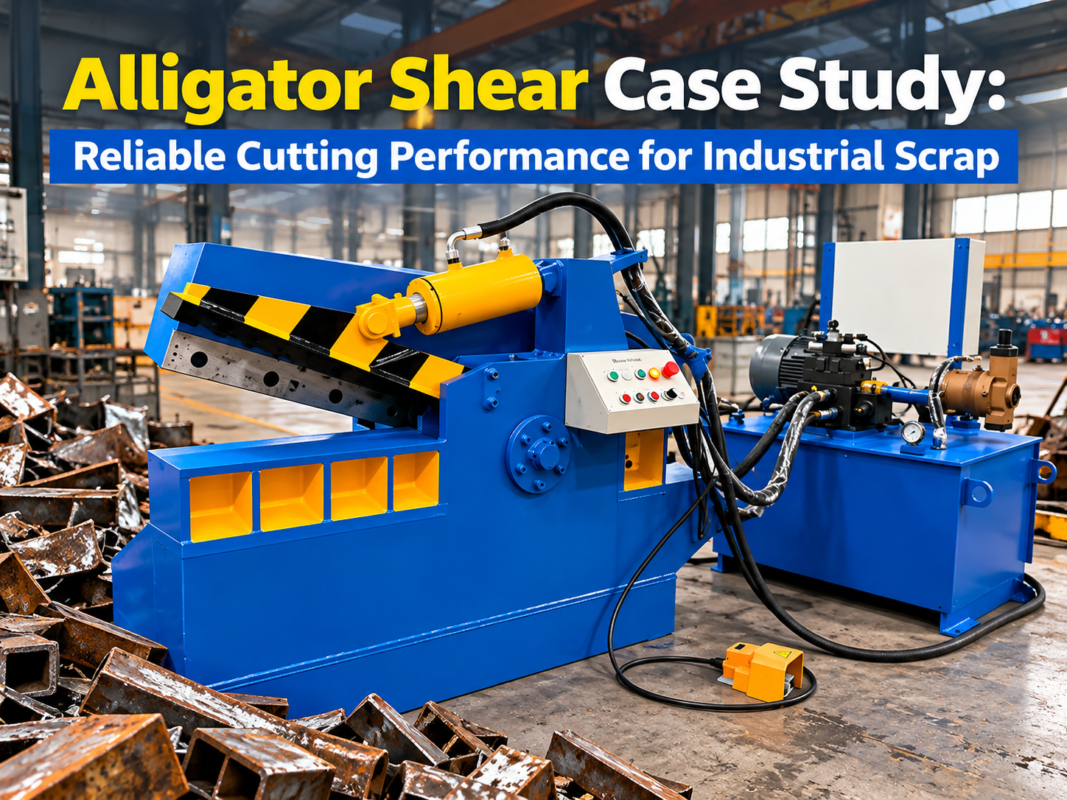
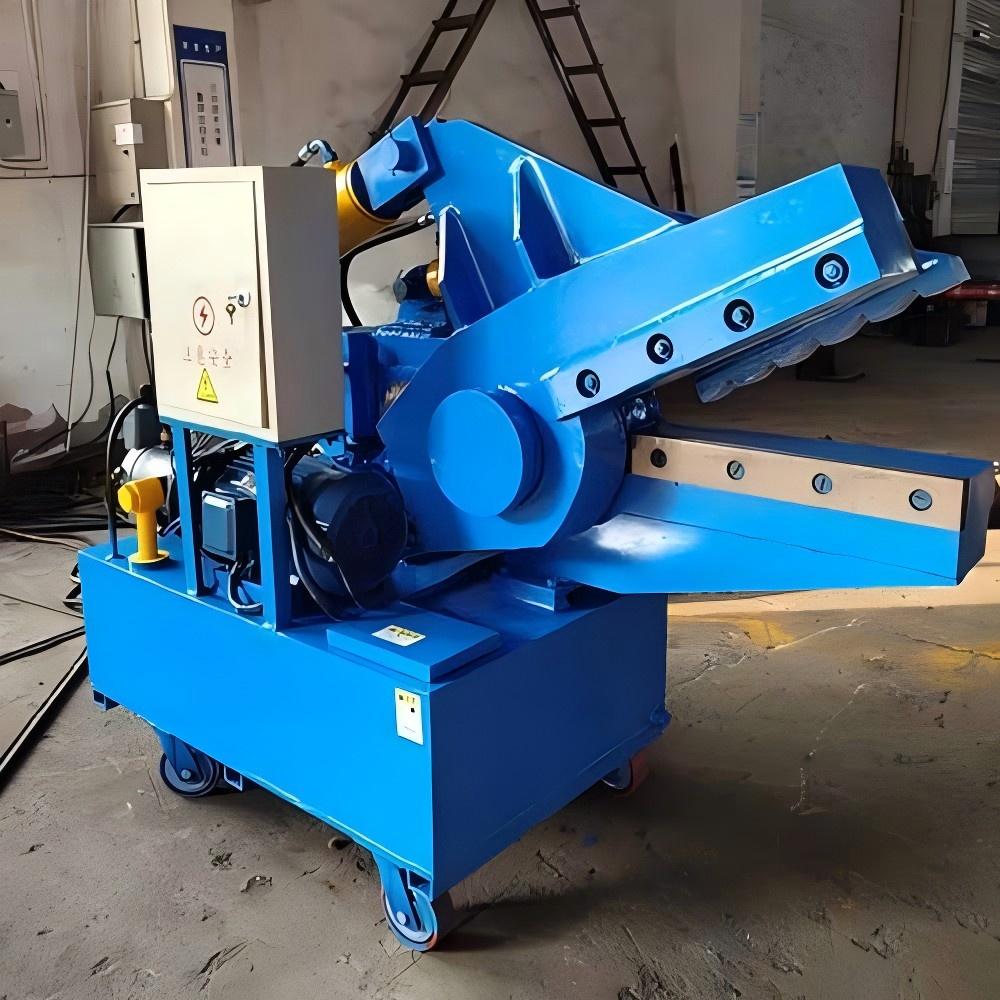
The technical architecture of a HARSLE alligator shear revolves around a robust hydraulic system. Unlike older mechanical models that relied on flywheels and clutches, modern hydraulic shears offer variable pressure control and the ability to stop the stroke at any point. This provides a significant safety advantage and allows for more precise handling of irregular scrap pieces. The main frame is typically constructed from heavy-duty welded steel plates, stress-relieved to ensure long-term structural stability under the immense pressures generated during the cutting cycle. The ‘jaw’ or moving blade arm is pivoted on a high-strength alloy steel shaft, supported by bronze or composite bushings that require regular lubrication to minimize friction and wear.
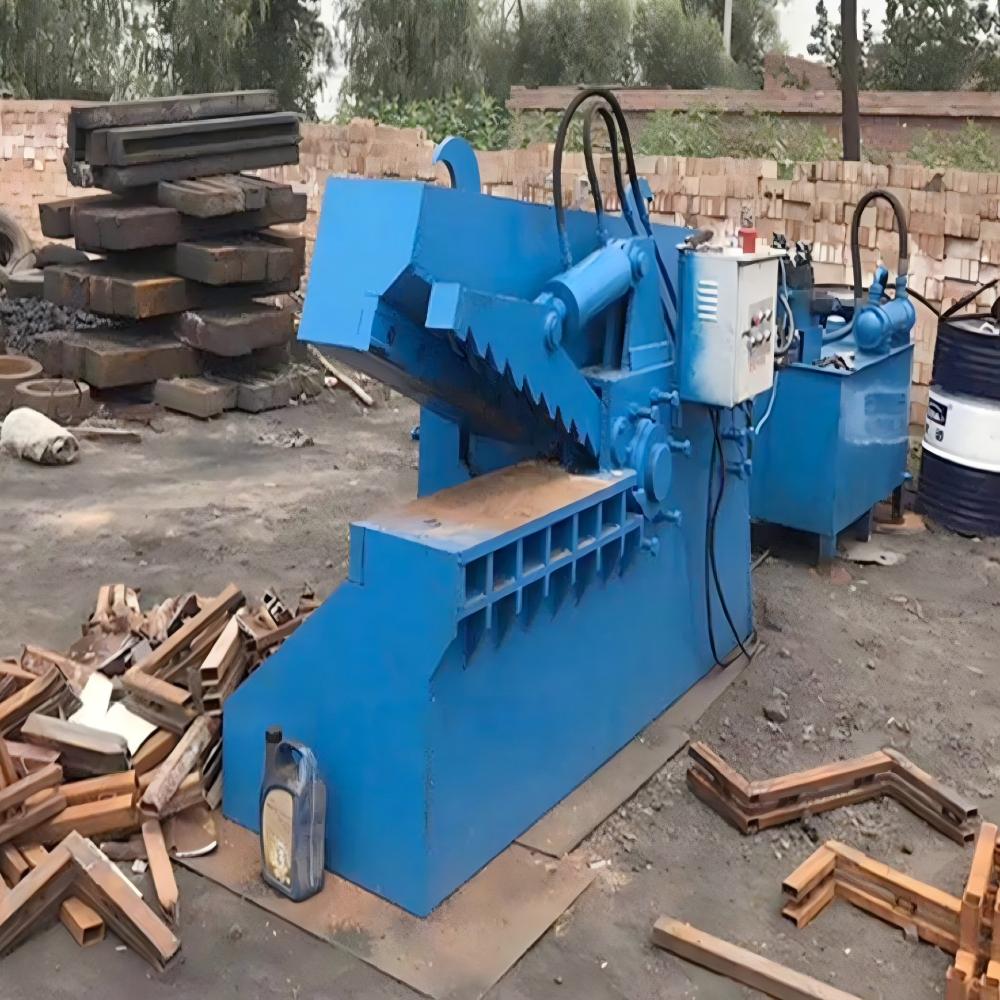
Blade design is another critical technical aspect. Alligator shear blades are usually made from high-chromium, high-carbon tool steel, heat-treated to a specific Rockwell hardness (HRC). This ensures they can withstand the abrasive nature of scrap metal while maintaining a sharp edge. Most HARSLE models feature four-sided blades, allowing the operator to rotate the blade when one edge becomes dull, effectively quadrupling the blade’s service life before a full replacement or regrind is necessary. The clearance between the upper and lower blades is adjustable, which is vital for maintaining clean cuts across different material thicknesses.
Workflow optimization begins with the integration of the shear into the yard’s layout. An alligator shear should not be viewed as an isolated tool but as a node in a larger logistics chain. Efficient operations require a clear path for incoming ‘long’ scrap, a stable platform for the operator, and a streamlined method for collecting and transporting the ‘short’ cut pieces. By minimizing the manual handling of materials and utilizing gravity-fed chutes or conveyor belts, scrap yards can significantly increase their hourly throughput and reduce the risk of operator fatigue and injury.
Core Parameters for Equipment Selection
When selecting an alligator shear, several core parameters must be evaluated to ensure the machine meets the specific demands of the scrap yard. The most prominent parameter is the Cutting Force, usually measured in tons. This force determines the maximum thickness and type of material the machine can handle. For instance, a 100-ton shear might be sufficient for aluminum extrusions and light copper pipe, but a 250-ton or 500-ton machine is required for heavy steel beams, rebar, or thick-walled pipes. Selecting a machine with insufficient force leads to frequent stalling and premature hydraulic failure.
Blade Length is the second critical parameter. It dictates the maximum width of the material that can be fed into the jaw in a single pass. Common lengths range from 400mm to 1200mm. While a longer blade allows for larger pieces to be processed, it also requires a more powerful hydraulic cylinder to maintain consistent pressure across the entire length of the cut. In Alligator Shear Scrap Yard Operations: Workflow Optimization Equipment Selection, the blade length must be balanced against the typical dimensions of the incoming scrap stream to avoid unnecessary energy consumption or equipment bulk.
Cycle Time and Motor Power are the primary drivers of productivity. Cycle time refers to the duration it takes for the jaw to complete one full open-and-close movement. High-speed valves and regenerative hydraulic circuits can reduce cycle times, allowing for more cuts per minute. Motor power (measured in kW or HP) must be sufficient to drive the hydraulic pump at the required pressure and flow rate. A well-matched motor ensures that the shear does not ‘bog down’ during heavy cuts, maintaining a steady workflow throughout the shift. Additionally, the Jaw Opening Height determines the maximum diameter of pipes or the height of bundled scrap that can be inserted, which is a vital consideration for yards dealing with demolition debris.
Calculation Method for Required Cutting Force
To optimize equipment selection, engineers must calculate the required cutting force based on the materials most frequently processed. The fundamental formula for shearing force ($F$) is:
F = L × T × τ
Where:
L = Length of the cut (mm)
T = Thickness of the material (mm)
τ = Shear strength of the material (N/mm²)
For example, if a scrap yard needs to cut a mild steel plate that is 20mm thick and 200mm wide, and the shear strength of mild steel is approximately 350 N/mm², the calculation would be:
F = 200mm × 20mm × 350 N/mm² = 1,400,000 Newtons.
To convert this to metric tons, divide by 9,806.65 (the acceleration of gravity):
1,400,000 / 9,806.65 ≈ 142.7 Tons.
However, in real-world scrap yard operations, the material is rarely a flat plate. For pipes, the cross-sectional area must be calculated, and for irregular shapes like I-beams, the maximum thickness of the flanges and web must be considered. Furthermore, a safety factor of at least 20-30% should be added to the calculated force to account for blade wear, material impurities, and the dynamic nature of hydraulic systems. If the blades are dull, the required force can increase by up to 50%, which is why maintenance is intrinsically linked to the machine’s performance capacity.
HARSLE Alligator Shear Parameter Table
The following table provides a comparative look at standard HARSLE alligator shear models to assist in the selection process. These specifications are designed to cover a wide range of scrap yard requirements, from light non-ferrous processing to heavy industrial demolition scrap.
| Model Series | Cutting Force (Tons) | Blade Length (mm) | Max. Opening (mm) | Motor Power (kW) | Cycle Speed (cuts/min) |
|---|---|---|---|---|---|
| Q43-63 | 63 | 400 / 600 | 260 | 7.5 | 10 – 15 |
| Q43-100 | 100 | 600 / 700 | 320 | 11 | 8 – 12 |
| Q43-160 | 160 | 800 | 400 | 18.5 | 8 – 12 |
| Q43-250 | 250 | 1000 / 1200 | 500 | 22 – 30 | 6 – 10 |
| Q43-500 | 500 | 1200 | 650 | 45 – 75 | 4 – 8 |
Common Engineering Mistakes in Shear Operations
One of the most frequent mistakes in Alligator Shear Scrap Yard Operations: Workflow Optimization Equipment Selection is the failure to account for ‘shock loading.’ When the shear blade finally breaks through a tough piece of metal, the sudden release of energy can cause a hydraulic spike. If the machine is not equipped with proper relief valves or if the operator is constantly pushing the machine to its absolute limit, these spikes will eventually lead to seal failure, cracked welds, or pump cavitation. Operators should be trained to recognize the sound of the machine struggling and to avoid ‘double-stacking’ materials that exceed the rated capacity.
Another common error is neglecting the blade gap adjustment. As blades wear or as the machine frame experiences thermal expansion, the gap between the upper and lower blades can widen. A gap that is too wide leads to ‘folding’ rather than ‘shearing,’ where the metal is wedged between the blades. This not only produces a poor quality cut but also puts immense lateral stress on the pivot pin and the hydraulic cylinder. Conversely, a gap that is too tight can cause the blades to clash, leading to catastrophic chipping or breakage of the expensive tool steel edges.
Inadequate hydraulic maintenance is a silent killer of productivity. Scrap yards are inherently dusty and dirty environments. If the hydraulic oil is not filtered properly or if the reservoir is left open to the atmosphere, contaminants will enter the system. These particles act as an abrasive, wearing down the precision-machined surfaces of the hydraulic pumps and valves. Furthermore, ignoring the temperature of the hydraulic oil can lead to thinning of the fluid, which reduces the efficiency of the pump and can cause the machine to lose cutting force as the day progresses. Installing an air or water cooler is often a necessary optimization for shears operating in hot climates or high-duty cycle environments.
Selection Checklist for Scrap Yard Managers
Choosing the right alligator shear requires a holistic view of the facility’s needs. Use this checklist to ensure all variables are considered before purchase:
- Material Stream Analysis: What is the primary material? (Aluminum, Copper, Mild Steel, Stainless Steel). Stainless steel requires significantly higher cutting force than aluminum.
- Volume Requirements: How many tons per day need to be processed? This determines the required cycle speed and motor power.
- Space Constraints: Does the yard have the footprint for a large 500-ton unit, or is a compact 100-ton unit more appropriate? Consider the ‘swing zone’ of the long scrap pieces.
- Power Supply: Ensure the facility’s electrical grid can handle the startup current of large hydraulic motors. Soft-starters or VFDs may be required.
- Operator Ergonomics: Is the control pedal or lever positioned safely? Is there adequate lighting and protection from flying debris (shrapnel guards)?
- Maintenance Access: Are the grease points easily accessible? Can the blades be changed without dismantling half the machine?
- Integration Potential: Can the shear be paired with a conveyor or a magnetic separator to further optimize the workflow?
Workflow Optimization Strategies
To truly master Alligator Shear Scrap Yard Operations: Workflow Optimization Equipment Selection, one must look beyond the machine itself. The ‘In-Process’ inventory management is key. Scrap should be pre-sorted by grade and size before it reaches the shear. This allows the operator to maintain a steady rhythm without having to stop and adjust for vastly different material types. For example, processing a batch of uniform copper tubing is much faster than switching between heavy steel beams and light aluminum wire every few minutes.
Implementing a ‘Zone System’ in the scrap yard can also enhance efficiency. The ‘Loading Zone’ should be serviced by a crane or forklift that keeps a steady supply of material within reach of the shear operator. The ‘Cutting Zone’ must be kept clear of debris to prevent tripping hazards. Finally, the ‘Discharge Zone’ should utilize containers or bunkers that can be quickly swapped out when full. By reducing the ‘dwell time’—the time the shear is sitting idle while waiting for material or for a bin to be moved—the overall ROI of the equipment is greatly improved.
Safety is the ultimate optimization. A single accident can shut down operations for days and lead to massive costs. Modern HARSLE shears come equipped with hold-down devices that prevent the material from ‘kicking up’ during the cut. Ensuring these safety features are always functional and that operators are wearing appropriate PPE (Personal Protective Equipment) is non-negotiable. A safe operator is a confident and productive operator.
Frequently Asked Questions (FAQ)
1. How often should the blades be sharpened or rotated?
This depends entirely on the material being cut. For clean aluminum, blades may last several months. For sandy or rusty steel, they may need rotation every few weeks. A good rule of thumb is to inspect the blade edges at the start of every shift. If you notice the machine is requiring more pressure to make the same cuts, it is time to rotate or sharpen the blades.
2. Can an alligator shear cut hardened steel like axles or leaf springs?
While it is possible, it is generally not recommended unless the shear is specifically rated for such high-tensile materials. Hardened steel can cause the blades to chip or shatter. If you must process these materials, ensure you are using a high-tonnage machine and that the blades are specifically designed for high-impact loads.
3. What type of hydraulic oil is best for alligator shears?
Most HARSLE alligator shears use standard anti-wear hydraulic oil (ISO VG 46 or 68). In colder climates, a thinner oil (VG 32) may be used to ensure smooth startup, while in very hot environments, a thicker oil (VG 68) helps maintain viscosity. Always refer to the specific machine manual for the manufacturer’s recommendation.
4. Is a foot pedal or a hand lever better for operation?
A foot pedal is often preferred for workflow optimization because it leaves the operator’s hands free to position the scrap. However, for very large shears where the operator needs to stand further back, a hand-controlled valve on a pedestal may be safer. Many modern HARSLE machines offer both options or an automatic cycle mode for consistent material sizes.
5. How do I calculate the ROI of a new alligator shear?
To calculate ROI, compare the cost of the machine against the ‘value add’ it provides. For example, if unsheared scrap sells for $200/ton and sheared, ‘clean’ scrap sells for $300/ton, the shear adds $100 of value per ton. Subtract the costs of labor, electricity, and maintenance to find your net profit per ton. Divide the total machine cost by this net profit to find the number of tons required to break even.
6. What are the signs of a failing hydraulic pump?
Common signs include increased noise (whining or grinding), slower cycle times, a noticeable drop in cutting force, and excessive heat generation in the hydraulic tank. If you notice these symptoms, check the suction filters for metal shavings immediately, as this indicates internal wear within the pump.