What Materials Can an Alligator Shear Cut? A Practical Technical Overview

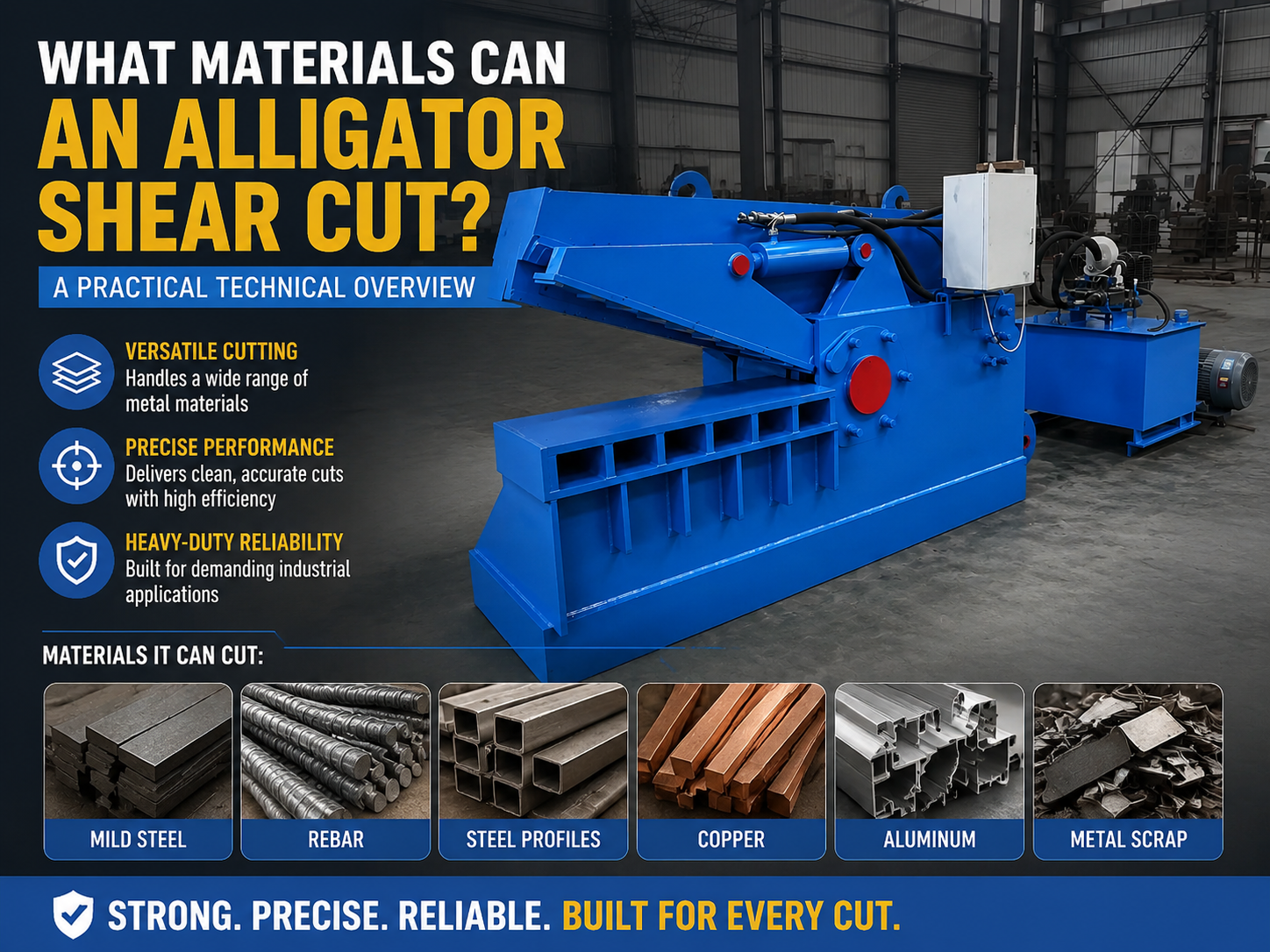
Technical Overview: The Mechanics of Alligator Shearing
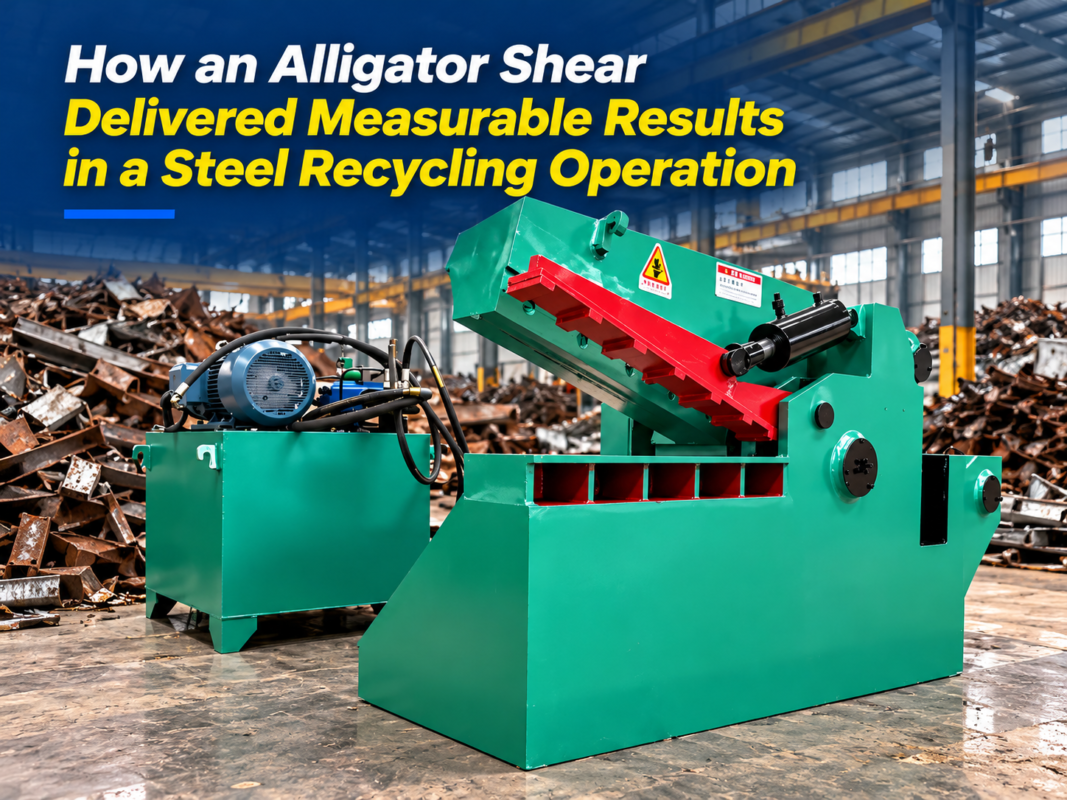
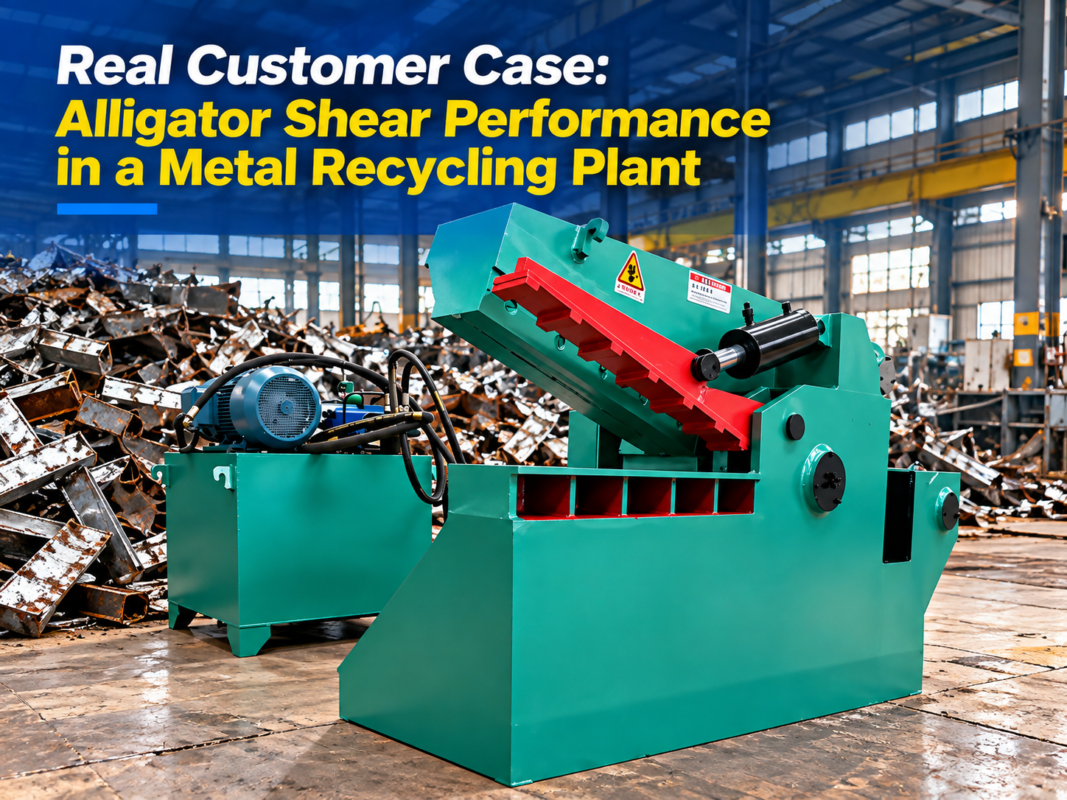
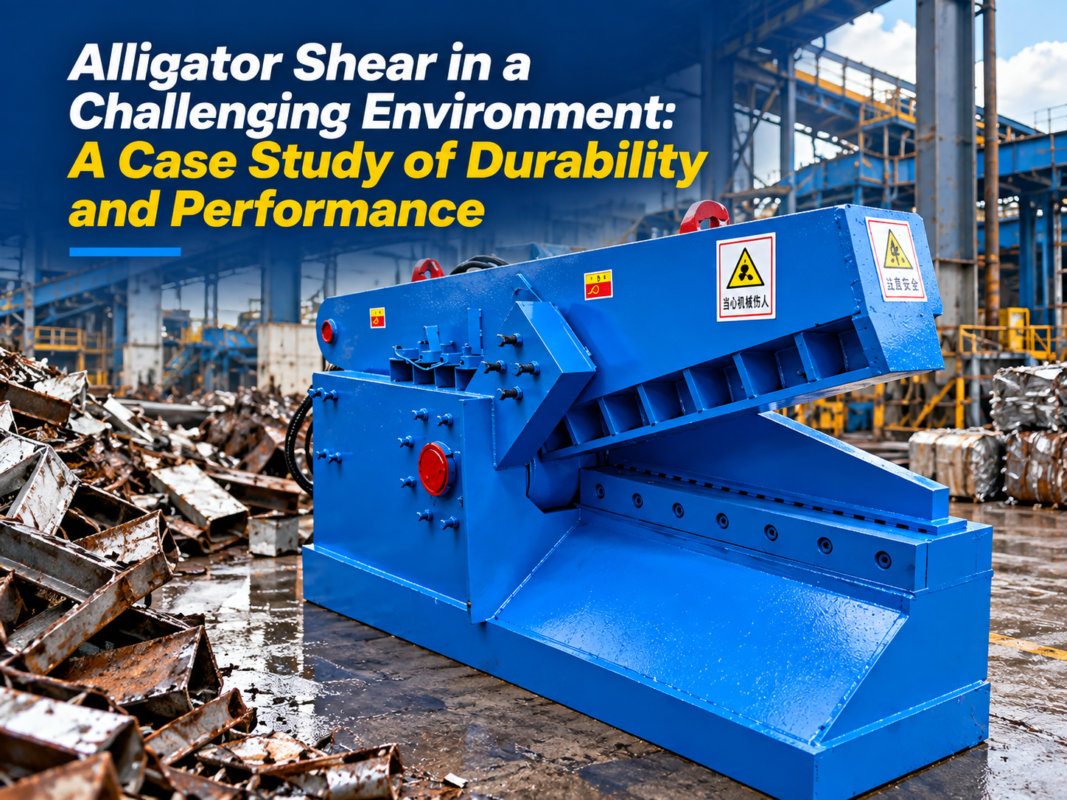
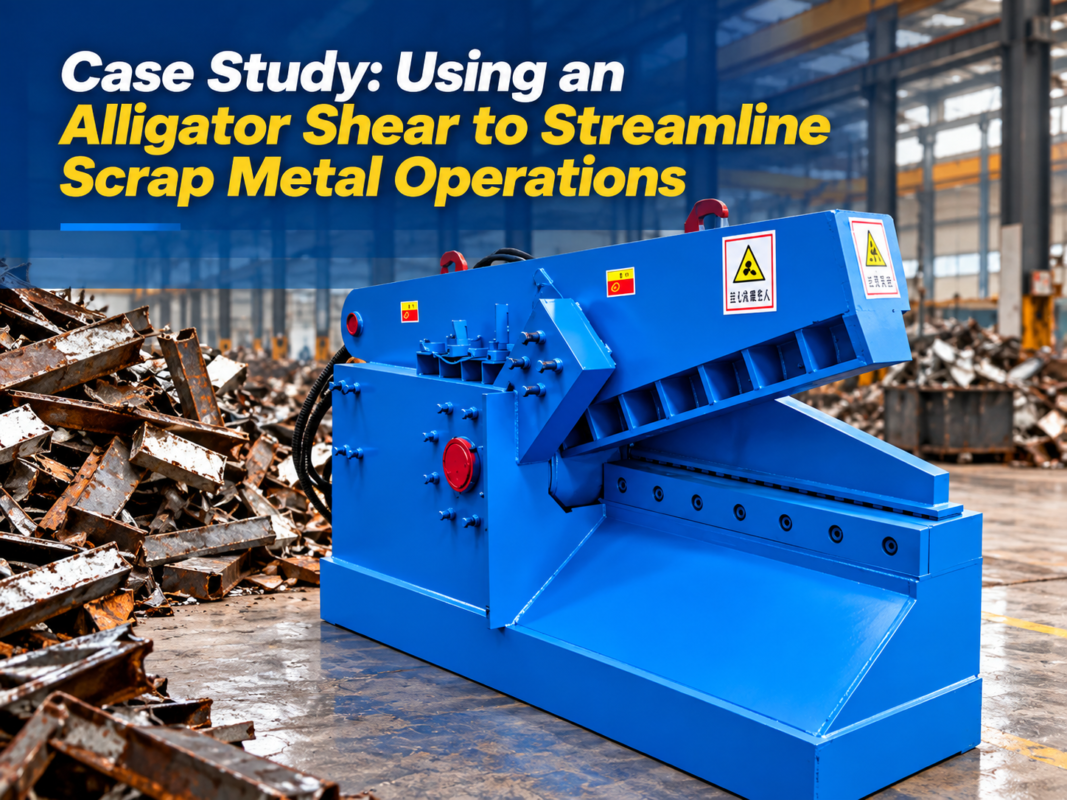
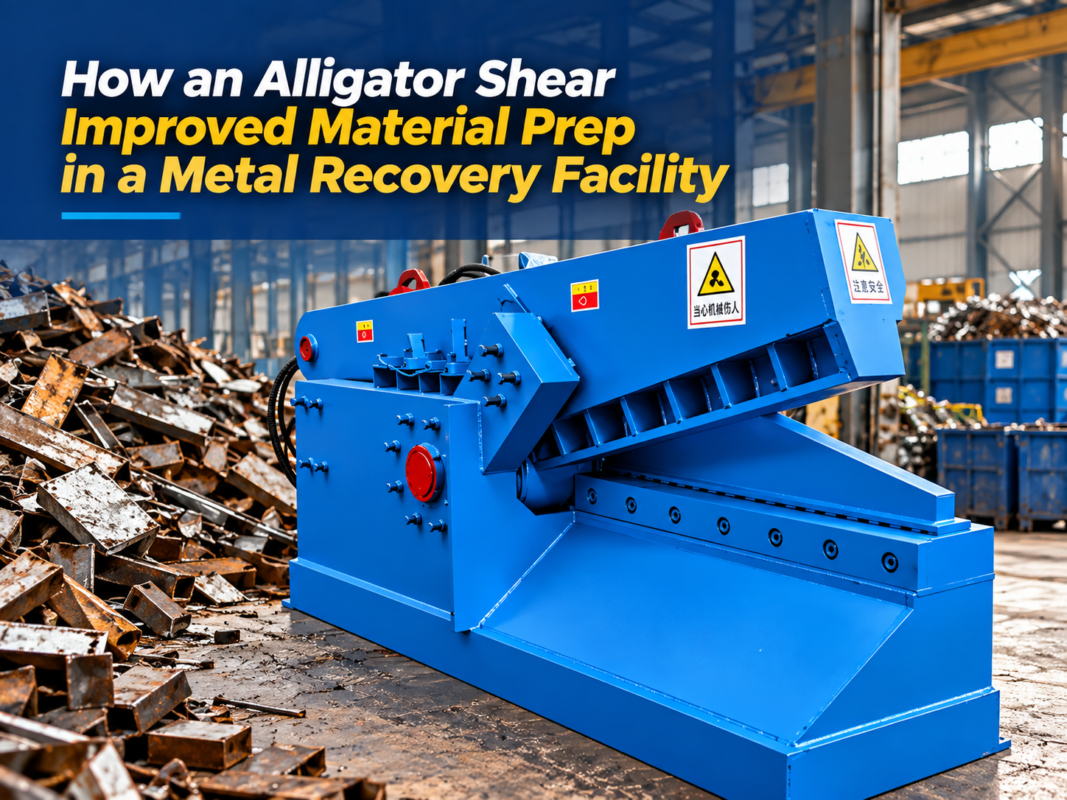
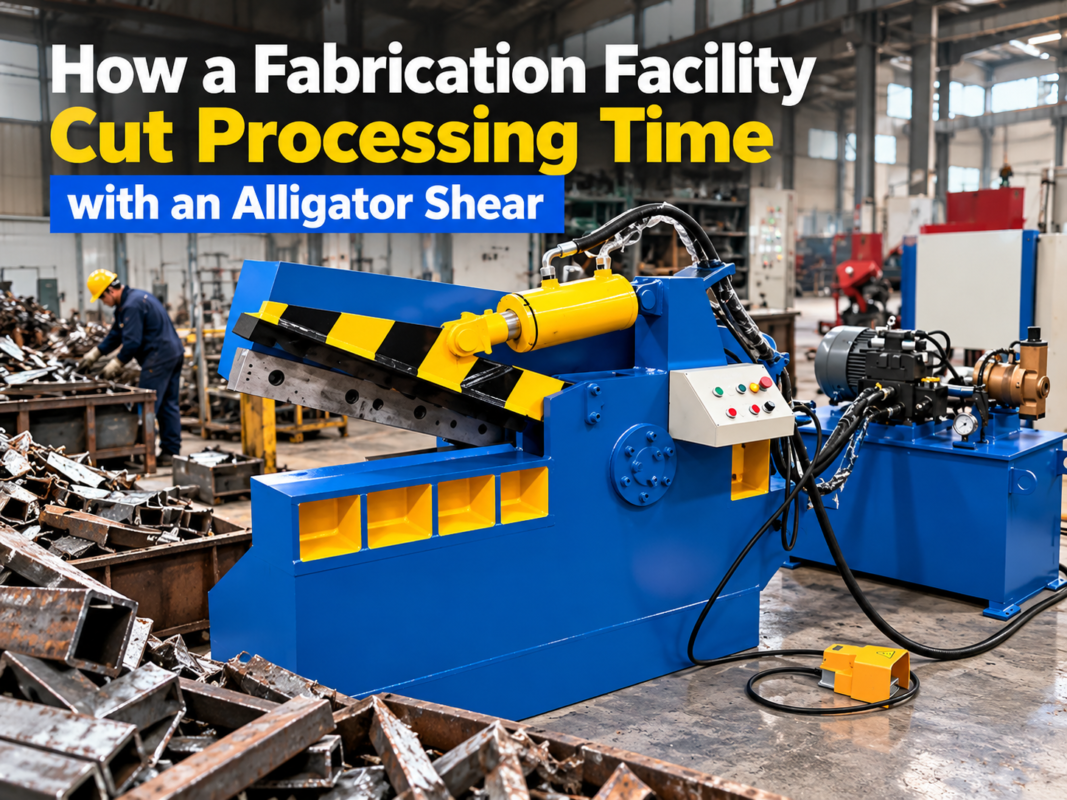
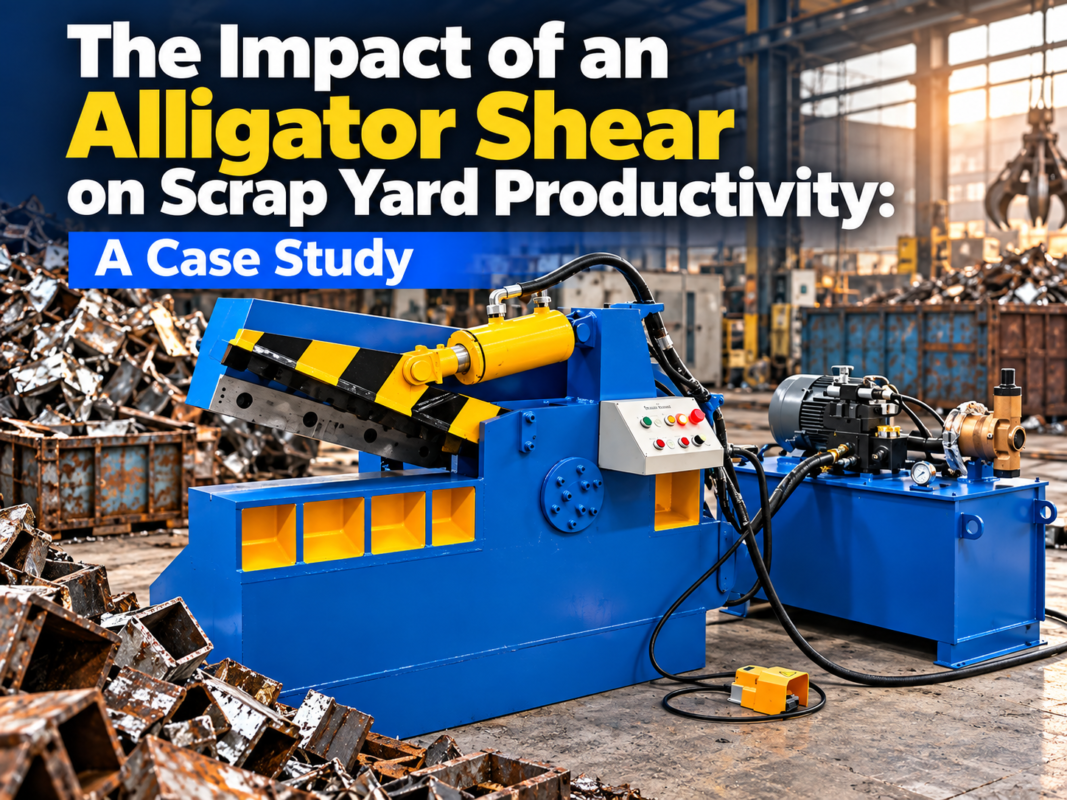
In the world of metal recycling and industrial fabrication, the alligator shear stands as a cornerstone of efficiency. Named for its distinctive jaw-like movement, this hydraulic powerhouse is designed to cold-cut various metal shapes and sections into manageable sizes for further processing or smelting. Understanding the question, “What Materials Can An Alligator Shear Cut? A Practical Technical Overview,” requires a deep dive into the mechanical advantages of hydraulic leverage and the metallurgical properties of the materials being processed.
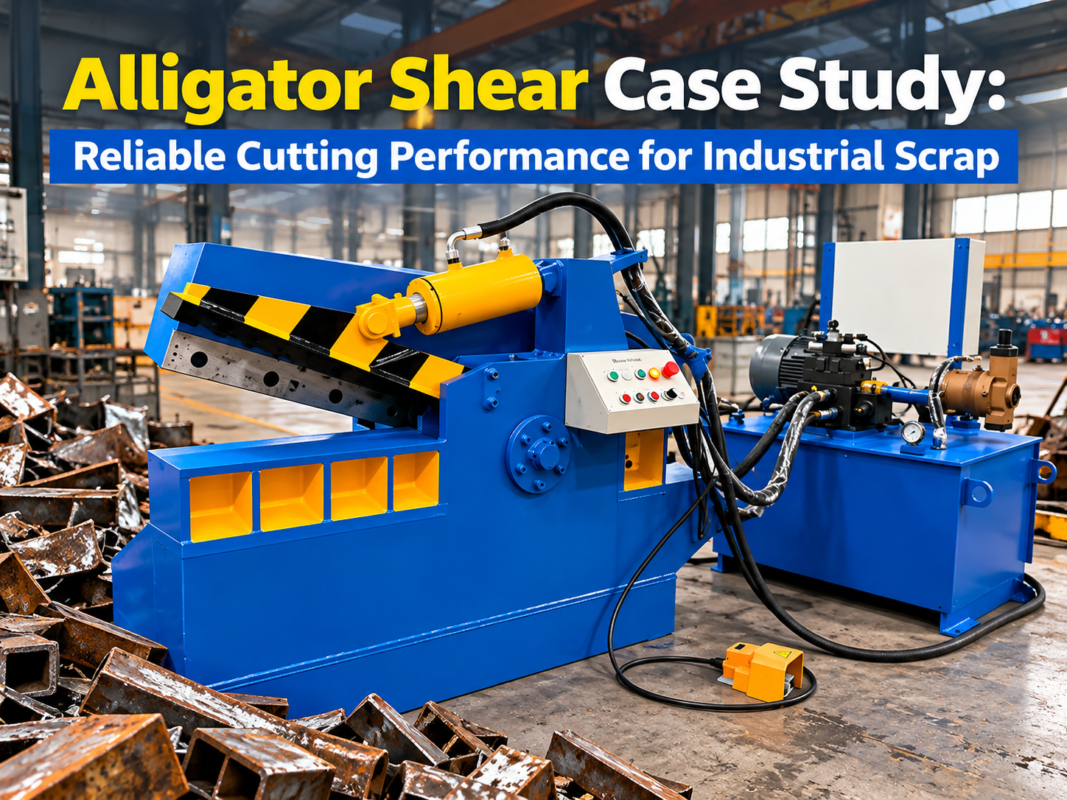
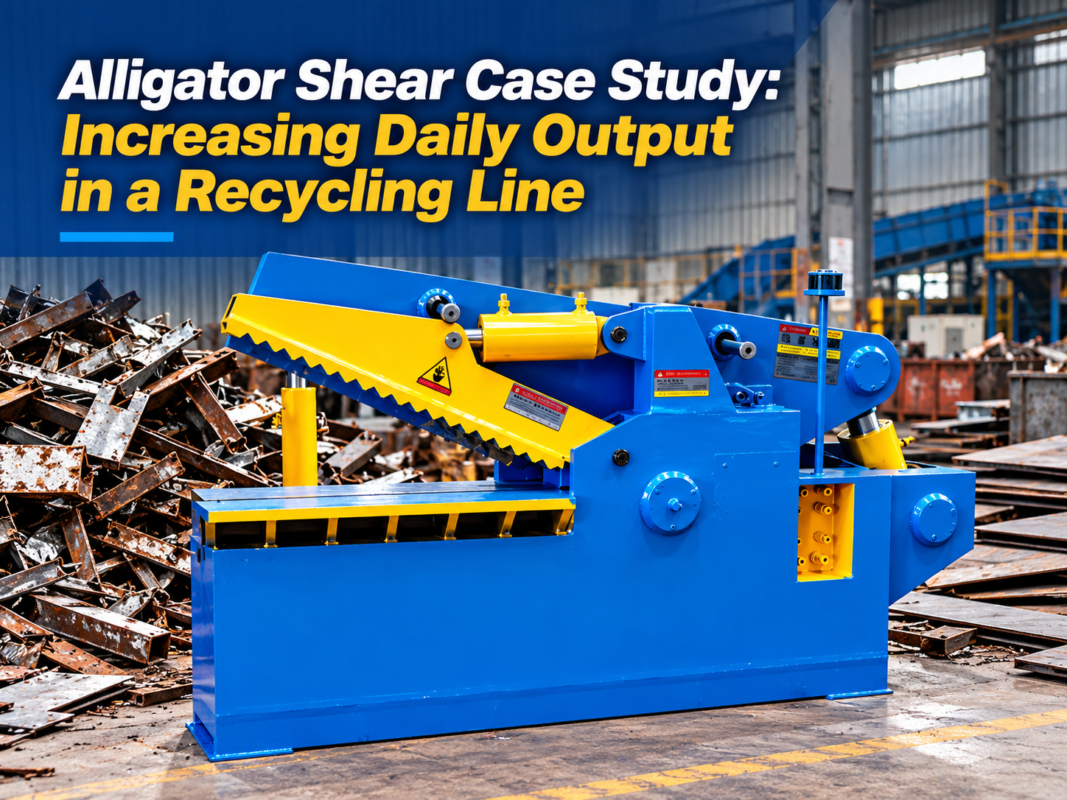
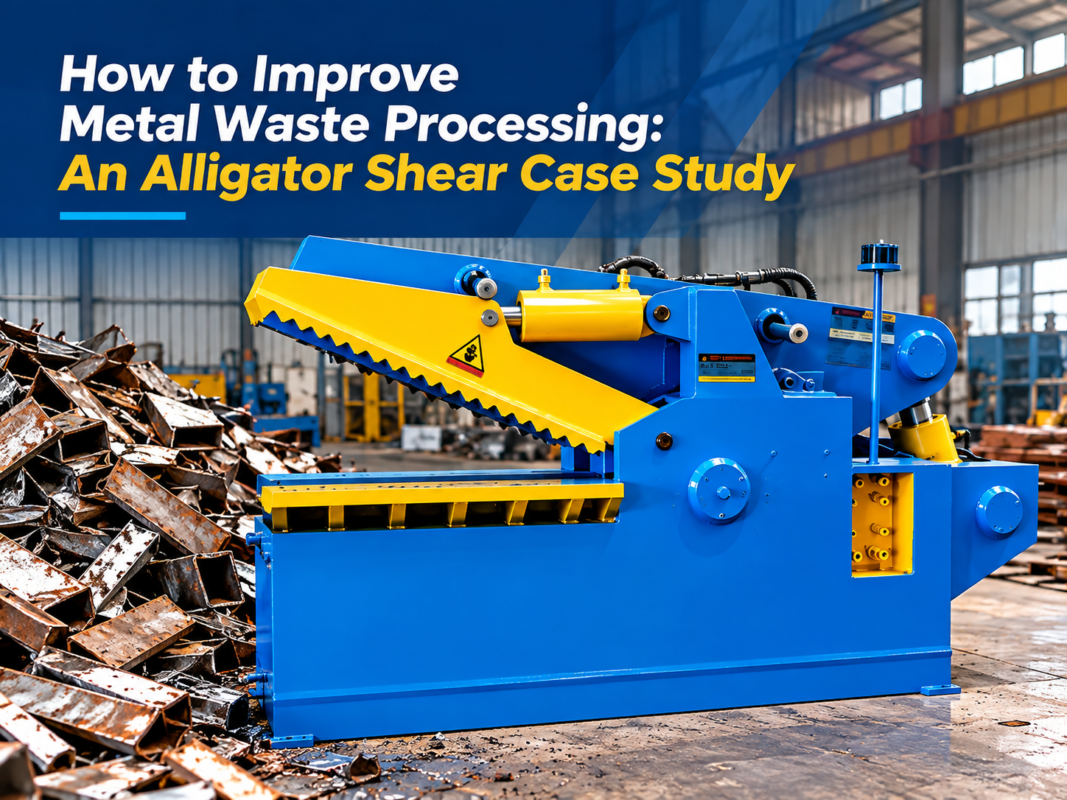
The alligator shear operates on a relatively simple yet incredibly powerful principle. A hydraulic cylinder exerts pressure on a moving upper blade, which pivots against a fixed lower blade. This mechanical action creates a high-concentration shear force at the point of contact. Unlike thermal cutting methods like plasma or oxy-fuel, alligator shears provide a clean, cold cut that does not alter the chemical composition of the metal or produce hazardous fumes. This makes them indispensable in scrap yards where sorting and sizing are critical for maximizing the value of secondary raw materials.
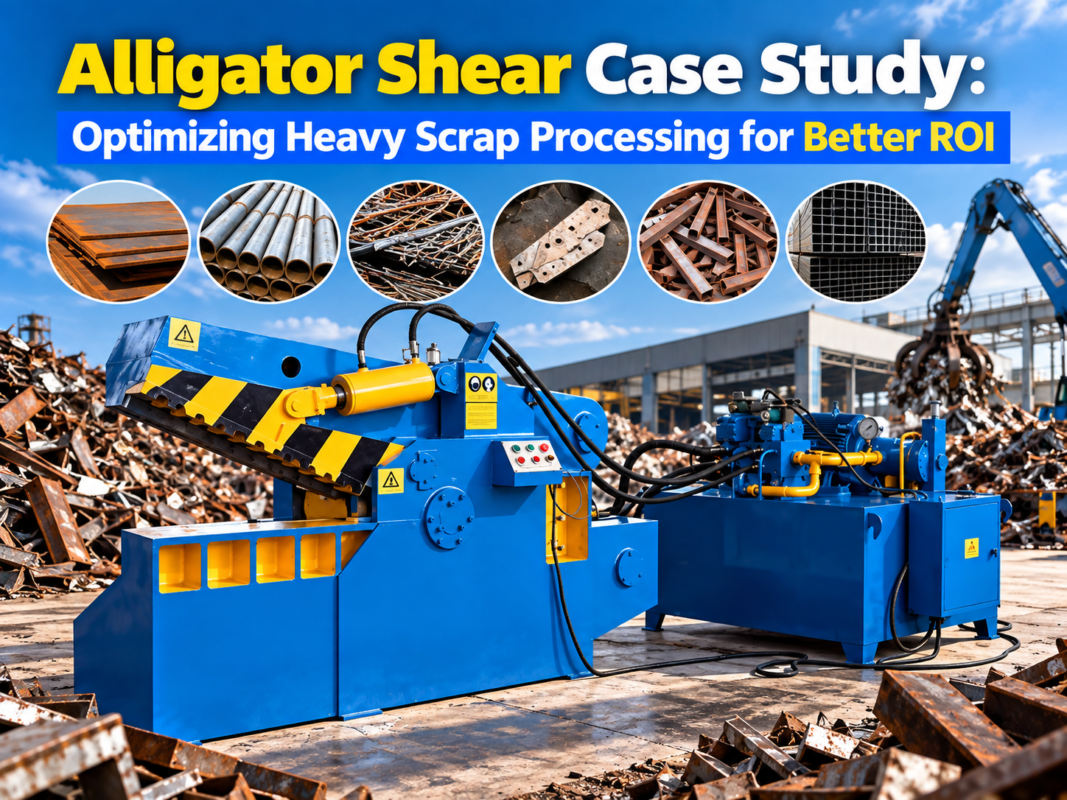
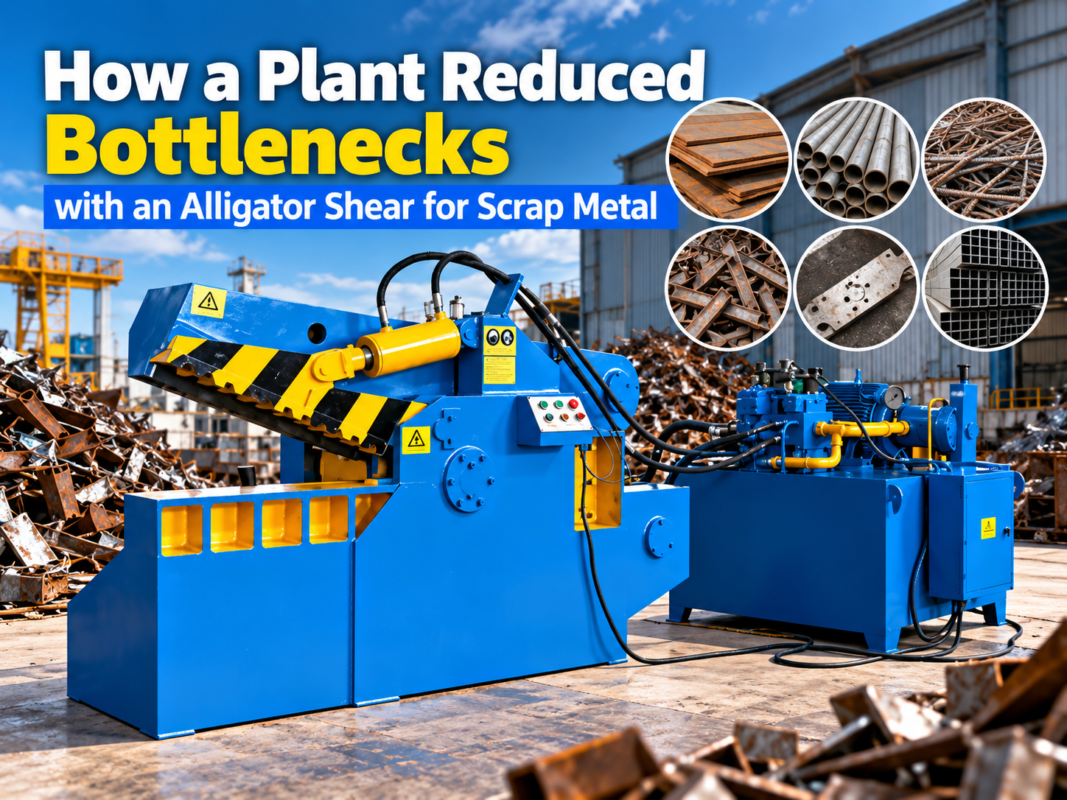
HARSLE alligator shears are engineered to handle a diverse spectrum of materials, ranging from soft non-ferrous alloys to high-tensile structural steels. The versatility of these machines is dictated by several factors: the length of the blade, the maximum opening of the jaws, and, most importantly, the total shear force (measured in tons). By adjusting the hydraulic pressure and blade gap, operators can fine-tune the machine to handle different material thicknesses and hardness levels, ensuring a clean break without damaging the equipment.
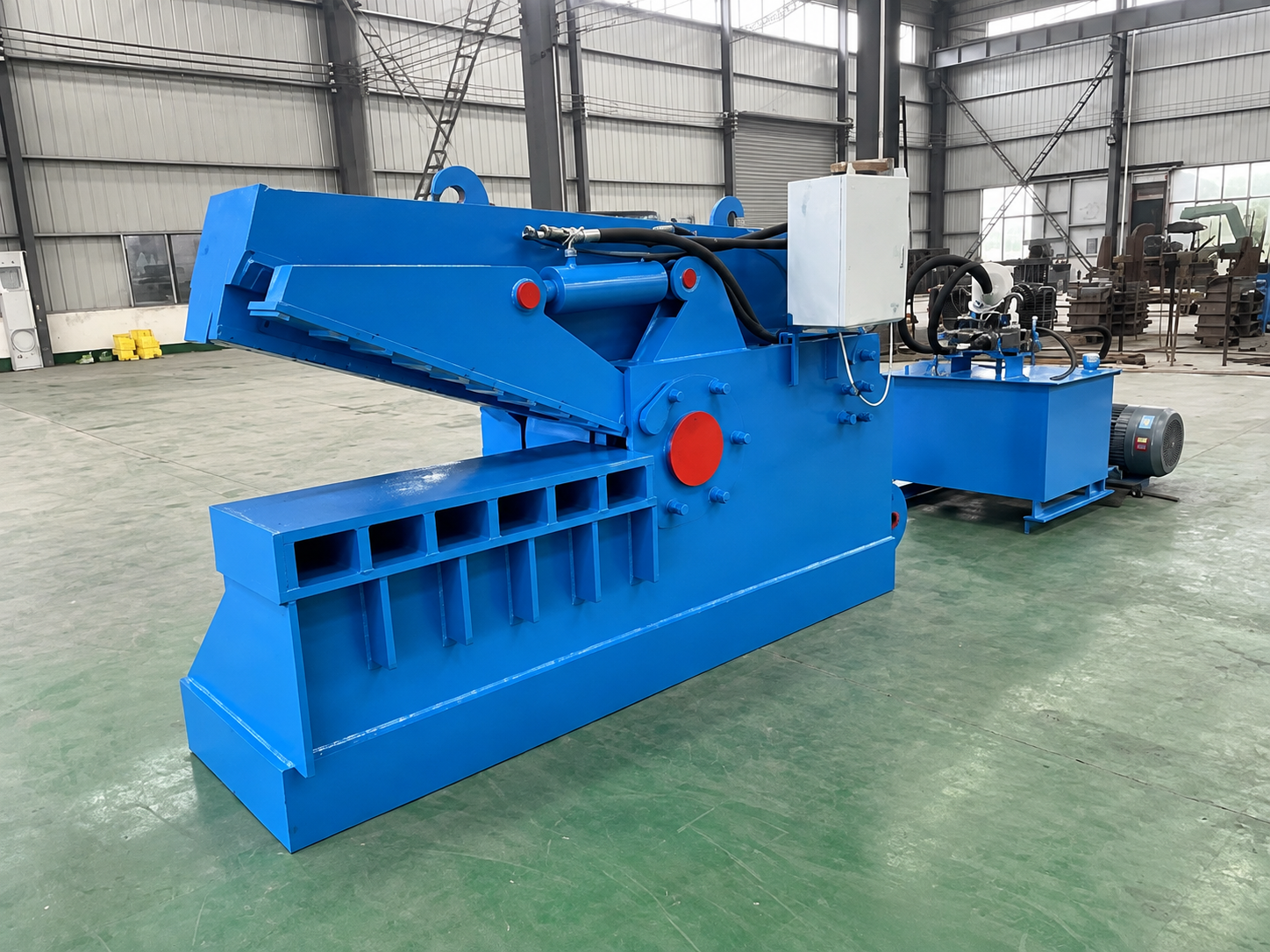
Beyond simple metal bars, modern alligator shears are increasingly used for specialized applications, such as cutting reinforced cables, automotive components, and even certain types of composite materials. However, the efficiency of the cut is always a balance between the material’s shear strength and the machine’s rated capacity. In the following sections, we will break down the specific materials and technical parameters that define the operational envelope of an alligator shear.
Core Parameters Influencing Cutting Capacity
To accurately determine what materials an alligator shear can cut, one must analyze the core technical parameters that define the machine’s performance. The first and most critical parameter is the Shear Force. This is the total pressure the hydraulic cylinder can apply to the blade. HARSLE models typically range from 63 tons to over 500 tons of force. A higher shear force allows for the processing of thicker sections and harder alloys, such as stainless steel or high-carbon rebar.
The Blade Length is the second vital parameter. While a longer blade allows for cutting wider sheets or larger bundles of scrap, it also distributes the shear force over a greater area, which can reduce the effective cutting pressure on a single point. Conversely, shorter blades are often used for high-pressure applications where concentrated force is required to snap thick solid bars. Operators must match the blade length to the typical dimensions of their scrap profile to ensure the material fits within the “sweet spot” of the jaw—usually the area closest to the pivot point where leverage is highest.
Stroke Frequency and Jaw Opening also play significant roles. The jaw opening determines the maximum diameter or height of the material that can be fed into the machine. If a pipe or an I-beam is larger than the maximum opening, it cannot be processed without prior flattening. Stroke frequency, or the number of cuts per minute, dictates the throughput of the operation. For lighter materials like aluminum extrusions, a higher stroke frequency is preferred to maintain high productivity, whereas heavy steel sections require a slower, more deliberate stroke to ensure safety and precision.
Finally, the Blade Material and Gap are technical nuances that cannot be overlooked. Blades are typically made from high-strength tool steel (such as Cr12MoV or H13) and must be heat-treated to withstand the immense stresses of repeated impact. The gap between the upper and lower blades must be adjusted based on the material thickness; a gap that is too wide will cause the metal to bend or “fold” rather than cut, while a gap that is too tight can lead to blade chipping or excessive wear on the hydraulic system.
Calculation Method: Determining Shear Requirements
Calculating whether a specific material can be cut by an alligator shear involves understanding the relationship between the material’s cross-sectional area and its shear strength. The basic formula used by engineers to estimate the required shear force (F) is:
F = L × S × τ
Where:
L = The length of the cut (or the width of the material in contact with the blade).
S = The thickness of the material.
τ (Tau) = The shear strength of the material (usually estimated as 60% to 80% of the material’s Ultimate Tensile Strength).
For example, if you are attempting to cut a mild steel flat bar that is 20mm thick and 100mm wide, and the shear strength of mild steel is approximately 350 MPa (N/mm²), the calculation would look like this: 100mm × 20mm × 350 N/mm² = 700,000 Newtons. Converting this to tons (1 ton ≈ 9806 Newtons), you would need approximately 71.4 tons of force. Therefore, a 100-ton alligator shear would handle this task comfortably, while a 63-ton model might struggle or fail.
It is important to note that for round bars or complex profiles like I-beams, the calculation becomes more complex. For a solid round bar, the area (A) is πr². The force required is A × τ. For hollow profiles, you must calculate the area of the metal walls only. Furthermore, the “Leverage Factor” must be considered. Because the alligator shear is a pivot-based machine, the force is not uniform across the blade. The force is significantly higher near the fulcrum (the back of the throat) than at the tip of the blades. Most manufacturers rate their machines based on the force available at the center of the blade or near the throat.
Parameter Table: Material vs. Shear Force (Reference Guide)
The following table provides a general reference for the cutting capacities of standard HARSLE alligator shear models across various common materials. Note that these values are estimates based on standard material grades.
| Machine Model (Force) | Mild Steel Round Bar (Max Dia) | Mild Steel Plate (Max Thickness) | Aluminum Extrusions | Stainless Steel (Max Thickness) |
|---|---|---|---|---|
| Q43-63 (63 Tons) | 20mm | 10mm | Excellent | 6mm |
| Q43-100 (100 Tons) | 30mm | 15mm | High Volume | 10mm |
| Q43-160 (160 Tons) | 45mm | 20mm | Heavy Profiles | 14mm |
| Q43-250 (250 Tons) | 60mm | 30mm | Industrial Scrap | 20mm |
| Q43-500 (500 Tons) | 90mm+ | 50mm+ | Heavy Structural | 35mm+ |
When using this table, always consider the “Safety Factor.” It is recommended to operate at 70-80% of the machine’s maximum rated capacity to prolong the life of the hydraulic seals and the blades. Continuous operation at 100% capacity can lead to overheating of the hydraulic oil and premature fatigue of the machine frame.
Common Engineering Mistakes in Alligator Shear Operation
One of the most frequent mistakes in metal processing is misjudging material hardness. Not all steels are created equal. For instance, cutting hardened spring steel or high-manganese rail steel with a standard alligator shear can result in immediate blade shattering. Operators often assume that if a piece of metal fits in the jaw, the machine can cut it. However, the shear strength of alloy steels can be double that of mild steel, requiring twice the force for the same cross-section.
Another common error is improper material positioning. As mentioned previously, the mechanical advantage of an alligator shear is highest near the pivot point. Placing a thick, solid bar at the very tip of the blades puts immense lateral stress on the pivot pin and can cause the jaws to twist. This “deflection” not only results in a poor cut but can also lead to the blades striking each other, causing catastrophic damage. Always feed heavy materials as deep into the throat of the machine as possible.
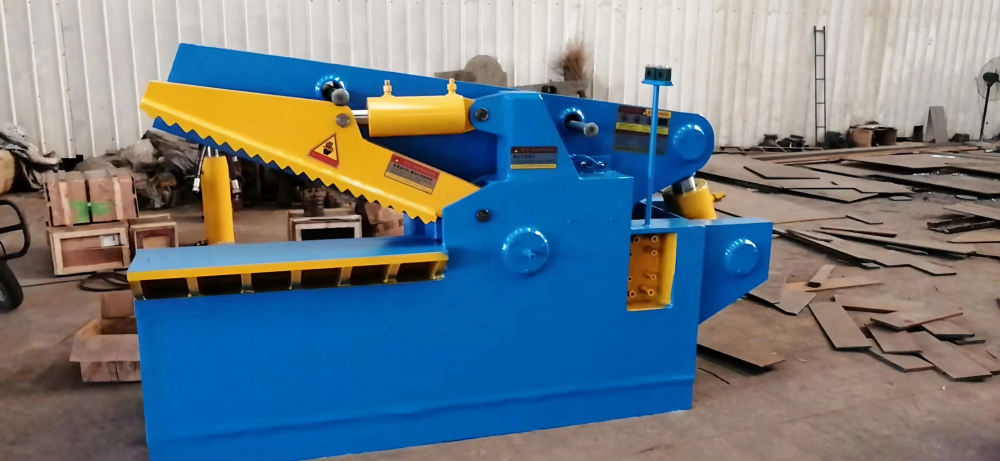
Neglecting the blade gap is a technical oversight that costs scrap yards thousands in maintenance. When cutting thin materials like aluminum sheet or copper wire, the gap must be very tight (often 0.1mm to 0.2mm). If the gap is too large, the material will simply slide between the blades, causing a jam. Conversely, when cutting thick rebar, a slightly larger gap is sometimes preferred to allow for the material’s natural deformation during the shear. Failing to adjust this gap when switching between drastically different material types is a recipe for inefficiency.
Finally, many operators ignore the temperature of the material. While alligator shears are “cold-cutting” machines, processing materials that have been sitting in sub-zero temperatures can increase their brittleness. This can lead to “flying scrap,” where the metal snaps violently and ejects pieces at high velocity. Conversely, very hot materials (from a nearby furnace or torch) may become more ductile, leading to “smearing” across the blade rather than a clean cut.
Selection Checklist: Choosing the Right Shear for Your Material
Selecting the correct alligator shear requires a systematic approach to your specific material stream. Use the following checklist to ensure your HARSLE machine matches your operational needs:
- Identify the Toughest Material: What is the hardest and thickest material you process daily? Base your tonnage requirement on this, not your average material.
- Determine Maximum Dimensions: Measure the widest and tallest profiles. Ensure the jaw opening and blade length can accommodate these without requiring manual pre-cutting.
- Volume and Duty Cycle: How many hours a day will the machine run? For high-volume 24/7 operations, look for models with enhanced cooling systems and faster cycle times.
- Material Shape: Are you cutting mostly round bars, flat plates, or hollow tubes? Some blade designs are notched specifically to hold round bars in place during the cut.
- Space and Portability: Do you need a stationary unit for a factory floor or a portable unit with integrated wheels for a scrap yard?
- Power Requirements: Ensure your facility can provide the necessary voltage and amperage for the hydraulic motor. Larger shears require significant electrical infrastructure.
- Safety Features: Does the machine include a hold-down guard to prevent material kickback? This is essential for operator safety when cutting short pieces.
Frequently Asked Questions (FAQ)
Can an alligator shear cut stainless steel?
Yes, but with caveats. Stainless steel has a higher work-hardening rate and higher shear strength than mild steel. You generally need a machine with 30-50% more force than what would be required for the same thickness of mild steel. Additionally, high-quality tool steel blades are mandatory to prevent rapid dulling.
How often should I sharpen the blades?
Blade life depends entirely on the material being cut. Cutting clean aluminum extrusions might allow blades to last for months, while cutting sandy or rusty rebar might require sharpening every few weeks. A good rule of thumb is to inspect the blades daily and rotate or sharpen them as soon as you notice a significant increase in the “burr” on the cut edge.
Is it safe to cut bundles of wire?
Alligator shears are excellent for cutting bundles of copper or aluminum wire into smaller lengths for stripping or smelting. However, ensure the bundle is secured and that the machine has a proper guard, as wires can sometimes whip or shift during the compression phase of the cut.
Can I cut cast iron with an alligator shear?
Cast iron is brittle. When sheared, it tends to shatter rather than cut cleanly. While an alligator shear can break cast iron pieces (like engine blocks or pipes), it produces significant flying debris. Proper shielding and eye protection are absolute requirements for this application.
What maintenance does the hydraulic system require?
The hydraulic system is the heart of the shear. Regular maintenance includes checking oil levels, replacing hydraulic filters every 500-1000 hours, and inspecting hoses for leaks or abrasions. Keeping the oil clean and cool is the best way to ensure the longevity of the pump and valves.
Can an alligator shear be used for precision fabrication?
While alligator shears are powerful, they are generally considered “rough-cut” machines. They are perfect for sizing scrap or preparing material for further machining, but they do not offer the same dimensional precision as a hydraulic guillotine shear or a CNC laser cutter. The cut edge will typically have some degree of deformation or “roll-over.”