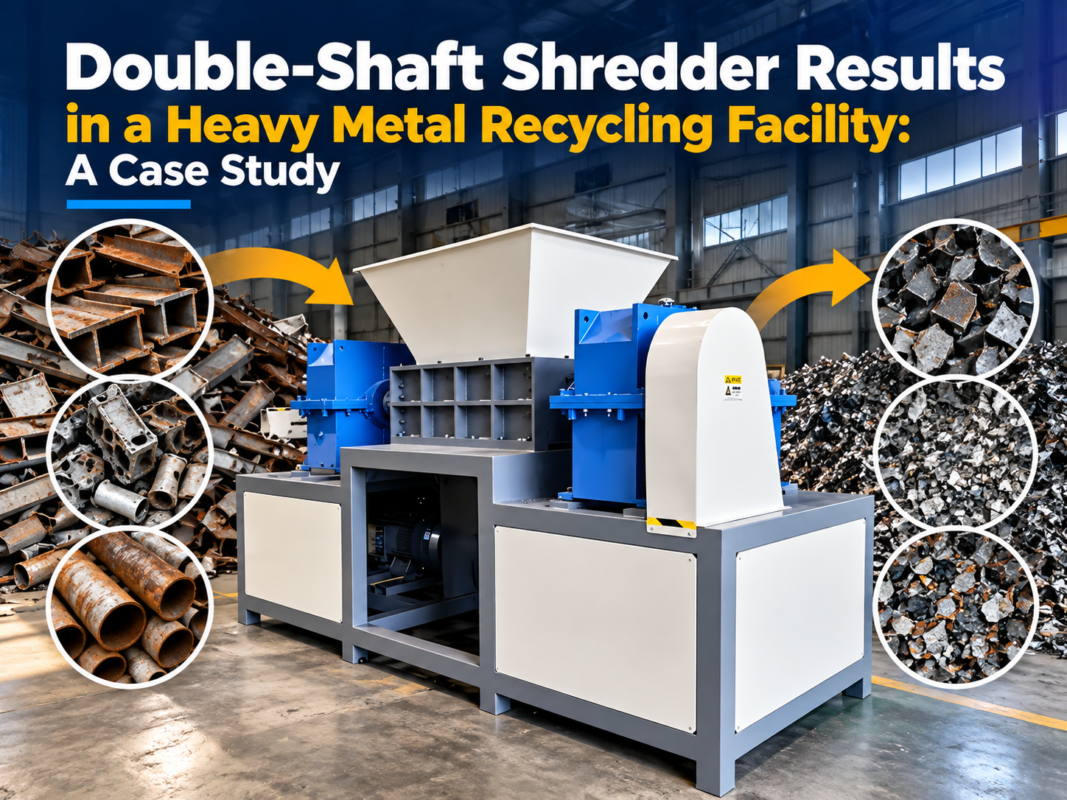
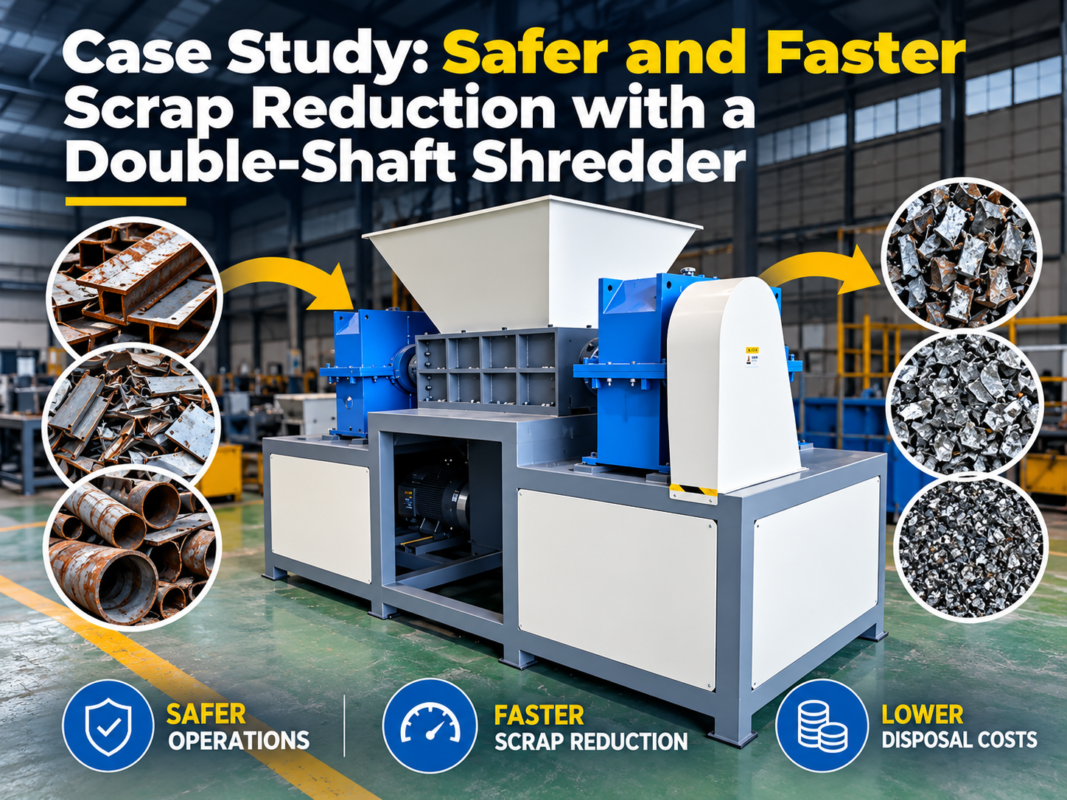
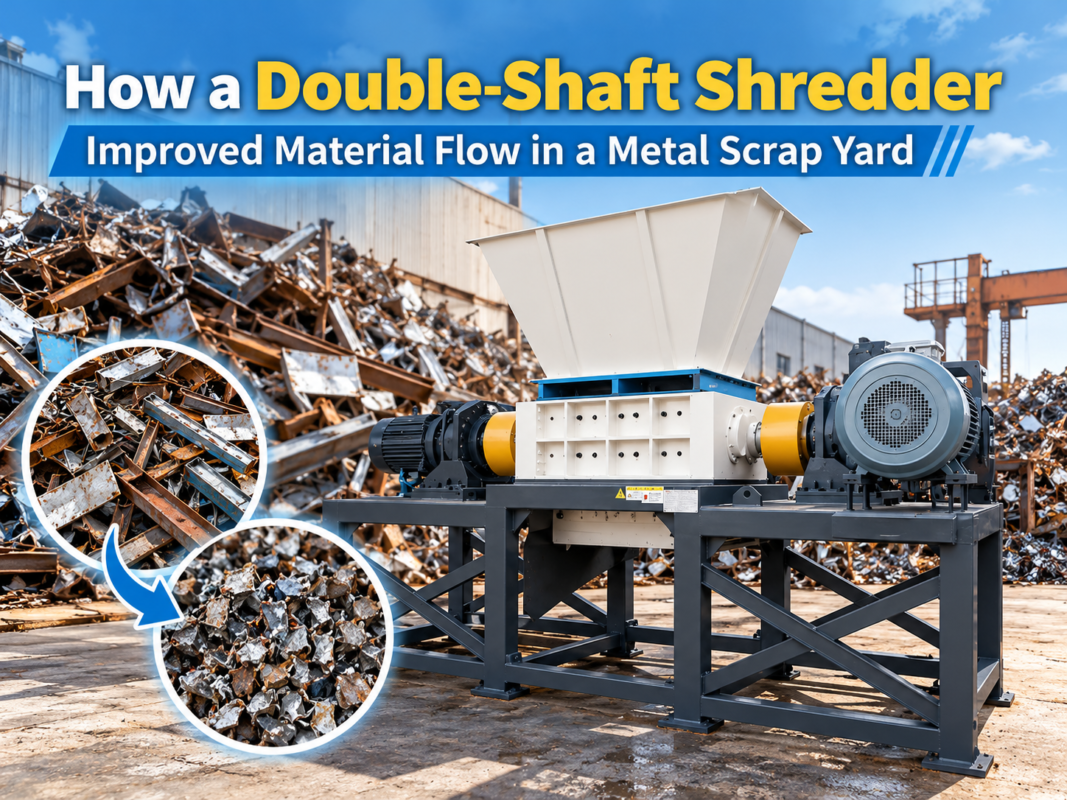
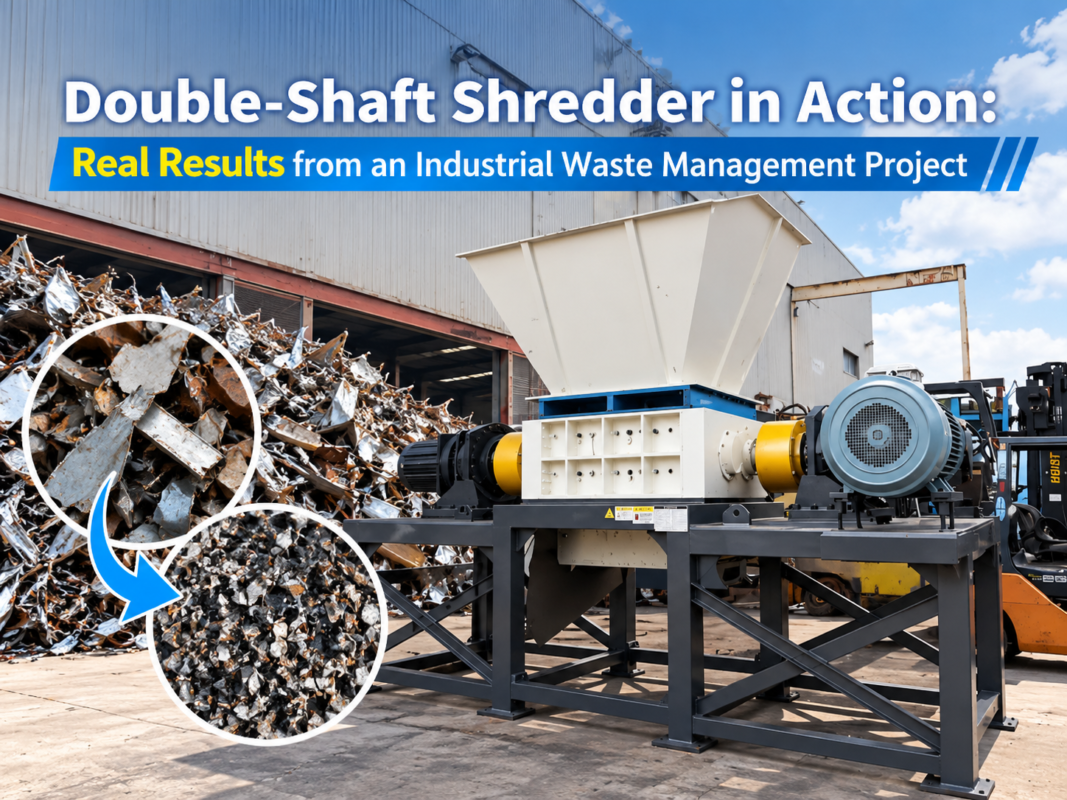
The Impact of an Alligator Shear on Scrap Yard Productivity: A Case Study

Introduction
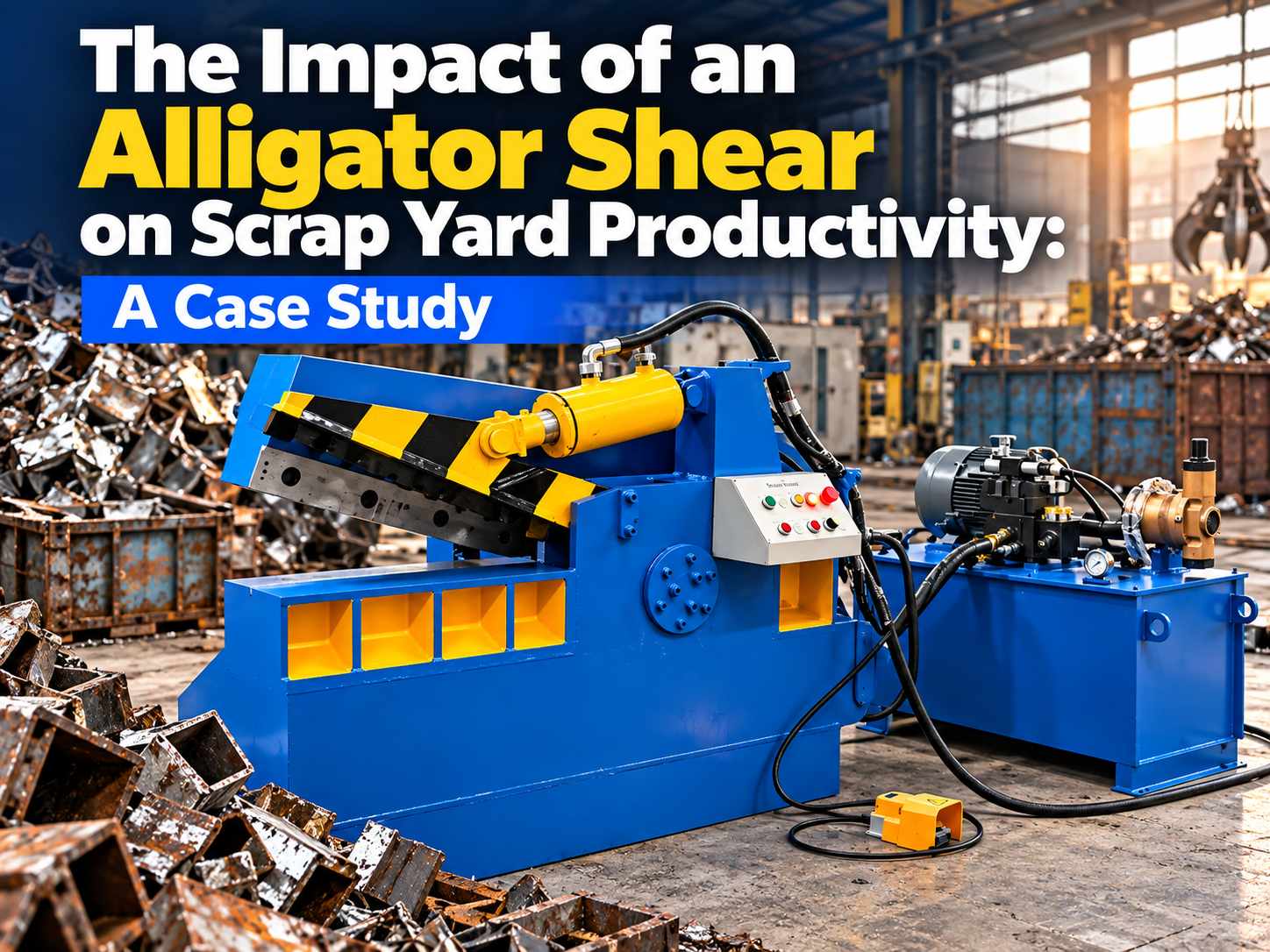
In the high-stakes world of metal recycling, the difference between a profitable operation and one struggling with overhead lies in the efficiency of material processing. For decades, scrap yards have relied on manual labor or inefficient cutting methods to prepare metal for smelting or resale. However, the introduction of the alligator shear has fundamentally shifted the operational landscape. This article explores the Impact Of An Alligator Shear On Scrap Yard Productivity: A Case Study, detailing how modern machinery from HARSLE can revolutionize throughput and profitability.
The alligator shear, named for its distinct jaw-like cutting motion, is a powerhouse of industrial metal fabrication equipment. By providing a clean, rapid, and powerful shearing action, these machines allow scrap yard operators to downsize bulky materials into manageable, high-density loads. As global demand for recycled steel and non-ferrous metals continues to rise, the ability to process scrap faster and more accurately has become a competitive necessity rather than a luxury.
This case study examines a mid-sized scrap processing facility that transitioned from manual torch cutting to a high-performance HARSLE hydraulic alligator shear. We will analyze the operational bottlenecks they faced, the technical integration of the new equipment, and the measurable productivity gains achieved over a twelve-month period. By understanding these metrics, facility managers can better appreciate the return on investment (ROI) associated with upgrading their processing line.
Ultimately, the goal of this guide is to provide a comprehensive look at how specialized machinery impacts the bottom line. Whether you are managing a small-scale collection center or a large-scale industrial recycling plant, the principles of efficient shearing remain the same. We will delve into the technical specifications, safety protocols, and strategic selection advice that define a successful scrap yard operation in the modern era.
Key Considerations for Scrap Yard Efficiency
When evaluating the productivity of a scrap yard, the primary metric is the volume of material processed per man-hour. Before the implementation of an alligator shear, many yards rely on oxy-fuel torches. While torches are versatile, they are notoriously slow, require significant safety precautions, and produce hazardous fumes. Furthermore, torch cutting creates a heat-affected zone that can sometimes degrade the quality of the scrap, potentially lowering its resale value.
The transition to an alligator shear addresses these inefficiencies directly. The first key consideration is the speed of throughput. An alligator shear can process multiple pieces of scrap in a single cycle, depending on the jaw opening and material thickness. This mechanical advantage allows operators to clear piles of scrap significantly faster than manual methods, reducing the accumulation of unprocessed inventory that often clutters yard space.
Another critical factor is operational cost. Torch cutting requires a constant supply of oxygen and acetylene, the costs of which fluctuate and add up significantly over a fiscal year. In contrast, a hydraulic alligator shear operates on electricity, which is generally more stable and predictable in terms of cost. By switching to electric-powered shearing, scrap yards can stabilize their operating expenses and improve their profit margins on every ton of metal processed.
Safety and labor management are also paramount. Torch cutting is a high-risk activity involving open flames, pressurized gas cylinders, and potential fire hazards. Alligator shears, when operated with proper guarding and training, offer a much safer environment. This shift not only protects the workforce but also reduces insurance premiums and the administrative burden associated with managing high-risk work environments. A more efficient yard is, by definition, a safer and more organized one.
Technical Details of HARSLE Alligator Shears
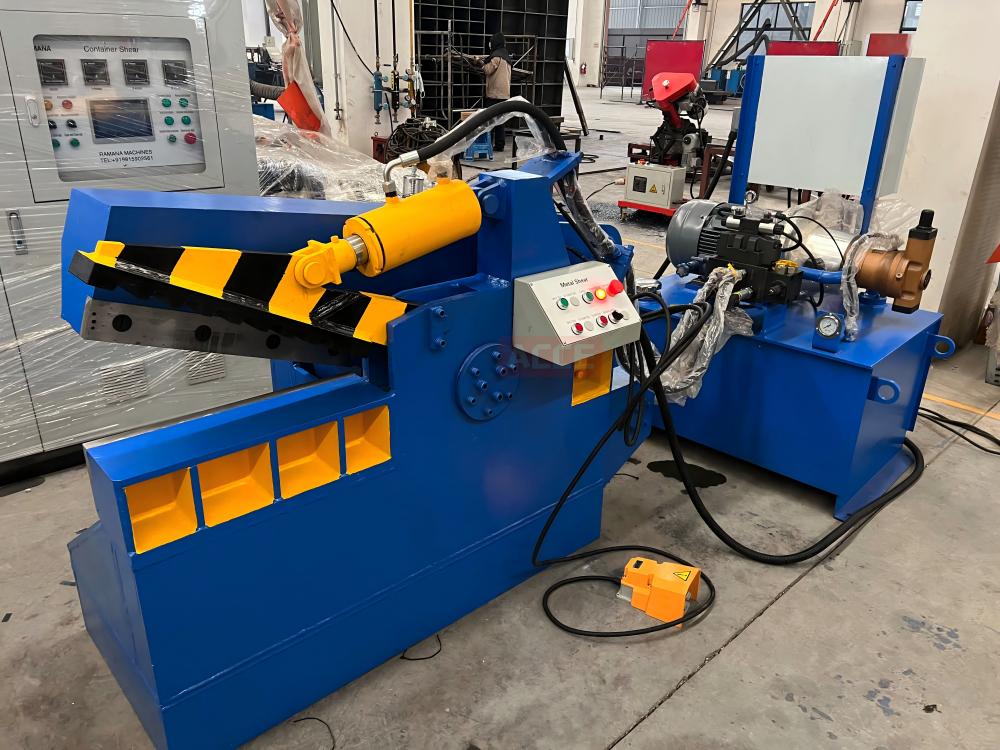
HARSLE alligator shears are engineered with precision to handle the rigors of continuous industrial use. At the heart of these machines is a robust hydraulic system that provides consistent cutting force, regardless of the material’s hardness. The frame is typically constructed from high-strength, stress-relieved steel, ensuring that the machine can withstand the intense vibrations and mechanical stresses generated during the shearing process.
The cutting blades are a critical component of the system. HARSLE utilizes high-carbon, high-chromium tool steel for its blades, which are reversible and adjustable. This design feature is essential for scrap yards, as it allows for extended blade life and reduced downtime for maintenance. When one edge becomes dull, the operator can simply rotate or flip the blade, ensuring that the shear remains productive without requiring frequent replacements.

The hydraulic system itself is designed for efficiency. HARSLE incorporates advanced valve technology that optimizes oil flow, ensuring that the shear reaches its maximum cutting force quickly while maintaining energy efficiency. This is particularly important for yards that operate multiple shifts. The integration of a user-friendly control panel allows operators to adjust the stroke length and cutting speed, tailoring the machine’s performance to the specific type of scrap being processed, whether it is light-gauge sheet metal or heavy structural steel.
Furthermore, the ergonomic design of the feed table and the safety guarding system are engineered to facilitate material handling. By providing a stable platform for the scrap, the machine reduces the physical strain on the operator. Many HARSLE models also feature foot-pedal controls, allowing the operator to keep both hands free to guide the material into the jaws, which significantly increases the speed of the feeding process while maintaining high safety standards.
Selection Advice: Choosing the Right Equipment
Selecting the right alligator shear is a strategic decision that depends on the specific needs of your scrap yard. The first step is to analyze the material mix. If your yard primarily processes light-gauge aluminum or thin steel, a smaller, faster-cycling shear may be sufficient. However, if you are dealing with heavy structural beams, railroad tracks, or thick plate steel, you will need a machine with a higher cutting force and a larger jaw opening.
Capacity is the most important technical specification to verify. You should always choose a shear that exceeds your current maximum material thickness by at least 20%. This “headroom” ensures that the machine is not constantly operating at its limit, which extends the lifespan of the hydraulic components and reduces the frequency of mechanical failures. It is better to have a machine that is slightly overpowered than one that struggles with your daily workload.
Consider the power source and energy efficiency. While most industrial shears are electric, the voltage requirements and power consumption can vary. Consult with your facility’s electrical engineer to ensure that your current infrastructure can support the machine’s requirements. Additionally, look for features like automatic lubrication systems and remote diagnostic capabilities, which can significantly reduce maintenance downtime and help you troubleshoot issues before they become major repairs.
Finally, consider the reputation and support of the manufacturer. HARSLE provides comprehensive after-sales support, including spare parts availability and technical guidance. In the scrap industry, downtime is expensive. Choosing a partner that can provide quick access to replacement blades, hydraulic seals, and expert advice is just as important as the machine’s initial performance. Always request a demonstration or a case study review from the manufacturer to see how their equipment performs in real-world conditions similar to your own.
FAQ: Frequently Asked Questions
- What is the primary advantage of an alligator shear over a torch? The primary advantage is speed and safety. Alligator shears provide a clean, cold-cut finish without the fire hazards or toxic fumes associated with torch cutting.
- How often do the blades need to be sharpened? This depends on the material being cut and the volume. However, HARSLE blades are designed to be reversible, which effectively doubles the time between sharpenings.
- Can an alligator shear cut stainless steel? Yes, provided the shear is rated for the thickness and hardness of the stainless steel being processed. Always consult the machine’s capacity chart.
- What maintenance is required for a HARSLE alligator shear? Regular maintenance includes checking hydraulic fluid levels, lubricating moving parts, inspecting blade sharpness, and ensuring the electrical connections are secure.
- Is training required to operate the machine? Yes, proper training is essential to ensure operator safety and to maximize the machine’s productivity. HARSLE provides operational manuals and guidance for all equipment.
Conclusion
The Impact Of An Alligator Shear On Scrap Yard Productivity: A Case Study clearly demonstrates that upgrading to specialized hydraulic equipment is a transformative step for any recycling business. By replacing slow, manual, and hazardous cutting methods with the precision and power of a HARSLE alligator shear, scrap yards can achieve higher throughput, lower operating costs, and a safer working environment. The investment in such machinery is not merely an expense; it is a strategic move to secure long-term profitability in a competitive market.
As we have explored, the key to success lies in selecting the right machine for your specific material mix and maintaining it with a proactive approach. The technical advantages of HARSLE equipment—ranging from high-strength blade materials to efficient hydraulic systems—provide the reliability needed to keep a scrap yard running smoothly. When you prioritize efficiency, you position your business to handle larger volumes and capitalize on the growing demand for processed metal.
For those looking to modernize their operations, the transition to an alligator shear is a proven path to success. By analyzing your current bottlenecks and investing in high-quality industrial machinery, you can turn your scrap yard into a high-performance processing center. HARSLE remains committed to providing the tools and expertise necessary to help you achieve these goals, ensuring that your business remains at the forefront of the metal recycling industry.