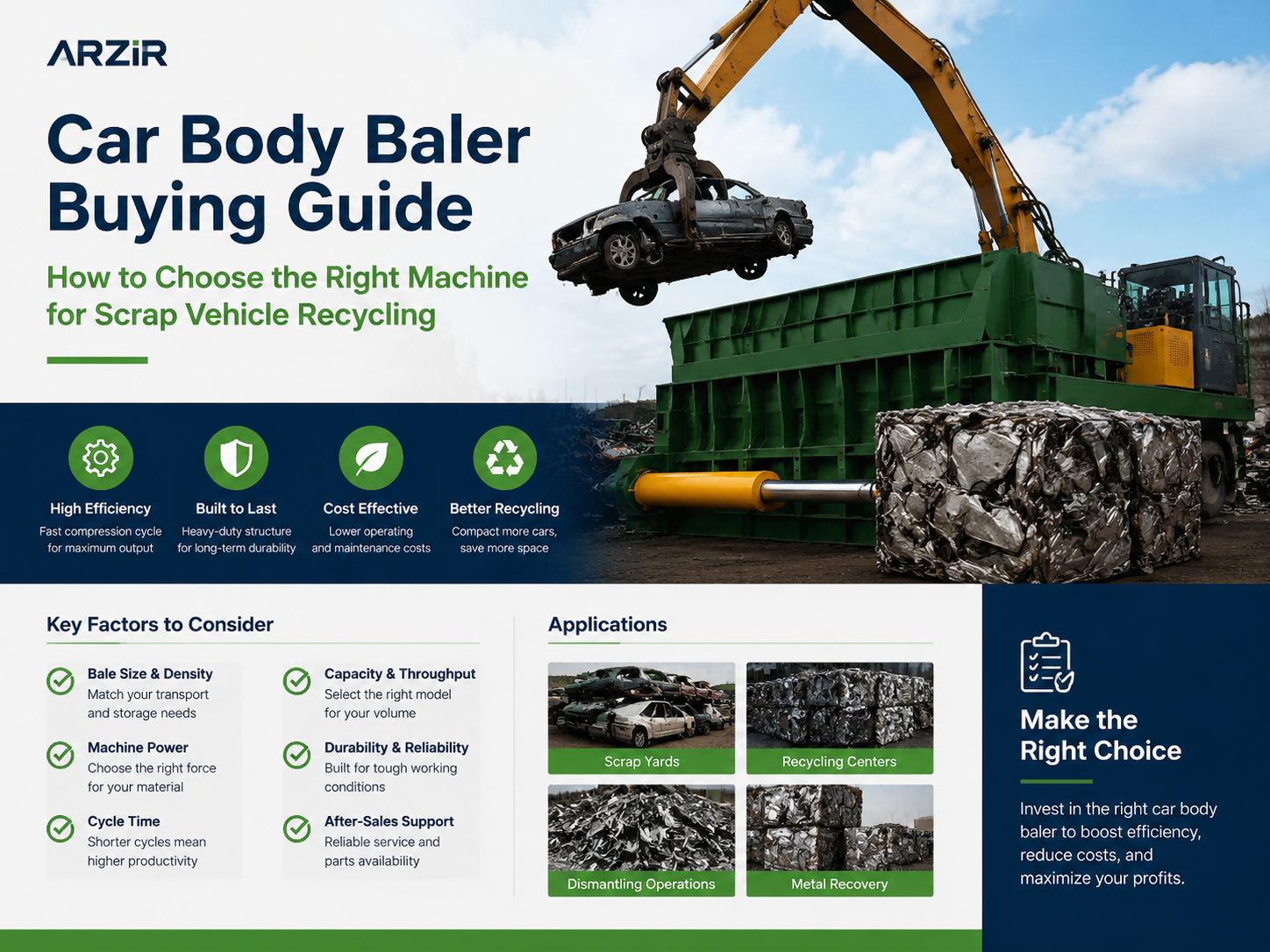
Car Body Baler Buying Guide: How to Choose the Right Machine for Scrap Vehicle Recycling

Introduction to Car Body Baler Selection
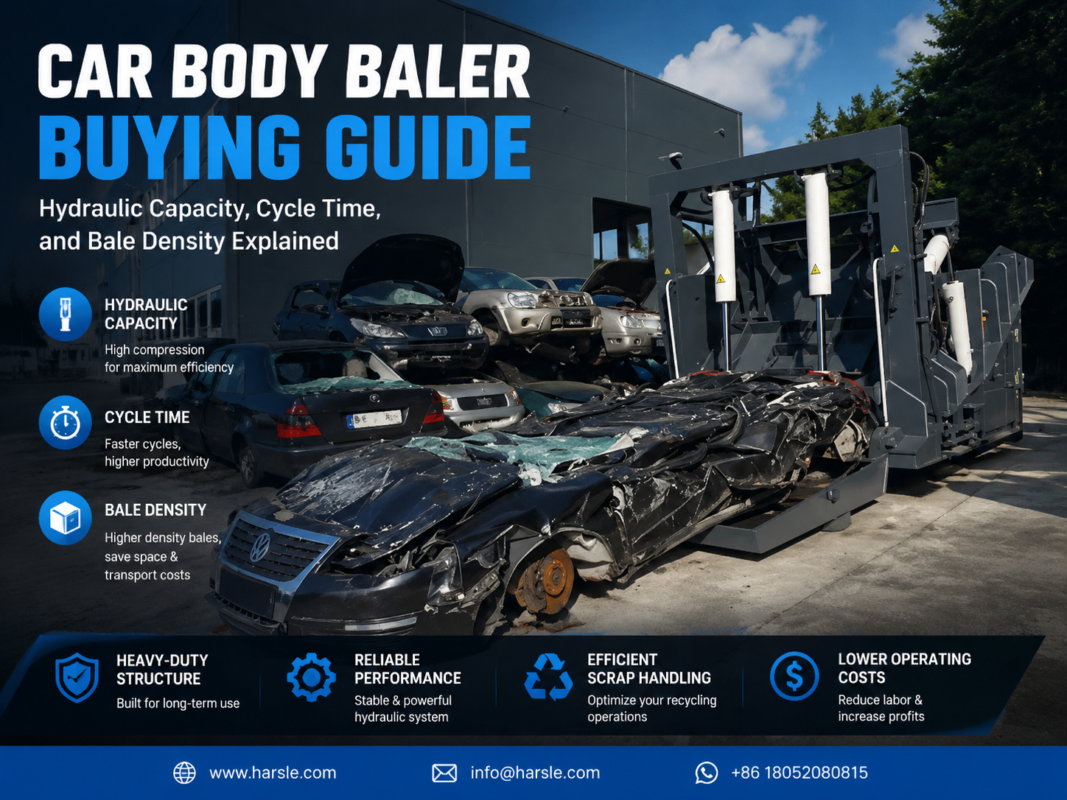
The global shift toward a circular economy has placed scrap vehicle recycling at the forefront of the metal processing industry. For scrap yard owners and metal recycling plants, the car body baler is the heart of the operation. Choosing the right machine is not merely a matter of purchasing equipment; it is a strategic investment that dictates the efficiency, safety, and profitability of your entire facility. This Car Body Baler Buying Guide is designed to help you navigate the complexities of the market, ensuring you choose a machine for scrap vehicle recycling that aligns with your specific operational needs and long-term growth goals.
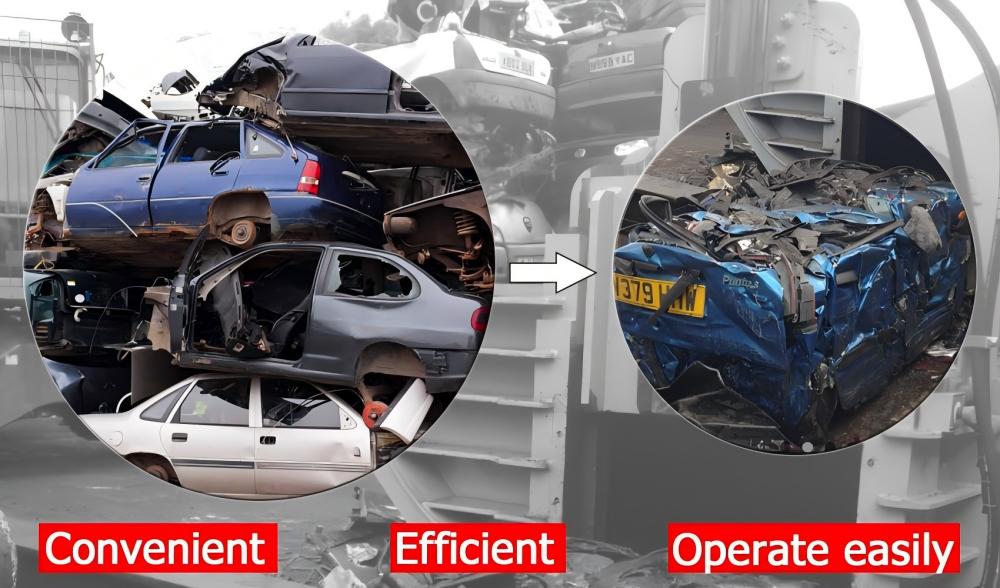
As End-of-Life Vehicles (ELVs) continue to accumulate, the demand for high-density baling has never been higher. A car body baler compresses entire vehicle shells into compact, transportable cubes, significantly reducing logistics costs and increasing the value of the scrap metal. However, with various configurations—ranging from stationary electric units to mobile diesel-powered monsters—the selection process can be daunting. In this guide, we will break down the costs, technical specifications, and ROI factors that every buyer must consider.
Price Range Overview: What to Expect
When embarking on the journey of Car Body Baler Buying, the first question is almost always about the price. The market for these machines is broad, with prices reflecting the machine’s capacity, durability, and technology. Generally, you can categorize the price ranges into three main tiers:
- Entry-Level / Small-Scale Balers ($30,000 – $60,000): These are typically smaller, often vertical or basic horizontal balers suitable for low-volume yards. They may require more manual preparation of the vehicle (such as removing the engine and heavy axles) before processing.
- Mid-Range Industrial Balers ($70,000 – $150,000): This is the most common category for professional scrap yards. These machines offer higher hydraulic pressure (200-300 tons), faster cycle times, and the ability to process full car shells with minimal pre-processing. They often feature semi-automatic controls and robust wear liners.
- High-Capacity & Mobile Systems ($160,000 – $350,000+): These are top-tier machines designed for 24/7 operation. This category includes large-scale stationary balers with triple-compression technology and fully mobile, trailer-mounted units powered by high-performance diesel engines. They are built for maximum throughput and density.
It is important to note that the initial purchase price is only one part of the equation. A cheaper machine might save money upfront but could lead to higher operational costs due to slower cycle times and frequent maintenance. Conversely, a high-end HARSLE baler might have a higher sticker price but offers significantly lower costs per ton of processed material.
Main Cost Drivers in Car Body Baler Buying
Understanding what drives the cost of a car body baler is essential for making an informed decision. Several technical factors contribute to the final price tag of the machinery.
1. Hydraulic System and Pressure
The core of any baler is its hydraulic system. The force exerted by the main cylinders (measured in tons) determines how tightly the car can be compressed. Higher tonnage requires larger cylinders, more robust pumps, and high-quality valves. A machine with 400 tons of compression force will naturally cost more than one with 200 tons, but it will produce denser bales that are more valuable to steel mills.
2. Material Quality and Wear Liners
Scrap metal is incredibly abrasive. The internal walls of the baling chamber are subjected to immense friction and impact. High-quality balers use replaceable wear liners made from specialized steel like Hardox or NM450. The thickness and grade of these liners significantly impact the machine’s lifespan and its price. Investing in superior metallurgy reduces the frequency of costly chamber relining.
3. Cycle Time and Automation
Time is money in the recycling business. The cycle time—the time it takes to load, compress, and eject a bale—is a major cost driver. Advanced PLC (Programmable Logic Controller) systems from brands like Siemens or Schneider allow for automated cycles, reducing the need for constant operator intervention and increasing the number of cars processed per hour.
Configuration Impact: Choosing the Right Setup
The configuration of your car body baler should be dictated by your yard’s layout and your business model. There are several key configuration choices to make:
Stationary vs. Mobile Units
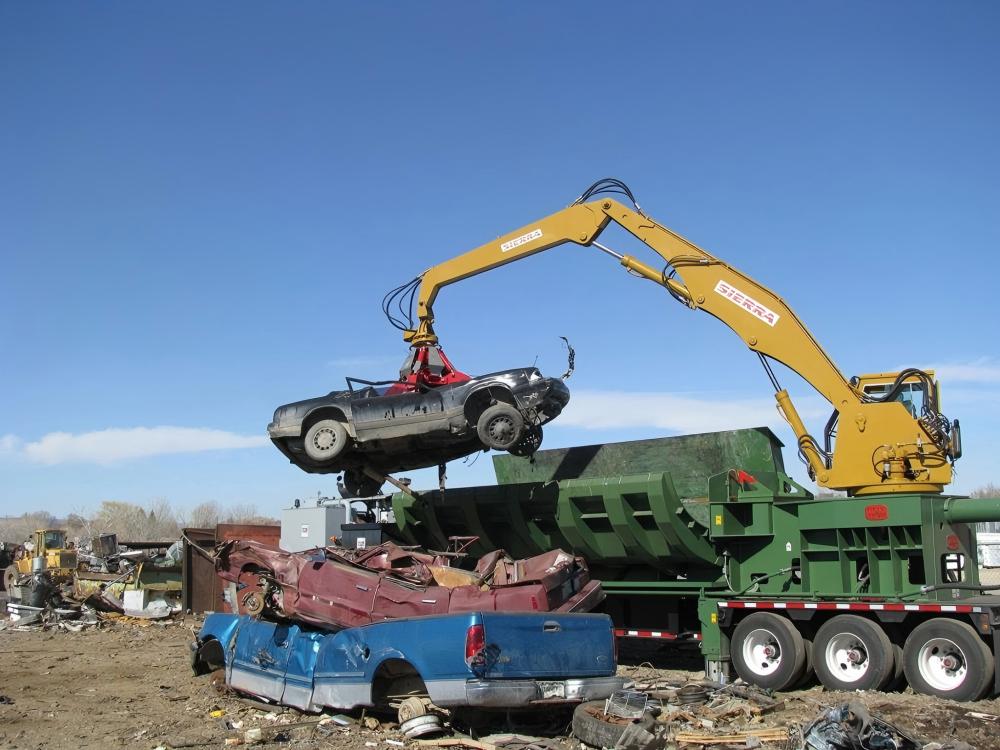
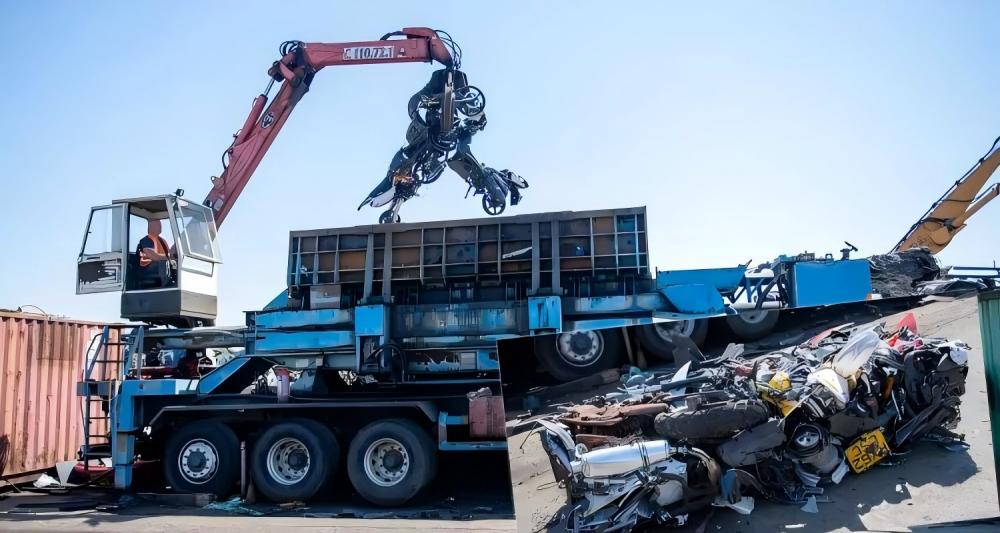
Stationary balers are ideal for established yards with a consistent flow of material. They are usually powered by electric motors, which are more energy-efficient and quieter. Mobile units, on the other hand, are mounted on trailers and powered by diesel engines. These are perfect for contractors who move from yard to yard or for facilities that need to reorganize their space frequently. Mobile units carry a premium price due to the added complexity of the trailer and the independent power source.
Compression Style: Side-Squeeze vs. Lid-Type
Lid-type balers use a heavy reinforced lid to crush the car downwards before the longitudinal ram pushes it into a bale. Side-squeeze or triple-compression balers use multiple rams to compress the material from different directions. Triple-compression machines produce the highest density bales but are more expensive and complex. For most car recycling applications, a heavy-duty lid-type baler provides the best balance of speed and density.
Power Source: Electric vs. Diesel
If your facility has a stable and affordable power grid, electric motors are generally preferred for their lower maintenance and operating costs. However, if you operate in remote areas or require mobility, a diesel engine (such as those from Cummins or Perkins) is necessary. The choice of power source affects not only the purchase price but also the long-term energy expenditure.
Hidden Costs of Owning a Car Body Baler
When you choose a machine for scrap vehicle recycling, the invoice price is just the beginning. Buyers must account for several “hidden” costs that can impact the total cost of ownership (TCO).
- Foundation and Installation: Stationary balers require a reinforced concrete pad to handle the immense vibrations and weight. This civil work can cost thousands of dollars. Additionally, professional installation and commissioning are required to ensure the hydraulic timing is perfect.
- Hydraulic Oil: Large balers can require 500 to 2,000 liters of high-grade hydraulic oil. This is a significant initial expense and a recurring maintenance cost, as the oil must be filtered and periodically replaced.
- Consumable Parts: Blades for shearing excess metal, hydraulic seals, and wear plates are consumables. You should maintain a stock of these parts to avoid downtime.
- Logistics and Shipping: These machines are oversized and heavy. Shipping a 30-ton baler from the manufacturer to your site involves specialized transport and cranes for offloading, which can add significantly to the total cost.
ROI Calculation: Turning Scrap into Profit
The ultimate goal of Car Body Baler Buying is to generate a return on investment. To calculate your ROI, consider the following factors:
1. Transportation Efficiency
Loose car shells are incredibly inefficient to transport. A standard flatbed might only carry 5-8 loose shells. Once baled, that same truck can carry 20-25 tons of material. If your transport cost is $500 per load, baling reduces your per-car transport cost by over 60%. This saving alone often pays for the machine within 18-24 months.
2. Labor Savings
A high-speed baler with an integrated crane or a fast cycle time reduces the man-hours required to process each vehicle. Automated systems allow one operator to manage the entire loading and baling process, freeing up other staff for sorting and dismantling tasks.
3. Material Value
Steel mills and foundries pay a premium for “Baled Scrap” compared to loose or “Light Melting Scrap.” The higher density and uniformity of the bales make them easier to melt, which translates to a higher price per ton for your output.
Buying Advice: How to Make the Final Decision
Before signing a contract, follow this checklist to ensure you are making the right choice for your scrap vehicle recycling business:
- Assess Your Volume: Don’t overbuy or underbuy. If you process 10 cars a day, a massive triple-compression baler is overkill. If you process 100, an entry-level machine will break under the strain.
- Check the Specs: Look closely at the cylinder bore, pump displacement, and motor horsepower. Don’t just trust the “Max Pressure” marketing figure; look at the continuous operating pressure.
- Verify After-Sales Support: A baler is a long-term asset. Ensure the manufacturer (like HARSLE) provides comprehensive manuals, remote technical support, and a reliable supply of spare parts.
- Safety Features: Ensure the machine complies with local safety standards (CE, OSHA, etc.). Look for emergency stop buttons, safety interlocks on the chamber, and protective guarding for hydraulic lines.
- Test with Your Material: If possible, see a video of the machine processing a vehicle similar to what you handle, or visit a site where the machine is currently in operation.
Frequently Asked Questions (FAQ)
How long does a car body baler typically last?
With proper maintenance and regular replacement of wear liners, a high-quality industrial car baler can last 15 to 20 years. The hydraulic pumps and motors may need overhauling every 7-10 years depending on usage intensity.
Can a car body baler handle trucks and SUVs?
Most mid-to-large range balers can handle standard SUVs and light trucks. However, for heavy-duty commercial trucks, you will need a baler with a larger chamber (typically 5 meters or longer) and higher shearing/compression force.
What is the typical maintenance schedule?
Daily checks should include oil levels, leak inspections, and greasing of pivot points. Monthly maintenance involves checking filter elements and bolt tightness. Annually, a full hydraulic system diagnostic and oil analysis are recommended.
Is it better to buy new or used?
While used machines are cheaper, they often come with hidden hydraulic issues or worn-out chambers that are expensive to repair. For a critical piece of equipment like a car baler, buying new from a reputable manufacturer like HARSLE ensures you have a warranty and the latest safety technology.
How much space do I need for the installation?
Beyond the footprint of the machine itself, you need space for the loading crane to maneuver, a staging area for un-processed cars, and a storage area for finished bales. A typical setup requires at least 500-1,000 square meters of dedicated space.
Conclusion
Choosing the right machine for scrap vehicle recycling is a pivotal decision for any metal fabrication or recycling business. By focusing on the total cost of ownership, understanding the technical drivers of performance, and accurately calculating your ROI, you can select a car body baler that will serve as a reliable profit center for decades. Whether you prioritize mobility, speed, or bale density, HARSLE offers the expertise and machinery to elevate your recycling operations to the next level. Invest wisely, maintain diligently, and the scrap metal industry will provide a sustainable and profitable future for your enterprise.