
How to Choose Hammer Shredder Equipment for Scrap Metal: Capacity, Blades, and Motor Options

Introduction to Scrap Metal Hammer Shredders
In the rapidly evolving world of metal recycling, the efficiency of your processing line determines your profitability. Selecting the right equipment is not just about buying a machine; it is about investing in a system that can handle the rigors of diverse scrap materials while minimizing operational costs. When you look to choose hammer shredder equipment scrap metal: capacity, blades, motor options are the three pillars that will define your success. A hammer shredder, often referred to as a hammer mill, utilizes high-speed rotating hammers to impact and break down scrap metal into smaller, denser, and more valuable pieces.
HARSLE understands that the industrial landscape requires machinery that balances brute force with precision engineering. Whether you are processing end-of-life vehicles (ELVs), industrial offcuts, or household appliances, the configuration of your shredder must match your specific throughput requirements. This guide provides a deep dive into the technical nuances of hammer shredders, helping you navigate the complexities of capacity planning, metallurgical choices for blades, and the electrical engineering behind motor selections.
Price Range Overview: Understanding the Investment
The price of a hammer shredder for scrap metal varies significantly based on its scale and technical sophistication. For small-scale recycling operations or specialized niche processing, entry-level shredders typically range from $30,000 to $70,000. These units are designed for lighter materials like aluminum extrusions, electronic waste, or thin-gauge sheet metal. They offer a modest throughput but are essential for businesses looking to move away from manual sorting and basic shearing.
Mid-range industrial hammer shredders, which are the workhorses of most regional recycling centers, fall into the $80,000 to $250,000 bracket. These machines feature reinforced housings, advanced hydraulic systems for easy maintenance access, and motors capable of handling mixed light-to-medium scrap. At this level, you begin to see features like vibration damping and more sophisticated control panels that allow for automated feeding and jam prevention.
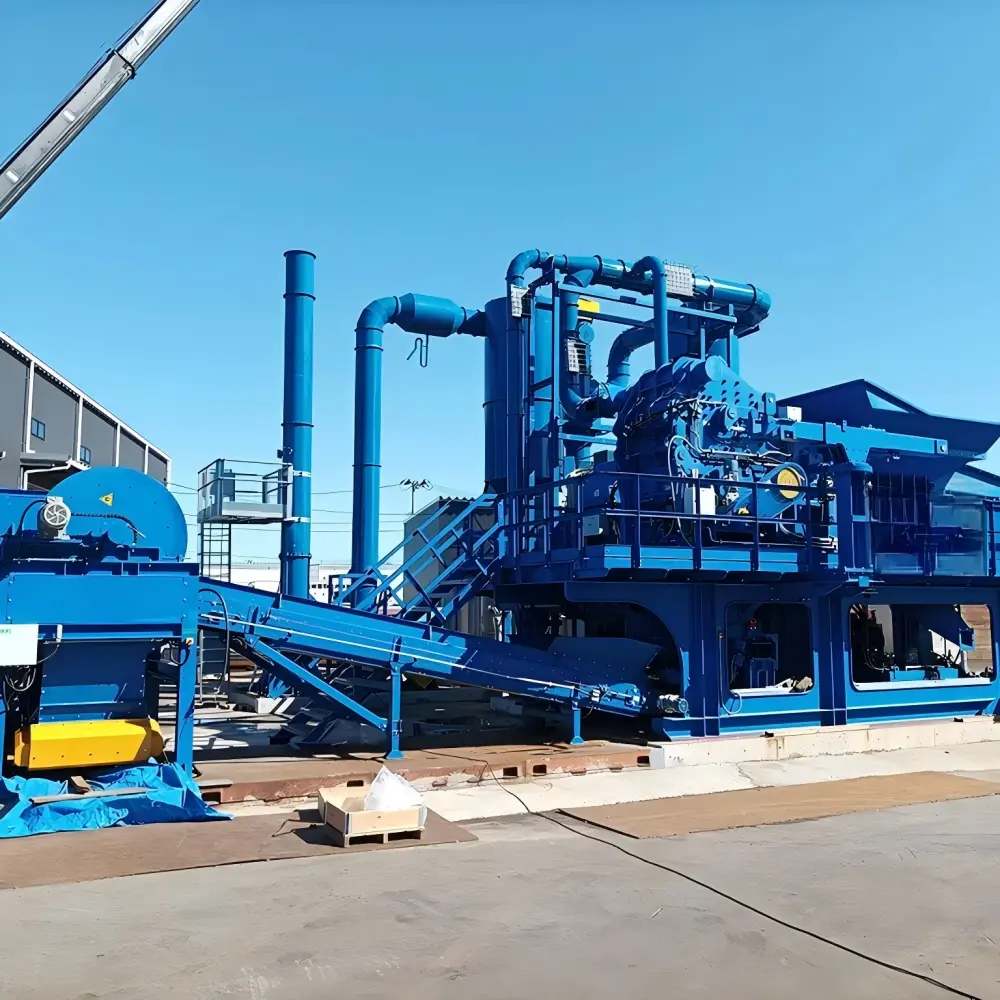
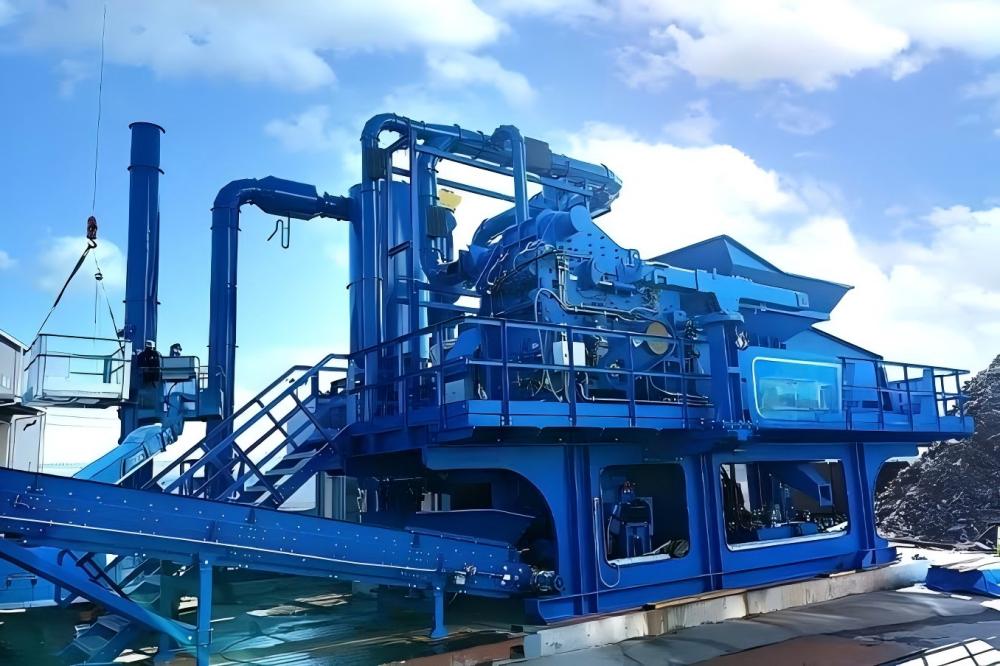
High-capacity, heavy-duty shredding plants can exceed $500,000 and reach into the millions. These are massive installations designed for 24/7 operation, capable of swallowing entire car bodies or heavy structural steel. The price reflects not just the machine itself, but the integrated conveyor systems, magnetic separators, dust collection units, and the massive structural steel foundations required to support the kinetic energy generated during operation.
Main Cost Drivers in Hammer Shredder Manufacturing
When evaluating the cost of a hammer shredder, several factors contribute to the final price tag. The first is the quality of the steel used in the main frame and rotor. High-tensile, wear-resistant steel is necessary to withstand the constant vibration and impact. A machine built with inferior steel will suffer from structural fatigue, leading to cracks and misalignment within a few years of operation. HARSLE prioritizes heavy-plate construction to ensure long-term geometric stability.
The second major driver is the hydraulic and control system. Modern shredders utilize hydraulic motors for feeding rollers and hydraulic cylinders to open the main housing for maintenance. The inclusion of a Programmable Logic Controller (PLC) with a touchscreen interface adds to the cost but significantly improves safety and efficiency. These systems can monitor motor load in real-time, automatically reversing the feeder if a jam is detected, which prevents catastrophic motor failure.
Finally, the precision of the rotor assembly is a significant cost factor. The rotor is the heart of the machine, and it must be perfectly balanced to prevent destructive vibrations at high RPMs. The bearings used to support this rotor—often sourced from premium brands like SKF or NSK—are expensive components that are vital for the machine’s longevity. Cutting corners on bearings or rotor balancing will inevitably lead to higher maintenance costs down the line.
Configuration Impact: Capacity and Throughput
Capacity is the most critical metric when you choose hammer shredder equipment scrap metal: capacity, blades, motor options. Throughput is measured in tons per hour (TPH) and is influenced by the rotor diameter, the width of the shredding chamber, and the size of the discharge grates. For instance, a rotor with a larger diameter generates more peripheral speed and kinetic energy, allowing it to crush thicker materials more effectively.
It is important to distinguish between “nominal capacity” and “actual capacity.” Nominal capacity refers to the machine’s performance under ideal conditions with uniform material. Actual capacity accounts for the density of your scrap. Shredding loose tin cans is much faster than shredding dense engine blocks. When planning your facility, it is wise to choose a machine with a capacity 20-30% higher than your current average needs to account for surges in supply and future business growth.
The discharge grate size also plays a pivotal role. Smaller holes in the grate result in a finer, denser end product, which often fetches a higher price at the foundry. However, smaller grates also restrict flow, reducing the overall TPH. Finding the “sweet spot” between product density and throughput is a key operational decision that depends on your local scrap market’s demands.
Configuration Impact: Blades and Hammers
The “hammers” or blades are the primary wear parts of the shredder. They are subjected to extreme impact and abrasion. Choosing the right material for these components is a balance between hardness and toughness. Manganese steel (often 13% to 18% Mn) is the industry standard because of its unique work-hardening property; the more it is struck by scrap metal, the harder its surface becomes, while the core remains tough to prevent snapping.
There are different hammer designs to consider: fixed hammers and swing hammers. Swing hammers are more common in scrap metal applications because they can retract if they hit an unshreddable object (like a massive piece of hardened steel), protecting the rotor from damage. The weight of the hammer also matters; heavier hammers provide more “punch” for thick materials, while lighter hammers are more energy-efficient for thin-gauge scrap.
Maintenance of the blades is a hidden but significant operational factor. Some modern designs allow for “four-way” hammers that can be rotated to use all four corners before needing replacement. This effectively quadruples the life of the part. When selecting your equipment, ask about the ease of hammer replacement. A machine that requires two days of downtime to change hammers will significantly hurt your ROI compared to a HARSLE design that allows for quick access.
Configuration Impact: Motor Options and Power Efficiency
The motor is the engine room of your shredding operation. When you choose hammer shredder equipment scrap metal: capacity, blades, motor options, you must decide between electric and diesel drives. Electric motors are the standard for stationary plants due to their lower operating costs, easier maintenance, and lower noise levels. However, they require a robust electrical infrastructure, often necessitating a dedicated transformer.
Diesel-driven shredders offer mobility and are ideal for remote sites or yards without sufficient electrical capacity. However, they involve higher fuel costs and more intensive maintenance schedules. Within the realm of electric motors, the choice of starting method is crucial. Direct-on-line (DOL) starting creates massive power surges that can penalize you on your utility bill. Soft starters or Variable Frequency Drives (VFDs) are preferred as they allow for a gradual ramp-up in speed and provide better control over the shredding process.
Energy efficiency is no longer an afterthought. High-efficiency motors (IE3 or IE4 ratings) can save thousands of dollars in electricity costs over the machine’s lifespan. Additionally, the motor’s torque characteristics must be matched to the rotor’s inertia. A motor with high starting torque is essential to get a heavy rotor spinning from a standstill, especially if there is residual material left in the chamber from a previous shift.
Hidden Costs of Owning a Hammer Shredder
The purchase price is only the beginning. One of the most significant hidden costs is the consumption of wear parts. Beyond the hammers, the internal liners of the shredding chamber and the discharge grates will eventually wear down. Depending on the abrasiveness of your scrap, these may need replacement every few months. Budgeting for a consistent supply of high-quality wear parts is essential for uninterrupted production.
Installation and foundation work are often underestimated. A hammer shredder generates significant dynamic loads. You cannot simply bolt it to a standard warehouse floor. It requires a reinforced concrete pad, often with vibration isolation mounts. Furthermore, the electrical installation, including heavy-duty cabling and switchgear, can add 10-15% to the total project cost.
Labor for maintenance is another factor. Shredders require daily inspections. Checking for loose bolts, lubricating bearings, and inspecting hammer wear are tasks that must be performed diligently. If your staff is not trained in industrial machinery maintenance, you may need to factor in the cost of service contracts with the manufacturer. HARSLE provides comprehensive training to ensure your team can handle routine upkeep safely and efficiently.
ROI Calculation: When Does the Investment Pay Off?
Calculating the Return on Investment (ROI) for a hammer shredder involves comparing the “spread” between the price of raw scrap and the price of processed, shredded scrap. Shredded scrap (often called “Proler” in some markets) is highly sought after by steel mills because it is clean, dense, and melts efficiently. This premium can range from $20 to $60 per ton over un-shredded material.
To calculate your ROI, use the following formula: (Annual Tonnage x Price Premium) – (Annual Operating Costs + Depreciation) = Net Annual Profit. Operating costs include electricity/fuel, wear parts, labor, and insurance. For a mid-sized yard processing 1,000 tons per month with a $40 premium, the gross increase in revenue is $480,000 per year. After deducting operating costs, many businesses find that a well-chosen shredder pays for itself within 18 to 24 months.
Furthermore, shredding reduces transportation costs. Because shredded metal is much denser than loose scrap, you can fit more weight into every truckload or shipping container. This reduction in logistics costs can be the difference between a marginal profit and a highly successful operation, especially in regions with high fuel prices or long distances to the nearest foundry.
Buying Advice: How to Make the Right Choice
Before signing a purchase agreement, perform a thorough material audit. What exactly are you shredding? If your stream is 90% aluminum cans, you don’t need a machine built for car engines. Conversely, if you try to shred heavy structural steel in a light-duty machine, you will destroy it within weeks. Be honest with your supplier about your worst-case scenario material.
Request a trial or a visit to an existing installation. Seeing a machine in a real-world environment is invaluable. Pay attention to the noise levels, the dust generation, and how the operator interacts with the controls. Ask the current owner about the reliability of the manufacturer’s after-sales support. A machine is only as good as the parts and service available to keep it running.
Finally, consider the “total system” approach. A shredder is just one part of a line. You will need an in-feed conveyor, a discharge conveyor, and likely a magnetic drum to separate ferrous from non-ferrous metals. Buying these as an integrated package from a single vendor like HARSLE ensures that all components are synchronized, reducing the risk of bottlenecks and electrical integration issues.
Frequently Asked Questions (FAQ)
1. How often do the hammers need to be replaced?
Hammer life depends entirely on the material being processed. For light scrap like aluminum, hammers can last several hundred hours. For heavy, abrasive scrap, they may need to be flipped or replaced every 40 to 80 hours of operation. Regular inspection is key to preventing damage to the rotor itself.
2. Can a hammer shredder handle stainless steel?
While it can shred stainless steel, it is much harder on the machine than carbon steel. Stainless steel work-hardens rapidly, which increases the wear rate on the hammers and liners significantly. If you process large volumes of stainless, you may need specialized high-alloy hammers.
3. What is the difference between a shredder and a granulator?
A hammer shredder uses impact force to break material, which is ideal for brittle or bulky scrap metal. A granulator uses a shearing/cutting action with sharp knives, which is better suited for plastics, copper cables, and thin foils where a precise particle size is required.
4. Do I need a permit to operate a hammer shredder?
In most jurisdictions, yes. Because of the noise, dust, and potential for environmental impact (fluids from scrap cars), you will likely need an industrial operating permit and must adhere to local zoning and environmental regulations regarding noise and emissions.
5. What safety features should I look for?
Essential safety features include an emergency stop system, a “reject door” to eject un-shreddable objects, vibration sensors that shut down the motor if an imbalance is detected, and safety interlocks that prevent the machine from starting while the maintenance doors are open.
6. How does the motor size affect the end product?
The motor size (horsepower/kilowatts) determines the maximum thickness of the material you can process and the speed at which you can process it. A larger motor allows for higher throughput and the ability to maintain rotor speed when hitting dense clusters of scrap, resulting in a more consistent product size.


