Industrial Scrap Shredding Guide: How to Choose the Best Hammer Shredder for Your Needs

Introduction to Industrial Scrap Shredding
In the modern era of sustainable manufacturing and metal recycling, the efficiency of processing waste material has become a cornerstone of profitability. Industrial scrap shredding is not merely about breaking down large objects; it is about transforming bulky, low-value waste into high-density, high-purity raw materials that are ready for the furnace. For many facilities, the hammer shredder is the workhorse of this operation. Choosing the right equipment requires a deep understanding of material science, mechanical engineering, and economic forecasting. This guide is designed to help you navigate the complexities of Industrial Scrap Shredding : Choose Best Hammer Shredder Needs to ensure your investment yields the highest possible returns.
A hammer shredder, or hammer mill, operates on the principle of kinetic energy. High-speed rotating hammers strike the incoming scrap, shattering it against anvil plates and internal liners. This process continues until the material is small enough to pass through a discharge grate. The result is a ‘shredded’ product that is uniform in size and free from many contaminants. However, not all shredders are created equal. The difference between a machine that lasts ten years and one that fails in two often comes down to the initial selection process and understanding the specific demands of your scrap stream.
Price Range Overview: What to Expect
When exploring the market for industrial scrap shredding equipment, the price range can be vast, often causing confusion for first-time buyers. Generally, the cost of a hammer shredder is dictated by its throughput capacity, the thickness of the materials it can process, and the level of automation integrated into the system. For small-scale operations or specialized recycling centers processing light non-ferrous metals, entry-level shredders may start between $30,000 and $60,000. These machines are typically compact and designed for lower hourly tonnages.
Mid-range industrial shredders, which are the standard for most medium-sized scrap yards, typically fall between $80,000 and $250,000. These units offer a balance of power and durability, capable of handling mixed light iron, aluminum castings, and electronic waste. They often feature reinforced housings and more sophisticated hydraulic opening mechanisms for easier maintenance. At this level, you are paying for increased reliability and the ability to run multiple shifts without excessive downtime.
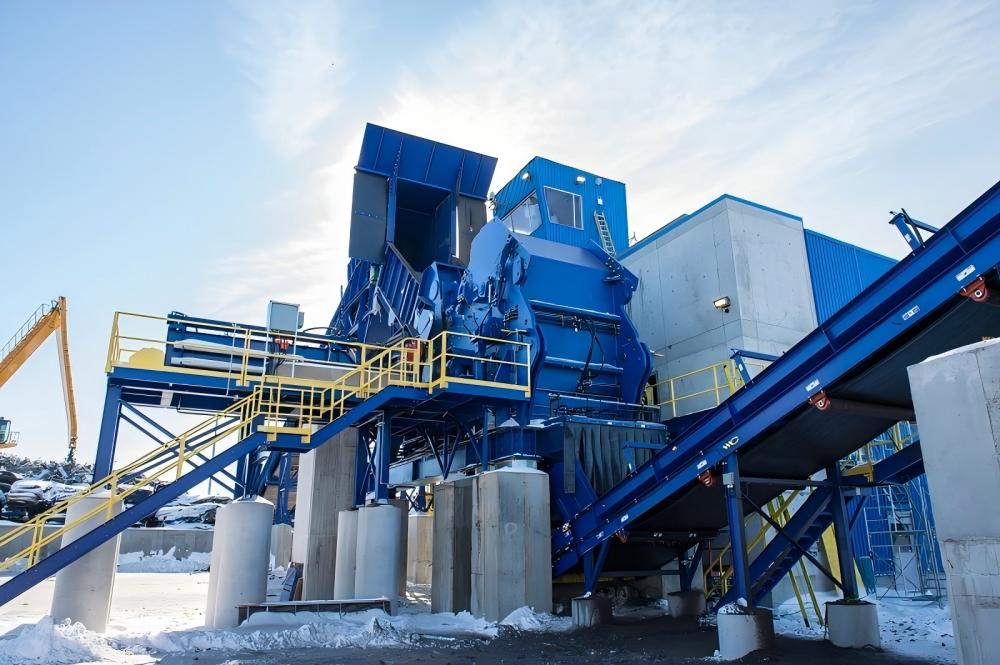
High-capacity, heavy-duty hammer shredders designed for processing whole car bodies, heavy structural steel, or large-scale industrial waste can exceed $500,000 and reach into the millions for complete turnkey plants. These systems include not just the shredder, but also sophisticated infeed conveyors, magnetic separators, air classification systems, and dust suppression units. When evaluating Industrial Scrap Shredding : Choose Best Hammer Shredder Needs, it is vital to look beyond the sticker price and consider the total system cost required to produce a marketable end product.
Main Cost Drivers in Hammer Shredder Manufacturing
The primary driver of cost in a hammer shredder is the quality and quantity of steel used in its construction. A high-quality shredder must withstand immense internal forces and abrasive wear. Manufacturers like HARSLE utilize heavy-duty manganese steel for internal liners and hammers because of its unique work-hardening properties. The more robust the frame and the thicker the wear plates, the higher the manufacturing cost, but the lower the long-term cost of ownership due to reduced structural fatigue.
Motor power and drive systems also significantly impact the price. A shredder requiring a 400HP motor will naturally cost more than one requiring 100HP, not just for the motor itself, but for the heavy-duty bearings, shafts, and electrical control panels needed to manage that power. Furthermore, the inclusion of advanced frequency drives (VFDs) can add to the initial cost but provides essential protection against torque spikes and allows for better control over the shredding process, ultimately saving money on energy and mechanical wear.
Hydraulic systems are another major cost factor. Modern hammer shredders often feature hydraulic tilting housings or hydraulic pin pullers. These features are designed to minimize downtime during hammer changes or when clearing a jam. While a manual system is cheaper, the labor costs and lost production time associated with manual maintenance often make the hydraulic upgrades a more cost-effective choice for high-volume operations. The complexity of the PLC (Programmable Logic Controller) and the integration of sensors for vibration, temperature, and load monitoring also contribute to the final price point.
Configuration Impact: Tailoring the Machine to Your Scrap
The configuration of your hammer shredder is perhaps the most critical factor in determining its performance. The rotor design is the heart of the machine. There are disc rotors and spider rotors; disc rotors are generally preferred for heavy scrap as they provide more mass and protection for the hammer pins, while spider rotors might be used for lighter, more voluminous materials. Choosing the wrong rotor for your specific scrap type can lead to frequent breakages and inefficient shredding.
The discharge grate or screen size is another configuration detail that cannot be overlooked. The size of the holes in the grate determines the final density and size of the shredded metal. Smaller holes produce a higher-density product which often fetches a higher price at the mill, but they also reduce the throughput of the machine and increase the wear on the hammers. Finding the ‘sweet spot’ for your specific market requirements is essential when you Industrial Scrap Shredding : Choose Best Hammer Shredder Needs.
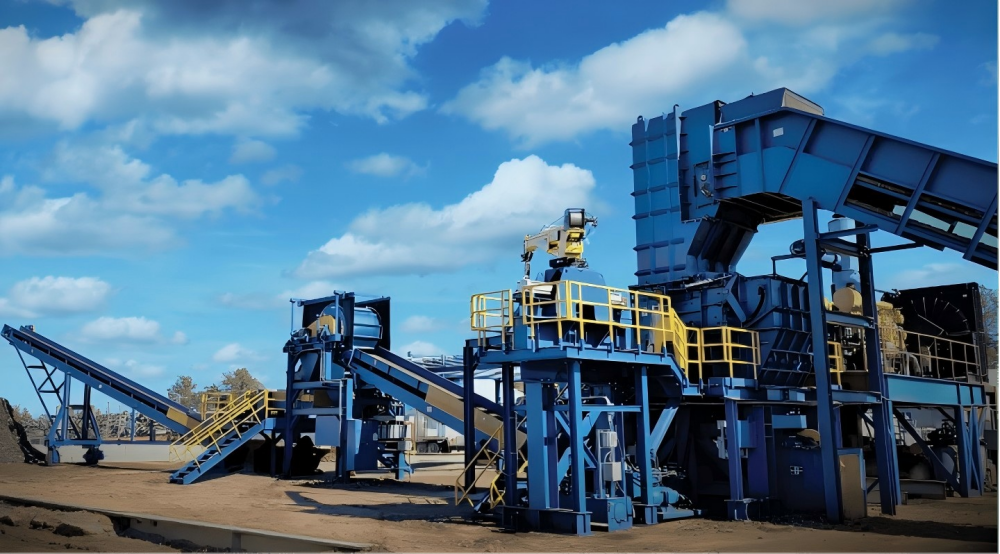
Furthermore, the feeding system plays a massive role in configuration. A gravity-fed shredder is simpler and cheaper but can lead to ‘slugging’ the motor if material is dumped in too quickly. An automated apron feeder or a vibrating feeder ensures a consistent flow of material, which maximizes the efficiency of the hammers and prevents unnecessary stress on the drive system. For those processing mixed materials, the addition of a pre-shredder or a double-shaft primary shredder can significantly increase the lifespan of the main hammer mill by reducing the initial size of the scrap.
Hidden Costs of Operating a Hammer Shredder
When budgeting for a hammer shredder, the purchase price is only the beginning. The most significant hidden cost is the consumption of wear parts. Hammers, liners, and grates are designed to be replaced. Depending on the abrasiveness of your scrap (for example, scrap with high sand or glass content), you may need to flip or replace hammers every few days or weeks. Failing to account for the ongoing cost of high-manganese replacement parts can quickly turn a profitable operation into a loss-making one.
Energy consumption is another major operational expense. Hammer shredders are energy-intensive machines. An inefficiently configured machine or one with dull hammers will consume significantly more kilowatt-hours per ton of processed material. Additionally, the cost of specialized labor must be considered. Operating and maintaining a large-scale shredder requires skilled technicians who understand hydraulic systems, welding (for hard-facing liners), and electrical troubleshooting. Training costs and the higher wages commanded by these specialists should be factored into your operational budget.
Environmental compliance and waste disposal also carry hidden costs. Shredding processes generate dust, noise, and ‘fluff’ (non-metallic residue like foam, plastic, and fabric). You may need to invest in dust extraction systems, sound enclosures, and pay for the landfilling of the non-recyclable fluff. In many jurisdictions, the regulations surrounding these byproducts are becoming stricter, requiring more sophisticated and expensive mitigation strategies. Always research local environmental laws before finalizing your equipment choice.
ROI Calculation: Turning Scrap into Gold
Calculating the Return on Investment (ROI) for a hammer shredder involves comparing the ‘spread’ between the cost of raw scrap and the selling price of shredded material, minus the operational costs. Shredded scrap (often referred to as E40 or fragmented scrap) is highly valued by steel mills because it is clean, has a high bulk density, and melts more efficiently than loose scrap. This premium can range from $20 to $60 per ton, depending on market conditions.
To calculate ROI, start with your expected annual throughput. If a machine processes 10,000 tons per year and the premium for shredded scrap is $40 per ton, the gross increase in revenue is $400,000. From this, subtract the cost of electricity, wear parts, labor, and maintenance (typically estimated at $15-$25 per ton). If the net profit per ton is $15, the annual net gain is $150,000. For a machine costing $300,000, the payback period would be two years. This simple calculation demonstrates why high-quality machinery is a preferred investment for growing recycling businesses.
Beyond the direct price premium, consider the logistical savings. Shredded metal is much denser than un-shredded scrap. This means you can fit more weight into each truck or shipping container, significantly reducing transportation costs. For operations that ship material over long distances, the savings in freight alone can sometimes justify the purchase of a shredder. Additionally, the ability to mechanically separate non-ferrous metals (like copper and aluminum) from the ferrous stream during the shredding process adds another layer of high-value revenue that is difficult to achieve with manual sorting.
Buying Advice: A Checklist for Success
When you are ready to Industrial Scrap Shredding : Choose Best Hammer Shredder Needs, follow this checklist to ensure you select the right partner and equipment:
- Material Analysis: Clearly define what you will be shredding 90% of the time. A machine optimized for aluminum cans will struggle with heavy engine blocks.
- Throughput Requirements: Don’t just look at the ‘max capacity.’ Ask for the ‘sustained capacity’ over an 8-hour shift.
- Build Quality: Inspect the thickness of the housing and the grade of the steel. Ask the manufacturer about their welding standards and stress-relieving processes for the rotor.
- Maintenance Access: How easy is it to change the hammers? Can the grates be swapped out quickly? Look for hydraulic assist features.
- After-Sales Support: Does the manufacturer stock wear parts locally? What is the lead time for a replacement rotor? HARSLE, for instance, prides itself on robust technical support and parts availability.
- Reference Sites: Ask to see a similar machine in operation. Speak with current owners about their real-world maintenance costs and uptime.
- Safety Features: Ensure the machine has emergency stops, vibration sensors, and ‘reject doors’ that can eject un-shreddable objects (like large shafts) before they cause catastrophic damage.
Choosing a hammer shredder is a long-term commitment. It is often better to spend 20% more upfront for a machine with better wear resistance and easier maintenance than to save money initially and suffer from constant breakdowns and high repair costs. Partnering with an experienced manufacturer like HARSLE ensures that you receive not just a machine, but a complete processing solution tailored to your specific scrap profile.
Frequently Asked Questions (FAQ)
1. What is the difference between a hammer shredder and a shear shredder?
A hammer shredder uses high-speed impact to shatter and densify material, making it ideal for brittle metals and creating a high-density end product. A shear shredder (or twin-shaft shredder) uses low-speed, high-torque cutting blades to ‘slice’ material. Shear shredders are better for bulky items like tires or plastics, while hammer shredders are the standard for metal recycling and densification.
2. How often do the hammers need to be replaced?
Hammer life depends entirely on the material being processed. For clean aluminum, hammers might last hundreds of hours. For contaminated steel scrap, they may need to be rotated every 20-40 hours of operation. Using high-quality manganese steel and maintaining the proper gap between the hammer and the anvil can significantly extend their life.
3. Can a hammer shredder handle ‘un-shreddables’?
Most industrial hammer shredders are equipped with a ‘reject door’ or ‘ejection gate.’ If a massive piece of solid steel (like a large engine crank or a thick plate) enters the chamber and cannot be broken, the centrifugal force and the design of the chamber allow it to be ejected through this door to prevent damage to the rotor and motor.
4. What kind of motor is best for a scrap shredder?
Heavy-duty electric motors are the standard. For very large operations, diesel drives are sometimes used, but electric motors paired with a Soft Starter or VFD (Variable Frequency Drive) are preferred for their reliability, lower operating costs, and better control over torque spikes.
5. Does the shredder come with a dust collection system?
While the shredder itself is a standalone unit, most professional setups require an integrated dust collection or ‘cyclone’ system. This is essential for removing light ‘fluff’ and dust, ensuring environmental compliance, and improving the purity of the final metal product. Manufacturers like HARSLE can provide these as part of a complete system.
6. How do I determine the right grate size?
The grate size should be determined by your end-buyer’s specifications. If a steel mill requires 50mm minus material, your grate holes should be sized accordingly. Keep in mind that smaller holes increase the ‘residence time’ of the material in the shredder, which increases wear and reduces hourly throughput.
7. Is it difficult to install a hammer shredder?
Installation requires a solid concrete foundation to absorb vibrations and heavy-duty lifting equipment. Most large shredders are shipped in sections and assembled on-site. It is highly recommended to have the manufacturer’s technicians oversee the installation and commissioning to ensure the rotor is perfectly balanced and the electrical systems are correctly integrated.
8. Why choose HARSLE for my shredding needs?
HARSLE combines decades of experience in metal fabrication machinery with a commitment to using high-grade materials and advanced engineering. Our shredders are designed for the rigors of the modern recycling industry, focusing on durability, ease of maintenance, and maximum ROI for our clients.