
Hammer Shredder Essentials: A Buyer’s Guide to Performance, Maintenance, and Return on Investment

Introduction to Hammer Shredder Essentials
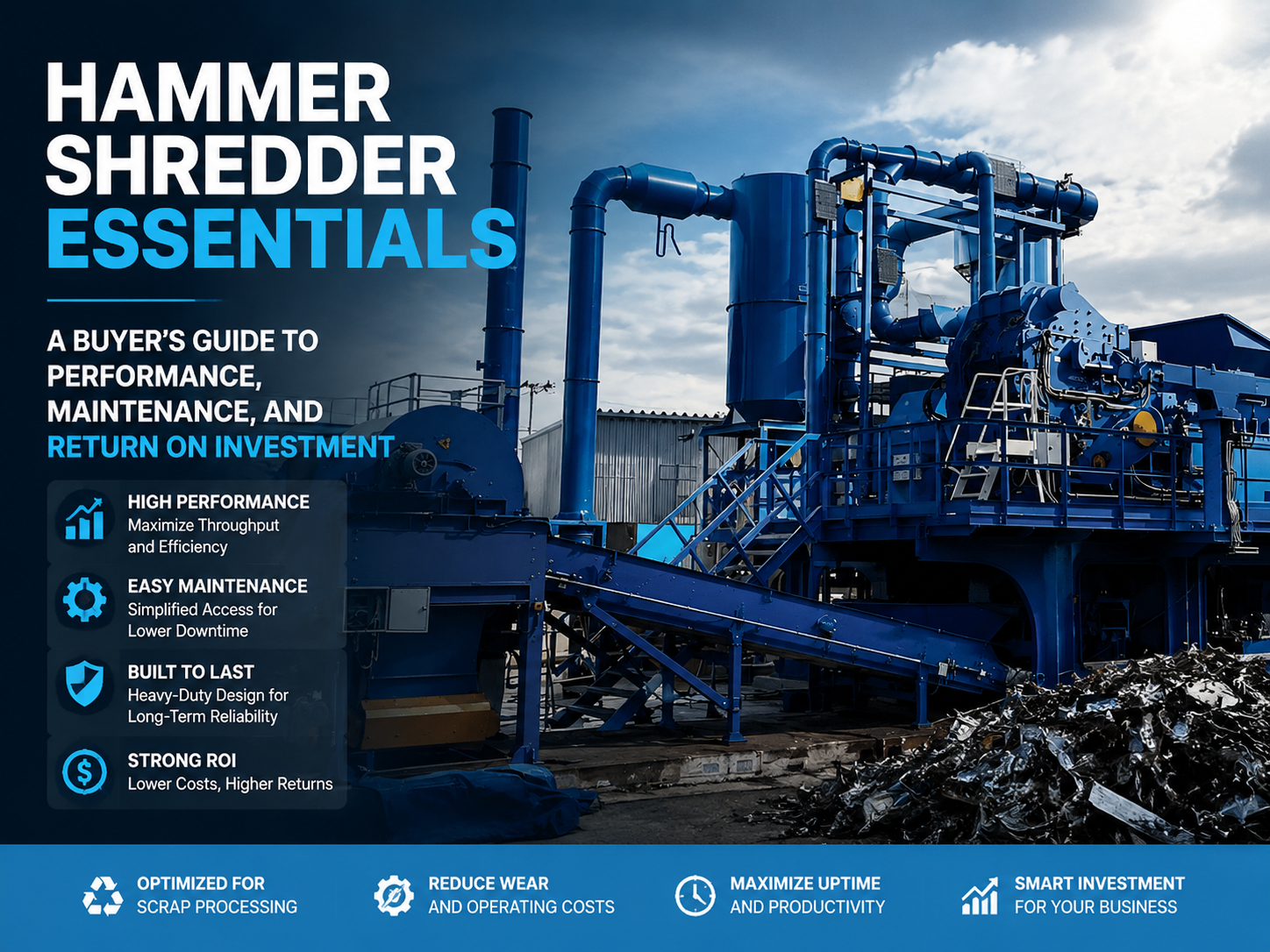
In the rapidly evolving landscape of metal recycling and material processing, the hammer shredder stands as a cornerstone of industrial efficiency. Whether you are processing aluminum scrap, electronic waste, or heavy steel components, understanding the Hammer Shredder Essentials: A Buyer’s Performance, Maintenance, Return On Investment is critical for making a sound capital expenditure. A hammer shredder is not merely a machine; it is a high-kinetic energy system designed to reduce bulky materials into dense, high-purity fractions that command premium prices in the secondary metals market.
For industrial operators, the decision to invest in a hammer shredder involves more than just comparing price tags. It requires a deep dive into the mechanical integrity of the rotor, the metallurgical composition of the hammers, and the long-term operational costs associated with high-wear environments. This guide is designed to navigate the complexities of the hammer shredder market, providing technical insights that help buyers balance initial performance requirements with long-term profitability.
Price Range Overview: Navigating the Market Tiers
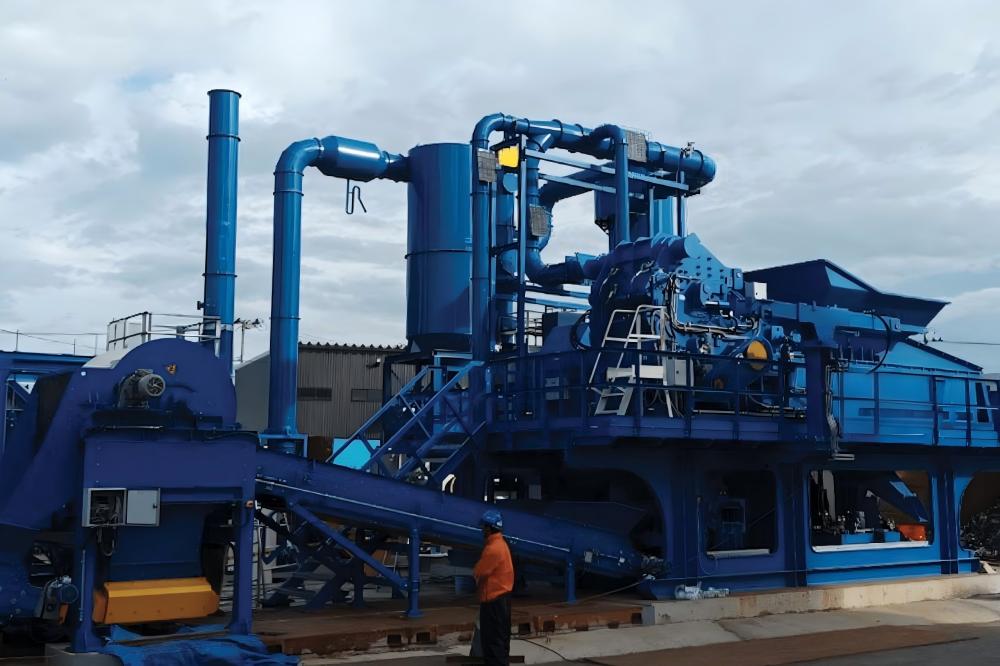
The price of a hammer shredder varies significantly based on its scale, throughput capacity, and the sophistication of its control systems. Understanding these price tiers is the first step in the Hammer Shredder Essentials: A Buyer’s Performance, Maintenance, Return On Investment journey. Generally, the market is divided into three primary categories: entry-level/specialty units, mid-range industrial shredders, and heavy-duty high-capacity systems.
Entry-level hammer shredders, often used for light aluminum scrap or e-waste, typically range from $25,000 to $60,000. These machines are characterized by lower motor power (30kW to 75kW) and smaller rotor diameters. While they offer a lower barrier to entry, their throughput is limited, and they may struggle with heavier ferrous materials. They are ideal for small-scale recycling centers or specialized manufacturing facilities that process their own internal scrap.
Mid-range industrial hammer shredders, the workhorses of the industry, fall between $80,000 and $250,000. These units feature robust frames, advanced hydraulic opening mechanisms for easy maintenance, and motor capacities ranging from 110kW to 315kW. They are capable of processing a wide variety of materials, including light iron, car bodies (pre-cut), and large volumes of non-ferrous metals. This tier offers the best balance of performance and capital cost for most commercial recycling operations.
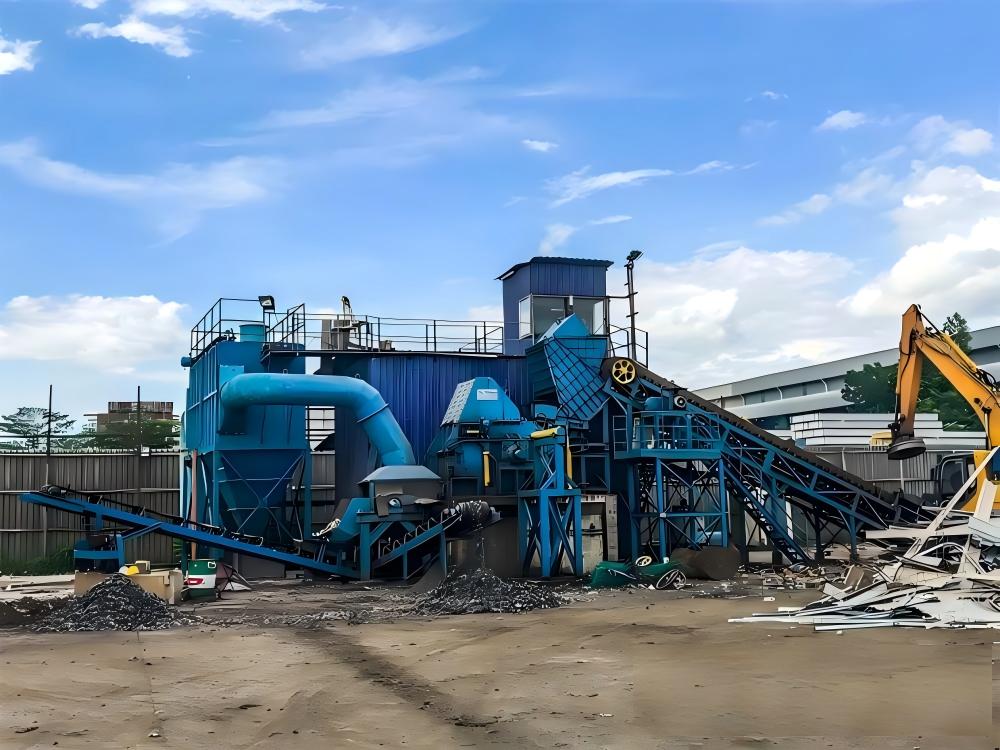
At the top end, heavy-duty systems can exceed $500,000. These are massive installations designed for 24/7 operation, processing hundreds of tons of scrap per day. These systems often include integrated conveyor belts, magnetic separators, and dust suppression systems. The investment here is not just in the shredder itself, but in a complete processing line designed for maximum material recovery and minimal manual labor.
Main Cost Drivers in Hammer Shredder Procurement
When evaluating the cost of a hammer shredder, several technical factors drive the final quote. The most significant driver is the Motor Power and Drive System. High-torque motors and sophisticated frequency drives (VFDs) ensure that the machine can handle surges in material density without stalling. A higher kilowatt rating directly correlates with higher throughput and the ability to process thicker materials, but it also increases the initial cost and electrical infrastructure requirements.
The Metallurgy of Wear Parts is another critical cost factor. Not all hammers are created equal. High-manganese steel hammers are the industry standard due to their work-hardening properties, but specialized alloys containing chrome or molybdenum can significantly extend the life of the hammers in abrasive environments. While these premium alloys increase the initial purchase price, they reduce the frequency of replacements, which is a key component of the Hammer Shredder Essentials: A Buyer’s Performance, Maintenance, Return On Investment equation.
Furthermore, the Structural Integrity of the Housing impacts the price. A shredder housing must withstand immense internal pressures and vibrations. Machines built with thicker, reinforced steel plates and high-quality welding will naturally cost more than lighter, less durable models. However, a robust housing prevents frame warping and catastrophic failure, ensuring the machine lasts for decades rather than years.
Configuration Impact on Performance and Output
The configuration of a hammer shredder determines the quality of the final product. The Rotor Design is perhaps the most important configuration choice. Buyers must choose between a disc rotor and a spider rotor. Disc rotors are generally better for preventing long pieces of metal from wrapping around the shaft, making them ideal for wire and cable recycling. Spider rotors, on the other hand, allow for larger hammers and higher impact energy, which is better for crushing heavy castings and structural scrap.
The Grate and Screen Size configuration dictates the final particle size. Smaller holes in the grate produce a finer, denser product but reduce the overall throughput of the machine. Conversely, larger holes increase throughput but may result in a less uniform product that requires further processing. Modern shredders often feature interchangeable grates, allowing operators to switch configurations based on the specific material being processed and the requirements of the end buyer.
Additionally, the inclusion of a Hydraulic Ejection Gate is a vital configuration for performance. This feature allows the machine to automatically eject non-shreddable items (like heavy engine blocks or large steel shafts) that could otherwise cause severe damage to the rotor and hammers. While this adds to the complexity and cost of the machine, it is an essential safeguard for maintaining high uptime and protecting the investment.
Hidden Costs: Beyond the Initial Purchase
A comprehensive look at Hammer Shredder Essentials: A Buyer’s Performance, Maintenance, Return On Investment must include the hidden costs that arise after the machine is installed. The most prominent hidden cost is Energy Consumption. Hammer shredders are energy-intensive machines. Operating a 200kW motor for 8 hours a day can result in significant monthly utility bills. Buyers should look for machines with high-efficiency motors and power management systems to mitigate these ongoing expenses.
Wear Part Replacement is another recurring cost that is often underestimated. Hammers, liners, and grates are sacrificial components. Depending on the abrasiveness of the material, hammers may need to be rotated or replaced every few hundred tons. The cost of the parts themselves, combined with the labor and downtime required for the swap, can significantly impact the cost per ton of processed material. A machine designed for easy access—such as one with a hydraulic tilting upper housing—can drastically reduce the labor hours spent on these tasks.
Finally, consider the costs of Dust Collection and Environmental Compliance. Shredding metal generates significant amounts of dust and noise. In many jurisdictions, industrial operators are required to install filtration systems and sound dampening enclosures. These auxiliary systems can add 10% to 20% to the total project cost but are necessary for legal operation and worker safety.
ROI Calculation: Measuring Success
Calculating the Return on Investment (ROI) for a hammer shredder involves comparing the total cost of ownership against the increased value of the processed scrap. The formula for ROI in this context is:
ROI = (Annual Revenue Increase – Annual Operating Costs) / Total Investment Cost
The Annual Revenue Increase is derived from the “shredder premium.” Shredded scrap (often called “frag”) is much denser and cleaner than raw scrap, making it more desirable for steel mills and smelters. For example, if raw aluminum scrap sells for $1,000 per ton and shredded, sorted aluminum sells for $1,300 per ton, the $300 difference represents the value added by the shredder. Multiply this by the annual tonnage to find the revenue increase.
The Annual Operating Costs include electricity, labor, wear parts, and routine maintenance. A well-maintained HARSLE hammer shredder might have an operating cost of $20 to $40 per ton, depending on the material. By subtracting these costs from the revenue increase, the operator can determine the net profit generated by the machine. Most industrial users aim for a payback period of 18 to 36 months, after which the machine generates significant pure profit.
ROI Variable Table
| Variable | Description | Impact on ROI |
|---|---|---|
| Throughput (Tons/Hr) | The volume of material processed per hour. | High impact; more volume equals faster payback. |
| Hammer Life (Tons) | How many tons a set of hammers can process. | Medium impact; affects maintenance costs and downtime. |
| Energy Cost ($/kWh) | Local utility rates for industrial power. | Medium impact; affects daily operating margins. |
| Scrap Premium ($/Ton) | The price difference between raw and shredded scrap. | High impact; the primary driver of revenue. |
Buying Advice for Prospective Owners
When you are ready to move forward with a purchase, the first piece of advice is to Conduct a Material Test. Any reputable manufacturer, like HARSLE, should be able to process a sample of your specific material to demonstrate the throughput and output quality of the machine. This eliminates guesswork regarding how the machine will perform in your unique application.
Secondly, Prioritize Maintenance Accessibility. A shredder that is difficult to service will inevitably be neglected. Look for features like hydraulic housing openings, easy-bolt hammer pins, and centralized lubrication systems. These features might increase the upfront cost, but they ensure that maintenance is performed correctly and quickly, extending the life of the machine.
Thirdly, Evaluate the After-Sales Support. Hammer shredders operate in brutal conditions. Eventually, you will need technical support or emergency spare parts. Choose a manufacturer with a proven track record, a robust inventory of wear parts, and responsive technical service. A machine that sits idle for three weeks waiting for a specialized bearing is a massive drain on ROI.
Frequently Asked Questions (FAQ)
1. What is the difference between a hammer shredder and a shear shredder?
A hammer shredder uses high-speed kinetic energy to impact and shatter material, which is ideal for creating dense, clean scrap. A shear shredder (or twin-shaft shredder) uses low-speed, high-torque cutting blades to tear material. Shear shredders are better for volume reduction of bulky items like tires or plastics, while hammer shredders are superior for metal purification and densification.
2. How often do I need to replace the hammers?
Hammer life depends entirely on the material being processed. For soft aluminum, hammers might last 500-800 hours. For contaminated electronic waste or abrasive steel, they might need rotation every 100-200 hours. Regular inspection is key to preventing damage to the rotor itself.
3. Can a hammer shredder handle stainless steel?
Yes, but with caution. Stainless steel is much harder and more abrasive than carbon steel or aluminum. Processing stainless steel will significantly increase the wear rate on the hammers and liners. It is recommended to use specialized high-chrome alloy hammers if stainless steel is a primary part of your waste stream.
4. What kind of foundation is required for an industrial hammer shredder?
Due to the high vibrations and weight, most industrial hammer shredders require a reinforced concrete pad. The thickness and reinforcement specifications depend on the machine’s weight and motor power. Vibration isolation mounts are also commonly used to protect the surrounding building structure.
5. How do I choose the right motor size?
Motor size should be based on your desired throughput and the toughest material you plan to process. As a rule of thumb, more power allows for faster processing and less chance of jamming. However, you must also ensure your facility’s electrical service can handle the peak starting current of a large industrial motor.
6. Is a dust collection system mandatory?
While not always mechanically mandatory for the machine to run, it is almost always required for health, safety, and environmental reasons. Shredding generates fine metallic dust and potentially hazardous particulates from coatings or insulation. A cyclone or baghouse filtration system is highly recommended.
7. What is the typical lifespan of a HARSLE hammer shredder?
With proper maintenance and regular replacement of wear parts, a high-quality hammer shredder can last 15 to 20 years or more. The frame and rotor are designed for long-term durability, while the sacrificial parts are designed to be replaced as needed.


