
Hammer Shredder Buying Guide for High-Volume Scrap Processing and Material Separation

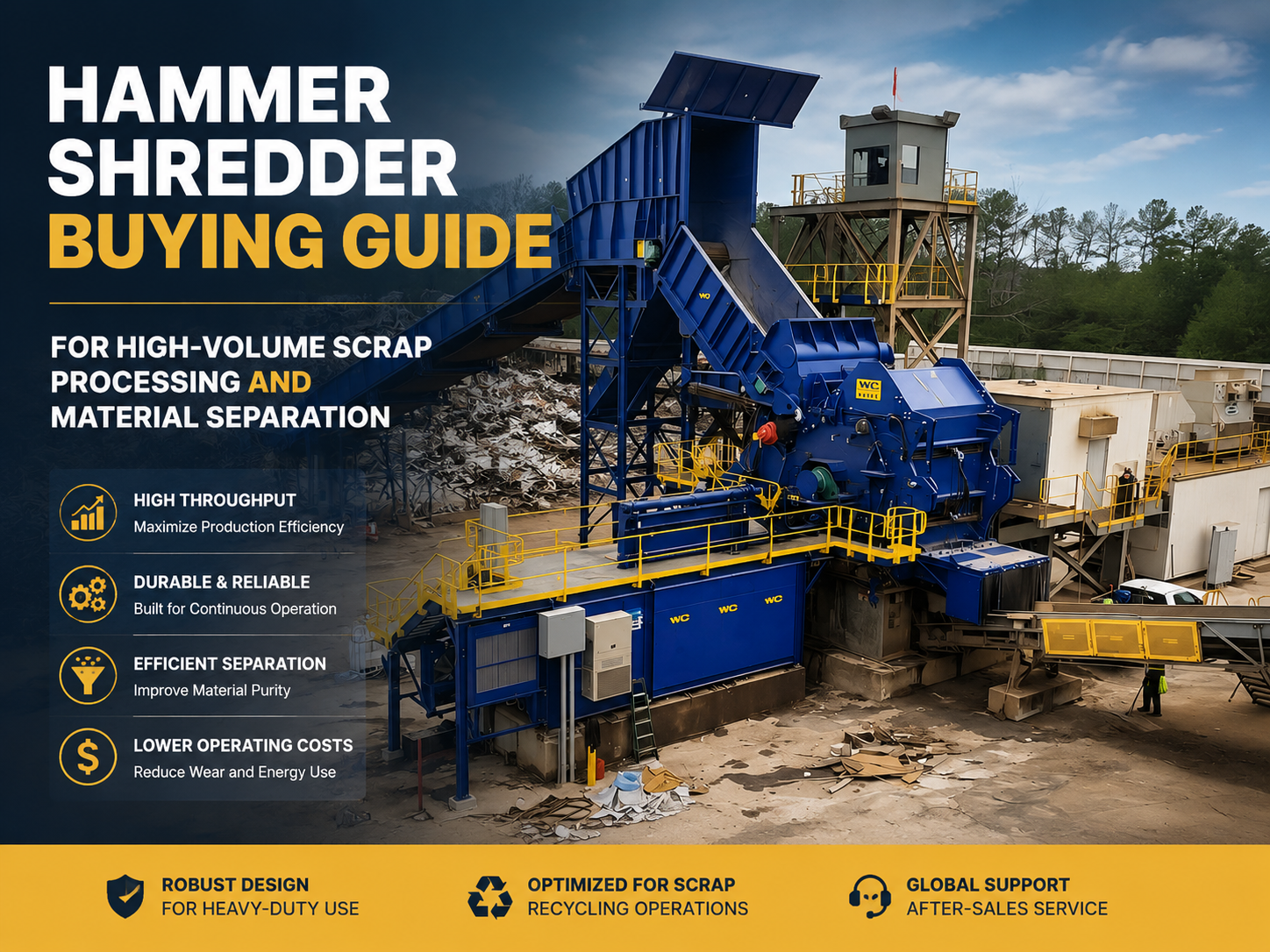
Introduction to High-Volume Scrap Processing with Hammer Shredders
In the rapidly evolving world of metal recycling and waste management, the efficiency of material reduction and separation determines the profitability of an entire operation. A hammer shredder, often referred to as a hammer mill in specific industrial contexts, stands as the workhorse of high-volume scrap processing. These machines are engineered to pulverize, shatter, and densify a wide variety of materials, ranging from end-of-life vehicles (ELVs) and aluminum profiles to electronic waste and industrial scrap. The primary goal of Hammer Shredder Buying High-Volume Scrap Processing Material Separation is to achieve a clean, dense, and furnace-ready product that commands the highest market value.
Choosing the right equipment requires a deep understanding of both the mechanical capabilities of the machine and the specific requirements of the material being processed. High-volume operations cannot afford the downtime associated with under-engineered equipment or the inefficiency of a poorly configured separation line. This guide is designed to navigate the complexities of the hammer shredder market, providing industrial buyers with the technical insights needed to make an informed investment in HARSLE-grade machinery.
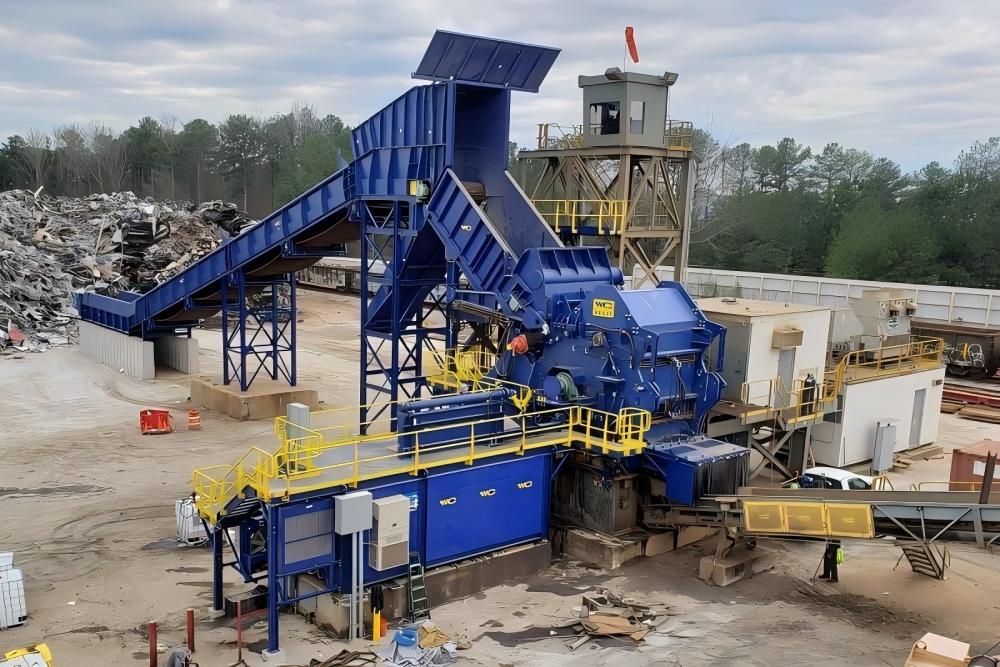
Price Range Overview: Understanding the Investment Tiers
The capital expenditure for a hammer shredder varies significantly based on throughput capacity, motor power, and the level of automation integrated into the separation line. For small to medium-scale recyclers, entry-level industrial hammer shredders typically range from $40,000 to $100,000. These units are generally suitable for processing light scrap, such as aluminum cans, thin-gauge sheet metal, and electronic waste, with throughputs ranging from 1 to 5 tons per hour.
Mid-range systems, which are the standard for professional scrap yards, fall between $150,000 and $500,000. These machines feature robust rotors, high-manganese steel liners, and sophisticated hydraulic opening mechanisms for easy maintenance. They are capable of handling heavier materials like engine blocks, aluminum castings, and baled light scrap, offering throughputs of 10 to 30 tons per hour. At this level, the price often includes basic magnetic separation conveyors.
For large-scale industrial operations and automotive shredding plants, prices can exceed $1,000,000. These massive installations are designed for 24/7 operation, processing entire car bodies and heavy structural scrap. The cost reflects not just the shredder itself, but a complete ecosystem including heavy-duty apron feeders, multi-stage magnetic separators, eddy current separators for non-ferrous recovery, and advanced dust suppression systems. When considering Hammer Shredder Buying High-Volume Scrap Processing Material Separation, it is vital to look beyond the initial sticker price and evaluate the total system cost relative to the expected annual tonnage.
Main Cost Drivers in Hammer Shredder Procurement
The most significant cost driver in any hammer shredder is the rotor assembly. As the heart of the machine, the rotor must withstand immense centrifugal forces and impact shocks. A high-quality rotor featuring forged steel shafts and heavy-duty disc plates is significantly more expensive than a welded alternative but offers a much longer service life. The weight and diameter of the rotor directly correlate with the kinetic energy available for shredding, which in turn dictates the thickness of the material the machine can process.
Motor power and drive systems also play a crucial role in pricing. High-volume processing requires massive torque, often necessitating high-voltage motors (e.g., 200kW to 2000kW). The choice between a direct drive, belt drive, or hydraulic drive system affects both the initial cost and the long-term energy efficiency. Direct drive systems with fluid couplings are common in high-end models because they protect the motor from sudden shocks while maintaining high energy transmission efficiency.
Material quality of wear parts is another critical factor. Shredders lined with high-manganese steel (Mn13 or Mn18) or specialized alloy steels cost more upfront but drastically reduce the frequency of liner replacements. Similarly, the hammers themselves—whether they are cast manganese, chrome-moly, or differential heat-treated—represent a recurring cost that is influenced by the initial machine design. A machine designed for quick-change hammers may have a higher purchase price but lower labor costs during maintenance cycles.
Configuration Impact on Material Separation Efficiency
A hammer shredder is only as good as its ability to separate valuable materials from waste. The configuration of the discharge grates is the first step in this process. The size and shape of the grate openings determine the final particle size of the shredded material. For high-volume scrap processing, adjustable or interchangeable grates allow the operator to switch between different material types, such as shifting from aluminum shredding to copper wire recovery, ensuring optimal liberation of bonded materials.
Downstream separation technology is where the real value is captured. A standard configuration includes a magnetic drum or overbelt magnet to extract ferrous metals. However, for high-volume non-ferrous recovery, an Eddy Current Separator (ECS) is essential. This technology uses a rapidly rotating magnetic field to induce currents in non-ferrous metals like aluminum and copper, physically “kicking” them away from non-metallic residues. The integration of an ECS can increase the recovery rate of valuable metals by up to 30%, significantly impacting the machine’s profitability.
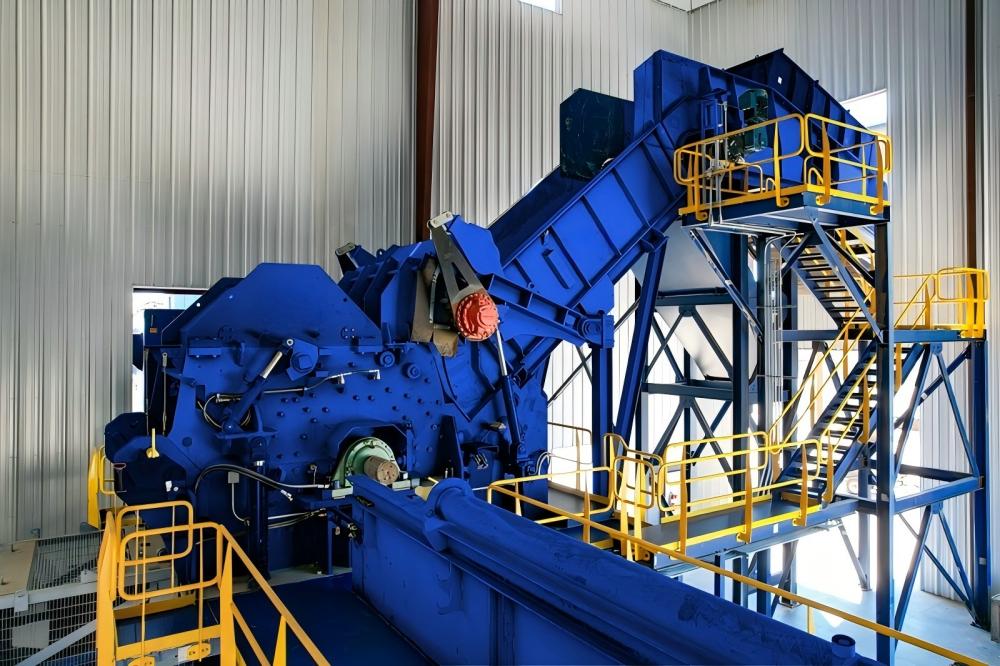
Furthermore, air classification systems (Z-box or air knives) are often configured to remove “fluff”—lightweight materials like plastics, foam, and fabric—from the metal stream. In high-volume scrap processing, the purity of the final output is a primary pricing factor at the smelter. A well-configured shredder line that produces a 98% pure ferrous or non-ferrous stream will pay for itself much faster than a basic machine that leaves high levels of contamination.
Hidden Costs of Operating a Hammer Shredder
When planning for Hammer Shredder Buying High-Volume Scrap Processing Material Separation, many buyers overlook the operational costs that accumulate over time. Electricity is the most prominent hidden cost. A large shredder running for 8 to 16 hours a day can result in monthly utility bills reaching tens of thousands of dollars. Implementing soft starters or variable frequency drives (VFDs) can mitigate peak demand charges, but these add to the initial machine cost.
Wear and tear are inevitable in scrap processing. Hammers, liners, and grates are sacrificial components. Depending on the abrasiveness of the scrap (e.g., sandy engine castings vs. clean aluminum extrusions), hammers may need to be rotated or replaced every 40 to 100 hours of operation. The cost of these consumables, combined with the labor and downtime required to change them, must be factored into the cost-per-ton calculation. A machine with a hydraulic housing that opens fully provides better access, reducing maintenance time from hours to minutes.
Environmental and regulatory compliance also carries hidden costs. High-volume shredding generates significant dust and noise. Depending on local zoning laws, you may need to invest in advanced baghouse dust collection systems, sound-dampening enclosures, or water misting systems for fire suppression and dust control. Additionally, the disposal of “shredder residue” (the non-metallic waste left after separation) can incur significant landfill fees, which should be estimated based on the expected waste percentage of your input material.
ROI Calculation: Measuring the Value of High-Volume Shredding
Calculating the Return on Investment (ROI) for a hammer shredder involves comparing the “spread” between the cost of raw scrap and the selling price of processed, separated material. For example, unprocessed mixed scrap might sell for $150 per ton, while clean, densified ferrous shred might command $350 per ton, and recovered aluminum could fetch over $1,200 per ton. The ROI is driven by the machine’s ability to maximize the recovery of these high-value fractions while minimizing the cost of processing.
To calculate the ROI, use the following formula: Annual Profit = (Throughput per Hour × Operating Hours per Year × (Value of Processed Material – Cost of Raw Scrap)) – (Annual Operating Costs + Depreciation). Operating costs must include labor, electricity, wear parts, and maintenance. A high-efficiency HARSLE shredder that increases throughput by 15% or improves non-ferrous recovery by 5% can often pay for the price difference between a premium and a budget machine within the first year of operation.
Another factor in ROI is the “densification” of the material. Shredded scrap has a much higher bulk density than loose scrap, which significantly reduces transportation costs. If you are shipping material to a smelter or an export port, the ability to fit more weight into a standard container or truck can save thousands of dollars annually, further accelerating the payback period of the equipment.
Buying Advice for Industrial Scrap Processors
When entering the market for a hammer shredder, the first step is to perform a thorough analysis of your feed material. A machine optimized for electronic waste will fail miserably if fed heavy structural steel. Request a material test from the manufacturer; reputable suppliers like HARSLE often allow customers to send samples of their specific scrap to verify throughput and separation purity before a purchase is finalized.
Evaluate the structural integrity of the machine frame. For high-volume processing, the frame should be constructed from heavy-plate steel with reinforced stress points. Look for features like vibration-damping mounts, which protect the foundation of your facility from the intense oscillations generated by the rotor. Furthermore, ensure the hydraulic system is robust; it should not only handle the opening of the chamber but also power the feed rollers or rams that force material into the path of the hammers.
Finally, consider the after-sales support and parts availability. A hammer shredder is a high-impact machine that will require parts. Choosing a manufacturer with a global footprint and a stocked warehouse of hammers, pins, and liners is critical. Downtime in a high-volume facility can cost thousands of dollars per hour, making the reliability of the supply chain just as important as the reliability of the machine itself.
Frequently Asked Questions (FAQ)
What is the typical lifespan of hammers in a high-volume shredder?
The lifespan of hammers depends entirely on the material being processed and the hammer’s composition. For mixed scrap metal, hammers typically last between 50 and 120 hours before they need to be flipped or replaced. Processing highly abrasive materials like glass-contaminated e-waste or sandy castings will shorten this lifespan significantly.
Can a hammer shredder handle whole car engines?
Yes, but only if the machine is specifically rated for it. Processing engine blocks requires a heavy-duty rotor with massive kinetic energy and specialized “heavy” hammers. Smaller shredders intended for light scrap or aluminum will suffer catastrophic failure if fed an engine block. Always check the maximum feed thickness and density specifications.
How does a hammer shredder differ from a twin-shaft shredder?
A twin-shaft shredder is a high-torque, low-speed machine designed for shearing and volume reduction. It is excellent for primary shredding of bulky items. A hammer shredder is a high-speed, high-impact machine designed for densification and material liberation. Hammer shredders are superior for creating a clean, “popcorn-like” metal product and for separating bonded materials (like copper windings from steel laminations).
What maintenance is required daily for high-volume operations?
Daily maintenance should include checking the rotor bearings for heat and lubrication, inspecting the hammers for cracks or excessive wear, and ensuring the discharge grates are not clogged. It is also vital to check the hydraulic fluid levels and inspect the belts or couplings for proper tension and alignment.
Is it necessary to have an eddy current separator?
If your scrap stream contains non-ferrous metals like aluminum, copper, or brass, an eddy current separator is highly recommended. While the initial cost is high, the ability to automatically recover these valuable metals from the waste stream provides a massive boost to the profitability of high-volume scrap processing operations.
How do I choose the right motor size?
Motor size should be determined by your required throughput and the toughest material you plan to process. As a rule of thumb, high-volume metal shredding requires approximately 15-25 HP (11-18 kW) per ton of hourly throughput. However, this varies based on the density and thickness of the scrap.


