
How to Compare Hammer Shredder Machines Before Purchase: A Guide for B2B Buyers

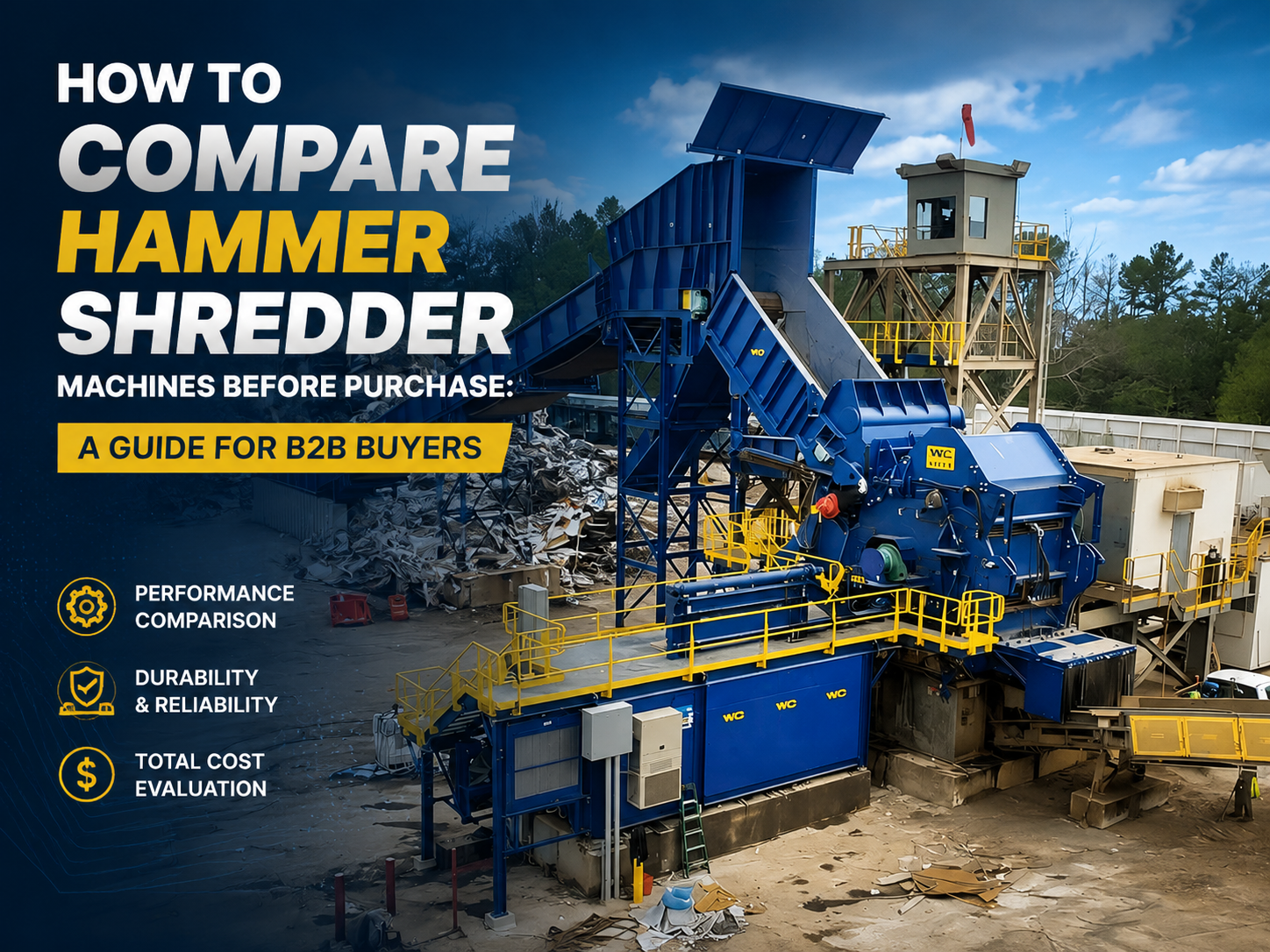
Introduction to Hammer Shredder Procurement for B2B Buyers
In the rapidly evolving landscape of metal recycling and waste management, the hammer shredder stands as a cornerstone of industrial efficiency. For B2B buyers, the decision to invest in a hammer shredder is not merely a purchase but a strategic move to enhance operational throughput and material purity. However, the market is saturated with various models, capacities, and technical configurations, making the process to Compare Hammer Shredder Machines Before Purchase: A B2b Buyers guide essential for making an informed decision.
A hammer shredder, often referred to as a hammer mill in certain contexts, utilizes high-speed rotating hammers to impact and break down materials such as scrap metal, electronic waste, and industrial byproducts. The goal is to achieve a specific grain size while separating ferrous from non-ferrous materials. Because these machines represent a significant capital expenditure, understanding the nuances of their design, performance metrics, and long-term maintenance requirements is critical for ensuring a high return on investment (ROI).
At HARSLE, we recognize that industrial buyers require more than just a spec sheet; they need a comprehensive understanding of how different features translate into real-world performance. This guide will walk you through the critical comparison points, from initial pricing to the hidden costs of ownership, helping you navigate the complexities of the industrial shredder market.
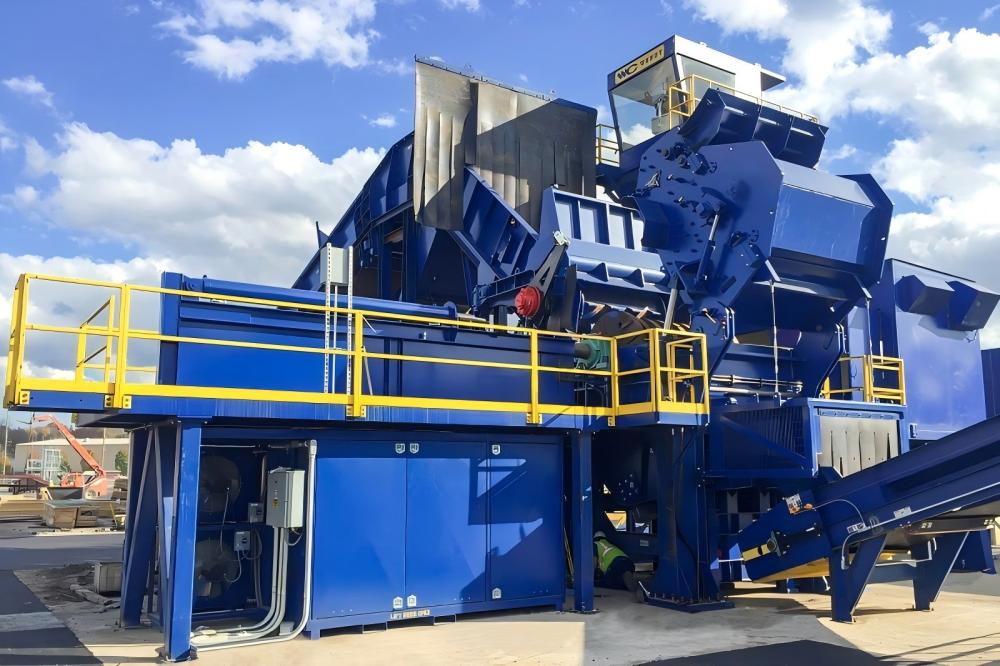
Price Range Overview: Understanding the Market Tiers
When you begin to Compare Hammer Shredder Machines Before Purchase: A B2b Buyers must first categorize machines into price tiers. These tiers are generally defined by processing capacity (tons per hour), motor power, and the robustness of the chassis. Understanding where your needs fall within these ranges will help you filter out machines that are either underpowered for your application or unnecessarily expensive.
Entry-Level Shredders ($15,000 – $45,000): These are typically smaller units designed for light scrap, electronic waste (E-waste), or aluminum cans. They usually feature motors ranging from 30kW to 75kW and have a throughput of 1 to 3 tons per hour. While affordable, they may lack the heavy-duty liners and advanced hydraulic systems found in larger models.
Mid-Range Industrial Shredders ($50,000 – $150,000): This is the most common category for medium-sized recycling facilities. These machines are capable of handling light steel scrap, car bodies (pre-cut), and large volumes of non-ferrous metals. They feature reinforced rotors, sophisticated control systems, and throughputs ranging from 5 to 15 tons per hour. HARSLE’s mid-range models often focus on balancing energy efficiency with high impact force.
High-End Heavy-Duty Systems ($150,000 – $500,000+): These are massive installations designed for 24/7 operation in large-scale scrap yards. They can process whole automobiles, heavy structural steel, and mixed municipal waste at rates exceeding 30 tons per hour. These systems often include integrated conveyor belts, magnetic separators, and dust suppression systems as part of a complete processing line.
Main Cost Drivers in Hammer Shredder Construction
The price of a hammer shredder is driven by several key engineering factors. When you Compare Hammer Shredder Machines Before Purchase: A B2b Buyers should look closely at the following components to understand why one machine costs significantly more than another despite having similar advertised capacities.
1. Rotor Design and Metallurgy
The rotor is the heart of the shredder. High-quality machines use rotors forged from high-strength alloy steel, often with specialized heat treatments to prevent fatigue. The weight of the rotor contributes to the kinetic energy of the machine; a heavier rotor provides more crushing force but requires a more powerful motor to drive. Buyers should inquire about the rotor’s balancing process, as an imbalanced rotor will lead to premature bearing failure and excessive vibration.
2. Hammer Material and Quantity
Hammers are the primary wear part. Most reputable manufacturers use high-manganese steel (Mn13 or Mn18Cr2) for their hammers. Manganese steel has the unique property of work-hardening; the more it is struck, the harder its surface becomes. The number of hammers and their arrangement (staggered vs. inline) affects the shredding efficiency and the consistency of the output size. A higher count of high-quality hammers increases the initial cost but reduces the frequency of replacements.
3. Motor and Drive System
The motor is often the single most expensive component after the main body. Buyers must choose between electric and hydraulic drives. Electric motors are generally more energy-efficient and easier to maintain, while hydraulic drives offer superior torque control and the ability to reverse the rotor easily in the event of a jam. The inclusion of a soft-start starter or a variable frequency drive (VFD) can add to the cost but significantly protects the electrical grid from power surges.
Configuration Impact: Tailoring the Machine to Your Material
Not all hammer shredders are created equal when it comes to material versatility. The configuration of the machine determines what it can and cannot process effectively. When you Compare Hammer Shredder Machines Before Purchase: A B2b Buyers should evaluate the following configuration options:
- Fixed vs. Swing Hammers: Fixed hammers are bolted directly to the rotor and are ideal for consistent, brittle materials. Swing hammers are pinned and can retract if they hit an un-shreddable object (like a heavy steel shaft), preventing catastrophic damage to the machine. For mixed scrap, swing hammers are almost always the preferred choice.
- Screen and Grate Size: The discharge grate at the bottom of the shredding chamber determines the final product size. Smaller holes produce a finer, more valuable output but reduce the overall throughput and increase wear. Look for machines that offer easily interchangeable grates to adapt to different market demands.
- Hydraulic Opening Mechanisms: High-end shredders feature hydraulic cylinders that allow the upper housing to be opened easily for hammer replacement and maintenance. This feature can reduce downtime from hours to minutes, which is a critical factor in high-volume operations.
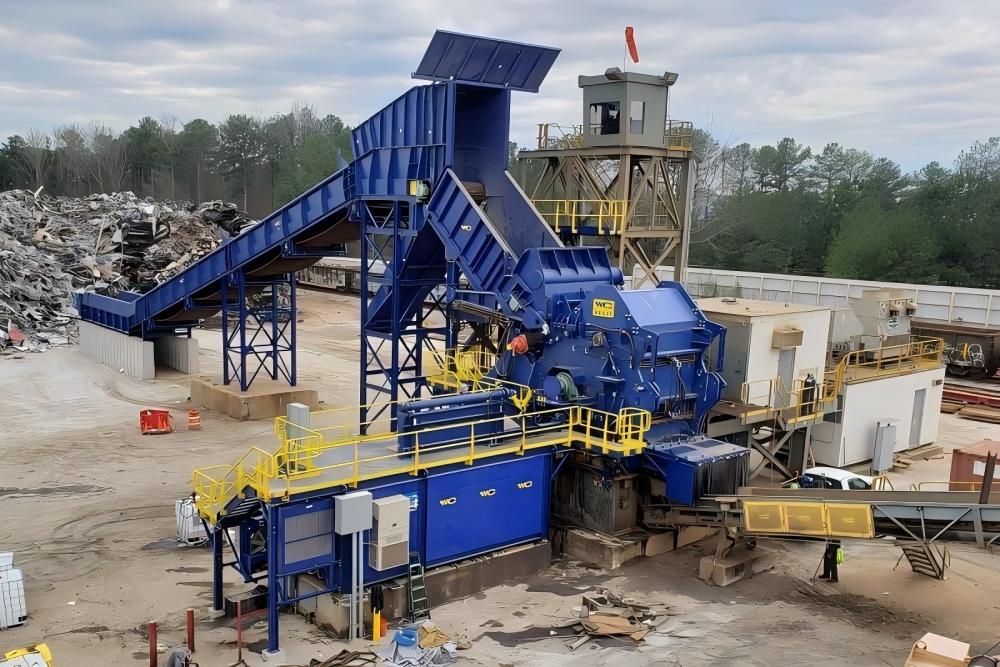
Hidden Costs of Ownership: Beyond the Purchase Price
The “sticker price” of a hammer shredder is only the beginning. To truly Compare Hammer Shredder Machines Before Purchase: A B2b Buyers must account for the Total Cost of Ownership (TCO). These hidden costs can often exceed the initial investment over the life of the machine.
Wear Parts and Consumables
Hammers, liners, and grates are designed to be consumed. Depending on the abrasiveness of the material being processed, hammers may need to be rotated or replaced every few days or weeks. Buyers should ask for a detailed price list of wear parts and an estimate of their lifespan based on specific materials. Using low-quality aftermarket hammers can lead to rotor damage, which is a much more expensive repair.
Energy Consumption
A 200kW motor running 8 hours a day consumes a massive amount of electricity. Machines that are poorly designed or use inefficient drive systems will result in higher monthly utility bills. When comparing machines, look at the “tons processed per kWh” metric. A more expensive, high-efficiency machine may pay for itself in energy savings within the first two years of operation.
Maintenance Labor and Downtime
If a machine is difficult to service, your maintenance team will spend more time on it, and the machine will spend less time producing revenue. Features like automatic lubrication systems, vibration sensors, and easy-access panels are not just luxuries; they are essential tools for minimizing labor costs and preventing unplanned downtime.
ROI Calculation: How to Justify the Investment
For a B2B buyer, the ultimate metric is the Return on Investment (ROI). To calculate this, you need to look at the value added to the scrap material. For example, mixed light scrap might sell for $150 per ton, but shredded, clean, and separated steel might fetch $250 per ton. The $100 difference is your gross margin.
ROI Formula:
Annual Profit = (Throughput per hour × Hours per year × Value increase per ton) – (Operating costs + Maintenance + Labor)
If a $100,000 machine generates an additional $50,000 in profit per year after all expenses, the payback period is 2 years. When you Compare Hammer Shredder Machines Before Purchase: A B2b Buyers should perform this calculation for each model under consideration. A cheaper machine with lower throughput or higher maintenance costs might actually have a longer payback period than a more expensive, high-performance model.
Buying Advice: A Checklist for B2B Procurement
To ensure you select the right hammer shredder for your facility, follow this professional procurement checklist:
- Define Your Feedstock: Be specific about what you are shredding. Provide samples to the manufacturer if possible. A machine optimized for aluminum will struggle with stainless steel.
- Verify Manufacturer Reputation: Research the manufacturer’s history. Do they specialize in shredders, or is it a side product? HARSLE, for instance, has a long-standing reputation in metal fabrication and recycling machinery.
- Request a Live Demo or Video: Never buy a shredder based on a brochure alone. Request a video of the machine processing material similar to yours, or visit a reference site.
- Check Spare Parts Availability: Ensure the manufacturer maintains a local or rapidly shippable stock of hammers, pins, and liners. Waiting six weeks for a part from overseas can be devastating for business.
- Evaluate the Control System: Modern shredders should have PLC controls with overload protection. If the machine hits an un-shreddable object, the system should automatically stop or reverse to prevent damage.
- Consider the Full Line: Does the shredder come with a feeding conveyor and a magnetic discharge belt? Buying a complete system from one vendor ensures compatibility and simplifies support.
Frequently Asked Questions (FAQ)
What is the typical lifespan of a hammer shredder?
With proper maintenance and regular replacement of wear parts, the main chassis and rotor of a high-quality hammer shredder can last 10 to 15 years or more. The lifespan is heavily dependent on the volume and type of material processed.
Can a hammer shredder handle heavy structural steel?
Generally, no. Hammer shredders are designed for “light to medium” scrap. Heavy structural steel (like I-beams or thick plate) should be processed with a shear or a pre-shredder before entering the hammer mill to prevent damage to the hammers and rotor.
How often do the hammers need to be replaced?
This varies wildly. For clean aluminum, hammers might last several weeks. For contaminated electronic waste or sandy scrap, they might need attention every 40-80 hours of operation. Most hammers can be flipped to use the other side before needing full replacement.
Is an electric or hydraulic drive better?
Electric drives are more common due to their efficiency and lower maintenance. Hydraulic drives are better for applications where the machine frequently encounters non-shreddable items, as they handle stalls and reversals more gracefully.
What safety features should I look for?
Essential safety features include emergency stop buttons, vibration monitoring (to detect rotor imbalance), safety interlocks on all access doors, and a ballistic chute to catch any metal fragments that might be ejected from the feed hopper.
Conclusion
To Compare Hammer Shredder Machines Before Purchase: A B2b Buyers must look beyond the initial price tag and delve into the technical specifications, material quality, and long-term operational costs. By focusing on the rotor design, hammer metallurgy, and the specific needs of your feedstock, you can select a machine that not only performs reliably but also maximizes your facility’s profitability. At HARSLE, we are committed to providing high-performance shredding solutions that stand the test of time. Whether you are upgrading an existing line or starting a new recycling venture, choosing the right partner is the first step toward success.


