Hydraulic Alligator Shear Explained: Structure, Working Principle, and Advantages

Technical Overview of the Hydraulic Alligator Shear
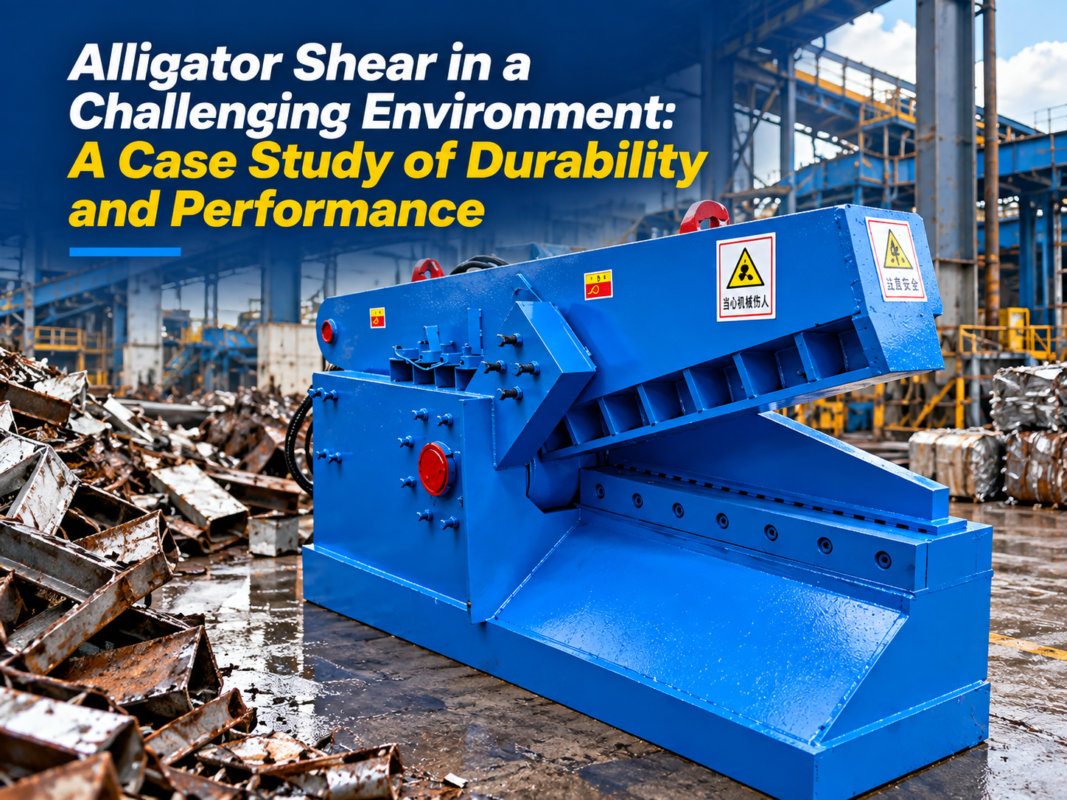
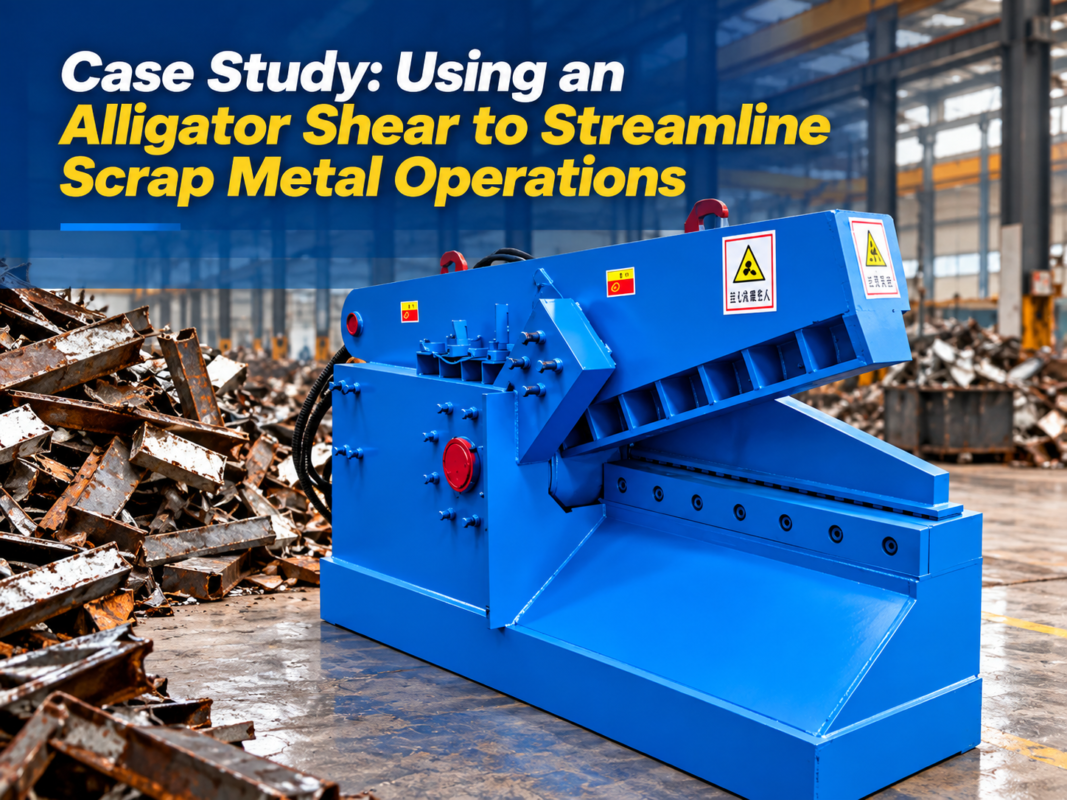
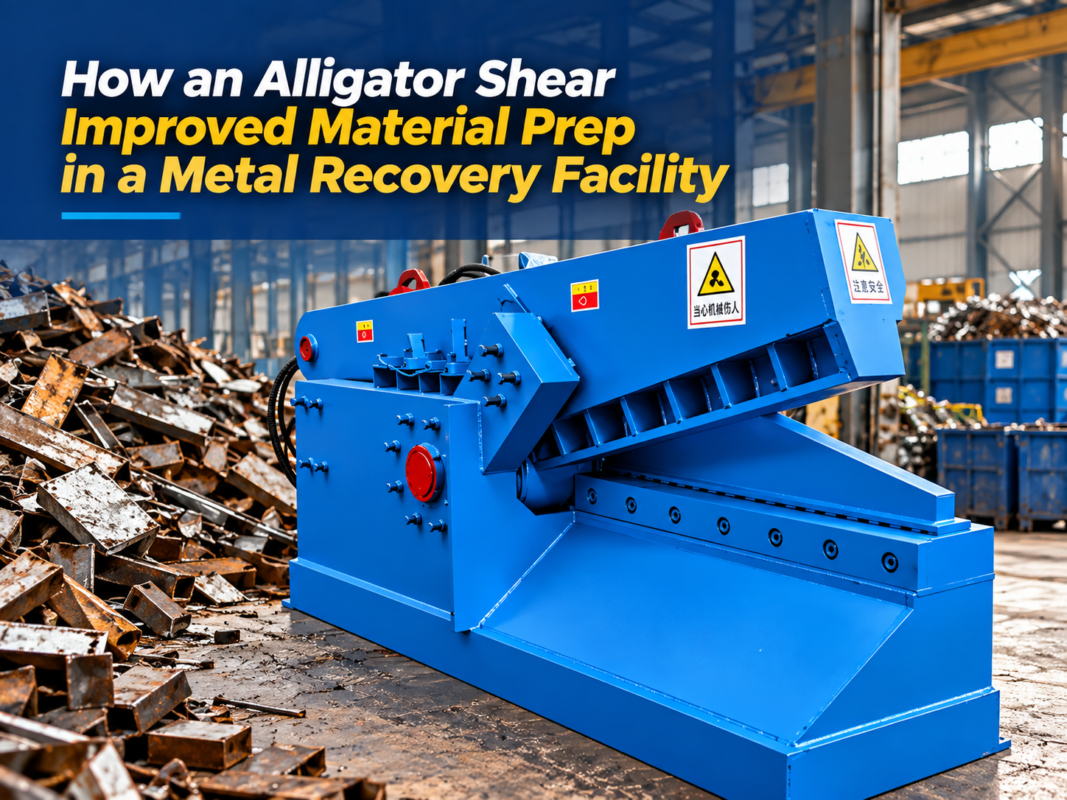
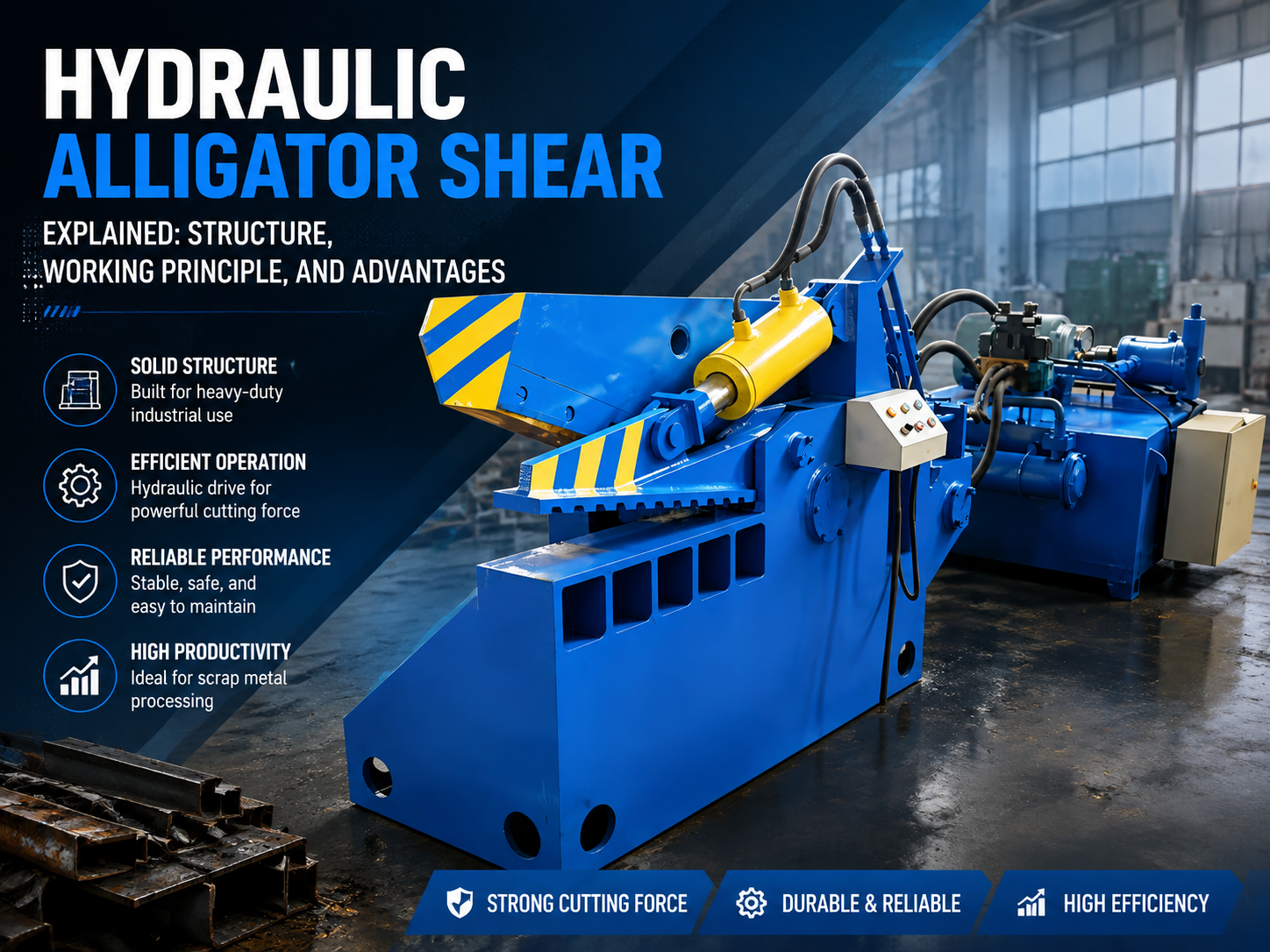
The hydraulic alligator shear, often referred to as a crocodile shear in the recycling industry, is a fundamental piece of equipment designed for the cold shearing of various metal shapes and scrap materials. Unlike large-scale gantry shears that require significant floor space and massive foundations, the alligator shear is a compact, versatile, and highly efficient solution for small to medium-sized metal recycling yards and fabrication shops. At HARSLE, we have refined the design of these machines to ensure they meet the rigorous demands of modern industrial environments, focusing on durability and ease of operation.
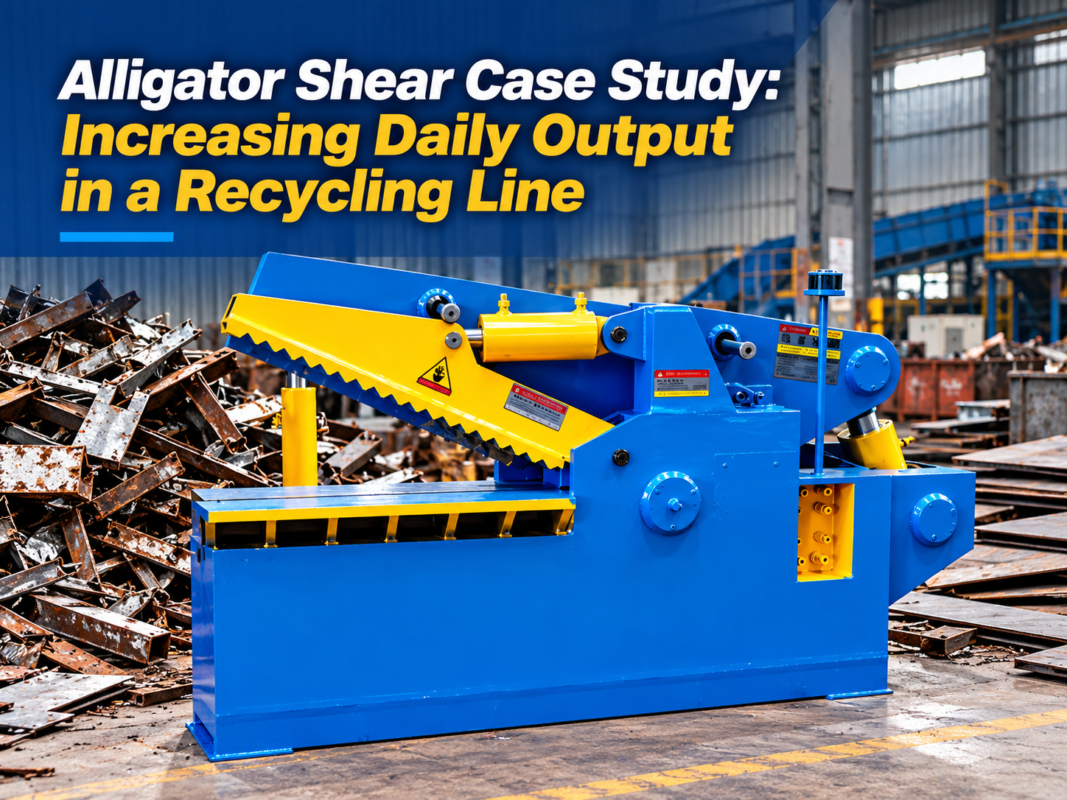
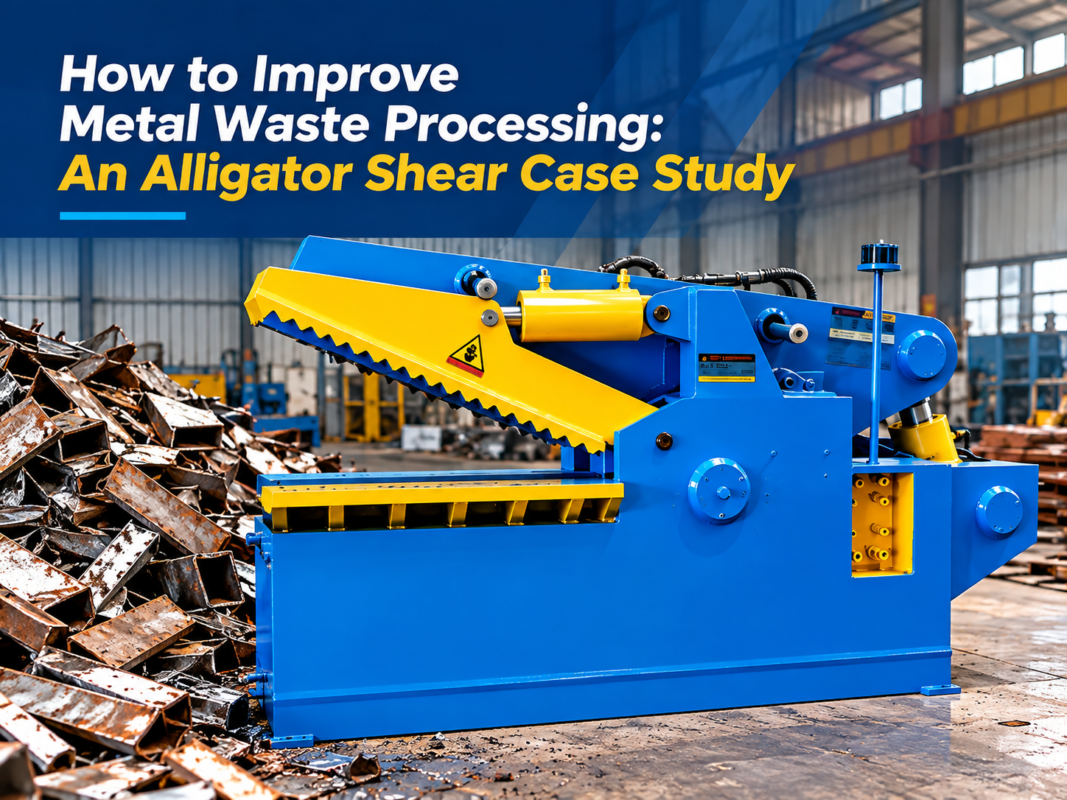
The primary function of an alligator shear is to reduce the size of scrap metal, such as steel pipes, angle iron, aluminum extrusions, and copper cables, into manageable pieces that can be easily transported or fed into melting furnaces. The machine derives its name from the characteristic movement of its shearing arm, which mimics the opening and closing of an alligator’s jaw. This mechanical action is powered by a sophisticated hydraulic system that converts electrical energy into high-pressure fluid force, providing the necessary tonnage to slice through thick metal sections with precision.
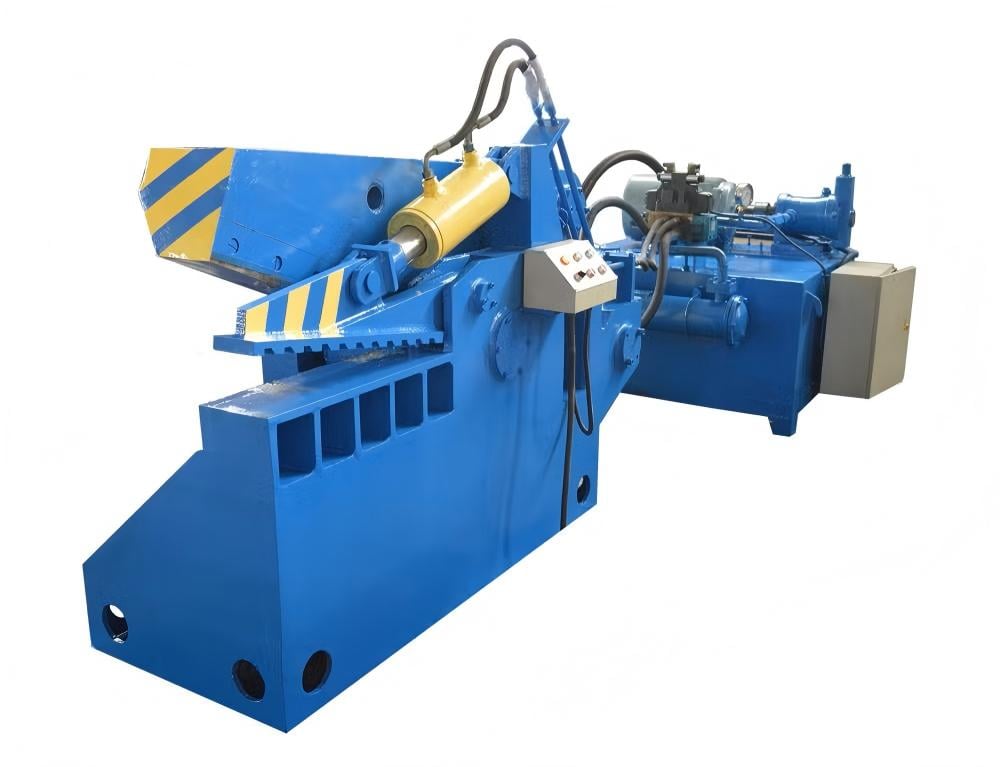
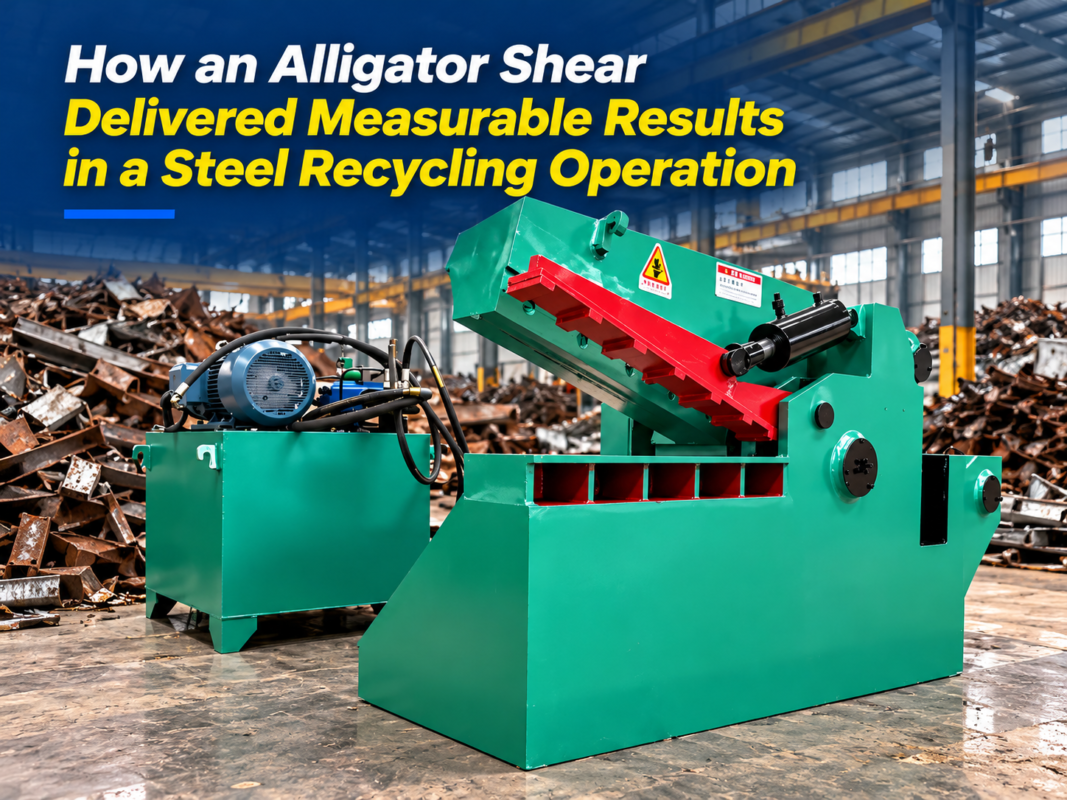
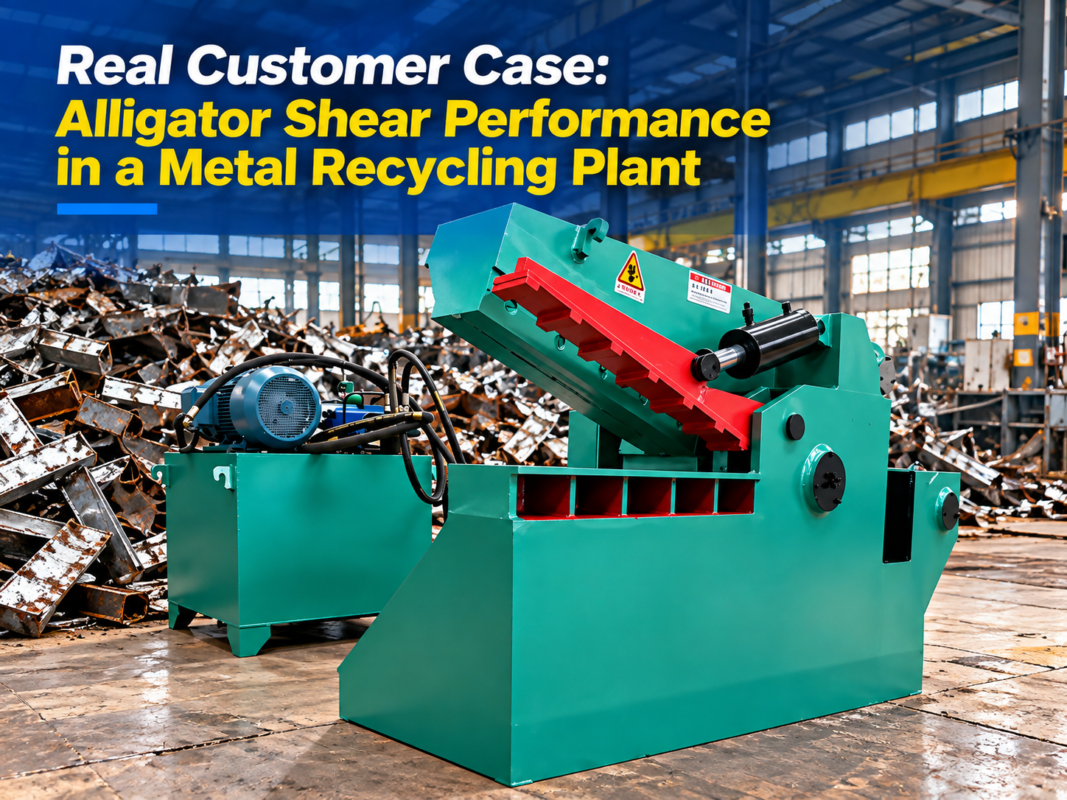
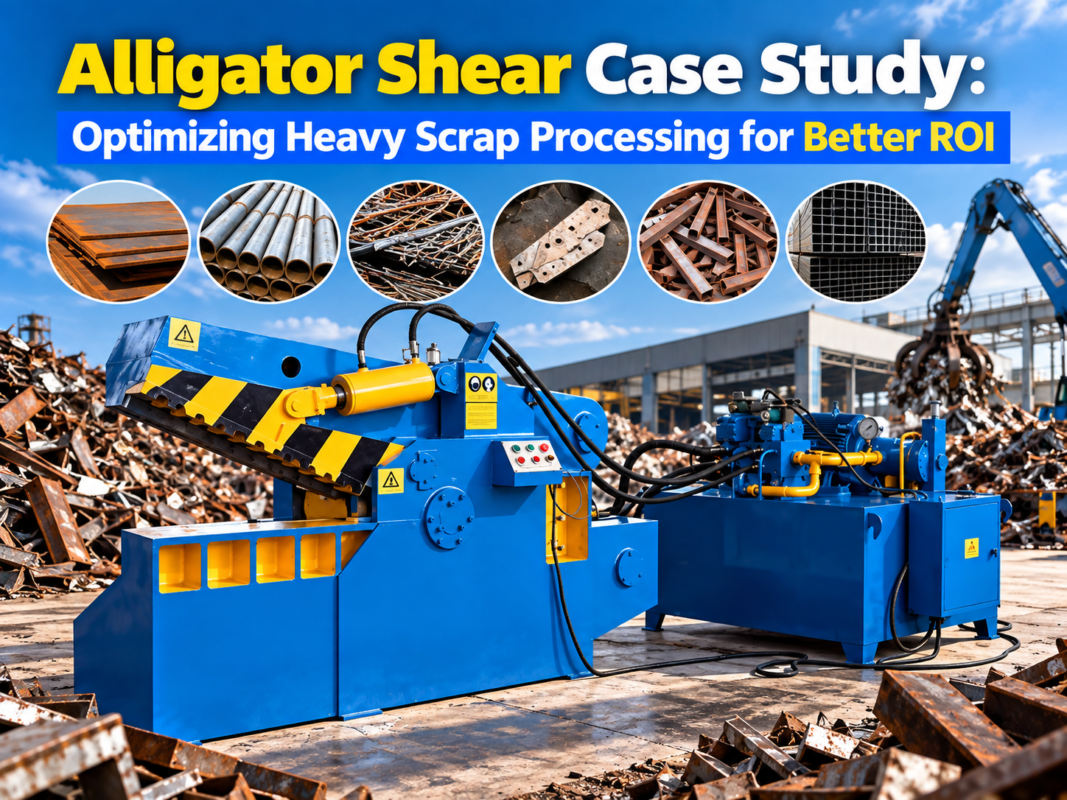
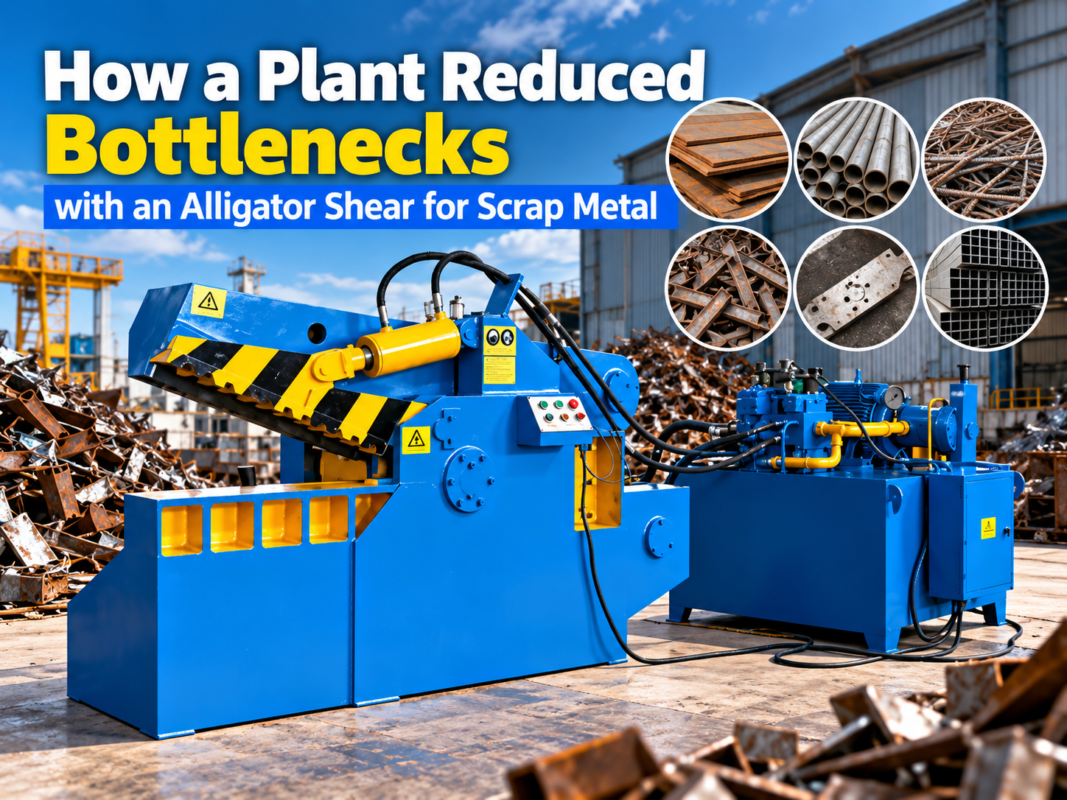
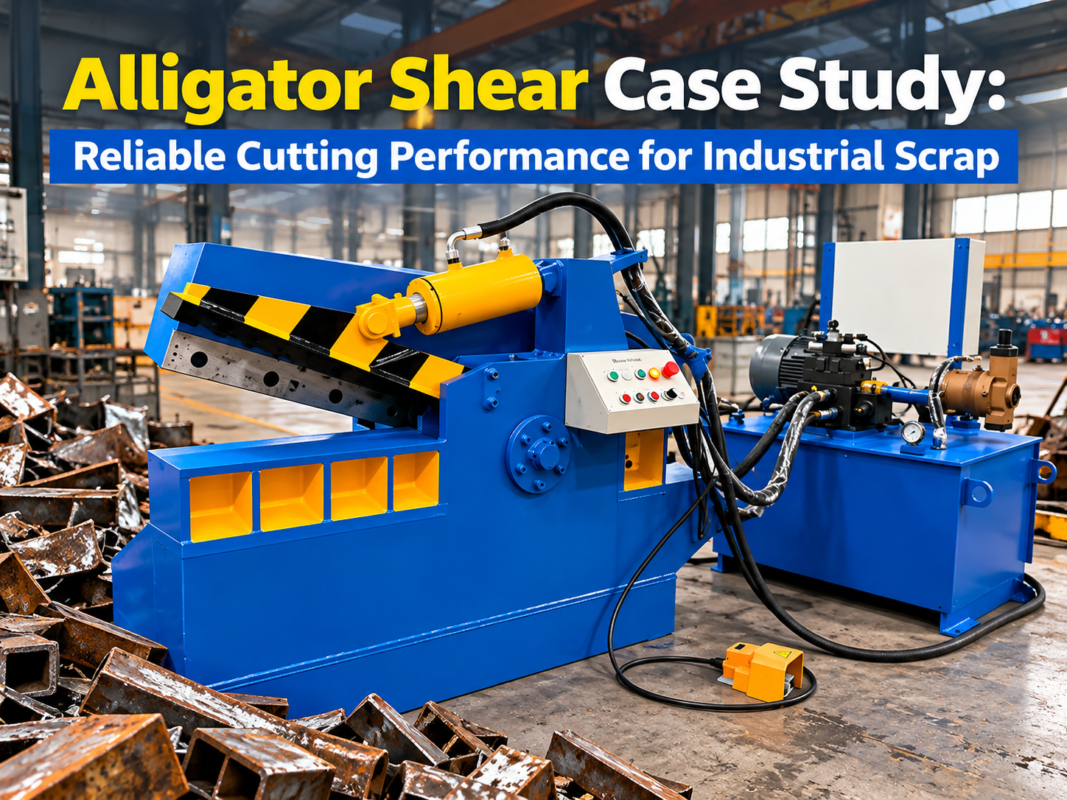
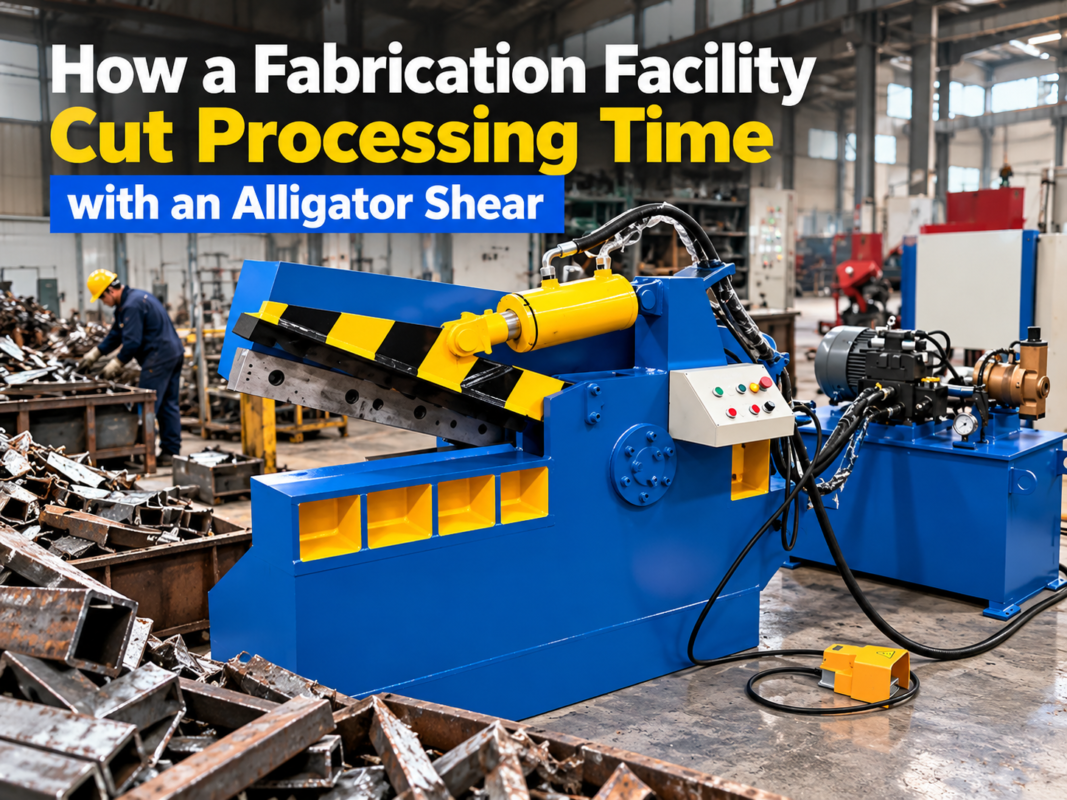
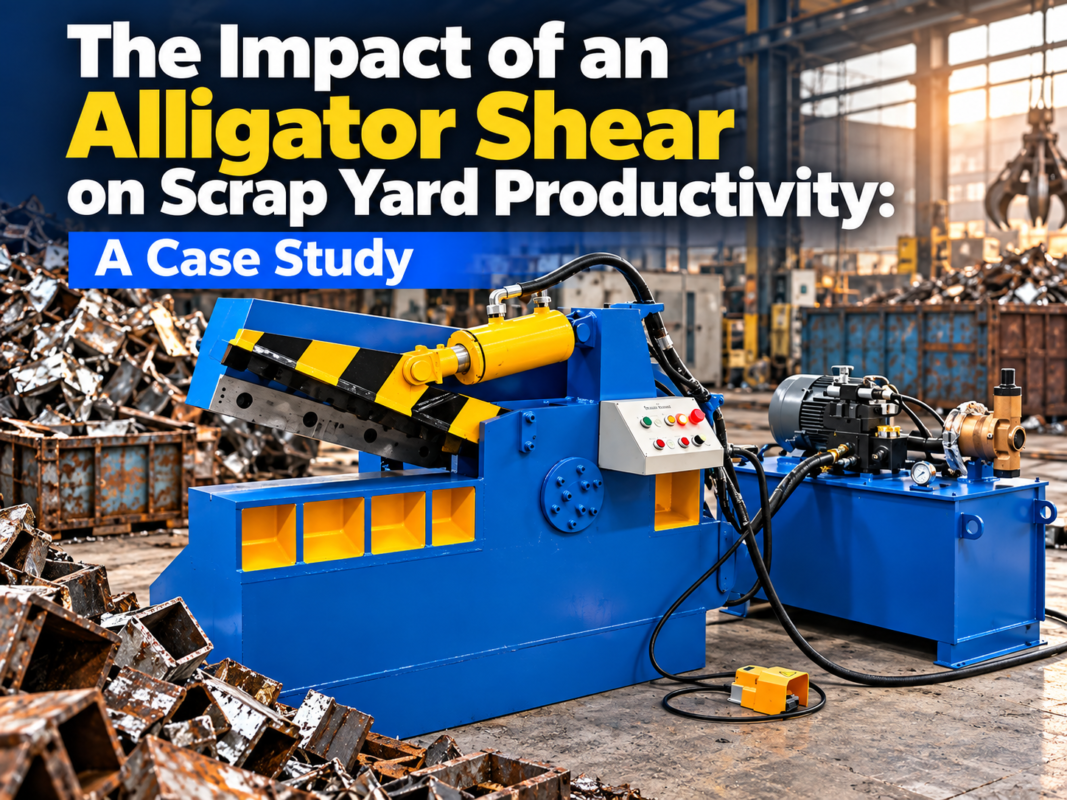
Structurally, the machine consists of several key assemblies: the main frame, the moving shear arm, the hydraulic cylinder, the pressing device, and the power unit. The frame is typically constructed from high-strength welded steel plates or heavy-duty castings to withstand the immense reactive forces generated during the shearing process. The moving arm is pivoted on a large-diameter shaft, supported by high-wear-resistant bushings. This pivot point is the heart of the machine’s mechanical advantage, allowing the hydraulic cylinder to exert maximum force at the blade edge.
The hydraulic system is the lifeblood of the alligator shear. It includes a high-pressure pump, a motor, a reservoir, and a series of valves that control the flow and pressure of the hydraulic oil. Modern HARSLE alligator shears often feature integrated hydraulic units that minimize piping, reducing the risk of leaks and simplifying maintenance. The use of high-quality seals and precision-ground cylinders ensures that the machine maintains consistent pressure throughout its service life, even under continuous heavy-duty cycles.
Core Components and Their Functions
Understanding the internal structure is crucial for operators and maintenance personnel. The shearing blades are perhaps the most critical consumable component. These are usually made from high-alloy tool steel, such as Cr12MoV or 9CrSi, which undergo specialized heat treatment to achieve the perfect balance of hardness and toughness. The blades are four-sided, meaning they can be rotated to use all four edges before requiring regrinding, significantly extending their operational lifespan.
Another vital component is the hold-down or pressing device. Before the shearing blade makes contact with the material, the pressing device descends to secure the scrap metal firmly against the lower blade bed. This prevents the material from kicking up or sliding during the cut, which not only ensures a cleaner shear but also protects the operator from flying debris and prevents damage to the machine’s pivot bearings. In many HARSLE models, this pressing action is synchronized with the shearing stroke for maximum efficiency.
Working Principle: From Fluid Power to Mechanical Force
The working principle of a hydraulic alligator shear is based on Pascal’s Law, which states that pressure applied to a confined fluid is transmitted undiminished in every direction. In the context of the shear, an electric motor drives a hydraulic pump (usually a piston or vane pump), which draws oil from the reservoir and forces it into the system at high pressure. This pressurized oil is directed by a solenoid valve or a manual control lever into the rear chamber of the main hydraulic cylinder.
As the oil fills the cylinder, it pushes the piston forward. The piston rod is connected to the rear end of the alligator’s upper jaw (the moving arm). Because the arm is pivoted in the middle or near the front, the forward movement of the piston rod causes the front end of the arm—where the blade is mounted—to descend with immense force. This is the “cutting stroke.” The mechanical advantage provided by the lever arm allows a relatively small cylinder to generate hundreds of tons of shearing force at the blade tip.
Once the cut is completed, the control valve reverses the flow of oil, directing it into the front chamber of the cylinder while allowing the oil in the rear chamber to return to the reservoir. This retracts the piston rod, lifting the upper jaw back to its starting position. This cycle can be performed manually for single cuts or set to an automatic continuous mode for high-volume processing. The speed of the cycle is determined by the flow rate of the pump, while the cutting force is determined by the system pressure and the diameter of the cylinder.
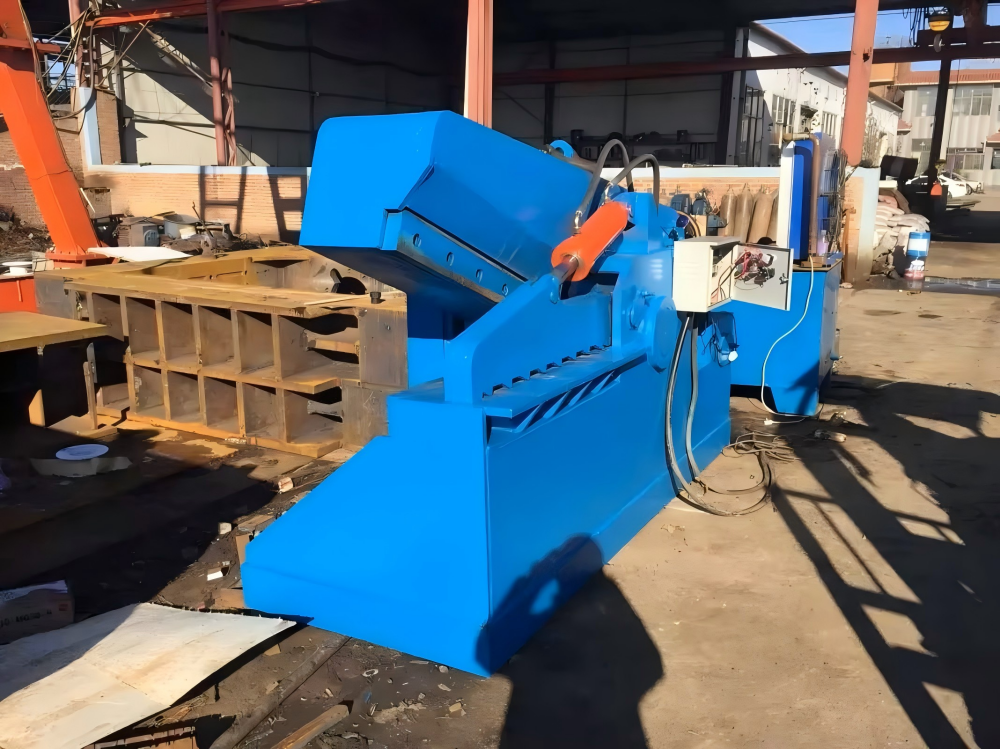
Safety is integrated into the working principle through pressure relief valves. If the machine attempts to cut a piece of material that exceeds its rated capacity, the pressure in the system will rise until it reaches a pre-set limit. At this point, the relief valve opens, bypassing the oil back to the tank and preventing structural failure or motor burnout. This inherent safety feature makes hydraulic shears much safer and more reliable than older mechanical flywheel-driven shears, which could shatter if overloaded.
Advantages of Using Hydraulic Alligator Shears
The transition from manual cutting or mechanical shears to hydraulic alligator shears offers numerous advantages for metal fabrication and recycling businesses. The most prominent advantage is the **versatility of material handling**. Alligator shears can handle a wide variety of shapes—round bars, square tubes, H-beams, and flat plates—without needing specialized dies or setups. This makes them the “Swiss Army Knife” of the scrap yard.
Secondly, the **cold shearing process** is a significant benefit. Unlike torch cutting or plasma cutting, shearing does not involve heat. This means there is no heat-affected zone (HAZ) on the metal, no hazardous fumes or smoke are produced, and there is no risk of fire from sparks. This makes the workplace safer and more environmentally friendly. Furthermore, the cut edges are clean and do not require secondary grinding, which is essential if the scrap is being sold as high-quality feedstock for foundries.
Another advantage is **operational efficiency and cost-effectiveness**. Hydraulic alligator shears are designed for low energy consumption relative to their output. HARSLE machines utilize high-efficiency motors and optimized hydraulic circuits to ensure that power is only consumed when the machine is actually cutting. The maintenance requirements are also relatively low; aside from regular lubrication of the pivot points and monitoring the hydraulic oil quality, the primary task is simply rotating or sharpening the blades.
Finally, the **compact footprint and ease of installation** cannot be overlooked. Most alligator shears are self-contained units that do not require a deep foundation. They can be moved around a facility with a forklift and set up quickly. This flexibility allows business owners to reorganize their floor space as their production needs change. Additionally, the intuitive controls—often featuring a foot pedal—allow operators to be trained quickly, reducing labor costs and increasing throughput.
Core Parameters of Alligator Shears
When evaluating a hydraulic alligator shear, several technical parameters define its capability and suitability for specific tasks. Understanding these parameters is essential for selecting the right model from the HARSLE lineup.
- Shear Force (Tonnage): This is the maximum force the machine can exert at the blades. It typically ranges from 63 tons to over 500 tons. The required tonnage depends on the thickness and tensile strength of the material you intend to cut.
- Blade Length: The length of the cutting blades determines the maximum width of the material that can be sheared in a single stroke. Common lengths range from 400mm to 1200mm. Longer blades are useful for wide plates or large-diameter pipes.
- Max Blade Opening: This is the distance between the upper and lower blades when the jaw is fully open. It dictates the maximum height or diameter of the scrap material that can be inserted into the shear.
- Stroke Frequency: Measured in cuts per minute (cpm), this indicates the speed of the machine. Higher speeds are better for thin materials and high-volume production, while slower speeds are typical for high-tonnage machines cutting thick sections.
- Motor Power: The kilowatt (kW) rating of the electric motor determines the energy consumption and the ability of the pump to maintain flow under pressure.
Calculation Method for Shearing Force
To ensure you are using the correct machine for your material, you can use a simplified formula to estimate the required shearing force. The force required to shear a piece of metal depends on the cross-sectional area of the cut and the shear strength of the material.
The basic formula is: F = L × T × σs
Where:
- F is the shearing force (in Newtons or converted to Tons).
- L is the length of the cut (or the width of the material).
- T is the thickness of the material.
- σs is the shear strength of the material (usually about 75-80% of the ultimate tensile strength).
For example, if you are cutting a mild steel plate that is 20mm thick and 100mm wide, and the shear strength of mild steel is approximately 350 MPa (N/mm²):
F = 100mm × 20mm × 350 N/mm² = 700,000 N.
To convert Newtons to Metric Tons, divide by 9,806: 700,000 / 9,806 ≈ 71.4 Tons. In this case, a 100-ton alligator shear would be the appropriate choice to provide a safety margin and ensure clean cuts.
Parameter Table: HARSLE Q43 Series Comparison
The following table provides a snapshot of common specifications for the Q43 series of hydraulic alligator shears, which are industry standards for scrap metal processing.
| Model | Shear Force (kN) | Blade Length (mm) | Max Opening (mm) | Stroke Rate (times/min) | Power (kW) |
|---|---|---|---|---|---|
| Q43-63 | 630 | 600 | 320 | 8-12 | 7.5 |
| Q43-100 | 1000 | 700 | 350 | 8-12 | 11 |
| Q43-120 | 1200 | 800 | 400 | 8-10 | 15 |
| Q43-160 | 1600 | 800 | 450 | 8-10 | 18.5 |
| Q43-200 | 2000 | 1000 | 500 | 6-8 | 22 |
| Q43-250 | 2500 | 1200 | 550 | 6-8 | 30 |
Common Engineering and Operational Mistakes
Even with a robust machine like a HARSLE alligator shear, certain mistakes can lead to premature wear or dangerous failures. One of the most common engineering mistakes is **incorrect blade clearance**. The gap between the upper and lower blades must be adjusted based on the thickness of the material. If the gap is too wide, the metal will bend or “fold” between the blades rather than shearing, causing immense lateral stress on the pivot pin. If it is too tight, the blades will rub against each other, leading to rapid dulling and potential chipping.
Another frequent error is **ignoring hydraulic oil temperature**. During continuous operation, the friction of the oil moving through valves and the pump generates heat. If the oil exceeds 60°C (140°F), its viscosity drops, leading to poor lubrication of internal pump components and accelerated wear of the hydraulic seals. Operators should ensure the cooling system (if equipped) is functioning and that the oil is changed according to the manufacturer’s schedule to prevent contamination-related failures.
Finally, **overloading the machine** by attempting to cut hardened materials or sections larger than the rated capacity is a recipe for disaster. While the relief valve provides some protection, repeated overloading can cause fatigue cracks in the cast frame or the moving arm. Operators should always be trained to recognize the limits of their specific model and to avoid “shock loading” the machine by dropping heavy scrap onto the blade bed.
Selection Checklist for Buying an Alligator Shear
Choosing the right alligator shear requires a clear understanding of your production needs. Use this checklist to guide your purchase decision:
- Material Type: Are you cutting mostly soft aluminum, structural steel, or hardened rebar? Harder materials require higher tonnage and specialized blade alloys.
- Material Geometry: What is the largest diameter or width you need to cut? Ensure the blade length and max opening can accommodate your largest scrap pieces.
- Production Volume: Do you need a machine for occasional use or 24/7 operation? For high volume, look for models with faster stroke rates and integrated oil coolers.
- Power Supply: Ensure your facility can provide the necessary voltage and amperage for the motor. Some smaller models can run on single-phase power, but most industrial units require three-phase.
- Safety Features: Does the machine include a hold-down device? Is there an emergency stop button within easy reach? Are the moving parts shielded?
- Blade Availability: Choose a manufacturer like HARSLE that provides easy access to replacement blades and parts to minimize downtime.
Frequently Asked Questions (FAQ)
1. How often should I sharpen the blades on my alligator shear?
The frequency of sharpening depends entirely on the material being cut. For soft metals like aluminum, blades may last months. For heavy steel scrap, you might need to rotate the blades every few weeks. Remember, HARSLE blades have four cutting edges; you can rotate them three times before needing a professional regrind.
2. Can I cut stainless steel with a standard alligator shear?
Yes, but you must account for the fact that stainless steel is significantly harder and work-hardens quickly. You will typically need a machine with 50% more tonnage than what is required for the same thickness of mild steel, and you should use blades specifically rated for stainless applications.
3. Why is my shear losing power during the cut?
Loss of power is usually related to the hydraulic system. Check for low oil levels, a clogged suction filter, or a worn-out pump. It could also be a sign that the pressure relief valve is set too low or is leaking internally. Regular maintenance of the hydraulic fluid is the best way to prevent this.
4. Is a manual or automatic control better?
Manual control (via a lever or foot pedal) offers better precision for specific cuts and is safer for irregular scrap. Automatic control is superior for uniform materials where speed is the priority. Most HARSLE machines offer a toggle between these two modes for maximum flexibility.
5. Does the machine require a special foundation?
Most alligator shears are designed to be “plug-and-play.” However, for larger models (250 tons and up), a level concrete floor of at least 200mm thickness is recommended to handle the vibration and weight. Always check the specific installation manual for your model.