Alligator Shear Blade Replacement Guide for Consistent Cutting Accuracy and Productivity

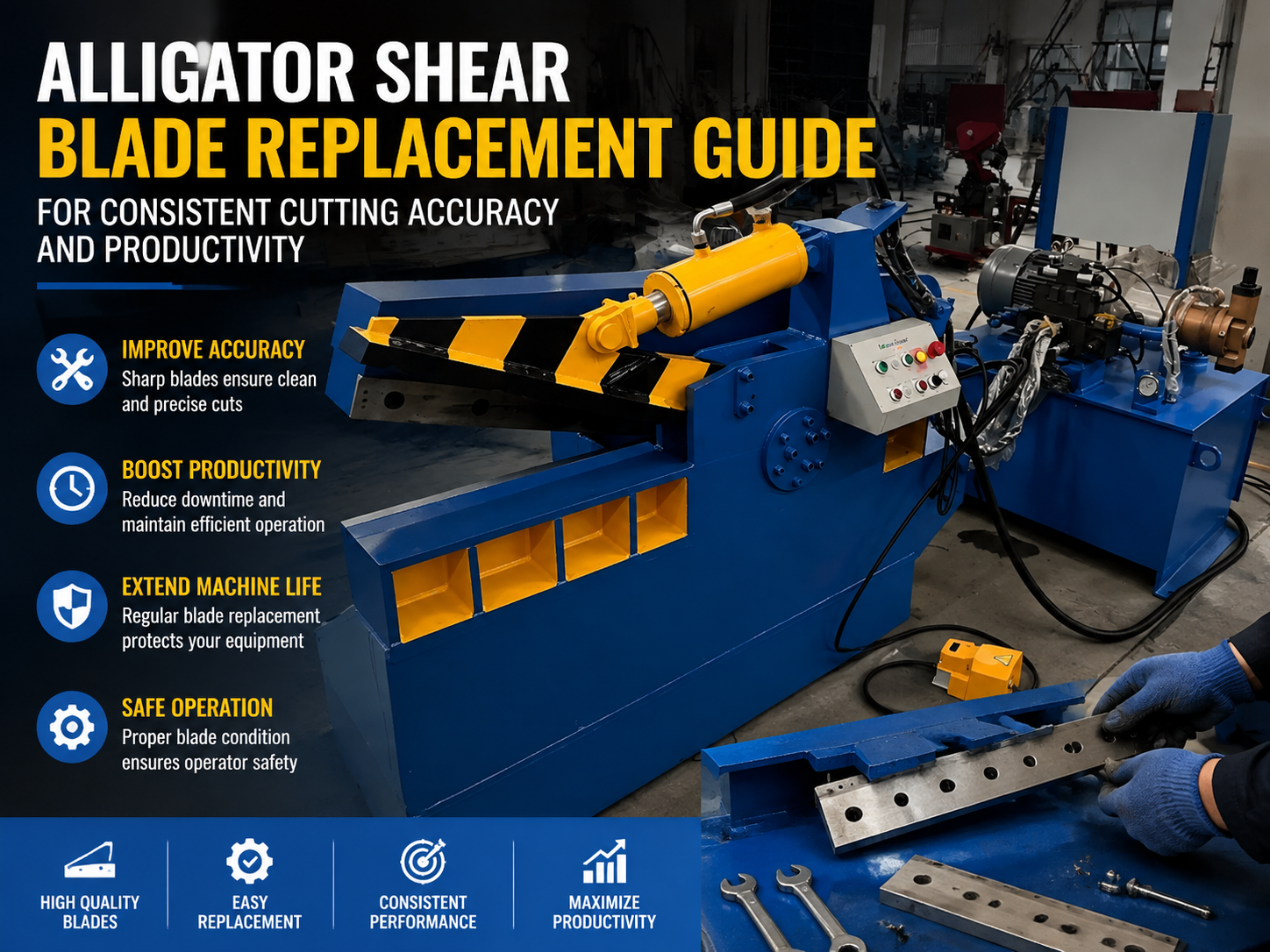
Technical Overview of Alligator Shear Blade Systems
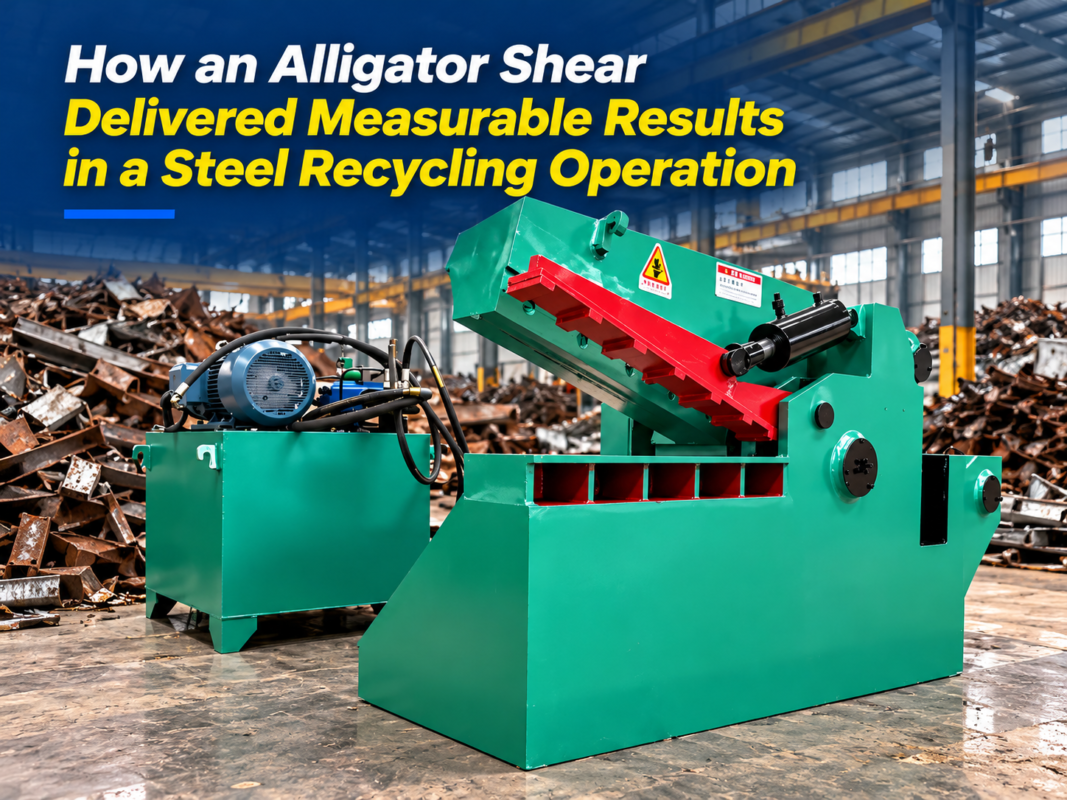
In the demanding world of scrap metal recycling and industrial demolition, the alligator shear stands as a workhorse of efficiency. However, the performance of even the most robust HARSLE alligator shear is fundamentally limited by the condition of its cutting edges. The blade system is not merely a piece of hardened steel; it is a precision-engineered component that must withstand immense compressive forces, frictional heat, and abrasive wear. Understanding the technical nuances of alligator shear blade replacement is essential for maintaining consistent cutting accuracy and maximizing long-term productivity.
The shearing process involves the mechanical separation of material through the application of opposing forces. As the upper jaw descends, the material is subjected to plastic deformation followed by a fracture. When blades become dull or improperly aligned, this fracture becomes irregular, leading to excessive burrs, material deformation, and increased strain on the hydraulic system. A well-maintained blade set ensures that the energy of the machine is focused entirely on the cut, rather than overcoming the resistance of a blunt edge.
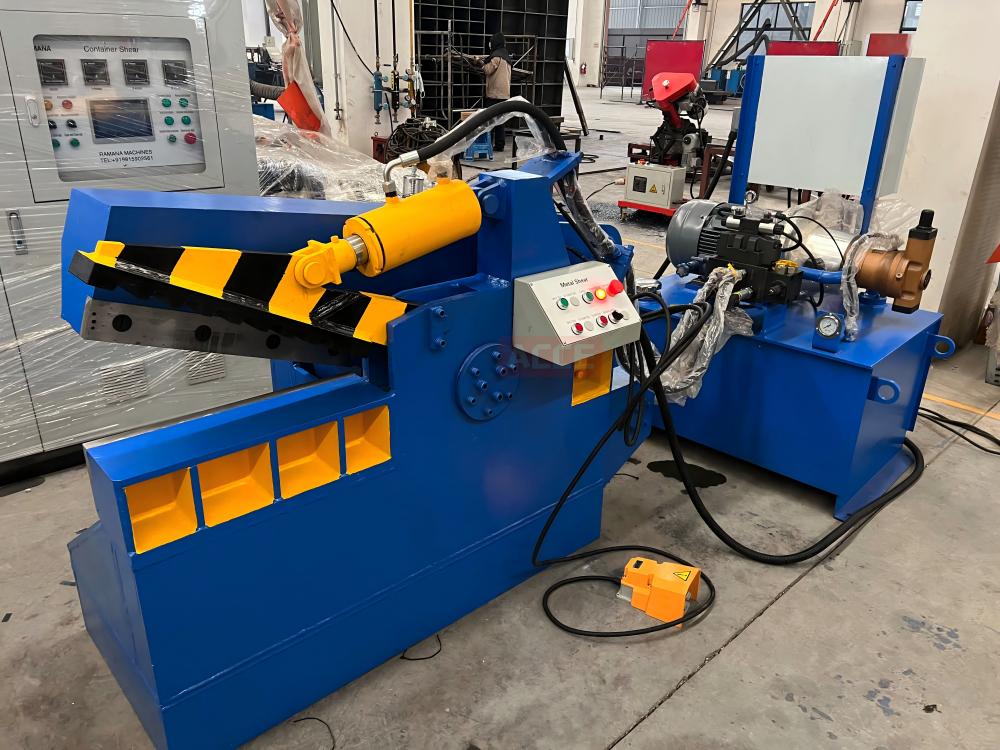
Blade replacement is not just a maintenance task; it is an opportunity to recalibrate the machine for specific material types. Modern alligator shears utilize four-sided or two-sided indexable blades, allowing operators to rotate the blades to a fresh edge before a full replacement is required. This technical guide delves into the specifics of when, why, and how to execute a blade change to ensure your operations remain profitable and safe.
Furthermore, the metallurgy of the blades plays a critical role. Most industrial blades are manufactured from high-alloy tool steels such as Cr12MoV or H13, which are heat-treated to specific Rockwell hardness (HRC) levels. The balance between hardness (to resist wear) and toughness (to resist chipping) is the key to blade longevity. In the following sections, we will explore the core parameters that define a successful blade replacement strategy.
Core Parameters for Blade Performance
To achieve consistent cutting accuracy, several core parameters must be monitored and adjusted during the blade replacement process. The first is the Blade Material Grade. For standard scrap metal, a high-carbon, high-chromium steel is often sufficient. However, for processing harder alloys or stainless steel, specialized shock-resistant tool steels are required to prevent premature cracking under high impact.
The second parameter is Hardness (HRC). Typically, alligator shear blades are hardened to between 52 and 58 HRC. If the blade is too hard, it becomes brittle and may shatter when hitting a hardened shaft or a non-compressible object. If it is too soft, the edge will roll over quickly, leading to poor cut quality and increased hydraulic pressure. HARSLE machines are designed to work optimally with blades that match the specific shear force ratings of the model.
Thirdly, Blade Clearance (the gap between the upper and lower blades) is the most critical factor for accuracy. This gap must be uniform across the entire length of the blade. Incorrect clearance leads to “folding” of thin materials or “chipping” of the blades when processing thick sections. The clearance is usually adjusted using shims or adjustment bolts located on the side of the shear head.
Finally, Fastener Integrity cannot be overlooked. The bolts that secure the blades to the jaw and the bed must be of high tensile strength (usually Grade 12.9) and must be torqued to the manufacturer’s specifications. Loose blades can cause catastrophic failure of the shear arm, while over-tightened bolts may snap under the vibration of heavy cutting cycles.
Calculation Method for Optimal Blade Clearance
Determining the correct blade clearance is a mathematical necessity for achieving a clean cut. The general rule of thumb for alligator shears is that the clearance should be a percentage of the material thickness being cut. For most mild steel applications, the clearance (C) is calculated as follows:
C = k × t
Where:
– C is the blade clearance (mm).
– k is a constant based on the material type (typically 0.05 to 0.10 for mild steel).
– t is the thickness of the material (mm).
For example, if you are primarily shearing 20mm thick mild steel plate, and using a constant of 0.07, the clearance should be set to approximately 1.4mm. However, in scrap yards where material thickness varies wildly, operators often set a “median clearance” based on the most common material size, or they adjust the clearance slightly tighter to accommodate thinner sheets while still allowing for thicker structural beams.
It is also important to consider the tensile strength of the material. Harder materials require a tighter clearance to ensure a clean fracture, whereas softer, more ductile materials may require a slightly larger gap to prevent the material from being drawn into the space between the blades. Regular measurement with feeler gauges at multiple points along the blade length is the only way to ensure this parameter remains consistent after a replacement.
Blade Specification and Parameter Table
The following table provides a reference for selecting blade materials and setting clearances based on the type of scrap being processed. These values are optimized for HARSLE alligator shear models but serve as a general industry standard.
| Material Type | Recommended Blade Steel | Hardness (HRC) | Recommended Clearance (% of t) | Primary Wear Factor |
|---|---|---|---|---|
| Mild Steel / Rebar | Cr12MoV / D2 | 55-58 | 7% – 10% | Abrasive Wear |
| Aluminum / Copper | 9CrSi | 52-55 | 5% – 7% | Material Adhesion |
| Stainless Steel | H13 (Hot Work) | 50-54 | 8% – 12% | Work Hardening |
| Heavy Structural Steel | 6CrW2Si | 54-56 | 10% – 15% | Impact Shock |
Common Engineering Mistakes in Blade Replacement
One of the most frequent mistakes in alligator shear maintenance is neglecting the Blade Seat Condition. Over time, the recessed area where the blade sits (the seat) can become deformed or accumulate debris. If the new blade is installed on an uneven surface, it will not be supported correctly. This leads to localized stress concentrations, which can cause the new blade to crack or the mounting bolts to shear off. Always clean and stone the blade seats before installation.
Another common error is Inconsistent Shimming. When blades are reground, they become thinner. To maintain the correct cutting line, shims are placed behind the blade. If shims of different thicknesses are used along the length of the blade, the cutting edge will not be straight. This results in a “twisting” force during the cut, which damages the shear’s pivot pin and bushings. Always use precision-ground shims that cover the entire back surface of the blade.
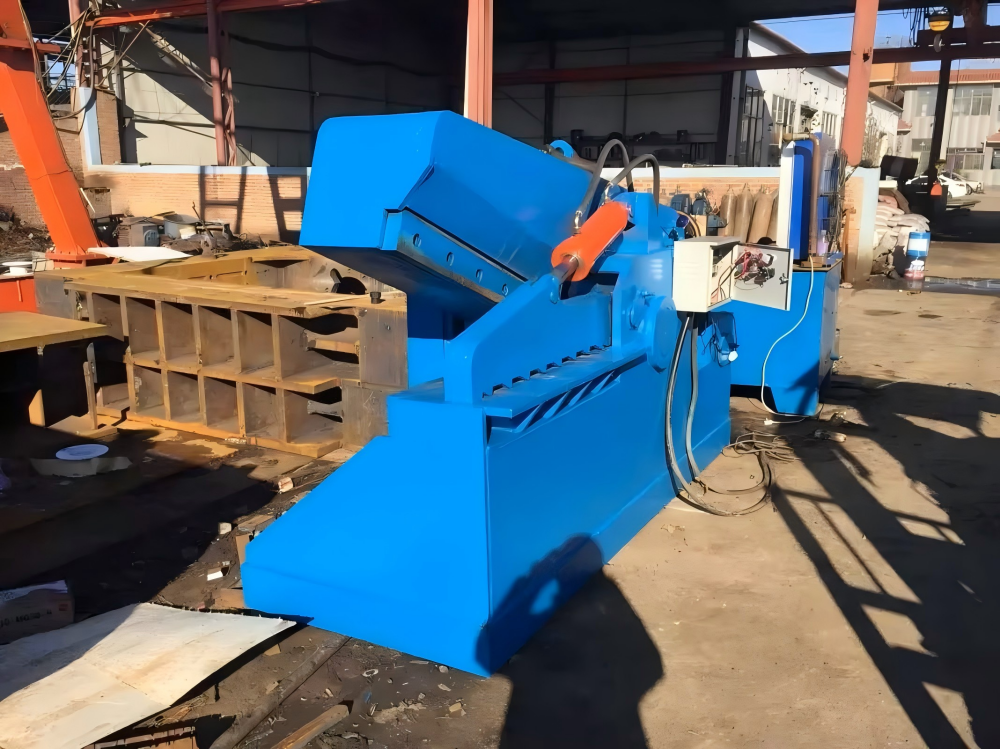
Ignoring the Pivot Pin Play is a third critical mistake. If the main pivot bearings of the alligator shear are worn, the upper jaw will deflect sideways during a heavy cut. No amount of blade clearance adjustment can compensate for a loose pivot. Before replacing blades, check for lateral movement in the jaw. If movement is detected, the bushings must be replaced or adjusted alongside the blades to restore cutting accuracy.
Finally, many operators fail to Rotate Blades Timely. Waiting until the blade is completely rounded off before rotating it to the next edge puts unnecessary strain on the machine’s hydraulic pump and cylinders. A proactive rotation schedule based on tonnage processed—rather than visual failure—is the hallmark of a high-productivity operation. Dull blades increase heat generation in the hydraulic oil, which degrades seals and shortens the lifespan of the entire machine.
Selection Checklist for Replacement Blades
When it is time to purchase or install new blades for your alligator shear, use the following checklist to ensure you are making the right choice for productivity and accuracy:
- Verify Material Compatibility: Does the blade steel match the tensile strength of your most common scrap? (e.g., use H13 for high-impact structural steel).
- Check Dimensional Accuracy: Ensure the blade length, width, and thickness match the OEM specifications. Even a 1mm difference can affect the stroke limit.
- Inspect Bolt Hole Alignment: Counter-sunk holes must be precisely located to ensure the blade sits flush. Misaligned holes lead to loose blades.
- Assess Edge Radius: New blades should have a sharp 90-degree edge. Check for any shipping damage or micro-chipping before installation.
- Review Heat Treatment Certification: Ensure the supplier provides proof of the HRC hardness level to avoid receiving “soft” blades.
- Prepare New Fasteners: Never reuse old blade bolts. High-stress cycles fatigue the metal; always install new Grade 12.9 bolts with each blade change.
- Calibrate the Hydraulic Pressure: After installation, check that the machine reaches its bypass pressure correctly without excessive vibration.
Frequently Asked Questions (FAQ)
1. How often should I replace or rotate my alligator shear blades?
The frequency depends entirely on the material being cut. For clean mild steel, you might get 200-300 hours per edge. For sandy, rusty, or alloyed scrap, this could drop to 100 hours. A good rule of thumb is to rotate the blades as soon as you notice a 15% increase in the burr height of the cut material.
2. Can I sharpen my own alligator shear blades?
Yes, blades can be reground on a surface grinder. However, it is critical to remove an equal amount of material across the entire face and to keep the blade cool during grinding to avoid ruining the temper. After grinding, you must use shims to bring the blade back to its original thickness to maintain proper geometry.
3. Why are my blades chipping shortly after replacement?
Chipping is usually caused by one of three things: the blade clearance is too tight, the material being cut is harder than the blade’s design limit, or the blade material is too brittle (HRC too high). Check your clearance with a feeler gauge and ensure no hardened steel (like engine valves or tool steel shafts) is being fed into the shear.
4. What is the best way to adjust the blade gap?
Most HARSLE alligator shears feature adjustment screws on the side of the head. Loosen the blade bolts slightly, use the adjustment screws to push the blade to the desired clearance (measured with a feeler gauge), and then retighten the blade bolts to the specified torque. Always check the clearance at both the throat and the tip of the blades.
5. Does blade temperature affect cutting accuracy?
Yes. During continuous heavy shearing, blades can heat up significantly, causing thermal expansion. This can reduce the blade clearance, potentially leading to blade interference. If the blades are running hot, ensure the hydraulic cooling system is functioning and consider a brief cooling period or using a spray lubricant/coolant on the blades.
6. How do I know if my blade seat is damaged?
If you install a new, straight blade but find that the clearance varies wildly along the length, the seat is likely deformed. You can check the seat with a precision straightedge. If it is warped, it may need to be machined or built up with weld and ground flat—though this should only be done by a professional technician.