How Alligator Shears Improve Scrap Metal Recycling Efficiency In Industrial Workshops

Technical Overview: The Role of Alligator Shears in Modern Recycling
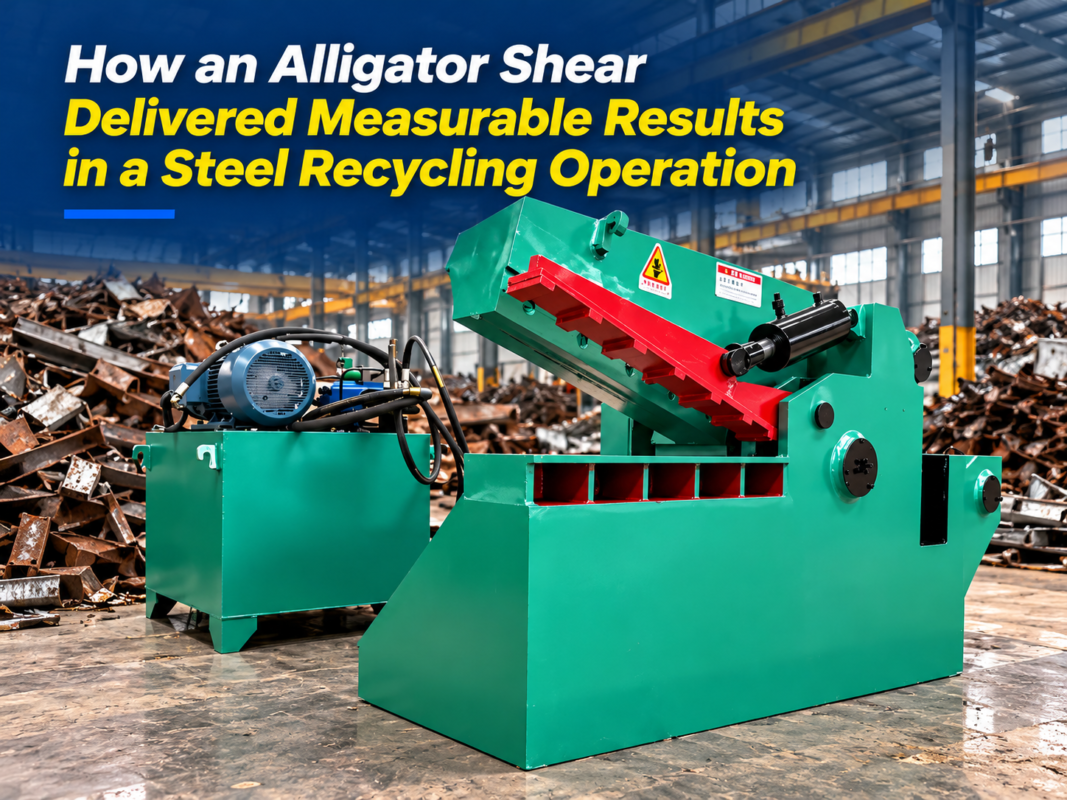
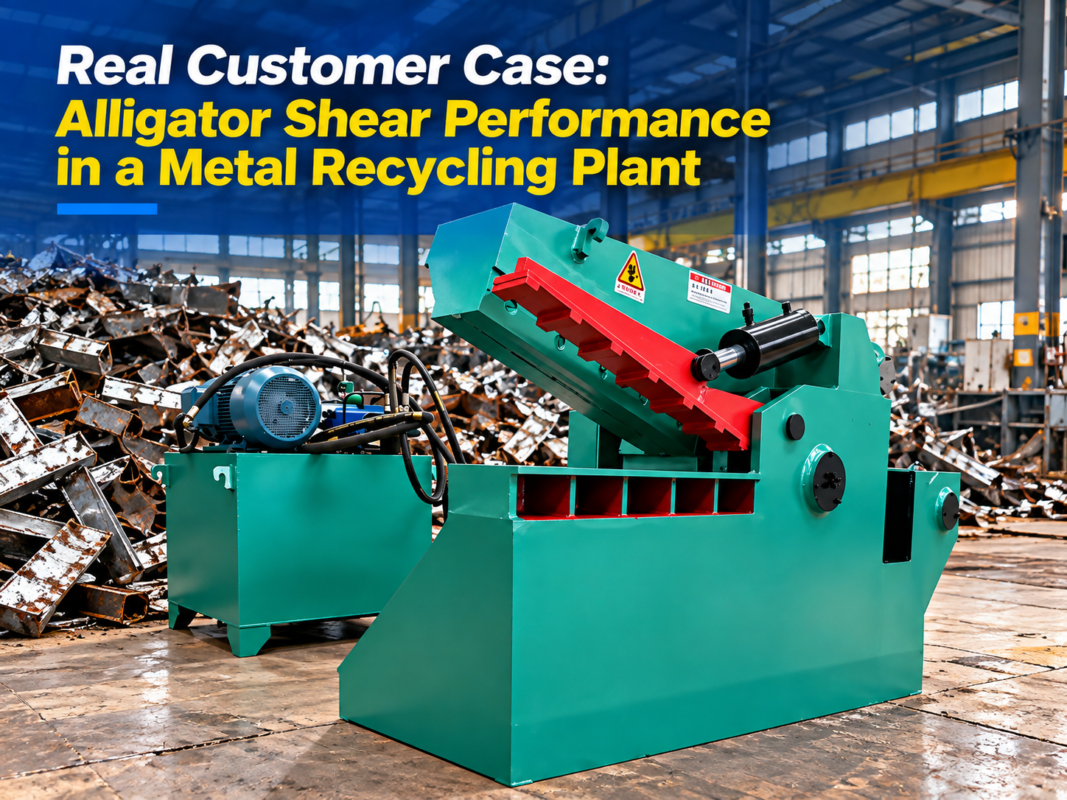
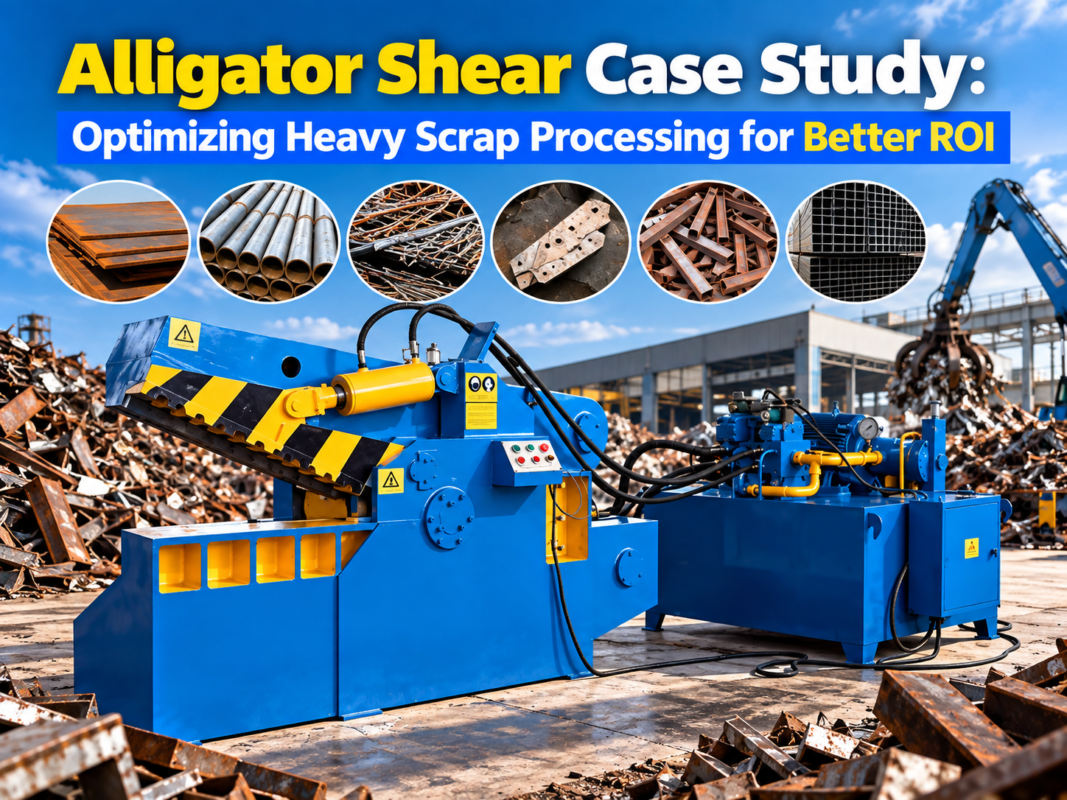
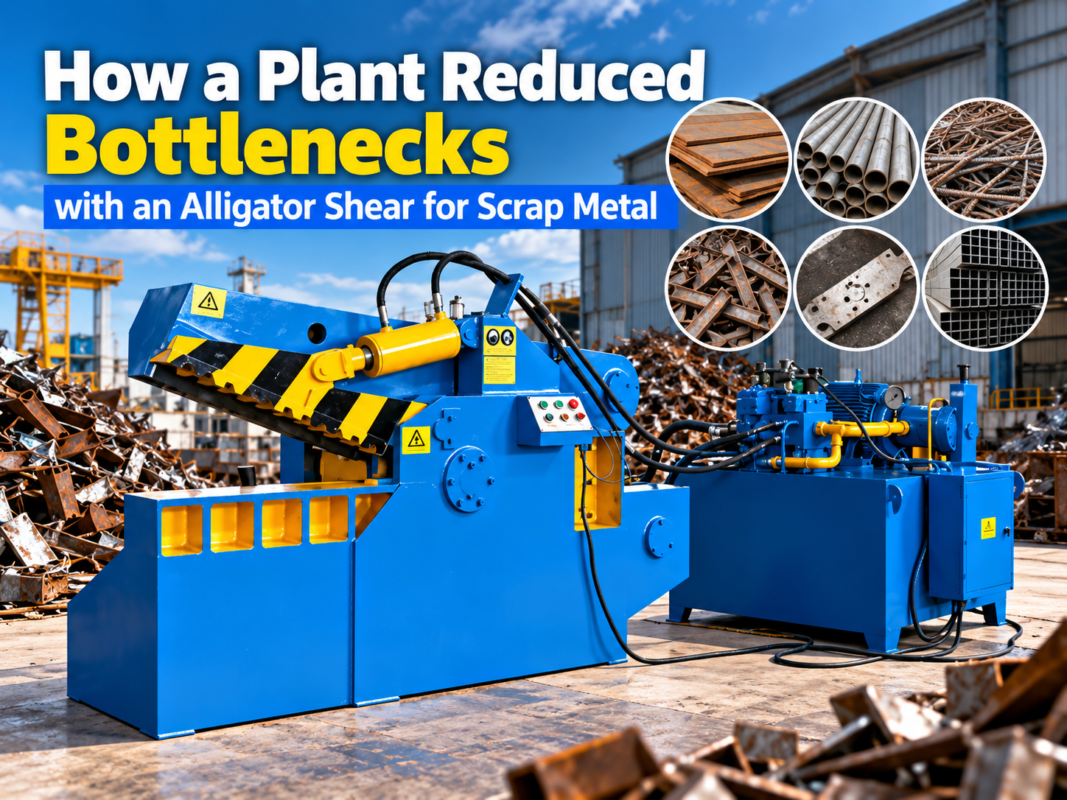
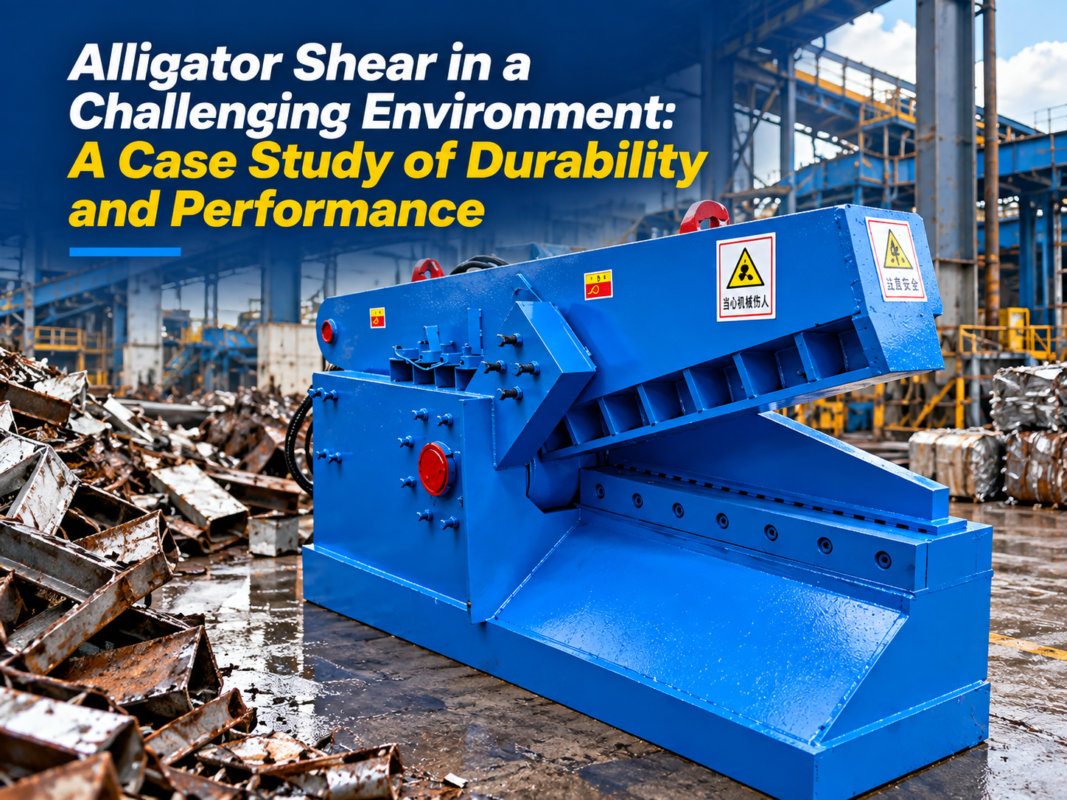
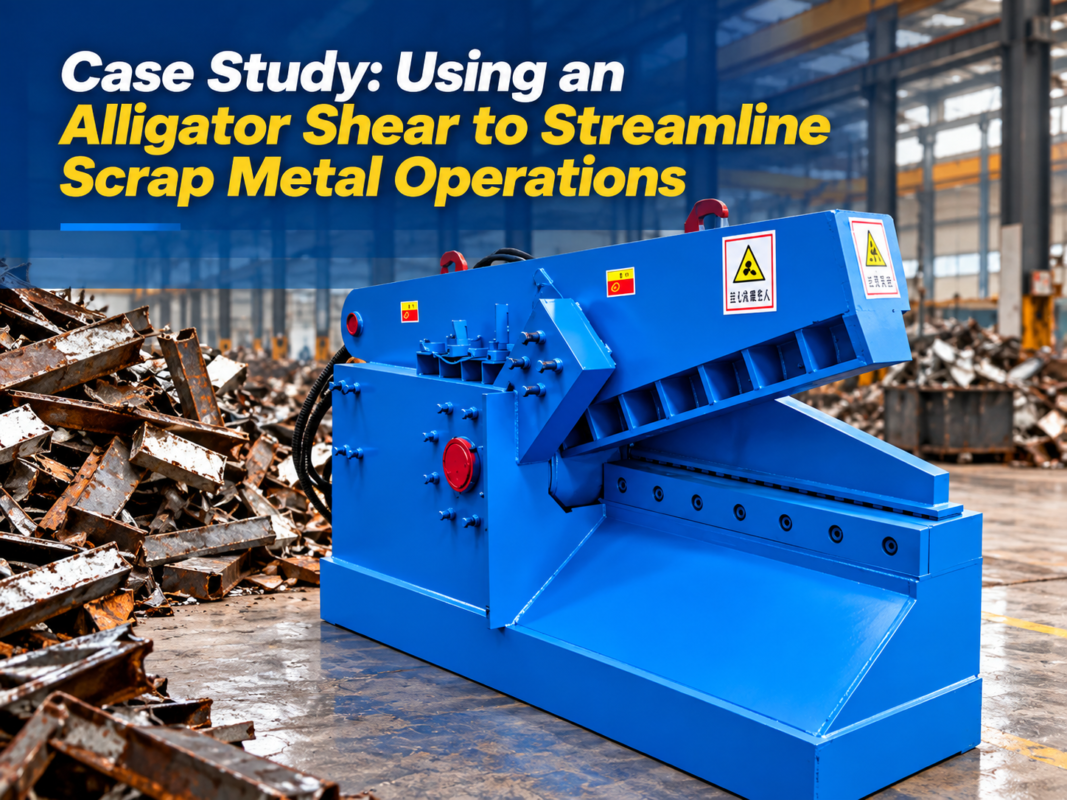
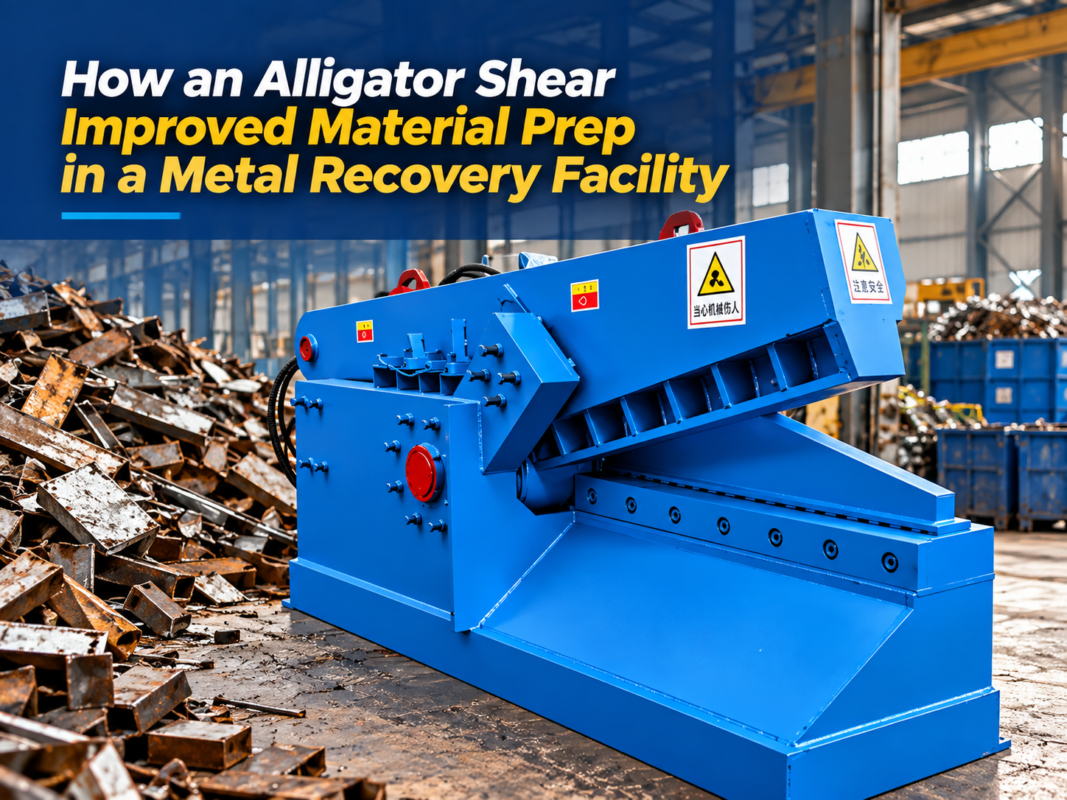
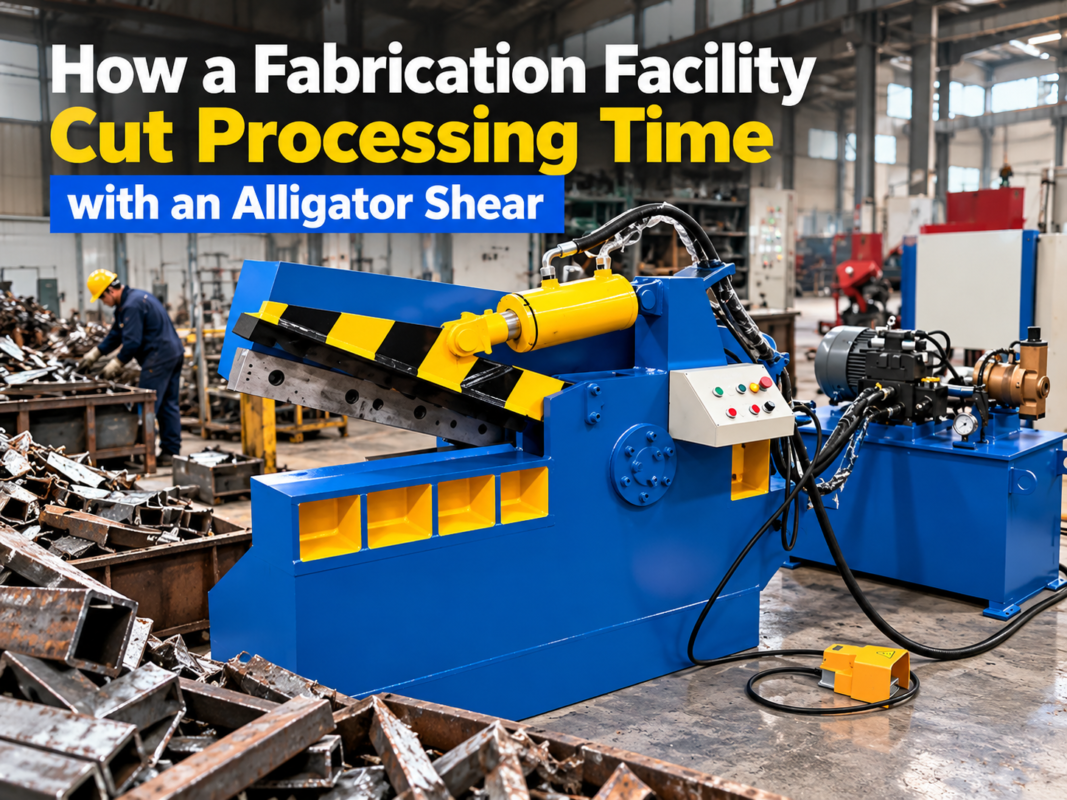
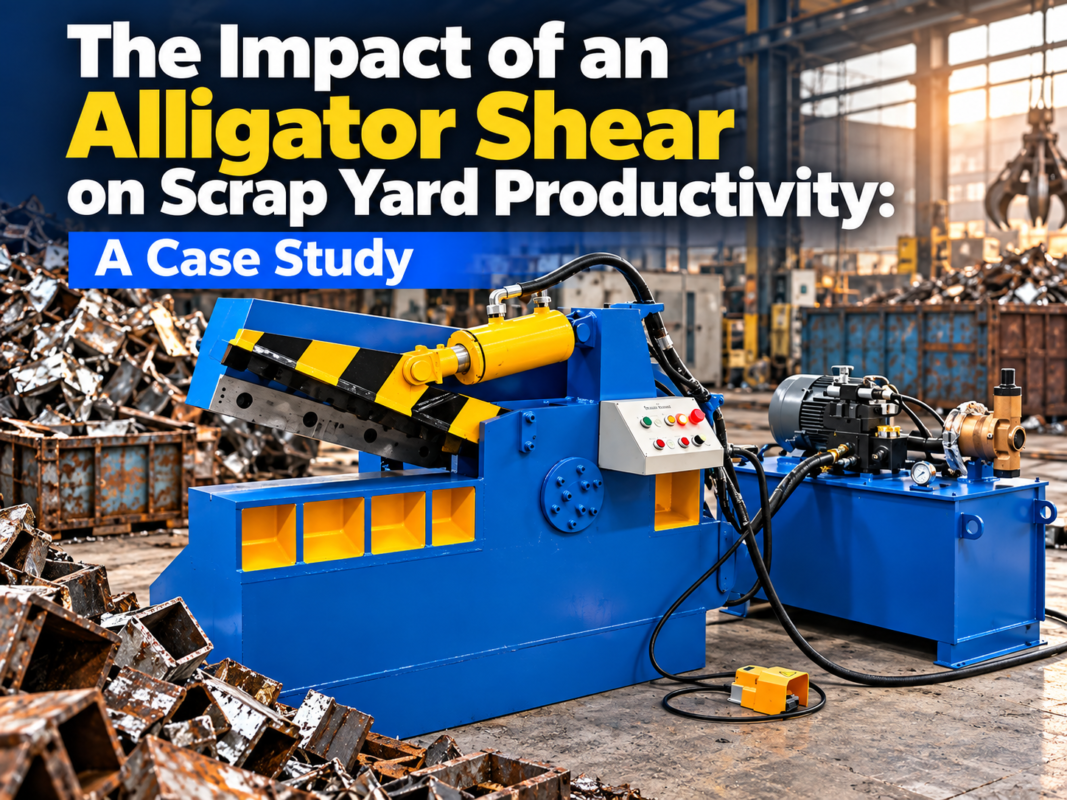
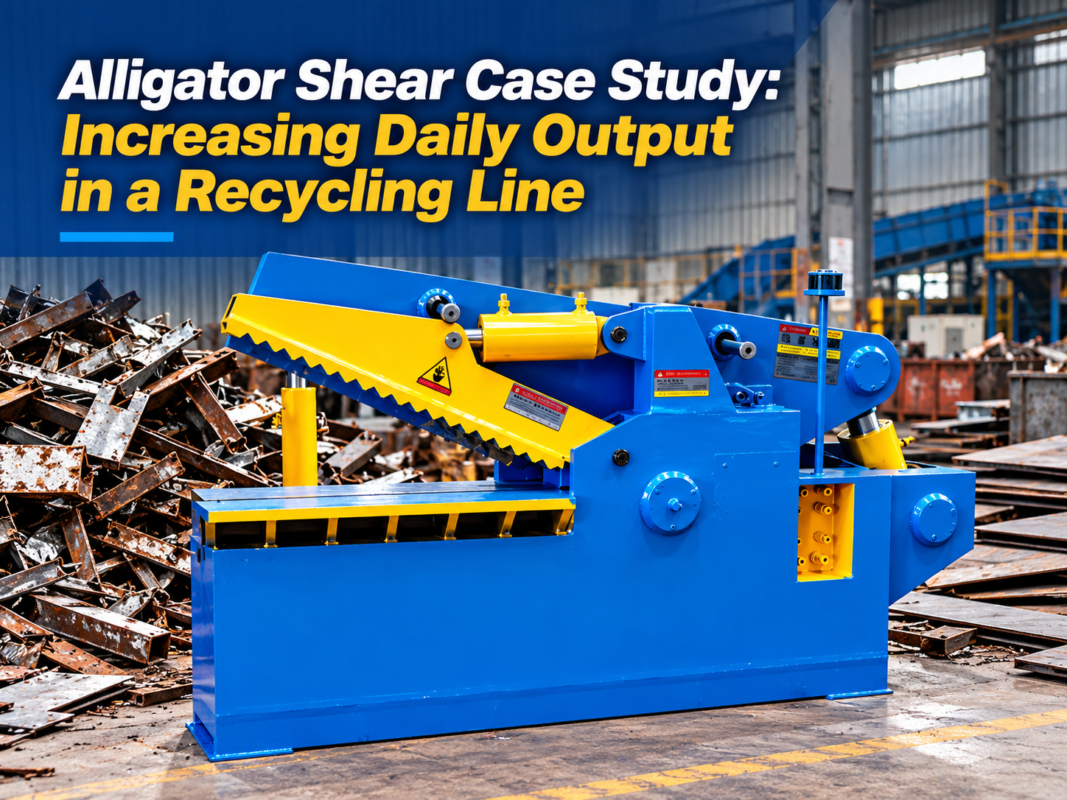
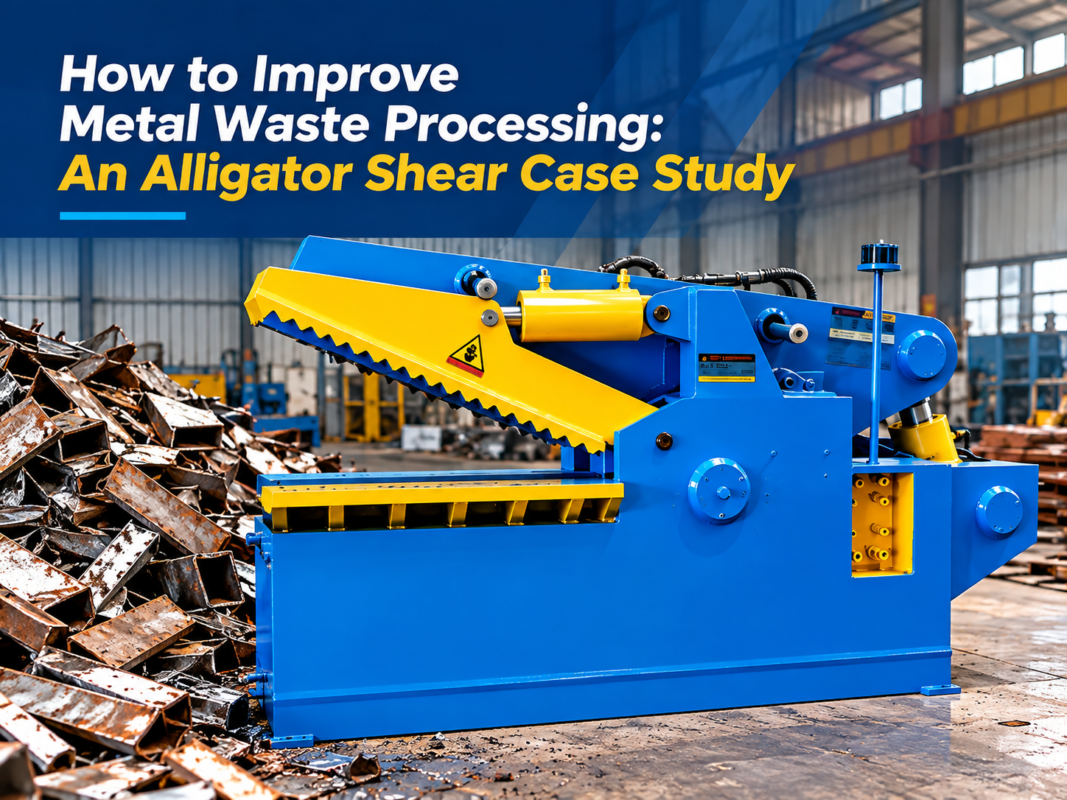
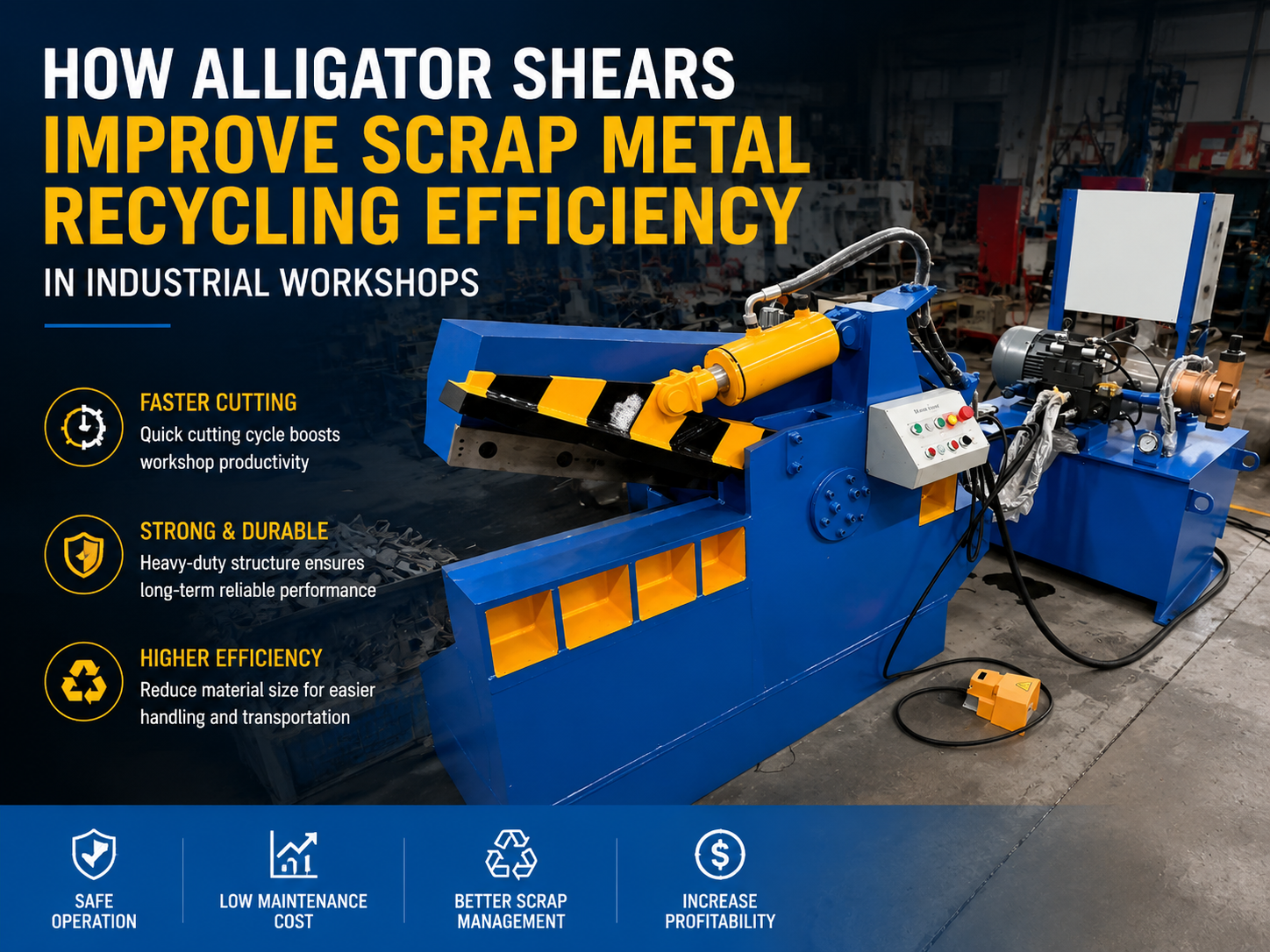
In the high-stakes environment of industrial scrap management, the question of how alligator shears improve scrap metal recycling efficiency in industrial workshops is central to operational profitability. An alligator shear, often referred to as a crocodile shear, is a hydraulic-powered metal-cutting machine characterized by a hinged jaw that mimics the biting action of an alligator. These machines are engineered to process oversized scrap metal into manageable sizes, facilitating easier transport, denser baling, and more efficient smelting.
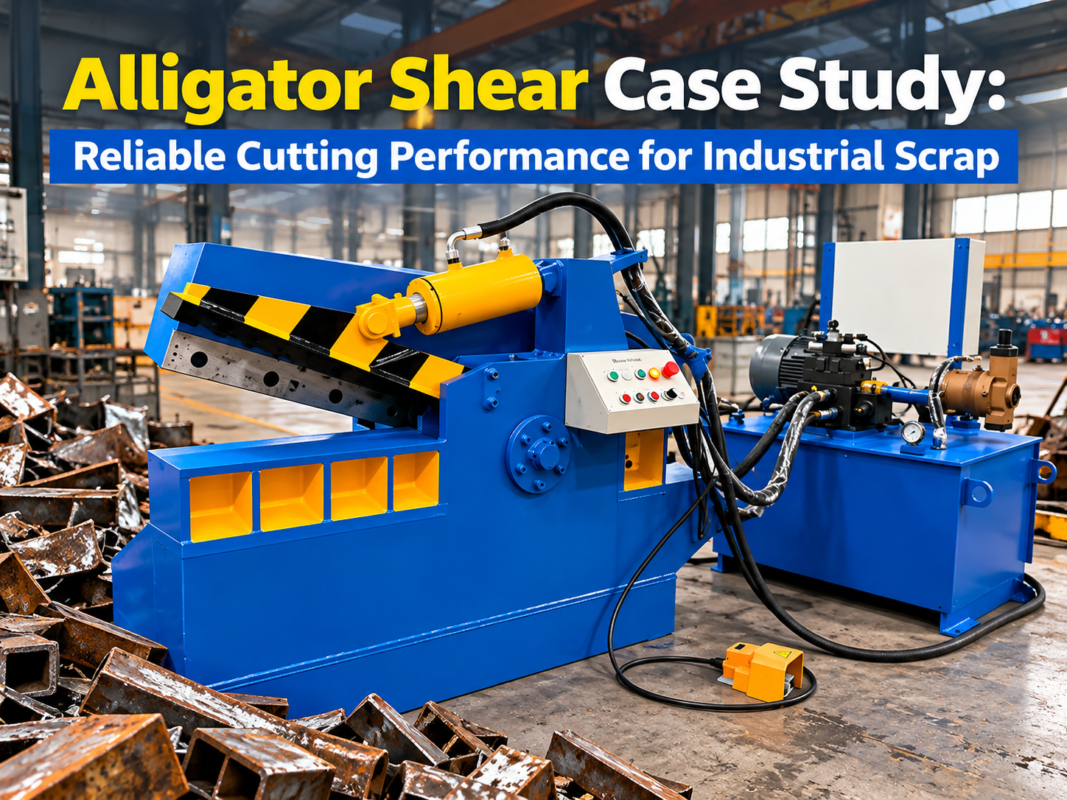
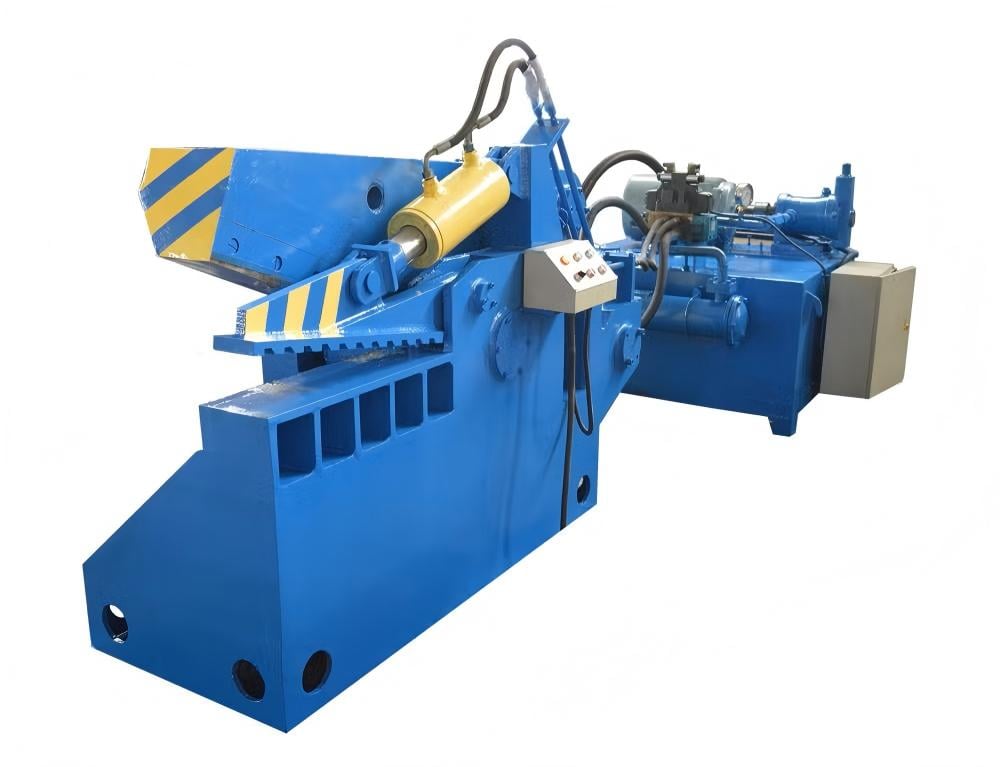
The fundamental mechanism involves a high-pressure hydraulic cylinder that drives a movable upper blade against a fixed lower blade. Unlike stationary guillotine shears, alligator shears offer a unique advantage in versatility. They are capable of handling irregular shapes, such as long pipes, structural I-beams, automotive frames, and non-ferrous extrusions. By reducing the physical volume of scrap at the source, industrial workshops can significantly lower logistics costs and increase the market value of their processed material.
Modern alligator shears, such as those manufactured by HARSLE, integrate advanced hydraulic manifolds and PLC control systems. These enhancements allow for rapid cycle times and precise cutting control. The efficiency gain is not merely in the speed of the cut but in the reduction of manual labor and the ability to pre-sort materials before they reach the furnace. In a recycling ecosystem, the alligator shear acts as the primary gatekeeper, ensuring that only correctly sized and sorted scrap enters the next phase of the value chain.
The Evolution of Hydraulic Efficiency
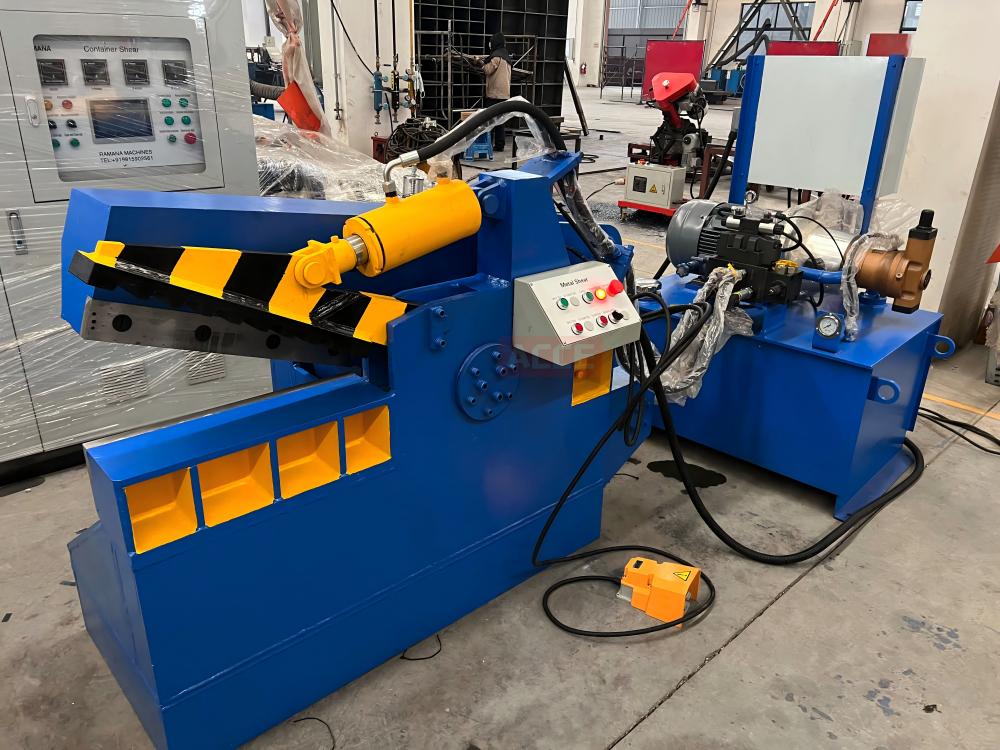
Historically, alligator shears were mechanical, relying on flywheels and clutches. However, the shift to hydraulic systems has revolutionized how alligator shears improve scrap metal recycling efficiency in industrial workshops. Hydraulic systems provide consistent force throughout the entire stroke of the blade, whereas mechanical systems peak only at a specific point. This consistency allows operators to cut through thicker sections of steel without the risk of jamming or mechanical failure.
Furthermore, the introduction of automatic hold-down devices has improved safety and precision. When the jaw descends, the hold-down mechanism secures the scrap piece, preventing it from kicking up or sliding forward. This stability ensures a clean shear, which is critical when processing materials for high-grade recycling where contamination and jagged edges must be minimized. The integration of energy-efficient motors and variable displacement pumps also means that these machines consume less power during idle times, further contributing to the overall efficiency of the workshop.
Core Parameters of Industrial Alligator Shears
To understand how alligator shears improve scrap metal recycling efficiency in industrial workshops, one must examine the core technical parameters that define their performance. These parameters determine the machine’s throughput capacity and the types of materials it can effectively process. Selecting a machine with the wrong parameters can lead to bottlenecks or premature equipment wear.
1. Shearing Force (Tonnage)
The shearing force is the most critical parameter, typically measured in tons (kN). It represents the maximum pressure the blades can exert on the material. For light recycling (aluminum extrusions, thin copper pipes), a 60-ton to 100-ton shear may suffice. However, for heavy industrial scrap like reinforced bars or thick steel plates, workshops require shears ranging from 250 tons to over 500 tons. The force must exceed the material’s shear strength to ensure a clean break.
2. Blade Length
Blade length determines the maximum width of the material that can be cut in a single stroke. Common lengths range from 400mm to 1200mm. Longer blades are ideal for processing wide plates or multiple smaller pieces simultaneously, while shorter blades are often found on high-speed machines designed for precision cutting of valuable non-ferrous metals.
3. Cycle Speed (Shear Frequency)
Efficiency is directly tied to how many cuts the machine can perform per minute. High-speed alligator shears can achieve 15 to 25 cuts per minute under no-load conditions. In a production environment, the actual frequency depends on the operator’s feeding speed and the material’s resistance. Faster cycle times allow for higher daily throughput, which is essential for high-volume recycling centers.
4. Maximum Opening (Jaw Gap)
The jaw opening defines the maximum thickness or diameter of the scrap that can be inserted into the shear. A wider opening allows for the processing of bulky items like engine blocks or large-diameter pipes without the need for pre-torching. This parameter is a key factor in how alligator shears improve scrap metal recycling efficiency in industrial workshops by eliminating secondary preparation steps.
Calculation Method: Determining Required Shearing Force
Engineering the right setup requires a precise calculation of the shearing force needed for specific materials. This ensures that the workshop does not under-spec the machine, which leads to stalled operations, or over-spec, which leads to unnecessary capital expenditure. The formula for calculating the required shearing force (F) is based on the cross-sectional area of the material and its ultimate shear strength.
The Formula:
F = L × S × τ
Where:
F = Shearing Force (Newtons or Tons)
L = Length of the cut or the width of the material (mm)
S = Thickness of the material (mm)
τ (Tau) = Shear strength of the material (MPa or N/mm²)
For example, if an industrial workshop needs to cut a mild steel plate that is 20mm thick and 200mm wide, and the shear strength of mild steel is approximately 350 MPa:
F = 200mm × 20mm × 350 N/mm² = 1,400,000 N (or approximately 140 Tons).
In practice, engineers apply a safety factor of 1.2 to 1.5 to account for blade dullness, material impurities, and hydraulic fluctuations. Therefore, for a 140-ton requirement, a 200-ton alligator shear would be the recommended choice. This calculation is a fundamental aspect of how alligator shears improve scrap metal recycling efficiency in industrial workshops, as it guarantees the machine operates within its optimal performance envelope.
Parameter Table for Common Alligator Shear Models
The following table provides a comparative overview of standard alligator shear specifications used in industrial recycling environments. These figures represent typical configurations for HARSLE equipment.
| Model Series | Shearing Force (kN) | Blade Length (mm) | Max Opening (mm) | Cuts per Minute | Motor Power (kW) |
|---|---|---|---|---|---|
| Q43-630 | 630 | 600 | 320 | 10-15 | 7.5 |
| Q43-1000 | 1000 | 700 | 350 | 10-15 | 11 |
| Q43-1600 | 1600 | 800 | 420 | 8-12 | 15 |
| Q43-2500 | 2500 | 1000 | 500 | 6-10 | 22 |
| Q43-3150 | 3150 | 1200 | 600 | 5-8 | 30 |
This table illustrates the trade-off between force and speed. As the shearing force increases to handle heavier scrap, the cycle speed typically decreases due to the larger volume of hydraulic fluid required to move the massive cylinders. Understanding this balance is key to optimizing workshop flow.
Common Engineering Mistakes in Alligator Shear Operation
Even the best machinery can underperform if operated incorrectly. To maximize how alligator shears improve scrap metal recycling efficiency in industrial workshops, managers must avoid these common engineering and operational pitfalls.
1. Improper Blade Gap Adjustment
The clearance between the upper and lower blades is critical. If the gap is too wide, the metal will bend rather than shear, leading to “wedging” and potential damage to the jaw pivot. If the gap is too tight, the blades will rub against each other, causing excessive heat and rapid dulling. The gap should typically be 5-10% of the material thickness.
2. Neglecting Hydraulic Oil Maintenance
Hydraulic alligator shears rely on clean oil to transmit power. Contaminated oil can score cylinder walls and damage sensitive valves. Many workshops fail to implement a regular filtration and cooling schedule. Overheated oil loses viscosity, leading to a drop in shearing force and slower cycle times, directly impacting efficiency.
3. Overloading the Machine
Attempting to cut materials that exceed the machine’s rated capacity is a frequent mistake. This doesn’t just risk a stall; it puts immense stress on the frame and the hydraulic seals. Repeated overloading leads to structural fatigue and costly downtime. Operators should always be trained to recognize the limits of their specific model.
4. Ignoring Blade Rotation and Sharpening
Alligator shear blades are usually four-sided. Once one edge is dull, the blade can be rotated to a fresh edge. Many workshops wait until the blade is completely rounded before rotating, which forces the hydraulic system to work harder and results in poor-quality cuts. A proactive sharpening and rotation schedule is essential for maintaining high throughput.
Selection Checklist: Choosing the Right Alligator Shear
When looking to enhance how alligator shears improve scrap metal recycling efficiency in industrial workshops, use this checklist to guide your procurement process:
- Material Type: Are you primarily processing ferrous (steel/iron) or non-ferrous (aluminum/copper) metals? Ferrous metals require higher tonnage.
- Volume Requirements: How many tons of scrap do you need to process per shift? This determines the required cycle speed and motor power.
- Space Constraints: Alligator shears come in various footprints. Ensure the workshop layout allows for safe feeding and material discharge.
- Power Supply: Verify that your facility’s electrical grid can handle the startup current of large hydraulic motors.
- Automation Level: Do you need a manual foot-pedal operation, or a fully automatic system with conveyor feeding?
- Safety Features: Ensure the machine includes emergency stops, blade guards, and a robust hold-down mechanism.
- Maintenance Access: Choose a design where hydraulic components and blade bolts are easily accessible for routine servicing.
Frequently Asked Questions (FAQ)
How often should alligator shear blades be sharpened?
The frequency depends on the material being cut. For soft metals like aluminum, blades may last several months. For hardened steel or rebar, blades might need rotation or sharpening every few weeks. Regular inspection for chips and rounding is the best practice.
Can alligator shears cut through hardened tool steel?
While possible, it is not recommended unless the shear is specifically rated for it. Hardened steel can cause the blades to shatter or the frame to crack due to the extreme shock loads. Always check the material’s Rockwell hardness against the machine’s specifications.
Is a foot pedal or an automatic cycle better for efficiency?
For irregular scrap that requires careful positioning, a foot pedal offers better control and safety. For uniform scrap (like long pipes or bars), an automatic cycle significantly increases efficiency by maintaining a constant rhythm.
What is the typical lifespan of a HARSLE alligator shear?
With proper maintenance—specifically regular oil changes and blade care—a high-quality hydraulic alligator shear can last 10 to 15 years in a heavy industrial environment. The frame is built for longevity, while wear parts like seals and blades are designed for easy replacement.
How does the hold-down device improve efficiency?
The hold-down device prevents the material from moving during the cut. This eliminates the need for the operator to manually steady the scrap, which is dangerous and slow. It ensures every stroke results in a successful cut, reducing the need for re-shearing.
Can these machines be used outdoors?
Yes, many alligator shears are used in outdoor scrap yards. However, they require protection for the electrical components and specialized hydraulic oil for extreme temperature fluctuations (cold starts or high-heat operation).
Conclusion
Understanding how alligator shears improve scrap metal recycling efficiency in industrial workshops is the first step toward a more profitable and sustainable operation. By selecting the right tonnage, maintaining the hydraulic systems, and following rigorous safety and operational protocols, workshops can transform their scrap management from a bottleneck into a streamlined revenue stream. HARSLE continues to lead the industry by providing robust, high-performance shearing solutions tailored to the evolving needs of the global recycling market.