How to Improve Container Shear Cutting Efficiency in Heavy-Duty Recycling Plants

Technical Overview of Container Shears in Modern Recycling
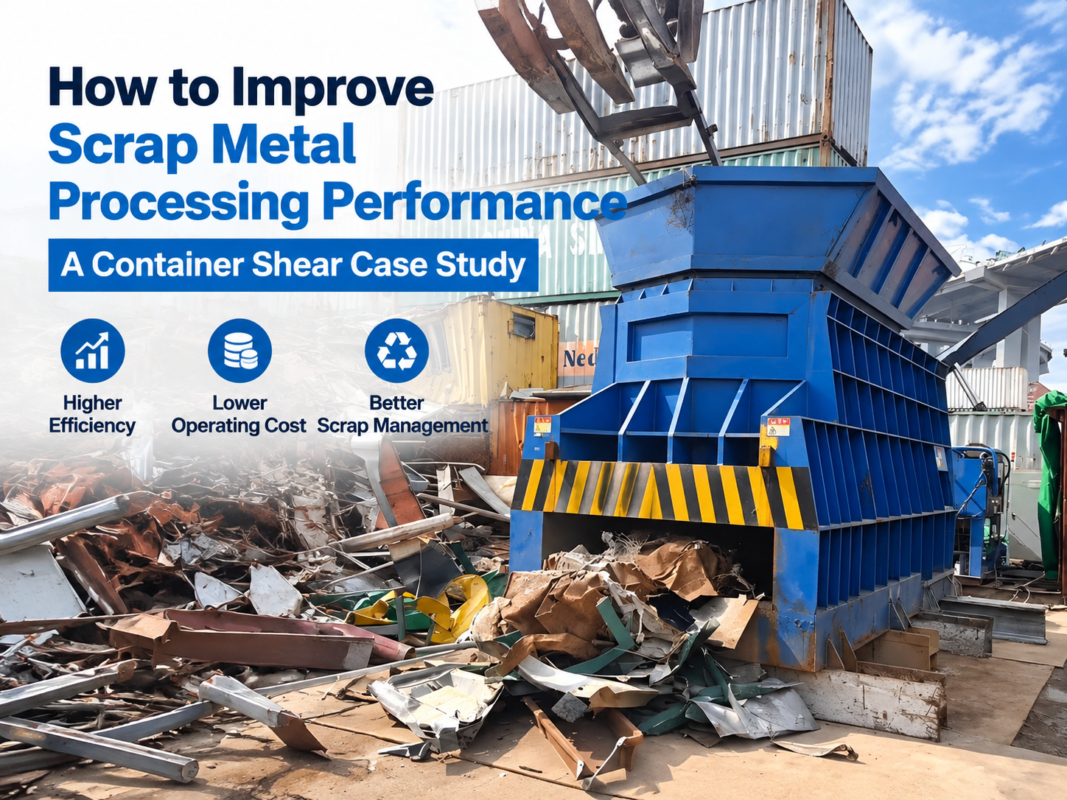
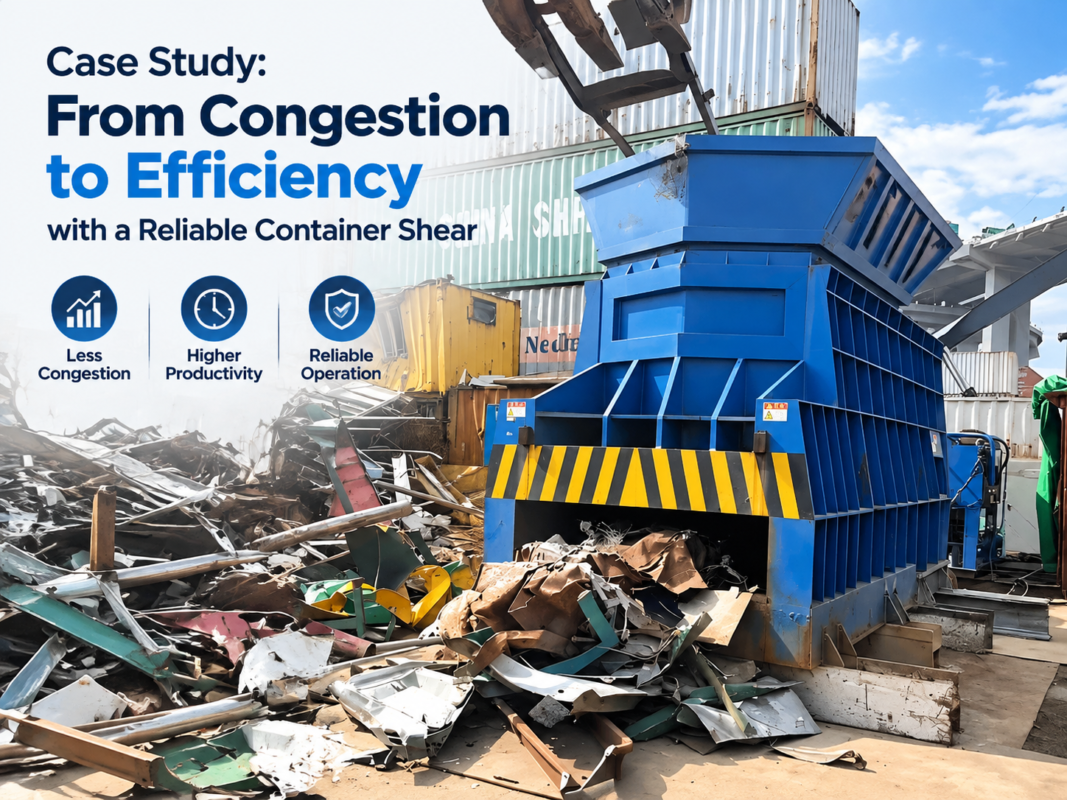
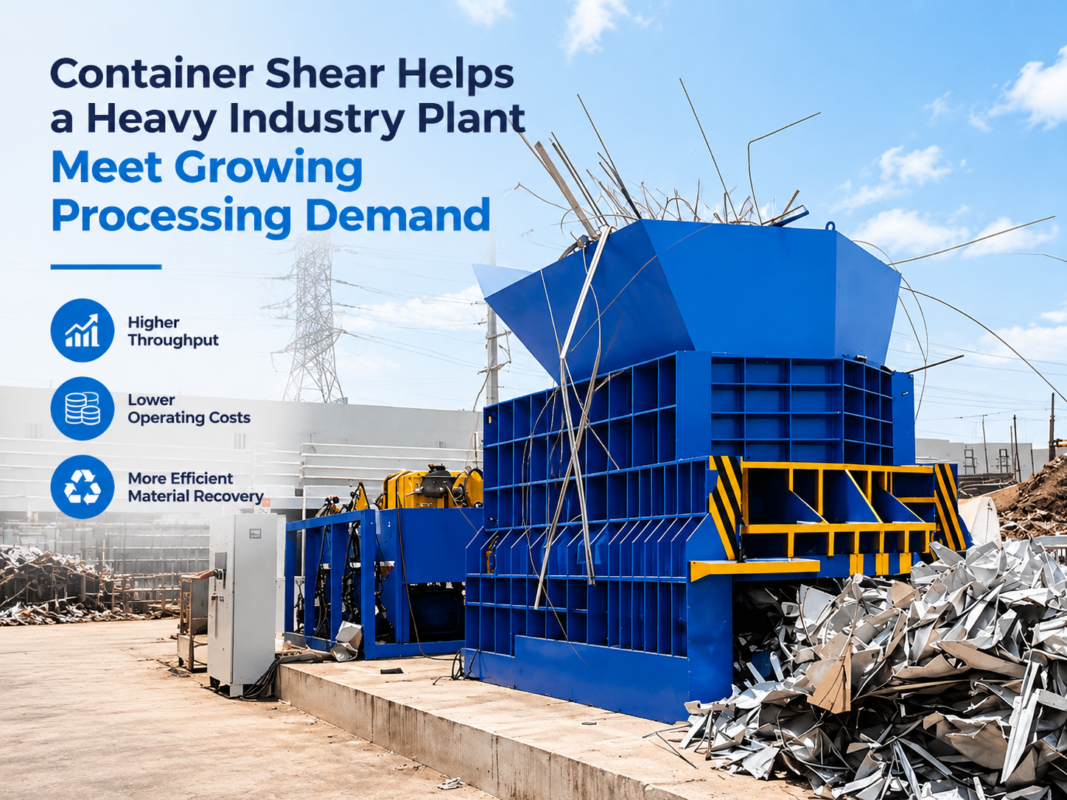
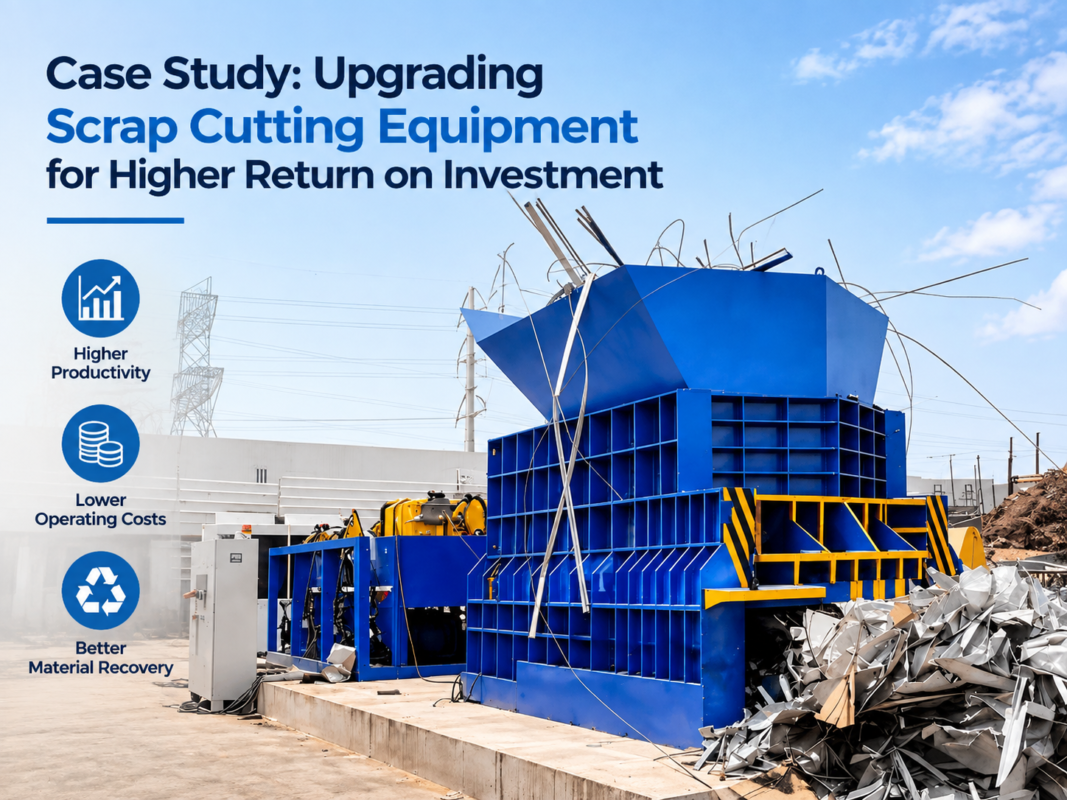
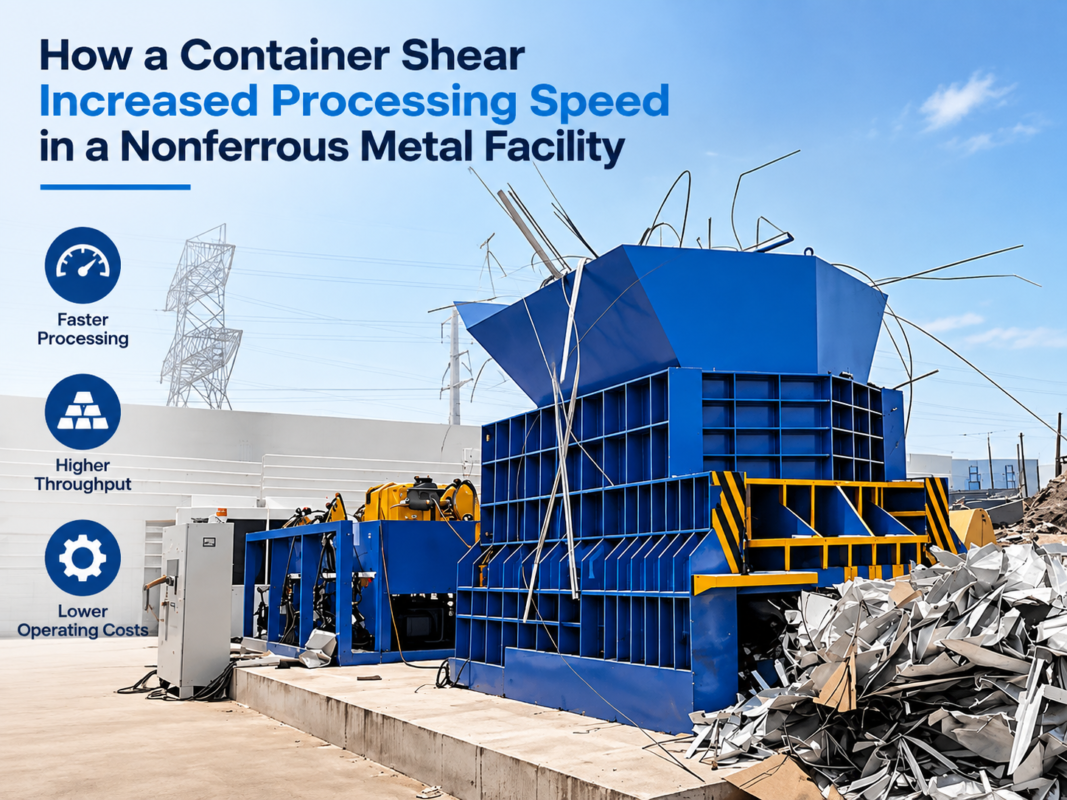
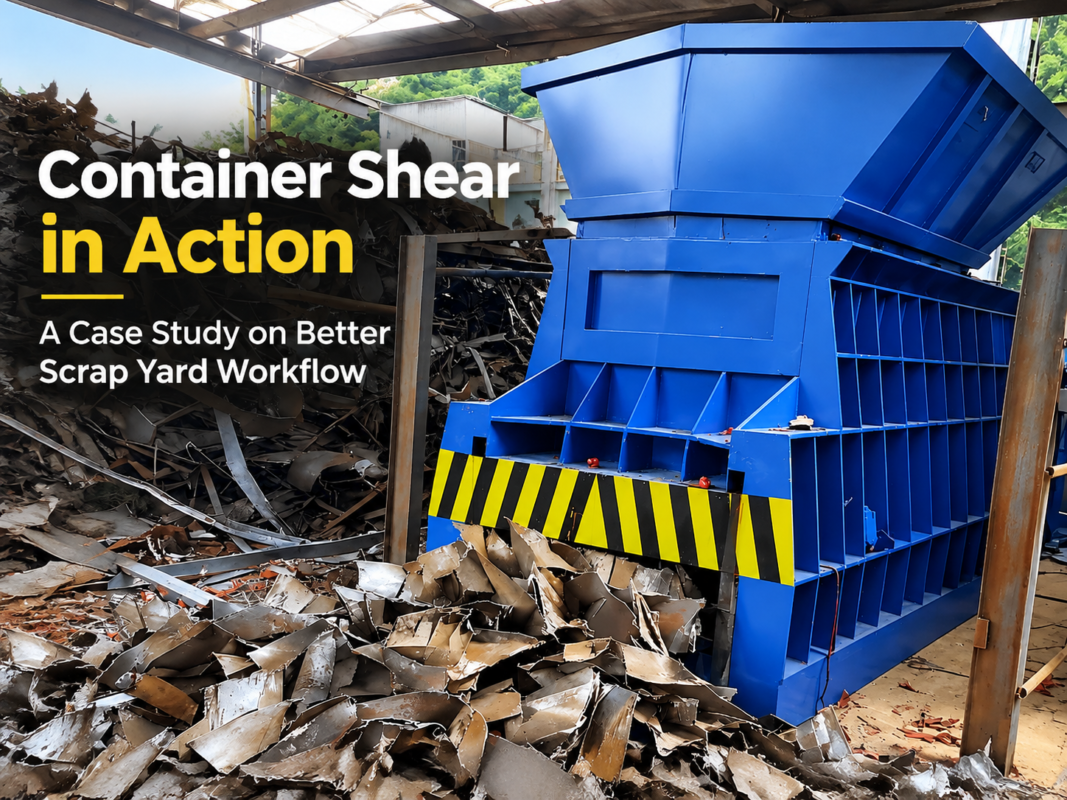
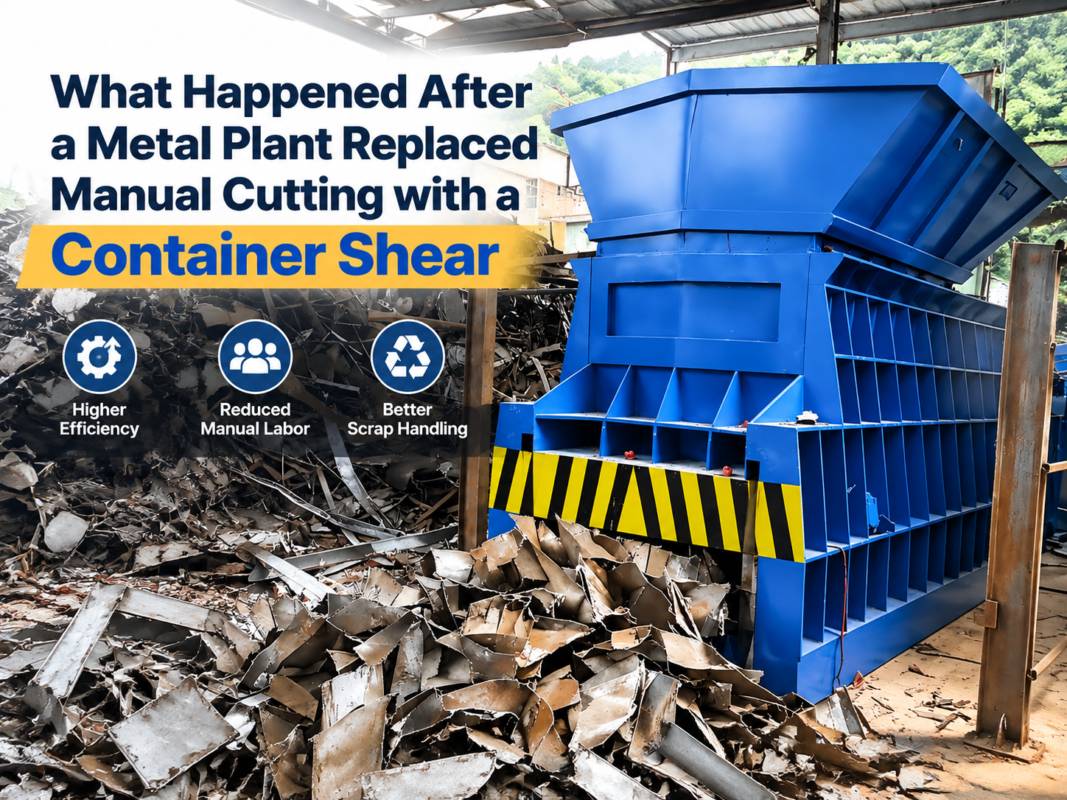
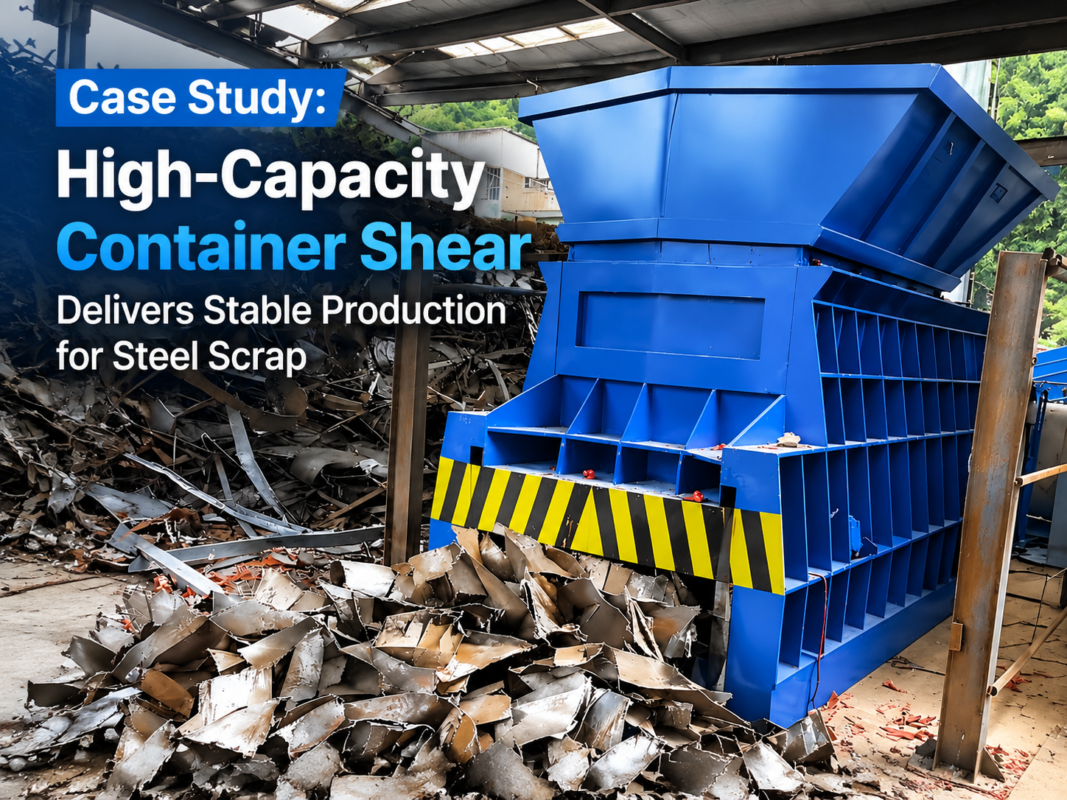
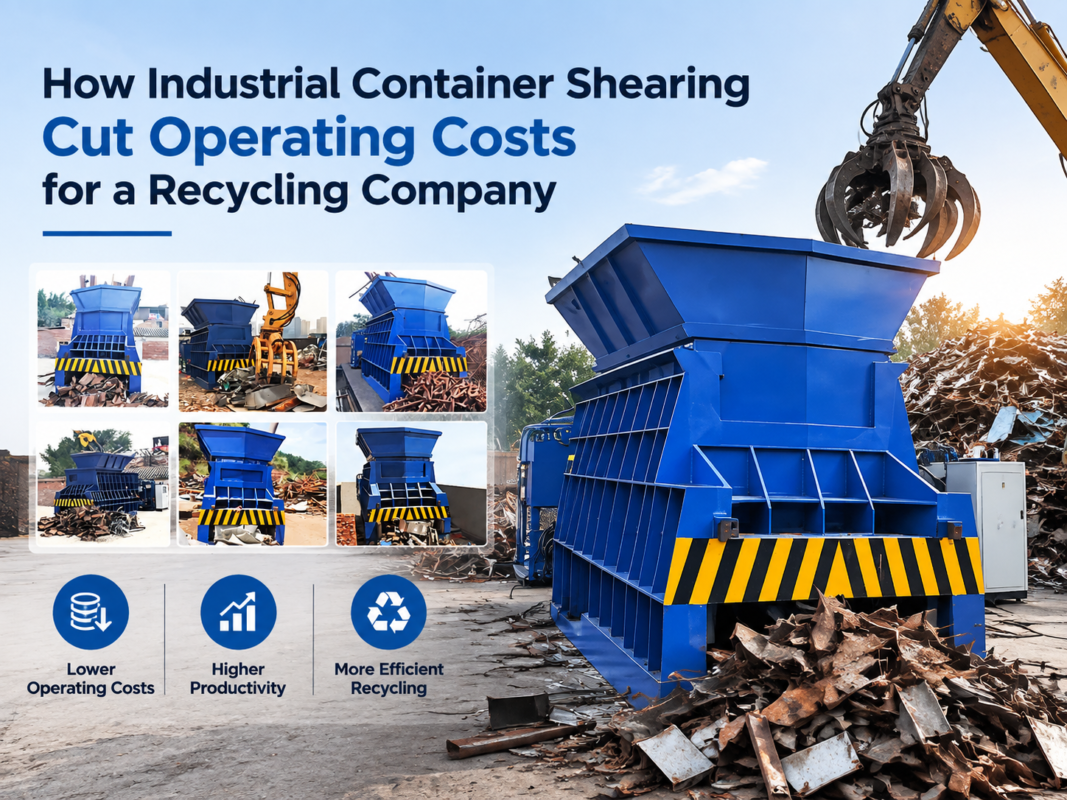
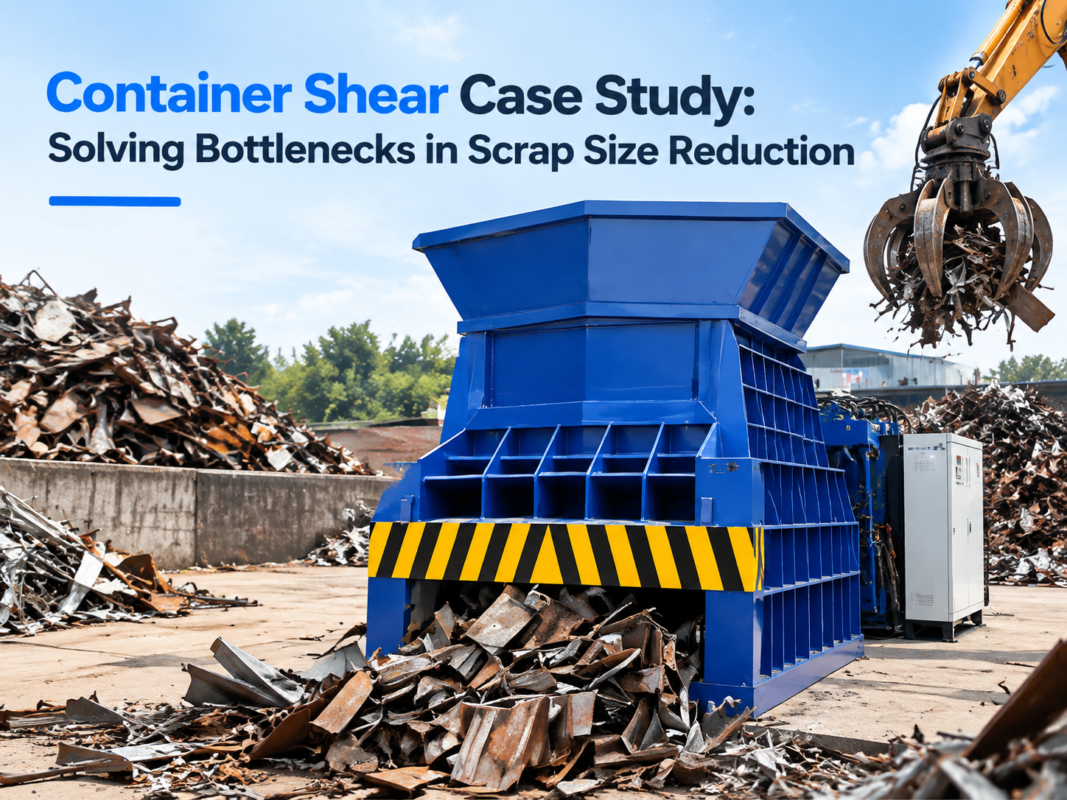
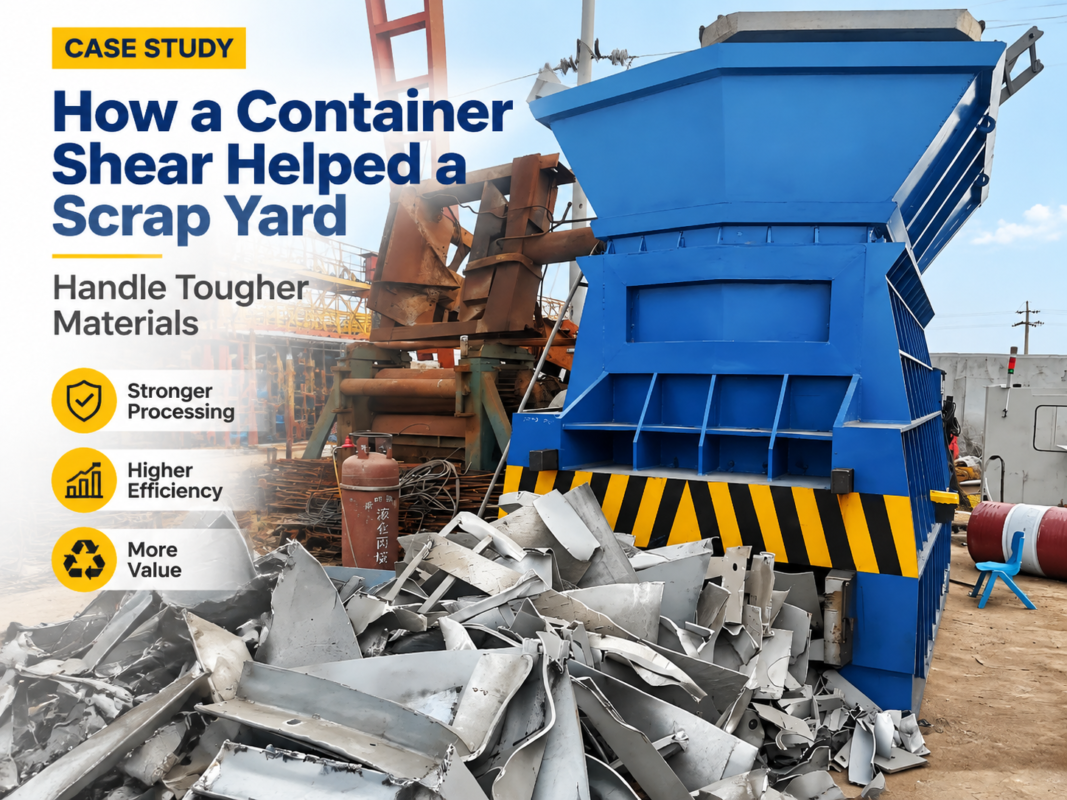
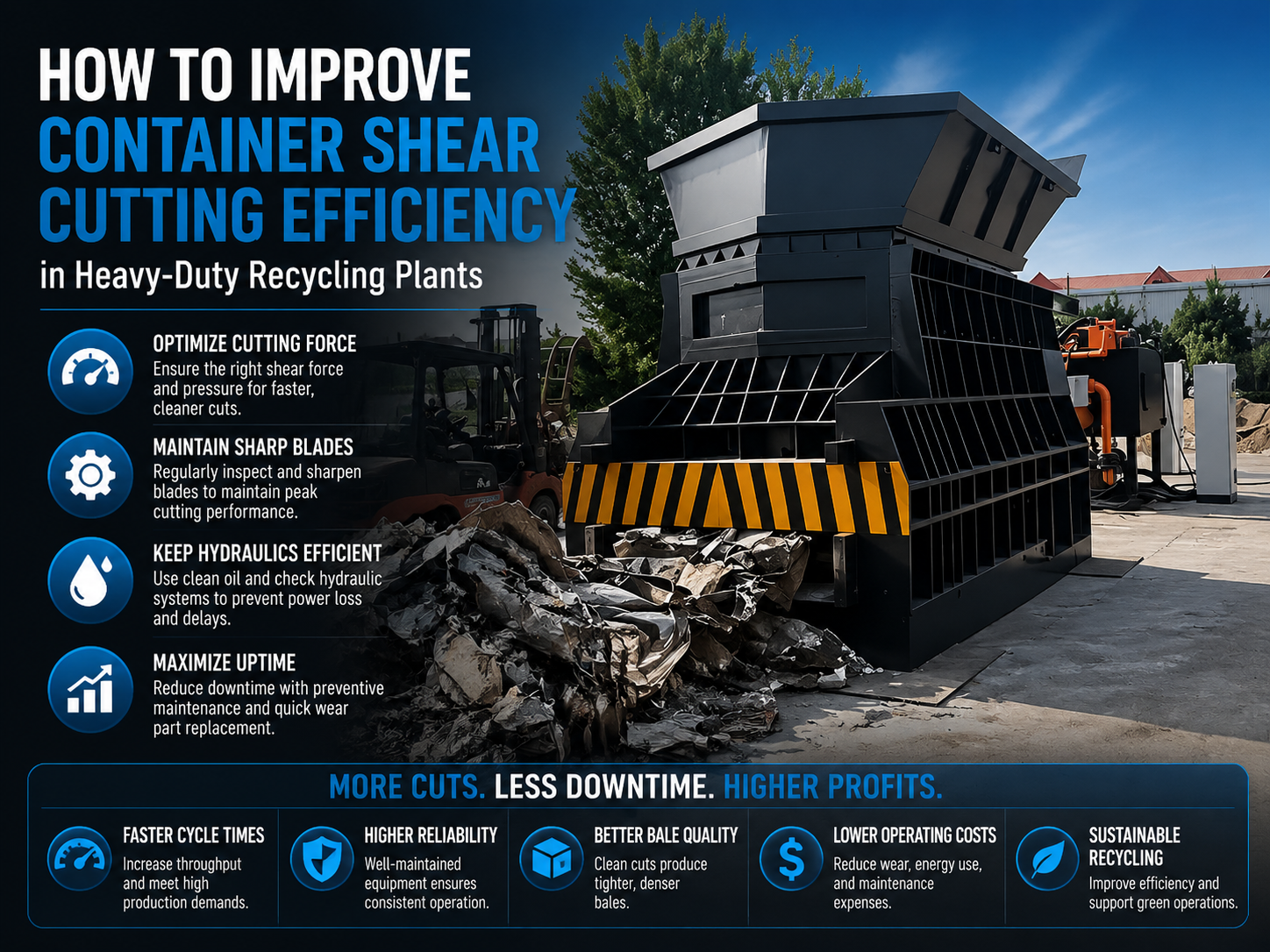
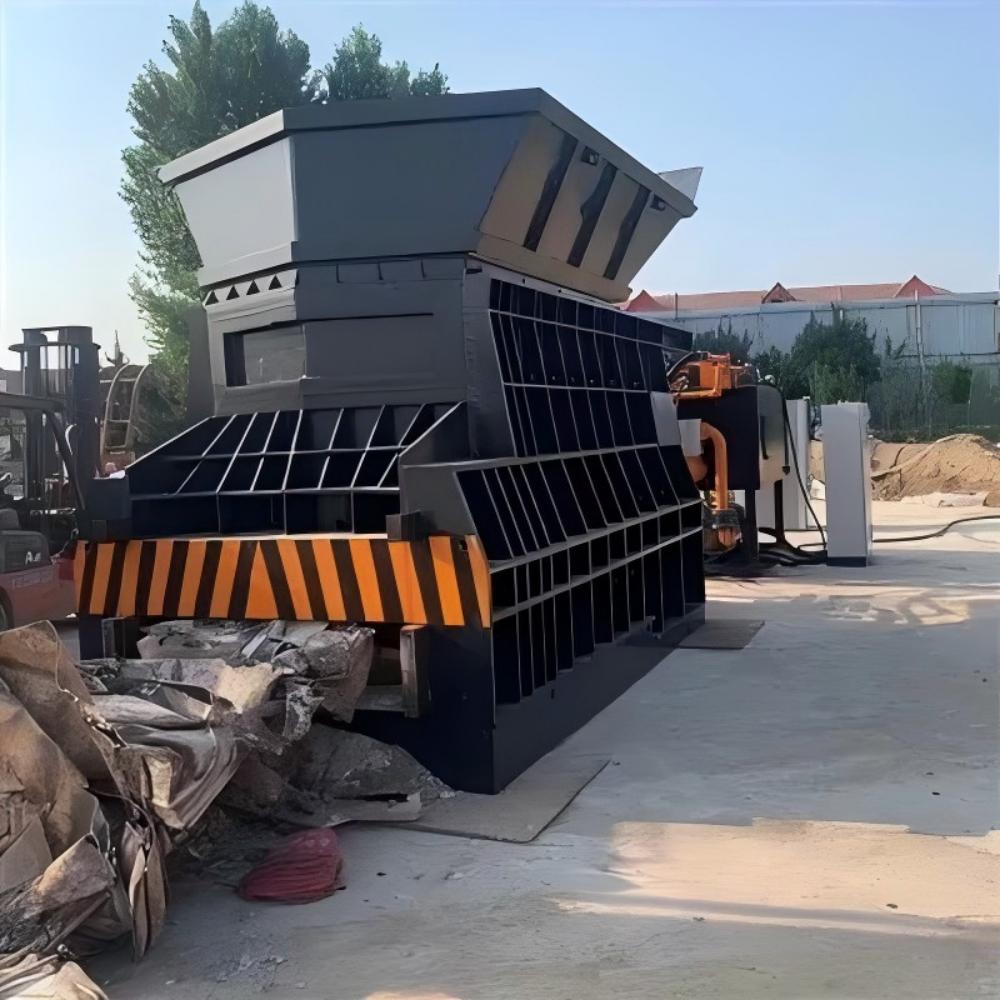
In the high-stakes environment of heavy-duty scrap metal recycling, the container shear stands as a cornerstone of operational throughput. Unlike traditional alligator shears or stationary guillotine shears, the container shear is designed for continuous, high-volume processing. It integrates a feeding box, a compression mechanism, and a heavy-duty cutting head into a single, often mobile or semi-mobile, unit. To Improve Container Shear Cutting Efficiency In Heavy-Duty Recycling Plants, one must first understand the synergy between hydraulic pressure, mechanical leverage, and material flow.
The fundamental advantage of a container shear lies in its ‘gravity-fed’ or ‘horizontal-push’ loading system. Scrap metal is loaded into a large hopper or ‘box,’ where it is compressed by a lid or side-press before being pushed toward the shear blades. This design minimizes the downtime associated with manual positioning of scrap. However, efficiency is not merely a product of the machine’s rated tonnage; it is a result of how well the machine is integrated into the plant’s workflow and how precisely its parameters are tuned to the specific scrap grades being processed.
Modern container shears, such as those engineered by HARSLE, utilize advanced PLC (Programmable Logic Controller) systems to automate the cutting cycle. This automation reduces the reliance on operator reflexes and ensures that the hydraulic pumps are only working at peak pressure when necessary, thereby saving energy and reducing wear. To truly optimize efficiency, operators must look beyond the shear itself and consider the entire lifecycle of the scrap as it moves through the facility.
The Role of Hydraulic Systems in Efficiency
The heart of any container shear is its hydraulic system. To improve container shear cutting efficiency in heavy-duty recycling plants, the hydraulic circuit must be maintained at peak performance. This involves the use of high-speed valves and regenerative circuits that allow the shear cylinder to retract quickly, reducing the overall cycle time. When the shear is not meeting resistance, the system should prioritize flow over pressure; when the blade hits the metal, the system must instantaneously shift to high-pressure, low-flow mode to deliver the necessary cutting force.
Furthermore, the cooling system plays a vital role. In heavy-duty environments, hydraulic oil can overheat quickly, leading to a drop in viscosity. Thin oil causes internal leakage within the pumps and valves, which manifests as sluggish performance and increased cycle times. Implementing an oversized air or water cooling system ensures that the machine can operate 24/7 without a degradation in speed. Efficiency is as much about thermal management as it is about mechanical force.
Core Parameters Influencing Cutting Performance
When evaluating how to improve container shear cutting efficiency in heavy-duty recycling plants, several core parameters must be analyzed. The first is the Shear Force, typically measured in metric tons. While a higher tonnage allows for the cutting of thicker sections, using a 1000-ton shear for light aluminum scrap is inefficient. Matching the machine’s power to the material grade is the first step in optimization.
The second parameter is the Blade Gap. The distance between the upper and lower blades must be precisely calibrated based on the thickness and hardness of the scrap. If the gap is too wide, the metal will ‘fold’ rather than cut, leading to jams and excessive stress on the shear frame. If the gap is too tight, the blades will experience premature wear and may even chip. Regular adjustment of the blade seats is a non-negotiable task for any high-efficiency plant.
Thirdly, the Feeding Speed and Stroke Length are critical. Many modern shears allow the operator to adjust the stroke length. If you are cutting short pieces of scrap, there is no need for the shear cylinder to retract fully. Shortening the stroke can shave seconds off every cycle, which adds up to several additional tons of processed material per shift. This level of micro-optimization is what separates profitable recycling centers from struggling ones.
Material Pre-Sorting and Loading Strategies
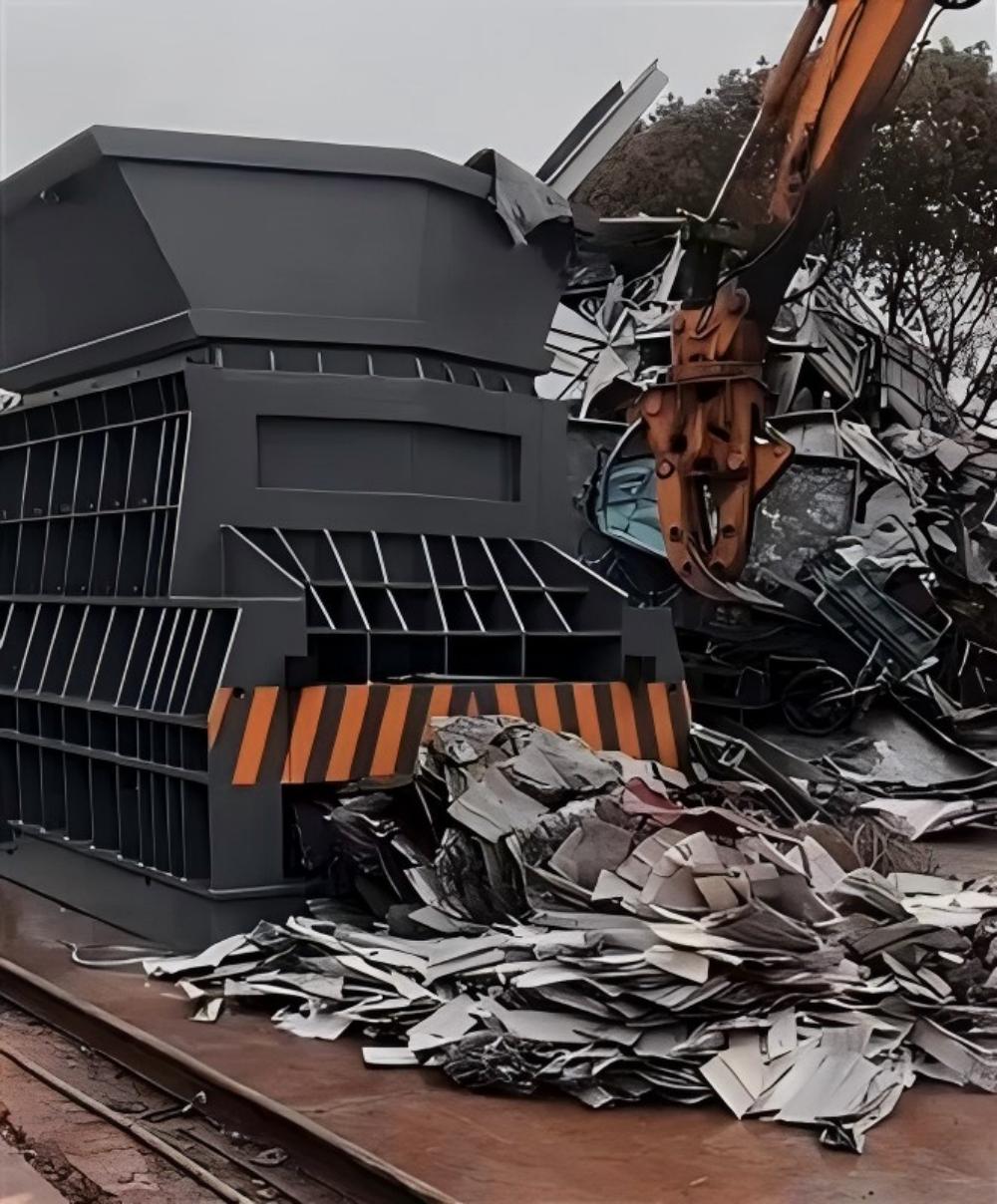
Efficiency starts before the scrap even reaches the shear. A common mistake in heavy-duty plants is ‘blind loading,’ where a crane operator drops a mix of light and heavy scrap into the box without consideration. To improve container shear cutting efficiency in heavy-duty recycling plants, materials should be pre-sorted. Mixing heavy I-beams with light sheet metal can lead to ‘voids’ in the compression box, causing the shear to cycle through air or poorly compressed material.
By layering the scrap—placing heavier items at the bottom and lighter items on top—the compression lid can create a more uniform ‘log’ of metal. This uniform density ensures that every stroke of the shear blade is productive. Additionally, ensuring that the scrap is cut to a length that fits comfortably within the feeding box prevents ‘bridging,’ where long pieces of metal get stuck and prevent the rest of the load from sliding forward.
Calculation Method for Throughput and Force
To scientifically improve container shear cutting efficiency in heavy-duty recycling plants, managers should use standardized calculations to set benchmarks. The theoretical throughput of a container shear can be calculated using the following formula:
Throughput (Tons/Hour) = (Weight per Cut × Cuts per Minute × 60) / 1000
Where ‘Weight per Cut’ is determined by the density of the compressed scrap log and the length of the cut. To increase this number, one must either increase the weight of the log (better compression) or increase the cuts per minute (faster hydraulics/shorter stroke).
Another critical calculation is the Required Shear Force (F), which can be estimated by:
F = L × S × τ
Where:
– L is the width of the material being cut.
– S is the thickness of the material.
– τ is the shear strength of the specific metal grade.
Understanding these values allows the engineering team to determine if the machine is being underutilized or pushed beyond its structural limits. Overloading a shear doesn’t just risk a breakdown; it actually decreases efficiency because the hydraulic system stays in high-pressure mode longer, generating more heat and consuming more electricity per ton of output.
Container Shear Technical Parameter Table
The following table outlines the typical specifications for HARSLE heavy-duty container shears, providing a baseline for efficiency comparisons.
| Model Series | Shear Force (Tons) | Max Cutting Thickness (MS) | Blade Length (mm) | Cycle Time (Empty) | Motor Power (kW) |
|---|---|---|---|---|---|
| HCS-500 | 500 | 60mm | 1200 | 18-25s | 90 |
| HCS-800 | 800 | 85mm | 1500 | 20-30s | 132 |
| HCS-1000 | 1000 | 100mm | 1800 | 25-35s | 160 |
| HCS-1250 | 1250 | 120mm+ | 2000 | 30-45s | 220 |
Note: These parameters are subject to variation based on the specific hydraulic pump configuration and material density. For heavy-duty recycling plants, the HCS-1000 and HCS-1250 models are generally recommended for their ability to handle structural steel and HMS 1/2 grades efficiently.
Common Engineering Mistakes in Container Shear Operation
One of the most frequent mistakes that hinders the goal to improve container shear cutting efficiency in heavy-duty recycling plants is the neglect of the filtration system. Hydraulic oil in a recycling plant is constantly exposed to dust, metal fines, and moisture. If the filters are not changed regularly, these contaminants act as an abrasive paste, wearing down the precision surfaces of the piston pumps. A 5% drop in pump efficiency might not be noticeable day-to-day, but over a year, it represents hundreds of lost production hours.
Another common error is incorrect blade rotation. Container shear blades are typically four-sided. Operators often wait until the blade is completely rounded off before rotating it. This is counterproductive. A dull blade requires significantly more force to penetrate the metal, which increases the stress on the machine’s frame and pins. By implementing a strict blade rotation schedule based on tonnage processed rather than visual failure, plants can maintain a consistent cutting speed and reduce energy costs.
Finally, many plants fail to calibrate the ‘Zero Point’ of the pusher cylinder. Over time, mechanical sensors can shift due to vibration. If the pusher does not accurately know where the scrap log ends, it may stop short or attempt to push against a closed shear head, leading to unnecessary ‘dry cycles’ or pressure spikes. Regular calibration of the PLC sensors is essential for maintaining the rhythm of the machine.
Selection Checklist for High-Efficiency Container Shears
When looking to upgrade or purchase new equipment to improve container shear cutting efficiency in heavy-duty recycling plants, use the following checklist to ensure the machine meets industrial standards:
- Hydraulic Component Brand: Does the machine use reputable pumps and valves (e.g., Rexroth, Parker, or Vickers)? Reliability is the first step to efficiency.
- Frame Construction: Is the frame stress-relieved after welding? A rigid frame prevents energy loss through structural flexing.
- PLC and Automation: Does the system include remote diagnostics? Being able to troubleshoot software issues via the internet can save days of downtime.
- Blade Material: Are the blades made of high-quality tool steel (like 6CrW2Si or H13)? Cheaper blades will deform under the heat of continuous heavy-duty cutting.
- Cooling Capacity: Is the oil cooler rated for the ambient temperature of your region? An undersized cooler is a bottleneck in summer months.
- Ease of Maintenance: Are the lubrication points easily accessible, or better yet, is there an automatic central lubrication system?
- Safety Features: Does the machine include emergency stops and pressure relief valves that meet international safety standards? A safe machine is a productive machine.
Strategies for Long-Term Efficiency Gains
To sustain improvements in container shear cutting efficiency, a plant must adopt a culture of proactive maintenance. This includes ‘Condition Monitoring,’ where the temperature and vibration of the main motors and pumps are tracked. Sudden changes in these metrics often precede a major failure. By catching a bearing failure or a pump cavitation issue early, the plant avoids catastrophic downtime.
Another strategy involves Operator Training. Even the most advanced HARSLE container shear is only as efficient as the person controlling the loading crane. Training operators to recognize the ‘sound’ of an efficient cut and teaching them how to optimize the loading sequence can result in a 10-15% increase in daily output without any mechanical changes. Efficiency is a combination of high-quality HARSLE engineering and skilled operational execution.
Frequently Asked Questions (FAQ)
1. How often should I rotate the blades on my container shear?
Blade rotation depends on the material being processed. For heavy structural steel, we recommend inspecting blades every 40-80 hours of operation. Rotating the blades as soon as the edge shows a radius of more than 2-3mm will maintain cutting efficiency and protect the shear head.
2. Why is my container shear losing pressure during the cut?
Loss of pressure is usually caused by either internal leakage in the hydraulic cylinders, a failing main pump, or a malfunctioning relief valve. Check the oil temperature first; if the oil is too hot, it may be bypassing the seals. If the oil is cool, inspect the pump’s flow rate under load.
3. Can I process oversized scrap in a container shear?
While container shears have large feeding boxes, processing scrap that is significantly wider than the box can lead to ‘bridging.’ It is more efficient to pre-cut extremely oversized pieces with a torch or an alligator shear before loading them into the container shear to ensure a smooth, continuous feed.
4. What is the ideal hydraulic oil for heavy-duty recycling?
We recommend a high-quality anti-wear hydraulic oil, typically ISO VG 46 or 68, depending on your climate. In heavy-duty recycling, using a multigrade oil with a high viscosity index can help maintain performance across a wide range of operating temperatures.
5. How does the ‘Automatic Mode’ improve efficiency?
Automatic mode uses sensors to coordinate the movement of the lid, the pusher, and the shear head. It eliminates the ‘human lag’ between steps, ensuring that the next piece of scrap is being positioned the millisecond the shear blade clears the previous cut. This synchronization is key to maximizing tons-per-hour.
6. What are the signs of a worn-out shear liner?
If you notice the scrap ‘log’ is twisting or if there is excessive noise and vibration during the push cycle, the wear plates (liners) inside the box may be worn down. Replacing these liners protects the main structure of the machine and ensures the scrap is fed straight into the blades.
7. Does the moisture content in scrap affect cutting?
While moisture doesn’t affect the cutting force, it can lead to increased corrosion and can contaminate the hydraulic oil if the reservoir is not properly sealed. In winter, wet scrap can freeze together, making it difficult for the pusher to move the material efficiently.