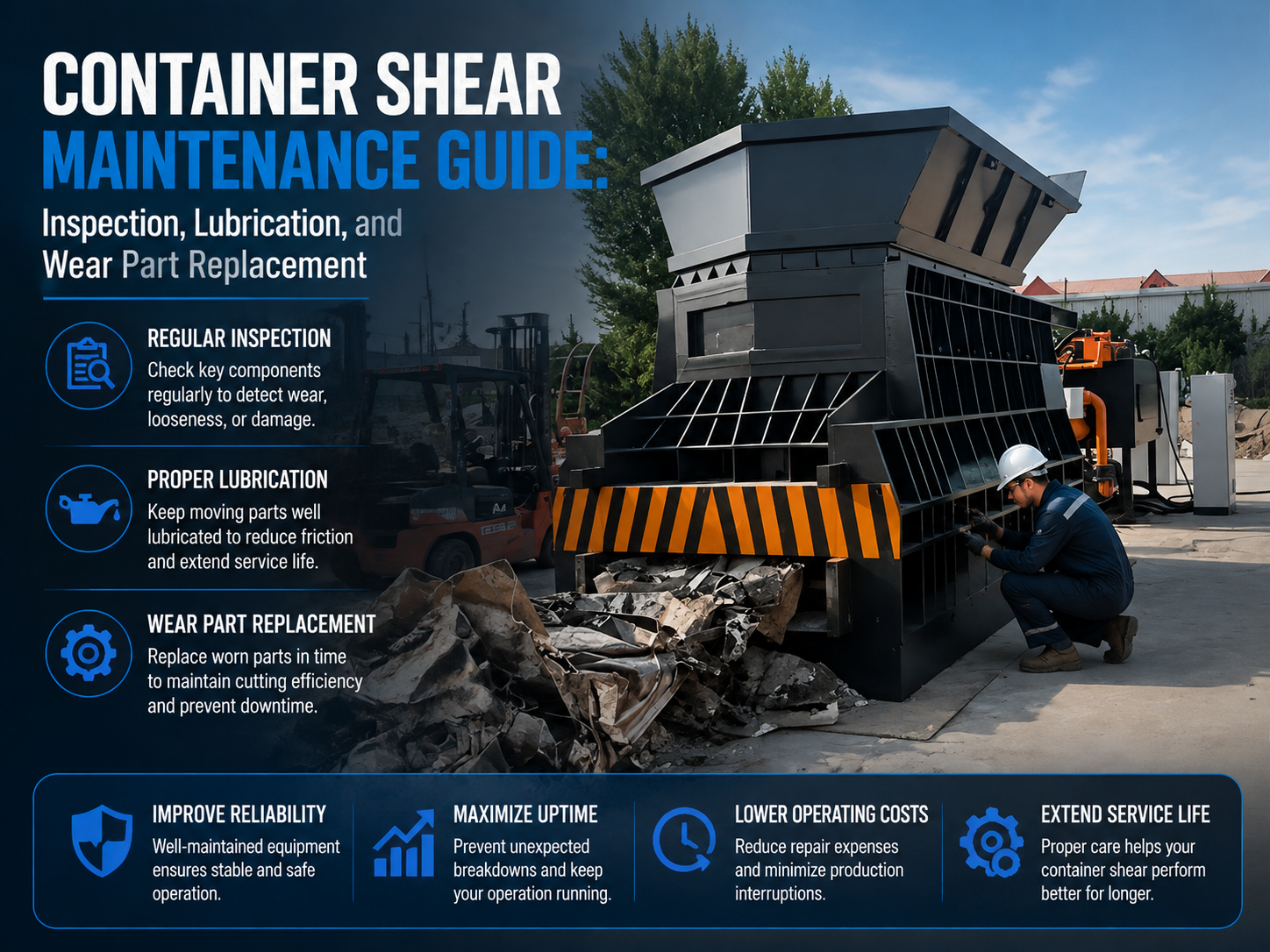
Container Shear Maintenance Guide: Inspection, Lubrication, and Wear Part Replacement

Technical Overview of Container Shear Maintenance
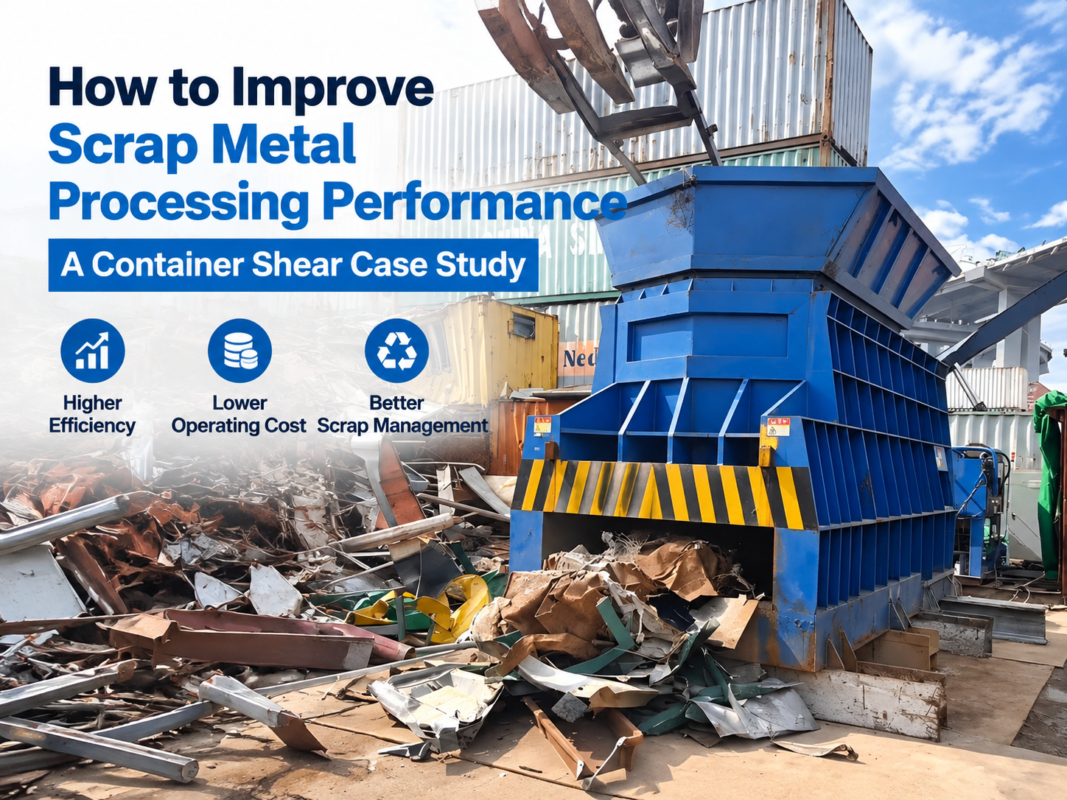
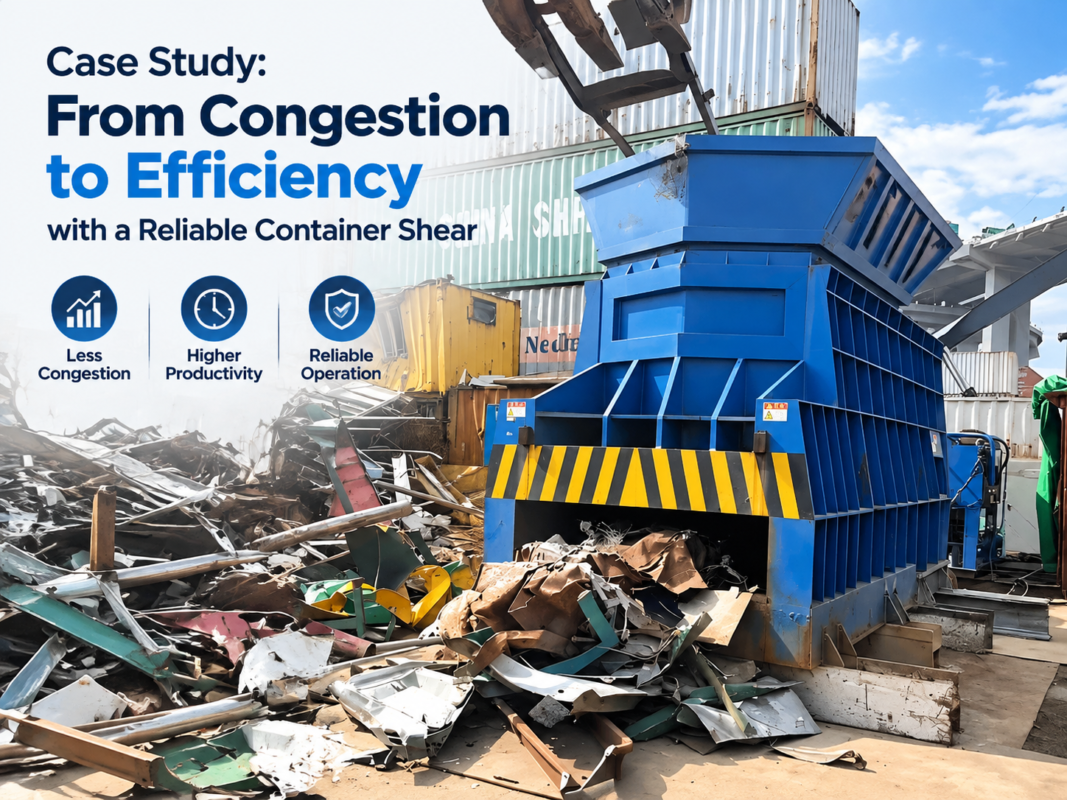
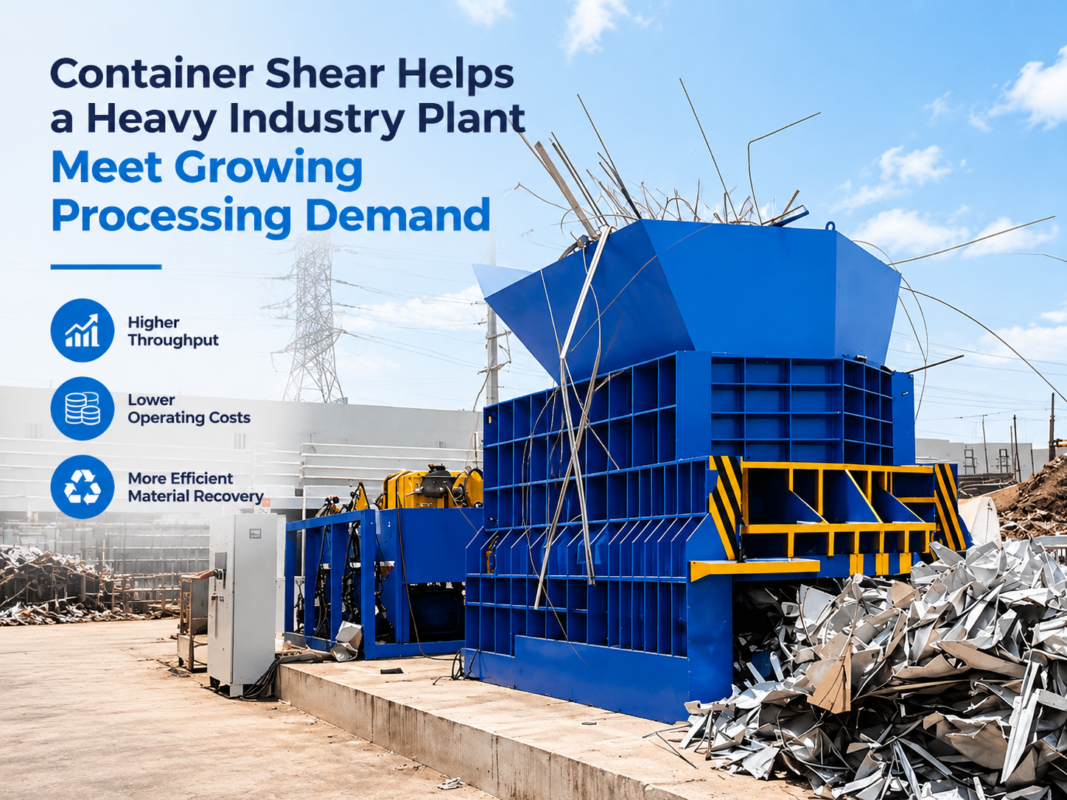
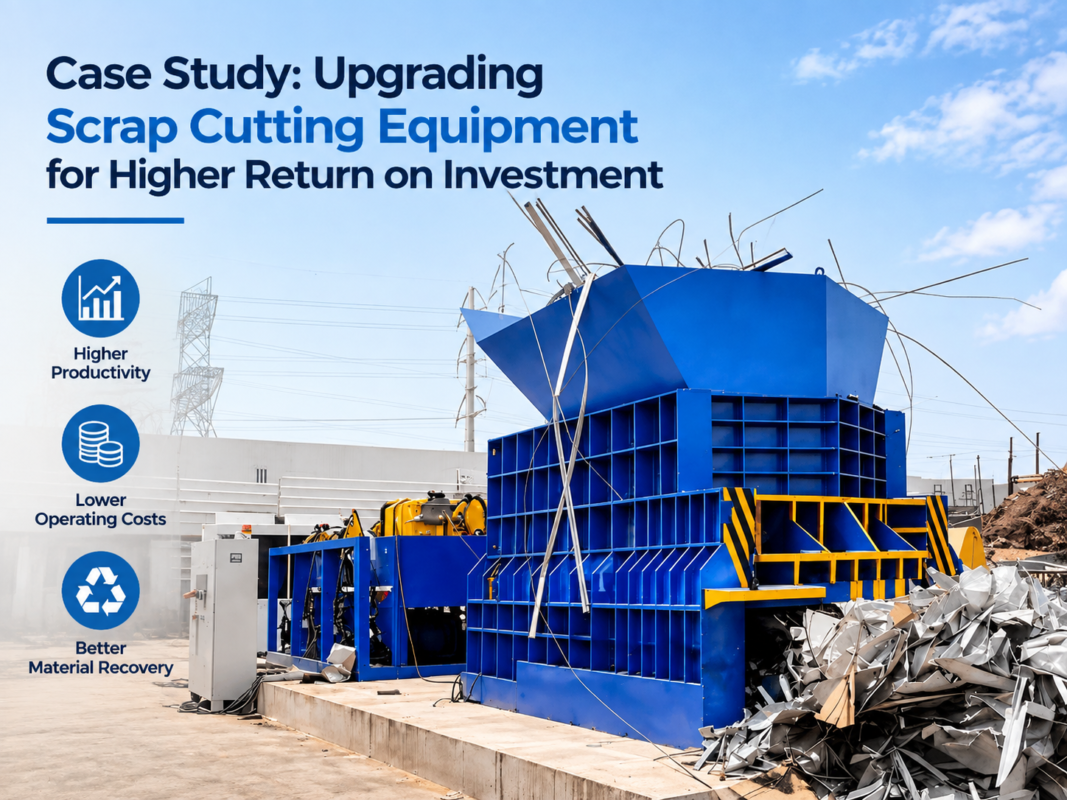
The container shear, often referred to as a box shear or scrap shear, is a cornerstone of the modern metal recycling industry. These massive machines are designed to process large volumes of scrap metal by compressing it into a dense box and then shearing it into manageable lengths. Given the extreme forces involved—often exceeding 600 to 1250 tons of pressure—the mechanical and hydraulic components are subjected to intense stress. Effective Container Shear Maintenance: Inspection, Lubrication, and Wear Part Replacement is not merely a recommendation; it is a critical operational requirement to prevent catastrophic failure and ensure a high return on investment.
At HARSLE, we engineer our container shears for maximum durability, but the harsh environment of a scrap yard—filled with abrasive dust, varying metal hardness, and fluctuating temperatures—demands a disciplined maintenance regimen. A well-maintained machine operates with higher efficiency, consumes less energy, and maintains a higher resale value. This guide provides a deep dive into the technical aspects of keeping your container shear in peak condition, focusing on the three pillars of industrial upkeep: systematic inspection, precise lubrication, and timely wear part replacement.
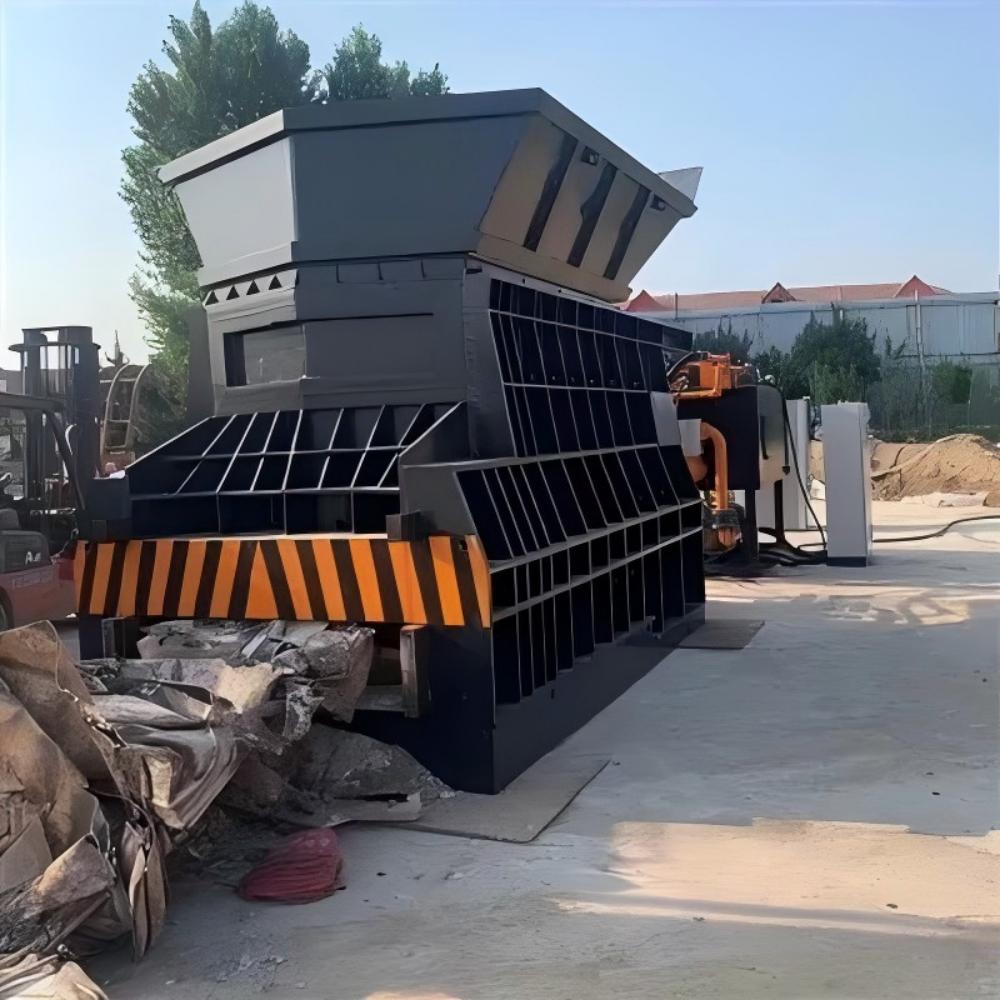
The technical complexity of a container shear involves a synergy between high-pressure hydraulics, heavy-duty structural steel, and sophisticated PLC control systems. Maintenance must address all these areas. For instance, the hydraulic system requires clean oil and functional filtration to prevent valve stiction, while the mechanical structure requires regular checks for stress fractures. By understanding the interplay between these systems, operators can move from reactive repairs to a proactive, predictive maintenance model that minimizes downtime.
Core Parameters of Container Shear Performance
To maintain a container shear effectively, one must first understand the core parameters that define its operation. These parameters serve as the baseline for all maintenance activities. If a machine begins to deviate from these specifications, it is a clear indicator that maintenance is required. The primary parameters include shearing force, cycle time, hydraulic pressure, and blade clearance.
Shearing force is the maximum pressure the main cylinder can exert on the scrap material. This is typically measured in kilonewtons (kN) or tons. Maintenance ensures that the hydraulic pumps are delivering the required flow and pressure to achieve this force. If the shearing force drops, it may indicate internal leakage in the cylinders or a failing pump. Monitoring the cycle time—the time it takes for the shear to complete one full stroke and return—is another vital diagnostic tool. An increase in cycle time often points to clogged filters or air in the hydraulic lines.
Hydraulic pressure settings are critical. Most container shears operate at pressures between 25MPa and 31.5MPa. Exceeding these limits can lead to hose bursts and seal failures, while lower pressures result in incomplete cuts. Finally, blade clearance (the gap between the moving and stationary blades) is a parameter that must be checked daily. For most scrap materials, a gap of 0.5mm to 1.0mm is standard. If this gap widens due to wear or loose bolts, the machine will ‘fold’ the metal rather than cut it, causing immense lateral stress on the shear head and guide rails.
Calculation Method for Maintenance Intervals and Force
Determining when to perform maintenance shouldn’t be based on guesswork. Engineering calculations provide a framework for scheduling. For example, the Hydraulic Oil Life Calculation is often based on the operating temperature. For every 10°C increase above the ideal operating temperature (usually 50°C), the oxidation rate of the oil doubles, effectively halving its lifespan. If your container shear consistently runs at 70°C, you must replace the oil four times more frequently than a machine running at 50°C.
Another critical calculation involves Blade Wear Ratios. Operators should track the tonnage processed against blade degradation. A standard formula used in the industry is: W = (T / M) * C, where W is the wear factor, T is the total tonnage processed, M is the material hardness coefficient, and C is the blade quality constant. By calculating this, managers can predict exactly when a blade flip or replacement is necessary, allowing for scheduled downtime rather than emergency stops.
Furthermore, calculating the Shearing Stress on the frame helps in identifying inspection points. The stress (σ) is calculated as F / A, where F is the shearing force and A is the cross-sectional area of the shear’s structural supports. During maintenance, high-stress areas identified by this calculation should be subjected to Non-Destructive Testing (NDT) like ultrasonic or dye penetrant inspection to catch micro-cracks before they propagate into structural failures.
Container Shear Technical Parameter Table
The following table outlines the typical specifications for HARSLE container shears, which serve as the reference points for maintenance and inspection protocols.
| Model Series | Shearing Force (Tons) | Max. Cutting Size (mm) | Cycle Time (Seconds) | Motor Power (kW) | Oil Tank Capacity (L) |
|---|---|---|---|---|---|
| HCS-630 | 630 | 120 x 120 (Square) | 15 – 20 | 90 – 110 | 2500 |
| HCS-800 | 800 | 150 x 150 (Square) | 18 – 25 | 110 – 132 | 3500 |
| HCS-1000 | 1000 | 180 x 180 (Square) | 20 – 30 | 150 – 185 | 5000 |
| HCS-1250 | 1250 | 200 x 200 (Square) | 25 – 35 | 220 – 250 | 7000 |
Note: These parameters are based on standard configurations. Maintenance schedules should be adjusted if the machine is used for high-tensile alloys or in extreme environmental conditions.
Common Engineering Mistakes in Maintenance
One of the most frequent mistakes in Container Shear Maintenance: Inspection, Lubrication, and Wear Part Replacement is the neglect of the hydraulic filtration system. Many operators wait for a filter bypass warning before changing elements. By that time, microscopic contaminants have already begun eroding the precision surfaces of the piston pumps and proportional valves. This ‘silent killer’ reduces the volumetric efficiency of the system long before a total failure occurs.
Another common error is improper blade shimming. When replacing or flipping blades, the gap must be perfectly uniform across the entire length. Using uneven shims or failing to clean the blade seat thoroughly can cause the blade to ‘chatter’ or crack under load. This not only destroys the blade but can also damage the expensive blade holder. Engineers often overlook the importance of torqueing blade bolts to the specific Newton-meter (Nm) rating, leading to bolts shearing off during high-pressure cycles.
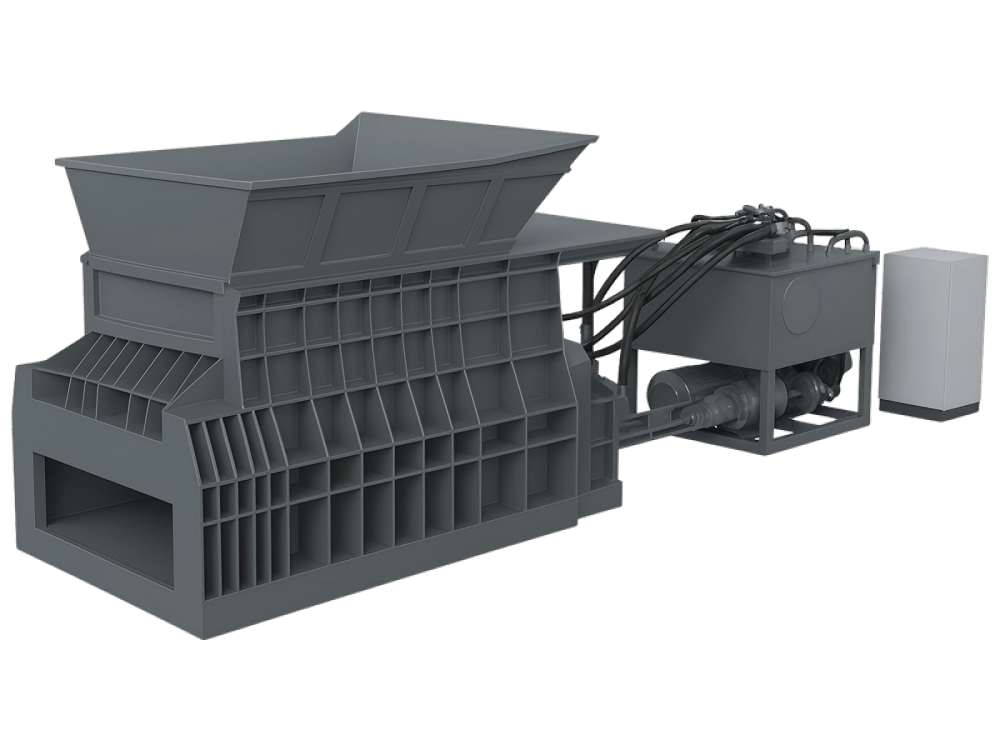
Inconsistent lubrication is a third major pitfall. Using the wrong type of grease—for example, using a standard chassis grease instead of a high-pressure molybdenum disulfide (MoS2) grease—will result in the lubricant being squeezed out of the high-load bushings. Furthermore, relying solely on an automatic lubrication system without manual verification can be dangerous. If a single line is blocked, that specific pivot pin will run dry, leading to galling and eventual seizure, even if the rest of the machine looks well-greased.
Comprehensive Selection and Maintenance Checklist
To ensure your container shear remains in top condition, follow this structured checklist for selection and ongoing maintenance. This list combines procurement considerations with operational best practices.
- Hydraulic Fluid Quality: Always use premium anti-wear hydraulic oil (ISO VG 46 or 68). Check the NAS filtration class; it should ideally be NAS 7 or better.
- Blade Material Selection: Ensure wear parts are made from high-quality tool steel (like 6CrW2Si or Cr12MoV). The hardness should be between 52-56 HRC for the best balance of toughness and wear resistance.
- Daily Inspection Points: Check for oil leaks at cylinder glands, inspect blade bolts for looseness, and verify that the emergency stop circuit is functional.
- Lubrication Schedule: Grease all main pivot pins every 4-8 hours of operation. Check the auto-lube reservoir daily.
- Wear Plate Monitoring: Inspect the bronze or hardened steel wear plates on the ram. Replace them when they reach 70% of their original thickness to prevent damage to the main structure.
- Cooling System: Clean the air-cooled or water-cooled heat exchangers weekly. Dust buildup on fins is a leading cause of hydraulic overheating.
- Electrical Cabinet: Use compressed air to blow out dust from the PLC and contactors. Ensure all wire terminations are tight, as vibration can loosen them over time.
Detailed Guide to Wear Part Replacement
Wear part replacement is the most labor-intensive aspect of container shear maintenance. The blades are the primary wear item. Most HARSLE shears feature four-sided reversible blades. When the cutting edge becomes rounded (usually after 500-1000 tons of scrap, depending on the material), the blade should be rotated to a fresh edge. When all four edges are worn, the blades must be sent for professional regrinding or replaced. It is vital to maintain a spare set of blades to minimize downtime during this process.
The hydraulic seals are another critical wear part. Over time, the heat and friction cause the U-cups and wipers to harden and crack. If you notice ‘weeping’ at the cylinder rod, it is time to replace the seal kit. This process requires cleanliness; even a single grain of sand introduced during a seal change can score the cylinder barrel. Always use a seal installation tool to avoid nicking the new seals on the rod threads.
Wear plates (liners) inside the compression box and on the shear slide protect the main frame from the abrasive action of the scrap metal. These are designed to be sacrificial. Monitoring the clearance between the slide and the frame is essential. If the clearance exceeds the manufacturer’s specification (typically 2-3mm), the wear plates must be shimmed or replaced. Neglecting this leads to the ‘cocking’ of the ram, which puts uneven pressure on the hydraulic cylinders and can lead to bent rods.
FAQ: Container Shear Maintenance
How often should I change the hydraulic oil in my container shear?
Under normal operating conditions, hydraulic oil should be changed every 2,000 to 3,000 operating hours. However, you should perform oil analysis every 500 hours to check for oxidation, water content, and particulate contamination. If the analysis shows the oil is still within spec, you can extend the interval, but the filters must be changed regardless.
What is the best way to prevent blade cracking?
Blade cracking is usually caused by excessive blade gap or shearing material that is too hard (like hardened axle steel). Ensure your blade gap is set correctly for the thickness of the scrap you are cutting. Also, avoid ‘shock loading’ the machine by ensuring the scrap is properly pre-compressed in the box before the shear stroke begins.
Why is my container shear losing power when the oil gets hot?
This is typically due to a drop in oil viscosity as temperature rises. If the oil becomes too thin, internal leakage increases within the pumps and valves, reducing the effective pressure. Ensure your cooling system is functioning and that you are using the correct grade of oil for your ambient environment. If the problem persists, the hydraulic pump may be worn and require a rebuild.
Can I weld or repair a cracked shear blade?
No, welding shear blades is generally not recommended. The high-carbon tool steel used in blades is extremely sensitive to heat. Welding creates a Heat Affected Zone (HAZ) that is brittle and prone to catastrophic failure under the immense pressures of shearing. Always replace cracked blades with new ones to ensure safety and performance.
How do I know if my auto-lubrication system is working?
The best way to verify an auto-lube system is to observe the ‘grease collar’ around the pins and bushings. If a pin looks dry or has rusty dust (fretting corrosion) coming out of it, the lube line is likely blocked or the injector has failed. Manually pump grease into each point once a week to ensure the paths remain clear.
What should I do if the shear head is moving slowly?
Slow movement is usually a flow issue. Check the suction strainers in the oil tank for blockages. Also, inspect the pilot pressure system; if the pilot pressure is too low, the main directional valves won’t shift fully, restricting oil flow to the cylinders. Lastly, check for air entrainment in the oil, which can make the hydraulics feel ‘spongy’ and slow.
Conclusion
Maintaining a container shear is a rigorous task that requires attention to detail and a deep understanding of hydraulic and mechanical systems. By following the protocols for Container Shear Maintenance: Inspection, Lubrication, and Wear Part Replacement, you can ensure that your HARSLE equipment remains a reliable asset in your recycling operation. Remember that every hour spent on preventive maintenance saves ten hours of emergency repair and thousands of dollars in lost production. Keep your blades sharp, your oil clean, and your pivot points greased, and your container shear will provide decades of service in the demanding world of scrap metal processing.