Choosing the Right Container Shear for Metal Fabrication and Scrap Processing Operations

Introduction to Modern Scrap Processing
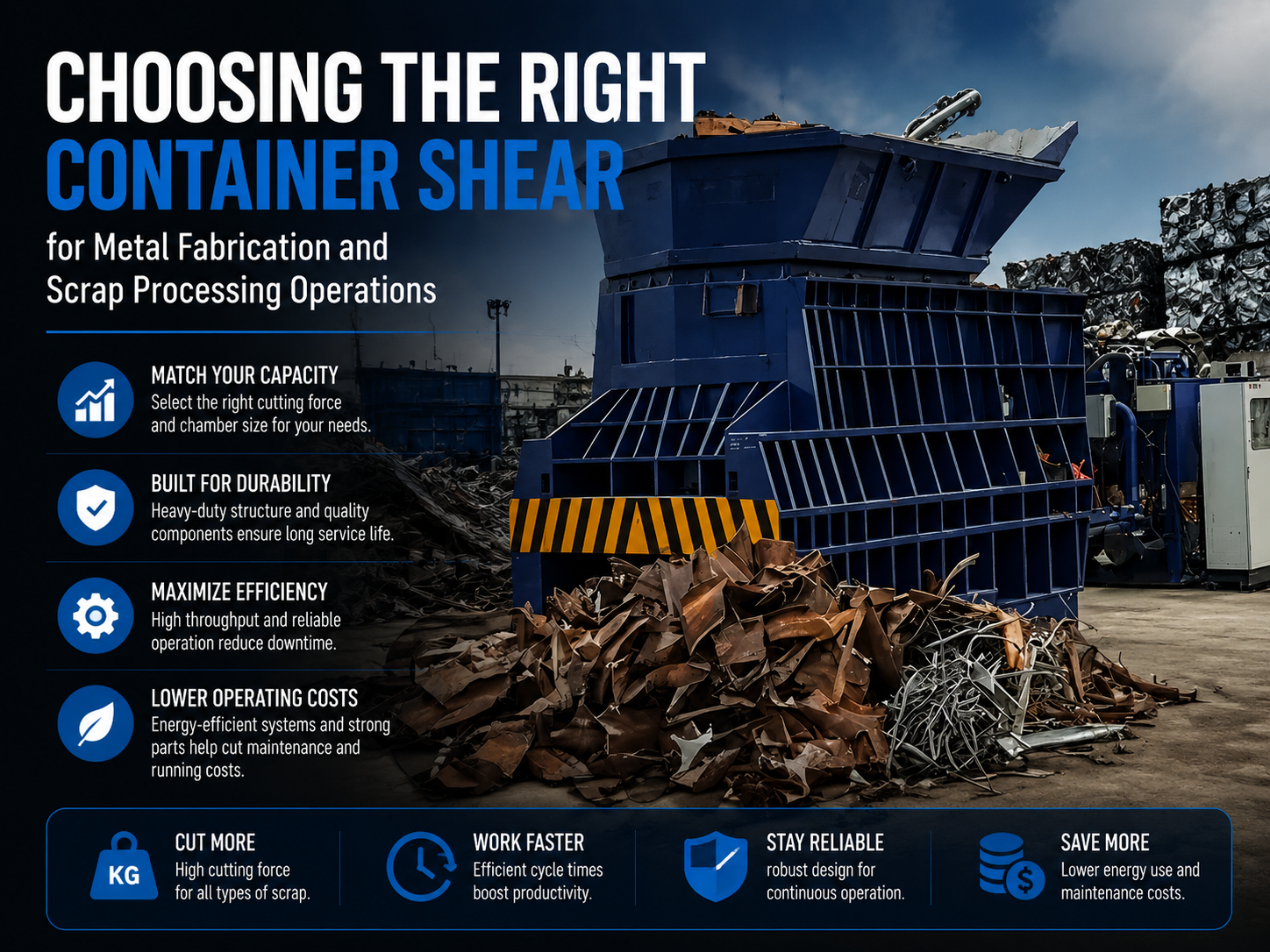
In the rapidly evolving landscape of metal fabrication and recycling, the efficiency of material preparation is a critical determinant of profitability. As global demand for recycled steel and non-ferrous metals continues to rise, facilities are under increasing pressure to process larger volumes of scrap with higher precision and lower operational costs. This is where the container shear—a robust, high-capacity hydraulic machine—becomes indispensable. Choosing the right container shear for metal fabrication and scrap processing operations is not merely a purchasing decision; it is a strategic engineering choice that impacts throughput, energy consumption, and long-term maintenance overhead.
Container shears, often referred to as box shears, represent a significant leap over traditional alligator or gantry shears. Their unique design allows for continuous feeding and automatic shearing, which minimizes the need for manual labor and pre-sorting. For a metal fabrication shop or a dedicated scrap yard, the ability to transform bulky, irregular scrap into dense, furnace-ready pieces is the key to maximizing the value of every ton processed. This guide provides a deep dive into the technical nuances of these machines, helping you navigate the complexities of selection to find the perfect fit for your operational needs.
Technical Overview: How Container Shears Transform Operations
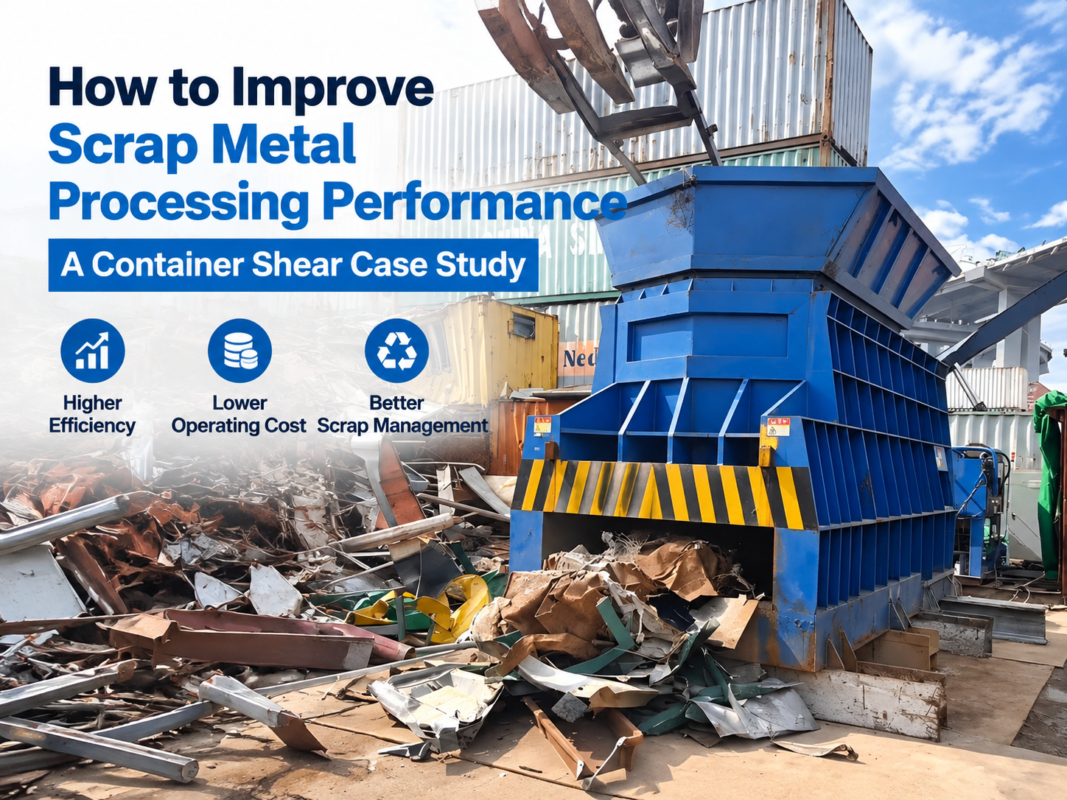
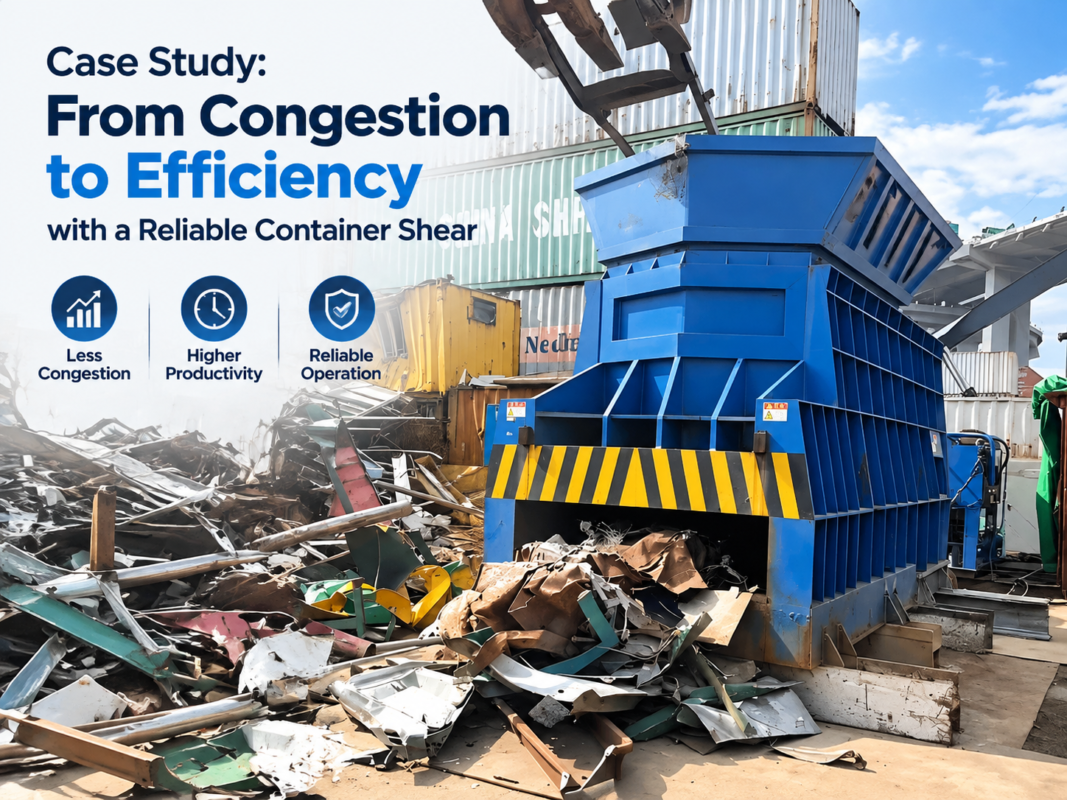
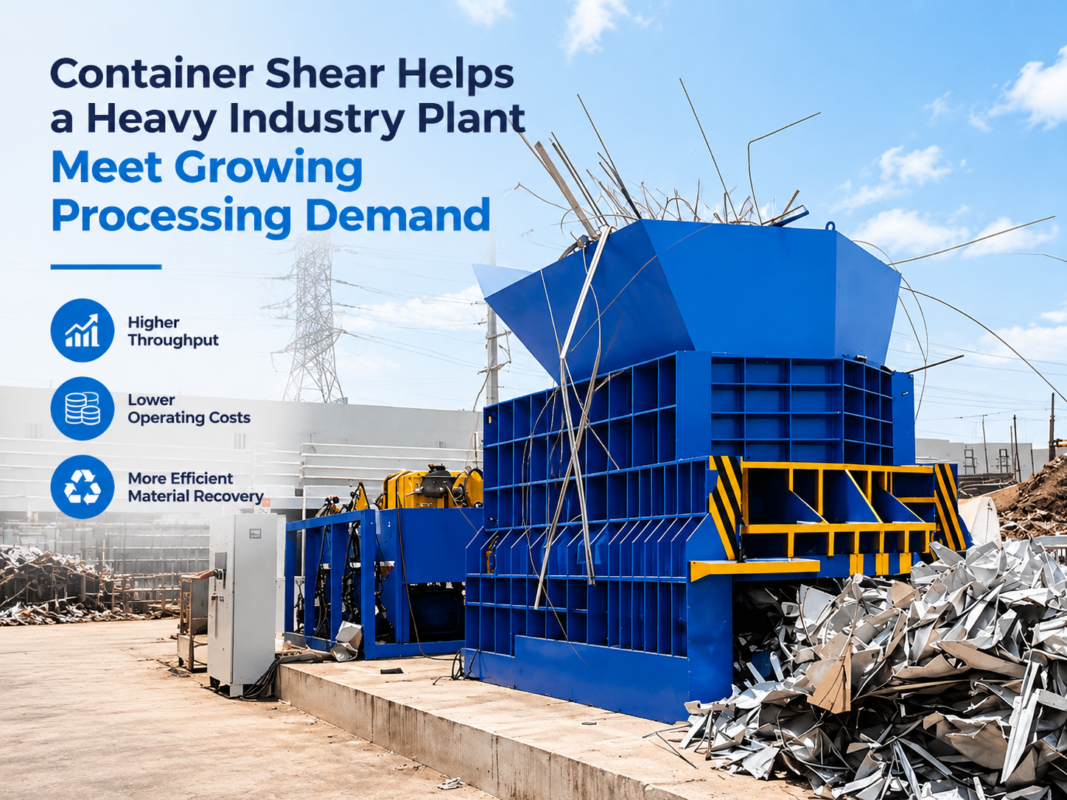
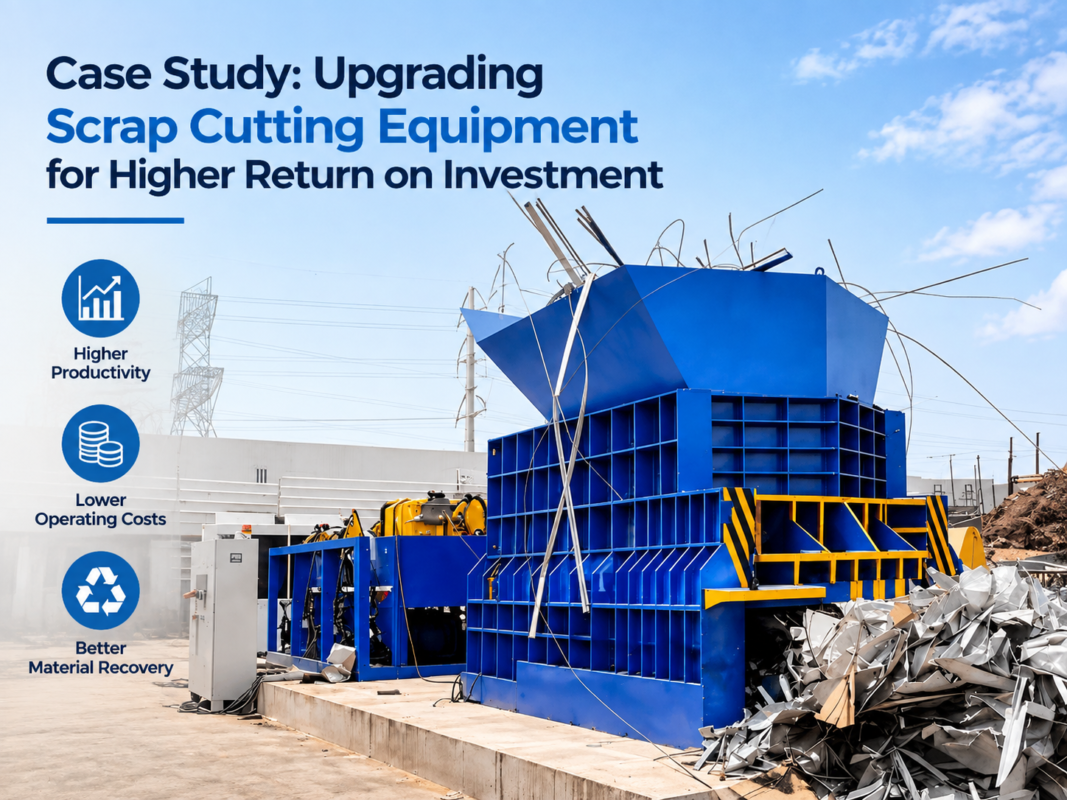
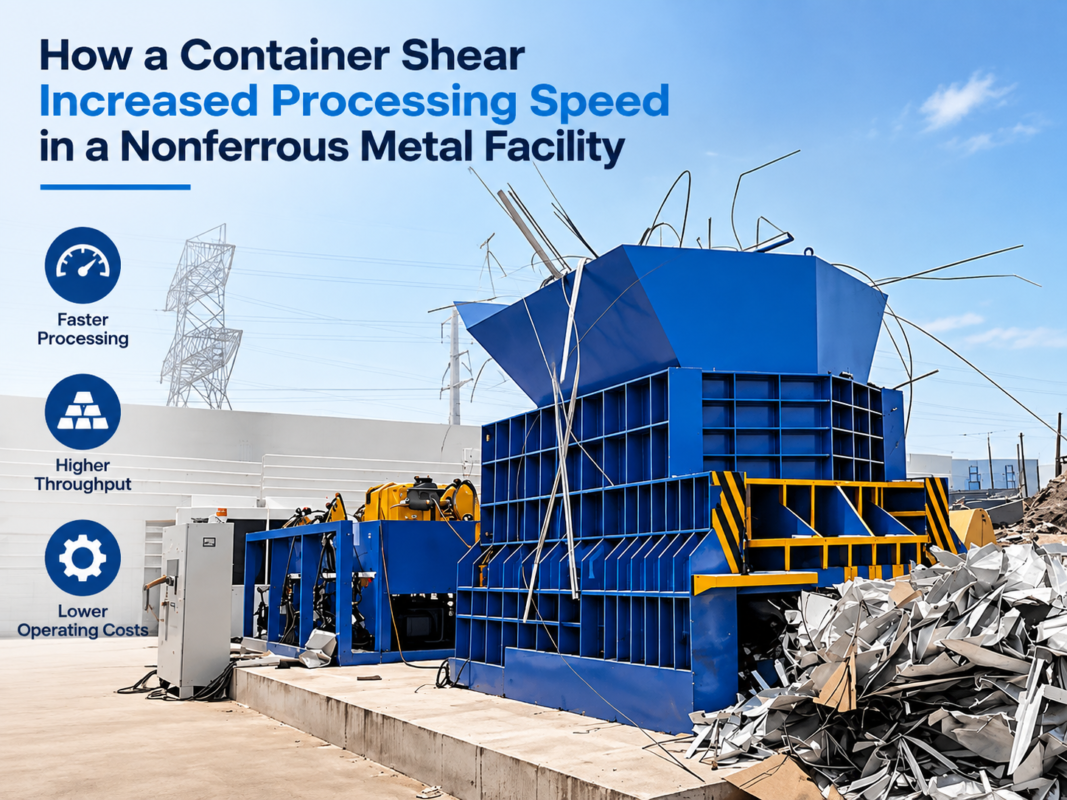
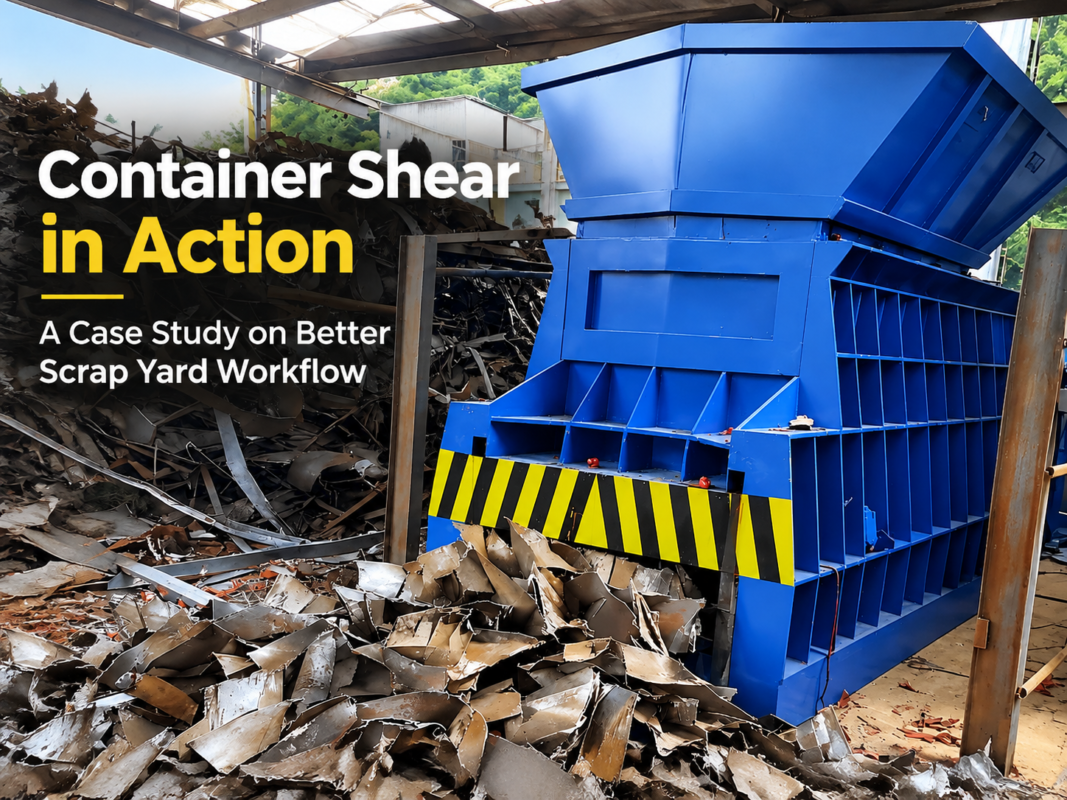
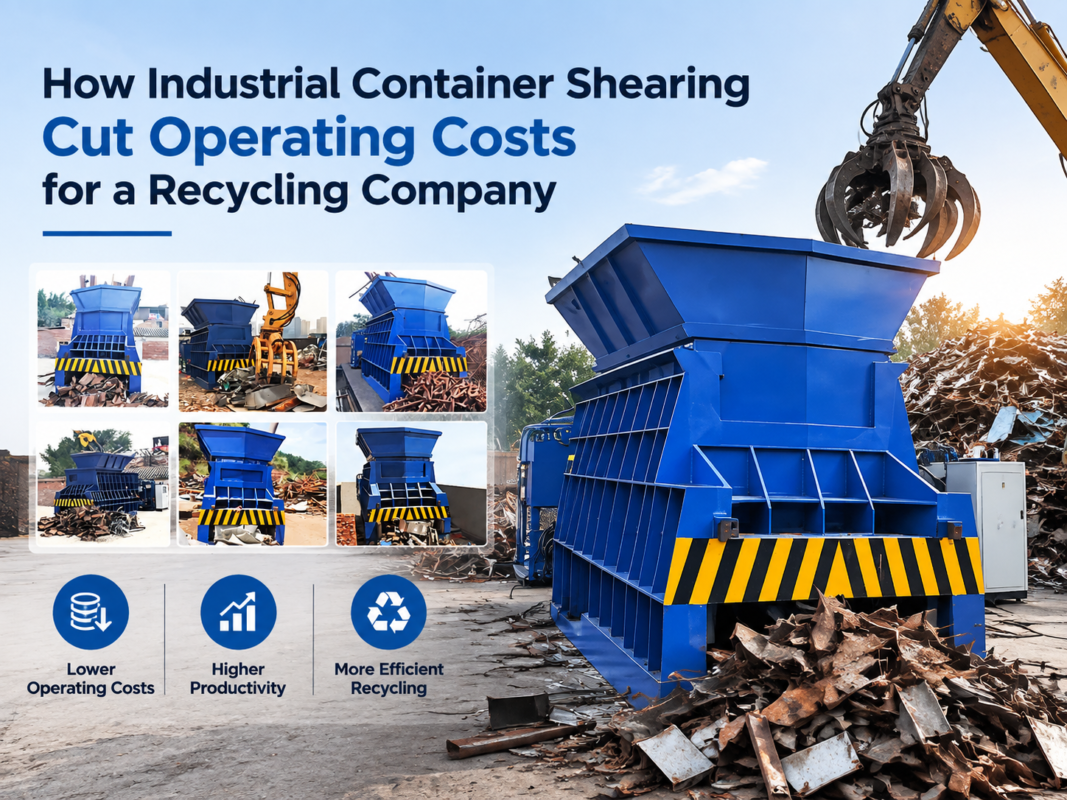
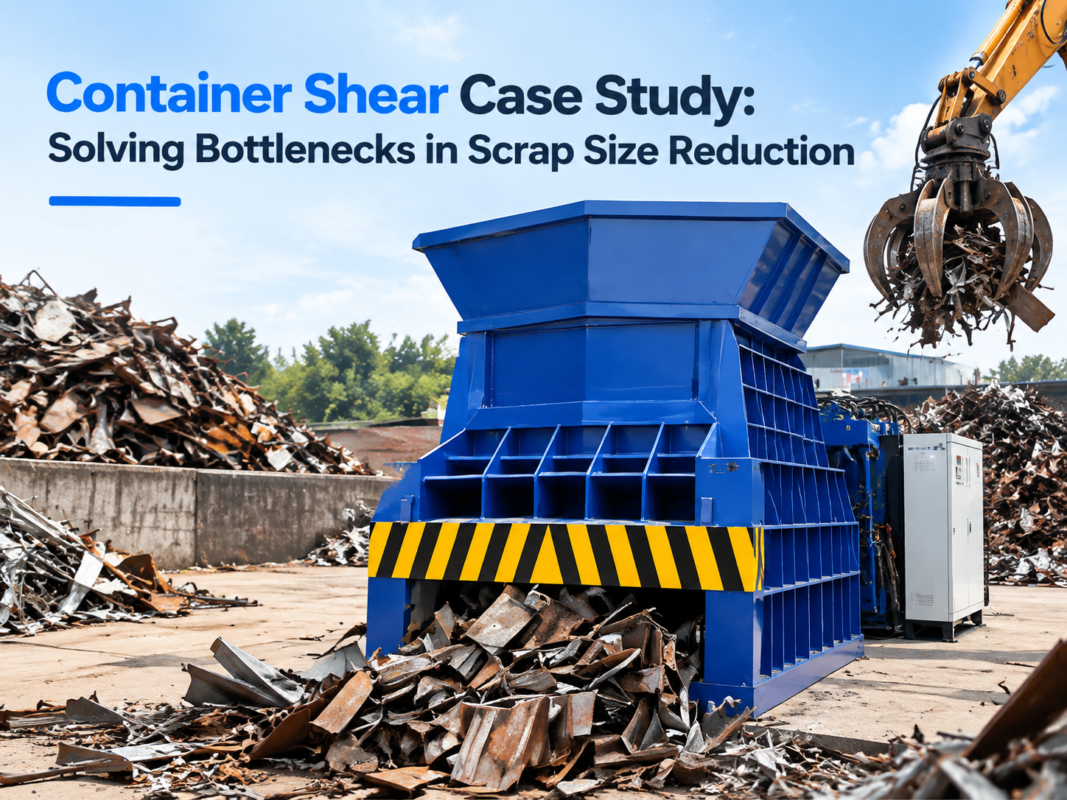
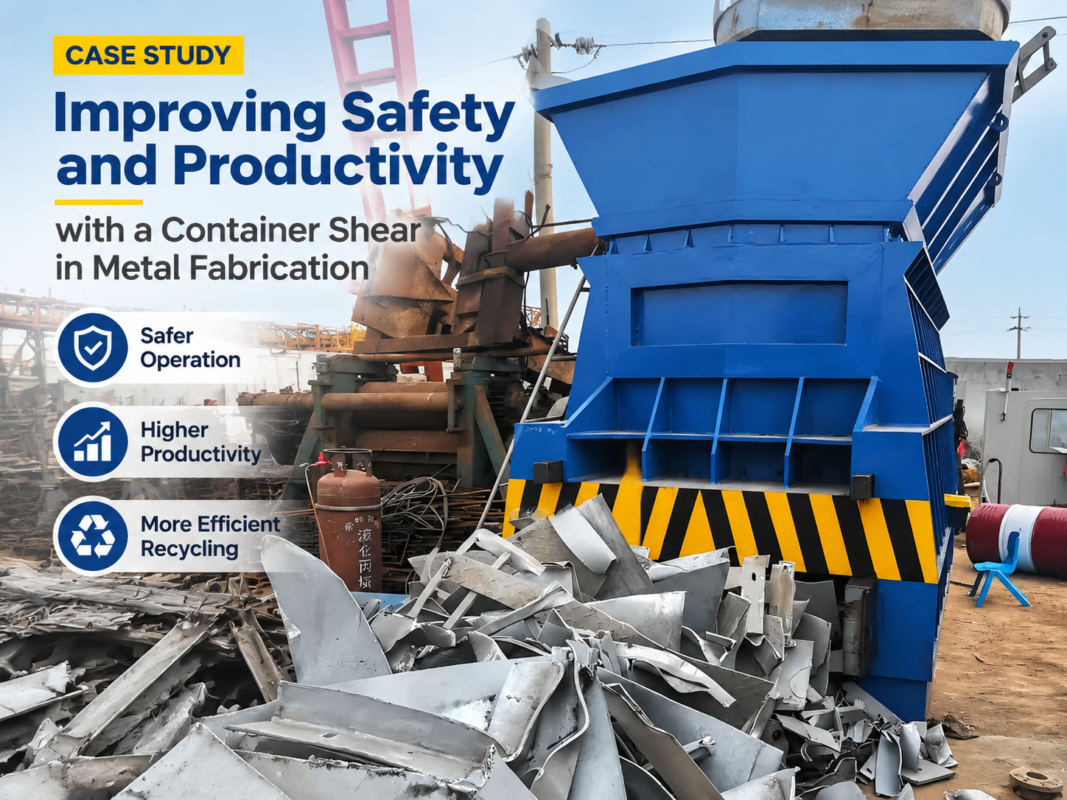
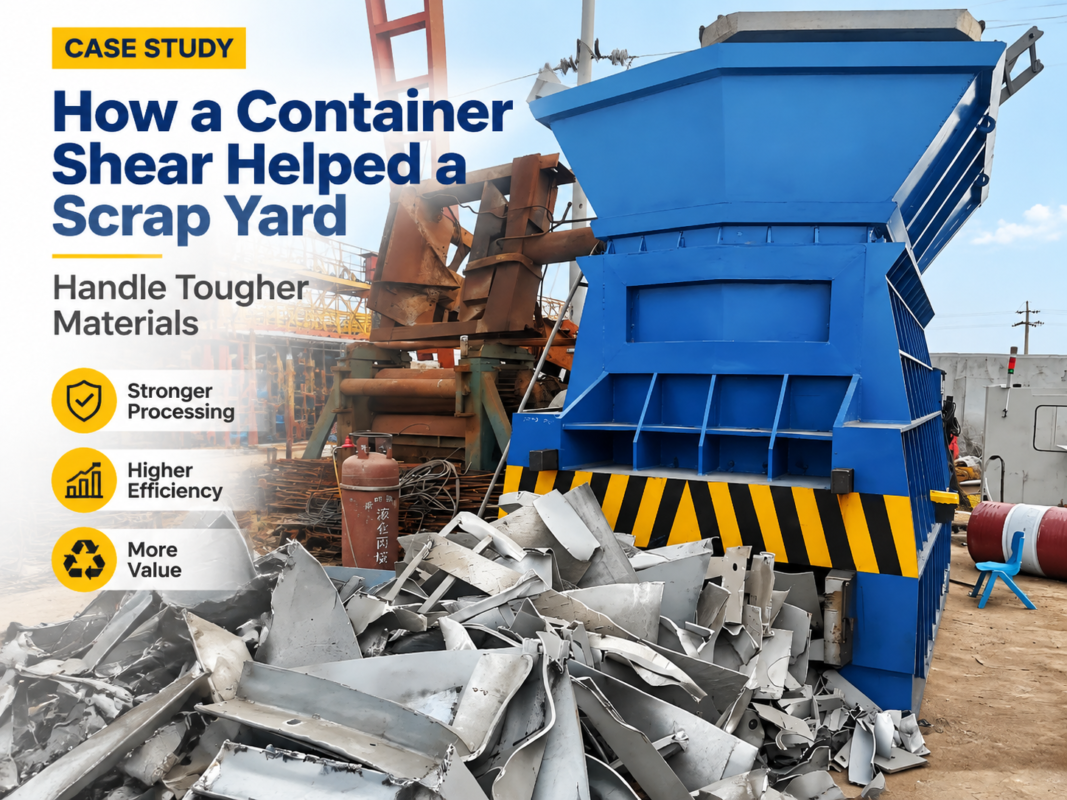
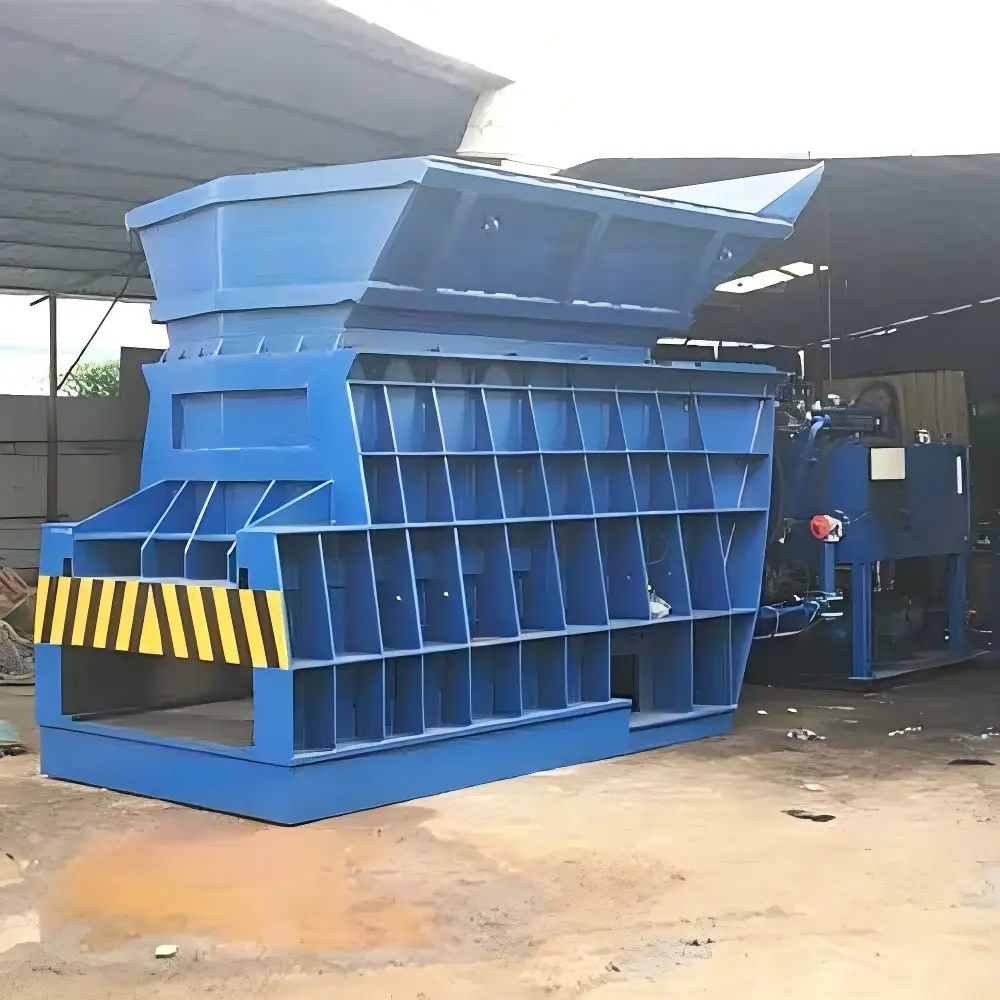
The container shear operates on a relatively simple yet powerful principle: horizontal shearing within a reinforced enclosure. Unlike gantry shears that require a vertical gravity feed or alligator shears that require manual positioning, the container shear utilizes a large hopper (the “container”) where scrap is loaded. A hydraulic pusher then moves the material toward the shearing blades. This horizontal movement ensures that even long or awkwardly shaped pieces, such as structural beams, pipes, and automotive frames, are processed efficiently.
One of the primary advantages of the container shear is its integrated design. Most modern units from HARSLE are built as a single, cohesive structure that does not require extensive foundation work compared to massive gantry shears. This “plug-and-play” capability allows for faster deployment and even portability in certain configurations. The hydraulic system is the heart of the machine, typically featuring high-pressure piston pumps and a sophisticated valve block that manages the immense force required to slice through hardened steel.
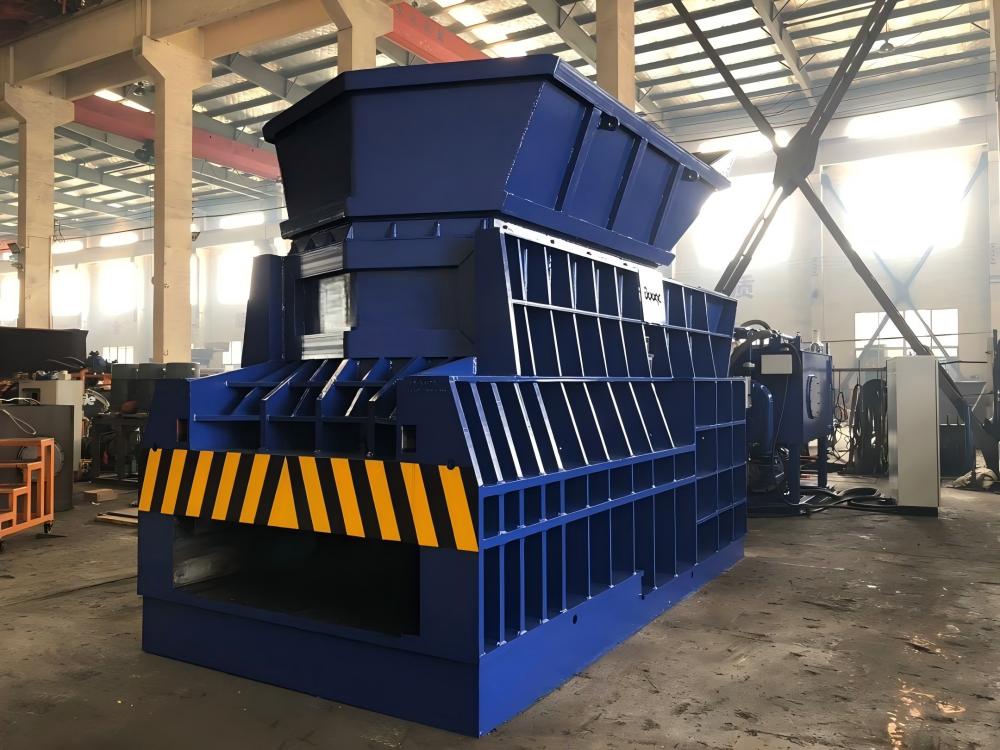
Furthermore, the automation capabilities of modern container shears cannot be overstated. Equipped with PLC (Programmable Logic Controller) systems, these machines can monitor pressure levels, cycle times, and material density in real-time. This ensures that the machine operates within its optimal performance envelope, preventing overloads and reducing wear on the hydraulic seals and blades. For metal fabrication operations, this means a consistent output size that meets the strict requirements of foundries and steel mills.
Core Parameters to Consider
When choosing a container shear for metal fabrication and scrap processing operations, several technical parameters dictate the machine’s suitability for your specific application. Understanding these metrics is essential for comparing different models and ensuring the machine can handle your expected workload.
1. Shearing Force (Tonnage)
The shearing force, measured in tons (T) or kilonewtons (kN), is the most critical specification. It determines the maximum thickness and hardness of the material the machine can cut. Common sizes range from 400T to over 1250T. A 500T machine is generally sufficient for light to medium scrap, such as sheet metal and small profiles, while an 800T or 1000T machine is required for heavy industrial scrap like I-beams and thick-walled pipes.
2. Blade Length and Throat Opening
The length of the shear blades determines the width of the cut. A wider blade allows for larger pieces of scrap to be processed without pre-cutting. However, a wider blade also requires more force to maintain the same cutting pressure per square inch. The throat opening height is equally important, as it limits the vertical bulk of the material that can enter the shearing zone.
3. Cycle Time and Throughput
Efficiency is measured by how many cuts the machine can perform per minute. High-speed hydraulic systems with regenerative circuits can significantly reduce the “idle” time of the pusher and shear head. When evaluating a machine, consider the tons-per-hour (TPH) rating, which accounts for both the cycle speed and the volume of the loading hopper.
4. Motor Power and Energy Efficiency
The electric motor drives the hydraulic pumps. While higher horsepower (HP) or kilowatts (kW) usually translates to faster cycle times, it also increases operational costs. Modern HARSLE container shears often utilize variable frequency drives (VFDs) or servo-motor technology to provide high torque only when needed, drastically reducing energy consumption during the loading phase of the cycle.
Calculation Method for Required Shearing Force
To ensure you are choosing the right container shear, you must calculate the force required to cut your toughest material. The basic formula for shearing force (F) is derived from the cross-sectional area of the material and its shear strength.
The Formula:
F = L × S × τ
Where:
– F is the shearing force (in Newtons or Tons).
– L is the length of the cut (the width of the material being sheared).
– S is the thickness of the material.
– τ (Tau) is the shear strength of the material (typically 70-80% of the ultimate tensile strength).
Example Calculation:
Suppose you need to shear a mild steel plate that is 20mm thick and 600mm wide. The shear strength of mild steel is approximately 350 MPa (N/mm²).
Area = 20mm × 600mm = 12,000 mm²
Force = 12,000 mm² × 350 N/mm² = 4,200,000 N
Converting to tons (1 ton ≈ 9,800 N):
4,200,000 / 9,800 ≈ 428 Tons.
In this scenario, a 500T container shear would be the minimum recommended size to provide a safety margin and account for blade wear. If you frequently process stainless steel or alloyed materials, which have much higher shear strengths, you would need to scale the tonnage accordingly.
Technical Parameter Table for HARSLE Container Shears
The following table outlines the specifications for common container shear models used in the industry. These values serve as a baseline for selection.
| Model Series | Nominal Force (Tons) | Blade Length (mm) | Max Cutting Thickness (Mild Steel) | Motor Power (kW) | Approx. Throughput (Tons/Hour) |
|---|---|---|---|---|---|
| HCS-400 | 400 | 1200 | 16-20mm | 45-55 | 4-6 |
| HCS-500 | 500 | 1400 | 20-25mm | 75-90 | 6-9 |
| HCS-630 | 630 | 1500 | 25-30mm | 110-132 | 10-14 |
| HCS-800 | 800 | 1600 | 35-40mm | 160-200 | 15-20 |
| HCS-1000 | 1000 | 1800 | 45-55mm | 220-300 | 22-30 |
Common Engineering Mistakes in Selection
Even with technical data at hand, many operations make critical errors during the procurement phase. Avoiding these common pitfalls can save thousands of dollars in repairs and lost productivity.
1. Undersizing the Machine
The most frequent mistake is purchasing a machine based on “average” scrap thickness rather than “peak” thickness. If your yard occasionally receives heavy structural steel but your shear is only rated for light sheet, you will either have to turn away profitable scrap or risk damaging the machine by forcing it to bypass safety reliefs. Always size your machine for the top 10% of your material thickness.
2. Ignoring Oil Cooling Requirements
Hydraulic systems generate significant heat, especially in continuous-duty cycles. In warmer climates or high-throughput environments, standard air-cooled heat exchangers may be insufficient. Failing to specify an upgraded cooling system leads to oil degradation, seal failure, and erratic valve behavior. Ensure the hydraulic reservoir and cooling capacity match your duty cycle.
3. Neglecting Foundation and Space Planning
While container shears are more compact than gantry shears, they still exert massive vibration and localized pressure. Placing a 630T shear on a standard 4-inch warehouse floor will lead to concrete cracking. Furthermore, many buyers forget to account for the “swing” area of the loading crane or the space required for the discharge conveyor, leading to bottlenecks in the yard layout.
4. Overlooking Blade Material and Maintenance
Not all blades are created equal. Using standard carbon steel blades for processing stainless steel or high-manganese scrap will result in rapid dulling and frequent downtime. It is essential to choose high-alloy tool steel blades (like H13 or Cr12MoV) and establish a strict rotation and sharpening schedule. Operating with dull blades increases the load on the hydraulic system and reduces the quality of the cut.
Selection Checklist: Choosing Container Shear Metal Fabrication Scrap Processing Operations
Before finalizing your investment, use this checklist to ensure all operational variables have been considered:
- Material Profile: What is the maximum thickness and tensile strength of the scrap you process?
- Volume Requirements: How many tons do you need to process per 8-hour shift?
- Power Supply: Does your facility have the electrical amperage to support 100kW+ motors, or do you need a diesel-powered unit?
- Loading Method: Will you use a grapple crane, a magnet, or a front-end loader? (This affects hopper size choice).
- Climate Considerations: Do you need an oil heater for cold starts or an oversized radiator for tropical heat?
- Automation Level: Do you require remote control operation or integration with a yard management software?
- Maintenance Access: Is there enough clearance around the machine for hydraulic cylinder removal and blade changes?
- Spare Parts Availability: Does the manufacturer (like HARSLE) provide local support or fast shipping for wear parts?
- Noise and Emissions: Are there local regulations regarding decibel levels that might require an acoustic enclosure?
- Future Expansion: Is the machine capable of handling a 20% increase in volume if your business grows?
Maintenance Protocols for Longevity
A container shear is a significant capital investment. To ensure a lifespan of 15-20 years, a rigorous maintenance protocol is mandatory. This begins with daily inspections of hydraulic hoses for leaks and checking the oil level. Because these machines operate in dirty environments, the filtration system is the first line of defense. High-efficiency filters should be changed according to the manufacturer’s hour-meter recommendations, and oil analysis should be performed annually to check for metal particulates or moisture.
The shearing area requires specific attention. The gap between the upper and lower blades (the blade clearance) must be checked weekly. If the gap becomes too wide, the material will “fold” rather than shear, causing immense lateral stress on the shear head guides. Lubrication of the slide ways and pivot points should be automated if possible, or performed manually every shift to prevent metal-on-metal galling.
Frequently Asked Questions (FAQ)
Can a container shear process non-ferrous metals like aluminum and copper?
Yes, container shears are excellent for non-ferrous metals. In fact, because these metals are softer than steel, the machine can often process them at higher speeds or handle thicker sections than its rated steel capacity. However, care must be taken to avoid cross-contamination if you switch between ferrous and non-ferrous materials.
What is the typical lifespan of the shearing blades?
Blade life varies significantly based on the material being cut. For clean, mild steel, a set of high-quality blades can last for 500 to 1,000 hours before needing to be rotated or sharpened. Processing sandy, rusty, or hardened scrap will reduce this lifespan. Most HARSLE blades are four-sided, meaning they can be rotated three times before requiring a full regrind.
Is a stationary or mobile container shear better?
Stationary units are generally more robust and easier to maintain, making them ideal for fixed scrap yards. Mobile units (often trailer-mounted or with hook-lift frames) are better for contractors who need to process scrap at demolition sites or multiple smaller yards. For most metal fabrication shops, a stationary unit is the preferred choice due to its stability and lower cost.
How does the PLC system improve safety?
The PLC monitors various sensors, including oil temperature, pressure spikes, and the position of the pusher. If the machine detects an un-shearable object (like a solid large-diameter shaft), the PLC will automatically trigger a pressure relief or reverse the pusher to prevent catastrophic frame failure. It also allows for emergency stop integration across the entire processing line.
What kind of hydraulic oil should be used?
Most container shears use ISO VG 46 or 68 anti-wear hydraulic oil. The specific grade depends on your ambient operating temperature. It is crucial to use high-quality oil with good thermal stability to prevent the formation of varnish within the high-precision valves.
Conclusion
Choosing the right container shear for metal fabrication and scrap processing operations is a balancing act between power, efficiency, and cost. By focusing on the technical parameters that matter—tonnage, cycle time, and hydraulic reliability—and avoiding common engineering mistakes, you can select a machine that not only meets your current needs but also provides a platform for future growth. HARSLE continues to lead the industry by providing robust, technologically advanced shearing solutions that turn the challenge of scrap management into a streamlined, profitable operation. Investing in the right equipment today ensures that your facility remains competitive in the demanding world of metal recycling.