Alligator Shear Technical Specifications Explained: Force, Stroke, Blade Size, and Motor Power

Technical Overview of Alligator Shears
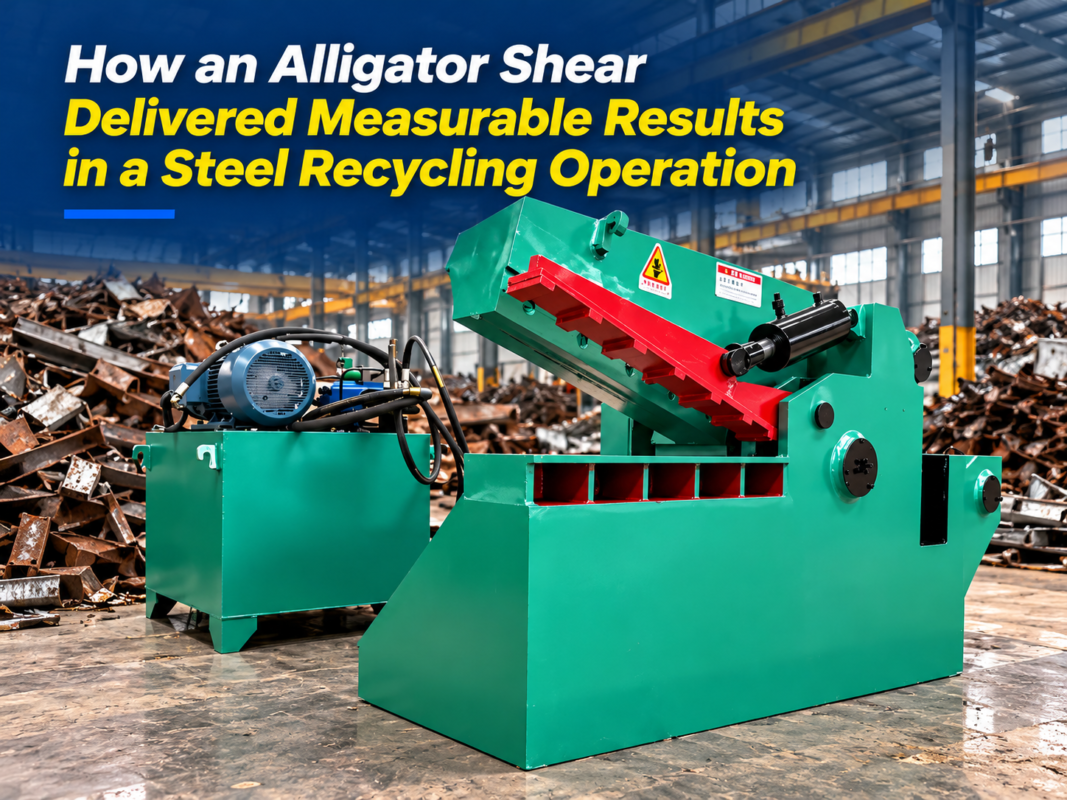
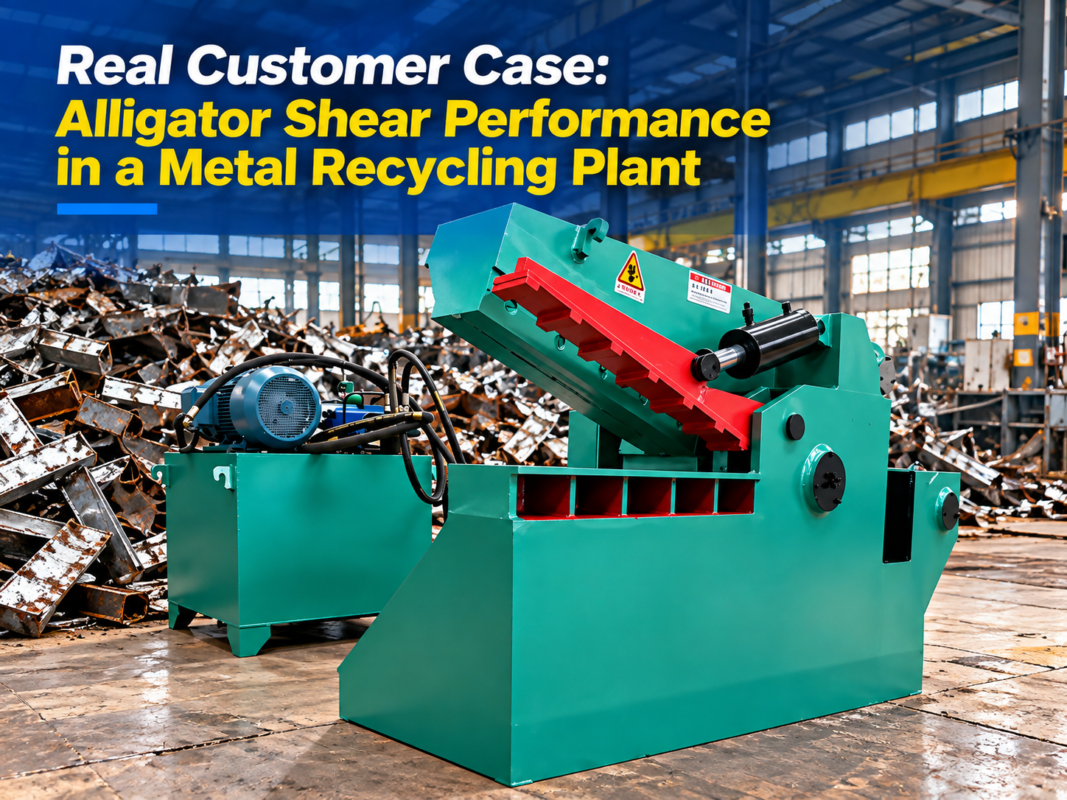
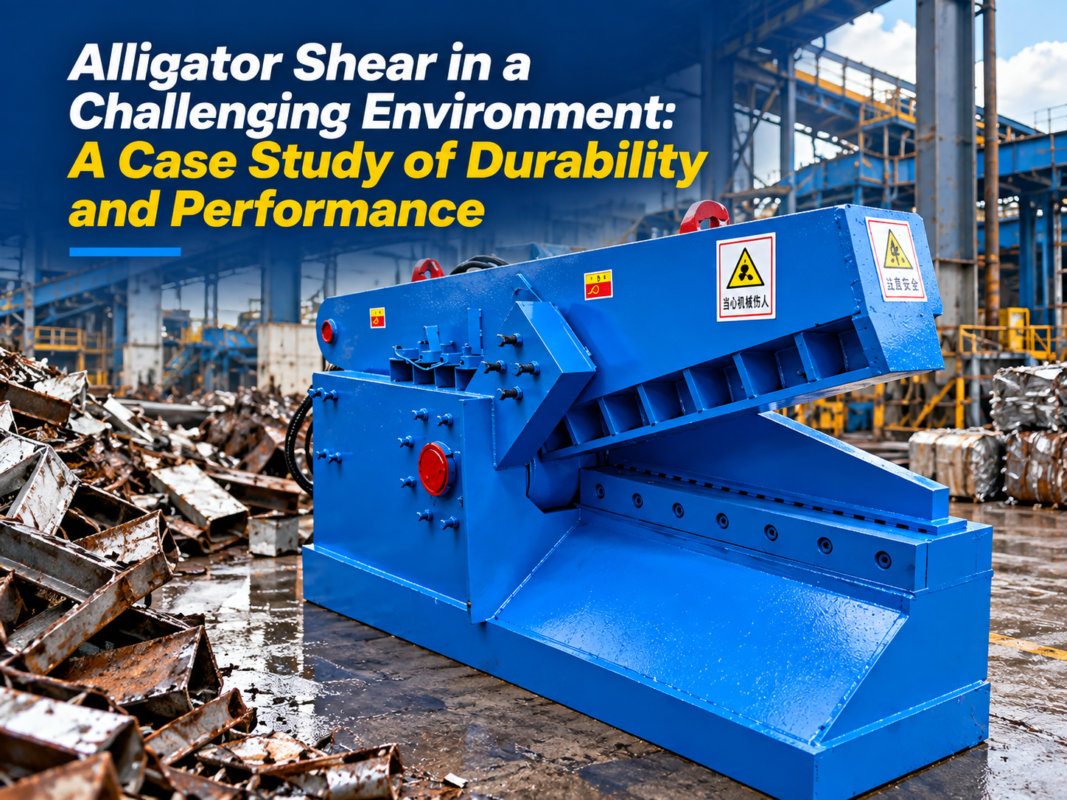
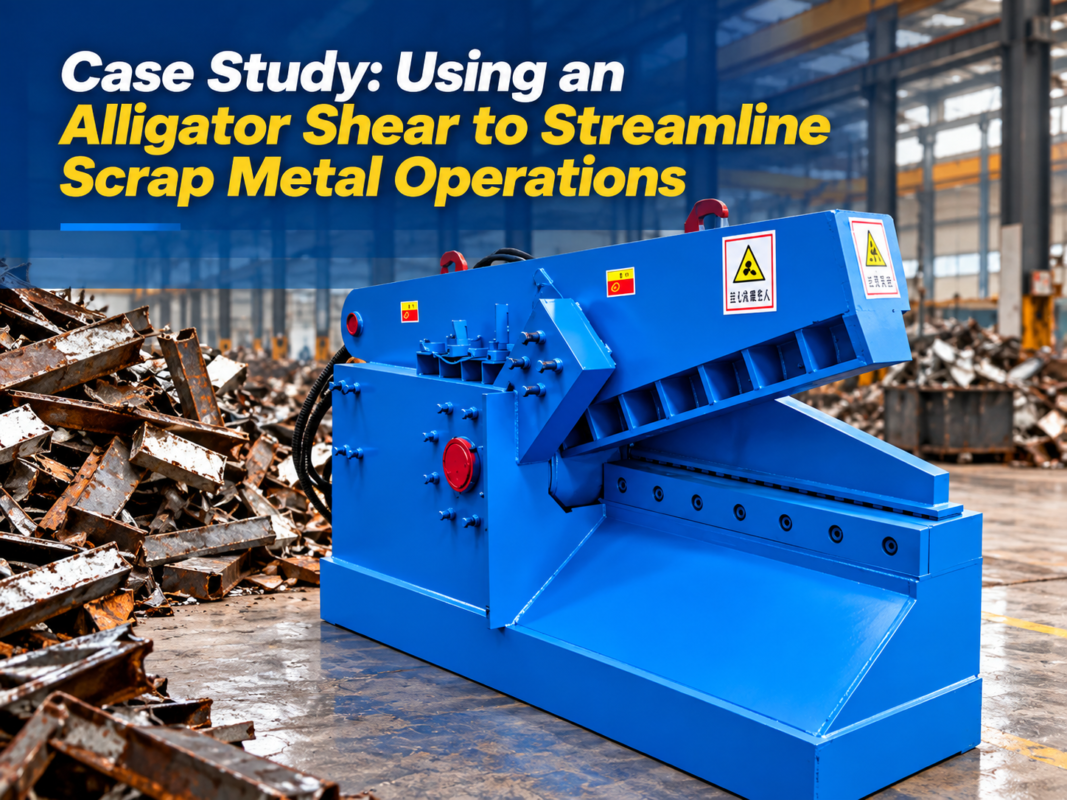
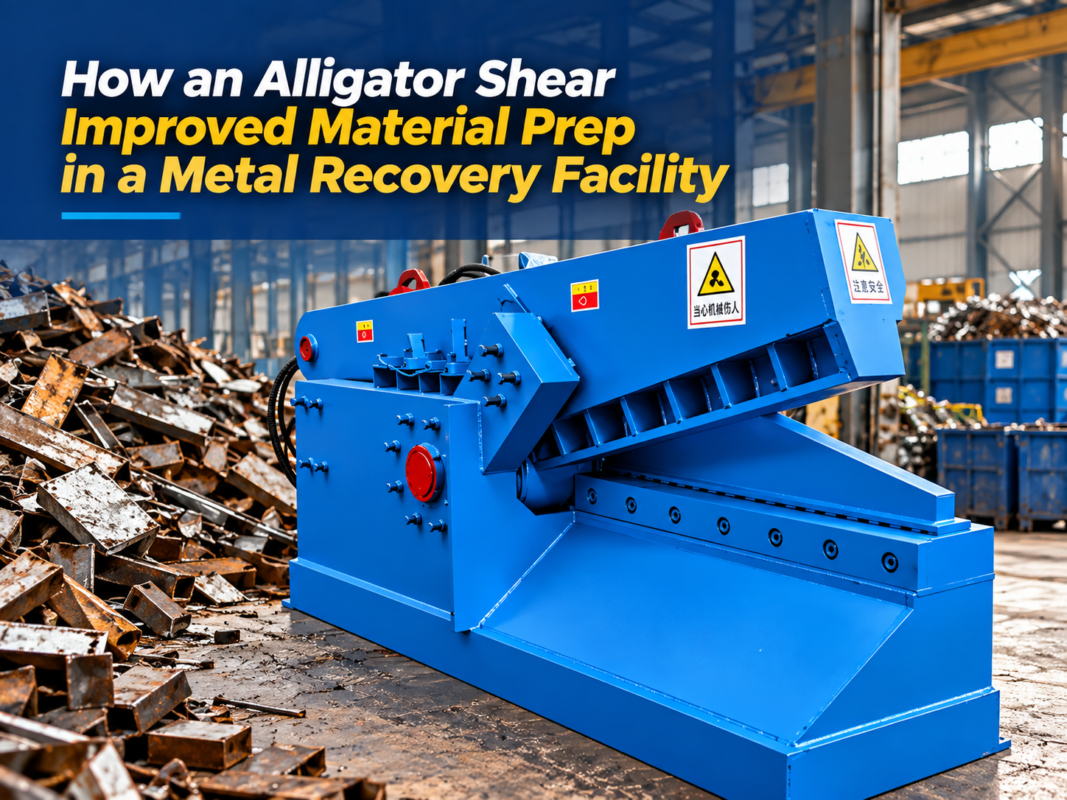
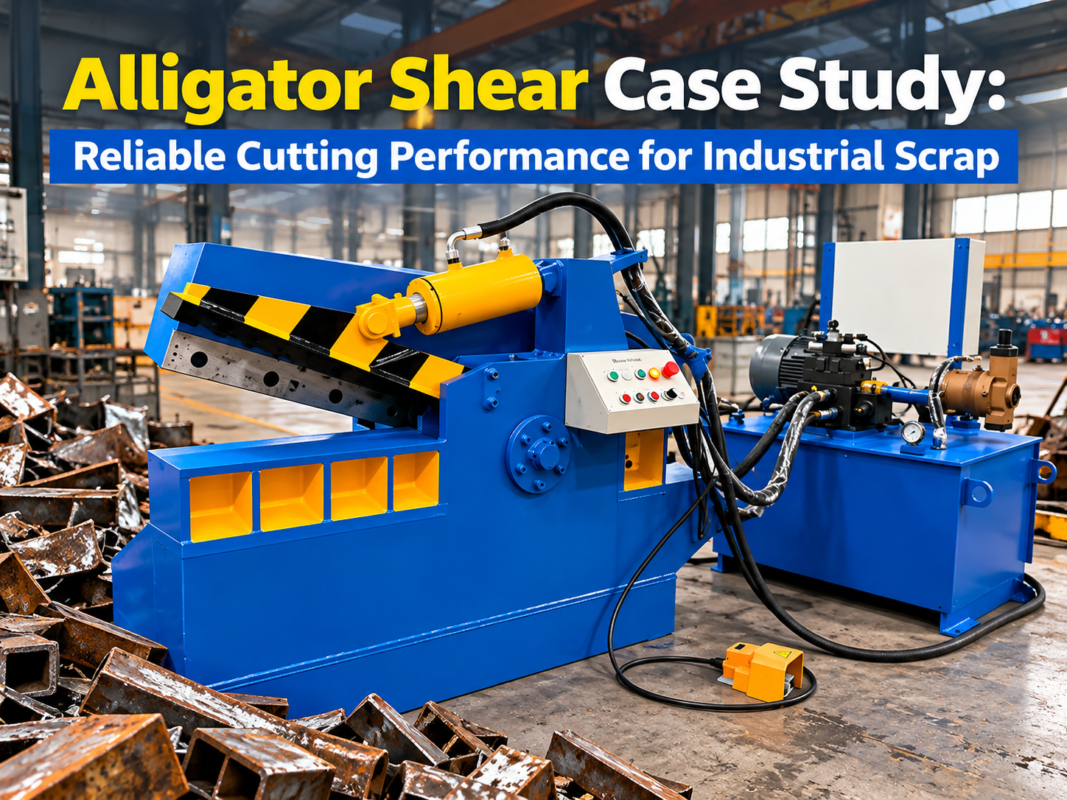
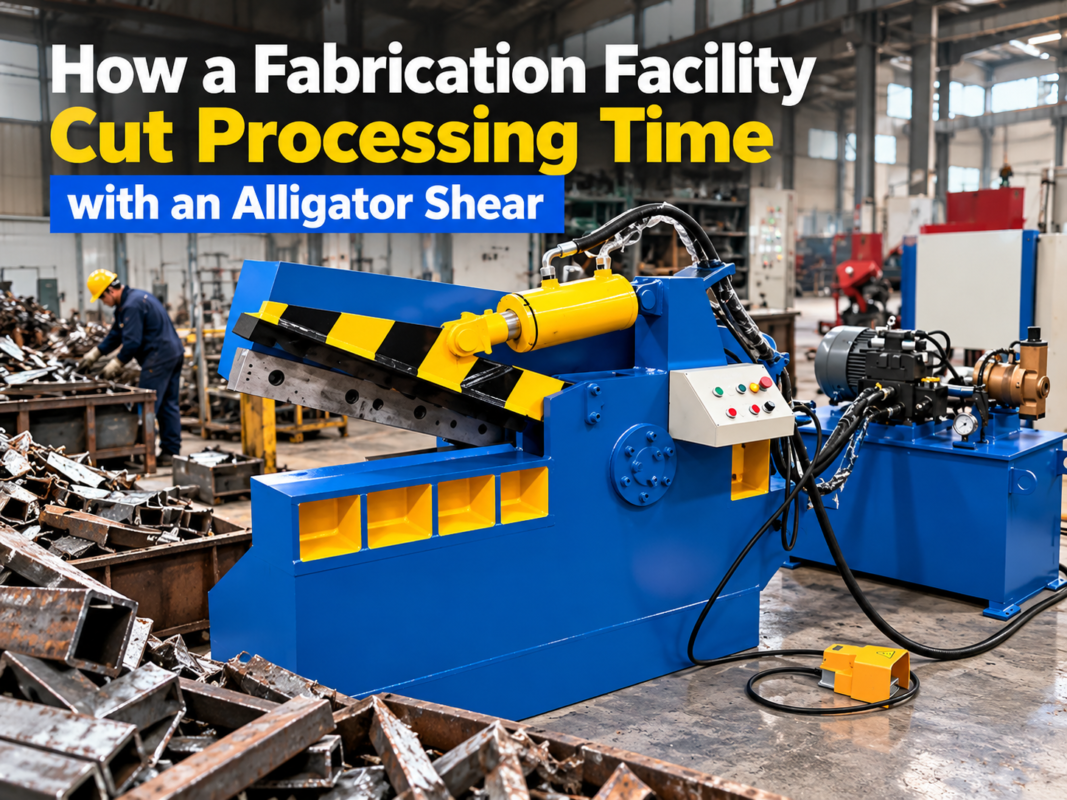
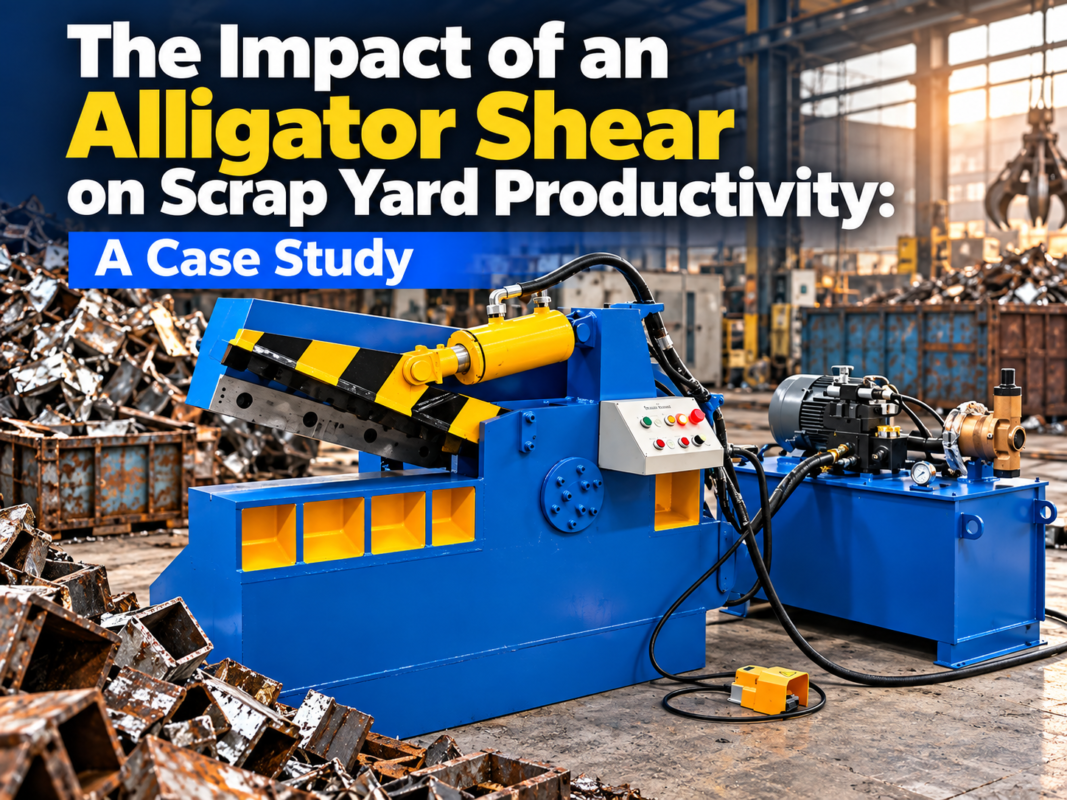
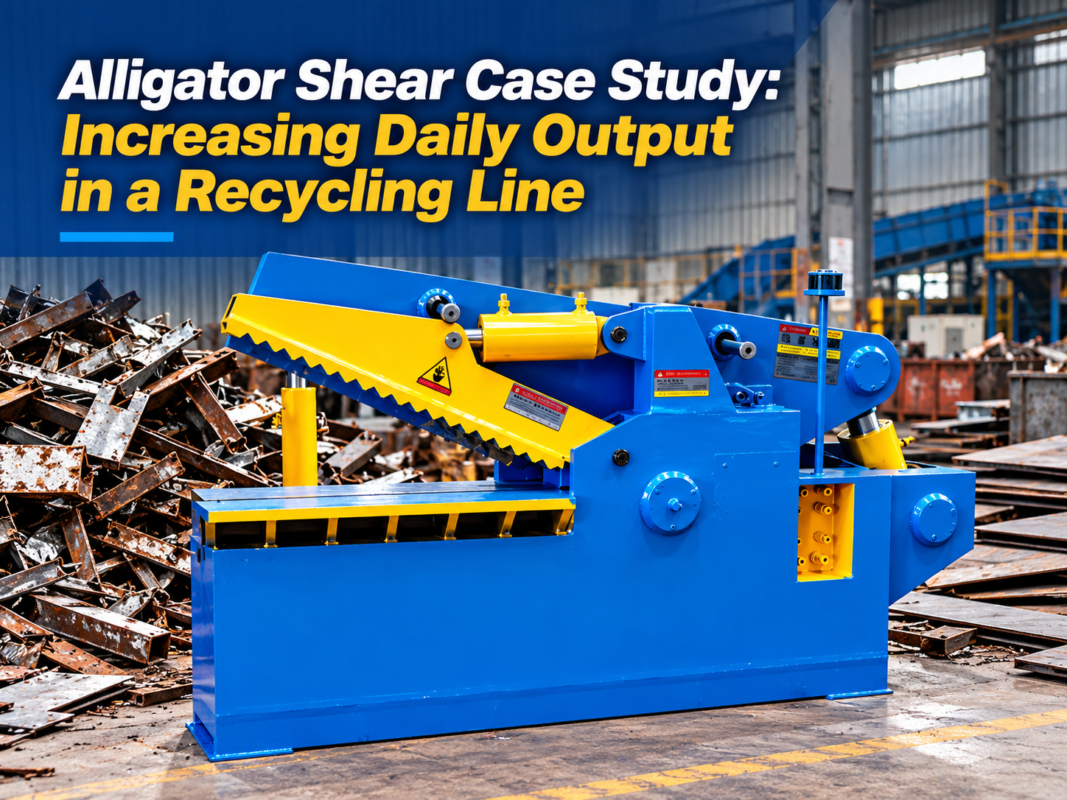
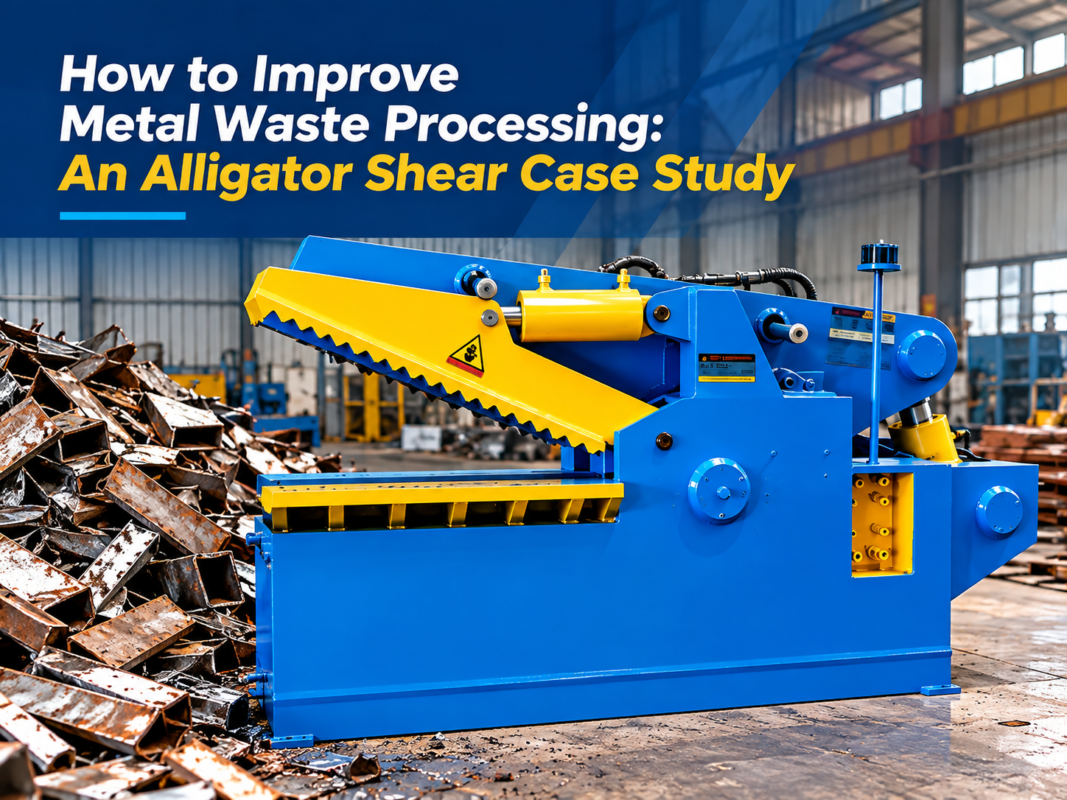
In the world of scrap metal recycling and industrial demolition, the alligator shear stands as a cornerstone of efficiency. Named for its characteristic jaw-like movement, this machine is designed to cut long pieces of metal into smaller, manageable sizes for further processing or smelting. At HARSLE, we recognize that understanding the technical specifications of an alligator shear is not just about reading a datasheet; it is about optimizing your production line for maximum ROI and safety. The alligator shear operates on a simple lever principle, but the engineering behind its hydraulic system, blade geometry, and structural integrity is highly sophisticated.
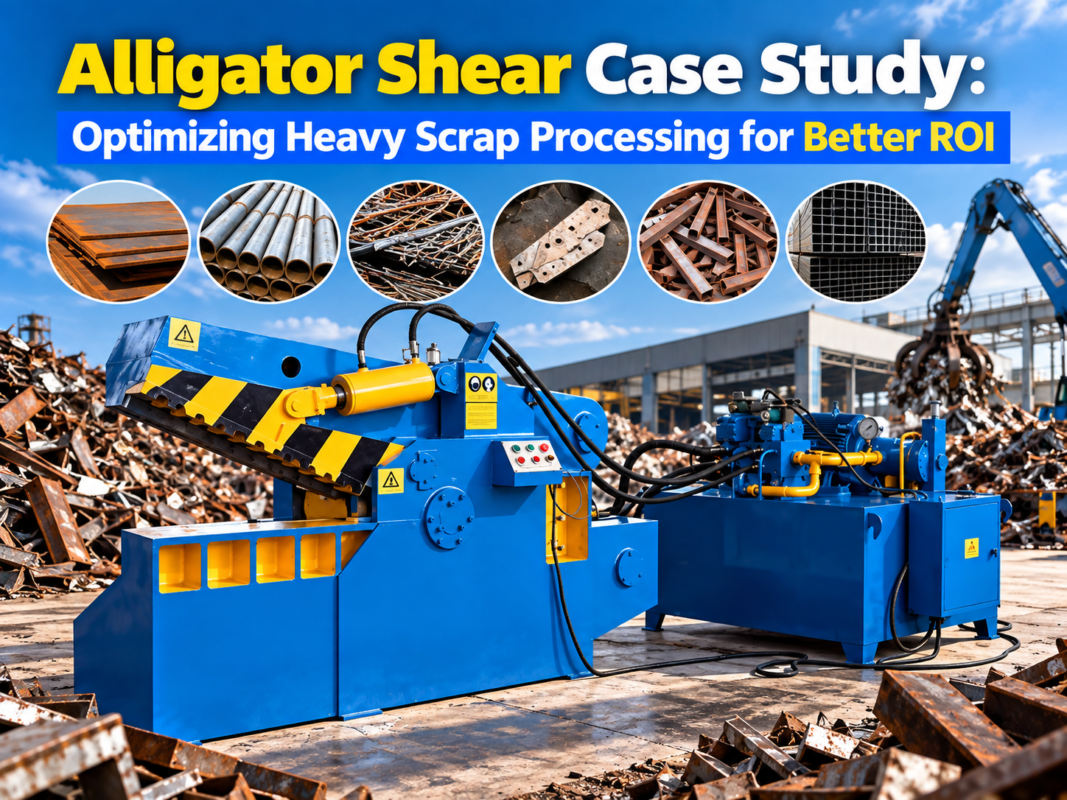
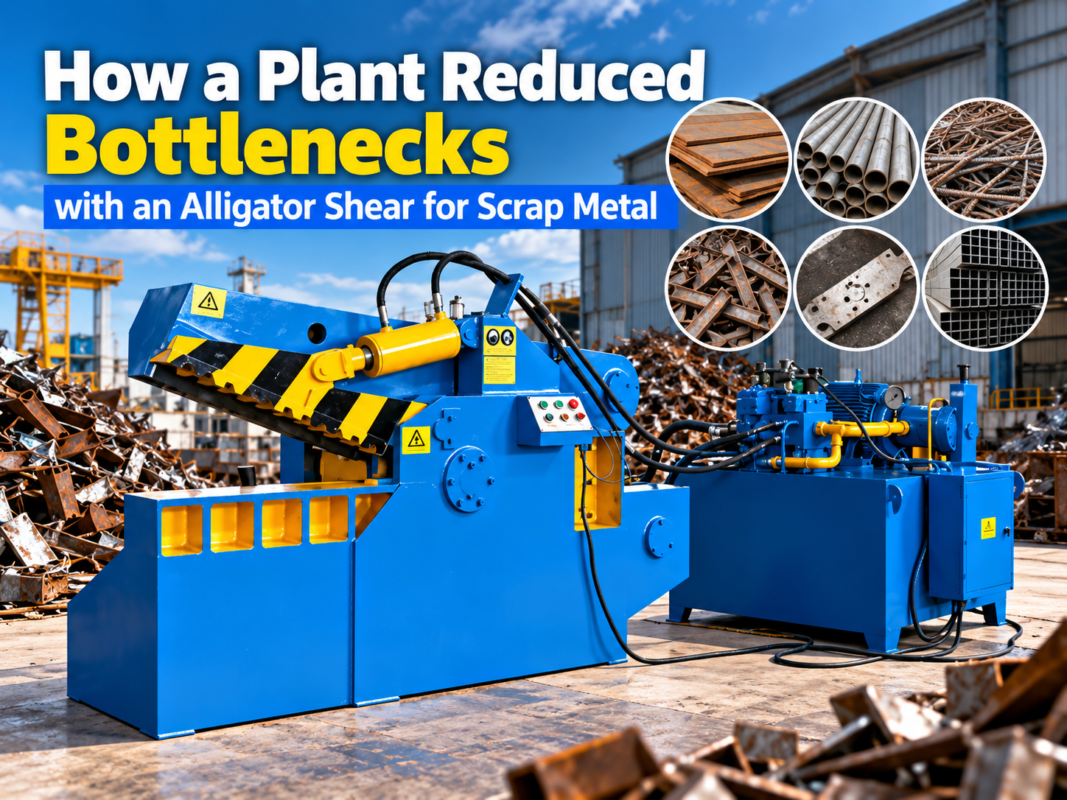
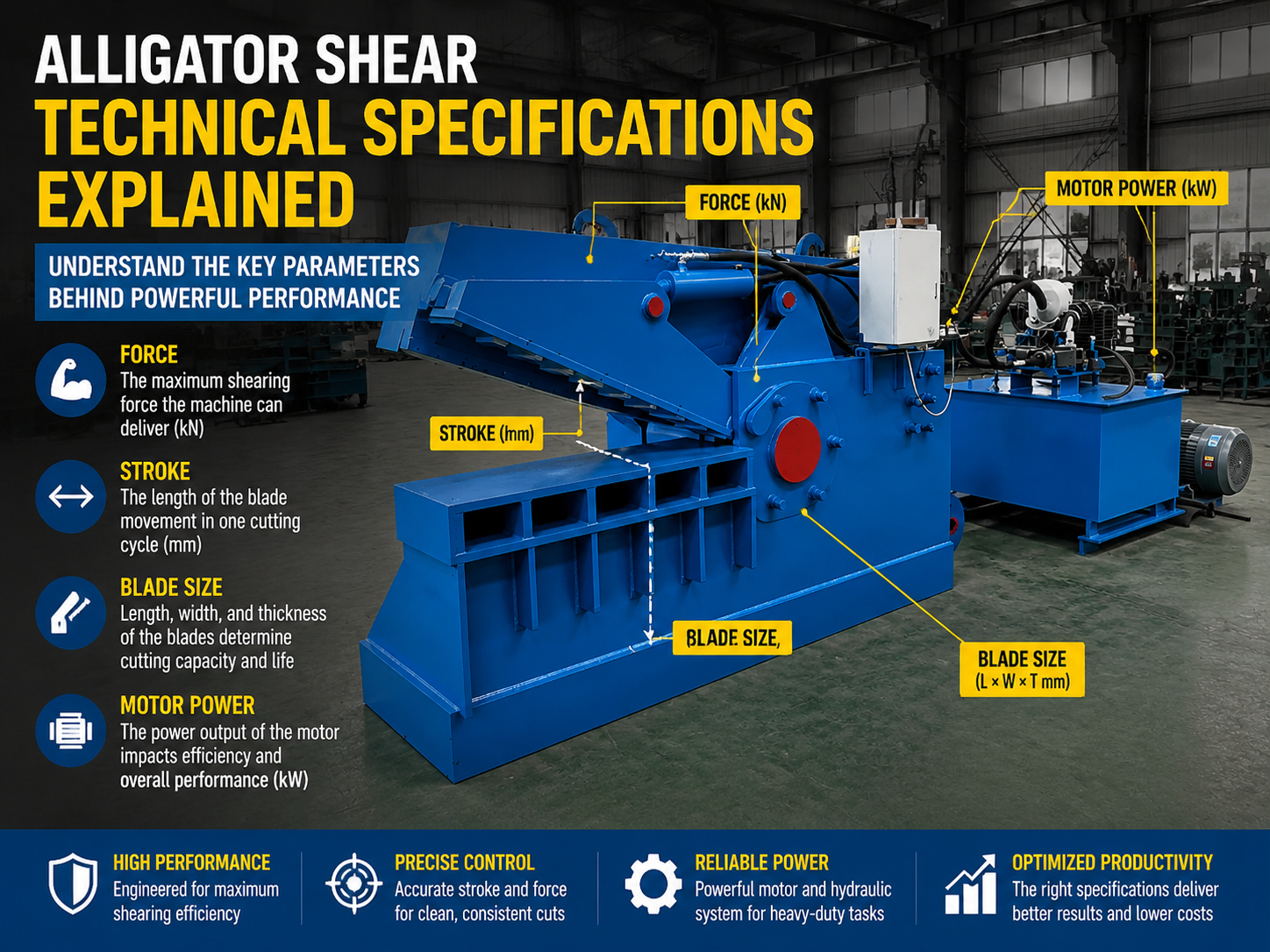
The primary function of an alligator shear is to provide high-pressure shearing force to cold-cut various metal shapes, including round bars, square steel, angle iron, I-beams, and steel plates. Unlike larger guillotine shears, alligator shears offer a more compact footprint and greater flexibility for manual feeding, making them ideal for small to medium-sized recycling centers. However, the performance of these machines is strictly governed by four critical parameters: shearing force, stroke length, blade size, and motor power. Each of these factors must be balanced to ensure the machine can handle the intended material without premature wear or mechanical failure.
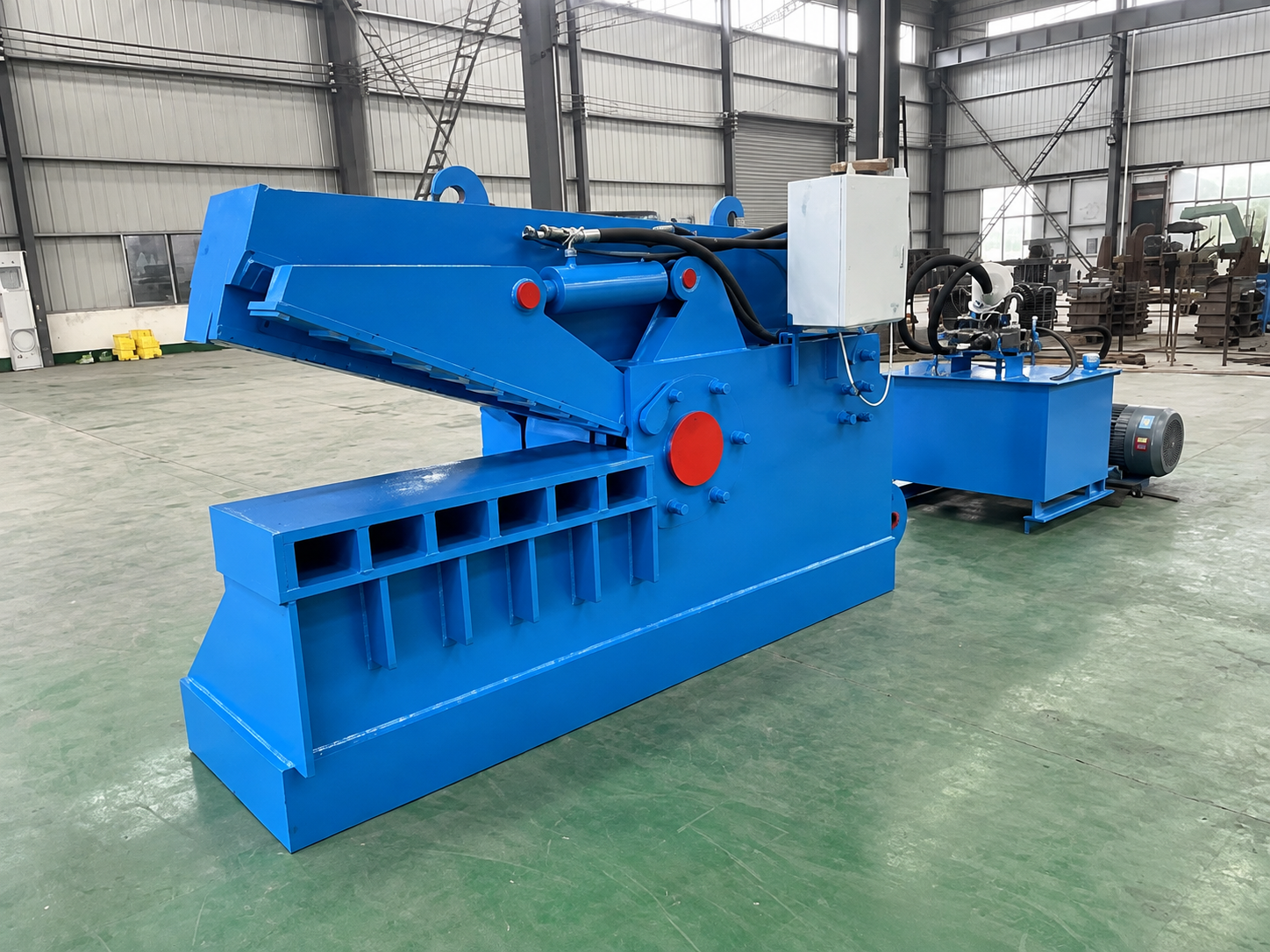
Modern alligator shears, such as the Q43 series, utilize advanced hydraulic circuits to achieve smooth operation. The technical overview of these machines also includes the consideration of the frame’s rigidity. A high-quality shear must have a heavy-duty welded steel frame to resist the immense torsional forces generated during the cutting cycle. If the frame flexes, the blade gap changes, leading to poor cuts and potential blade damage. Therefore, the technical specifications are a reflection of the machine’s overall build quality and its ability to maintain precision under load.
Core Parameters: Force, Stroke, Blade Size, and Motor Power
Shearing Force: The Muscle of the Machine
Shearing force, typically measured in tons (kN), is the most critical specification for any alligator shear. It represents the maximum pressure the hydraulic cylinder can exert on the material through the moving blade. At HARSLE, our shears range from 63 tons to over 500 tons of force. The required force depends entirely on the material’s tensile strength and its cross-sectional area. For instance, cutting a 50mm solid steel bar requires significantly more force than cutting a hollow aluminum extrusion of the same diameter.
It is important to distinguish between the nominal shearing force and the effective force at different points along the blade. Because the alligator shear uses a pivoting jaw, the force is greatest near the fulcrum (the throat of the shear) and decreases toward the tip of the blade. Operators must be trained to place the thickest materials as deep into the jaw as possible to utilize the maximum mechanical advantage. Overloading the shear by attempting to cut material beyond its rated capacity can lead to hydraulic seal failure or even structural cracking of the jaw.
Stroke Length and Frequency
The stroke of an alligator shear refers to the distance the moving jaw travels from the fully open position to the fully closed position. Stroke length determines the maximum height of the material that can be fed into the machine. A longer stroke allows for larger, bulkier scrap items to be processed, but it also increases the cycle time. Conversely, a shorter stroke allows for faster cutting frequencies, which is beneficial for processing smaller, uniform pieces of scrap.
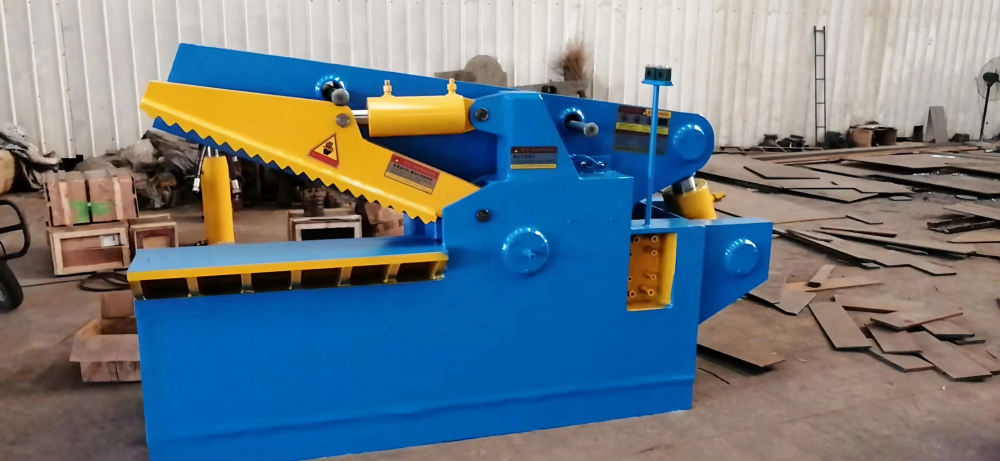
Frequency, often measured in cuts per minute (cpm), is a direct indicator of productivity. High-frequency shears are often equipped with rapid-flow hydraulic valves that allow the cylinder to retract quickly. In a professional recycling environment, the balance between stroke length and frequency is vital. If the stroke is too short, the operator will struggle to feed the material; if it is too long, the machine will spend too much time moving through empty space, reducing the overall throughput of the facility.
Blade Size and Material Composition
Blade size is defined by the length of the cutting edge, usually ranging from 400mm to 1200mm. The blade length must be matched to the typical size of the scrap being processed. A common misconception is that a longer blade is always better. However, a longer blade spreads the shearing force over a wider area, which can actually reduce the cutting effectiveness on very thick materials. The blade must also be made from high-quality tool steel, such as 9CrSi or Cr12MoV, and heat-treated to a specific hardness (typically HRC 55-58) to maintain its edge against abrasive scrap.
Furthermore, the blade design often includes four usable edges. When one edge becomes dull, the blade can be rotated to a fresh edge, effectively quadrupling the lifespan of the consumable. The gap between the upper and lower blades is another technical detail that cannot be overlooked. For thin materials, a tight gap is required to prevent the metal from folding rather than cutting. For thicker materials, a slightly larger gap prevents the blades from binding and reduces the stress on the hydraulic system.
Motor Power and Hydraulic Efficiency
The motor power, measured in kilowatts (kW) or horsepower (HP), drives the hydraulic pump that provides the fluid pressure for the shear. A common mistake is assuming that a larger motor automatically means a more powerful shear. In reality, the motor power must be perfectly synchronized with the pump’s displacement and the cylinder’s diameter. A well-engineered HARSLE shear uses a high-efficiency motor to maintain consistent pressure while minimizing energy consumption.
The hydraulic system’s design also plays a role in how that motor power is utilized. Systems equipped with air or water cooling allow the motor to run for longer shifts without the hydraulic oil overheating. Overheated oil loses its viscosity, leading to internal leakage in the pump and valves, which manifests as a loss of shearing force. Therefore, the motor power specification is a gateway to understanding the machine’s duty cycle—how many hours it can operate continuously under full load.
Calculation Method for Shearing Requirements
To select the right alligator shear, you must calculate the required shearing force for your specific materials. The basic formula for shearing force (F) is: F = L × S × τ, where L is the length of the cut (or the width of the material), S is the thickness of the material, and τ (tau) is the shear strength of the material. Shear strength is typically about 60% to 80% of the material’s ultimate tensile strength.
For example, if you are cutting a mild steel plate that is 20mm thick and 100mm wide, and the shear strength of mild steel is approximately 350 MPa (N/mm²), the calculation would be: 20mm * 100mm * 350 N/mm² = 700,000 Newtons, or roughly 70 tons of force. However, this is a theoretical minimum. In practice, engineers apply a safety factor of 1.3 to 1.5 to account for blade dullness, material impurities, and the mechanical efficiency of the shear. Thus, for a 70-ton requirement, a 100-ton or 120-ton alligator shear would be the appropriate choice.
Another important calculation is the cycle time, which is determined by the pump flow rate (Q) and the cylinder volume (V). Cycle Time = V / Q. By understanding these calculations, facility managers can predict their hourly tonnage output and ensure that the motor power is sufficient to maintain the required flow rate under high pressure. HARSLE provides detailed technical support to help clients perform these calculations based on their specific scrap profiles.
Alligator Shear Parameter Table (Typical Q43 Series)
| Model (HARSLE Q43) | Shearing Force (kN) | Blade Length (mm) | Max Opening (mm) | Cuts per Minute | Motor Power (kW) |
|---|---|---|---|---|---|
| Q43-63 | 630 | 400 / 600 | 240 | 8 – 12 | 7.5 |
| Q43-100 | 1000 | 600 / 700 | 320 | 8 – 12 | 11 |
| Q43-120 | 1200 | 600 / 800 | 350 | 8 – 12 | 15 |
| Q43-160 | 1600 | 800 / 1000 | 420 | 8 – 12 | 18.5 |
| Q43-200 | 2000 | 800 / 1000 | 450 | 8 – 10 | 22 |
| Q43-250 | 2500 | 1000 / 1200 | 500 | 8 – 10 | 30 |
| Q43-500 | 5000 | 1200 / 1500 | 600 | 5 – 8 | 45 |
Common Engineering Mistakes in Specification Selection
One of the most frequent mistakes in selecting an alligator shear is “undersizing” the machine to save on initial capital expenditure. While a smaller shear may technically be able to cut a specific material when the blades are brand new, it will struggle as the blades wear. This leads to increased strain on the hydraulic pump and motor, eventually resulting in costly downtime. Always choose a machine with a shearing force that exceeds your maximum requirement by at least 25%.
Another common error is ignoring the “Duty Cycle” and cooling requirements. In high-volume scrap yards, an alligator shear might run for 8 to 16 hours a day. If the technical specifications do not include an adequate oil cooling system, the hydraulic fluid will overheat, causing the seals to harden and leak. Engineering a machine for a 20% duty cycle is very different from engineering one for an 80% duty cycle, even if the shearing force is the same. Buyers must communicate their expected daily volume to the manufacturer.
Finally, many users overlook the importance of the blade gap adjustment mechanism. On lower-quality machines, adjusting the blade gap is a tedious process that requires shims and significant labor. High-quality HARSLE shears feature accessible adjustment bolts that allow operators to maintain the perfect gap for different material thicknesses. Neglecting the blade gap leads to “chewing” the metal rather than shearing it, which puts immense lateral stress on the jaw pivot pin and can lead to catastrophic mechanical failure.
Selection Checklist for Alligator Shears
- Material Type and Shape: Identify the hardest and thickest material you intend to cut. Is it solid bar, pipe, or structural steel?
- Required Throughput: Calculate how many tons of scrap you need to process per shift to determine the required cuts per minute and motor power.
- Blade Length Requirements: Ensure the blade is long enough to handle the width of your scrap but short enough to maintain high shearing pressure.
- Power Supply Compatibility: Verify that your facility can provide the necessary voltage and amperage for the motor (e.g., 380V/3-phase).
- Safety Features: Does the machine include a foot pedal for emergency stops? Is there a protective cage for the operator?
- Maintenance Access: Check if the hydraulic filters, oil level gauges, and blade bolts are easily accessible for routine servicing.
- Environmental Conditions: If operating outdoors or in extreme heat, ensure the machine has an appropriate oil cooler and weather-resistant electrical components.
Frequently Asked Questions (FAQ)
What is the difference between an alligator shear and a guillotine shear?
An alligator shear uses a hinged, jaw-like motion and is typically manually fed, making it better for irregular scrap and smaller volumes. A guillotine shear uses a vertical downward motion and is often used for large-scale, automated processing of heavy plates and long beams.
How often should I rotate or sharpen the blades?
This depends on the material being cut. For clean mild steel, blades may last several hundred hours per edge. For abrasive or hardened materials, they may need rotation sooner. Always rotate the blades as soon as you notice a decrease in cutting quality or an increase in hydraulic pressure for the same material.
Can an alligator shear cut stainless steel?
Yes, but stainless steel has a much higher work-hardening rate and tensile strength than mild steel. You will typically need a machine with 50% more force than what would be required for the same thickness of mild steel, and the blades must be made of high-grade shock-resistant tool steel.
Why is my shear losing power during the cut?
Loss of power is usually caused by hydraulic issues: low oil levels, a clogged suction filter, a worn-out pump, or internal leakage in the main cylinder. It can also be caused by the oil overheating, which reduces its effectiveness in transmitting pressure.
Is a foot pedal better than a hand lever?
A foot pedal is generally preferred for alligator shears because it allows the operator to use both hands to position the scrap metal safely. However, the foot pedal should always be shielded to prevent accidental activation.