Single-Shaft Shredder Technical Guide: Working Principle, Components, and Applications

Technical Overview of Single-Shaft Shredders
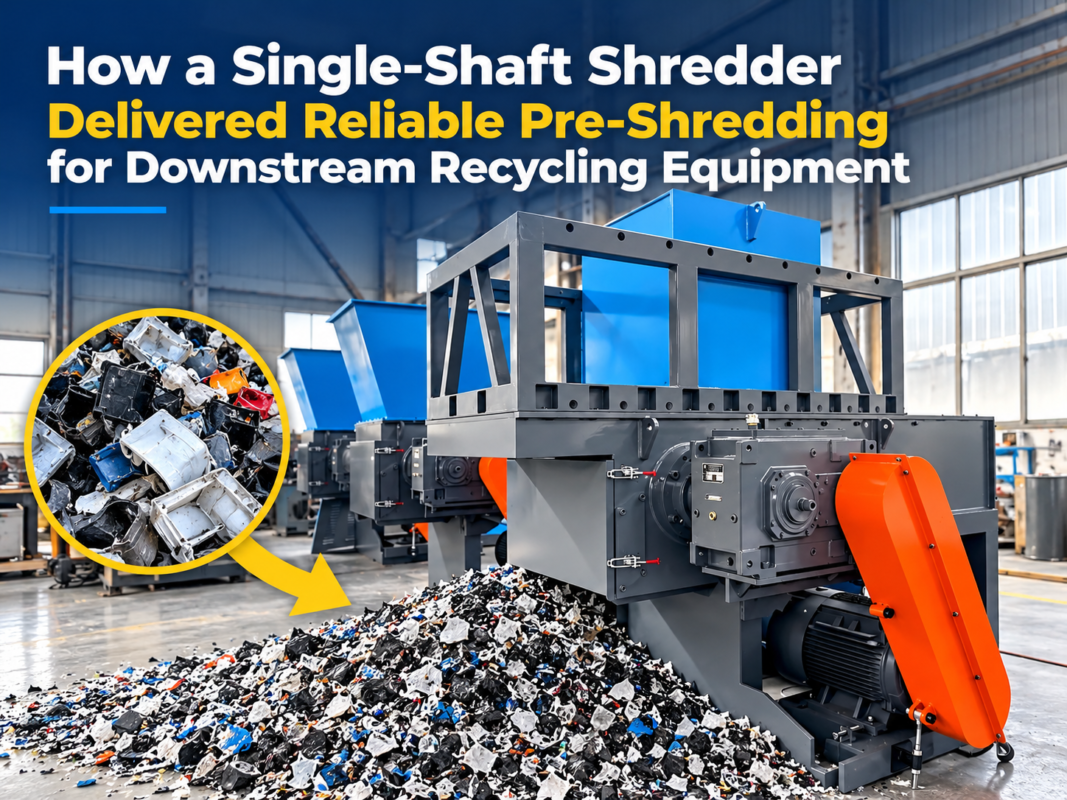
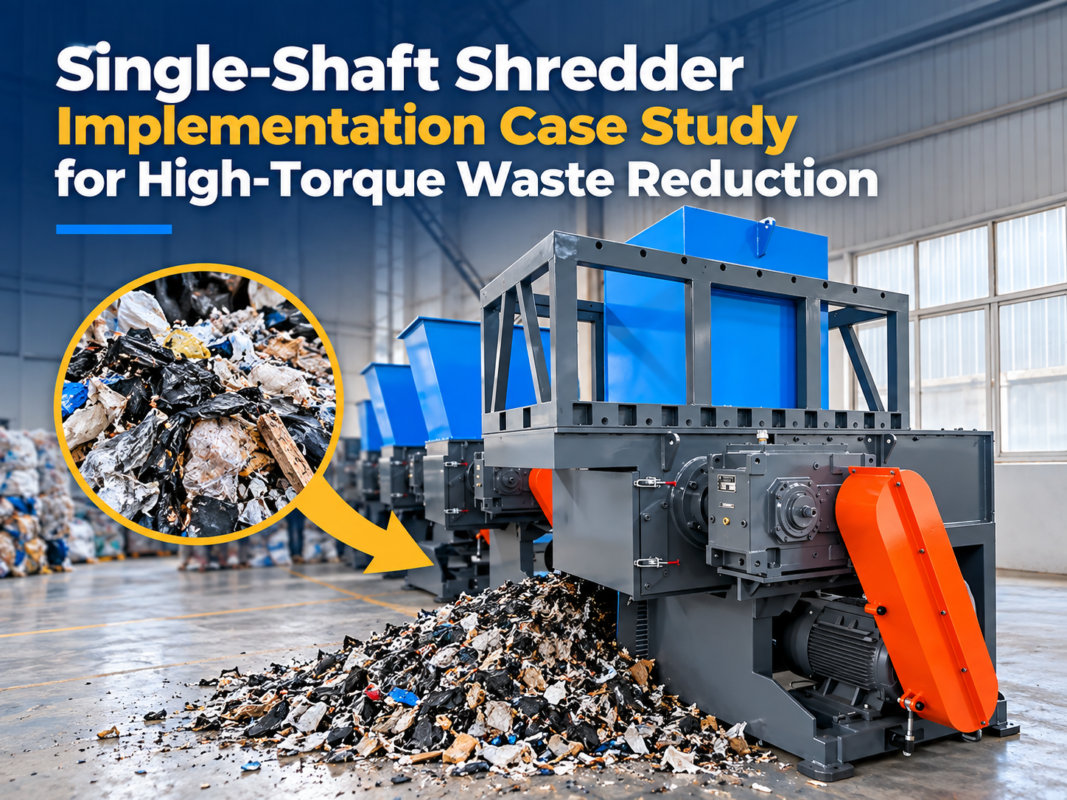
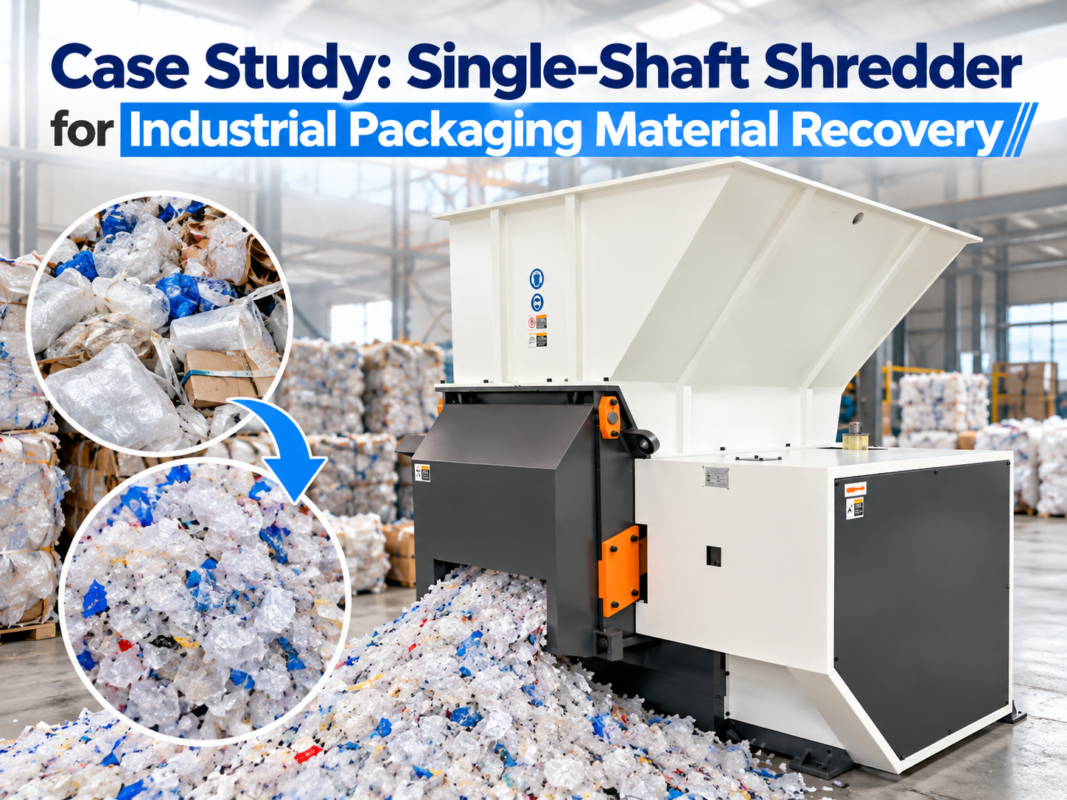
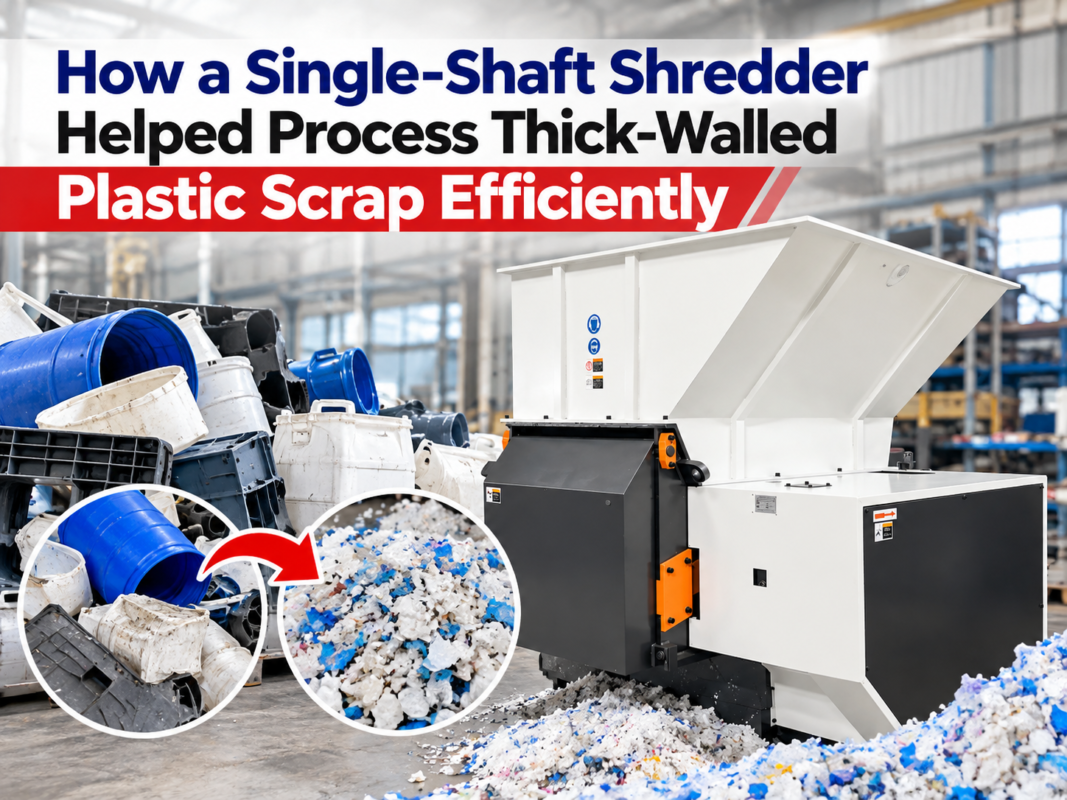
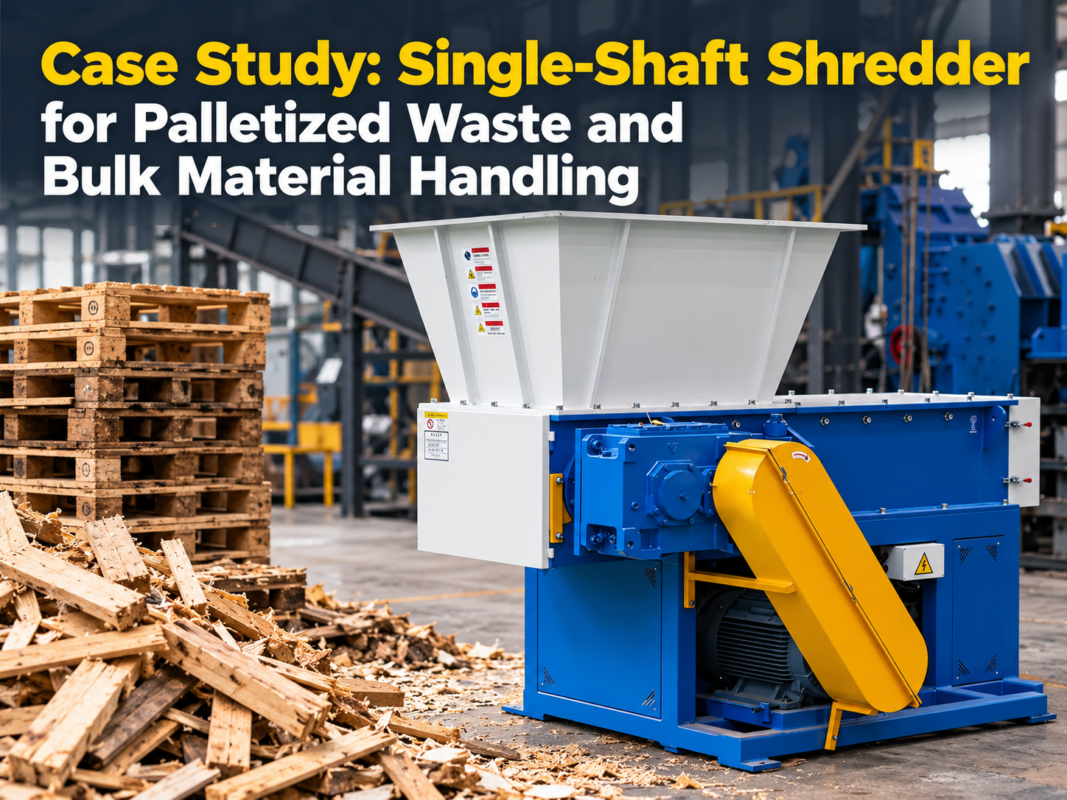
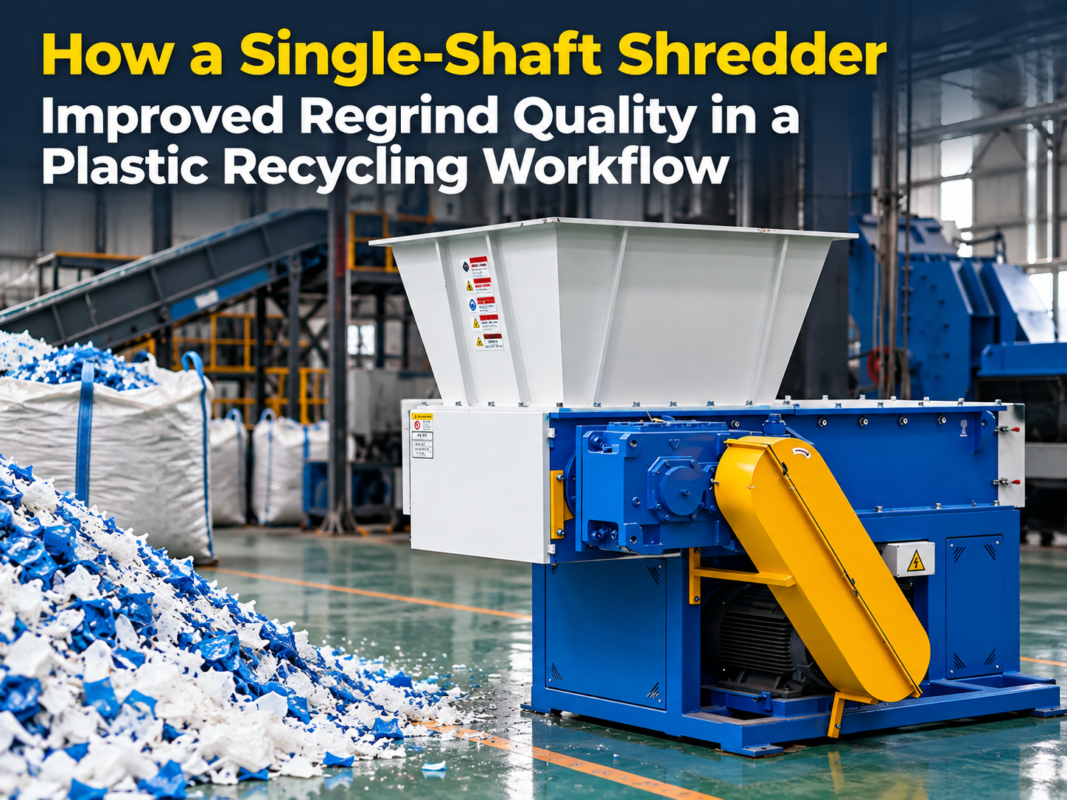
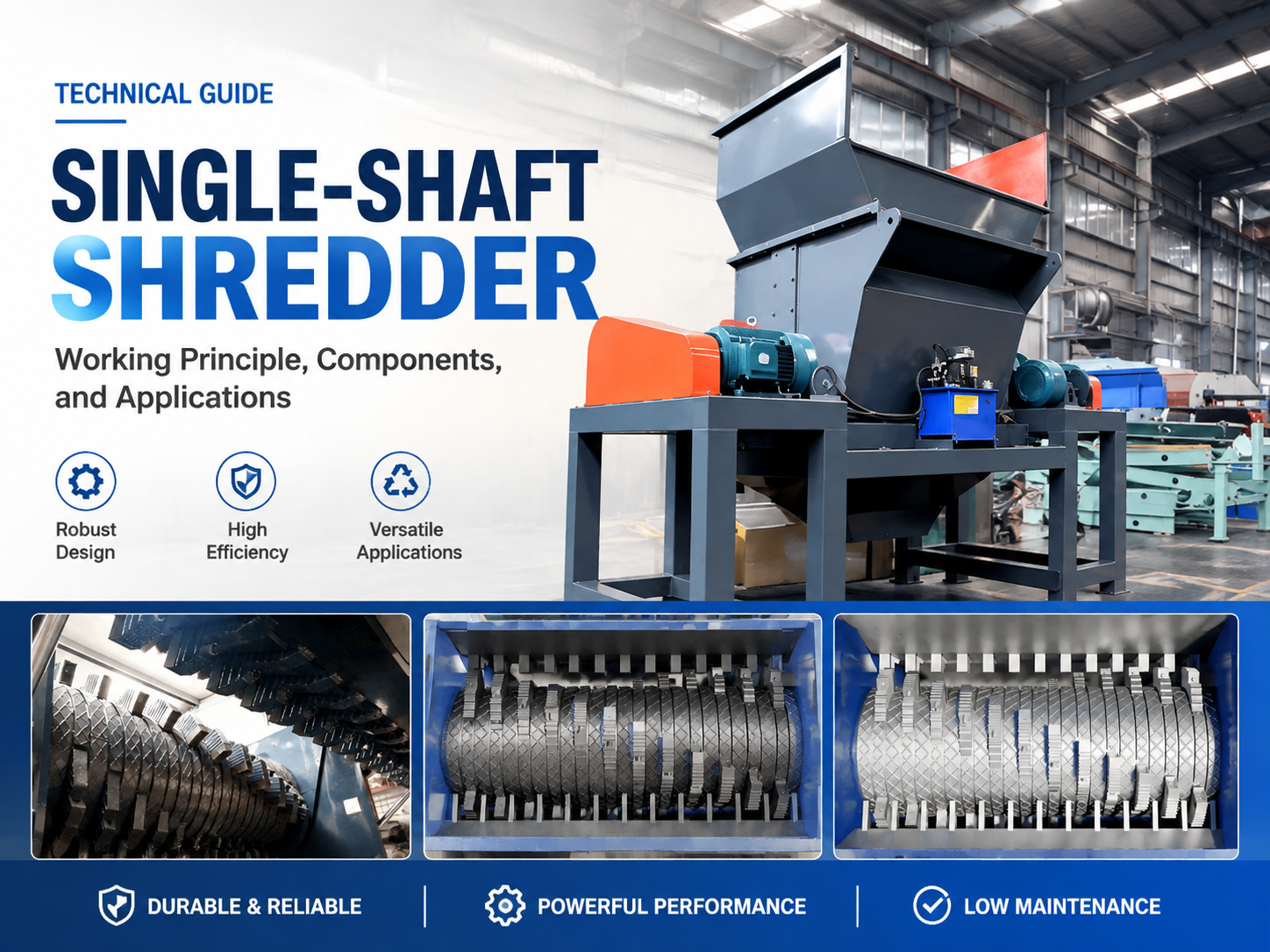
The single-shaft shredder represents a cornerstone in modern industrial recycling and size reduction technology. Unlike high-speed granulators, the single-shaft shredder operates at a relatively low speed with high torque, making it exceptionally efficient for processing bulky, tough, or thick materials that would otherwise stall or damage lighter equipment. At HARSLE, we design these machines to handle everything from plastic purgings and rubber tires to wood pallets and copper cables. The fundamental objective of a single-shaft shredder is to reduce large-volume waste into a uniform, manageable size for downstream processing or disposal.
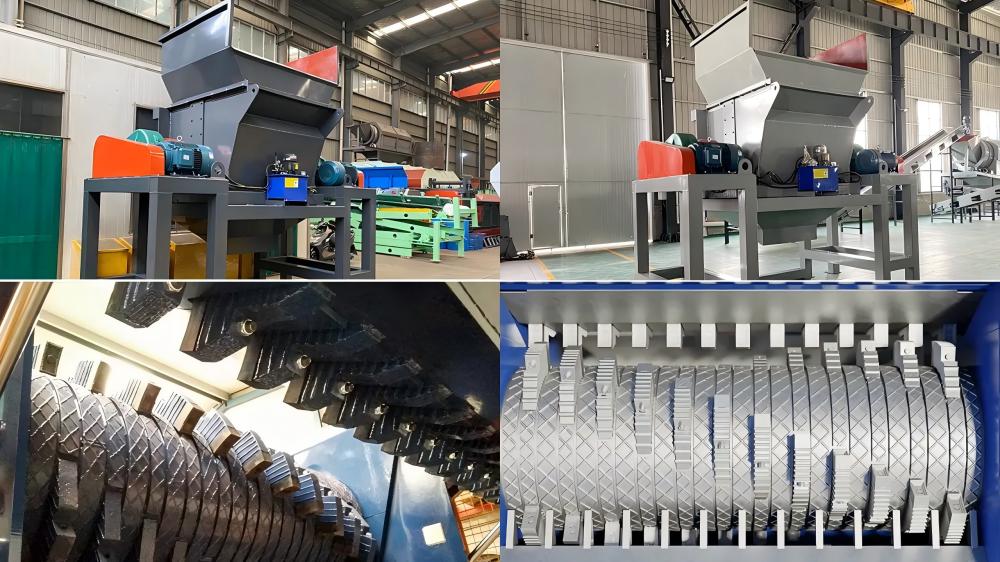
The technical sophistication of a single-shaft shredder lies in its controlled feeding mechanism and the precision of its cutting interface. The machine typically consists of a large hopper, a hydraulic pusher (or ram), a rotating shaft equipped with specialized cutting teeth, and a stationary counter-knife. As material is loaded into the hopper, the hydraulic ram pushes the material toward the rotating shaft. The interaction between the moving blades on the rotor and the fixed blades on the machine frame creates a powerful shearing action. This process continues until the material is small enough to pass through a screen located beneath the rotor.
One of the primary advantages of the single-shaft design is its versatility. By adjusting the screen size and the blade configuration, operators can fine-tune the output to meet specific industrial requirements. Furthermore, the low-speed operation minimizes dust generation and noise pollution, which are critical factors in maintaining a safe and compliant industrial environment. The integration of advanced PLC (Programmable Logic Controller) systems allows for automated reversing of the rotor if an overload is detected, preventing mechanical failure and reducing downtime.
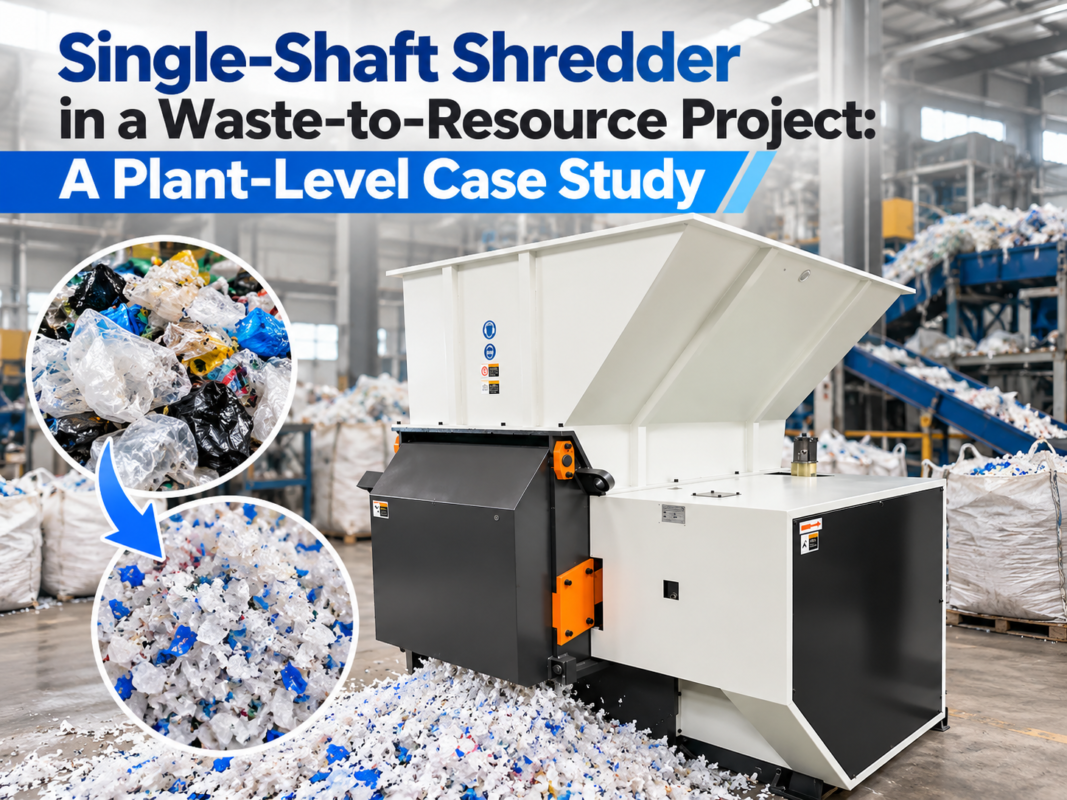
In the context of the circular economy, the single-shaft shredder is indispensable. It allows manufacturers to reclaim scrap material, turning what was once waste into valuable raw material. Whether it is processing HDPE pipes, large rolls of film, or automotive interior components, the technical robustness of the single-shaft shredder ensures consistent performance under heavy-duty cycles. Understanding the nuances of its working principle is the first step for any facility looking to optimize its waste management workflow.
Core Parameters and Component Analysis
To fully grasp the capability of a single-shaft shredder, one must examine its core technical parameters. These specifications dictate the machine’s throughput, durability, and suitability for specific materials. The most critical components include the rotor, the drive system, the hydraulic ram, and the screen. Each of these must be engineered to withstand extreme mechanical stress while maintaining precision.
The Rotor and Cutting Blades
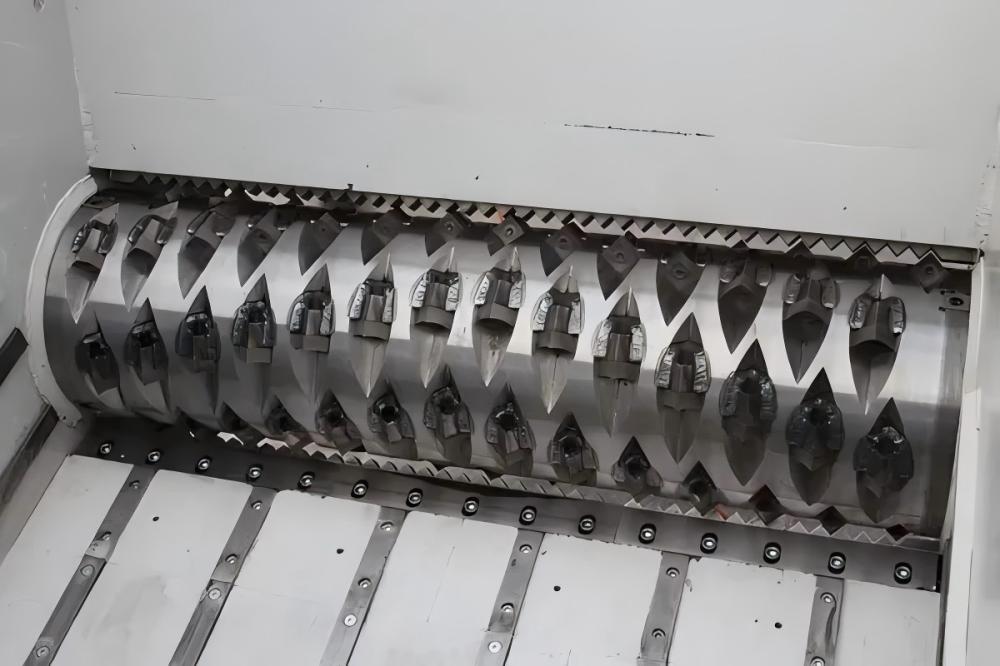
The rotor is the heart of the shredder. It is usually a solid steel cylinder, precision-machined to hold the cutting inserts. HARSLE utilizes high-strength alloys for the rotor to prevent warping under thermal or mechanical load. The blades, or ‘knives,’ are typically made from D2 (1.2379) or SKD-11 tool steel, heat-treated to a high Rockwell hardness (HRC 58-62). These blades are often square or concave and can be rotated four times before needing replacement, significantly lowering maintenance costs. The arrangement of the blades—whether staggered or V-shaped—determines how the machine ‘bites’ into the material.
The Drive System
The drive system consists of a high-power electric motor connected to a heavy-duty gearbox. The gearbox is essential for converting the high-speed rotation of the motor into the high-torque, low-speed rotation required for shredding. In many HARSLE models, a fluid coupling or a shock-absorbing mounting system is used to protect the motor and gearbox from the sudden shocks encountered when shredding dense materials like metal-reinforced rubber or thick-walled plastics.
Hydraulic Pusher (Ram)
The hydraulic pusher is what differentiates a single-shaft shredder from a gravity-fed granulator. The ram moves horizontally, forcing the material against the rotating rotor. The pressure and speed of the ram are controlled by the PLC. If the rotor current spikes (indicating a tough spot), the ram automatically retracts or slows down to prevent a jam. This ‘load-sensing’ capability is vital for autonomous operation and prevents the motor from burning out.
Screen and Discharge
The screen size determines the final particle size of the shredded material. Screens are interchangeable, typically ranging from 20mm to 100mm depending on the application. The distance between the rotor blades and the screen must be carefully calibrated; if the gap is too large, efficiency drops, and if it is too small, the screen may suffer premature wear. The discharge can be handled via a conveyor belt, a screw auger, or a pneumatic suction system.
Calculation Method for Shredder Performance
Engineering a shredding solution requires precise calculations to ensure the machine meets the client’s production targets. The two most important calculations are theoretical throughput and torque requirements. While real-world variables like material moisture and density play a role, these formulas provide a technical baseline.
1. Theoretical Throughput Calculation
The throughput (Q) of a single-shaft shredder can be estimated using the following formula:
Q = n × Veff × ρ × η
- n: Rotor speed (RPM).
- Veff: Effective volume of material removed per revolution. This is calculated based on the number of blades, the depth of the cut, and the width of the rotor.
- ρ: Bulk density of the material (kg/m³).
- η: Efficiency factor (usually between 0.6 and 0.8, accounting for the pusher’s cycle time and material slippage).
For example, if a shredder has a rotor speed of 80 RPM and processes high-density polyethylene (HDPE) with a specific blade configuration, the engineer must calculate the volume of the ‘bites’ taken by the blades to predict how many kilograms per hour the machine will produce.
2. Torque and Power Requirements
Torque (T) is the force required to shear the material. It is calculated as:
T = (P × 9550) / n
- P: Motor power in kilowatts (kW).
- n: Rotor speed in RPM.
- 9550: A constant for unit conversion.
This formula highlights why single-shaft shredders use gearboxes. By reducing the speed (n), the torque (T) increases exponentially for the same motor power (P). For shredding tough materials like wood or thick plastics, high torque is more important than high speed. If the calculated torque is lower than the shear strength of the material, the machine will stall.
Technical Parameter Table
Below is a comparison of typical technical specifications for HARSLE Single-Shaft Shredder models. These values serve as a guide for selecting the appropriate machine size based on production needs.
| Model Parameter | HSS-600 | HSS-1000 | HSS-1500 | HSS-2000 |
|---|---|---|---|---|
| Rotor Diameter (mm) | 300 | 450 | 550 | 650 |
| Rotor Speed (RPM) | 80-100 | 70-90 | 60-80 | 50-70 |
| Motor Power (kW) | 18.5 – 22 | 37 – 45 | 75 – 90 | 110 – 160 |
| Number of Rotor Knives | 24 – 30 | 48 – 60 | 72 – 90 | 100 – 120 |
| Hydraulic Ram Power (kW) | 1.5 | 2.2 | 5.5 | 7.5 |
| Throughput (kg/h) | 400 – 800 | 1000 – 2000 | 2500 – 4500 | 5000 – 8000 |
| Machine Weight (kg) | 2500 | 4800 | 8500 | 12000 |
Common Engineering Mistakes in Shredder Operation
Even the most robust single-shaft shredder can fail if operated incorrectly. Through years of industrial experience, HARSLE has identified several common engineering and operational mistakes that lead to reduced efficiency or mechanical breakdown.
1. Incorrect Blade Gap Adjustment
The clearance between the rotor blades and the counter-knives is critical. If the gap is too wide, the material will be ‘pulled’ rather than ‘sheared,’ leading to excessive heat generation and increased power consumption. If the gap is too tight, thermal expansion during operation can cause the blades to strike each other, resulting in catastrophic failure. Regular checking and shimming of blades are essential.
2. Overloading the Hopper
While the hydraulic ram is designed to manage material flow, overfilling the hopper with extremely dense material can cause ‘bridging.’ This is where the material wedges itself against the hopper walls, preventing it from reaching the rotor. Operators should ensure a steady feed rather than dumping massive batches that exceed the machine’s volumetric capacity.
3. Neglecting Blade Rotation
Single-shaft shredder blades are designed to be rotated. Waiting until the blade is completely rounded off before rotating it puts unnecessary strain on the motor and gearbox. A dull blade requires significantly more torque to cut, which increases electricity costs and wears out the drive belts or couplings faster.
4. Ignoring Material Contamination
Single-shaft shredders are tough, but they are not indestructible. The presence of ‘unshreddables’—such as large steel plates, thick rebar, or heavy stones—can break the cutting teeth or even twist the rotor shaft. Implementing a pre-sorting process or using magnetic separators and metal detectors on the input conveyor is a best practice that saves thousands in repair costs.
Selection Checklist for Industrial Buyers
Choosing the right single-shaft shredder involves more than just looking at the price tag. To ensure long-term ROI, buyers should evaluate the following technical criteria:
- Material Characteristics: What is the shore hardness of the material? Is it abrasive (like glass-filled plastic) or elastic (like rubber)? Abrasive materials require specialized hard-facing on the rotor.
- Required Output Size: The smaller the required particle size, the larger the rotor and screen area needed to maintain throughput. Small screens significantly reduce the hourly capacity.
- Drive Type: For most applications, an electric motor with a gearbox is sufficient. However, for extremely volatile loads, a hydraulic drive might be preferred for its inherent shock protection.
- Maintenance Accessibility: Does the machine have a swing-out screen cradle? How easy is it to access the counter-knives? HARSLE machines are designed with maintenance doors to facilitate quick blade changes.
- PLC and Automation: Ensure the machine includes a reputable PLC (like Siemens) with a user-friendly HMI. The ability to program different ‘recipes’ for different materials is a major operational advantage.
- Safety Features: Look for emergency stop circuits, safety limit switches on access doors, and electronic monitoring of the gearbox oil temperature.
Frequently Asked Questions (FAQ)
How long do the blades last on a single-shaft shredder?
Blade life depends entirely on the material being processed. When shredding clean plastics, blades may last 500-1,000 hours per edge. If the material is contaminated with sand or grit, this can drop to 200 hours. Rotating the blades regularly is key to maximizing their lifespan.
Can a single-shaft shredder handle metal?
Single-shaft shredders are primarily designed for plastics, wood, paper, and rubber. While they can handle thin-gauge non-ferrous metals (like aluminum cans or thin copper wire), they are not intended for heavy steel scrap. For heavy metal recycling, a twin-shaft shredder or a specialized metal crusher is required.
What is the difference between a single-shaft and a double-shaft shredder?
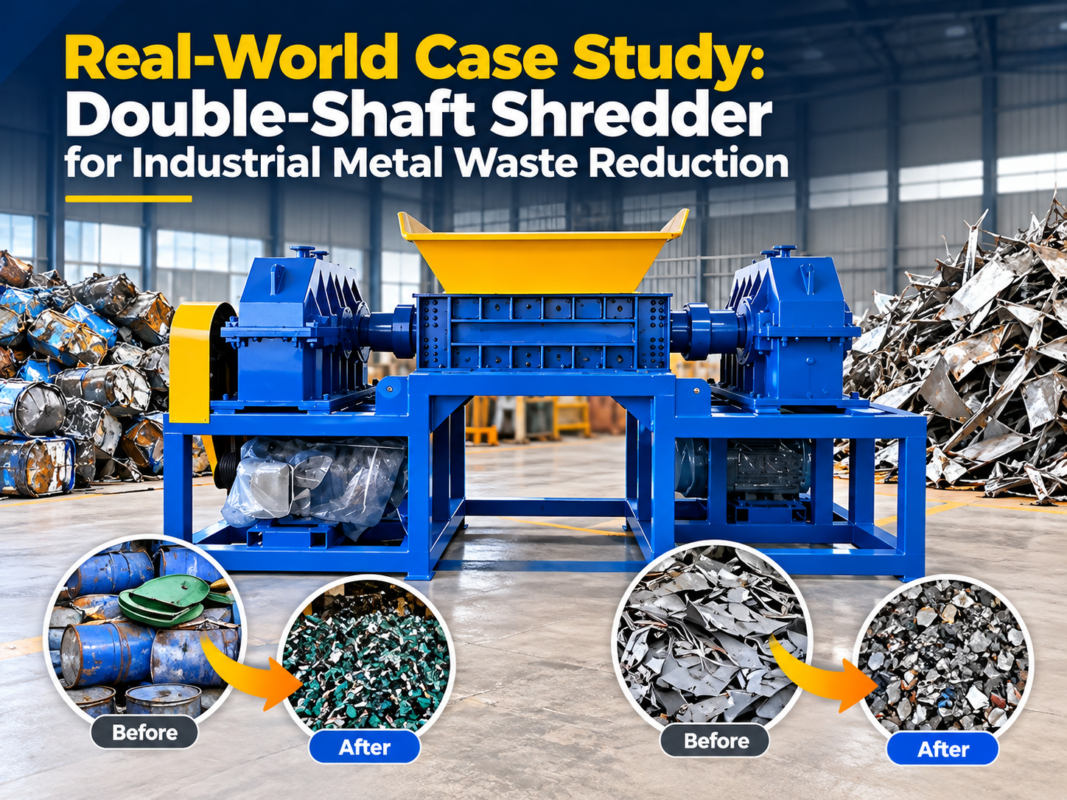
A single-shaft shredder uses a hydraulic ram to push material against a single rotor and produces a precise output size via a screen. A double-shaft shredder uses two counter-rotating shafts to ‘grab’ and tear material, usually without a screen, resulting in a strip-shaped output. Single-shaft is better for precise sizing; double-shaft is better for high-volume primary reduction.
Why does my shredder keep reversing?
Frequent reversing is usually a sign that the hydraulic ram pressure is set too high for the material, or the rotor blades are dull. It can also happen if the screen is clogged, preventing shredded material from exiting the chamber. Check your PLC settings and blade condition.
Is water cooling necessary for the shredder?
For most standard applications, air cooling is sufficient. However, when shredding materials with low melting points (like certain films or rubbers) at high throughput, the friction can generate enough heat to melt the material onto the rotor. In these cases, a water-cooled rotor or housing is recommended to maintain material integrity and prevent jams.
By following this technical guide, industrial operators can ensure they select, operate, and maintain their HARSLE single-shaft shredders for maximum efficiency and longevity. The combination of robust engineering and informed operation is the key to success in the demanding field of industrial size reduction.