How a Single-Shaft Shredder Works: A Technical Guide for Industrial Buyers

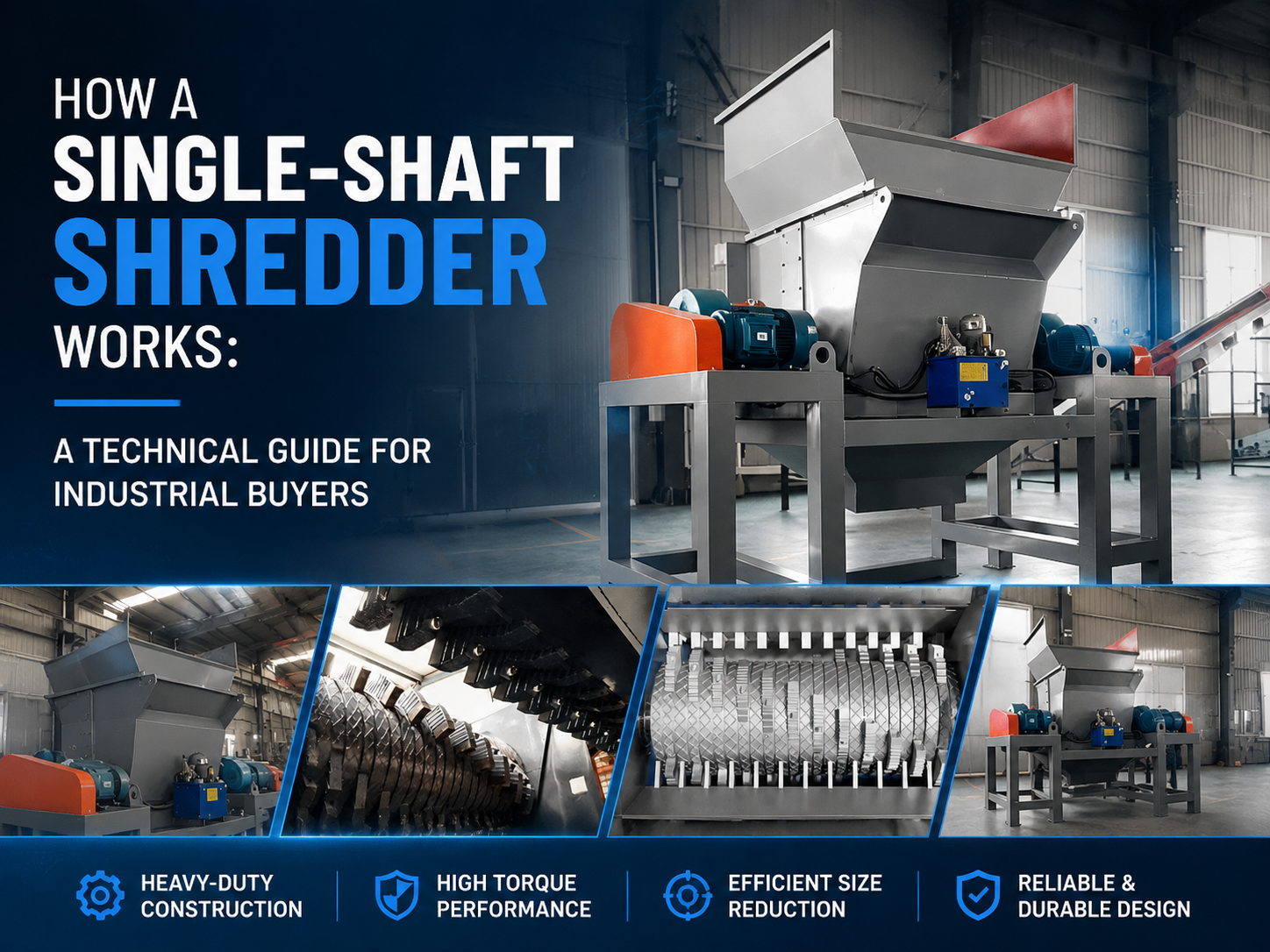
Technical Overview of Single-Shaft Shredders
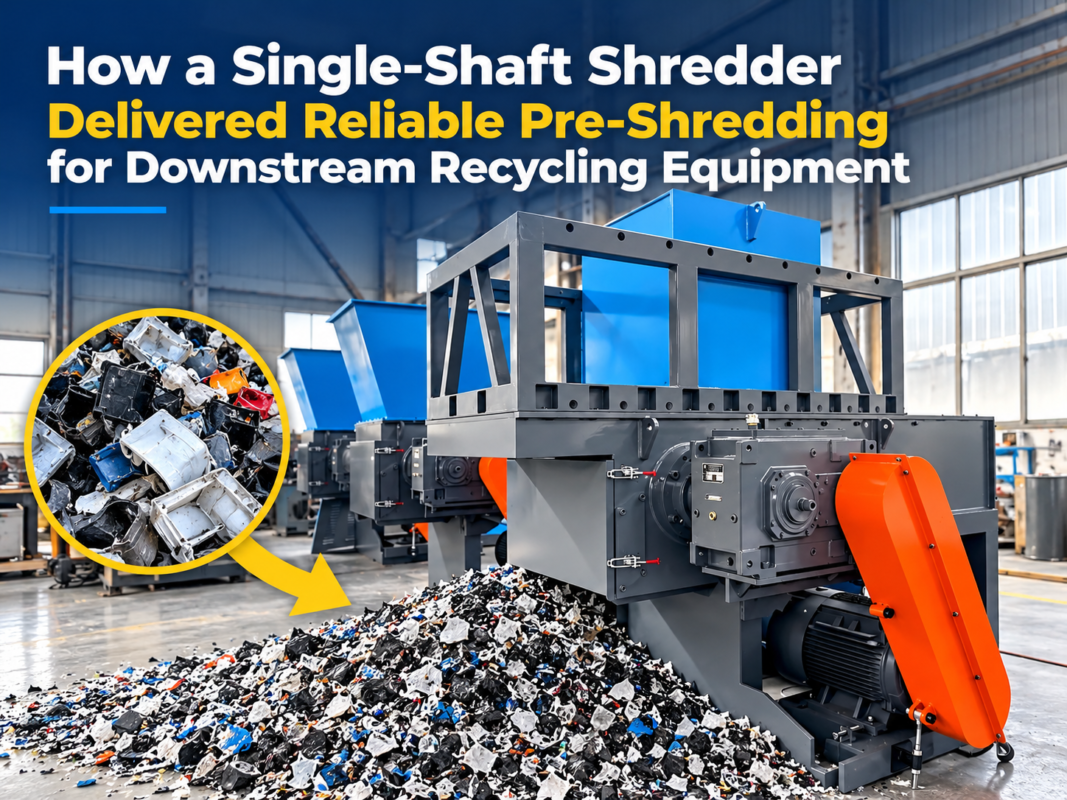
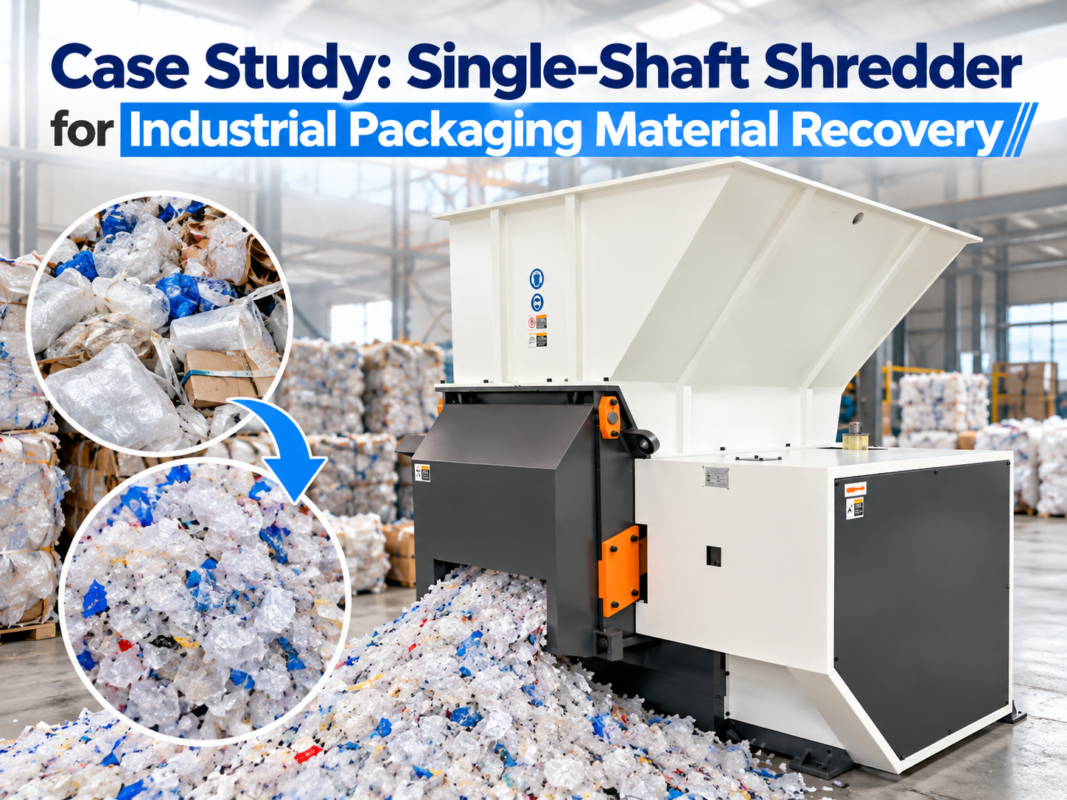
In the modern industrial landscape, the efficiency of waste management and material recycling is paramount. Understanding how a single-shaft shredder works: a technical industrial buyers guide is essential for any facility manager or procurement specialist looking to optimize their production line. A single-shaft shredder is a heavy-duty machine designed to reduce the size of various materials, including plastics, wood, rubber, and even light metals, into a uniform, manageable size. Unlike multi-shaft shredders that rely on high-speed shearing, the single-shaft variant utilizes a high-torque, low-speed approach combined with a hydraulic pusher system to ensure consistent throughput.
The fundamental principle of a single-shaft shredder involves a large-diameter rotor equipped with multiple cutting knives. As the rotor turns, these knives pass by a stationary counter-knife (or bed knife). The material is fed into the hopper and forced against the rotating shaft by a hydraulic ram or pusher. This mechanical pressure ensures that the material is constantly in contact with the cutting teeth, preventing the ‘bouncing’ effect often seen in gravity-fed systems. The result is a precise cutting action that shears the material rather than crushing it, which is critical for maintaining material integrity in recycling processes.
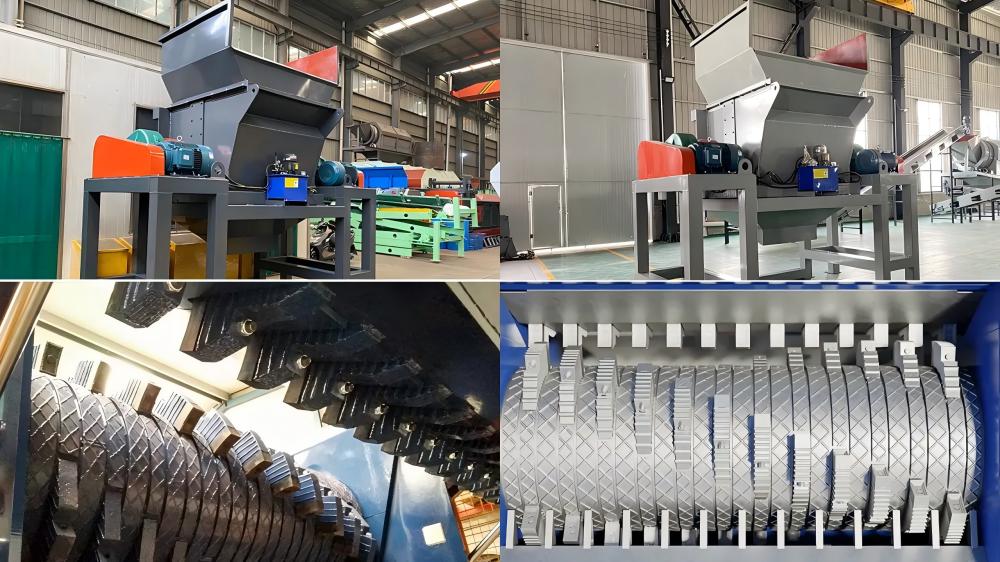
One of the defining characteristics of HARSLE single-shaft shredders is the modularity of the cutting system. The rotor knives are typically square or concave and can be rotated to use all four edges before requiring replacement. This significantly reduces downtime and maintenance costs. Furthermore, the size of the final output is determined by a screen located beneath the rotor. Only material that has been shredded small enough to pass through the screen holes exits the machine, while larger pieces are carried back up for another round of shredding. This closed-loop system guarantees a uniform particle size, which is a key requirement for downstream processes like extrusion or pelletizing.
From a control perspective, modern single-shaft shredders are integrated with sophisticated PLC (Programmable Logic Controller) systems. These systems monitor the load on the motor and the pressure on the hydraulic ram. If the rotor encounters a particularly tough piece of material that causes a spike in current, the PLC will automatically reverse the rotor and retract the pusher to clear the jam before attempting to shred again. This ‘auto-reverse’ feature is vital for protecting the gearbox and motor from mechanical shock, ensuring a long service life for the equipment.
Core Parameters and Components
When evaluating a single-shaft shredder works: a technical industrial buyers perspective requires a deep dive into the core components that dictate performance. The most critical component is the rotor. Rotors come in various configurations, such as the ‘V-rotor’ or ‘Smooth rotor.’ The V-rotor design is particularly effective because it directs material toward the center of the shaft, reducing wear on the side walls and ensuring that the knives are utilized evenly. The diameter and length of the rotor directly correlate with the machine’s capacity; a larger rotor can accommodate bulkier items and provide higher torque for difficult materials.
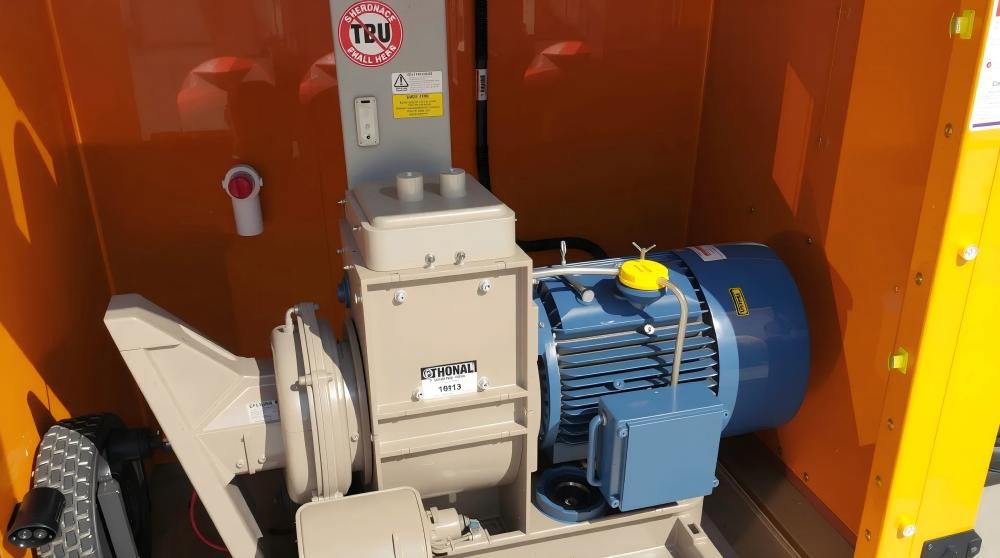
The drive system is the heart of the shredder. Most industrial-grade single-shaft shredders utilize a high-efficiency electric motor coupled with a heavy-duty reduction gearbox. The gearbox is designed to convert high-speed motor rotation into high-torque, low-speed rotor movement. This torque is what allows the machine to bite through thick-walled plastic pipes or dense timber. In some high-end HARSLE models, fluid couplings are used between the motor and gearbox to absorb vibrations and protect the drive train from sudden stalls.
The hydraulic pusher system is another core parameter. The speed and pressure of the pusher must be adjustable to suit different material densities. For example, shredding light plastic film requires a faster pusher speed with lower pressure, whereas shredding solid purgings requires high pressure and a slower, more controlled feed. The seals and cylinders used in the hydraulic system must be of industrial grade to withstand the continuous cycling and the dusty environment typical of recycling facilities.
Finally, the screen and knife metallurgy cannot be overlooked. HARSLE utilizes high-alloy steels like DC53 or D2 for the cutting tools, which offer an excellent balance between hardness (to maintain a sharp edge) and toughness (to resist chipping). The screen is often made from wear-resistant manganese steel. The hole size in the screen can range from 10mm to 100mm, depending on the application. Buyers should look for machines where the screen is easily accessible and can be swapped out quickly to accommodate different production runs.
Calculation Method for Shredder Performance
To accurately predict the output of a shredder, industrial buyers should utilize specific calculation methods. The theoretical throughput ($Q$) of a single-shaft shredder can be estimated using the following formula: Q = n × Z × V × ρ × η. In this equation, n represents the rotor speed (RPM), Z is the number of knives on the rotor, V is the average volume of material removed by a single knife stroke, ρ is the bulk density of the material, and η is the efficiency coefficient (usually between 0.6 and 0.8 depending on the material feed consistency).
For example, if you are shredding HDPE (High-Density Polyethylene) with a bulk density of 500 kg/m³, and your rotor has 40 knives spinning at 80 RPM, you can calculate the potential hourly output. However, the volume V is highly dependent on the hydraulic pusher’s pressure. A higher pressure increases the ‘bite’ of each knife, but also increases the load on the motor. Therefore, calculating the required motor power ($P$) is equally important: P = (T × n) / 9550, where T is the torque in Newton-meters. If the calculated power exceeds the motor’s rating, the pusher speed must be reduced via the PLC settings.
Another critical calculation is the ‘Cutting Frequency.’ This is determined by the number of knives multiplied by the RPM. A higher cutting frequency generally results in a smoother operation and smaller chips, but it also generates more heat. For heat-sensitive materials like certain plastics, buyers must ensure the shredder has adequate cooling or that the RPM is kept low enough to prevent melting. Understanding these mathematical relationships allows engineers to specify a machine that is neither underpowered for the task nor excessively expensive to operate.
Parameter Table for HARSLE Single-Shaft Shredders
The following table provides a technical comparison of standard HARSLE single-shaft shredder models to assist in the selection process.
| Model Series | Rotor Diameter (mm) | Motor Power (kW) | Number of Knives | Throughput (kg/h) | Typical Application |
|---|---|---|---|---|---|
| HSS-600 | 300 | 18.5 – 22 | 24 | 400 – 600 | Plastic bottles, small crates |
| HSS-800 | 400 | 30 – 37 | 36 | 800 – 1200 | Wood pallets, plastic film rolls |
| HSS-1200 | 450 | 55 – 75 | 54 | 1500 – 2500 | Thick-walled pipes, purgings |
| HSS-1500 | 600 | 90 – 110 | 72 | 3000 – 5000 | Large rubber tires, MSW |
Common Engineering Mistakes in Shredder Operation
One of the most frequent mistakes in industrial shredding is the incorrect setting of the knife gap. The distance between the rotating knives and the stationary counter-knife is critical. If the gap is too wide, the material will be ‘pulled’ through rather than cut, leading to increased power consumption, excessive heat, and a ‘fuzzy’ output that can clog downstream equipment. Conversely, if the gap is too narrow, thermal expansion during operation can cause the knives to strike each other, resulting in catastrophic failure. Regular adjustment and shim management are necessary to maintain the optimal 0.5mm to 1.0mm gap.
Another common error involves the hydraulic pusher logic. Operators often set the pusher to ‘constant pressure,’ which can lead to the rotor stalling if a dense knot of material is encountered. A more sophisticated approach is to use ‘load-sensing’ logic, where the pusher pressure is dynamically adjusted based on the motor’s amperage. If the motor reaches 90% of its rated current, the pusher should slow down or stop. Ignoring this logic leads to frequent tripping of circuit breakers and unnecessary mechanical stress on the gearbox bearings.
Material contamination is a significant engineering challenge. While single-shaft shredders are robust, they are not designed to process heavy tramp metal like steel bolts or rebar. If these enter the cutting chamber, they can shatter the carbide-tipped or hardened steel knives. Many buyers fail to invest in magnetic separators or metal detectors on the infeed conveyor. This oversight results in high replacement costs for knives and potential damage to the rotor surface. Always ensure the material stream is pre-sorted or protected by detection systems.
Lastly, neglecting the cooling system is a recipe for disaster. Shredding generates significant friction, which translates into heat. This heat can soften the material being shredded (causing it to wrap around the rotor) and degrade the gearbox oil. For high-capacity operations, water-cooled rotors and oil-cooled gearboxes are not optional luxuries; they are technical necessities. Buyers often choose a cheaper model without these features, only to find the machine can only run for 4 hours before needing a ‘cool-down’ period, effectively halving their production capacity.
Selection Checklist for Industrial Buyers
When purchasing a single-shaft shredder, use this technical checklist to ensure the machine meets your long-term operational requirements:
- Rotor Construction: Is the rotor solid steel or a hollow tube? Solid rotors offer higher inertia and better durability for heavy-duty applications.
- Knife Material: Does the manufacturer use DC53, D2, or SKD-11? Ensure the hardness is appropriate for your specific material (e.g., higher toughness for wood, higher hardness for plastics).
- Bearing Housing: Are the bearings mounted outside the shredding chamber? External bearings prevent dust and contaminants from entering the housing, extending bearing life.
- PLC Brand: Does the machine use reputable electronics like Siemens, Schneider, or Omron? This ensures easy sourcing of spare parts and reliable software logic.
- Screen Accessibility: How long does it take to change the screen? Look for hydraulic screen cradles that allow for one-person operation.
- Drive Type: Is it a direct drive, belt drive, or hydraulic drive? Belt drives offer a ‘fuse’ effect to protect the motor, while direct drives are more energy-efficient.
- Safety Features: Does the machine include emergency stops, safety interlocks on access doors, and a main isolator switch?
Frequently Asked Questions (FAQ)
What is the main advantage of a single-shaft shredder over a double-shaft shredder?
The primary advantage is the control over output size. Because a single-shaft shredder uses a screen, it can produce a very specific and uniform particle size. Double-shaft shredders typically produce long, irregular strips and are better suited for volume reduction rather than precise sizing.
How often do the knives need to be sharpened or replaced?
This depends entirely on the material. For clean plastic, knives can last 500-1000 hours per edge (with 4 edges per knife). For abrasive materials like glass-filled plastics or dirty wood, this may drop to 200 hours. Regular rotation of the knives is key to maximizing their lifespan.
Can a single-shaft shredder handle metal?
It can handle light non-ferrous metals like aluminum cans or thin copper wiring. However, it is not designed for ferrous metals or thick structural steel. Processing such materials will cause rapid wear and potential breakage of the cutting system.
What maintenance is required for the hydraulic system?
Maintenance includes regular oil changes (every 2000-4000 hours), checking for leaks in the hoses, and ensuring the hydraulic filters are clean. It is also important to check the alignment of the pusher ram to ensure it is moving smoothly without binding.
Why is the ‘V-rotor’ design considered superior?
The V-rotor design arranges the knives in a ‘V’ shape, which pulls the material toward the center of the rotor. This prevents material from getting trapped between the rotor ends and the machine walls, reducing friction, heat, and wear on the side plates.