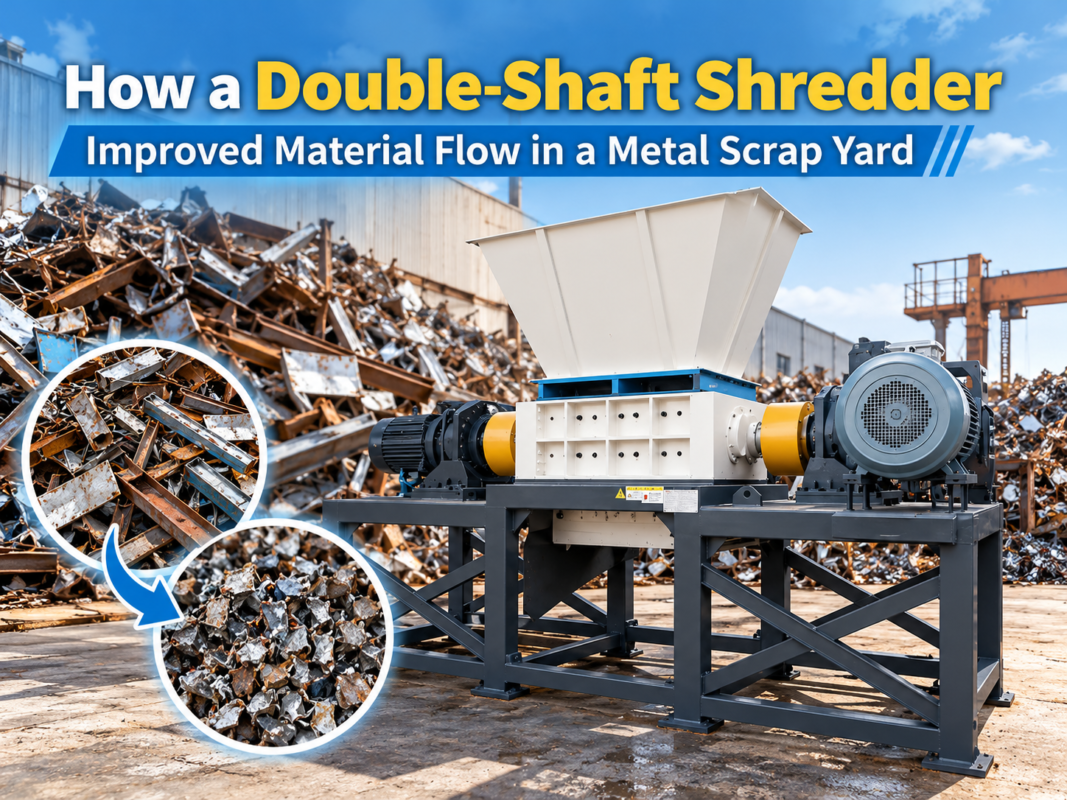
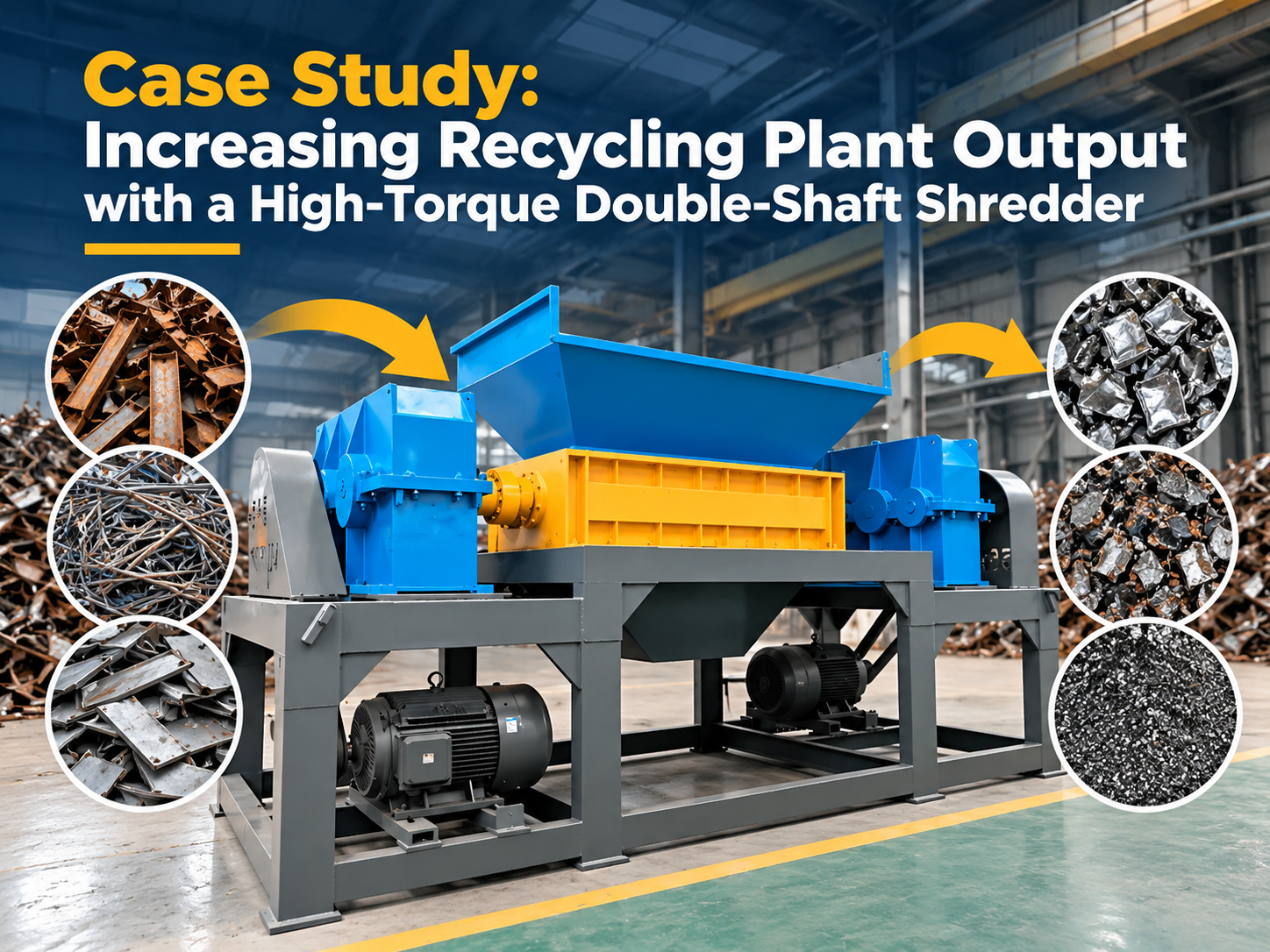
Case Study: Increasing Recycling Plant Output with a High-Torque Double-Shaft Shredder

Introduction
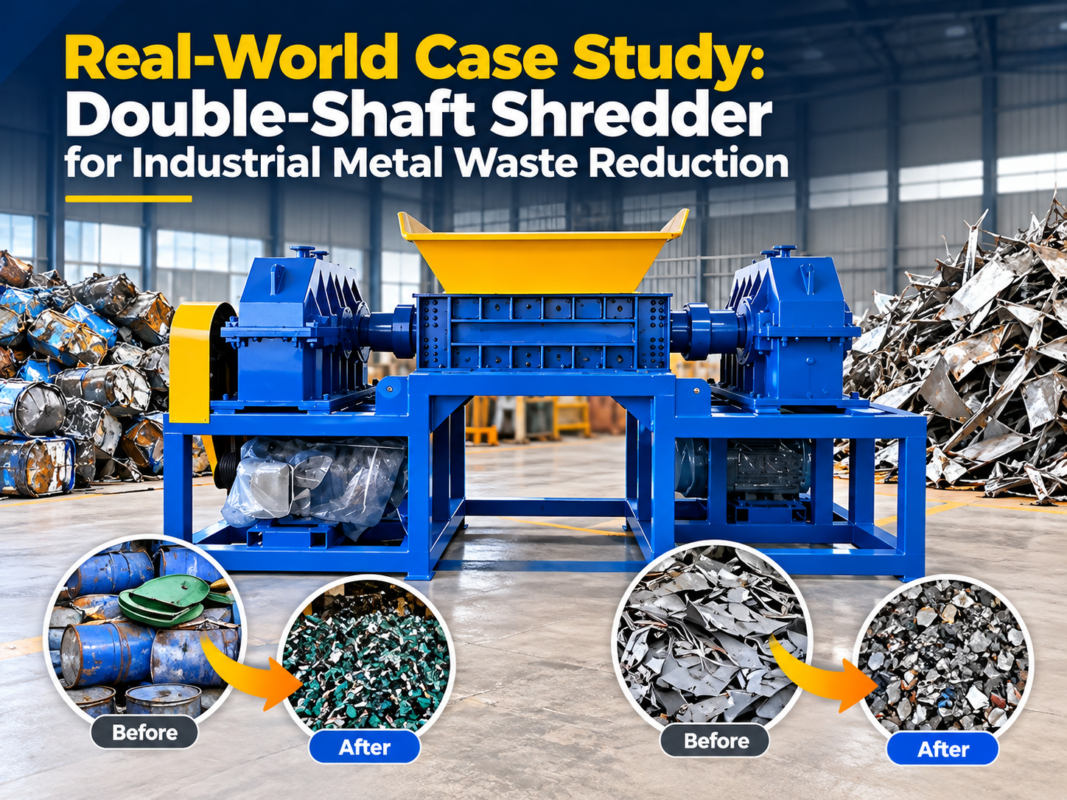
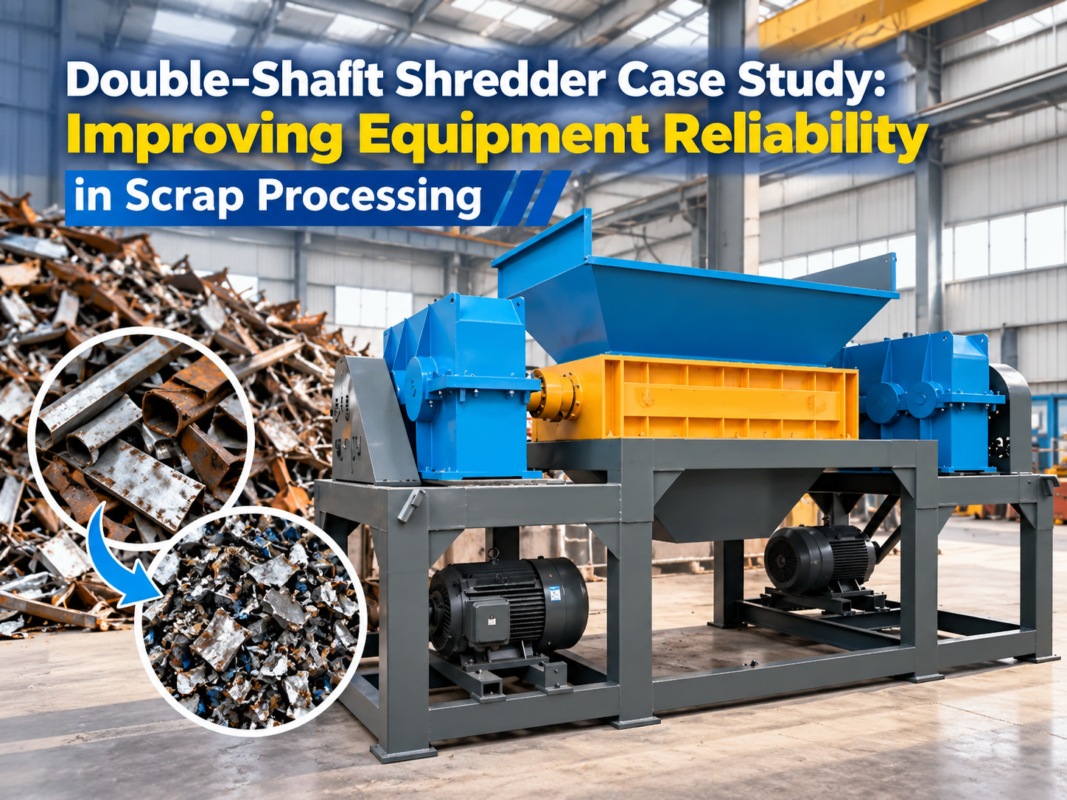
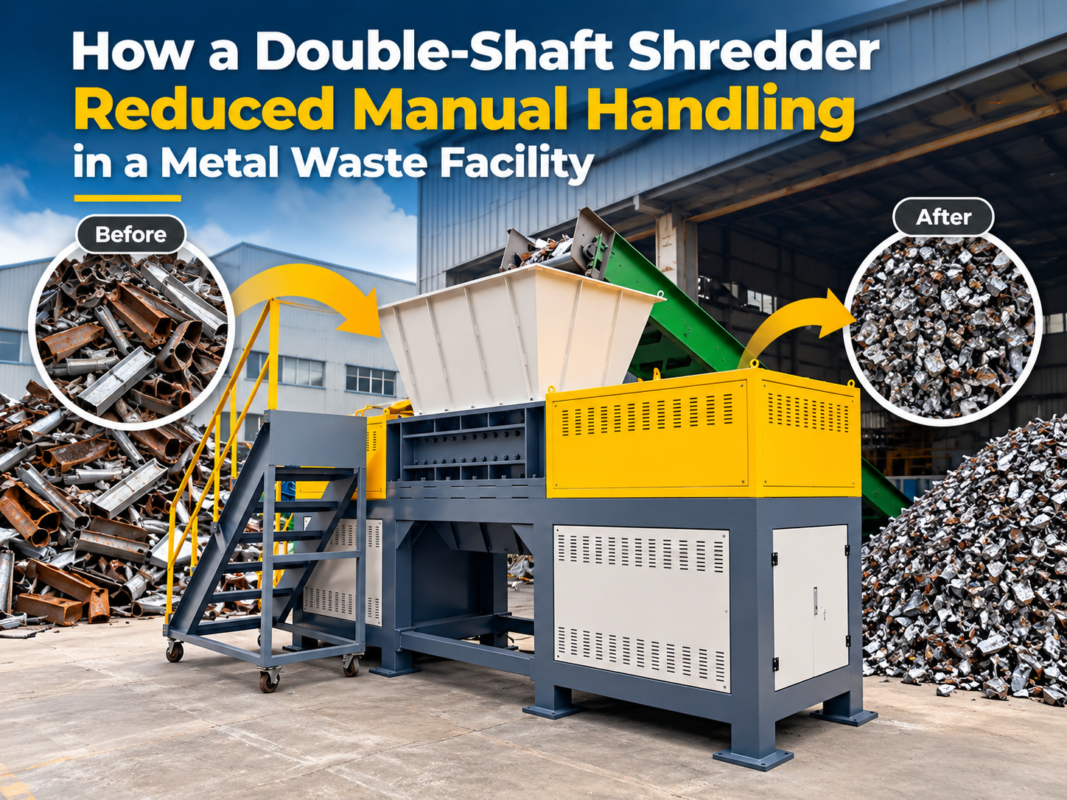
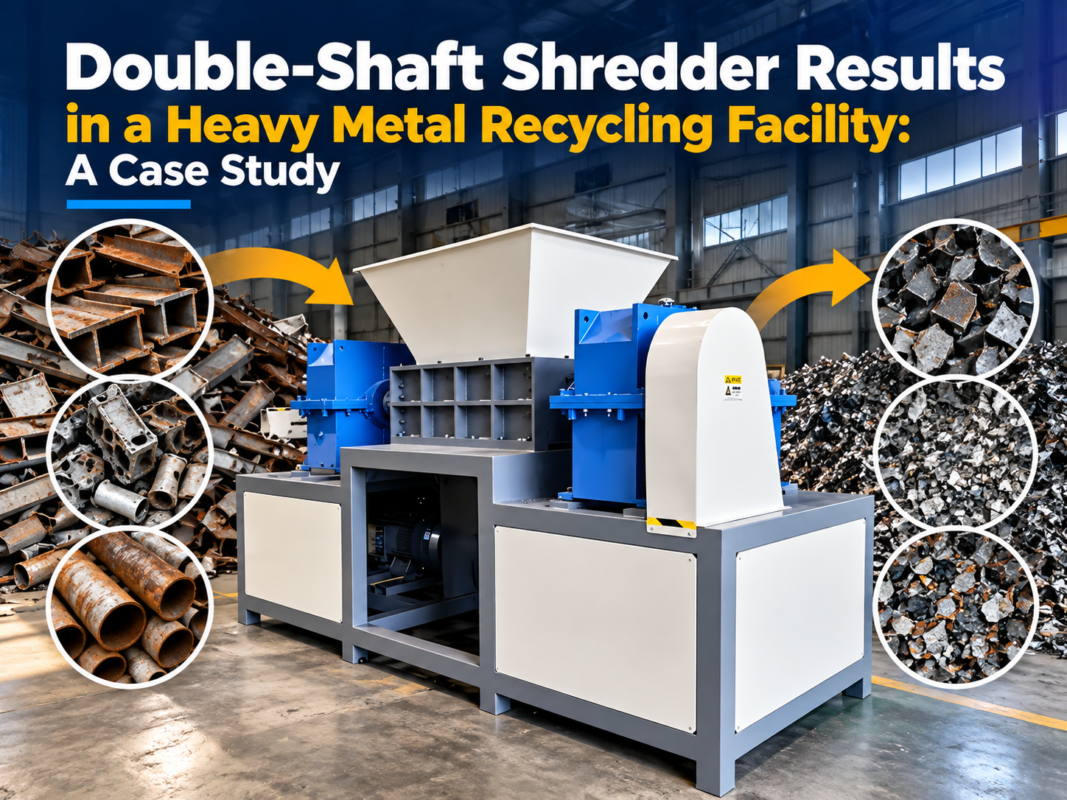
In the rapidly evolving landscape of waste management and material recovery, the efficiency of a recycling plant is defined by its throughput capacity and the reliability of its primary processing equipment. For many facilities, the bottleneck often lies in the initial size reduction phase. This article explores a comprehensive Case Study: Increasing Recycling Plant Output A High-Torque Double-Shaft Shredder, detailing how HARSLE’s advanced engineering solutions allow operators to overcome common material processing hurdles.
Recycling plants today face an unprecedented volume of diverse waste streams, ranging from bulky industrial scrap and electronic waste to complex composite materials. Traditional shredding methods often struggle with high-density materials, leading to frequent downtime, motor strain, and inconsistent output sizes. By integrating a high-torque double-shaft shredder, plants can achieve a significant leap in operational productivity.
The transition to high-torque technology is not merely an upgrade in machinery; it is a strategic shift toward circular economy goals. When a facility can process more material in less time with lower energy consumption per ton, the economic viability of the entire recycling operation improves. This case study examines the technical implementation and the measurable results achieved by a mid-sized recycling facility after deploying HARSLE’s industrial shredding technology.
Throughout this guide, we will analyze the specific challenges faced by the plant, the technical specifications of the selected machinery, and the long-term benefits of choosing robust, high-torque equipment. Whether you are managing a scrap metal yard or a municipal waste facility, understanding the mechanics of high-torque shredding is essential for scaling your output effectively.
Key Considerations for Recycling Plant Efficiency
Before selecting a shredding solution, plant managers must evaluate the specific material characteristics they handle daily. The primary challenge in many facilities is the inconsistency of the feed material. A high-torque double-shaft shredder is designed to handle heterogeneous waste, but understanding the torque-to-speed ratio is critical for optimizing throughput. High torque allows the machine to “bite” through tough materials without stalling, which is the most common cause of operational delays.
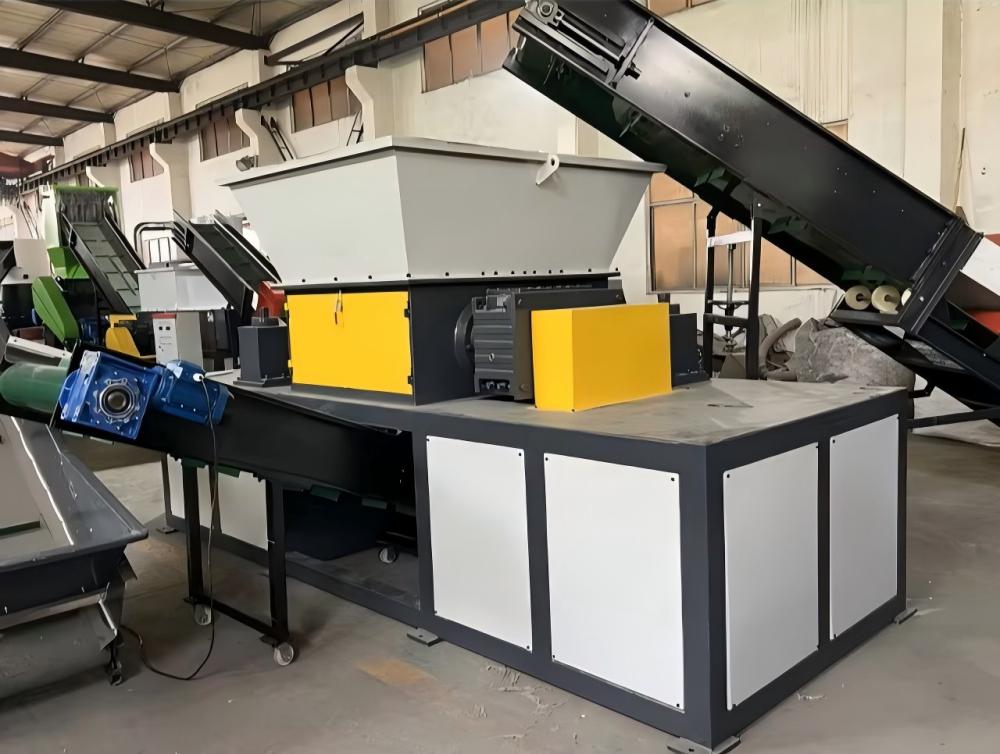
Another key consideration is the integration of the shredder into the existing production line. A shredder does not operate in a vacuum; it must be synchronized with conveyor systems, magnetic separators, and downstream sorting equipment. If the shredder output exceeds the capacity of the downstream conveyors, the system will experience frequent blockages. Therefore, a holistic approach to plant design is necessary when upgrading to high-torque equipment.
Maintenance accessibility is a factor that is often overlooked during the procurement phase. In high-output environments, wear and tear on the shredder blades are inevitable. Choosing a machine with modular blade designs and easy access to the cutting chamber ensures that maintenance can be performed quickly, minimizing the impact on the plant’s overall output. HARSLE emphasizes a design philosophy that prioritizes operator safety and ease of maintenance.
Finally, energy efficiency and noise pollution are increasingly important regulatory considerations. Modern high-torque shredders are engineered to operate with optimized motor loads, reducing electricity consumption during peak processing times. Furthermore, advanced sound-dampening enclosures can help facilities meet local noise ordinances, allowing for 24/7 operation in urban or semi-urban environments.
Technical Details of the High-Torque Double-Shaft Shredder
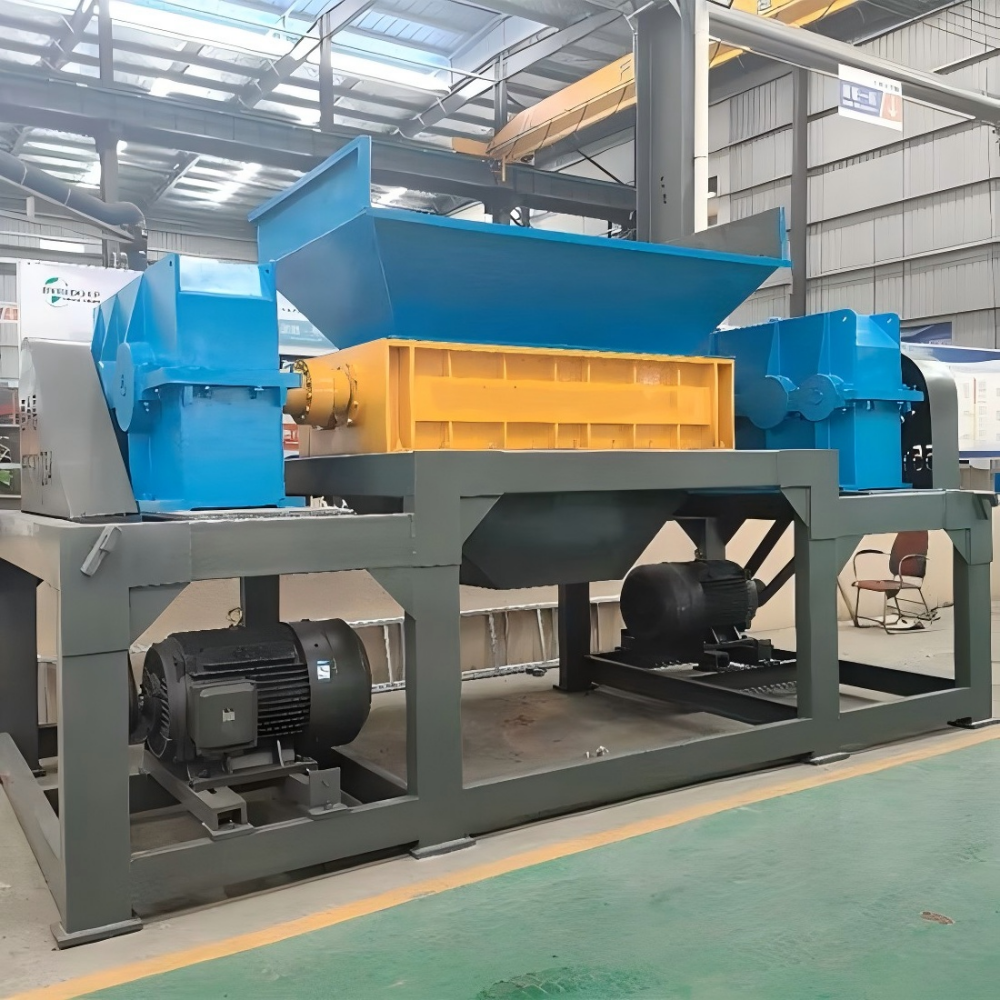
The core of the HARSLE double-shaft shredder lies in its low-speed, high-torque drive system. Unlike high-speed granulators that rely on impact, the double-shaft shredder utilizes a shearing action. This mechanism involves two counter-rotating shafts equipped with hardened steel blades that intermesh. This design allows the machine to exert immense force on the material, effectively tearing it apart rather than shattering it, which results in less dust and lower noise levels.
The technical specifications of these machines are tailored to the specific density of the material. For example, when processing metal scrap, the blades are manufactured from high-alloy steel with specialized heat treatment to maintain hardness and toughness. The shafts are driven by independent motors or a synchronized gearbox, ensuring that even if one side of the shredder encounters a particularly dense object, the system can maintain its cutting force without reversing or jamming.
Control systems play a vital role in the performance of the shredder. HARSLE incorporates PLC-based control units that monitor the load on the motors in real-time. If the system detects an overload, the shafts automatically reverse for a few seconds to clear the obstruction before resuming the shredding process. This automated cycle prevents damage to the drivetrain and keeps the plant running without manual intervention.
The discharge size is controlled by the blade geometry and the screen size (if applicable). In many recycling applications, a specific particle size is required for downstream processing, such as smelting or chemical recycling. The double-shaft shredder provides a consistent output, which is essential for the efficiency of subsequent sorting stages like eddy current separators or optical sorters. By providing a uniform feed, the shredder increases the recovery rate of valuable materials.
Selection Advice: Choosing the Right Equipment
When searching for the right shredder, the first step is to conduct a material audit. You must categorize your waste streams by density, volume, and contamination levels. A shredder that is perfect for light plastic waste will be insufficient for heavy-duty metal fabrication scrap. HARSLE recommends a consultation process where material samples are tested to determine the required torque and blade configuration.
Consider the scalability of the equipment. If your recycling plant is planning to expand its volume in the next three to five years, investing in a machine with a slightly higher capacity than your current needs is a wise financial decision. This “future-proofing” prevents the need for a complete system overhaul when demand increases. Additionally, look for manufacturers that offer customizable blade profiles, as this allows you to adapt the machine to new waste streams as your business evolves.
The quality of the support and spare parts availability is just as important as the machine itself. Industrial machinery is a long-term investment. Ensure that the manufacturer provides comprehensive documentation, remote diagnostic support, and a reliable supply chain for wear parts. A machine that is down for weeks waiting for a replacement blade is a liability to your plant’s profitability.
Finally, evaluate the total cost of ownership (TCO). While the initial purchase price is a significant factor, the TCO includes energy consumption, maintenance labor, spare parts, and the cost of downtime. A high-quality, high-torque shredder from a reputable manufacturer like HARSLE may have a higher upfront cost but will offer a significantly lower TCO over its operational lifespan compared to cheaper, less robust alternatives.
Frequently Asked Questions (FAQ)
1. How does a double-shaft shredder differ from a single-shaft shredder?
A double-shaft shredder uses two counter-rotating shafts to shear material, making it ideal for bulky, heterogeneous waste. A single-shaft shredder typically uses a rotor and a counter-knife, which is better suited for uniform materials and achieving a finer, more consistent particle size.
2. Can a double-shaft shredder handle hazardous materials?
While the shredder is mechanically capable of processing various materials, handling hazardous waste requires specific safety protocols, explosion-proof components, and specialized ventilation systems to protect operators and the environment.
3. How often should the blades be sharpened or replaced?
The frequency of blade maintenance depends on the abrasiveness of the material being processed. For standard scrap metal, blades may last for thousands of hours, but they should be inspected regularly for signs of dulling or chipping to maintain optimal throughput.
4. Does the shredder require a specialized power supply?
Most industrial double-shaft shredders require a three-phase power supply. It is essential to check the voltage and amperage requirements of the specific model and ensure your facility’s electrical infrastructure can support the peak load during startup and heavy-duty operation.
5. How can I increase the output of my current recycling plant?
Increasing output involves optimizing the entire workflow. Start by identifying the bottleneck. If it is the shredding stage, upgrading to a high-torque double-shaft shredder is often the most effective solution to increase throughput and material consistency.
Conclusion
The Case Study: Increasing Recycling Plant Output A High-Torque Double-Shaft Shredder demonstrates that the right technology is the cornerstone of a profitable recycling operation. By moving away from inefficient, low-torque machinery and adopting robust, high-torque solutions, recycling plants can significantly reduce downtime, improve material recovery rates, and ultimately increase their bottom line. HARSLE remains committed to providing the metal fabrication and recycling industries with the tools necessary to meet the challenges of modern waste management.
Investing in high-quality industrial machinery is not just about replacing old equipment; it is about optimizing your entire production process. As we have explored, the combination of high-torque shearing, intelligent PLC control, and modular design allows for a level of efficiency that was previously unattainable. We encourage plant managers to conduct thorough material audits and consult with engineering experts to ensure their equipment selection aligns with their long-term operational goals.
As the global demand for recycled materials continues to rise, the pressure on recycling plants to perform at peak capacity will only increase. By choosing HARSLE’s double-shaft shredding technology, you are positioning your facility at the forefront of the industry, ready to handle the complexities of tomorrow’s waste streams with confidence and precision. For further information on our range of industrial machinery, please contact our technical support team to discuss your specific requirements.