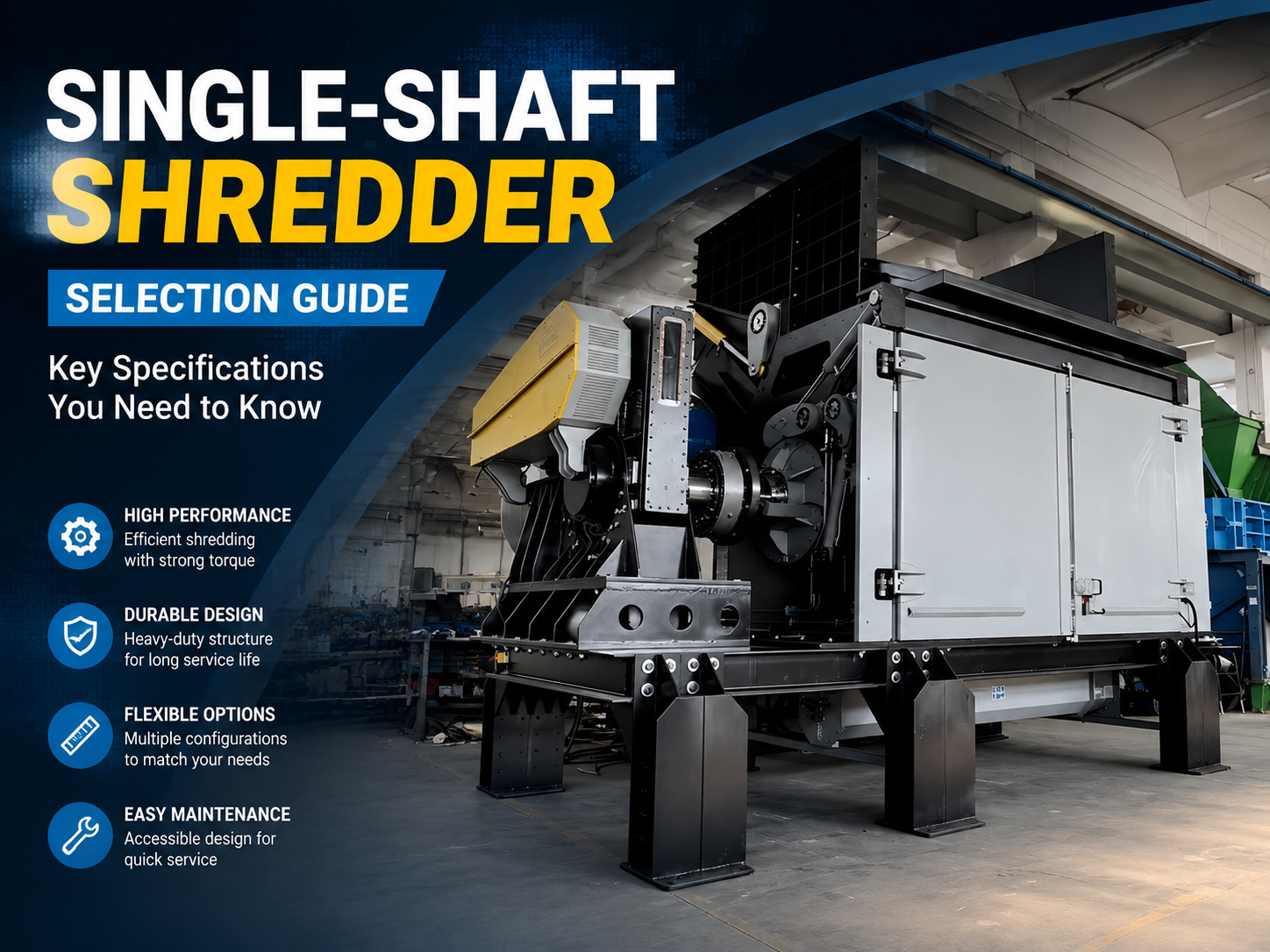
Single-Shaft Shredder Selection Guide: Key Specifications You Need to Know

Technical Overview of Single-Shaft Shredders
In the modern industrial landscape, the demand for efficient waste reduction and material recycling has never been higher. The single-shaft shredder stands as a cornerstone of this movement, offering a versatile and powerful solution for processing a wide array of materials, from plastics and rubber to wood and light metals. Understanding the Single-Shaft Shredder Selection : Key Specifications You Need Know is essential for any facility looking to optimize its production line and ensure long-term operational reliability.
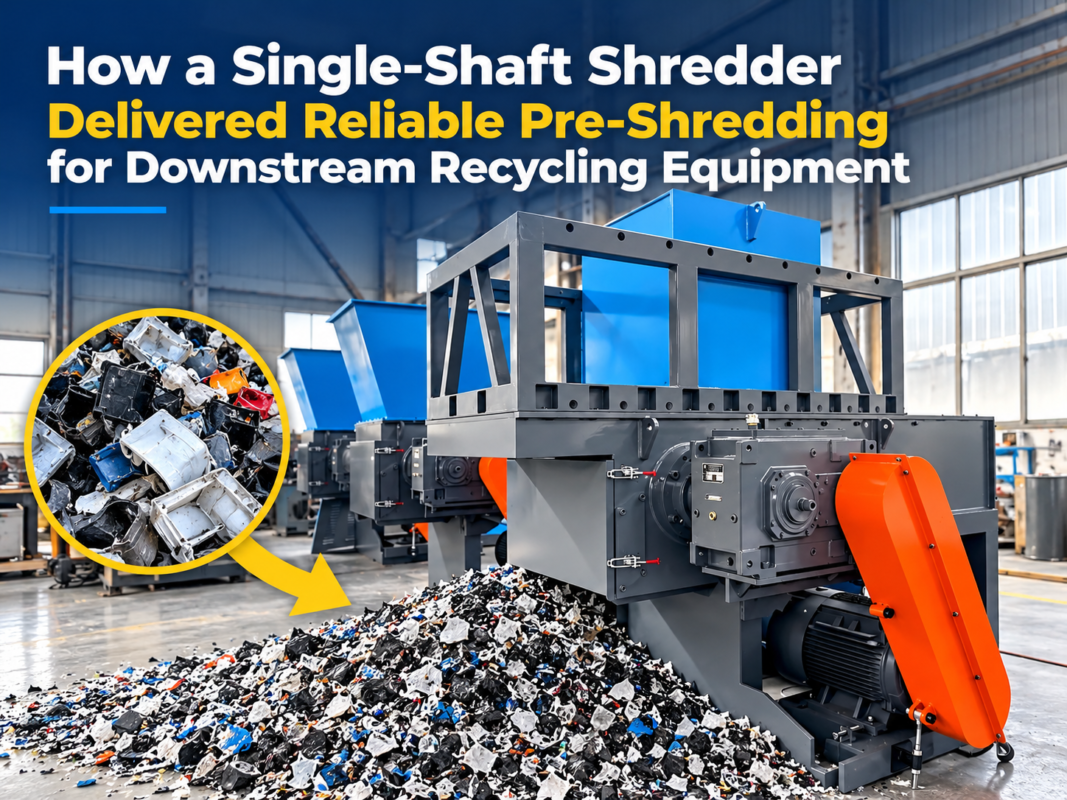
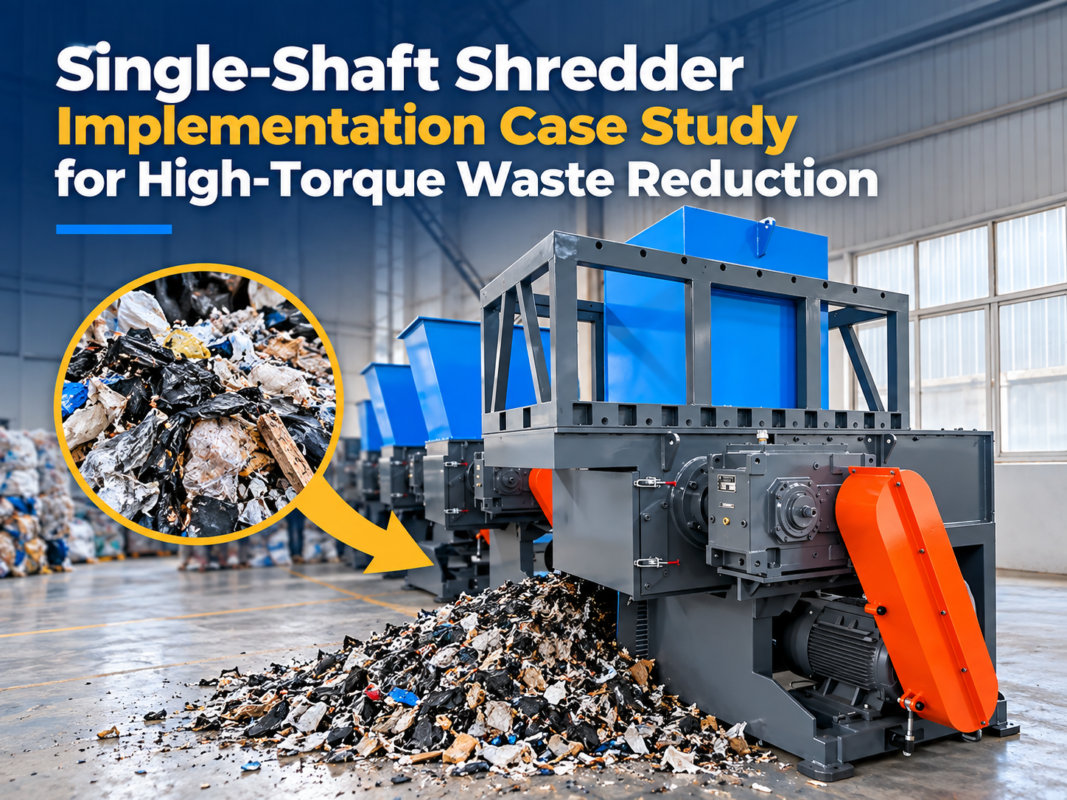
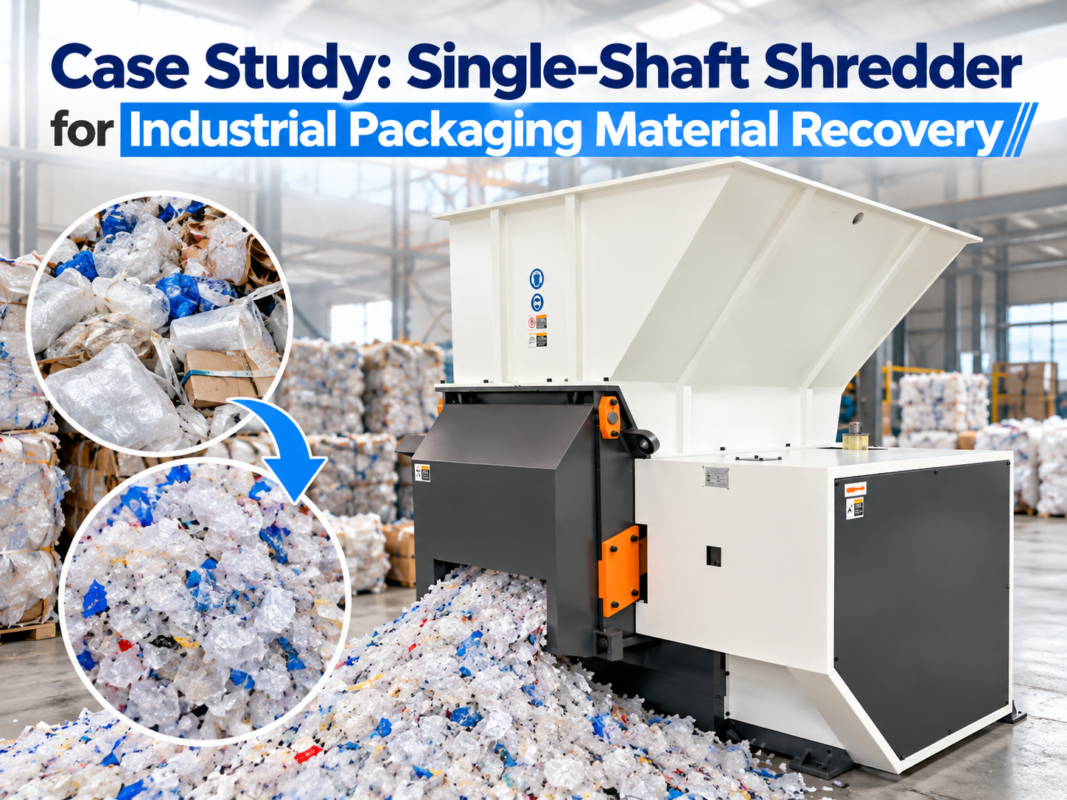
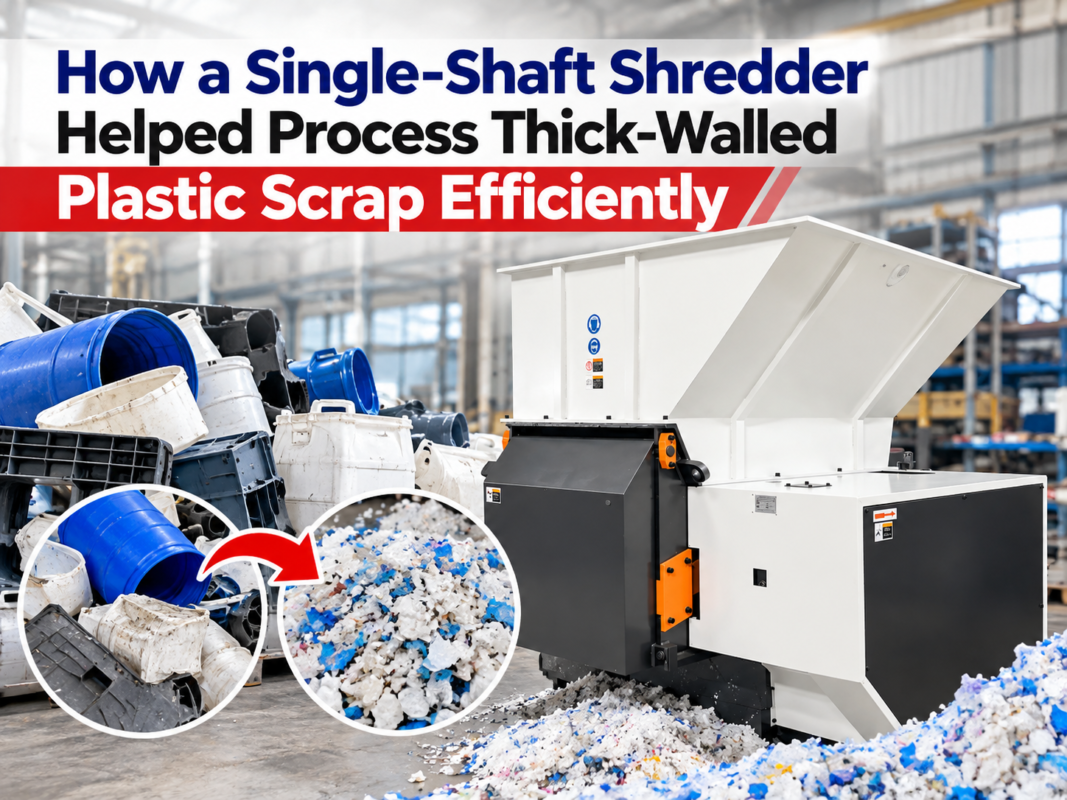
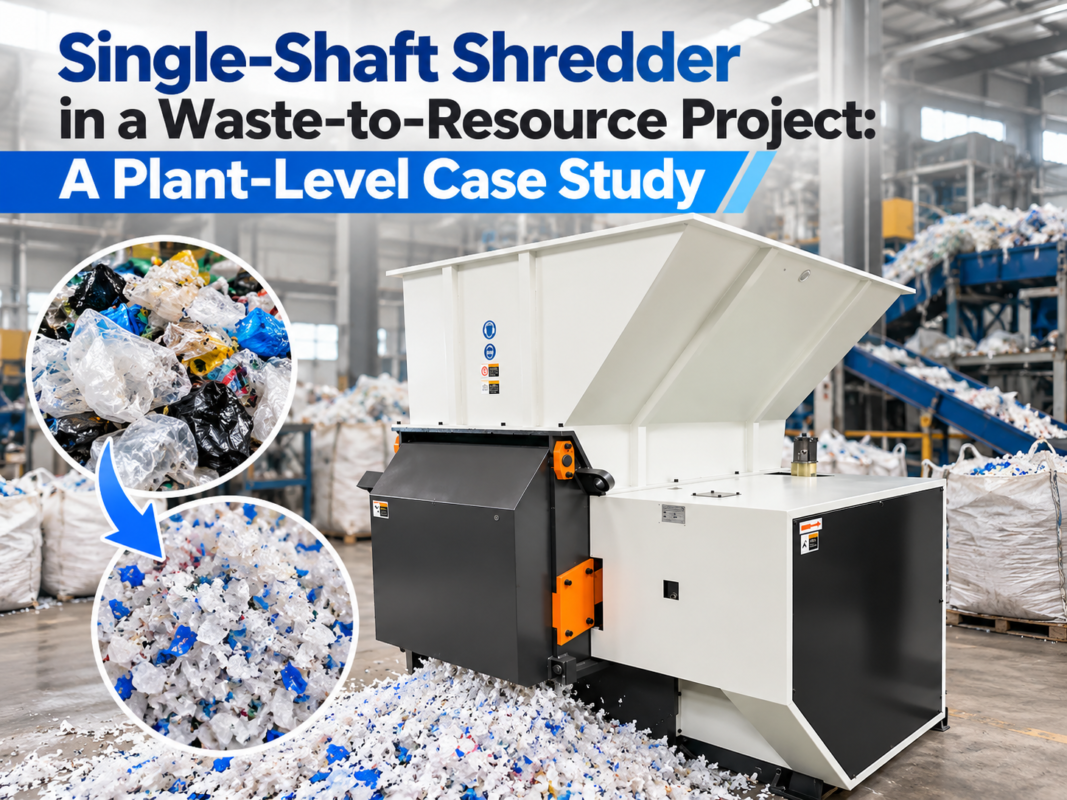
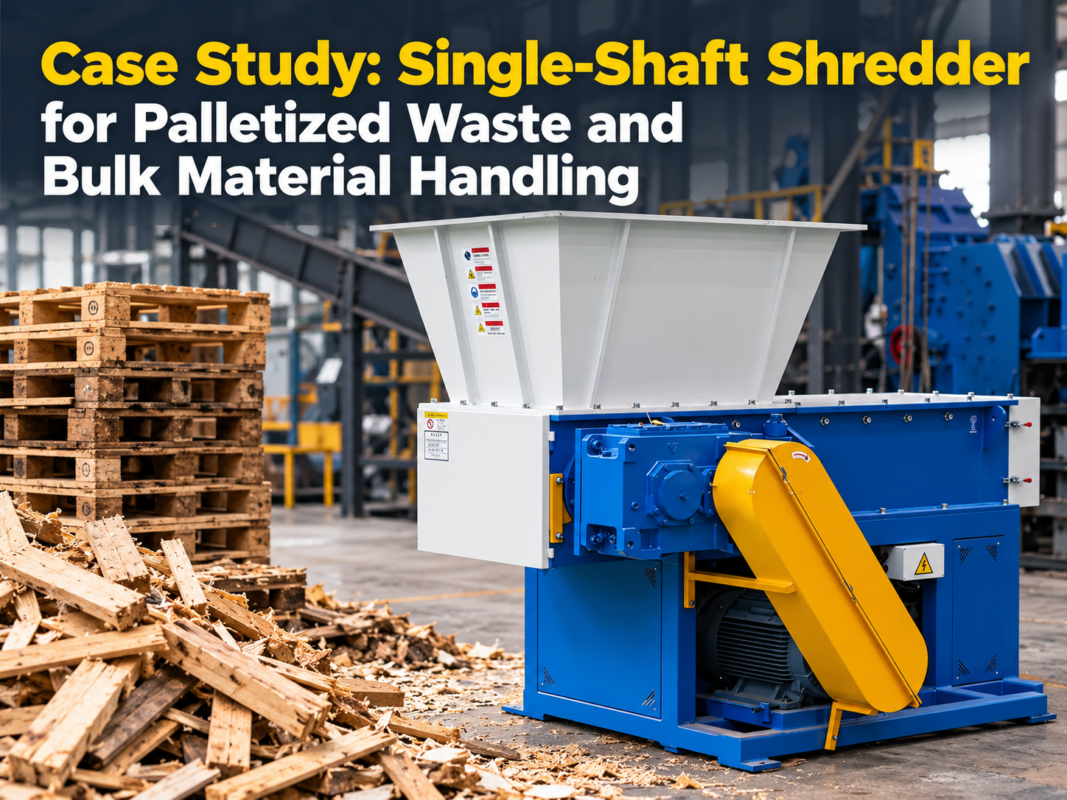
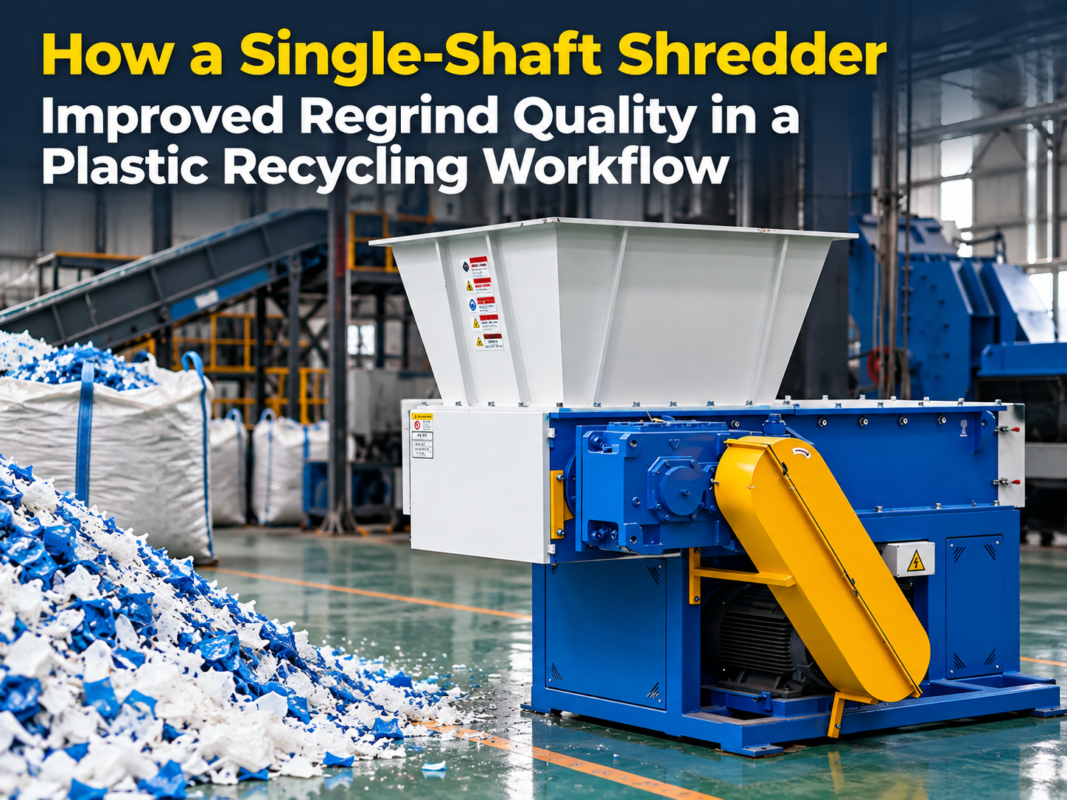
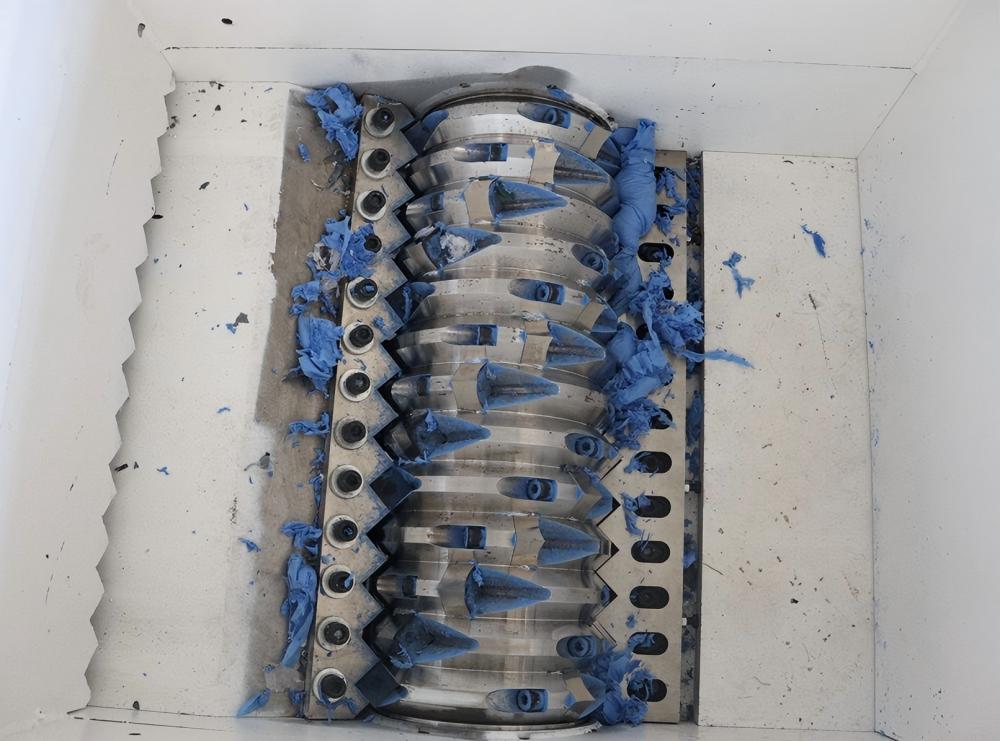
A single-shaft shredder operates on a relatively simple yet highly effective principle. It consists of a single rotating shaft equipped with multiple cutting knives. As the shaft rotates at a controlled speed, a hydraulic pusher (or ram) forces the raw material against the rotating knives. The material is sheared between the rotating knives and fixed counter-knives mounted within the machine’s frame. This shearing action continues until the material is small enough to pass through a screen located beneath the rotor. This design allows for precise control over the final output size, making it ideal for secondary processing or direct recycling.
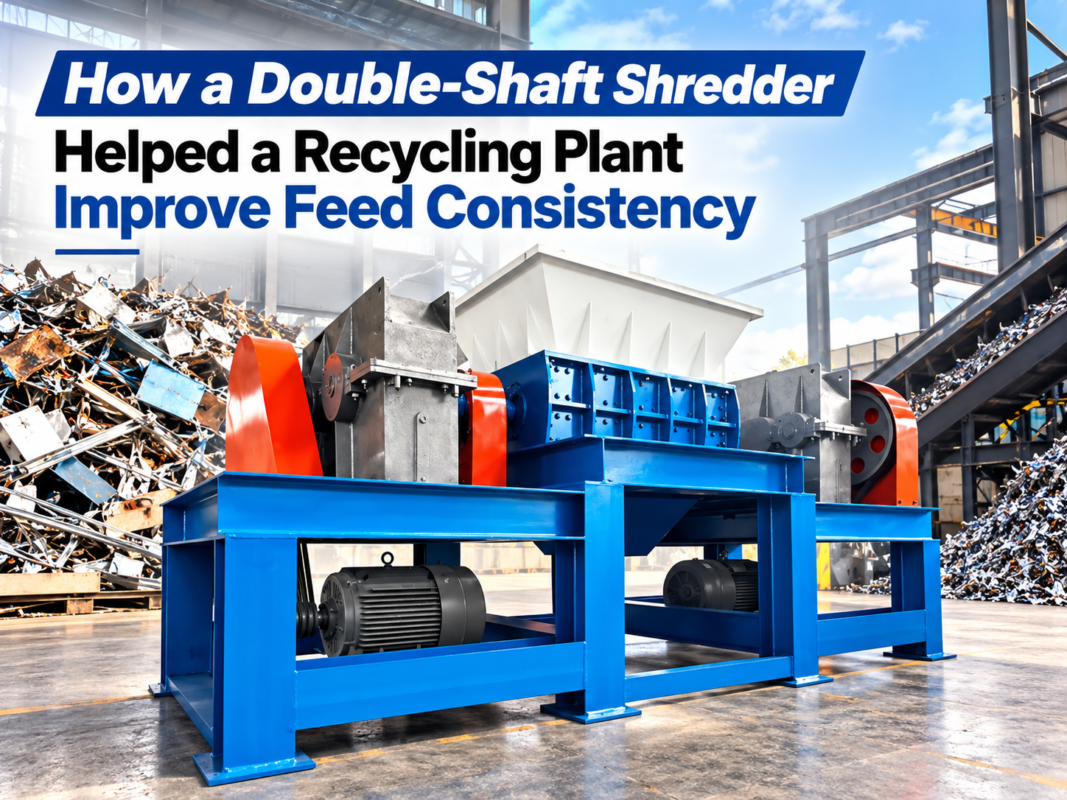
Unlike double-shaft shredders, which are typically high-torque, low-speed machines designed for primary crushing of bulky items, single-shaft shredders are often used for more refined size reduction. They excel in applications where a specific, uniform particle size is required. The ability to swap out screens of different mesh sizes gives the operator the flexibility to produce anything from large chunks to fine granules. This versatility is why the single-shaft shredder is a staple in plastic extrusion plants, tire recycling facilities, and electronic waste processing centers.
The engineering behind these machines has evolved significantly. Modern units, such as those offered by HARSLE, feature advanced PLC (Programmable Logic Controller) systems that monitor the load on the motor. If the rotor encounters a particularly tough piece of material, the PLC can automatically reverse the rotation or adjust the pusher’s pressure to prevent jamming and protect the drive system. This level of automation reduces the need for constant manual supervision and significantly lowers the risk of mechanical failure.
Core Parameters for Single-Shaft Shredder Selection
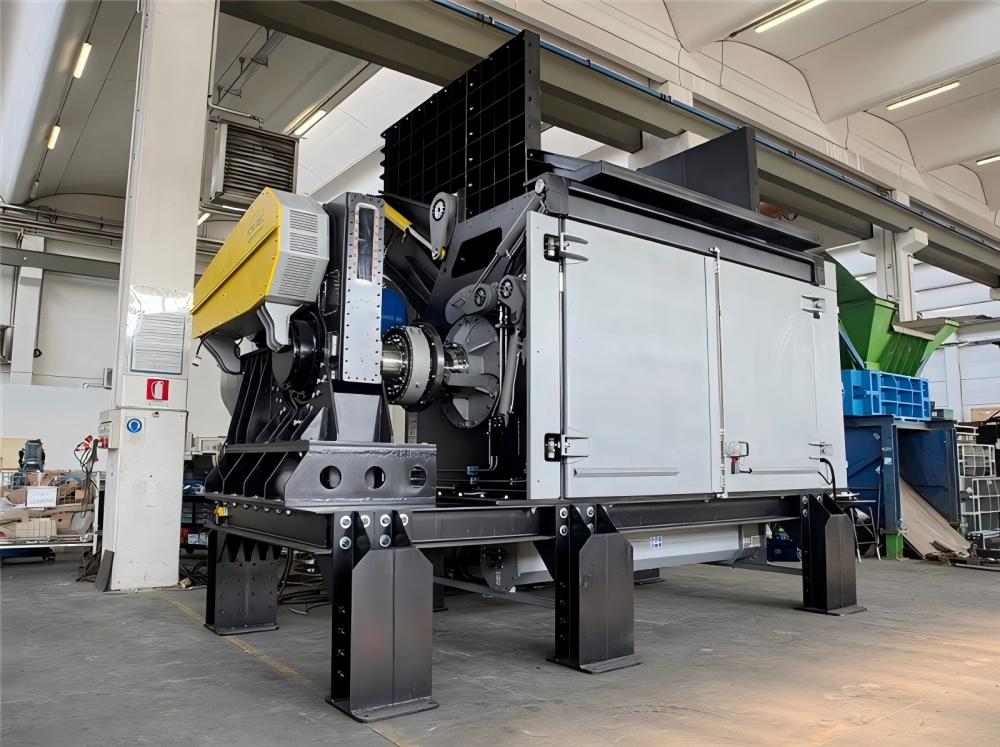
When evaluating a machine, the first specification to consider is the Rotor Diameter and Length. The rotor is the heart of the shredder. A larger diameter rotor provides more torque and a larger cutting surface area, which translates to higher throughput. The length of the rotor determines the width of the feeding chamber. If you are processing wide sheets of plastic or large automotive parts, a longer rotor is necessary to accommodate the material without pre-cutting. Generally, rotor diameters range from 200mm for laboratory or small-scale use to over 800mm for heavy-duty industrial applications.
Motor Power (kW/HP) is the next critical factor. The power requirement is directly proportional to the toughness of the material and the desired throughput. For example, shredding soft polyethylene (PE) film requires significantly less power than processing thick-walled high-density polyethylene (HDPE) pipes or glass-reinforced plastics. It is a common mistake to undersize the motor to save on initial costs, only to find the machine frequently stalling or overheating under normal loads. A robust selection usually involves a safety margin of 15-20% above the calculated power requirement.
The Knife Configuration and Material play a vital role in the machine’s efficiency and maintenance intervals. Knives are typically made from high-alloy steels like D2 (1.2379) or DC53, which offer a balance of hardness and toughness. Some rotors feature concave knives, while others use flat or four-way rotatable knives. Four-way knives are particularly cost-effective because once one edge becomes dull, the knife can be rotated to a fresh edge, effectively quadrupling the lifespan of the tool before it needs sharpening or replacement.
The Hydraulic Pusher System is often overlooked but is essential for maintaining a consistent feed rate. The pusher’s stroke speed and pressure should be adjustable. For light, voluminous materials like foam, a fast stroke with low pressure is ideal. For dense materials like solid plastic purgings, a slow, high-pressure stroke is required to ensure the knives can bite into the material effectively. Advanced shredders use load-sensing hydraulics that automatically adjust the pusher’s movement based on the motor’s current draw.
Calculation Method for Throughput and Torque
To ensure the Single-Shaft Shredder Selection : Key Specifications You Need Know aligns with your production goals, you must be able to estimate the machine’s performance. The theoretical throughput (Q) can be estimated using the formula: Q = V × ρ × η, where V is the volume of material processed per hour, ρ is the bulk density of the material, and η is the efficiency factor (usually between 0.6 and 0.8 depending on the material type and screen size).
Torque (T) is another vital calculation, especially for heavy-duty applications. Torque is calculated as: T = (9550 × P) / n, where P is the motor power in kilowatts and n is the rotational speed of the rotor in RPM. Single-shaft shredders typically operate at speeds between 60 and 120 RPM. A lower RPM results in higher torque, which is necessary for shearing through thick, tough materials. If your application involves high-impact resistance materials, prioritizing torque over raw speed is the correct engineering approach.
The relationship between screen size and throughput is non-linear. Reducing the screen hole diameter by half does not just halve the throughput; it can reduce it by 60-70% because the material must stay in the cutting chamber much longer to reach the smaller size. When calculating your needs, always specify the throughput based on the smallest screen size you intend to use. This ensures the machine is not a bottleneck in your production line.
Parameter Table: Comparison of Shredder Classes
| Specification | Light Duty (Series S) | Medium Duty (Series M) | Heavy Duty (Series H) |
|---|---|---|---|
| Rotor Diameter (mm) | 250 – 300 | 400 – 450 | 600 – 800+ |
| Motor Power (kW) | 11 – 22 | 37 – 75 | 90 – 160+ |
| Rotor Speed (RPM) | 80 – 120 | 70 – 100 | 60 – 85 |
| Number of Knives | 20 – 30 | 40 – 60 | 80 – 120+ |
| Throughput (kg/h) | 300 – 600 | 800 – 2000 | 2500 – 5000+ |
| Typical Materials | Plastic film, paper, small crates | Pipes, profiles, thick sheets | Large purgings, tires, wood logs |
Common Engineering Mistakes in Shredder Selection
One of the most frequent mistakes in Single-Shaft Shredder Selection : Key Specifications You Need Know is ignoring the Bulk Density of the input material. A machine rated for 1000 kg/h of solid plastic purgings will not achieve the same weight-based throughput when processing loose plastic film. The film is mostly air, and even with a hydraulic pusher, the physical volume the rotor can grab per revolution is limited. For low-density materials, you need a larger cutting chamber and a specialized rotor design to prevent the material from simply “wrapping” around the shaft.
Another common error is neglecting the Cooling System. Shredding generates a significant amount of friction heat. If you are processing materials with a low melting point, such as certain types of wax or soft plastics, the heat can cause the material to soften and gum up the knives and screen. In high-capacity or continuous-duty applications, water-cooled rotors and gearboxes are not just an option; they are a necessity to prevent thermal degradation of the material and premature seal failure in the gearbox.
Furthermore, many buyers fail to account for Contaminants. If your waste stream includes occasional metal pieces (like bolts or brackets) in a plastic load, a standard single-shaft shredder might suffer catastrophic knife damage. In such cases, selecting a machine with a friction clutch or a “swing-away” screen cradle can provide a mechanical fail-safe. Additionally, using wear-resistant hard-facing on the rotor can extend the life of the machine if the material is abrasive, such as glass-filled nylon or sand-contaminated agricultural film.
Lastly, the Screen Design is often an afterthought. A standard round-hole screen is common, but for certain materials, square holes or hexagonal patterns may provide better flow and less clogging. The distance between the knives and the screen also needs to be adjustable. If the gap is too large, the material will bounce around the chamber without being cut, leading to excessive heat and low efficiency. If it is too small, the risk of mechanical interference increases.
Selection Checklist for Industrial Buyers
- Material Analysis: Define the toughest material you will process, its maximum dimensions, and its bulk density.
- Target Output: Determine the required particle size and the hourly throughput (kg/h) needed to meet production goals.
- Power Supply: Ensure your facility’s electrical infrastructure can handle the high startup current of large shredder motors (consider soft starters or VFDs).
- Maintenance Access: Check if the machine has a hydraulic hood or screen cradle for easy access to the knives and rotor.
- Blade Metallurgy: Confirm the knife material is appropriate for your specific waste stream (e.g., D2 for general plastic, specialized alloys for abrasive materials).
- Control System: Look for PLC-controlled auto-reverse and load-sensing features to protect the motor and gearbox.
- Safety Standards: Ensure the machine complies with CE or local safety regulations, including emergency stops and interlocked access panels.
- Spare Parts Availability: Verify that wear parts like knives, bolts, and screens are readily available from the manufacturer.
Frequently Asked Questions (FAQ)
1. How often do the knives need to be sharpened?
The frequency of sharpening depends entirely on the material being processed. For clean, soft plastics, knives may last for several hundred hours. For abrasive materials like glass-filled plastics or contaminated wood, they may need attention every 40-80 hours. Using rotatable knives can extend the time between full replacements.
2. Can a single-shaft shredder handle metal?
Standard single-shaft shredders are designed for plastics, wood, and paper. While they can handle very thin aluminum or light copper wiring, they are not intended for heavy metal scrap. Processing thick steel will result in immediate knife breakage and potential rotor damage. For metal, a dedicated metal shredder or a heavy-duty double-shaft machine is required.
3. What is the advantage of a V-shaped rotor?
A V-shaped rotor (or V-rotor) directs the material toward the center of the shaft. This prevents material from accumulating at the side walls of the shredding chamber, reducing friction and wear on the side plates. It also ensures a more uniform distribution of the cutting load across the motor, leading to smoother operation.
4. Do I need a Variable Frequency Drive (VFD)?
A VFD is highly recommended for applications where the material type varies significantly. It allows you to adjust the rotor speed to find the “sweet spot” for different materials. It also provides a soft start, which reduces the mechanical stress on the gearbox and the electrical surge on your power grid during startup.
5. How do I choose the right screen size?
The screen size should be slightly larger than the maximum particle size you can tolerate in your next process (e.g., extrusion or granulating). Keep in mind that smaller screens significantly reduce throughput. If you need a very fine output, it is often more efficient to use a shredder with a 20-30mm screen followed by a high-speed granulator.