Single-Shaft Shredder Maintenance Guide: Best Practices to Maximize Uptime

Technical Overview of Single-Shaft Shredders
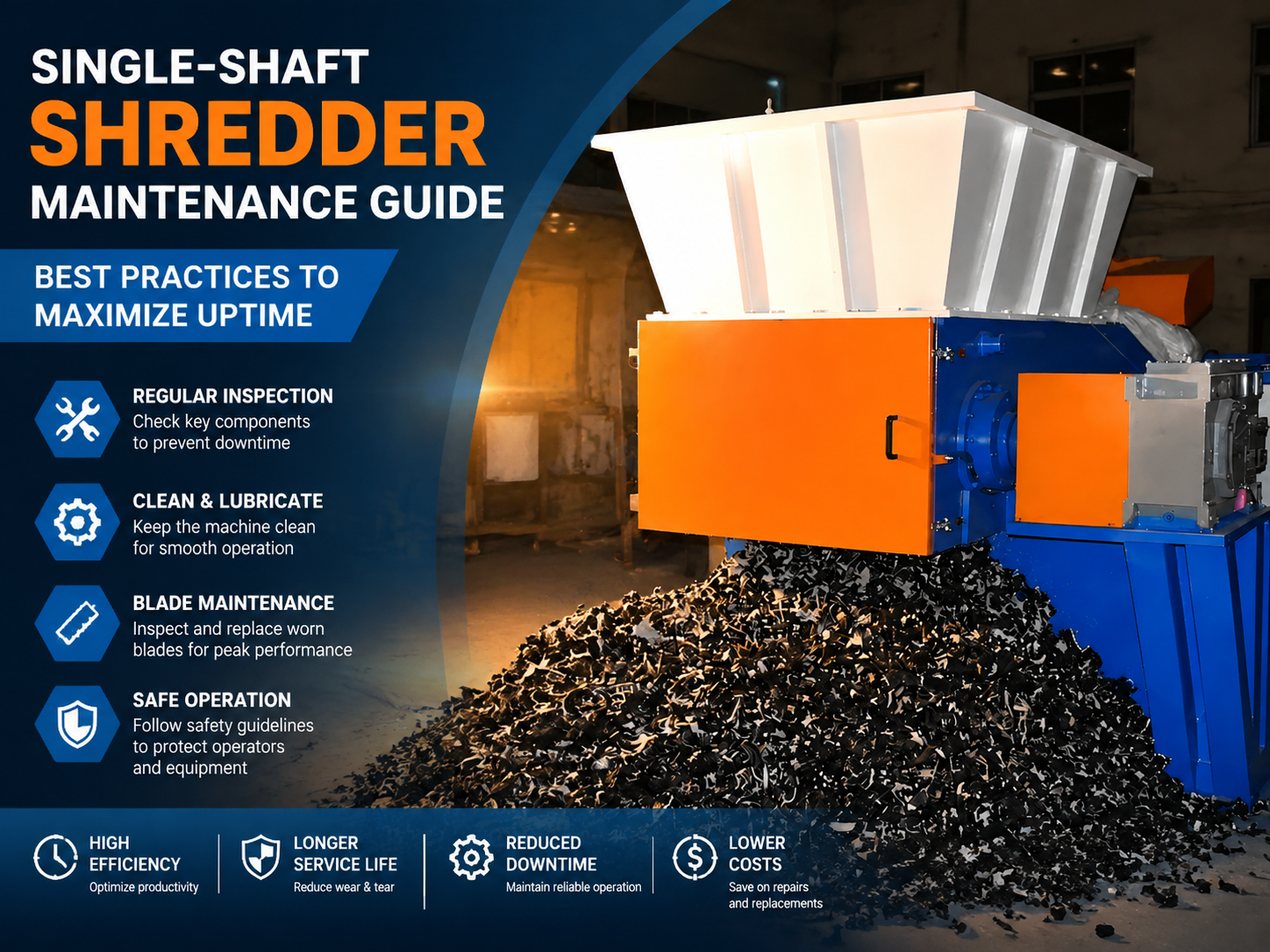
The single-shaft shredder is a cornerstone of modern recycling and waste management facilities. Unlike its multi-shaft counterparts, the single-shaft design utilizes a high-torque, low-speed rotor equipped with replaceable cutting inserts. These machines are engineered to handle a diverse range of materials, including plastics, wood, rubber, and light metals. At the heart of the system is the interaction between the rotating knives and the fixed counter-knives, which shear the material until it is small enough to pass through a sizing screen located beneath the rotor.
HARSLE single-shaft shredders are designed with a robust hydraulic pusher system. This component is critical as it forces the bulk material against the rotating shaft, ensuring consistent feeding and preventing the rotor from ‘skating’ over the material. The efficiency of this process depends heavily on the precision of the clearance between the knives and the integrity of the hydraulic pressure. Because these machines operate in harsh environments, often dealing with abrasive or contaminated materials, a rigorous maintenance schedule is not just a recommendation—it is a necessity for operational survival.
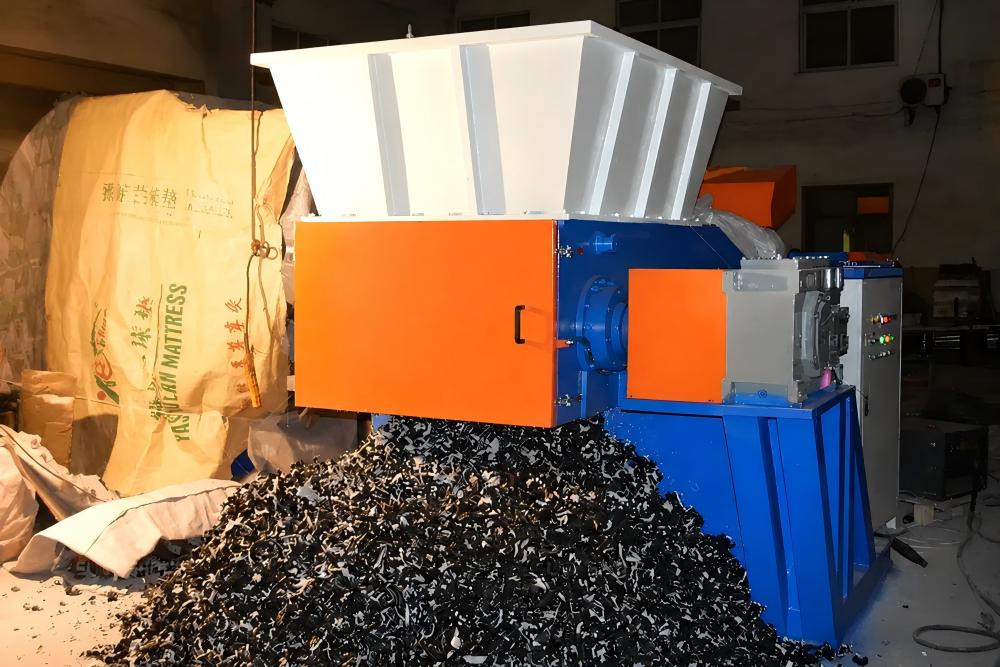
From a technical standpoint, the drive system usually consists of an electric motor coupled with a heavy-duty gearbox. This configuration allows for the generation of massive torque, which is essential for overcoming the resistance of dense materials. Modern units also feature PLC-controlled logic that can detect overloads and automatically reverse the rotor to clear jams. Understanding these technical nuances is the first step in implementing a maintenance strategy that maximizes uptime and extends the lifespan of the equipment.
Core Parameters Influencing Performance
To maintain a single-shaft shredder effectively, one must understand the core parameters that dictate its performance. The most significant parameter is the Rotor Speed (RPM). While it might seem counterintuitive, lower speeds often result in higher efficiency for tough materials because they allow for higher torque application. Typically, single-shaft shredders operate between 60 and 100 RPM. Maintaining the correct RPM ensures that the motor does not overheat and that the cutting action remains precise.
Another critical parameter is the Knife Geometry and Material. The choice of D2, DC53, or other high-wear tool steels affects how long the machine can run between sharpenings. The angle of the cutting edge and the number of usable sides on the square inserts directly impact the cost per ton of processed material. Maintenance teams must monitor the wear patterns on these inserts to decide when to rotate or replace them. A dull knife increases the load on the motor and reduces throughput significantly.
The Hydraulic Pusher Pressure and Screen Mesh Size are also vital. The pusher pressure must be calibrated to the density of the material; too much pressure can stall the rotor, while too little leads to inefficient shredding. The screen mesh size determines the final output size. If the screen is clogged or damaged, the material will recirculate indefinitely, causing unnecessary heat buildup and wear on the rotor and bearings. Regular inspection of these parameters ensures the machine operates within its designed envelope.
Calculation Method for Shredder Efficiency
Calculating the efficiency and throughput of a single-shaft shredder involves several variables. The theoretical throughput ($Q$) can be estimated using the following formula: Q = V × n × ρ × η. In this equation, V represents the volume of material displaced per rotor revolution, n is the rotor speed in RPM, ρ is the bulk density of the material, and η is the efficiency coefficient (usually between 0.6 and 0.8 depending on material consistency).
To calculate the specific energy consumption, which is a key metric for maintenance health, use the formula: SEC = P / Q, where P is the power consumption in kilowatts and Q is the throughput in tons per hour. An increase in SEC over time is a primary indicator that the knives are dull or that there is excessive friction in the drive train. Monitoring this metric allows maintenance managers to schedule interventions before a total component failure occurs.
Furthermore, the Blade Gap Calculation is essential for precision shredding. The gap between the rotor knives and the counter-knives should typically be maintained between 0.5mm and 1.5mm, depending on the material thickness. If the gap exceeds this range, the machine will ‘tear’ rather than ‘cut,’ leading to increased vibration and potential damage to the rotor bearings. Regular measurement with feeler gauges is a mandatory part of the maintenance routine.
Parameter Table for Material Processing
| Material Type | Recommended Rotor Speed (RPM) | Knife Material | Screen Size (mm) | Maintenance Interval (Hours) |
|---|---|---|---|---|
| Hard Plastics (HDPE/PP) | 80 – 90 | D2 Steel | 20 – 40 | 250 |
| Wood Waste/Pallets | 70 – 80 | Hardened Alloy | 40 – 60 | 300 |
| Copper/Aluminum Cable | 60 – 70 | DC53 Steel | 10 – 20 | 150 |
| Rubber/Tires | 50 – 60 | High-Chrome Steel | 30 – 50 | 200 |
| Paper/Cardboard | 90 – 100 | Standard Tool Steel | 50 – 80 | 400 |
Best Practices for Single-Shaft Shredder Maintenance
Daily Inspection and Cleaning
The foundation of maximizing uptime is the daily inspection. Before starting the shift, operators should check for loose bolts, especially on the knife holders. The vibration inherent in shredding can cause fasteners to back out, leading to catastrophic rotor damage if a knife comes loose. Additionally, the shredding chamber must be cleared of any residual material from the previous shift to prevent the motor from starting under load.
Cleaning is equally important. Dust and debris can accumulate around the motor cooling fins and the hydraulic power unit. If left unchecked, this buildup acts as insulation, causing components to overheat. A quick blast of compressed air can prevent expensive electrical failures and hydraulic fluid degradation. Operators should also look for signs of oil leaks around the gearbox and hydraulic hoses, which are early warnings of seal failure.
Lubrication and Fluid Management
Lubrication is the lifeblood of the single-shaft shredder. The main rotor bearings are subjected to immense radial loads and must be greased according to the manufacturer’s specifications—typically every 40 to 80 hours of operation. Using the correct grade of extreme-pressure (EP) grease is vital. Over-greasing can be just as damaging as under-greasing, as it can blow out seals and allow contaminants to enter the bearing housing.
Hydraulic oil maintenance is another pillar of the maintenance guide. The oil should be sampled and analyzed every six months to check for particulate contamination and oxidation. The hydraulic filters should be replaced regularly. If the oil becomes cloudy or smells burnt, it must be changed immediately. Maintaining clean, cool hydraulic fluid ensures that the pusher system operates smoothly and that the valves do not stick, which is a common cause of reduced throughput.
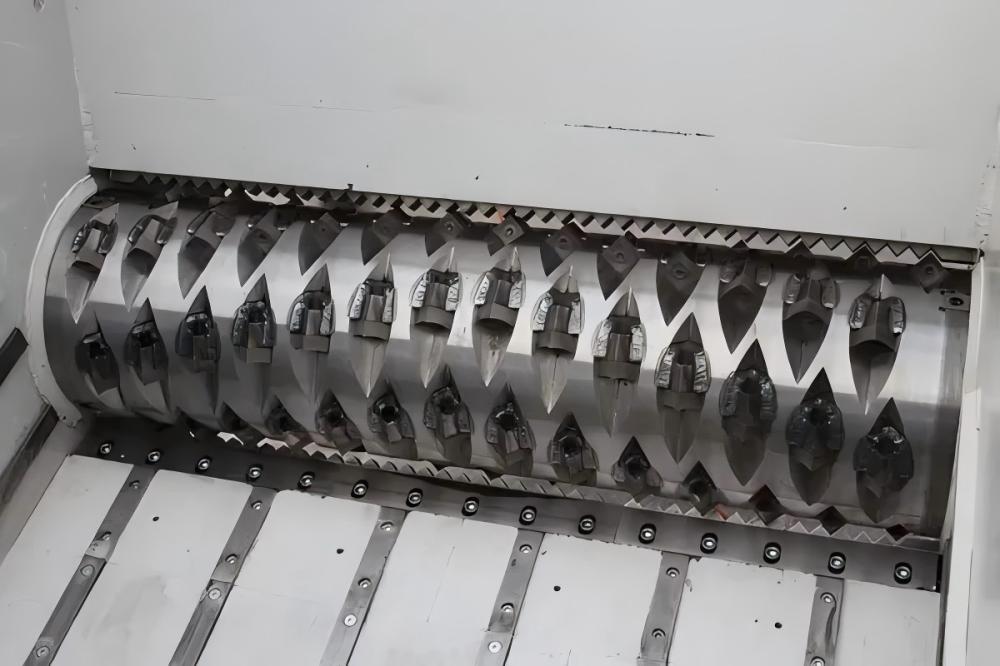
Blade Rotation and Sharpening
Single-shaft shredders typically use square, four-sided cutting inserts. To maximize the life of these components, a systematic rotation plan should be implemented. When the leading edge becomes rounded, the knife should be rotated 90 degrees to expose a fresh sharp edge. This can usually be done three times before the insert needs to be replaced or professionally reground. Consistent blade maintenance reduces the strain on the drive motor and ensures a uniform output size.
When replacing knives, it is critical to replace the bolts as well. High-strength bolts can suffer from fatigue over time. Furthermore, the counter-knives (fixed blades) must not be ignored. They wear at a different rate than the rotor knives but are equally important for maintaining the shearing action. Adjusting the counter-knife position to maintain the optimal gap is a technical task that should be performed by trained maintenance personnel to ensure the machine remains efficient.
Common Engineering Mistakes in Shredder Operation
One of the most frequent engineering mistakes is mismatched material feeding. Operators often attempt to shred materials that the machine was not designed for—such as feeding heavy steel chunks into a plastic shredder. This leads to “shock loading,” which can snap drive shafts or strip gearbox teeth. Always verify that the material hardness and thickness fall within the machine’s rated capacity. If the material is too tough, the thermal protection on the motor will trip frequently, leading to significant downtime.
Another common error is neglecting the screen integrity. A worn or bowed screen allows oversized material to pass through, which can cause issues in downstream equipment like granulators or extruders. Conversely, a blinded (clogged) screen causes the material to heat up due to friction, which can melt plastics inside the chamber, creating a solid mass that is extremely difficult to remove. Regularly checking the screen for holes or deformation is a simple step that prevents massive headaches.
Finally, improper belt tensioning in V-belt drive systems is a recurring issue. If the belts are too loose, they slip, causing heat and loss of power. If they are too tight, they put excessive side load on the motor and gearbox bearings, leading to premature failure. Using a tension gauge to set the belts to the manufacturer’s specific Newton-meters is the only way to ensure the drive system operates at peak efficiency. Relying on “thumb pressure” is an engineering mistake that costs thousands in replacement parts.
Selection Checklist for Maximizing Uptime
- Rotor Construction: Ensure the rotor is made from a solid piece of forged steel or high-strength alloy to resist warping under heat.
- Cooling Systems: For high-capacity operations, check if the gearbox and hydraulic system have independent oil coolers.
- Ease of Access: Does the machine have a swing-out screen cradle or a large maintenance door for easy knife changes?
- Shock Absorption: Look for machines equipped with shock-absorbing gearbox mounts to protect the drive train from sudden impacts.
- PLC Diagnostics: Ensure the control system provides detailed error codes and maintenance reminders.
- Hard-Facing Options: For abrasive materials (like glass-filled plastics), check if the rotor can be hard-faced with wear-resistant coatings.
- Spare Parts Availability: Confirm that wear parts like knives, bolts, and screens are readily available from the manufacturer.
Frequently Asked Questions (FAQ)
How often should I rotate the shredder knives?
The frequency of knife rotation depends entirely on the abrasiveness of the material being processed. For clean plastics, you might rotate them every 200-300 hours. For contaminated materials or wood with nails, you may need to rotate them every 80-100 hours. The best indicator is a drop in throughput or a visible rounding of the cutting edge.
Why is my shredder motor overheating?
Motor overheating is usually caused by one of three things: dull knives increasing the cutting resistance, a clogged screen preventing material discharge, or an accumulation of dust on the motor housing preventing proper cooling. Check these three areas first. If the problem persists, verify that the incoming voltage is stable and that the motor is not being overloaded by the hydraulic pusher settings.
Can I sharpen the cutting inserts myself?
While square inserts can be ground on a surface grinder, it is often more cost-effective to replace them or send them to a professional sharpening service. Precision is key; if the inserts are not ground to the exact same height, the load will be distributed unevenly across the rotor, leading to vibration and potential bearing damage.
What is the most common cause of gearbox failure?
The most common cause of gearbox failure in single-shaft shredders is a lack of oil changes or the use of incorrect oil. The high torque and heat generated in the gearbox break down the lubricating properties of the oil over time. Additionally, sudden shocks from non-shreddable items can chip gear teeth. Regular oil analysis and ensuring no tramp metal enters the chamber are the best preventative measures.
How do I know if the hydraulic pusher needs maintenance?
If the pusher moves sluggishly, makes a whining noise, or fails to reach its full stroke, it needs attention. This is often due to air in the system, a clogged hydraulic filter, or a failing pump. Check the fluid levels and the condition of the cylinder seals. A leaking cylinder will lose pressure, significantly reducing the machine’s shredding efficiency.