Car Body Baler Buying Guide: Key Features to Compare Before You Buy

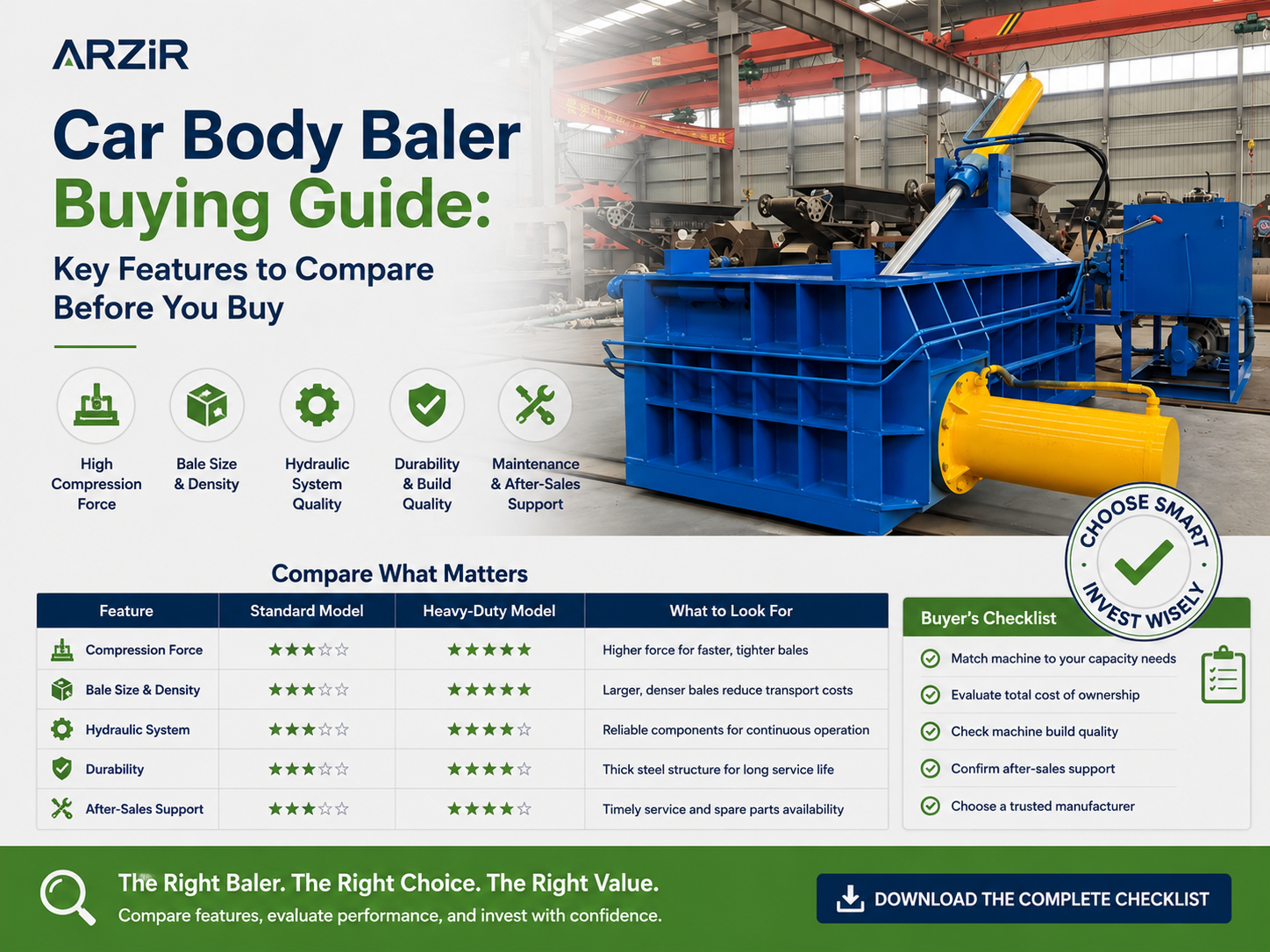
Introduction to Car Body Baler Procurement
In the rapidly evolving scrap metal recycling industry, the efficiency of processing end-of-life vehicles (ELVs) can make or break a facility’s profitability. A car body baler is a significant capital investment that serves as the heart of many scrap yards. Choosing the right machine requires more than just looking at the price tag; it involves a deep dive into technical specifications, structural integrity, and long-term operational costs. This Car Body Baler Buying Guide: Key Features to Compare Before You Buy is designed to help facility managers and business owners navigate the complexities of the market, ensuring that the selected equipment aligns with their specific production goals and material types.
The primary function of a car body baler is to compress entire vehicle shells into dense, manageable cubes or rectangles. This process significantly reduces transportation costs and increases the value of the scrap when sold to steel mills or secondary processors. However, not all balers are created equal. Variations in hydraulic pressure, chamber size, and automation levels can lead to vastly different outcomes in terms of throughput and bale density. As you begin your search, understanding the nuances of Car Body Baler Buying : Key Features Compare Before You Buy will empower you to ask the right questions of manufacturers like HARSLE and ensure a high return on investment.
Price Range Overview for Car Body Balers
The market for car body balers is diverse, with prices ranging from entry-level portable units to high-capacity, fully automated stationary systems. Generally, the price of a car body baler is dictated by its pressing force, chamber dimensions, and the sophistication of its hydraulic and electrical systems. For small to medium-sized scrap yards, a standard stationary baler might range from $50,000 to $120,000. These machines are typically capable of processing 5 to 10 cars per hour and are ideal for businesses looking to transition from manual dismantling to mechanized baling.
Mid-range systems, often featuring semi-automatic controls and larger compression chambers, typically fall between $130,000 and $250,000. These units are designed for higher duty cycles and can handle heavier gauge metals often found in commercial vehicles. At the top end of the spectrum, heavy-duty industrial balers with advanced features like integrated cranes, remote diagnostics, and high-speed hydraulic circuits can exceed $400,000. While the initial cost is high, these machines are built for 24/7 operation and offer the lowest cost-per-ton processed over their lifespan.
It is also important to consider the geographical origin of the machinery. Manufacturers like HARSLE offer a competitive balance between high-end European components (such as Rexroth hydraulics or Siemens electronics) and cost-effective manufacturing processes. This allows buyers to access premium performance without the exorbitant price tags often associated with domestic Western brands. When evaluating the price, always request a detailed breakdown of what is included—such as shipping, installation, and initial operator training—to avoid surprises later in the procurement process.
Main Cost Drivers in Car Body Baler Procurement
When analyzing the Car Body Baler Buying : Key Features Compare Before You Buy, several factors emerge as the primary drivers of the final purchase price. The most significant of these is the quality and thickness of the steel used in the baling chamber. A high-quality baler will utilize wear-resistant liners, such as Hardox 450 or 500, which are designed to withstand the immense friction and pressure of compressing jagged metal. The inclusion of these premium materials increases the initial cost but drastically extends the time between major overhauls.
The hydraulic system is another major cost driver. The number of pumps, the brand of the valves, and the complexity of the manifold block all contribute to the price. High-efficiency hydraulic systems that utilize variable displacement pumps can reduce energy consumption by up to 30%, but they come with a higher upfront cost. Furthermore, the level of automation—ranging from manual lever controls to fully integrated PLC (Programmable Logic Controller) systems with touch-screen interfaces—will significantly impact the price. Automation reduces the reliance on skilled labor and minimizes the risk of operator error, which can lead to costly machine damage.
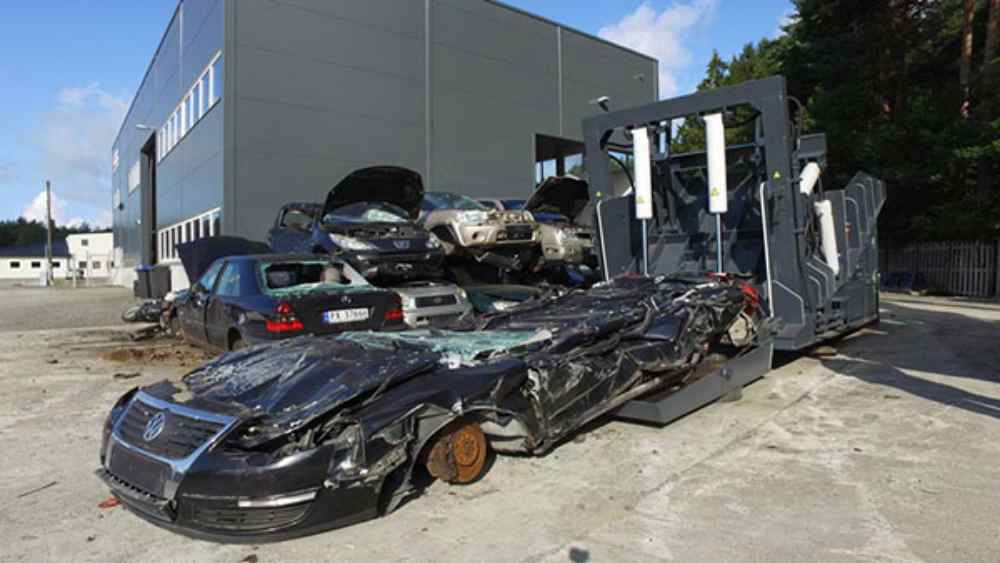
Configuration Impact: Technical Specifications to Compare
The configuration of a car body baler determines its operational limits and suitability for your specific scrap mix. One of the most critical specifications is the ‘Pressing Force,’ usually measured in tons. For standard passenger vehicles, a main cylinder force of 200 to 400 tons is typically sufficient. However, if your yard processes light trucks or heavy industrial scrap, you may require a machine with 500 tons of force or more. Higher force results in denser bales, which are preferred by steel mills and can lead to better pricing for your scrap.
Chamber size is equally important. A chamber that is too small will require extensive pre-processing of the vehicle shells, such as cutting or flattening, which adds labor costs. Conversely, an oversized chamber may be inefficient for smaller vehicles. Most modern car balers feature a ‘charging box’ length of 4.5 to 6 meters, allowing for the easy loading of full-sized sedans. Additionally, the ‘Cycle Time’—the time it takes for the machine to complete one full compression and return to the starting position—is a key metric for calculating daily throughput. A faster cycle time (e.g., 90 seconds vs. 150 seconds) can significantly increase your annual tonnage.
Hydraulic and Cooling Systems
The reliability of a baler is often tied to its cooling system. Compressing metal generates significant heat within the hydraulic oil. In warmer climates or high-production environments, an air-cooled or water-cooled heat exchanger is essential to prevent the oil from thinning, which can lead to seal failure and pump damage. When comparing models, check if the cooling system is integrated and if it features automatic temperature monitoring. High-quality machines will also include multi-stage filtration systems to keep the hydraulic fluid free of contaminants, which is the leading cause of hydraulic component failure.
Hidden Costs Beyond the Initial Purchase Price
A common mistake in the Car Body Baler Buying : Key Features Compare Before You Buy process is focusing solely on the sticker price. Hidden costs can quickly erode the perceived savings of a cheaper machine. One of the most significant hidden costs is the foundation and site preparation. A heavy-duty baler requires a reinforced concrete pad capable of withstanding both the static weight of the machine and the dynamic forces generated during operation. Depending on your soil conditions, this can cost several thousand dollars.
Electrical requirements are another factor. Industrial balers often require high-voltage, three-phase power. If your facility does not currently have the necessary electrical infrastructure, upgrading your transformers and wiring can be a major expense. Furthermore, consider the cost of hydraulic oil. A large car baler can require 1,000 to 3,000 liters of high-grade hydraulic fluid. This is a recurring cost, as the oil must be filtered and periodically replaced to maintain system health. Finally, don’t forget about freight and rigging. Moving a 30-ton machine from the port to your facility and positioning it accurately requires specialized heavy-lift equipment and experienced riggers.
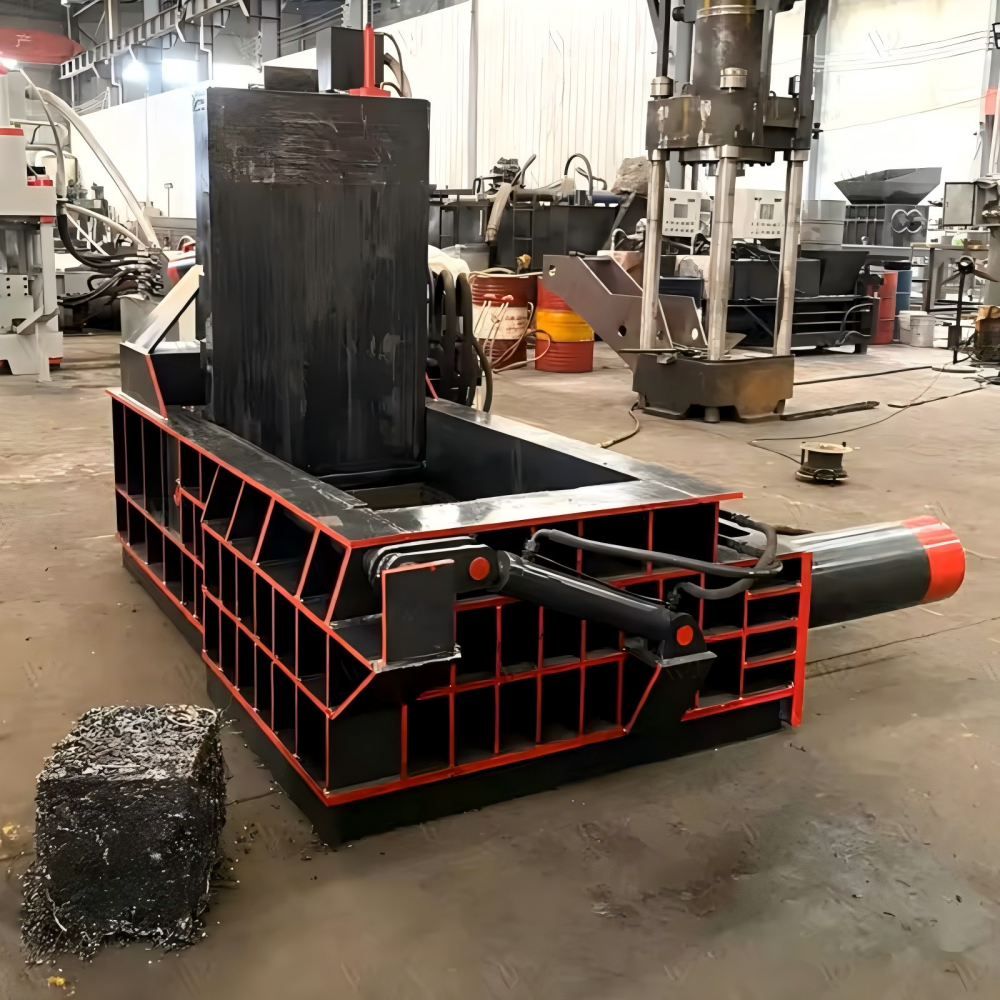
ROI Calculation: Measuring Your Investment Success
To justify the purchase of a car body baler, you must perform a Return on Investment (ROI) calculation. The primary financial benefit of a baler comes from ‘Logistics Optimization.’ For example, if you can fit 20 tons of baled scrap on a trailer compared to only 8 tons of loose car shells, your transportation costs per ton are reduced by 60%. Over the course of a year, these savings can easily reach tens of thousands of dollars. Additionally, many steel mills offer a premium for ‘No. 1 Bundle’ scrap, which is the classification for high-density baled car bodies, compared to lower-grade loose scrap.
To calculate your ROI, use the following formula: (Annual Logistics Savings + Annual Scrap Premium + Labor Savings) / (Total Machine Cost + Annual Maintenance). Labor savings occur because a baler allows a single operator to process material that might otherwise require multiple workers for manual dismantling. Most well-managed scrap yards find that a high-quality HARSLE car body baler pays for itself within 18 to 24 months of operation. Beyond the financial metrics, a baler also improves yard safety by reducing the amount of sharp, loose metal and creates a more organized, professional-looking facility.
Expert Buying Advice for Scrap Yard Owners
When you are ready to make a purchase, the most important advice is to choose a manufacturer with a proven track record and accessible technical support. While many companies sell balers, few provide the after-sales service necessary to keep a machine running for a decade or more. Ask potential suppliers for a list of references and, if possible, visit a site where their machines are currently in operation. Observe the machine under load and talk to the operators about its ease of use and maintenance requirements.
Another tip is to prioritize ‘Serviceability.’ Ensure that the machine uses standard, non-proprietary components where possible. If a hydraulic valve fails, you want to be able to source a replacement locally or from a major distributor rather than waiting weeks for a custom part from overseas. HARSLE, for instance, integrates globally recognized brands into their designs to ensure that parts are readily available. Finally, always opt for a machine with a slightly higher capacity than you currently need. As your business grows, you don’t want your baler to become a bottleneck in your production line.
Checklist for Comparing Car Body Balers
- Chamber Lining: Is it made of Hardox or equivalent wear-resistant steel?
- Hydraulic Power: What is the total motor horsepower and pump flow rate?
- Control System: Does it include a PLC with remote troubleshooting capabilities?
- Safety Features: Are there emergency stops, safety interlocks, and protective guarding?
- Bale Ejection: Is it a side-eject or end-eject system, and does it fit your yard layout?
- Warranty: What is covered, and for how long? Does it include on-site labor?
Frequently Asked Questions (FAQ)
What is the average lifespan of a car body baler?
With proper maintenance, a high-quality industrial car body baler can last 15 to 20 years. The structure itself is often durable enough to last even longer, though hydraulic pumps, cylinders, and electrical components may need to be refurbished or replaced every 7 to 10 years depending on usage intensity.
Can a car body baler handle other types of scrap?
Yes, most car body balers are versatile and can process a wide range of light to medium-weight scrap metal, including white goods (appliances), sheet metal clippings, and aluminum extrusions. However, they are not designed for heavy structural steel or thick plate, which could damage the chamber or cylinders.
How much maintenance does a car baler require?
Daily maintenance includes checking oil levels, inspecting hoses for leaks, and greasing pivot points. Weekly tasks involve checking the tightness of bolts and inspecting the wear plates. A major service, including oil filtration and hydraulic system calibration, should be performed annually or every 2,000 operating hours.
Is a portable or stationary baler better?
This depends on your business model. If you have multiple small yards or provide on-site baling services for auto wreckers, a portable (trailer-mounted) unit is essential. However, if all your material is processed at a single location, a stationary unit is generally more robust, easier to maintain, and more cost-effective.
What kind of training is required for operators?
Modern balers with PLC controls are relatively simple to operate, but safety training is paramount. Operators must be trained on proper loading techniques to avoid ‘bridging’ (where material gets stuck), emergency shutdown procedures, and basic troubleshooting. Most manufacturers, including HARSLE, provide comprehensive training manuals and on-site commissioning to ensure safe operation.
How does the bale size affect my shipping costs?
Bale size is critical for maximizing the weight capacity of shipping containers or flatbed trailers. A standard bale size (e.g., 600mm x 600mm x variable length) allows for efficient stacking. If the bales are too large or irregularly shaped, you will end up ‘shipping air,’ which increases your per-ton transport costs and reduces your overall profit margin.