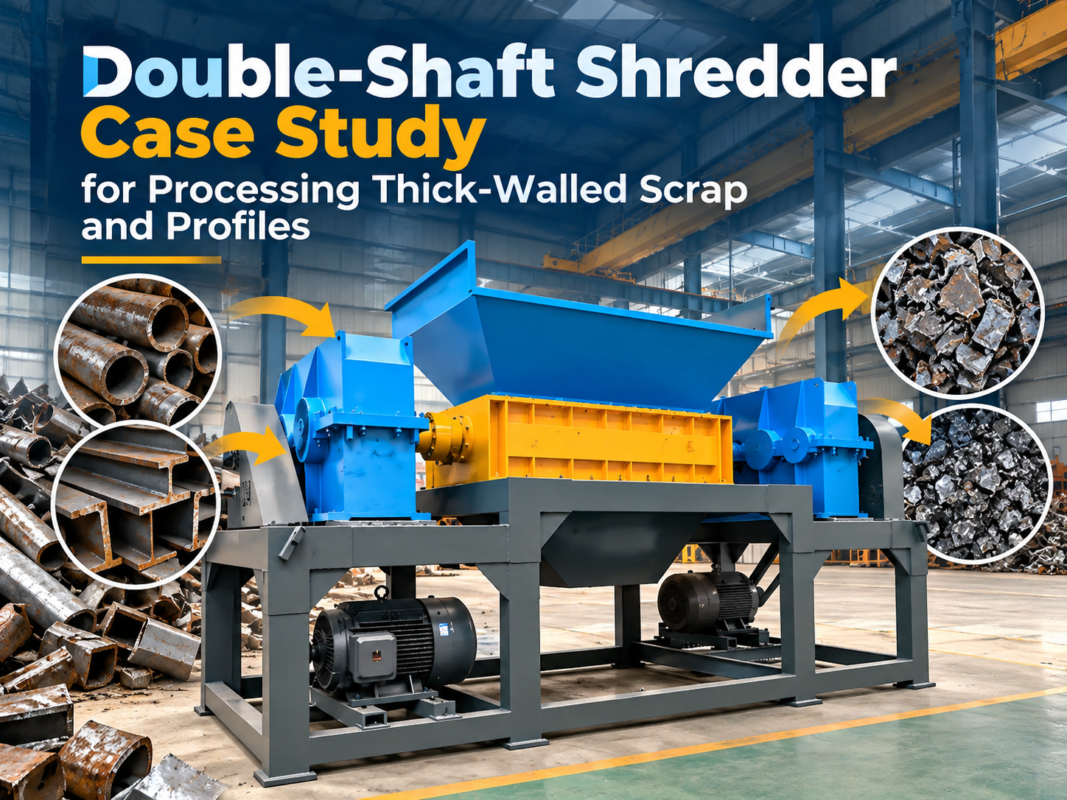
Essential Operating Principles of a Gantry Shear for Metal Fabrication: A Comprehensive Technical Guide

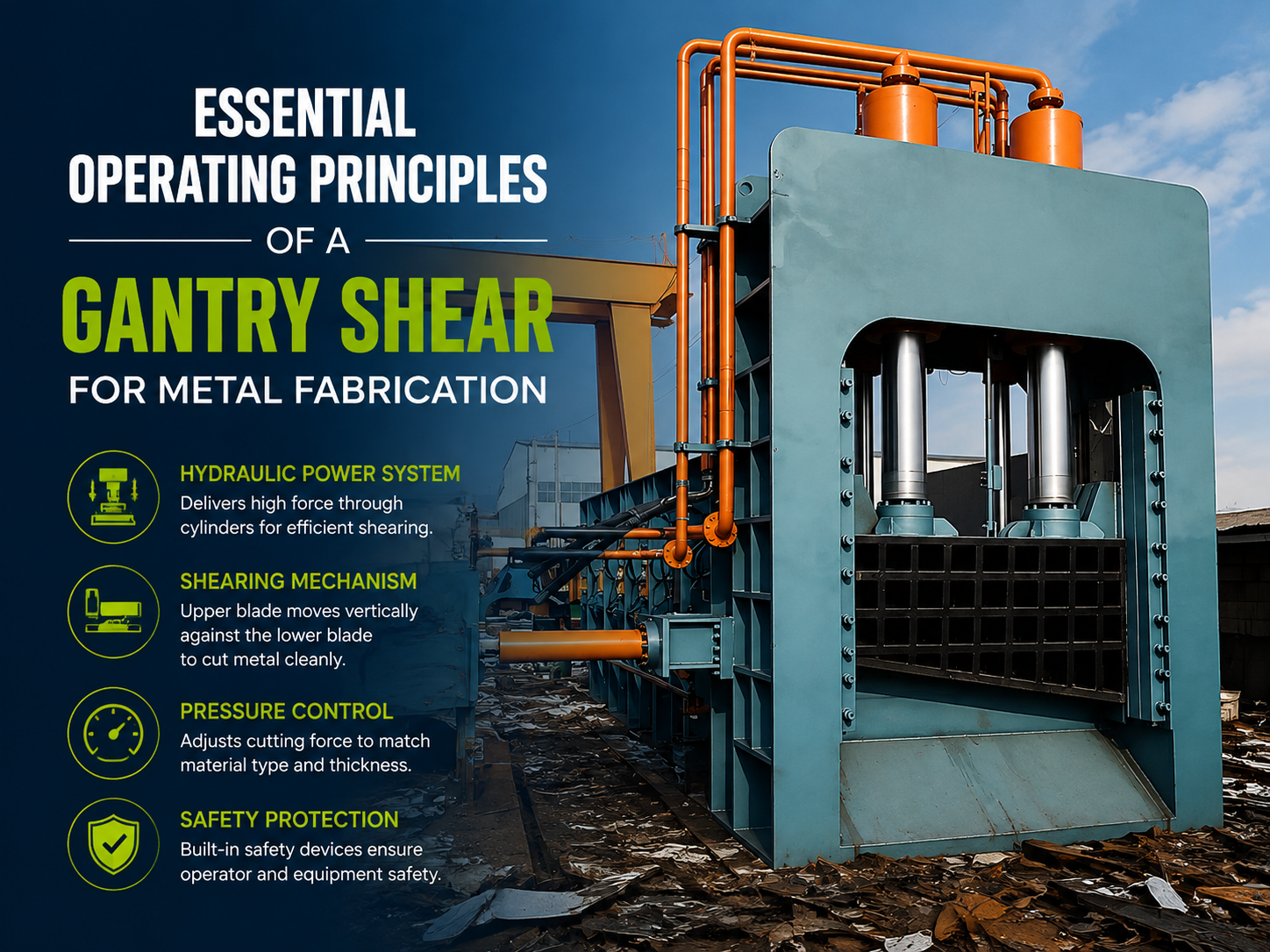
Technical Overview of Gantry Shear Systems
In the realm of heavy-duty industrial processing, the gantry shear stands as a cornerstone for high-volume metal fabrication and scrap recycling. Understanding the Essential Operating Principles Of A Gantry Shear Metal Fabrication requires a deep dive into its structural engineering and hydraulic logic. Unlike smaller alligator shears, a gantry shear utilizes a vertical cutting motion supported by a robust, bridge-like frame (the gantry). This design allows for the application of immense pressure—often ranging from 400 to over 2000 tons—distributed evenly across the blade beam.
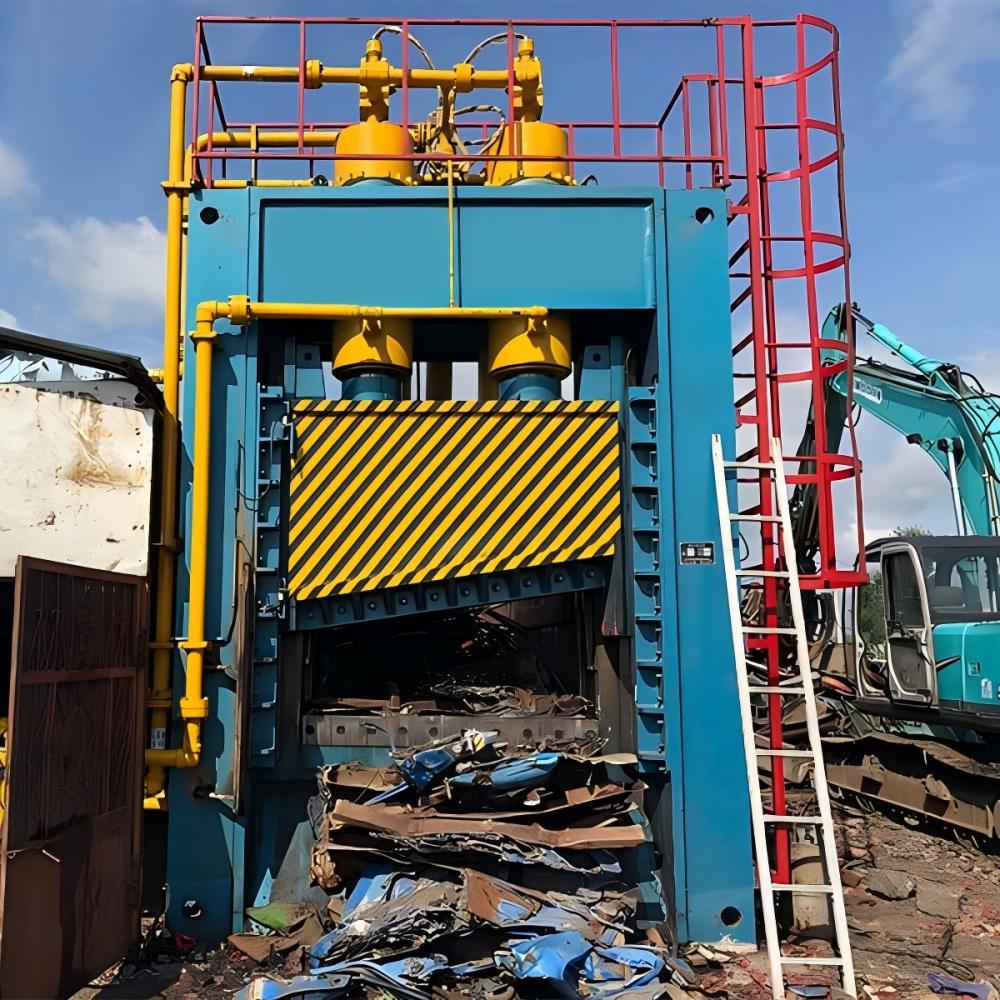
The primary function of a gantry shear is to reduce large-scale metal structures, such as I-beams, ship plates, and automotive scrap, into manageable sizes for smelting or further fabrication. The process begins with the feeding mechanism, typically a large hydraulic hopper or a conveyor system that pushes material into the compression chamber. Once the material is positioned, a lateral compression ram (or ‘side press’) compacts the scrap into a dense log. This pre-compression is vital because it prevents material movement during the shearing stroke, ensuring a clean cut and protecting the blades from lateral stress.
The heart of the machine is the hydraulic power unit (HPU). Modern gantry shears, like those manufactured by HARSLE, employ high-pressure piston pumps and sophisticated manifold blocks to control the flow of hydraulic oil. The synchronization between the hold-down cylinder and the shearing cylinder is critical. The hold-down cylinder descends first, exerting a specific ‘clamping force’ to stabilize the workpiece. Only after the pressure sensor confirms the clamp is secure does the main shearing cylinder engage, driving the upper blade through the material and past the fixed lower blade.
The Role of the Gantry Frame and Blade Geometry
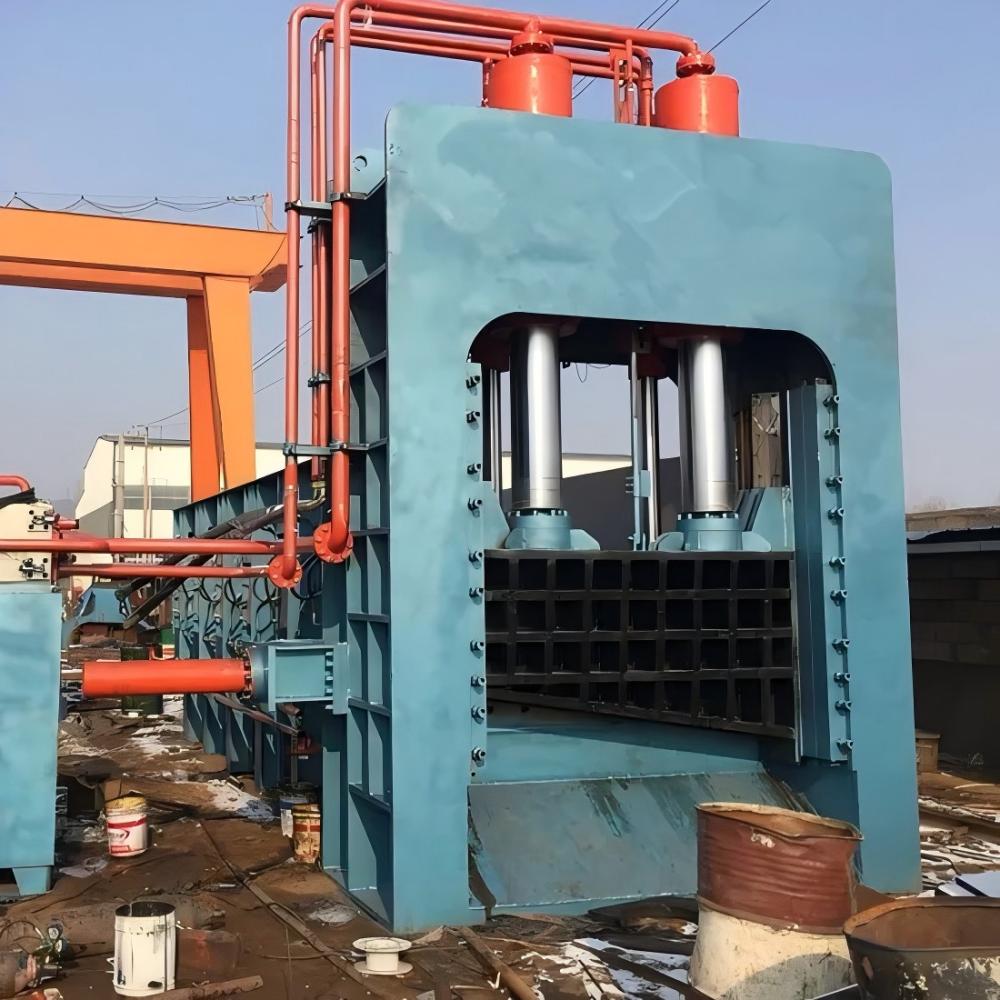
The structural integrity of the gantry frame is what differentiates these machines from standard shearing equipment. The frame must withstand not only the vertical shearing force but also the torsional forces generated when cutting uneven scrap. High-tensile steel plates, often stress-relieved through heat treatment, form the backbone of the machine. The ‘throat’ of the gantry determines the maximum width of the material that can be processed, making it a primary specification for fabricators.
Blade geometry is another essential operating principle. Gantry shear blades are typically rectangular and can be rotated to use all four edges before requiring regrinding. The rake angle—the angle at which the upper blade meets the material—is engineered to balance the required shearing force with the quality of the cut. A steeper angle reduces the peak force required but can cause more distortion in the material. Conversely, a shallower angle requires more tonnage but produces a flatter, cleaner edge, which is often preferred in fabrication environments where the sheared edge might be welded later.
Core Parameters of Gantry Shearing Machines
To optimize the Essential Operating Principles Of A Gantry Shear Metal Fabrication, operators and engineers must monitor several core parameters. These variables dictate the efficiency, safety, and longevity of the machine. The most prominent parameter is the Nominal Shearing Force. This is the maximum pressure the hydraulic cylinders can exert on the blade. It is usually measured in kilonewtons (kN) or tons. Choosing a machine with insufficient tonnage for the material thickness leads to ‘stalling,’ which can overheat the hydraulic oil and cause premature seal failure.
Blade Length is the second critical parameter. In gantry shears, blade lengths typically range from 800mm to 2000mm. The length must be compatible with the widest piece of scrap or plate the facility intends to process. However, it is important to note that the full shearing force is often rated per inch or millimeter of blade contact. Cutting a thick, narrow bar in the center of a long blade puts different stresses on the gantry than cutting a wide, thin plate across the entire blade length.
Stroke Frequency (cuts per minute) defines the machine’s productivity. This is influenced by the pump’s flow rate and the cylinder’s diameter. High-speed gantry shears often utilize ‘accumulator-assisted’ hydraulics or regenerative circuits. These systems allow the blade to descend rapidly under low pressure and then switch to high-pressure ‘power mode’ only when resistance is met. This optimization of the duty cycle is a hallmark of advanced metal fabrication equipment.
Hydraulic Pressure and Oil Temperature
The operating pressure of the hydraulic system usually sits between 25MPa and 31.5MPa. Maintaining this pressure requires precision-engineered valves and high-quality hydraulic fluid. If the pressure fluctuates, it indicates air in the system or a failing pump. Furthermore, oil temperature must be strictly regulated. Most gantry shears include industrial water or air coolers. If the oil exceeds 60°C, its viscosity drops, leading to internal leakage in the valves and reduced shearing force. Monitoring these parameters is a daily requirement for any professional fabrication shop.
Calculation Method for Shearing Force
Calculating the required force is fundamental to the Essential Operating Principles Of A Gantry Shear Metal Fabrication. Engineers use specific formulas to ensure the machine is not overloaded. The basic formula for the shearing force (F) required to cut a metal plate is:
F = 0.6 * L * S * σb
- F: Shearing Force (Newtons)
- L: Length of the cut (mm)
- S: Thickness of the material (mm)
- σb: Tensile strength of the material (N/mm²)
However, this formula assumes a flat blade. Because gantry shears use a rake angle (θ) to reduce the instantaneous force, the formula is adjusted: F = (0.5 * S² * σb) / tan(θ). This adjustment shows that even a small increase in the rake angle can significantly lower the required tonnage, allowing a 630-ton machine to cut materials that would theoretically require 1000 tons with a flat blade.
When calculating for scrap metal, which is often non-uniform, engineers apply a ‘safety factor’ of 1.3 to 1.5. This accounts for work-hardening in the scrap, potential inclusions of harder alloys, and the friction between the material and the side walls of the compression chamber. Accurate calculation prevents the ‘shock loading’ of the gantry frame, which can lead to fatigue cracks over years of operation.
Parameter Table for Standard Gantry Shears
The following table outlines the typical specifications for industrial-grade gantry shears used in metal fabrication. These values represent the standard range for HARSLE-style machinery.
| Model Tonnage (T) | Blade Length (mm) | Max Cutting Thickness (MS) | Cutting Force (kN) | Motor Power (kW) | Cycle Time (s) |
|---|---|---|---|---|---|
| 400T | 1200 | 40mm | 4000 | 37 – 45 | 12 – 18 |
| 630T | 1500 | 60mm | 6300 | 75 – 90 | 15 – 20 |
| 800T | 1800 | 80mm | 8000 | 110 – 132 | 18 – 25 |
| 1000T | 2000 | 100mm | 10000 | 150 – 185 | 20 – 30 |
| 1250T | 2200 | 120mm | 12500 | 200+ | 25 – 35 |
Common Engineering Mistakes in Gantry Shear Operation
Even with high-end machinery, operational errors can compromise the Essential Operating Principles Of A Gantry Shear Metal Fabrication. One of the most frequent mistakes is Improper Blade Gap Adjustment. The clearance between the upper and lower blades must be roughly 5% to 10% of the material thickness. If the gap is too wide, the metal will ‘fold’ or ‘tear’ rather than shear, creating massive lateral pressure that can snap the blade bolts. If the gap is too tight, the blades will rub, causing rapid dulling and potential chipping.
Another common error is Neglecting the Pre-compression Cycle. Operators in a hurry may attempt to shear loose scrap without fully engaging the side press or the hold-down ram. This allows the material to kick up or twist during the cut. This ‘kickback’ is a leading cause of cylinder rod bending and damage to the gantry’s internal liners. Always ensure the material is compacted into a solid ‘log’ before the blade descends.
Hydraulic Contamination is a silent killer of gantry shears. Because these machines often operate in dusty scrap yards, fine metal particles can enter the hydraulic reservoir. If the filters are bypassed or not changed, these particles act as an abrasive, scouring the precision-ground surfaces of the directional valves. This leads to ‘drifting’—where the blade or clamp slowly descends even when the controls are in neutral. Implementing a strict oil analysis program is essential for maintaining the operating principles of the system.
Overloading and Material Hardness
Fabricators often mistake ‘size’ for ‘shearability.’ Just because a piece of scrap fits in the throat doesn’t mean the machine can cut it. Attempting to shear hardened tool steel or thick stainless steel on a machine rated for mild steel can cause catastrophic failure. The tensile strength (σb) of the material must always be checked against the machine’s pressure chart. Overloading triggers the relief valves, which generates immense heat and, if done repeatedly, can weaken the hydraulic seals and the structural welds of the gantry.
Selection Checklist for Gantry Shears
Choosing the right equipment requires a systematic approach to the Essential Operating Principles Of A Gantry Shear Metal Fabrication. Use this checklist to evaluate your needs:
- Material Volume: Calculate your daily tonnage requirements. For high-volume operations (over 50 tons/day), look for shears with automated feeding and rapid cycle times.
- Material Type: Are you cutting mild steel, stainless steel, or aluminum? Ensure the blade material (e.g., H13 or Cr12MoV) is appropriate for the hardness of your scrap.
- Maximum Dimensions: Measure the largest pieces of scrap you receive. The gantry throat width and height must accommodate these without manual pre-cutting.
- Power Supply: High-tonnage shears require significant electrical infrastructure. Ensure your facility can handle the 75kW to 200kW motors.
- Automation Level: Do you need a manual operator, or a PLC-controlled system with remote monitoring? Modern HARSLE shears offer touchscreen interfaces for precise control.
- Maintenance Access: Check how easy it is to access the blades and hydraulic filters. A machine that is hard to maintain will inevitably be neglected.
- Safety Features: Ensure the machine includes emergency stops, light curtains (if applicable), and pressure relief valves to protect both the operator and the equipment.
Frequently Asked Questions (FAQ)
How often should gantry shear blades be rotated or sharpened?
The frequency depends on the material being cut. For standard mild steel scrap, blades typically need to be rotated every 200 to 400 operating hours. Once all four edges are dull, they must be professionally ground. Using dull blades increases the required shearing force by up to 30%, putting unnecessary strain on the hydraulics.
What type of hydraulic oil is best for gantry shears?
Most heavy-duty shears require an anti-wear hydraulic oil, such as ISO VG 46 or 68. In colder climates, a lower viscosity (VG 32) might be necessary for winter startups, while hot environments benefit from VG 68. Always refer to the manufacturer’s specifications to maintain warranty compliance.
Can a gantry shear be used for precision plate cutting?
While gantry shears are incredibly powerful, they are generally designed for ‘sizing’ rather than ‘precision’ fabrication. The tolerances are typically within +/- 2mm to 5mm. For high-precision edges intended for decorative work or tight-tolerance assembly, a dedicated hydraulic guillotine shear is more appropriate.
Why is my gantry shear losing pressure during the cut?
Pressure loss is usually caused by one of three things: a leaking bypass valve, worn piston seals in the main cylinder, or a failing hydraulic pump. Start by checking the relief valve settings and inspecting the oil for signs of aeration (foaming), which indicates a leak in the suction line.
What is the benefit of a ‘side press’ in a gantry shear?
The side press (or lateral compression ram) serves two purposes: it reduces the volume of bulky scrap to fit the blade width, and it clamps the material from the side to prevent lateral shifting. This significantly extends blade life and ensures the shearing force is applied vertically, as intended by the machine’s design.
Conclusion
Mastering the Essential Operating Principles Of A Gantry Shear Metal Fabrication is a journey of balancing force, precision, and maintenance. By understanding the hydraulic logic, structural limits, and material science behind the shear, fabricators can achieve unprecedented levels of productivity. Whether you are processing HMS 1/2 scrap or preparing heavy plates for industrial construction, the gantry shear remains an unrivaled tool in the metalworker’s arsenal. Investing in quality machinery from reputable manufacturers like HARSLE, combined with a rigorous adherence to the operating principles outlined in this guide, will ensure your fabrication shop remains competitive and efficient for years to come.