The Role of Hold-Downs and Clamping Systems in Gantry Shear Performance

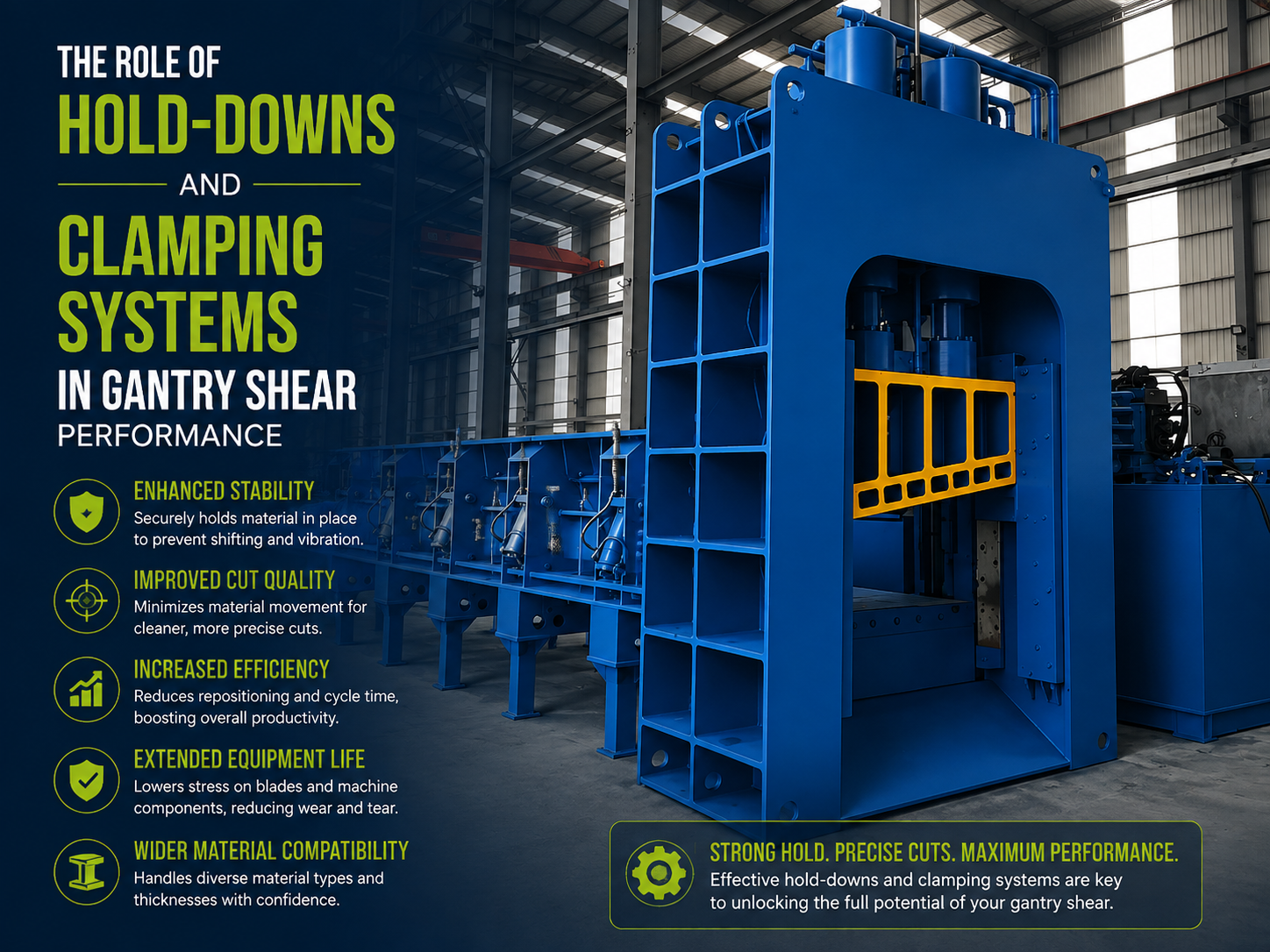
Technical Overview of Clamping Systems in Gantry Shears
In the world of heavy-duty metal fabrication, the gantry shear stands as a titan of productivity, capable of processing massive volumes of scrap and structural steel. However, the raw power of the shearing blade is only half of the equation. The true efficiency and precision of the machine depend heavily on the Role Of Hold-Downs Clamping Systems In Gantry Shear Performance. Without a robust clamping mechanism, even the sharpest blade and the highest hydraulic pressure cannot guarantee a clean, safe, or accurate cut. The clamping system, often referred to as the ‘hold-down,’ is responsible for securing the workpiece against the lower blade and the machine bed before the upper blade makes contact.
The mechanics of a gantry shear involve immense downward and lateral forces. As the upper blade descends, the material naturally attempts to shift, rotate, or ‘kick back’ due to the shear angle and the resistance of the metal. The hold-down system counteracts these forces by applying a localized vertical pressure that exceeds the upward force generated during the initial penetration of the blade. In HARSLE gantry shears, these systems are typically integrated into the hydraulic circuit, ensuring that clamping occurs milliseconds before the shearing stroke begins, creating a seamless and synchronized operation.
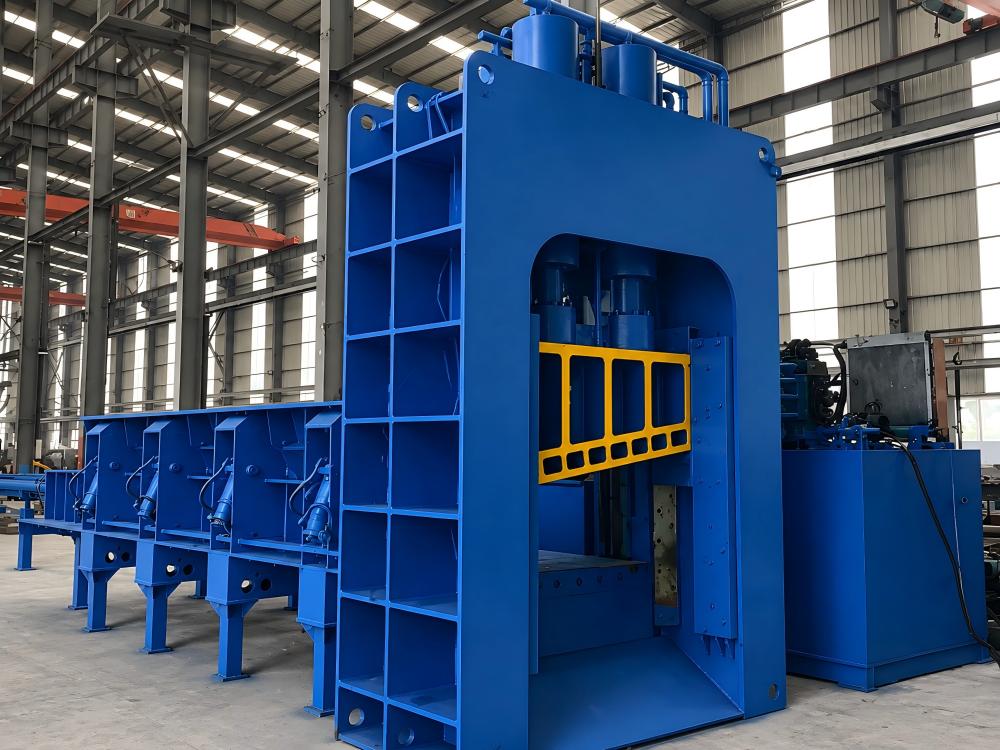
Modern clamping systems have evolved from simple mechanical springs to sophisticated independent hydraulic cylinders. These cylinders can adjust their pressure based on the material thickness and hardness, providing a versatile solution for diverse scrap types. By maintaining a rigid grip, the clamping system prevents ‘material draw,’ where the metal is pulled into the gap between the blades. This not only protects the blades from premature wear and chipping but also ensures that the resulting cut is square and free of excessive burrs, which is critical for downstream processing or recycling standards.
Furthermore, the stability provided by the hold-down system is a primary safety feature. In scrap yards where irregular shapes like pipes, I-beams, and plate steel are processed, the risk of material ejection is high. A failure in the clamping system can lead to the material being thrown from the machine at high velocity. Therefore, understanding the Role Of Hold-Downs Clamping Systems In Gantry Shear Performance is not just about quality—it is about operational safety and machine longevity. HARSLE designs its clamping units to withstand the rigors of 24/7 industrial environments, utilizing high-grade seals and reinforced piston rods to ensure consistent performance.
Core Parameters of Hold-Down and Clamping Systems
To evaluate the effectiveness of a clamping system, several core parameters must be considered. The first and most critical is the Clamping Force. This is the total tonnage applied by the hold-down cylinders. In heavy-duty gantry shears, the clamping force is usually a percentage of the total shearing force, often ranging from 10% to 25%. If the force is too low, the material will slip; if it is too high, it may unnecessarily strain the hydraulic system or deform the material surface in ways that interfere with the feed mechanism.
The second parameter is Stroke Length and Clearance. The hold-down must be able to retract sufficiently to allow large, bulky scrap to enter the shearing zone. Conversely, it must have enough stroke to reach thin plates resting on the bed. HARSLE gantry shears often feature adjustable stroke limits to optimize cycle times, ensuring the hold-down doesn’t travel further than necessary for a specific batch of material. This optimization can significantly increase the number of cuts per hour, directly impacting the ROI of the equipment.
Thirdly, Synchronization and Timing are vital. The clamping system must engage and reach full pressure before the shear blade touches the material. This is controlled via a sequence valve in the hydraulic manifold. If the timing is off, the blade will strike a moving target, leading to ‘blade deflection.’ Deflection is the enemy of gantry shears, as it causes the upper and lower blades to rub against each other, leading to rapid dulling and potential catastrophic failure of the blade seats. High-end HARSLE models utilize electronic sensors to confirm clamping pressure before allowing the shear stroke to proceed.
Finally, the Contact Surface Area of the hold-down feet plays a role in pressure distribution. For structural steel, a smaller, high-pressure foot might be acceptable, but for wider plates, a distributed clamping bar is preferred. Some advanced systems feature ‘independent’ hold-down feet that can adapt to uneven scrap piles, ensuring that every piece of metal in the chamber is secured, regardless of its height relative to the pieces next to it. This adaptability is a hallmark of premium gantry shear design.
Calculation Method for Clamping Force
Calculating the required clamping force is an essential step for engineers and operators to ensure the machine is set up correctly for specific materials. The general rule of thumb is that the clamping force ($F_c$) should be proportional to the shearing force ($F_s$). A common formula used in the industry is:
Fc = K × Fs
Where K is a coefficient that varies based on the material type and the shear angle of the blade. For standard mild steel with a low shear angle (under 3 degrees), K is typically 0.10 to 0.15. For harder alloys or higher shear angles (which increase the lateral ‘push’ on the material), K may increase to 0.20 or 0.25. For example, if a HARSLE gantry shear is exerting 800 tons of shearing force on a thick stainless steel plate, the clamping system should ideally provide between 80 and 160 tons of holding force to prevent movement.
Another method involves calculating the force based on the material’s yield strength and the contact area. This is particularly useful when precision is required. The formula is: Fc = P × A, where P is the required clamping pressure (often 1.5 times the material’s yield strength to ensure no movement) and A is the contact area of the hold-down. However, in scrap processing, where ‘A’ is unpredictable, the hydraulic pressure-based calculation (linked to the shear cylinder’s pressure) remains the most practical approach for daily operations.
Gantry Shear Clamping Parameter Table
The following table illustrates the typical relationship between shear capacity and clamping specifications across various HARSLE gantry shear models. Note how the clamping force scales with the machine’s overall power.
| Model Series | Shear Force (Tons) | Clamping Force (Tons) | Hold-Down Stroke (mm) | Response Time (ms) | Primary Application |
|---|---|---|---|---|---|
| HGS-630 | 630 | 80 – 100 | 400 | 150 | Light Scrap / Rebar |
| HGS-800 | 800 | 120 – 150 | 500 | 180 | Structural Steel / Plate |
| HGS-1000 | 1000 | 180 – 220 | 600 | 200 | Heavy HMS / I-Beams |
| HGS-1250 | 1250 | 250 – 300 | 750 | 220 | Demolition Scrap / Ship Plate |
Common Engineering Mistakes in Clamping Systems
One of the most frequent mistakes in gantry shear operation is Insufficient Clamping Pressure. Operators often lower the pressure to ‘save energy’ or reduce wear on the hydraulic pump. However, this is a false economy. Insufficient pressure allows the material to vibrate and shift during the cut. This vibration acts like a hammer against the blade edge, causing micro-fractures. Over time, these fractures lead to large chips, requiring expensive blade rotations or replacements far sooner than necessary.
Another common error is Neglecting the Wear Plates on the hold-down guides. The hold-down mechanism moves up and down thousands of times a day. If the guides are not properly lubricated or if the wear plates are allowed to thin out, the hold-down can develop ‘play’ or ‘slop.’ This means the clamping force is no longer applied perfectly vertically. Lateral movement in the hold-down can actually push the material *into* the blade path at an angle, causing the very blade interference the system was designed to prevent.
Poor Synchronization is a technical mistake often found in older or poorly maintained machines. If the hydraulic sequence valve is sticking, the shear blade might start its descent before the hold-down has fully engaged. This results in a ‘slamming’ effect where the blade hits the material, the material jumps, and then the hold-down slams it back down. This creates massive shockwaves through the machine’s frame, leading to structural fatigue and potential weld cracks in the gantry housing. Regular testing of the sequence timing is a mandatory maintenance task for HARSLE equipment owners.
Finally, Ignoring Material Geometry can lead to clamping failure. When shearing round pipes or bundled rebar, a flat hold-down foot may only make contact with the highest point of the bundle. The pieces on the sides remain loose and can fly out during the cut. Engineers must ensure that the clamping system is either ‘multi-point’ or that the operator uses appropriate spacers or ‘crush blocks’ to ensure the force is distributed across the entire width of the material being processed.
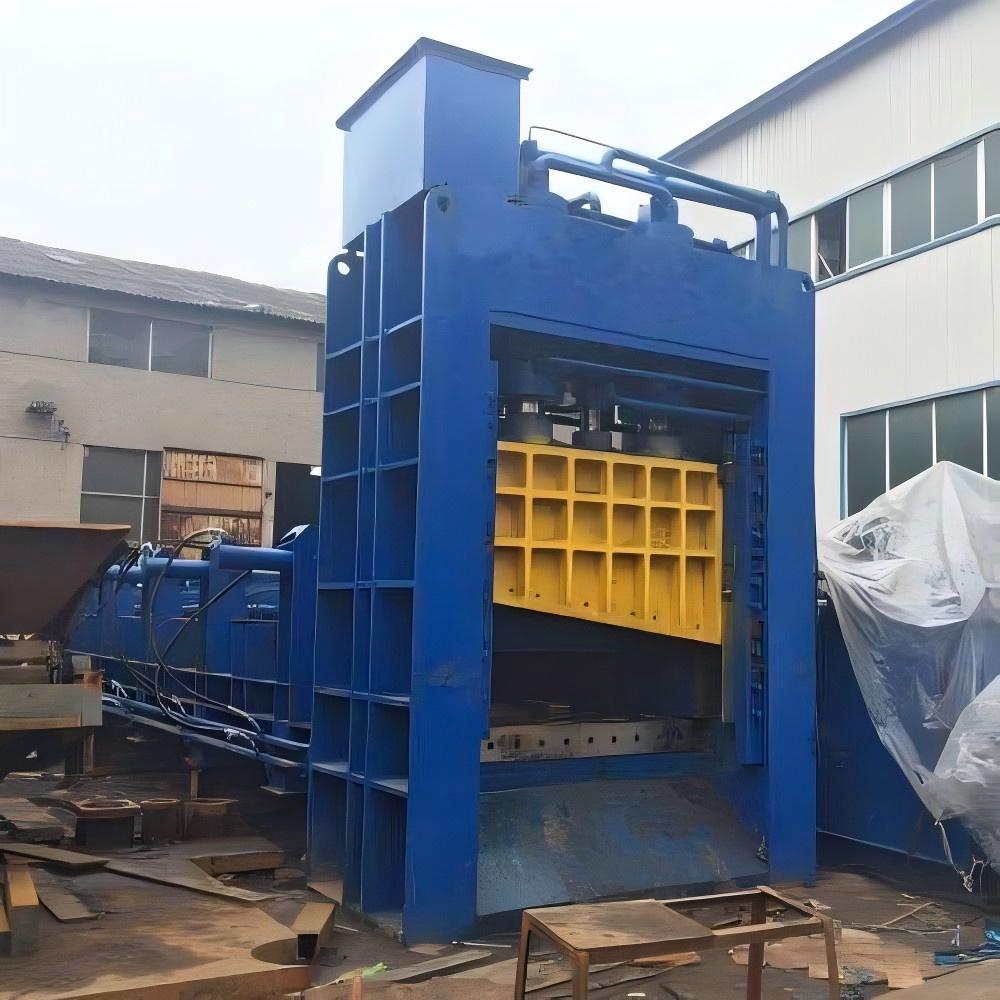
Selection Checklist for Gantry Shear Clamping Systems
When purchasing a gantry shear, the clamping system should be a primary focus of your technical evaluation. Use the following checklist to ensure the machine meets industrial standards:
- Independent Hydraulic Circuit: Does the hold-down have its own dedicated circuit or a high-quality sequence valve to ensure it engages before the shear?
- Adjustable Pressure Control: Can the operator adjust clamping pressure from the control panel to suit different material types?
- Replaceable Wear Pads: Are the contact surfaces of the hold-down feet replaceable? Hardened steel or serrated pads are preferred for scrap.
- Stroke Sensors: Does the system include proximity switches or linear transducers to monitor the position of the hold-down?
- Self-Leveling Capability: Can the clamping bar tilt slightly or do the individual feet move independently to accommodate uneven scrap piles?
- High-Pressure Sealing: Are the cylinders equipped with premium seals (e.g., Parker or SKF) to prevent leaks under the high-vibration environment of shearing?
- Safety Interlocks: Is the machine programmed to E-stop if clamping pressure drops below a safe threshold during the cut?
Maintenance and Longevity of Clamping Components
To maintain the Role Of Hold-Downs Clamping Systems In Gantry Shear Performance, a strict maintenance schedule is required. Daily inspections should include checking for hydraulic fluid leaks around the hold-down cylinders and ensuring that the contact feet are free of debris or welded-on scrap bits. If the feet become uneven due to wear, they can apply localized pressure that bends the material rather than holding it flat, which complicates the shearing process.
Weekly maintenance should focus on the lubrication of the guide rails. Because gantry shears often operate in dusty, outdoor environments, grease can trap abrasive particles. Cleaning the old grease and applying fresh, high-pressure lubricant ensures smooth movement and prevents the ‘stick-slip’ phenomenon. Additionally, the bolts securing the hold-down feet should be checked with a torque wrench; the constant vibration of shearing can loosen even the most heavy-duty fasteners over time.
On a quarterly basis, it is advisable to perform a ‘pressure drift test.’ This involves extending the hold-down to full pressure and monitoring the gauge to see if the pressure holds or if it bleeds back through the valves. A drifting cylinder indicates internal seal wear or a failing check valve, both of which compromise the clamping integrity. By staying ahead of these issues, HARSLE users can ensure their gantry shears remain productive for decades, maintaining high precision and safety standards throughout the machine’s lifespan.
Frequently Asked Questions (FAQ)
1. Why is my gantry shear material slipping even with the hold-down engaged?
Slipping is usually caused by one of three things: insufficient hydraulic pressure, worn-out (smooth) clamping pads, or the material being too oily/greasy. Check your pressure settings first, and if the problem persists, consider upgrading to serrated clamping feet for better grip on scrap metal.
2. Can I use the hold-down to pre-compress scrap?
Yes, many HARSLE gantry shears are designed so that the hold-down acts as a secondary compressor. This helps flatten bulky scrap like car bodies or large tanks before the shear blade makes the cut, leading to a more efficient cycle and a denser end product.
3. How often should I replace the seals in the clamping cylinders?
In a standard 8-hour shift environment, seals typically last 2-3 years. However, in high-heat or 24/7 operations, you should inspect them every 6 months. Any sign of ‘weeping’ fluid is a signal to plan a replacement during the next scheduled downtime.
4. Does the shear angle affect the required clamping force?
Absolutely. A higher shear angle (more ‘rake’) reduces the total tonnage needed to cut the metal but increases the lateral force trying to push the material out of the machine. Therefore, machines with high-rake blades require more robust clamping systems to maintain stability.
5. Is it possible to bypass the hold-down for faster cycle times?
While some machines allow this, it is highly discouraged. Bypassing the hold-down leads to ‘blade overlap’ issues, accelerated wear, and significant safety risks. The milliseconds saved in cycle time are quickly lost to the hours spent replacing damaged blades or repairing the machine frame.
6. What is the difference between a clamping bar and independent hold-down feet?
A clamping bar is a single solid piece that moves down to hold the material. It is great for uniform plates. Independent feet are separate cylinders that can reach different depths, making them far superior for processing irregular scrap piles where the height of the material varies across the width of the throat.