Gantry Shear Calibration Guide for Consistent Industrial Cutting Results

Technical Overview of Gantry Shear Systems
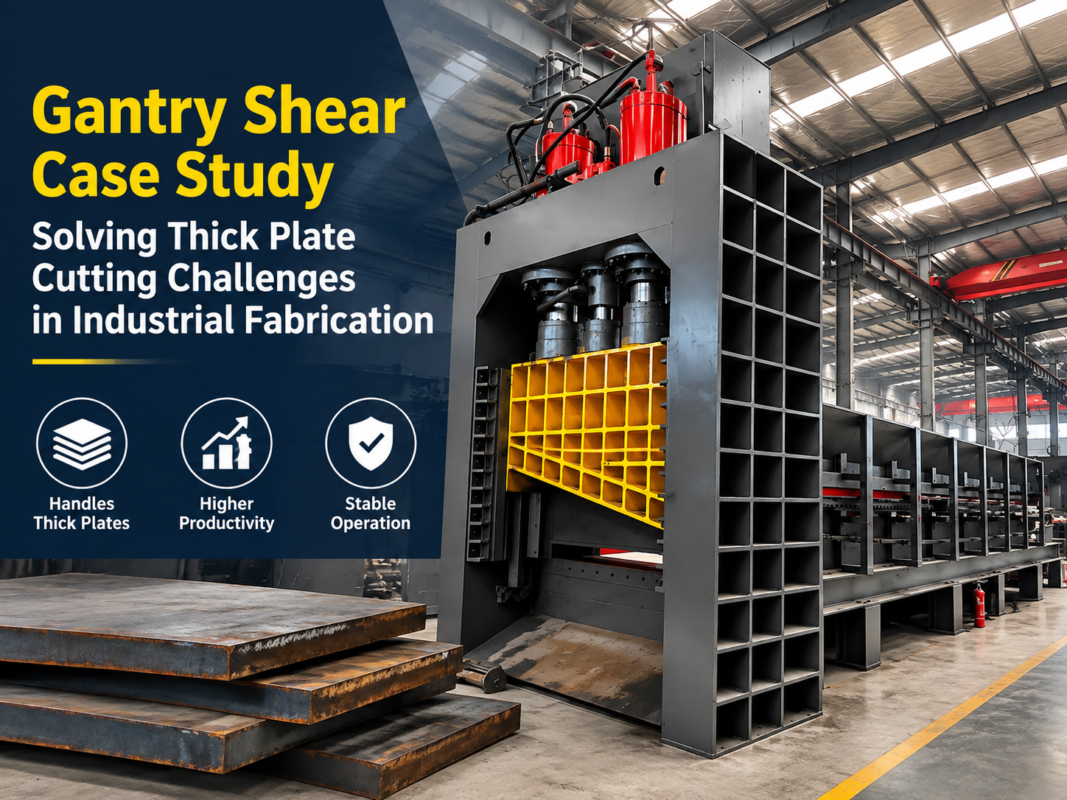
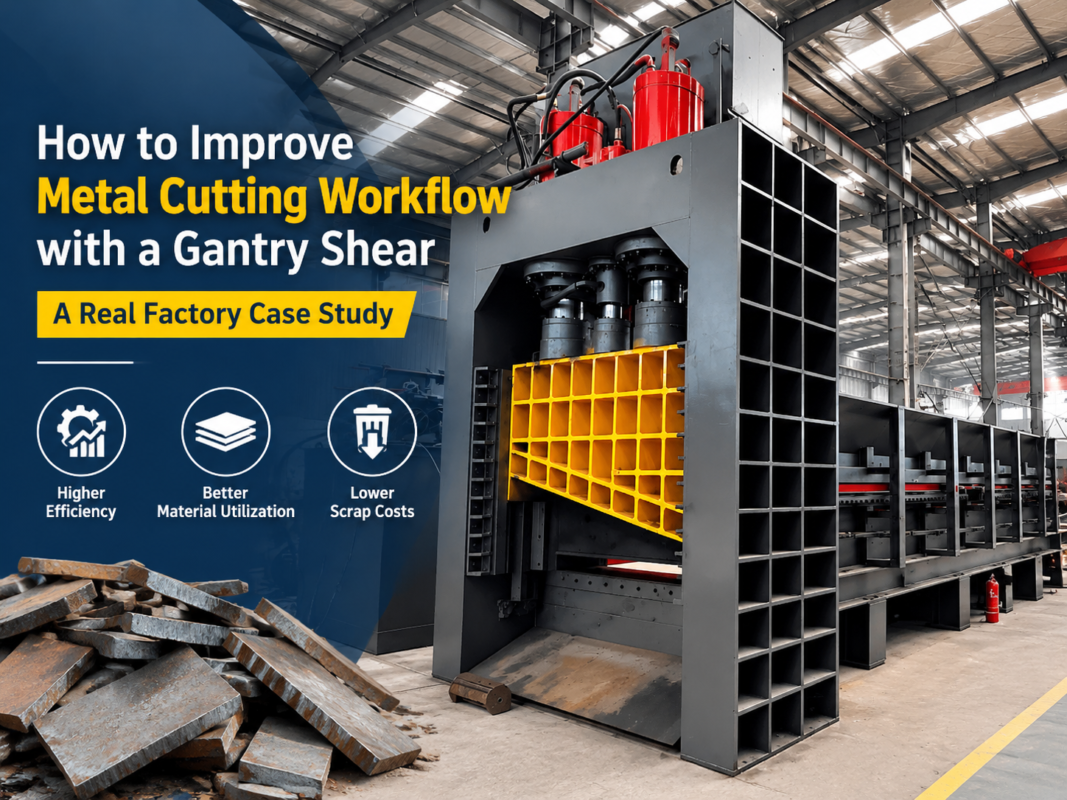
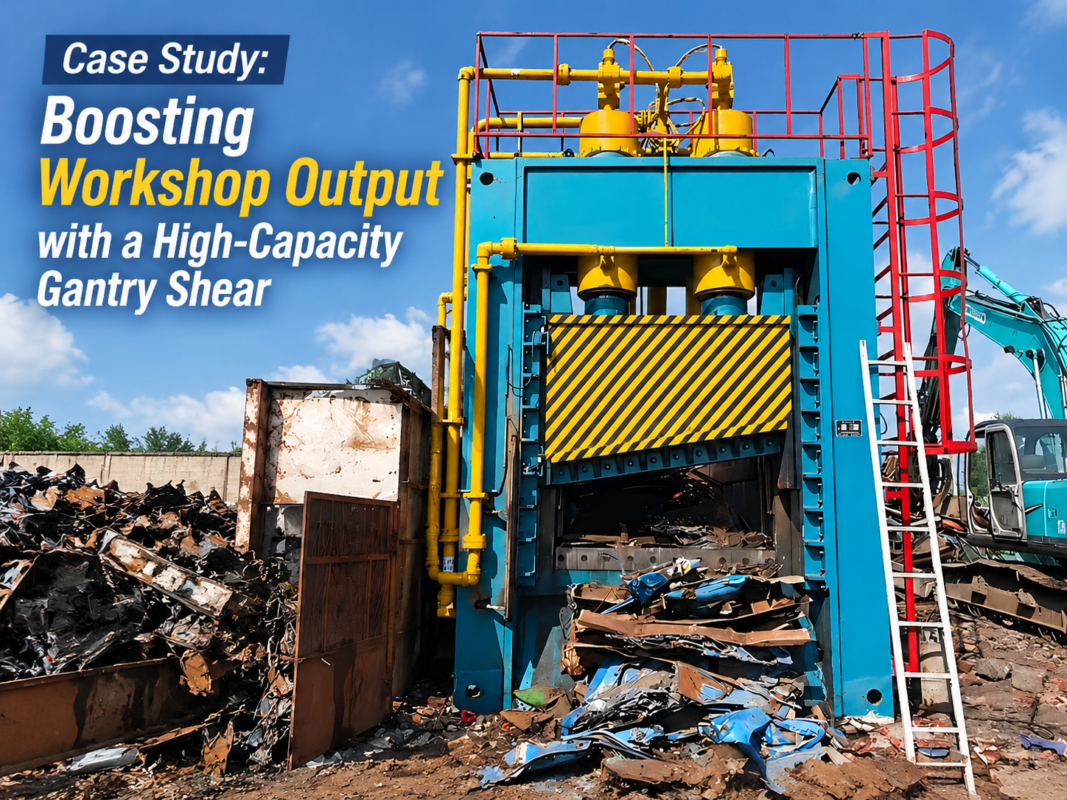
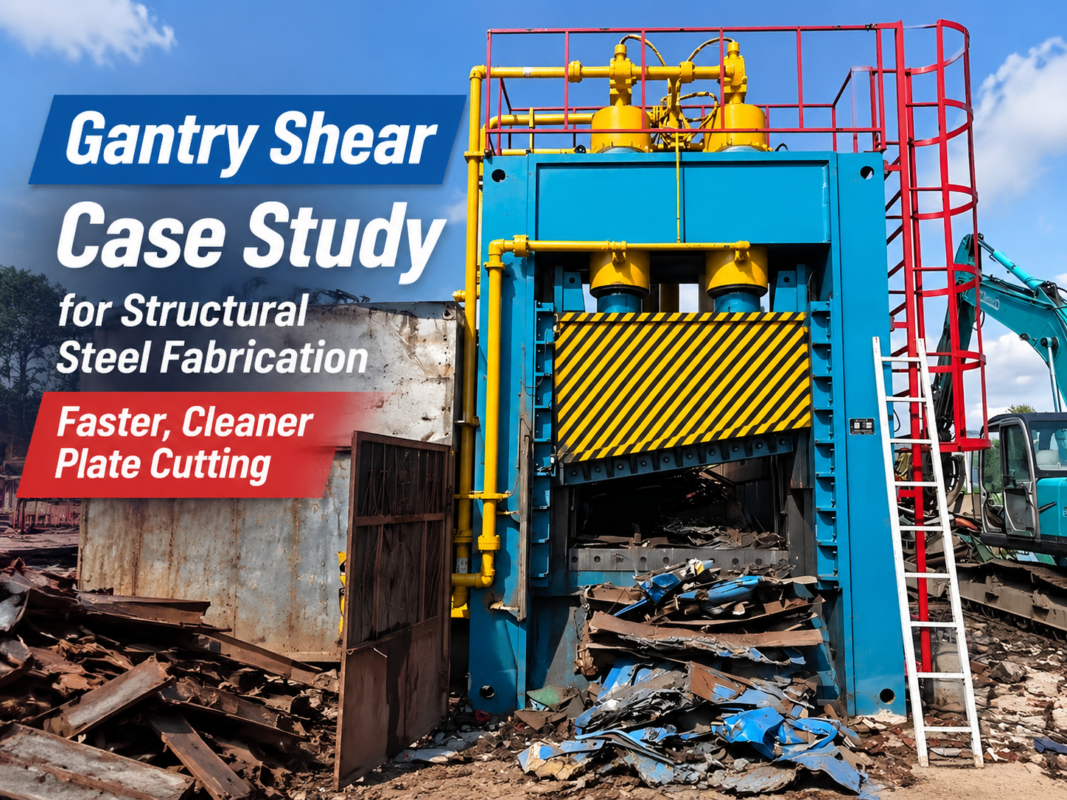
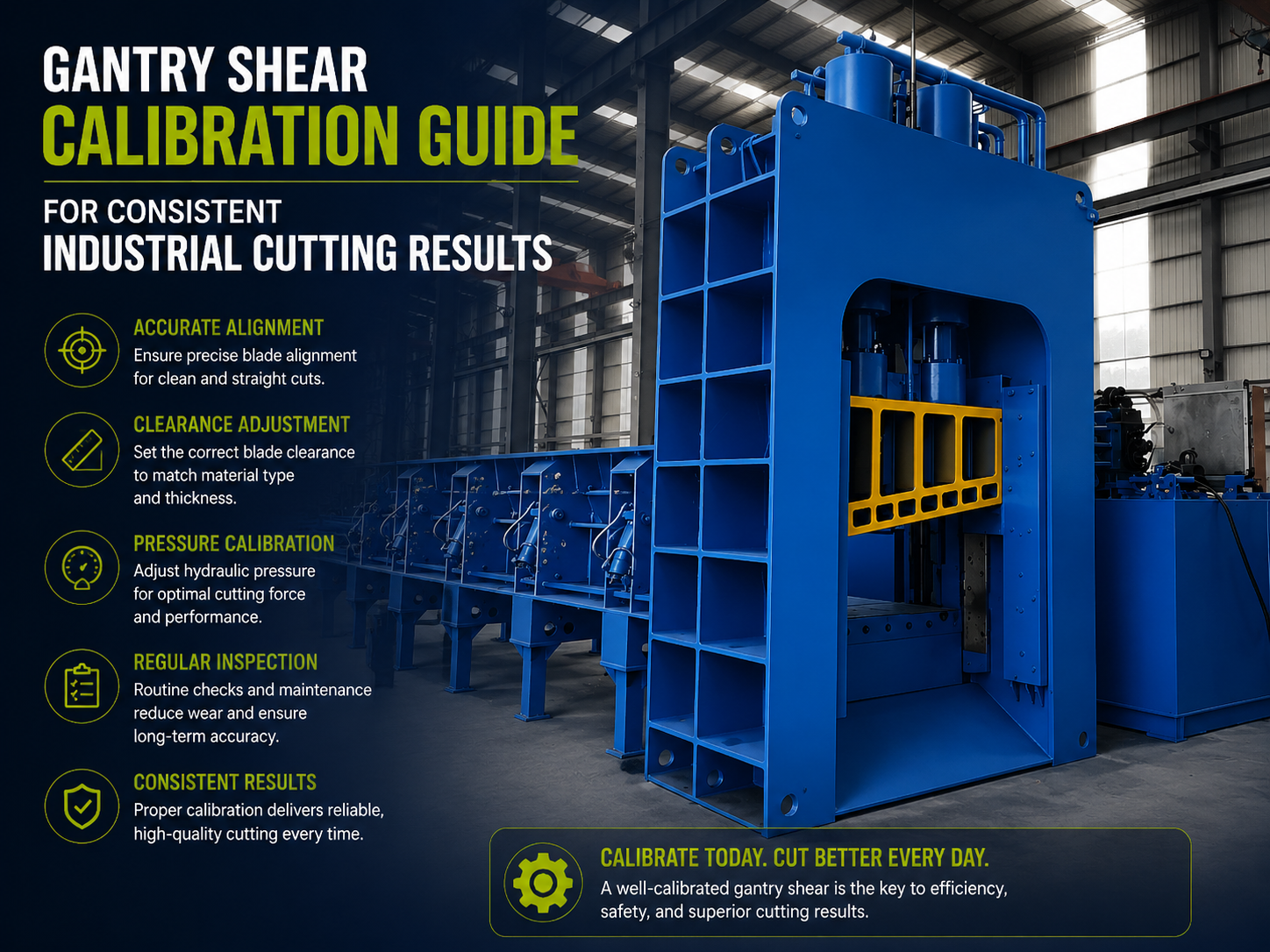
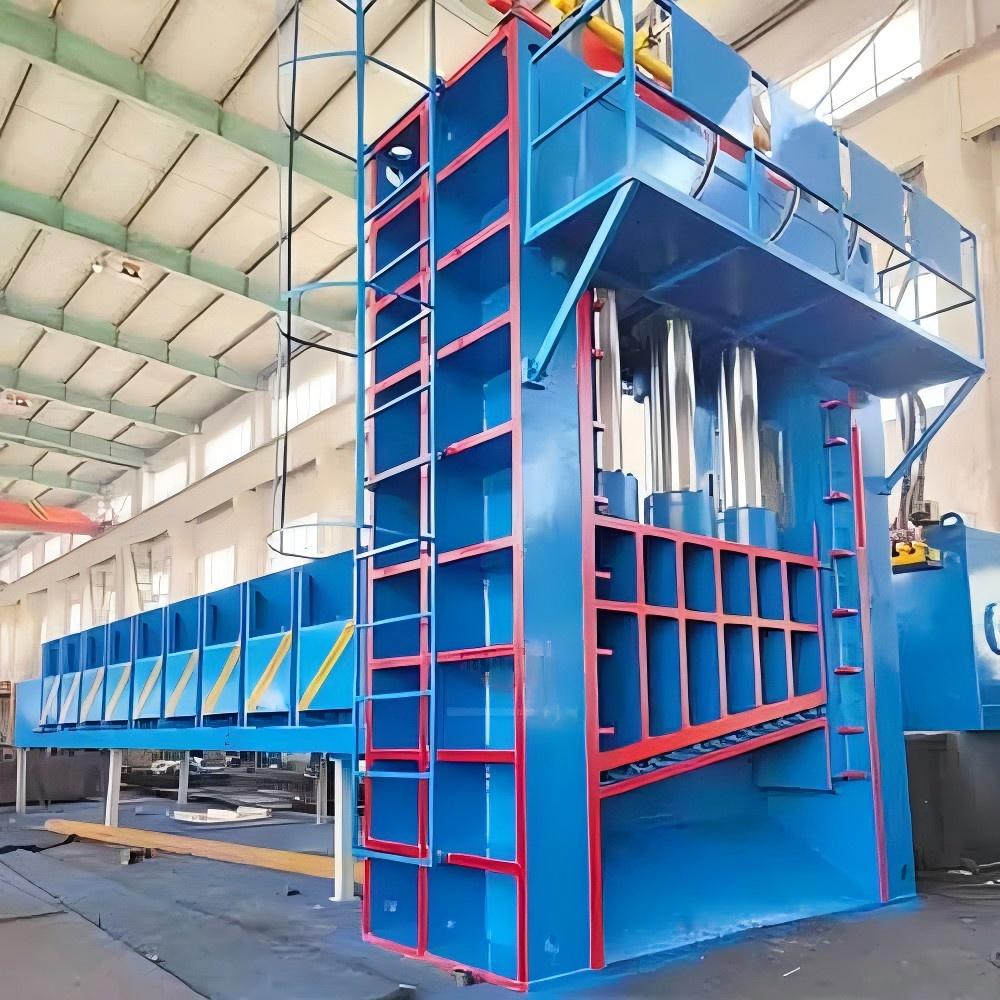
In the demanding world of scrap metal recycling and heavy-duty metal fabrication, the gantry shear stands as a titan of efficiency. Achieving Gantry Shear Calibration Consistent Industrial Cutting Results is not merely a matter of routine maintenance; it is a precise engineering requirement that ensures the longevity of the machine and the quality of the output. A gantry shear operates on a vertical shearing principle, where a massive slide block, guided by precision rails, descends to sever thick sections of steel, HMS (Heavy Melting Scrap), and non-ferrous metals. The structural integrity of the gantry frame allows for immense force—often ranging from 400 to over 2000 tons—to be applied with minimal deflection.
The calibration process involves the synchronization of hydraulic pressures, mechanical clearances, and electronic sensor feedback. When a gantry shear is properly calibrated, the energy consumption per ton of processed material drops significantly, and the wear on the expensive tool-steel blades is minimized. HARSLE’s engineering philosophy emphasizes that a well-calibrated machine is a safe machine. Misalignment in the gantry structure can lead to uneven stress distribution, which, over time, can cause structural fatigue or catastrophic hydraulic failure. Therefore, understanding the technical nuances of the gantry system is the first step toward operational excellence.
Modern gantry shears utilize advanced PLC (Programmable Logic Controller) systems to manage the cutting cycle. These systems rely on accurate data from linear encoders and pressure transducers. Calibration ensures that the ‘zero point’ of the shear is accurately defined and that the stroke limits are set to prevent the cylinder from bottoming out, which can damage internal seals. Furthermore, the integration of automatic lubrication systems must be calibrated to ensure that the guide rails receive the correct volume of grease at specific intervals, reducing friction-induced heat that can alter the mechanical tolerances of the machine.
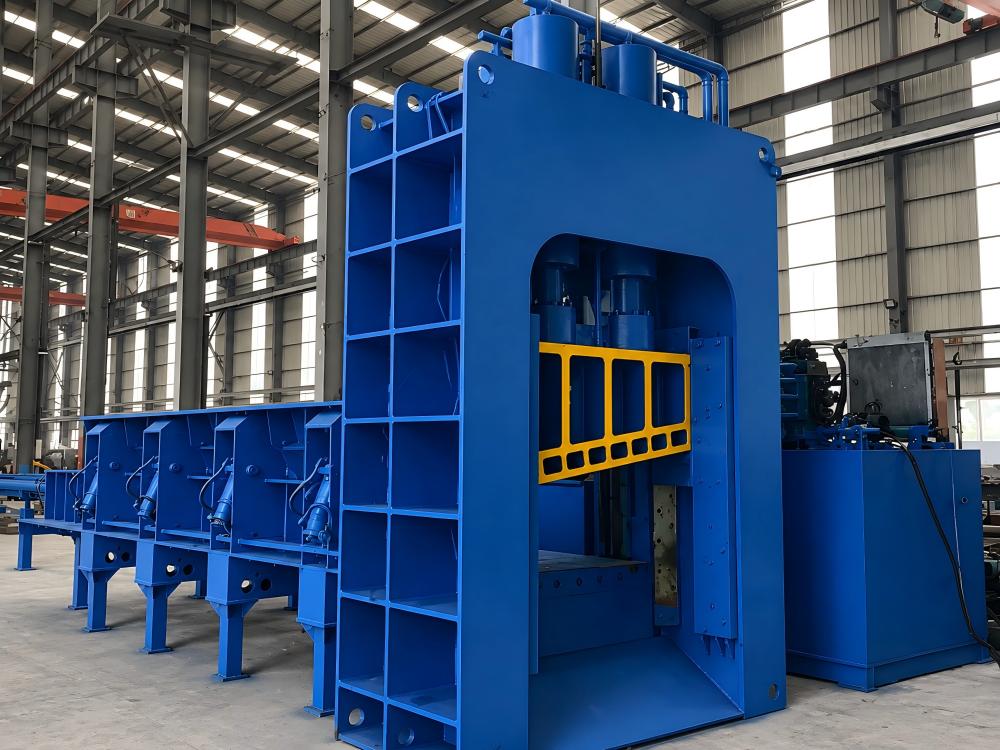
Consistent industrial cutting results are also dependent on the material handling systems integrated with the shear. The feed hopper and the compression box must be synchronized with the shearing stroke. If the compression box does not adequately secure the scrap before the shear descends, the material can shift, leading to ‘crooked’ cuts and excessive lateral force on the shear head. Calibration, therefore, extends beyond the blade itself to the entire material throughput system, ensuring a seamless transition from raw scrap to processed, high-density bundles.
Core Parameters for Gantry Shear Calibration
To achieve Gantry Shear Calibration Consistent Industrial Cutting Results, several core parameters must be meticulously adjusted and monitored. The most critical of these is the blade clearance (or blade gap). This is the distance between the moving upper blade and the stationary lower blade as they pass each other. For industrial shears, this gap is typically set between 5% and 10% of the material thickness. If the gap is too large, the metal will bend or ‘fold’ between the blades rather than shearing, leading to massive burrs and potential machine jams. If the gap is too small, the blades may collide or experience ‘cold welding’ due to extreme friction, leading to rapid dulling or chipping.
Another vital parameter is the rake angle, which is the angle of the upper blade relative to the horizontal plane. A higher rake angle reduces the total force required to initiate the cut because it engages a smaller section of the material at any given moment. However, a high rake angle can also cause the material to twist or bow. Calibrating the rake angle involves adjusting the hydraulic cylinders’ stroke synchronization to ensure the angle remains constant throughout the downward movement, or adjusts dynamically if the machine is equipped with variable rake technology.
Hydraulic Pressure and Flow Rates
The hydraulic system is the heart of the gantry shear. Calibration of the relief valves and proportional valves is essential to ensure that the machine delivers the rated tonnage without over-pressurizing the system. Technicians must use precision pressure gauges to verify that the system reaches its peak operating pressure (usually around 25-31.5 MPa) only when necessary. Flow rate calibration determines the speed of the shear stroke. While faster speeds increase productivity, they also increase the kinetic energy of the moving parts. Calibrating the deceleration zones at the end of the stroke is crucial to prevent mechanical shock, which can loosen bolts and misalign the guide system over time.
Blade Seat and Shim Management
The physical seating of the blades within the gantry head and the lower bolster is often overlooked. Over months of heavy use, the blade seats can become deformed or compacted. Calibration involves using a feeler gauge to check for gaps behind the blade. Shims are used to bring the blades back to the correct position. However, improper shimming is a leading cause of blade breakage. Shims must be made of hardened steel and must cover the entire surface area of the blade back to ensure even pressure distribution. A calibrated blade seat ensures that the shearing force is transmitted directly through the tool, rather than being absorbed by the mounting bolts.
Calculation Method for Shearing Force and Gap
Calculating the required shearing force is fundamental to ensuring the machine is not being overtaxed. The standard formula for shearing force ($P$) in a gantry shear with a rake angle is:
P = 0.6 * L * S * σb * (S / (L * tan(α)))
Where:
• L = Length of the material being cut (mm)
• S = Thickness of the material (mm)
• σb = Tensile strength of the material (N/mm²)
• α = Rake angle of the blade
For flat shearing (zero rake angle), the formula simplifies to P = L * S * τ, where τ is the shear strength of the material (roughly 0.8 times the tensile strength). By performing these calculations, operators can determine if a specific batch of material is within the machine’s calibrated limits. For instance, shearing stainless steel requires significantly more force than mild steel due to its higher tensile strength and work-hardening properties. If the machine is calibrated for mild steel but is used for stainless without adjusting the pressure settings or blade gap, the risk of equipment failure increases.
The blade gap ($c$) calculation is equally important. A common engineering rule of thumb is c = k * S, where k is a constant based on the material type. For mild steel, k is typically 0.06; for hard alloys, it may be as high as 0.10. Calibrating the gap based on these calculations ensures that the fracture lines from the top and bottom of the material meet perfectly in the middle, resulting in a clean, square cut. This precision is what defines Gantry Shear Calibration Consistent Industrial Cutting Results.
Gantry Shear Parameter Table
The following table provides a reference for calibrating a standard 1000-ton gantry shear for various common industrial materials. These values are intended as a starting point for professional calibration procedures.
| Material Type | Thickness (mm) | Tensile Strength (MPa) | Recommended Blade Gap (mm) | Rake Angle (Degrees) | Required Force (Tons) |
|---|---|---|---|---|---|
| Mild Steel (A36) | 20 | 400 | 1.2 – 1.4 | 2.5 | ~450 |
| Mild Steel (A36) | 40 | 400 | 2.4 – 2.8 | 3.0 | ~850 |
| Stainless Steel (304) | 15 | 600 | 1.5 – 1.8 | 2.5 | ~600 |
| Hardened Alloy Steel | 10 | 800 | 1.0 – 1.2 | 2.0 | ~550 |
| Aluminum Alloy (6061) | 30 | 310 | 1.5 – 2.0 | 3.0 | ~350 |
Note: These values assume the blades are sharp and the machine is in good mechanical condition. As blades dull, the required force will increase, and the blade gap may need to be tightened slightly to compensate for the rounded cutting edges.
Common Engineering Mistakes in Gantry Shear Calibration
One of the most frequent mistakes in gantry shear maintenance is the failure to account for thermal expansion. During high-volume shifts, the hydraulic oil and the mechanical components of the shear heat up. Metal expands when hot, which can significantly reduce the blade gap. If a machine is calibrated ‘cold’ to a very tight tolerance, it may experience blade interference once it reaches operating temperature. Engineers should always perform a secondary check of the blade clearance after the machine has been running for at least an hour to ensure that Gantry Shear Calibration Consistent Industrial Cutting Results are maintained throughout the entire production cycle.
Another common error is the neglect of the guide rail clearances. The slide block that holds the upper blade must move with minimal lateral play. If the guide rails are worn or improperly adjusted, the slide block can ‘kick’ or tilt during the cut. This not only ruins the cut quality but also puts immense side-loading stress on the hydraulic cylinder rods, leading to seal leaks and eventual rod scoring. Calibrating the guide rails involves using a dial indicator to ensure the slide block moves perfectly parallel to the lower bed throughout its entire stroke.
Finally, many operators fail to calibrate the pressure sensors and limit switches. If a limit switch is set too high, the shear may not complete the cut on thinner materials. If set too low, the cylinder may hit its mechanical stop with every stroke, causing vibration damage. Similarly, if the pressure transducer is out of calibration, the PLC may ‘think’ it has reached maximum tonnage and retract the blade prematurely, leaving the material partially cut. Regular verification of electronic sensors against manual gauges is a hallmark of a professional calibration routine.
Selection Checklist for High-Precision Gantry Shears
When purchasing or upgrading a gantry shear, certain features are essential for maintaining long-term calibration and achieving Gantry Shear Calibration Consistent Industrial Cutting Results. Use this checklist to evaluate potential equipment:
- Frame Rigidity: Is the gantry frame stress-relieved after welding? A frame that ‘breathes’ or flexes under load will never maintain its calibration.
- Blade Adjustment System: Does the machine offer an easy-to-access shim system or, better yet, an automated blade gap adjustment mechanism?
- Hydraulic Cooling: Is there a robust oil cooling system? Consistent oil temperature is vital for consistent hydraulic timing and pressure.
- PLC and Sensor Quality: Does the machine use reputable brands (like Siemens or Schneider) for its electronics? High-quality sensors are less likely to drift out of calibration.
- Guide Rail Design: Are the guide rails replaceable and adjustable? Look for bronze or high-tech polymer wear plates that can be easily shimmed to maintain tight tolerances.
- Blade Material: Are the blades made of high-chromium, high-carbon tool steel (like Cr12MoV or 6CrW2Si)? The better the steel, the longer the machine stays in its calibrated ‘sweet spot’.
- Automatic Lubrication: A centralized, programmable lubrication system is non-negotiable for heavy-duty industrial shears.
Frequently Asked Questions (FAQ)
How often should I calibrate my gantry shear?
For high-volume industrial operations, a basic check of the blade gap and hydraulic pressure should be performed weekly. A comprehensive calibration, including guide rail adjustment and sensor verification, should be conducted every 500 operating hours or whenever the blades are changed.
Why is my gantry shear producing excessive noise during the cut?
Excessive noise, especially a loud ‘bang’ at the end of the cut, usually indicates that the blade gap is too wide or the rake angle is too steep for the material thickness. It can also be a sign of air in the hydraulic system or worn guide rail bushings. Re-calibrating the blade gap is the first step in troubleshooting.
Can I use the same calibration for different types of scrap metal?
No. Scrap metal varies widely in thickness and hardness. While you can find a ‘middle ground’ calibration for general scrap, processing heavy structural steel requires a different blade gap and pressure setting than processing light sheet metal or aluminum. Using a ‘one size fits all’ approach will lead to premature wear.
What are the signs that my blades need to be rotated or replaced?
The most obvious signs are a decrease in cut quality (burrs, tearing), an increase in the hydraulic pressure required to complete a cut, and visible rounding or chipping of the blade edges. Most gantry shear blades have four usable edges; once all four are dull, they must be professionally reground or replaced.
How does oil viscosity affect calibration?
Hydraulic oil viscosity changes with temperature. If the oil is too thin (too hot), the valves may leak internally, leading to slower cycle times and inconsistent pressure. If the oil is too thick (too cold), the response time of the sensors and valves will lag. Maintaining a consistent oil temperature is key to maintaining your calibration settings.
By following this guide and prioritizing Gantry Shear Calibration Consistent Industrial Cutting Results, industrial facilities can maximize their ROI, ensure operator safety, and produce high-quality processed metal that meets the strictest industry standards. HARSLE remains committed to providing the technical expertise and robust machinery needed to excel in the global metal fabrication market.