Gantry Shear Machine Specifications Explained for Buyers and Engineers

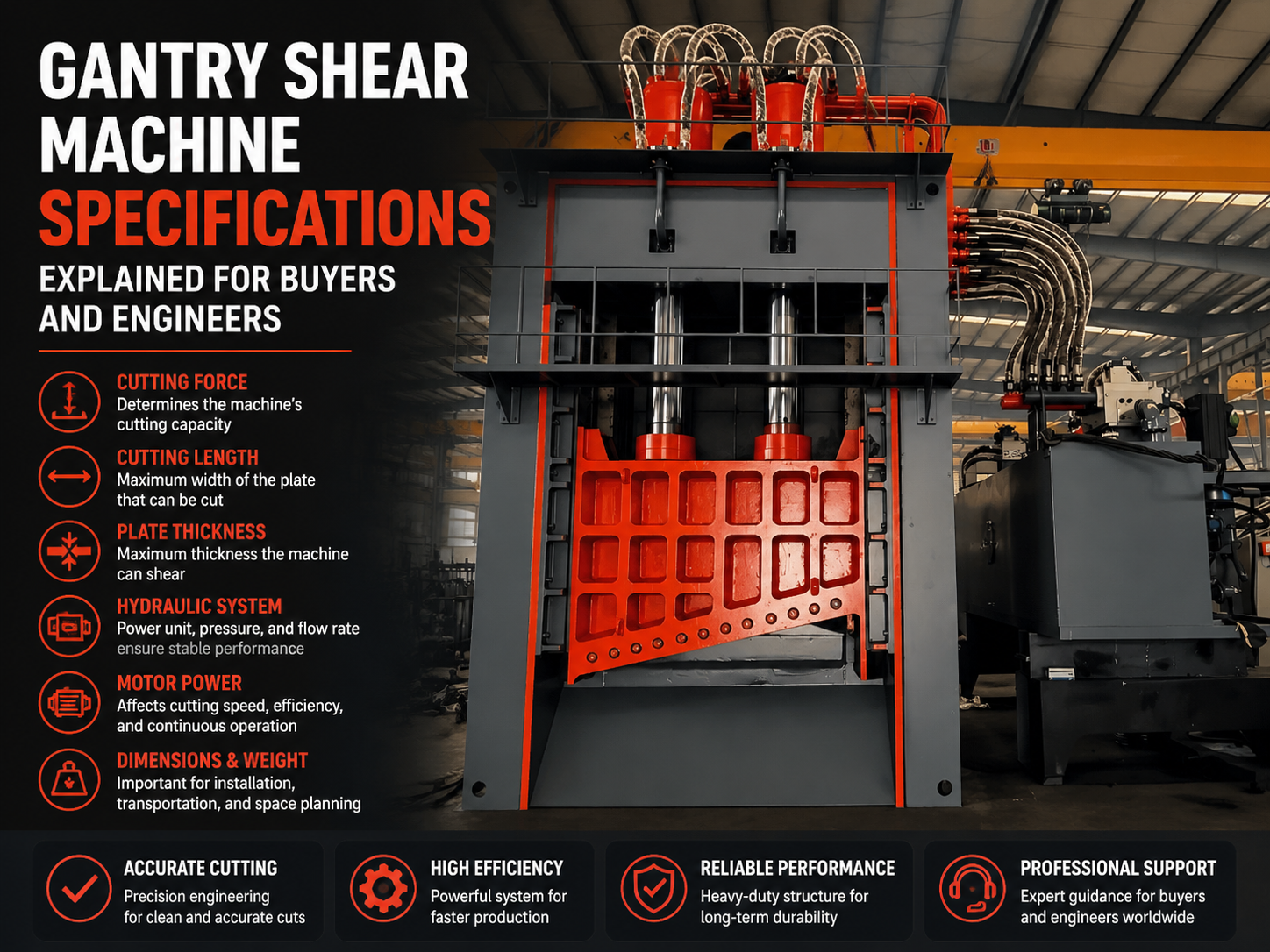
Technical Overview of Gantry Shear Machines
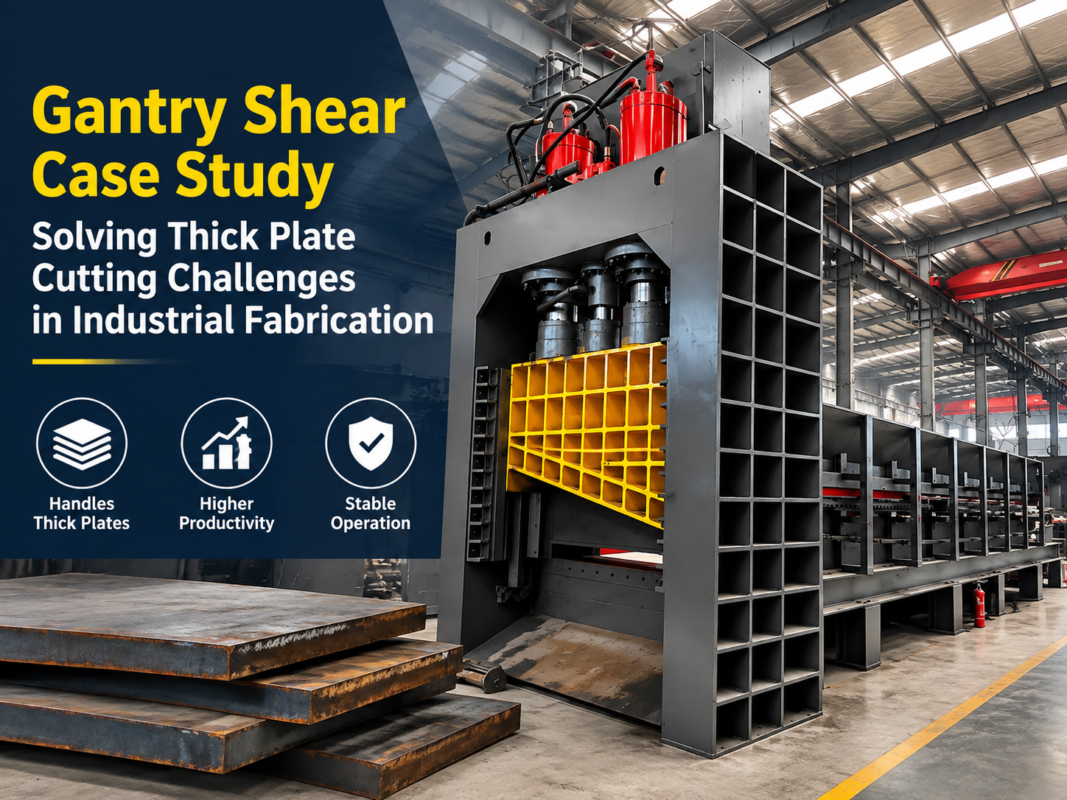
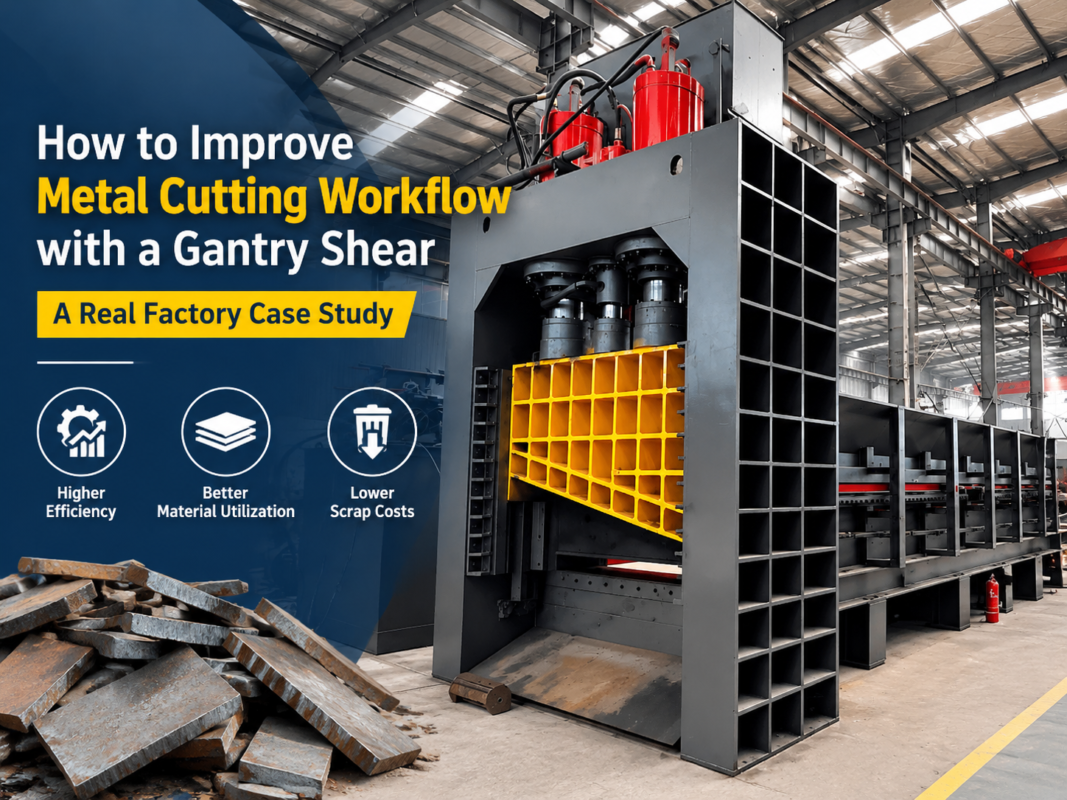
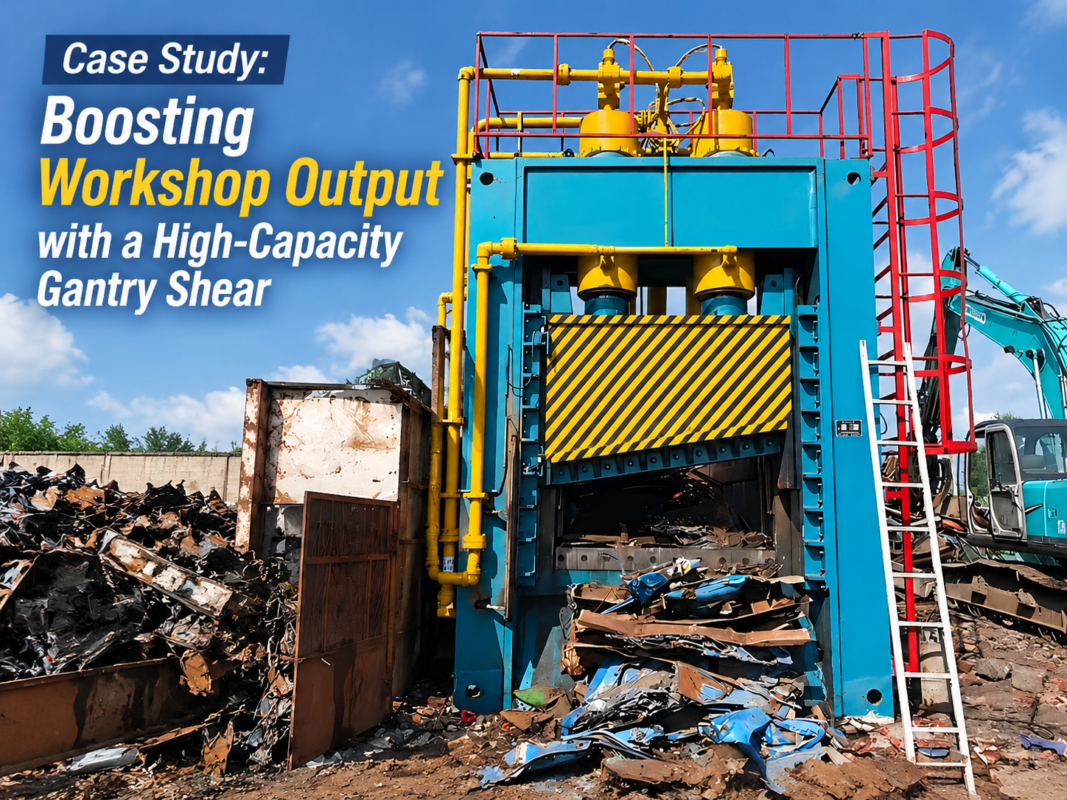
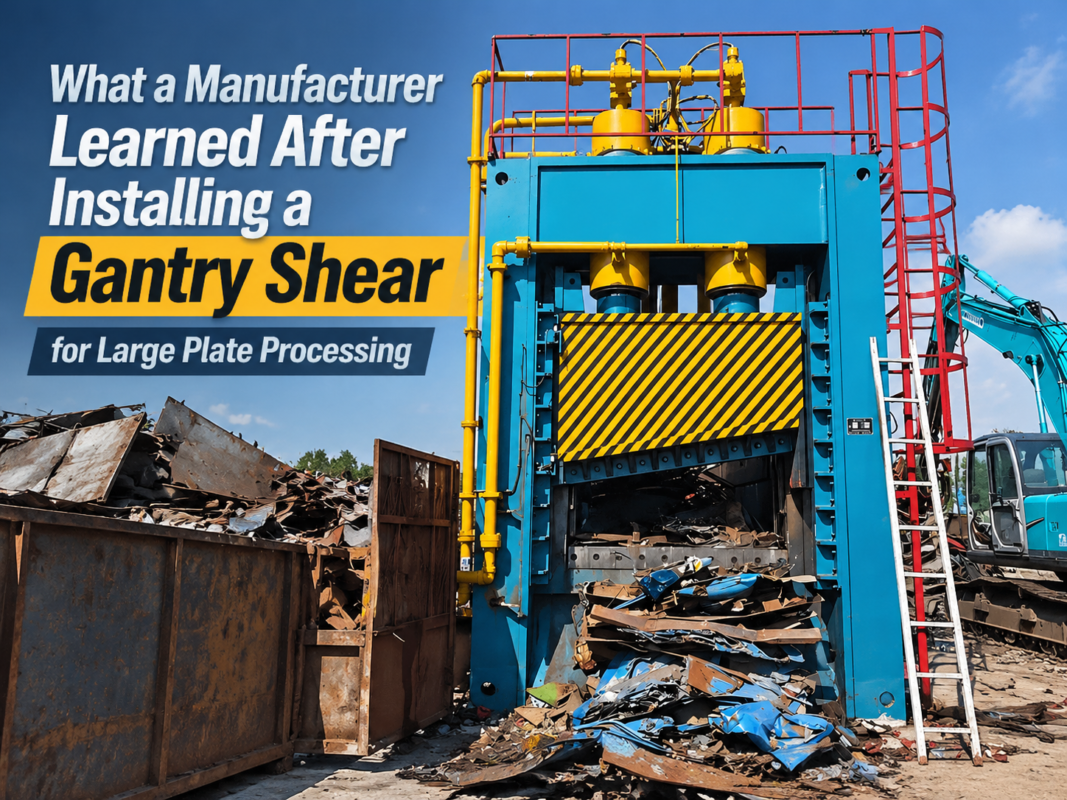
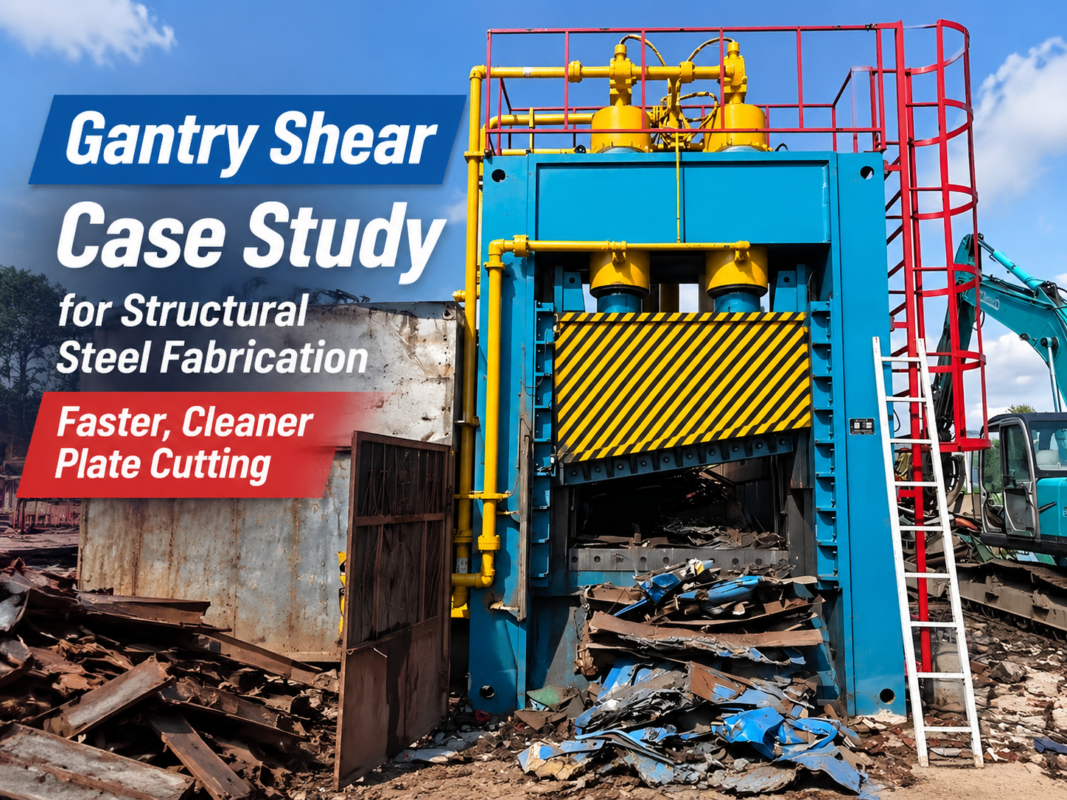
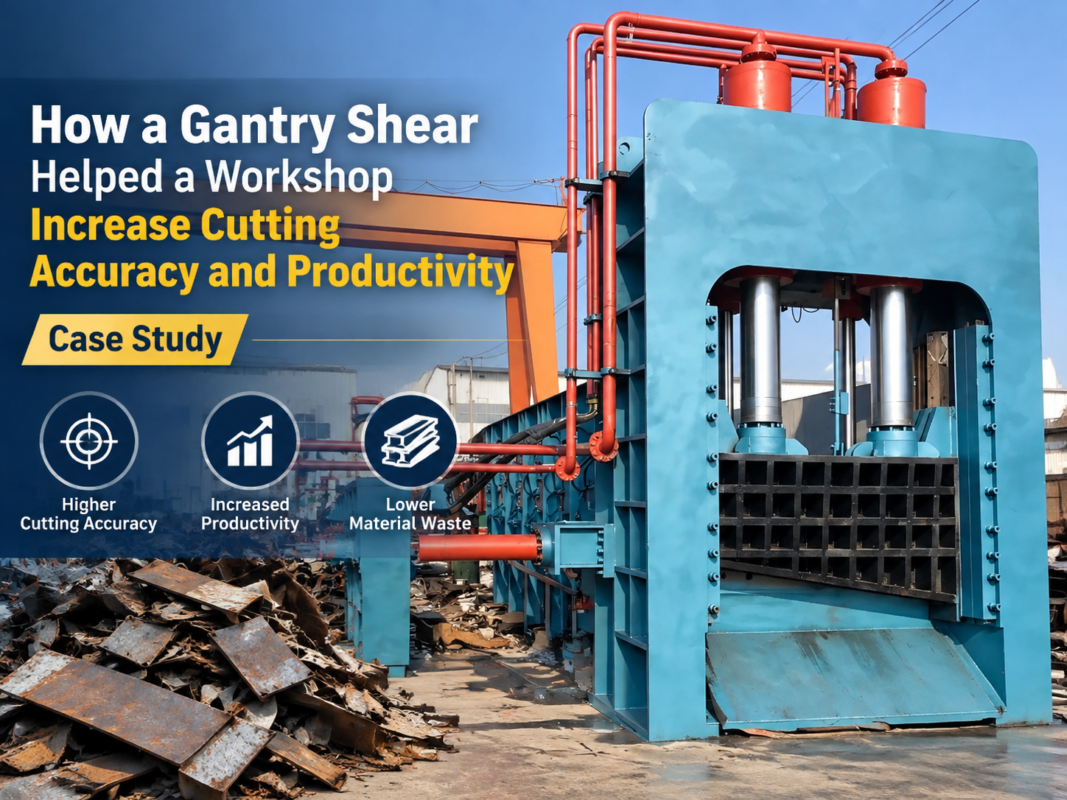
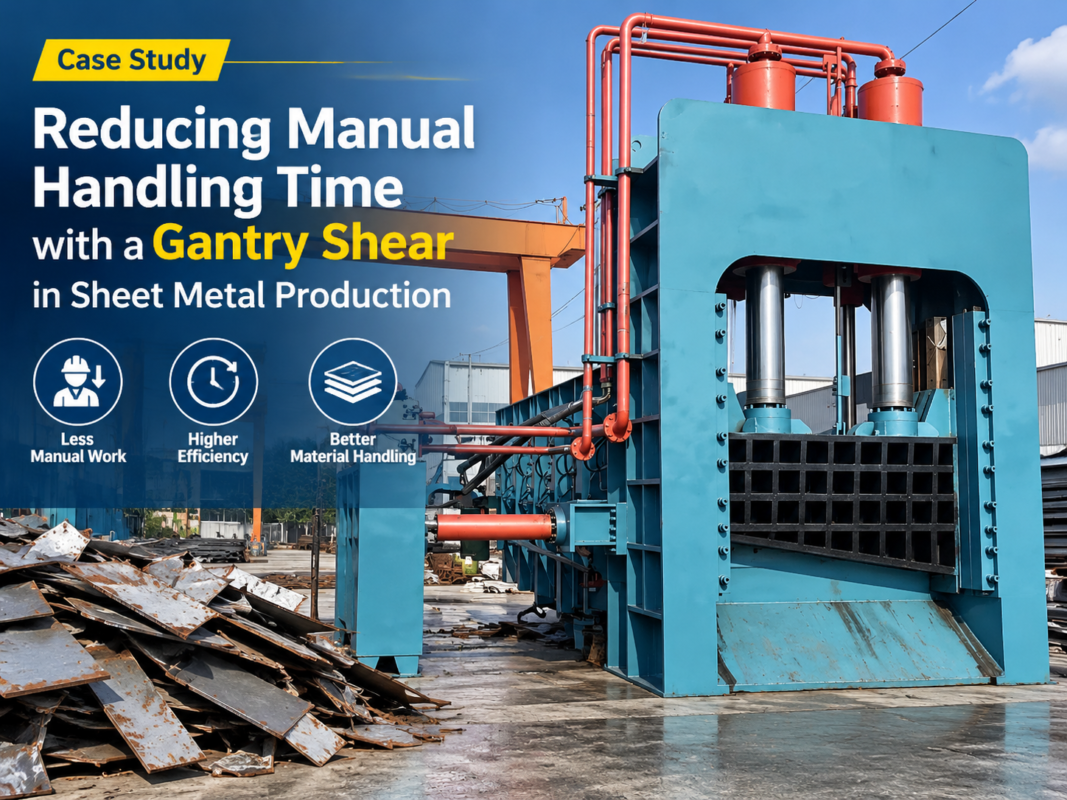
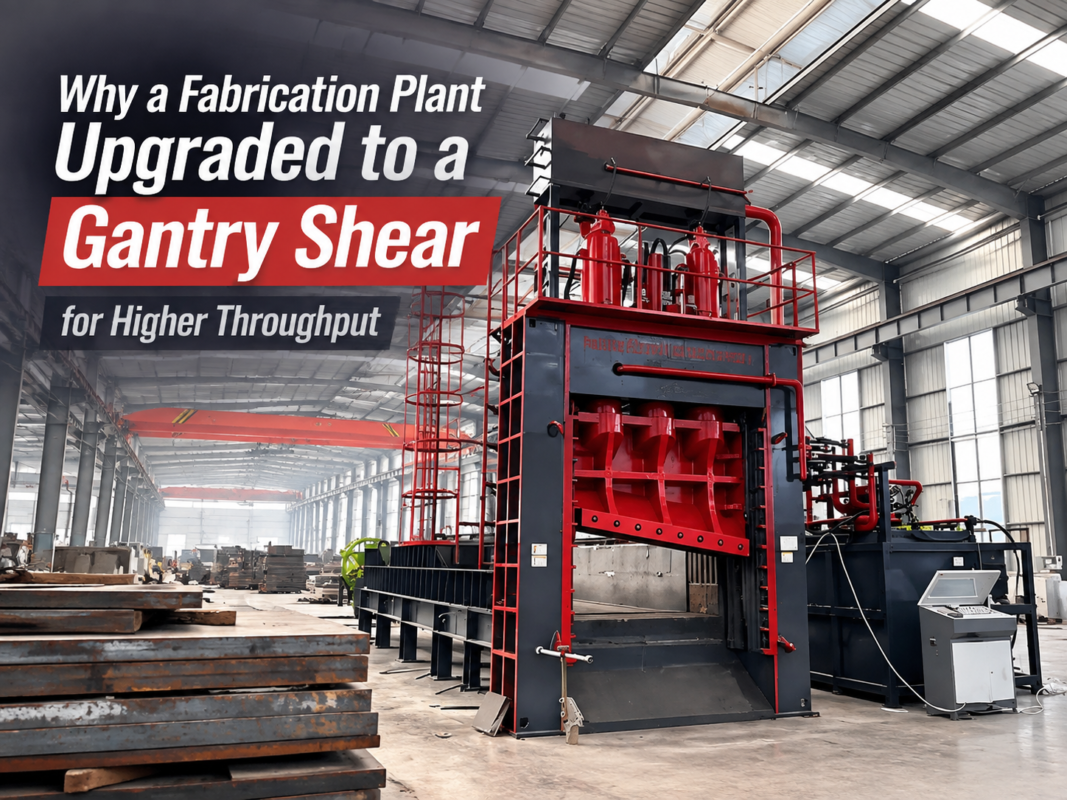
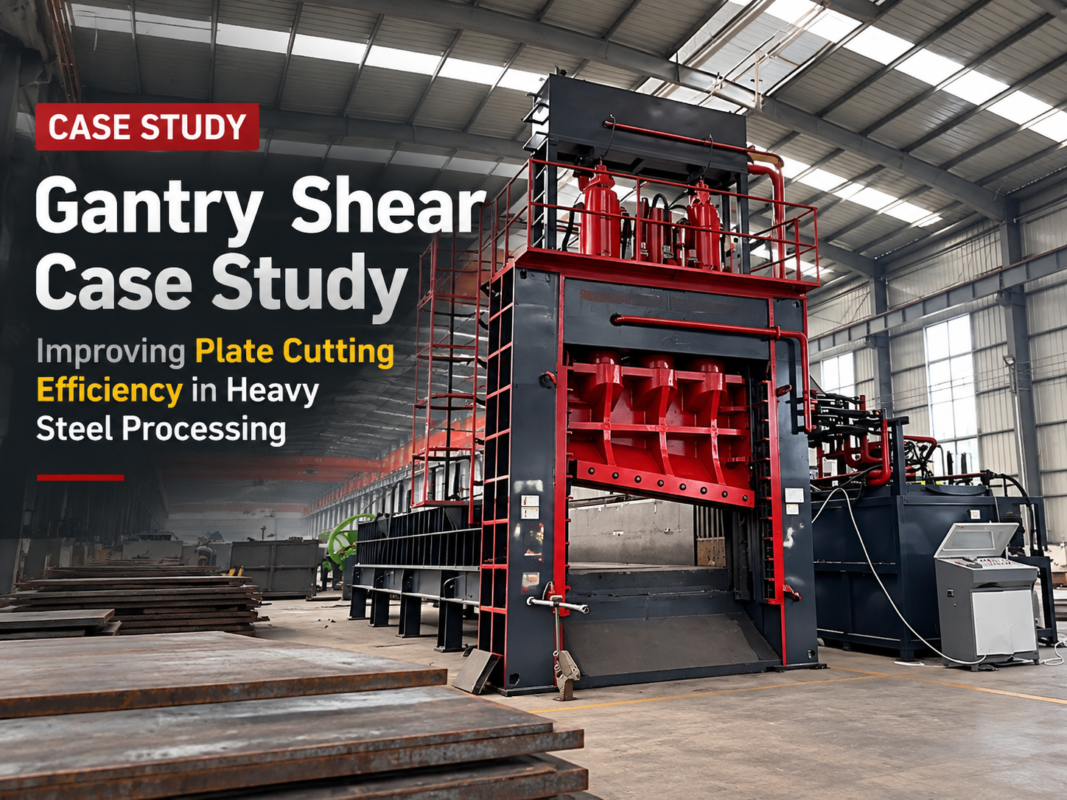
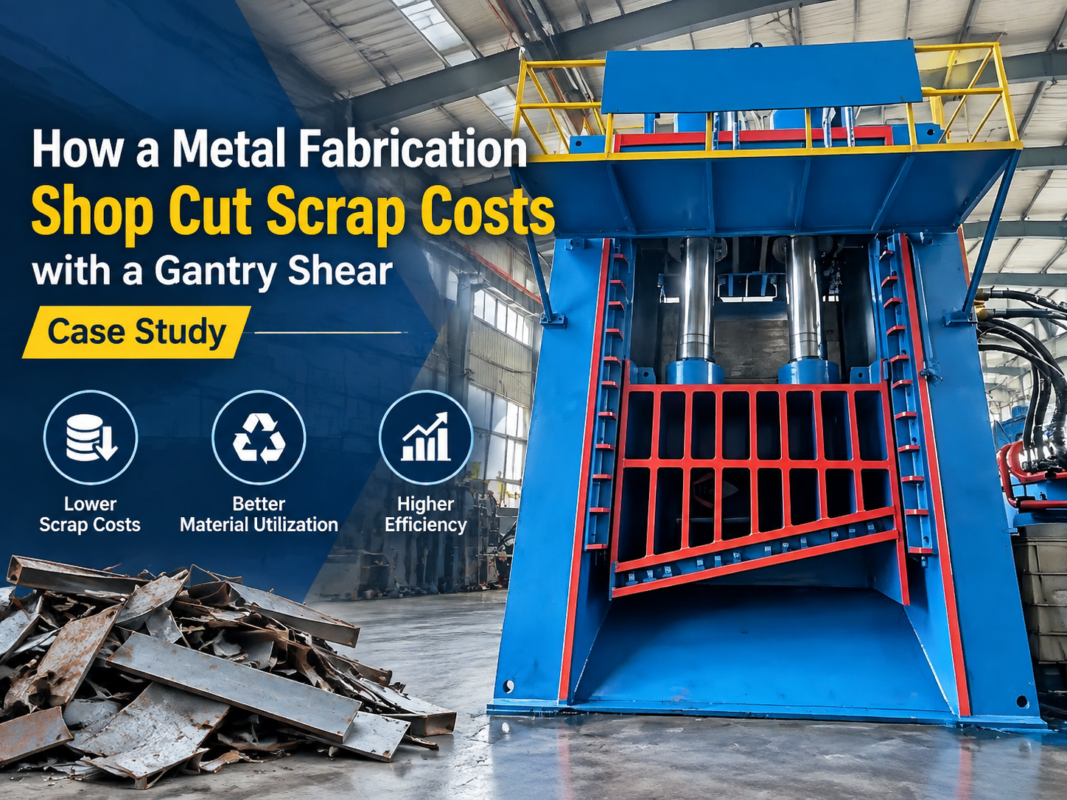
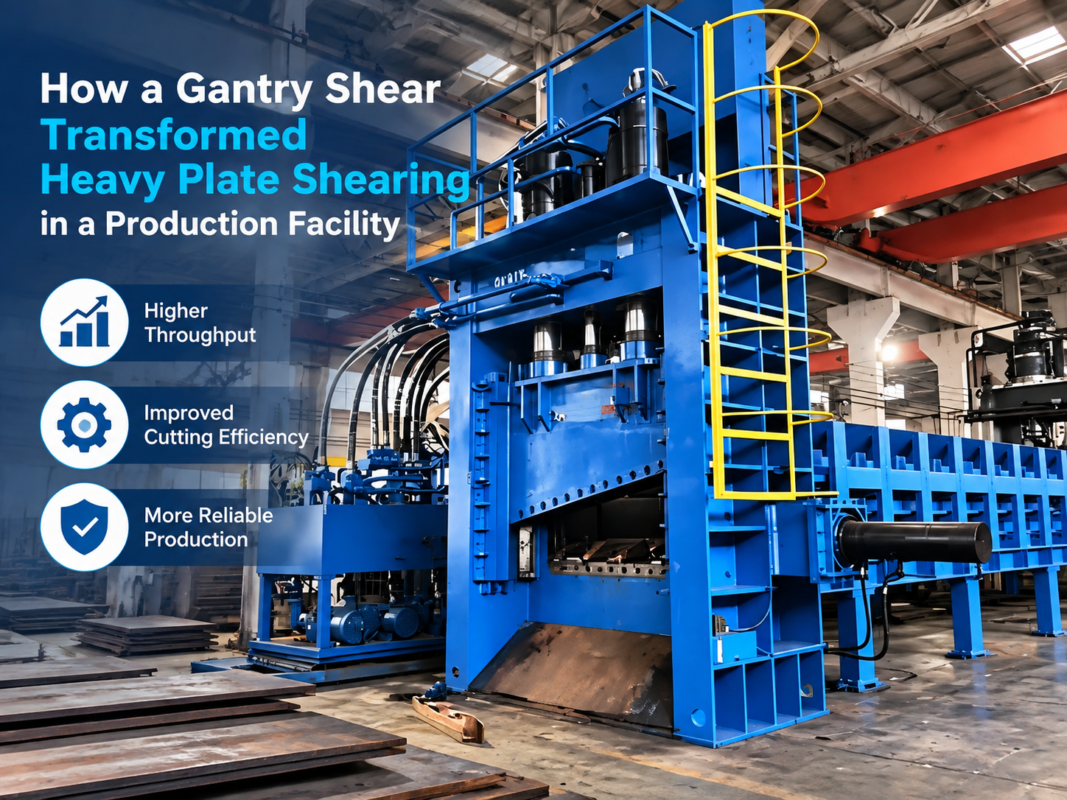
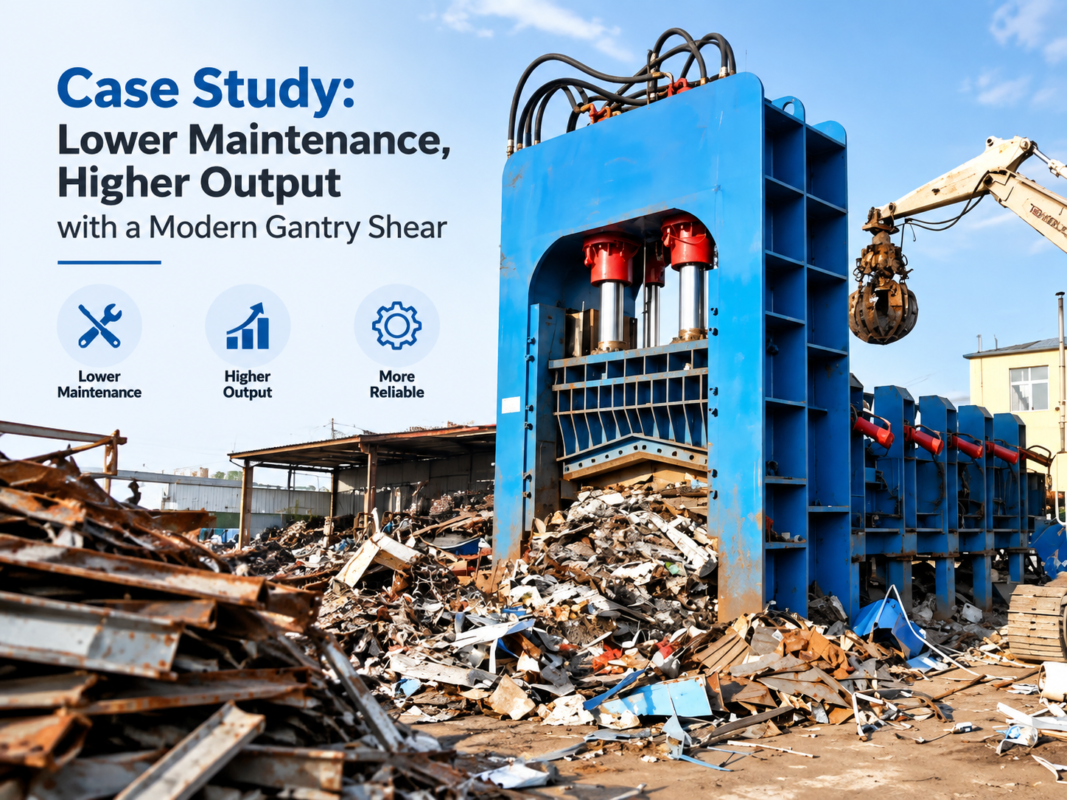
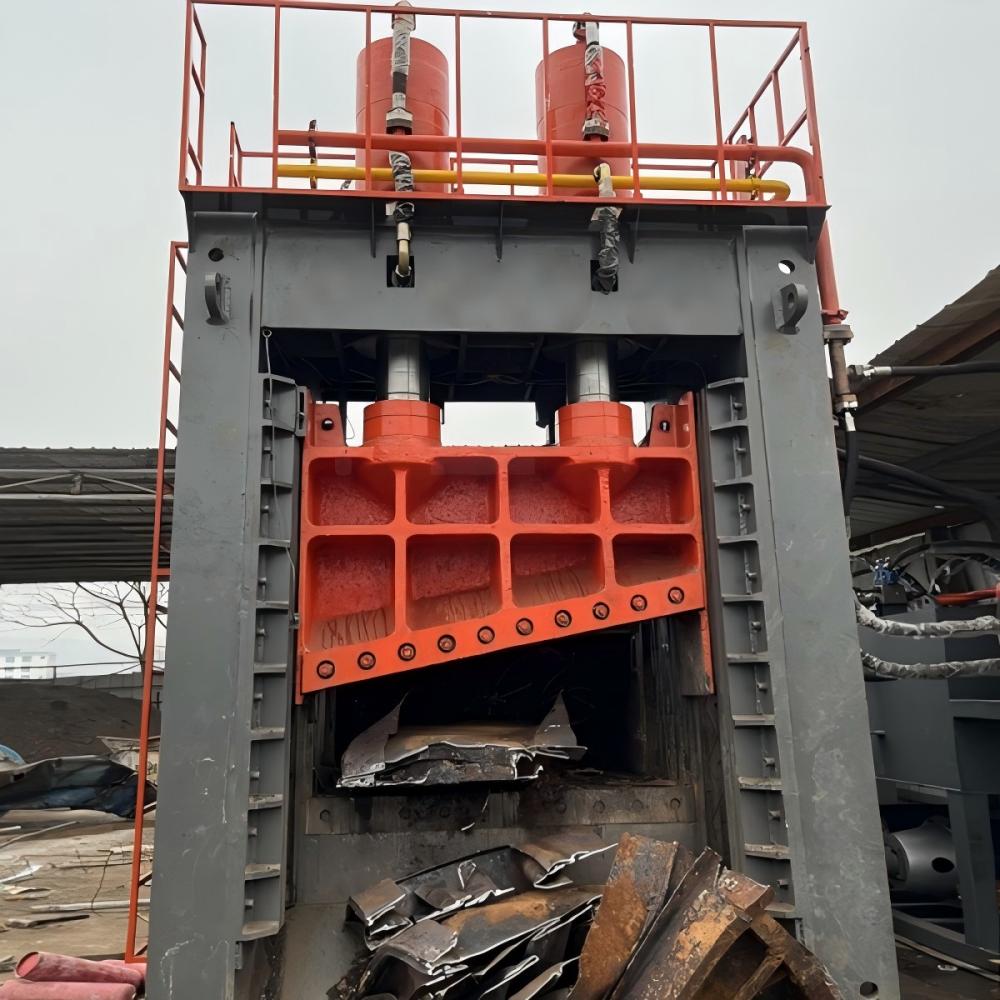
The gantry shear machine, often referred to in the industry as the Q91 series, represents the pinnacle of heavy-duty scrap metal processing. Unlike smaller alligator shears or portable units, the gantry shear is a stationary powerhouse designed to handle massive volumes of diverse metal scrap, ranging from structural steel and decommissioned vehicles to industrial piping and plate waste. For buyers and engineers, understanding the technical architecture is the first step in evaluating performance. The ‘gantry’ design refers to the bridge-like structure that houses the vertical cutting ram, providing immense structural rigidity that prevents frame deflection during high-pressure cycles.
At its core, a gantry shear operates through a sophisticated hydraulic system. The process begins in the feeding box, where scrap is compressed by side and lid cylinders into a dense log. Once compressed, the material is pushed forward by a hydraulic pusher toward the cutting head. The shear blade then descends with forces typically ranging from 400 to over 2,000 tons. This automated cycle allows for continuous operation, which is essential for high-throughput recycling facilities. Engineers must note that the efficiency of this process is not just about raw force but the synchronization of the feeding, clamping, and shearing phases.
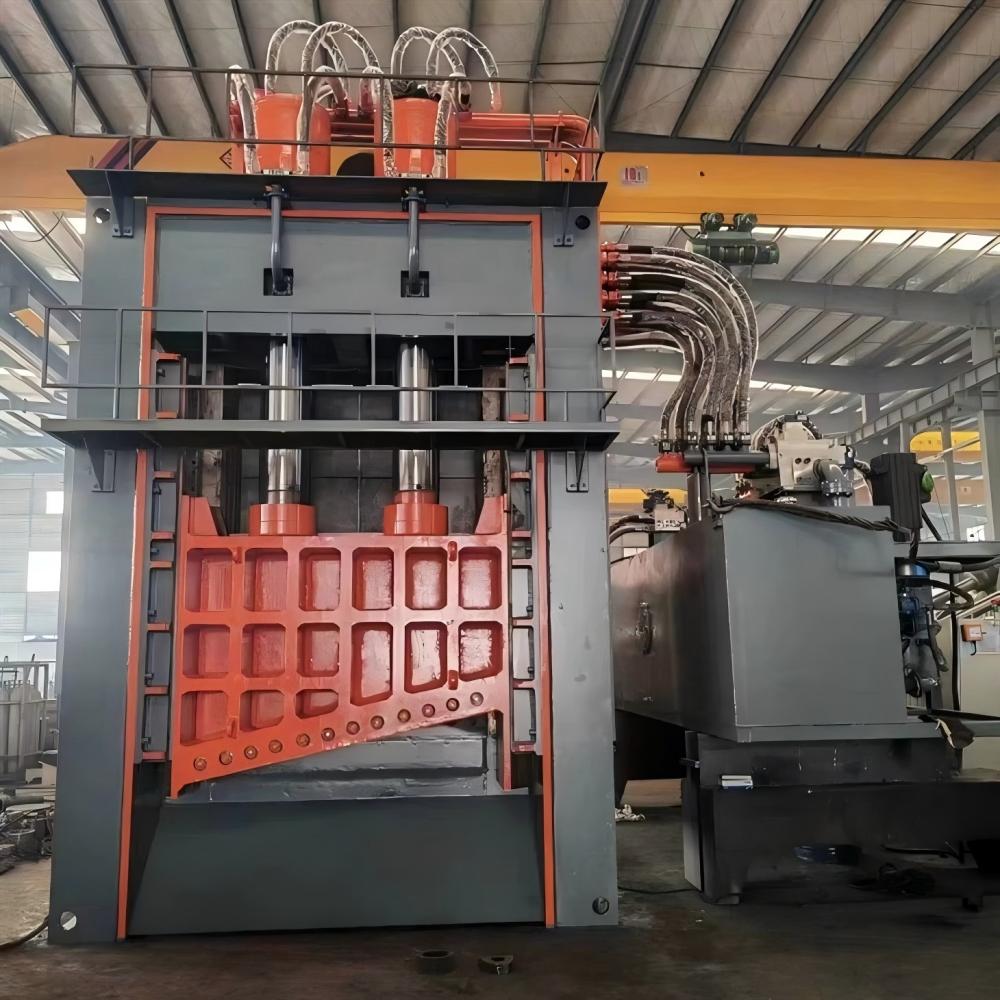
Modern gantry shears, such as those manufactured by HARSLE, integrate advanced PLC (Programmable Logic Controller) systems. These systems allow for precise control over the stroke length and pressure settings, enabling the machine to adapt to different material densities. For an engineer, the technical overview must also include the cooling system and filtration units. Because these machines generate significant heat during continuous operation, high-efficiency oil coolers and multi-stage filtration are critical to maintaining hydraulic fluid integrity and preventing component wear.
Furthermore, the structural composition of the gantry frame is usually made of high-strength welded steel plates, stress-relieved to ensure long-term dimensional stability. The blades are typically made from specialized alloy tool steels (like 6CrW2Si or Cr12MoV), heat-treated to a specific Rockwell hardness to balance toughness with wear resistance. Understanding these material choices is vital for buyers who need to calculate the long-term maintenance costs associated with blade sharpening and replacement.
Core Parameters: What Buyers and Engineers Must Analyze
When reviewing a specification sheet, several core parameters dictate the machine’s capability and suitability for a specific application. The most prominent is the Nominal Cutting Force. This is the maximum force the main cylinder can exert on the blade. For engineers, it is important to distinguish between the nominal force and the effective force, as friction and hydraulic losses can slightly reduce the actual output at the blade edge. Buyers should select a force rating that exceeds their toughest material requirements by at least 20% to avoid running the machine at its absolute limit constantly.
Blade Length and Throat Opening are equally critical. The blade length determines the maximum width of the scrap that can be processed in a single stroke, while the throat opening (the vertical gap) determines the maximum height of the compressed scrap log. If the scrap is not sufficiently compressed by the feeding box, it may not fit into the throat, leading to jams or the need for manual pre-processing. Engineers should look for a balance between blade length and the dimensions of the feeding box to ensure a smooth material flow.
The Feeding Box Dimensions (Length x Width x Height) define the volume of scrap the machine can accept per cycle. A larger box allows for longer pieces of scrap, reducing the need for pre-cutting with torches. However, a larger box also requires more powerful compression cylinders and longer cycle times. Buyers must evaluate their typical scrap profile—if they process mostly long beams, a longer feeding box is non-negotiable. Conversely, for dense, short industrial offcuts, a smaller, faster box might be more efficient.
Cycle Time and Cutting Frequency are the primary metrics for productivity. This is usually expressed in cuts per minute (CPM). A high-speed hydraulic system with ‘fast-down’ valves can significantly increase CPM by allowing the blade to descend quickly under low pressure and only switch to high pressure when resistance is met. Engineers should analyze the pump displacement (L/min) and motor power (kW) to verify if the claimed cycle times are theoretically possible under load.
Calculation Method for Shearing Force
For engineers, relying solely on the manufacturer’s brochure is often insufficient. It is necessary to calculate the required shearing force based on the specific materials the facility intends to process. The basic formula for the shearing force (F) required to cut a metal section is:
F = L × S × τ
Where:
– F is the shearing force (Newtons or Tons).
– L is the length of the cut (mm).
– S is the thickness of the material (mm).
– τ (Tau) is the shear strength of the material (MPa).
However, in a gantry shear, the blade is often inclined (the rake angle) to reduce the instantaneous force required. This changes the calculation to account for the fact that the blade is not hitting the entire surface area at once. The modified formula for an inclined blade is:
F = 0.5 × S² × σb / tan(α)
Where σb is the ultimate tensile strength and α is the rake angle. For buyers, this means that a machine with a higher rake angle can cut thicker materials with less force, but it may cause more distortion in the cut piece. Engineers must balance the rake angle against the desired quality of the scrap and the mechanical stress on the blade seats.
Another critical calculation involves the Hydraulic System Pressure. Most gantry shears operate at pressures between 25MPa and 31.5MPa. Engineers should calculate the cylinder bore size required to achieve the nominal force at these pressures. If a manufacturer claims a high force but uses a small cylinder and excessively high pressure, the system may be prone to leaks and premature seal failure. A robust design favors larger cylinder diameters at moderate pressures.
Gantry Shear Machine Parameter Table
The following table provides a comparison of typical specifications for standard gantry shear models. These values are representative of the Q91 series and should be used as a baseline for procurement discussions.
| Model Parameter | Q91-400 | Q91-630 | Q91-1000 | Q91-1250 |
|---|---|---|---|---|
| Nominal Force (kN) | 4000 | 6300 | 10000 | 12500 |
| Blade Length (mm) | 1200 | 1500 | 1800 | 2000 |
| Max Cutting Thickness (MS) | 20-25mm | 30-40mm | 50-60mm | 70-80mm |
| Feeding Box Size (mm) | 4000×1200 | 6000×1500 | 8000×1800 | 10000×2000 |
| Motor Power (kW) | 45×2 | 75×2 | 90×3 | 110×4 |
| Cycle Time (Empty) | ~15s | ~18s | ~22s | ~25s |
Common Engineering Mistakes in Specification Selection
One of the most frequent mistakes engineers make is underestimating the impact of material hardness variations. Scrap metal is rarely uniform. A batch of mild steel might contain hidden pieces of hardened alloy or stainless steel. If the shear is specified exactly for mild steel limits, these harder inclusions can cause hydraulic relief valves to pop constantly or, worse, chip the blades. Engineers should always specify a “safety factor” in the cutting force to account for the unpredictable nature of scrap.
Another common error is ignoring the foundation and environmental requirements. A 1000-ton gantry shear generates massive kinetic energy and vibration. Standard factory floors are rarely sufficient. Engineers must design a reinforced concrete pit or pad based on the machine’s static and dynamic load specifications. Failure to do so leads to the machine shifting, which causes misalignment in the hydraulic piping and eventual leaks. Additionally, in cold climates, ignoring the need for hydraulic oil heaters can lead to pump cavitation during startup.
Neglecting the Cooling System Capacity is a third major pitfall. In high-ambient temperature environments, a standard air-cooled heat exchanger might not be enough. If the hydraulic oil exceeds 60°C, its viscosity drops, leading to increased internal leakage in the pumps and valves, which reduces cutting force and speed. Buyers should check if the machine’s cooling system is rated for their specific climate and duty cycle. For 24/7 operations, water-cooled systems or oversized industrial chillers are often necessary.
Finally, many buyers overlook the Blade Gap Adjustment mechanism. As blades wear or when switching between very thin and very thick materials, the gap between the upper and lower blades must be adjusted. In older or cheaper designs, this is a manual, time-consuming process involving shims. Modern, well-engineered gantry shears feature semi-automatic or hydraulic gap adjustment. Ignoring this feature can lead to poor cut quality (burrs) and increased blade wear when the gap is incorrect for the material thickness.
Selection Checklist for Buyers
When moving toward a purchase decision, buyers should use a structured checklist to ensure all technical and operational bases are covered. This prevents “scope creep” and ensures the machine delivered matches the facility’s actual needs.
- Material Assessment: What is the maximum thickness and tensile strength of the scrap? Does the nominal force provide a 20% buffer?
- Throughput Requirements: How many tons per hour are required? Does the cycle time and feeding box volume support this goal?
- Power Supply: Does the facility have enough amperage to support multiple 75kW or 110kW motors? Is a soft-starter or VFD (Variable Frequency Drive) included to prevent grid spikes?
- Automation Level: Is a remote control required for the crane operator? Does the PLC support data logging for production tracking?
- Maintenance Access: Are the grease points easily accessible? Is there a platform for safe blade changes?
- Spare Parts Availability: Are the hydraulic seals and valves standard (e.g., Rexroth or Vickers) or proprietary? How quickly can replacement blades be shipped?
- Safety Features: Does the machine include emergency stops, light curtains, and pressure sensors to prevent catastrophic frame failure?
- Shipping and Installation: Gantry shears are oversized loads. Does the quote include the cost of heavy-lift cranes for installation and the presence of a factory technician for commissioning?
Frequently Asked Questions (FAQ)
1. How often do the blades need to be sharpened?
Blade life depends entirely on the material being cut. For clean mild steel, blades may last 200-400 hours before needing a flip (most blades have 4 cutting edges). However, processing sandy or dirty scrap can reduce this significantly. Regular inspection is key; once the edge rounds over, the force required to cut increases, putting more stress on the hydraulic system.
2. Can a gantry shear process non-ferrous metals like aluminum?
Yes, but it is often overkill. Gantry shears are designed for high-force applications. While they can cut aluminum easily, the cycle time might be slower than a dedicated high-speed aluminum shear. If you process mixed loads, the gantry shear is a versatile choice, but for pure aluminum, a smaller, faster machine might be more cost-effective.
3. What type of hydraulic oil is recommended?
Most manufacturers recommend an anti-wear hydraulic oil, typically ISO VG 46 or 68, depending on the ambient temperature. In very cold environments, a low-pour-point oil is necessary. It is crucial to maintain oil cleanliness at NAS Grade 7 or better to protect the high-precision piston pumps.
4. Why is my shear losing cutting power over time?
This is usually due to one of three things: internal leakage in the main cylinder (worn seals), a failing hydraulic pump that can no longer reach maximum pressure, or an incorrectly adjusted relief valve. First, check the system pressure on the gauge during a cut. If the pressure is high but the cut is weak, the issue is likely mechanical or internal to the cylinder.
5. Is it better to have a diesel or electric drive?
Electric drives are more efficient, quieter, and easier to maintain, making them the standard for stationary yard installations. Diesel drives are only recommended if the machine must be moved frequently or if the local power grid cannot support the high startup current of large electric motors.
6. What is the difference between a ‘side-squeeze’ and ‘lid-squeeze’ feeding box?
A lid-squeeze (or ‘clamshell’) box is excellent for bulky, light scrap like car bodies, as it uses gravity and a large swinging lid to crush the material. A side-squeeze box is better for heavy structural scrap, as it provides more concentrated force to narrow the scrap into a log before it reaches the shear head. Many modern HARSLE machines use a combination of both for maximum versatility.