Car Body Baler Selection Tips for Improving Recycling Efficiency and Profit

Introduction to Car Body Baler Selection for Modern Recycling
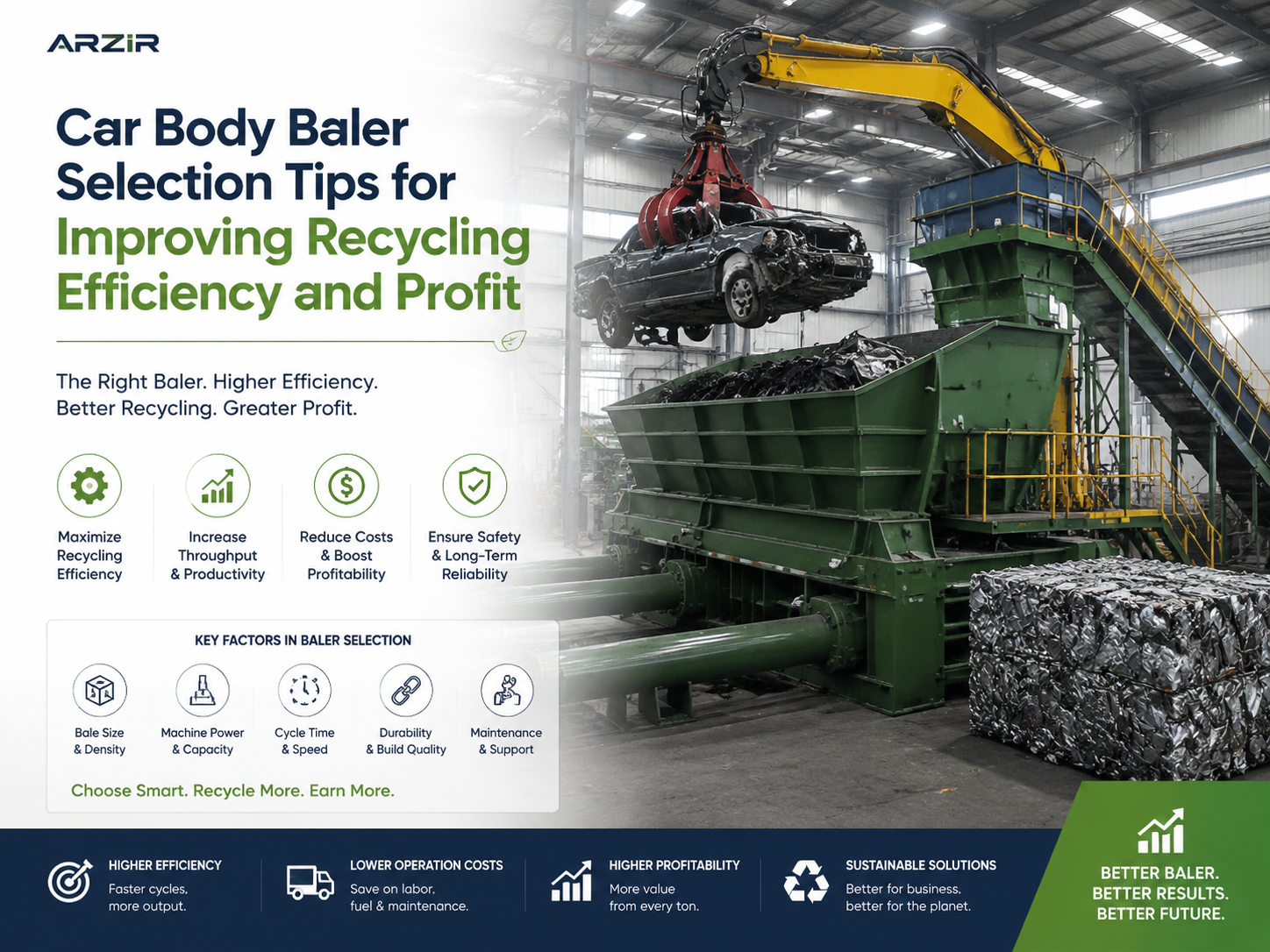
In the rapidly evolving landscape of the scrap metal industry, the efficiency of End-of-Life Vehicle (ELV) processing has become the primary differentiator between a profitable yard and one that struggles with overhead. A car body baler is not merely a piece of heavy machinery; it is the central engine of a recycling facility’s logistics and revenue stream. Selecting the right equipment requires a deep understanding of how mechanical specifications translate into daily operational throughput and long-term financial gains. This guide provides comprehensive car body baler selection tips for improving recycling efficiency and profit, ensuring that your investment yields the highest possible return.
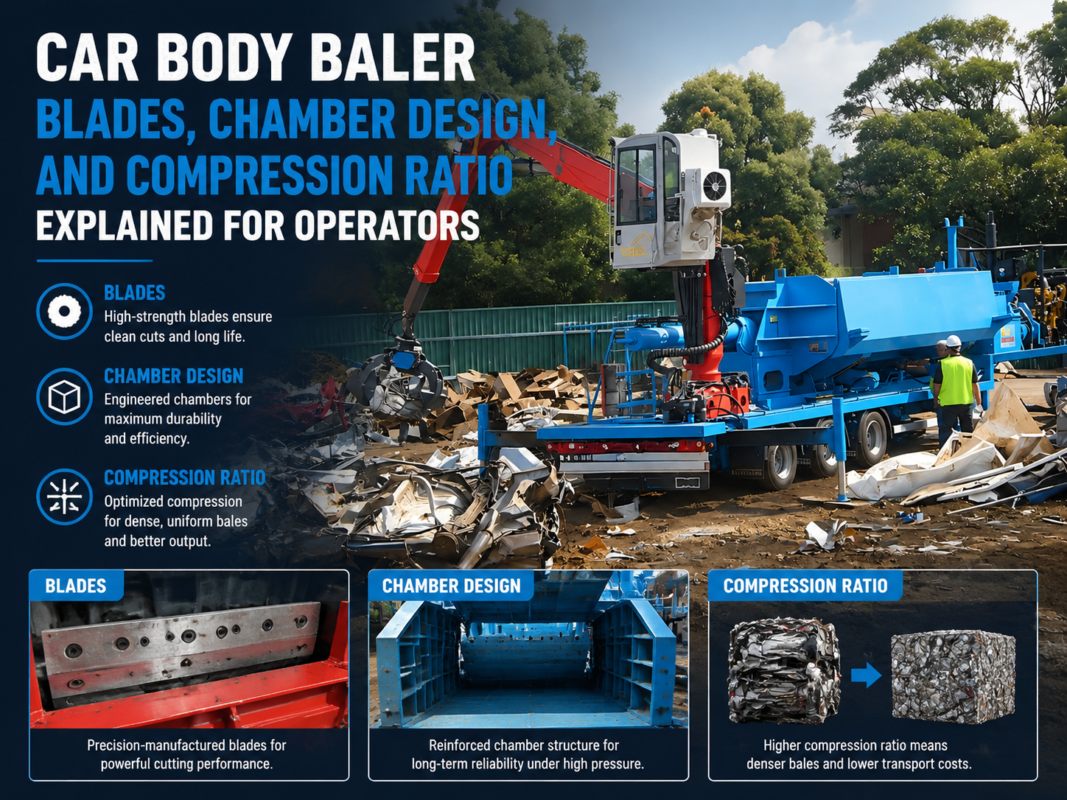
The primary goal of a car body baler is to reduce the volume of bulky scrap vehicles into dense, manageable cubes or ‘bales.’ This volume reduction is critical because the scrap industry is essentially a logistics game. The more weight you can fit onto a single trailer, the lower your transportation costs per ton. However, achieving high density without sacrificing cycle speed or incurring massive maintenance costs is a delicate balance. As global steel markets fluctuate, the ability to process large volumes of scrap quickly allows yard owners to capitalize on price spikes and maintain liquidity.
When we discuss car body baler selection tips for improving recycling efficiency and profit, we must look beyond the initial purchase price. We must evaluate the machine’s ‘total cost of ownership,’ which includes energy consumption, labor requirements, and the durability of wear parts. A machine that saves $50,000 upfront but costs $20,000 more per year in electricity and repairs is a poor investment. In the following sections, we will break down the technical and financial factors that define a high-performance baling operation.
Price Range Overview: Understanding the Market Tiers
The market for car body balers is diverse, ranging from small, portable units to massive, stationary multi-compression systems. Understanding the price tiers is the first step in narrowing down your selection. Generally, car body balers are categorized by their pressing force (measured in tons) and their mobility. Entry-level stationary balers typically start in the $60,000 to $100,000 range. these machines are suitable for smaller yards processing 5-10 cars per day. They offer basic hydraulic controls and standard steel construction, providing a reliable entry point for growing businesses.
Mid-range balers, which are the workhorses of the industry, typically fall between $120,000 and $250,000. In this bracket, you begin to see significant improvements in cycle times and automation. These machines often feature high-speed hydraulic circuits, larger charging boxes that can accommodate full-sized SUVs without prior dismantling, and more robust wear liners. For a medium-sized yard processing 20-40 vehicles daily, this tier offers the best balance of capital expenditure and operational efficiency.
At the high end of the spectrum, industrial-grade balers and mobile ‘logger-balers’ can exceed $400,000 to $600,000. These machines are designed for 24/7 operation and massive throughput. High-end models often include remote control operation, integrated cranes for self-loading, and advanced telematics for monitoring machine health. While the price tag is significant, the profit potential is maximized through extreme density and the ability to move the machine between multiple sites, reducing the need for multiple smaller installations.
Main Cost Drivers in Car Body Baler Manufacturing
Several technical factors dictate the price and performance of a car body baler. The most significant cost driver is the hydraulic system. High-quality pumps (such as those from Rexroth or Vickers) and precision-engineered cylinders are expensive but essential for longevity. A baler is only as good as its ability to generate and maintain pressure. Cheaper hydraulic components are prone to leaks, overheating, and pressure drops, which directly impact the density of your bales and the speed of your cycles.
The second major cost driver is the quality of the steel and the wear liners used in the compression box. The interior of a car body baler is a violent environment; jagged metal, glass, and hardened components are crushed against the walls with hundreds of tons of force. Premium balers utilize Hardox or similar abrasion-resistant steel liners. While these materials increase the initial cost, they prevent the structural frame of the machine from warping or wearing down, extending the machine’s lifespan from 5 years to 15+ years.
Automation and control systems also play a role. Modern balers utilize Programmable Logic Controllers (PLCs) to optimize the pressing cycle. An intelligent PLC can adjust the pressure and speed based on the resistance it encounters, preventing unnecessary strain on the motor and reducing energy consumption. Furthermore, features like automatic bale ejection and ‘auto-cycle’ modes allow a single operator to manage the entire process, significantly reducing labor costs—a key factor in improving recycling efficiency and profit.
Configuration Impact: Matching Machine to Operation
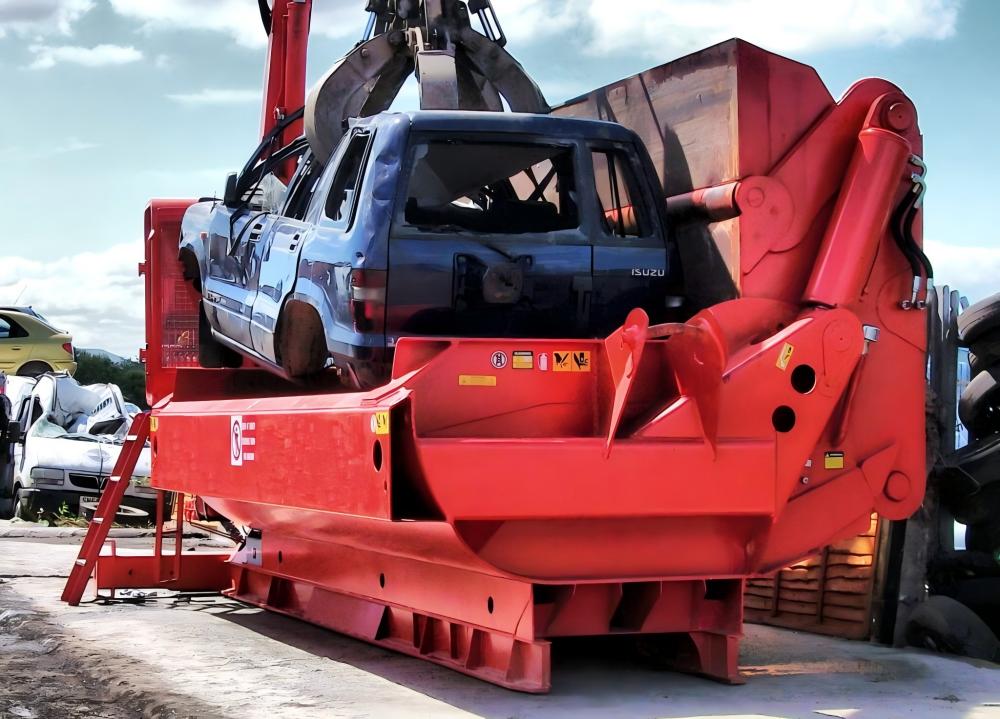
Choosing the right configuration is perhaps the most critical of all car body baler selection tips for improving recycling efficiency and profit. You must decide between a stationary unit and a mobile unit. Stationary balers are generally more powerful and have larger charging boxes, making them ideal for high-volume yards with a centralized processing area. They require a concrete foundation and a permanent power supply, but they offer the lowest processing cost per ton due to their efficiency and lower maintenance compared to mobile diesel-powered units.
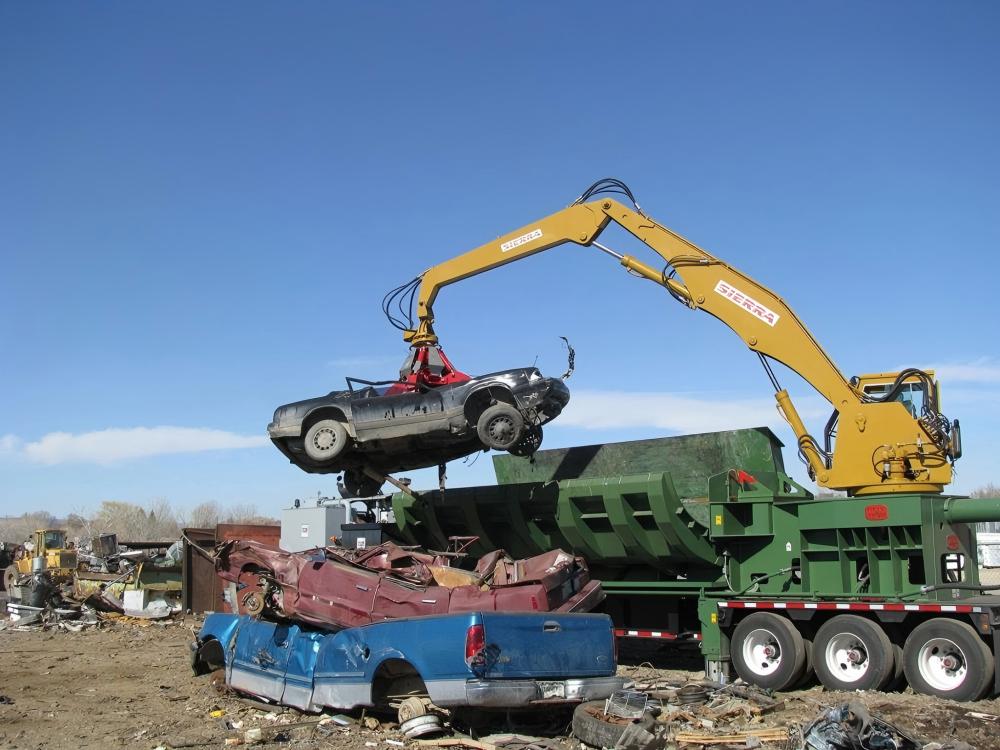
Mobile balers, often mounted on trailers or tracks, offer unparalleled flexibility. If your business involves traveling to different sites to clear out scrap or if you operate multiple small yards, a mobile unit is indispensable. However, mobile units are typically powered by diesel engines, which have higher fuel and maintenance costs than electric motors. Additionally, the constraints of being road-legal often mean the charging box is slightly smaller, which may require more prep work on the vehicles before they can be baled.
Another configuration detail is the ‘lid’ or ‘door’ design. Some balers use a ‘wing’ design where two sides fold in, while others use a heavy-duty ‘clamshell’ or ‘lid’ that presses down from the top. For car bodies, a high-force lid or ‘pre-compression’ wings are essential to flatten the roof and pillars before the main ram creates the final bale. The efficiency of this pre-compression phase determines the final cycle time; a well-designed lid can shave 30 seconds off every cycle, which adds up to dozens of extra tons processed every week.
Hidden Costs: What to Look for Beyond the Quote
When evaluating car body baler selection tips for improving recycling efficiency and profit, one must account for the ‘hidden’ costs that don’t appear on the initial sales quote. Installation is the first hurdle. For stationary units, the cost of pouring a reinforced concrete pad and bringing high-voltage industrial power to the site can range from $5,000 to $20,000. If the machine is electric, you may also need to upgrade your facility’s transformer, which is a significant additional expense.
Maintenance and wear parts are the most persistent hidden costs. Hydraulic oil is a major recurring expense; a large baler might hold 400-800 gallons of specialized hydraulic fluid. This oil must be filtered and occasionally replaced. Furthermore, the ‘knives’ or shearing blades used to trim excess metal during the baling process require regular sharpening and eventual replacement. If a machine uses non-standard blade sizes, you may be forced to buy expensive proprietary parts from the manufacturer, whereas a machine designed for standard parts offers more competitive sourcing options.
Energy consumption is another factor often overlooked. In regions with high electricity rates, the difference between a standard motor and a high-efficiency VFD (Variable Frequency Drive) motor can be thousands of dollars per year. Similarly, for diesel-powered mobile units, the fuel consumption rate per ton of processed scrap is a vital metric. A machine that is slightly more expensive but uses 15% less fuel will quickly pay for itself in a high-volume environment.
ROI Calculation: Turning Efficiency into Profit
To truly understand the value of your investment, you must perform a Return on Investment (ROI) calculation. Let’s look at a practical example. Suppose you are choosing between a manual baler that produces 10 bales per hour and an automated HARSLE baler that produces 20 bales per hour. If the profit margin per bale (after accounting for the purchase of the scrap and the sale to the mill) is $50, the faster machine generates an extra $500 per hour in gross profit.
Furthermore, consider the logistics. A standard flatbed trailer can carry approximately 20-24 tons. If your baler produces low-density bales, you might only fit 15 tons on a truck before it is physically full. If a high-pressure baler allows you to reach the 24-ton weight limit, you are effectively reducing your shipping costs by 37% per ton. In the scrap industry, where margins are often thin, these logistics savings frequently represent the difference between profit and loss.
Labor savings also contribute to ROI. An automated system with a remote control allows the loader operator to run the baler from the cab of their material handler. This eliminates the need for a dedicated ground technician to operate the baler controls. Saving one full-time salary (approximately $40,000 – $60,000 per year including benefits) can pay off the price difference of a more advanced machine in less than two years. When applying car body baler selection tips for improving recycling efficiency and profit, always calculate the ‘payback period’ based on these operational realities.
Buying Advice: A Step-by-Step Selection Checklist
When you are ready to make a purchase, follow this checklist to ensure you are getting the best machine for your specific needs. First, define your volume. Do not buy a machine rated for 100 cars a day if you only have access to 20; the idle time will kill your ROI. Conversely, do not under-buy, as running a small machine at its absolute limit 100% of the time will lead to premature mechanical failure and frequent downtime.
- Check the Cycle Time: Ask for a video or a live demonstration of a full cycle (loading, pressing, and ejecting). A cycle time under 120 seconds is standard for modern car balers.
- Inspect the Hydraulic Components: Ensure the pumps and valves are from reputable international brands. This ensures that you can find replacement parts locally if something breaks.
- Verify the Bale Dimensions: Ensure the resulting bales fit the requirements of the steel mills or shredders you sell to. Standard sizes like 600mm x 600mm are generally preferred.
- Evaluate the Charging Box Size: The box should be at least 4.5 to 5 meters long to accommodate modern vehicles without needing to cut them in half first.
- Assess the Safety Features: Look for emergency stop buttons, safety cages, and pressure relief valves. A safe workplace is a productive workplace.
Finally, consider the manufacturer’s reputation and after-sales support. Companies like HARSLE provide not just the machinery, but the technical expertise to help you integrate the baler into your workflow. Ensure that the manufacturer offers a comprehensive warranty and has a clear protocol for shipping spare parts. Downtime in a scrap yard is incredibly expensive, so having a partner who can provide quick support is invaluable.
Frequently Asked Questions (FAQ)
1. What is the average lifespan of a car body baler?
With proper maintenance, a high-quality industrial car body baler should last between 10 and 15 years. The structural frame can last even longer, though hydraulic cylinders and wear liners will likely need to be refurbished or replaced every 5-7 years depending on the volume of material processed.
2. Can a car body baler process other types of scrap?
Yes, most car body balers are versatile. They can process ‘white goods’ (appliances like refrigerators and washing machines), loose sheet metal, and aluminum scrap. However, they are not typically designed for heavy structural steel or thick rebar, which require a specialized scrap shear.
3. Is an electric or diesel motor better for a baler?
Electric motors are generally better for stationary installations because they are quieter, have lower maintenance requirements, and are usually cheaper to operate. Diesel engines are necessary for mobile units but require more frequent servicing (oil changes, filters) and have higher fuel costs.
4. How much space is required for a car body baler installation?
A stationary baler itself might take up a 10m x 5m area, but you need significantly more space for the ‘in-feed’ pile of cars and the ‘out-feed’ area for finished bales. A total working area of at least 500 square meters is recommended to allow material handlers to move safely around the machine.
5. Does the machine need a specialized operator?
While modern balers are easy to operate thanks to PLC automation, the person running the machine should be trained in basic hydraulic maintenance and safety protocols. Most yards use the material handler operator to trigger the baling cycles via remote control, which maximizes labor efficiency.
6. How do I know if my bales are dense enough?
The industry standard for ‘log’ or ‘bale’ density varies, but generally, you want to achieve a density that allows you to hit the maximum legal weight on your transport trucks. If you are consistently hitting your weight limits before the truck is physically full, your density is sufficient.
7. What are the most common causes of baler downtime?
The most common issues are hydraulic leaks, contaminated hydraulic oil, and electrical sensor failures. Regular preventative maintenance, such as checking hose integrity and keeping the oil clean, can prevent 90% of unplanned downtime. Using high-quality components from the start significantly reduces these risks.