Car Body Baler Buying Guide: Capacity, Power, and Safety Factors to Consider

Introduction to Car Body Baler Procurement
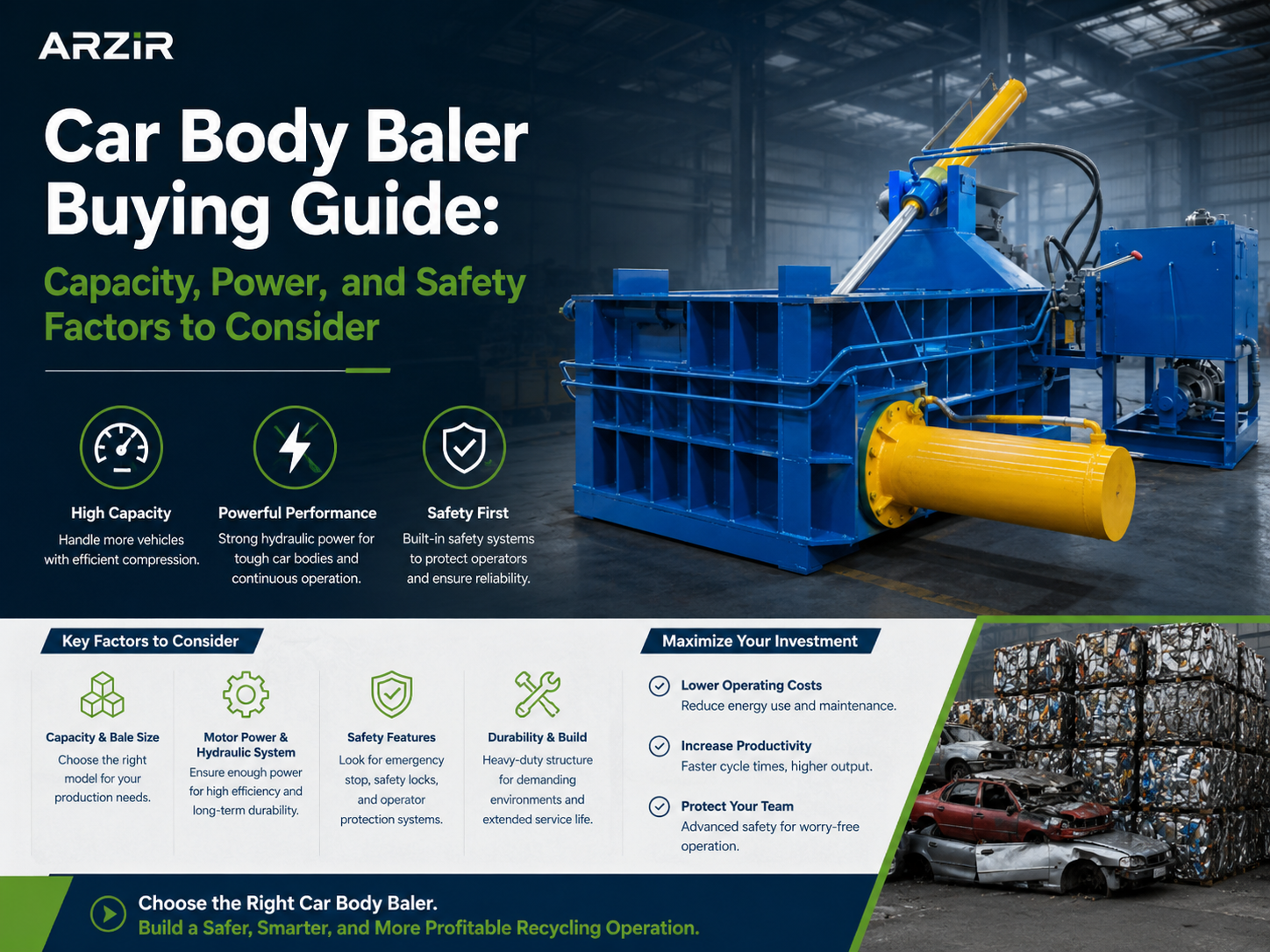
In the rapidly evolving world of scrap metal recycling, the efficiency of your processing equipment directly dictates your bottom line. For scrap yard owners and metal fabrication professionals, investing in a car body baler is a significant capital expenditure that requires careful deliberation. This Car Body Baler Buying Guide: Capacity, Power, and Safety Factors to Consider is designed to navigate the complexities of the market, ensuring you select a machine that balances performance with long-term reliability. Whether you are upgrading an existing facility or starting a new recycling venture, understanding the technical nuances of these machines is paramount.
A car body baler is not merely a press; it is a sophisticated hydraulic system designed to reduce the volume of end-of-life vehicles (ELVs) into dense, transportable cubes. This process significantly reduces logistics costs and increases the value of the scrap metal when sold to steel mills. However, the market is flooded with various configurations, from mobile units to massive stationary installations. Choosing the wrong capacity or underestimating power requirements can lead to operational bottlenecks or premature equipment failure. In this guide, we will break down the essential components of Car Body Baler Buying : Capacity, Power, Safety Factors Consider to help you make an informed decision.
Price Range Overview: What to Expect
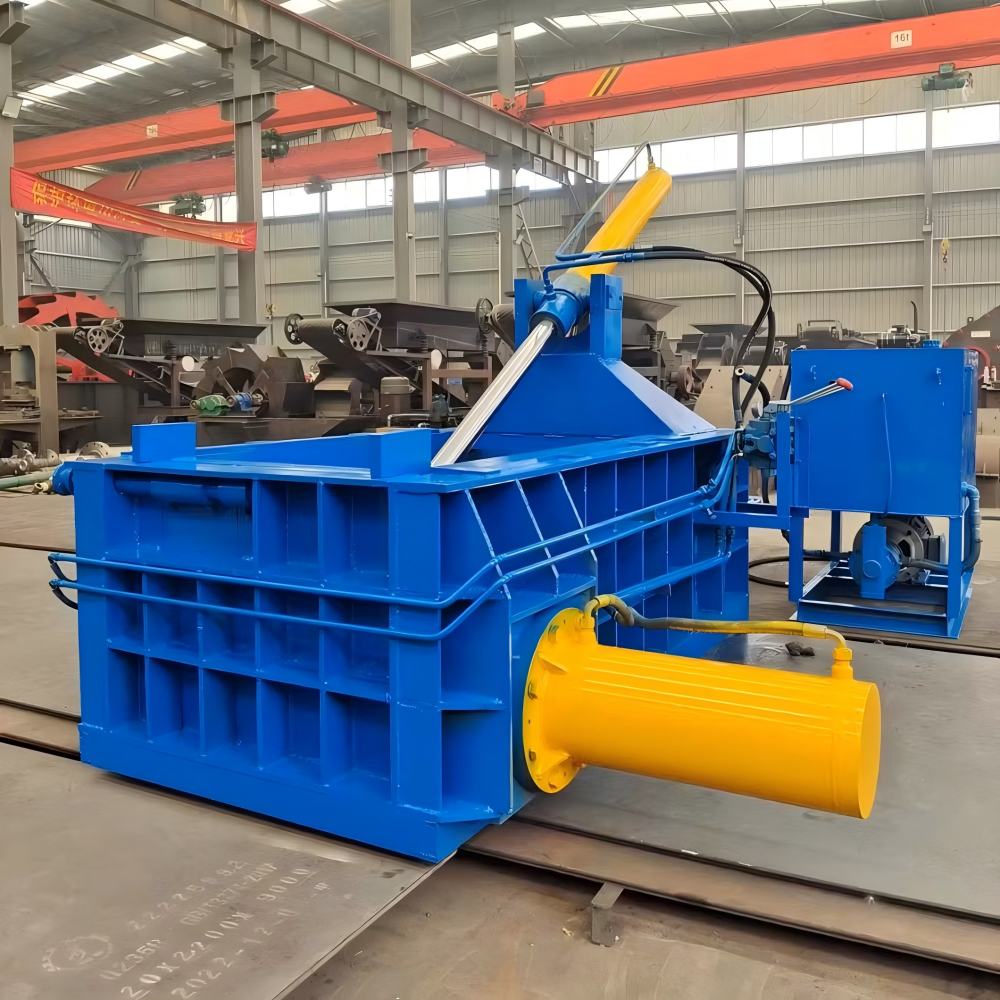
The cost of a car body baler varies significantly based on its design, tonnage, and mobility. Generally, the market is divided into three primary price tiers. Entry-level or smaller mobile units typically range from $40,000 to $80,000. These machines are ideal for smaller yards or operations that require the flexibility to move the baler between different sites. While they offer lower upfront costs, they often have smaller chamber sizes and slower cycle times, which may limit daily throughput.
Mid-range stationary balers, which are the workhorses of the industry, generally fall between $90,000 and $180,000. These machines offer a balance of high pressing force (often between 200 to 400 tons) and robust construction. They are designed for continuous operation and can handle a higher volume of cars per hour. At the top end of the spectrum are heavy-duty, fully automated systems that can exceed $250,000. These units feature advanced PLC controls, high-speed hydraulics, and massive chambers capable of processing SUVs and light trucks with ease.
| Baler Category | Estimated Price Range (USD) | Typical Application | Key Feature |
|---|---|---|---|
| Mobile/Portable Units | $40,000 – $80,000 | Small yards, on-site processing | Diesel engine, towing hitch |
| Standard Stationary | $90,000 – $180,000 | Medium-sized recycling centers | Electric motor, high durability |
| Heavy-Duty Industrial | $200,000+ | Large scale scrap processors | Full automation, 400+ ton force |
Main Cost Drivers in Car Body Baler Buying
When evaluating the price of a machine, it is crucial to understand what drives the cost. The primary driver is the hydraulic system. High-quality pumps (such as those from Rexroth or Vickers) and precision-engineered cylinders are expensive but essential for the longevity of the machine. A baler is only as good as its ability to generate and maintain pressure. Cheaper models often use inferior hydraulic components that are prone to leaks and pressure drops, leading to higher maintenance costs over time.
Another significant factor is the quality of steel and wear liners used in the baling chamber. Car bodies are abrasive and contain various hardened components. To prevent the chamber from warping or wearing out prematurely, manufacturers like HARSLE use high-tensile steel and replaceable wear plates made of Hardox or similar abrasion-resistant materials. The thickness of the frame and the reinforcement of the pressing lids also contribute to the overall weight and cost of the machine, but they ensure the unit can withstand thousands of cycles without structural failure.
Automation and control systems also play a role. A basic manual valve system is cheaper but requires a skilled operator and is slower. In contrast, a modern PLC-controlled system with a remote control allows for semi-automatic cycles, reducing labor costs and improving safety. The integration of sensors for oil temperature, pressure monitoring, and bale positioning adds to the initial cost but provides critical data to prevent catastrophic breakdowns.
Configuration Impact: Capacity and Power
The configuration of the baler is perhaps the most critical aspect of Car Body Baler Buying : Capacity, Power, Safety Factors Consider. Capacity is defined by two metrics: the physical size of the baling chamber and the cycle time. If you frequently process large American SUVs or vans, a standard chamber designed for compact cars will be insufficient. You must ensure the chamber dimensions (length, width, and depth) can accommodate your largest expected input without the need for extensive pre-cutting, which adds labor costs.
Power requirements are equally vital. Most stationary balers run on three-phase electric power. You must verify that your facility’s electrical grid can handle the high amperage draw during the peak of the compression cycle. For remote locations, a diesel-powered hydraulic power unit (HPU) is necessary. The horsepower of the motor or engine determines the flow rate of the hydraulic oil, which in turn dictates the cycle time. A more powerful motor allows the rams to move faster, increasing the number of bales produced per shift.
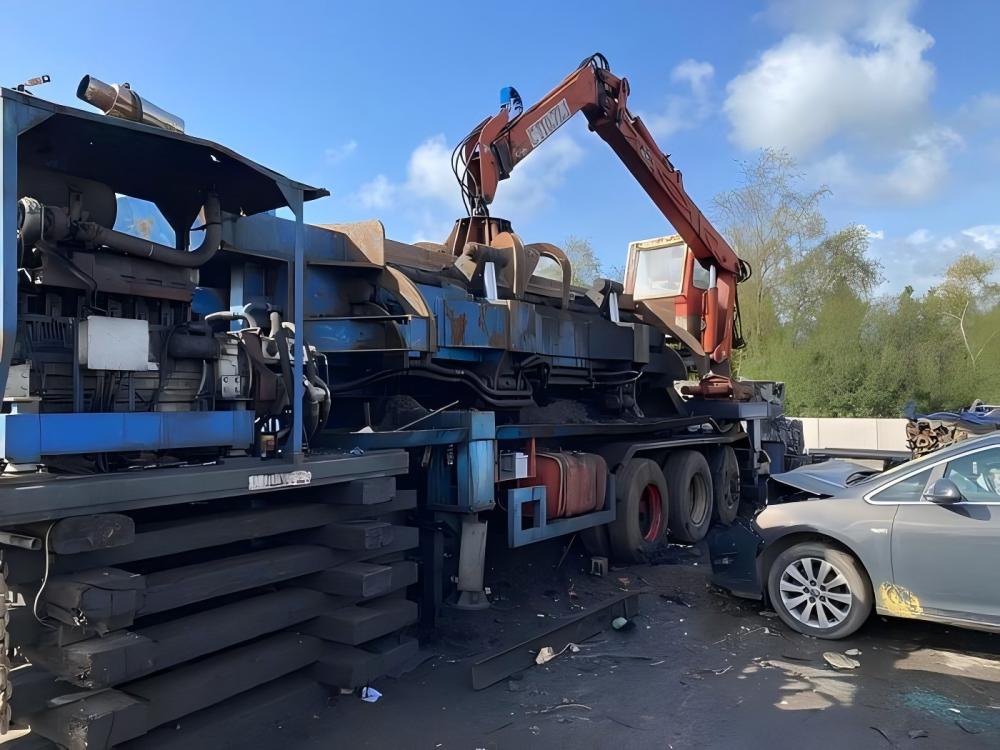
Furthermore, the number of compression rams (single, double, or triple action) affects the density of the final bale. A triple-action baler compresses the car from three sides, resulting in a highly dense cube that maximizes shipping container space. While more complex and expensive, these configurations are often preferred by high-volume exporters who need to minimize freight costs per ton of scrap.
Hidden Costs of Ownership
The purchase price is just the beginning. Buyers must account for logistics and installation. Shipping a 30-ton machine requires specialized heavy-haul trucking and often a crane for offloading and positioning. Site preparation is another factor; a stationary baler requires a reinforced concrete pad to handle the vibration and weight. Failure to provide a stable foundation can lead to frame misalignment and hydraulic seal failure.
Operational fluids represent a significant ongoing expense. A large car body baler can require 500 to 1,000 liters of high-grade hydraulic oil. This oil must be filtered and periodically replaced. Additionally, wear parts such as hydraulic seals, filters, and chamber liners are consumables. It is wise to inquire about the availability and cost of these spare parts before purchasing. Choosing a manufacturer with a local service network or a robust parts inventory, like HARSLE, can save thousands in downtime costs.
Finally, consider training and compliance. Operators must be trained not only on how to run the machine but also on how to perform daily maintenance checks. Improper loading of the chamber (e.g., leaving heavy engine blocks in the car) can damage the rams. Ensuring your team is well-versed in the machine’s limits is essential for protecting your investment.
ROI Calculation: Is the Investment Worth It?
Calculating the Return on Investment (ROI) for a car body baler involves analyzing the difference between the cost of unprocessed scrap and the value of baled scrap, minus operational costs. Baled scrap typically fetches a higher price at the mill because it is easier to handle and melt. More importantly, the density of a bale allows you to fit significantly more weight into a single truckload. If you can increase your payload from 10 tons of loose cars to 22 tons of baled scrap per truck, your transportation costs are effectively halved.
Consider this example: If a baler costs $120,000 and saves you $50 per car in logistics and labor, you would need to process 2,400 cars to break even on the capital cost. For a medium-sized yard processing 10 cars a day, the machine pays for itself in less than a year. Beyond the direct financial gain, a baler keeps your yard organized, reduces fire hazards associated with loose scrap piles, and improves the professional image of your business, which can lead to better contracts with suppliers.
Buying Advice: Choosing the Right Manufacturer
When you are ready to move forward with Car Body Baler Buying : Capacity, Power, Safety Factors Consider, the choice of manufacturer is critical. Do not be swayed by the lowest price alone. Look for a company with a proven track record in scrap machinery. Ask for references and, if possible, visit a site where the machine is currently in operation. A reputable manufacturer will provide detailed technical specifications, including the grade of steel used and the brands of hydraulic components.
Ensure the manufacturer offers a comprehensive warranty and technical support. In the world of heavy machinery, things will eventually break. The difference between a minor inconvenience and a business-halting disaster is how quickly you can get parts and expert advice. HARSLE, for instance, provides extensive documentation and remote support to ensure their machines stay operational. Also, check for CE or ISO certifications, which indicate the machine meets international safety and quality standards.
Safety Factors to Consider
Safety should never be an afterthought in Car Body Baler Buying : Capacity, Power, Safety Factors Consider. These machines exert hundreds of tons of force and can be extremely dangerous if not handled correctly. Essential safety features include emergency stop buttons located at multiple points around the machine, safety interlocks on the chamber lids that prevent the rams from moving if the lid is not properly secured, and protective guarding for all moving parts and hydraulic hoses.
The structural integrity of the machine is also a safety factor. A frame that flexes under pressure can cause hydraulic lines to burst or metal fragments to be ejected from the chamber. High-quality balers are designed with a high safety factor in their structural calculations. Furthermore, consider the noise levels. Industrial balers are loud; choosing a machine with a modern, high-efficiency hydraulic system can reduce noise pollution, creating a safer and more comfortable environment for your workers.
Frequently Asked Questions (FAQ)
1. How long does a typical car body baler last?
With proper maintenance, a high-quality car body baler can last 15 to 20 years. The lifespan is heavily dependent on the quality of the hydraulic oil, the frequency of liner replacement, and whether the machine is operated within its rated capacity.
2. Can a car body baler process other types of scrap?
Yes, most car body balers are versatile and can process white goods (appliances), sheet metal, and various non-ferrous materials. However, you should avoid processing heavy structural steel or large solid shafts that exceed the machine’s shearing or pressing capabilities.
3. What is the difference between a baler and a logger?
A baler produces a compact, rectangular cube (bale) that is held together by the friction and deformation of the metal. A logger produces a longer, less dense “log” that is typically used as feed for a large industrial shredder. Balers are generally preferred for direct sale to mills.
4. Do I need a special permit to operate a car body baler?
Permit requirements vary by region. Generally, you will need an environmental permit for scrap metal processing and must comply with local zoning and noise ordinances. Always check with your local municipal authorities before installation.
5. How often should I change the hydraulic oil?
Most manufacturers recommend a full oil change every 2,000 to 4,000 operating hours, or at least once a year. However, regular oil analysis can help you determine the exact condition of the fluid and extend its life while protecting the pumps.
6. Is it better to buy a new or used car body baler?
While used machines are cheaper, they often come with hidden wear and no warranty. For a critical piece of equipment like a baler, buying new from a reputable manufacturer like HARSLE ensures you have the latest safety features, maximum efficiency, and full factory support.