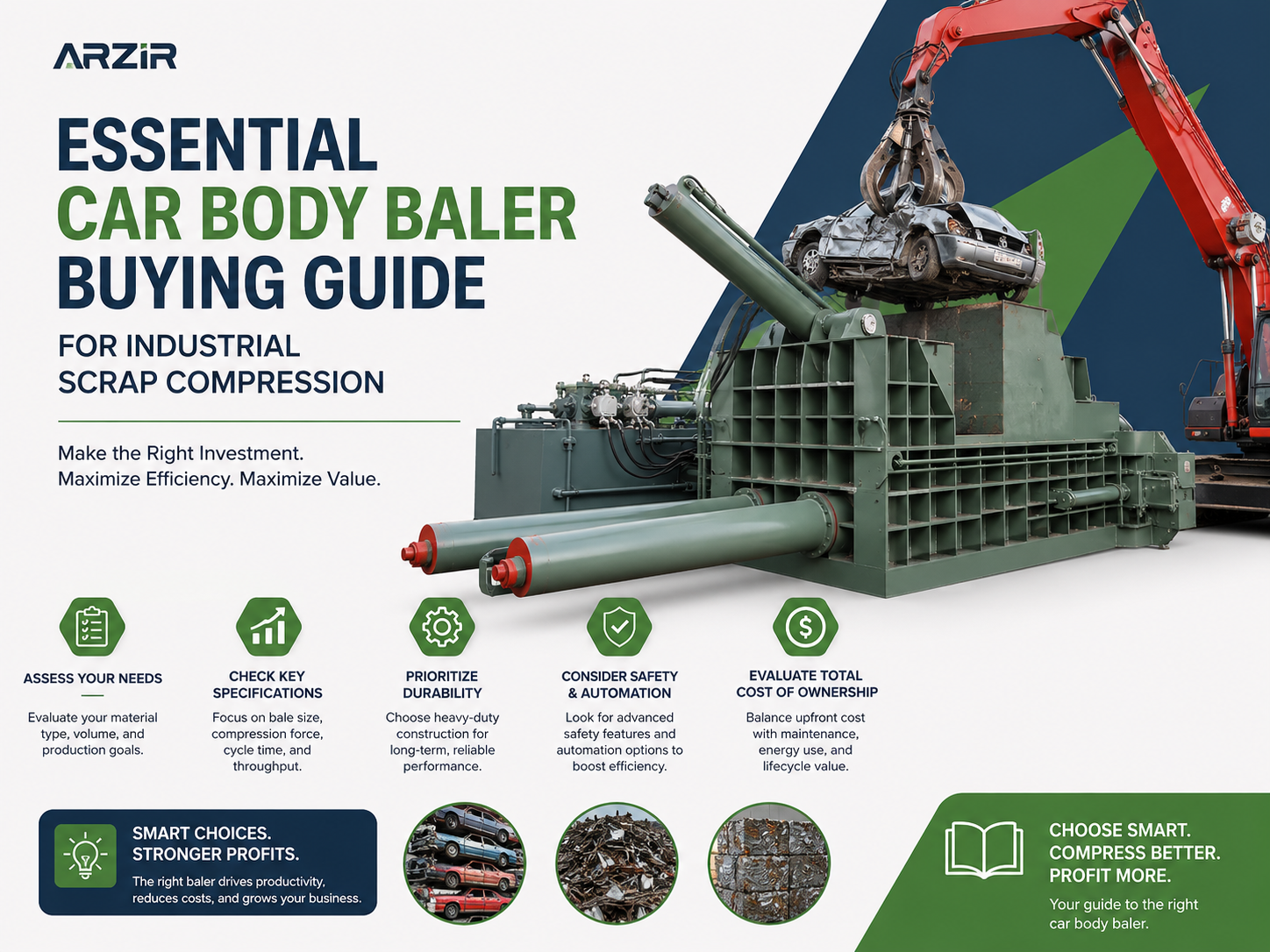
Essential Car Body Baler Buying Guide for Industrial Scrap Compression

Introduction to Industrial Scrap Compression and Car Body Balers
In the rapidly evolving landscape of metal recycling, the efficiency of processing End-of-Life Vehicles (ELVs) has become a cornerstone of profitability for scrap yards and industrial recycling centers. The Essential Car Body Baler Buying Industrial Scrap Compression process involves more than just crushing metal; it is about optimizing logistics, maximizing density, and ensuring the safety of operators. A car body baler is a specialized hydraulic press designed to compress entire vehicle shells, including light structural steel and sheet metal, into dense, manageable blocks or bales.
As global demand for recycled steel continues to rise, the pressure on recycling facilities to process higher volumes with lower overheads has intensified. Investing in a high-quality car body baler is no longer a luxury but a necessity for businesses looking to scale. These machines significantly reduce the volume of scrap, allowing for more efficient transport. Instead of hauling a few loose car shells on a flatbed, a baler allows you to stack dozens of dense bales onto a single trailer, drastically cutting fuel costs and carbon footprints.
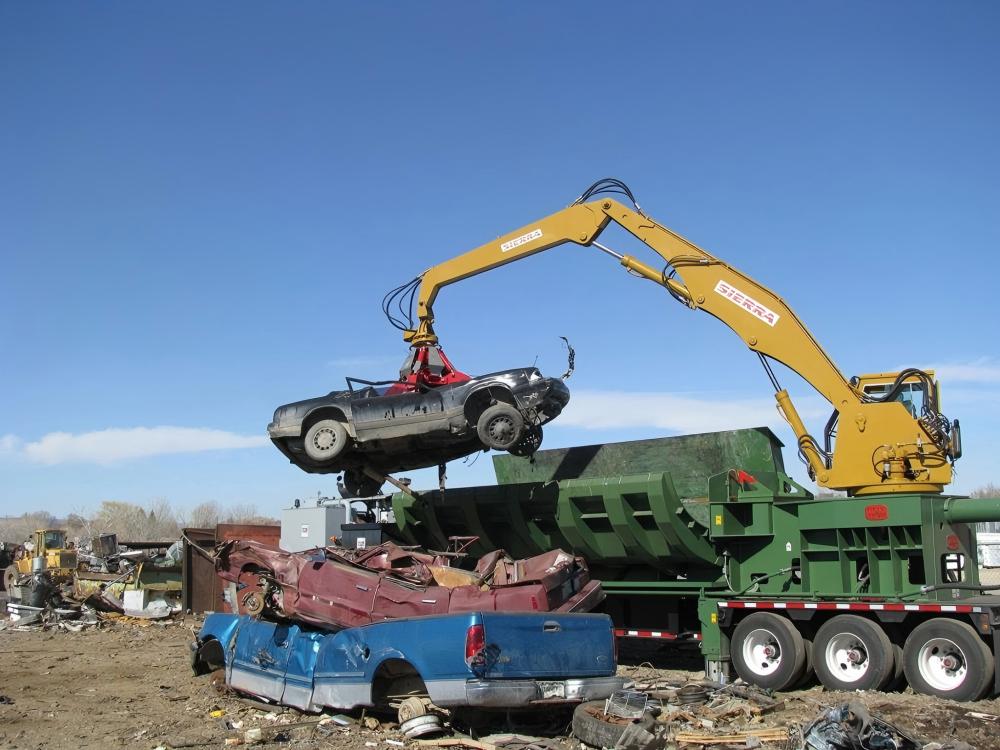
Choosing the right equipment requires a deep understanding of hydraulic force, chamber dimensions, and cycle times. This guide aims to provide a comprehensive overview of everything a buyer needs to know before making a significant capital investment in a car body baler. From understanding the initial price range to calculating the long-term return on investment (ROI), we will cover the technical and financial aspects of Essential Car Body Baler Buying Industrial Scrap Compression.
Price Range Overview: What to Expect
The market for car body balers is diverse, with prices ranging from entry-level mobile units to massive, stationary multi-stage compression systems. Generally, a professional-grade car body baler can cost anywhere from $50,000 to over $300,000. This wide variance is dictated by the machine’s capacity, the complexity of its hydraulic system, and its mobility features. For small to medium-sized scrap yards, a mid-range stationary baler priced between $80,000 and $150,000 often provides the best balance of performance and cost.
Entry-level machines are typically designed for lower volumes, perhaps processing 5 to 10 cars per hour. These machines often feature simpler hydraulic circuits and smaller compression chambers. While they are more affordable, they may lack the speed and bale density required for high-volume industrial operations. On the other end of the spectrum, high-end industrial balers are built for 24/7 operation, capable of processing upwards of 20 to 30 cars per hour with fully automated cycles. These machines utilize premium components like Rexroth valves and Siemens PLCs, which contribute to their higher price point.
When evaluating the price, it is crucial to look beyond the sticker price. A cheaper machine might save money upfront but could lead to higher operational costs due to slower cycle times and more frequent maintenance. Conversely, a more expensive, high-efficiency baler can pay for itself through increased throughput and reduced labor costs. Buyers should categorize their needs based on daily tonnage requirements to determine which price bracket aligns with their business goals.
Main Cost Drivers in Car Body Baler Manufacturing
Several technical factors influence the manufacturing cost and, subsequently, the selling price of a car body baler. Understanding these drivers is essential for Essential Car Body Baler Buying Industrial Scrap Compression. The most significant cost driver is the hydraulic system. The quality of the main cylinders, the capacity of the hydraulic pumps, and the sophistication of the valve blocks determine the machine’s pressing force and speed. High-pressure systems that offer faster cycle times require more expensive, precision-engineered components.
Another major factor is the material used in the construction of the compression chamber. Because scrap metal is incredibly abrasive, the interior of the baler must be lined with wear-resistant plates. Industry leaders like HARSLE use Hardox or similar high-strength alloy steels for these liners. The thickness and grade of these plates directly impact the machine’s lifespan. A baler with thin, low-grade liners will require frequent and costly replacements, whereas a premium machine is built to withstand years of abrasive contact with jagged scrap metal.
- Hydraulic Force: Higher tonnage (e.g., 250 tons vs. 400 tons) requires larger cylinders and more robust frames.
- Cycle Time: Faster cycles require high-flow pumps and advanced cooling systems to prevent overheating.
- Automation: PLC-controlled systems with remote monitoring and automatic bale ejection add to the initial cost but improve safety and efficiency.
- Steel Quality: The use of heavy-duty structural steel for the frame ensures the machine does not warp under the immense pressure of compression.
Finally, the power source plays a role. Electric-driven balers are common for stationary setups and are generally more energy-efficient. However, diesel-powered units are necessary for mobile applications, and the cost of a high-torque industrial diesel engine (like those from Cummins or Perkins) adds significantly to the machine’s total price.
Configuration Impact: Mobile vs. Stationary and Design Types
The configuration of a car body baler is perhaps the most critical decision in the Essential Car Body Baler Buying Industrial Scrap Compression process. Buyers must choose between stationary and mobile units. Stationary balers are ideal for established scrap yards with a consistent flow of material. They are typically bolted to a reinforced concrete pad and can be integrated into a larger conveyor or shredder system. These units offer the highest stability and are generally easier to maintain due to the lack of a chassis and wheels.
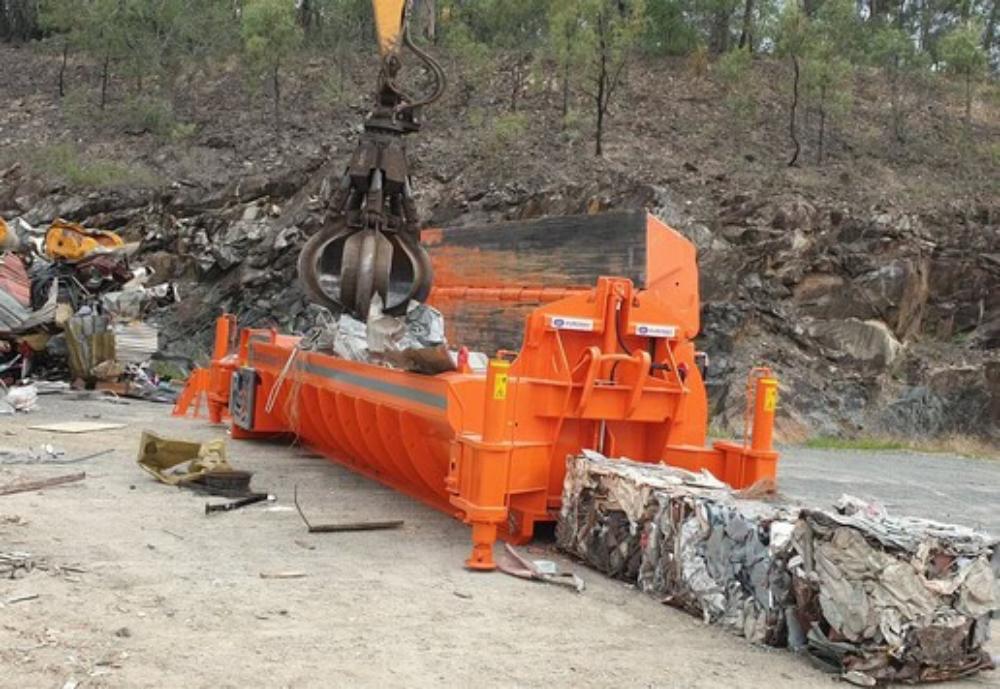
Mobile car body balers, often mounted on a trailer or a hook-lift frame, provide unparalleled flexibility. They allow recycling companies to travel to the source of the scrap—such as auto wreckers or temporary cleanup sites—and process the material on-site. This eliminates the need to transport uncrushed car shells, which is highly inefficient. However, mobile units are more expensive due to the added cost of the trailer, braking systems, and independent power units. They also require more rigorous maintenance to ensure the mobile chassis remains road-worthy.
Beyond mobility, the design of the compression mechanism is vital. The two most common designs are the “Lid” (or Clamshell) baler and the “Triple Compression” baler. Lid balers use a heavy-duty hinged cover to crush the car from the top before a longitudinal ram pushes it into a bale. This design is excellent for bulky ELVs. Triple compression balers apply force from three directions, resulting in the highest possible bale density. While more complex and expensive, triple compression is preferred for high-value scrap where maximizing container weight is the priority.
Hidden Costs of Owning a Car Body Baler
When planning a budget for Essential Car Body Baler Buying Industrial Scrap Compression, many buyers overlook the secondary costs associated with operation and installation. For stationary units, the cost of site preparation can be substantial. This includes pouring a thick, reinforced concrete foundation capable of handling the machine’s weight and the vibrations generated during the compression cycle. Additionally, bringing high-voltage industrial power to the site may require transformer upgrades or extensive electrical work.
Maintenance is another ongoing cost that must be factored in. Hydraulic oil is a significant expense; a large baler can require over 1,000 liters of specialized hydraulic fluid. This oil must be filtered and replaced periodically to prevent damage to the pumps and valves. Wear parts, specifically the liner plates mentioned earlier, are consumable items. Depending on the volume of scrap processed, these may need to be rotated or replaced every 12 to 24 months. Failing to account for these parts in the annual budget can lead to unexpected downtime.
Common Hidden Expenses Checklist:
- Operator Training: Ensuring staff can safely and efficiently operate the complex hydraulic and PLC systems.
- Freight and Logistics: Shipping a 30-ton machine from the manufacturer to your facility can cost thousands of dollars.
- Hydraulic Cooling: In hot climates, additional oil cooling systems may be necessary to maintain continuous operation.
- Insurance: Specialized industrial machinery insurance is required to cover potential accidents or equipment failure.
ROI Calculation: Turning Scrap into Profit
The primary reason for Essential Car Body Baler Buying Industrial Scrap Compression is to increase the profitability of a recycling operation. To calculate the Return on Investment (ROI), one must look at the “Cost per Ton” of processed material. The most immediate saving comes from transportation. A standard flatbed trailer can carry roughly 5 to 8 uncrushed car shells. The same trailer can carry 20 to 25 tons of baled scrap. By quadrupling the weight per load, a company can reduce its transport costs by 75%.
Consider a yard that processes 1,000 cars per month. Without a baler, they might require 150 truck trips to move that material to a secondary processor. With a baler, they could reduce that to 40 trips. If each trip costs $300, the monthly savings on logistics alone would be $33,000. At this rate, a $150,000 baler would pay for itself in less than five months. Furthermore, baled scrap often commands a higher price per ton at the steel mill because it is cleaner and easier for the mill to handle in their furnaces.
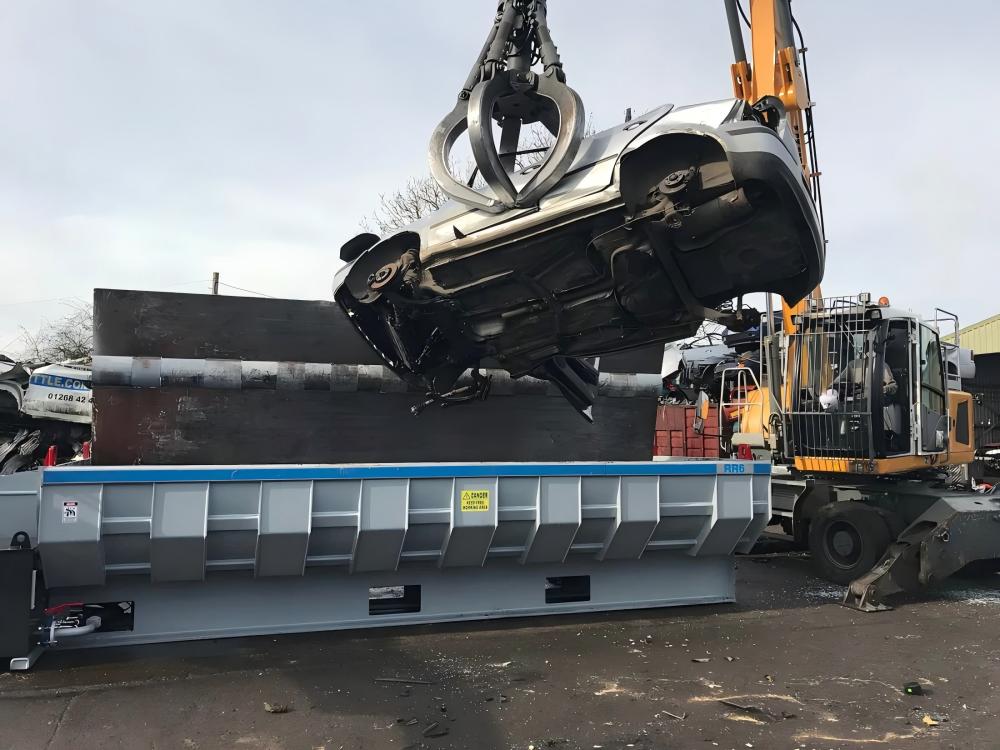
Labor efficiency also contributes to ROI. Modern balers with remote controls allow a single operator to load the machine with a crane and trigger the baling cycle without leaving the cab. This reduces the headcount required on the yard floor and minimizes the risk of workplace injuries. When these factors—logistics, labor, and material value—are combined, the financial argument for a high-quality HARSLE car body baler becomes undeniable.
Buying Advice: How to Choose the Right Manufacturer
When you are ready to proceed with Essential Car Body Baler Buying Industrial Scrap Compression, the choice of manufacturer is paramount. You are not just buying a machine; you are entering into a long-term partnership for parts and technical support. Look for manufacturers like HARSLE that have a proven track record in the metal fabrication and recycling industry. A reputable manufacturer should provide detailed technical specifications, including the grade of steel used, the brand of hydraulic components, and the expected cycle times.
Always request a video of the machine in operation or, if possible, visit a facility where the machine is currently in use. Pay close attention to the quality of the welds and the routing of the hydraulic hoses. Messy hose routing is often a sign of poor overall engineering. Furthermore, inquire about the availability of spare parts. Does the manufacturer stock common seals, filters, and liner plates in your region? Downtime in the scrap industry is incredibly expensive, and waiting weeks for a part from overseas can be devastating to your bottom line.
Finally, consider the “future-proofing” of the machine. As environmental regulations tighten, machines with lower noise levels and more efficient engines or motors will be more valuable. Ask about the PLC’s capabilities—can it be updated? Does it offer diagnostic codes to help troubleshoot issues quickly? A machine that is easy to diagnose and repair will always provide a better long-term value than a “black box” system that requires a factory technician for every minor adjustment.
Frequently Asked Questions (FAQ)
1. What is the average cycle time for a car body baler?
Most industrial car body balers have a cycle time between 60 and 120 seconds. This includes the time to compress the car and eject the bale. High-performance models from HARSLE can achieve faster times through the use of high-flow hydraulic pumps and regenerative circuits.
2. Can a car body baler process other types of scrap?
Yes, while specifically designed for ELVs, these balers are highly versatile. They can process white goods (appliances), sheet metal clippings, aluminum extrusions, and other light-to-medium gauge steel scrap. However, they should not be used for heavy structural beams or solid shafts, which could damage the chamber.
3. How much maintenance does a hydraulic baler require?
Daily maintenance includes checking oil levels and greasing pivot points. Weekly tasks involve inspecting hydraulic hoses for leaks and checking the tightness of the liner plate bolts. A full hydraulic oil change and filter replacement are typically required every 2,000 hours of operation.
4. Is a mobile baler as powerful as a stationary one?
Generally, yes. The pressing force is determined by the hydraulic cylinders and pump pressure, which can be identical in both configurations. The main difference is the stability and the power source (diesel vs. electric). Mobile units are designed to be just as rugged as their stationary counterparts.
5. What size bale does a standard car baler produce?
The most common bale size for car bodies is approximately 40″ x 24″ x variable length (usually around 20-30 inches). This size is optimized for loading into standard shipping containers or onto flatbed trailers, maximizing the weight capacity of the transport vehicle.
6. Does HARSLE provide installation and training?
Yes, HARSLE offers comprehensive support, including installation guidance and operator training. Ensuring that your team knows how to operate the machine safely and perform routine maintenance is a key part of our service commitment to our global customers.