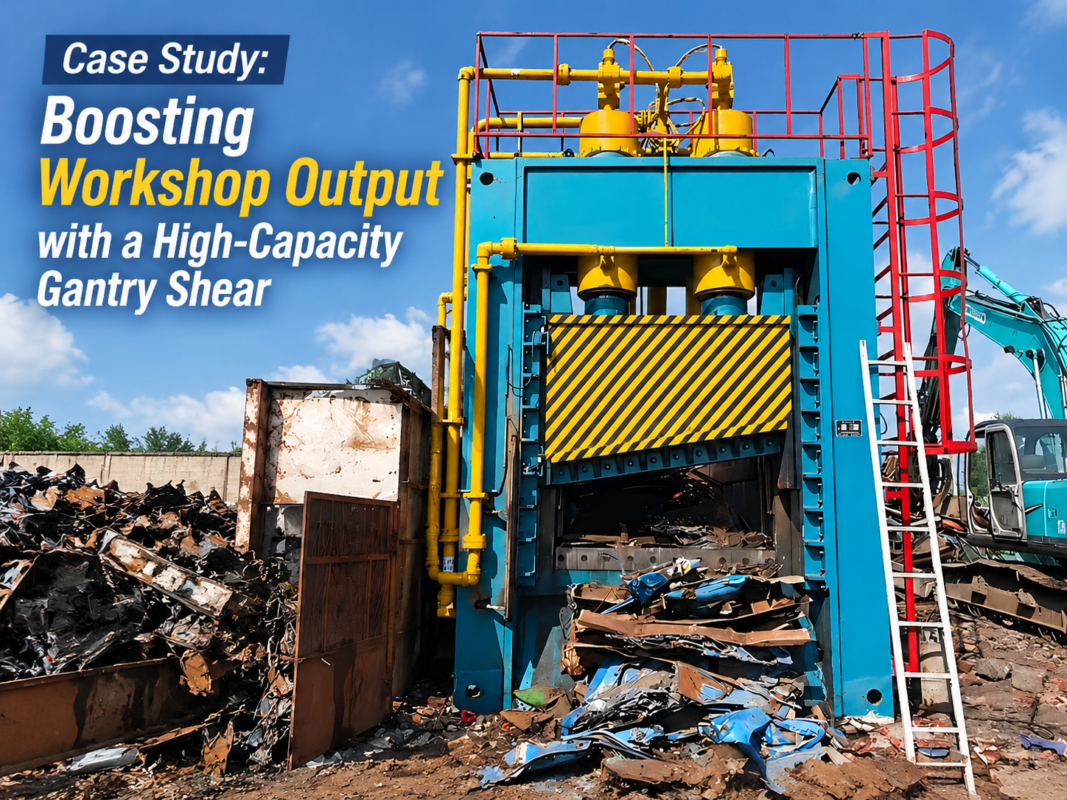
Comprehensive Guide: How to Select Gantry Shear Blades for Different Metal Types

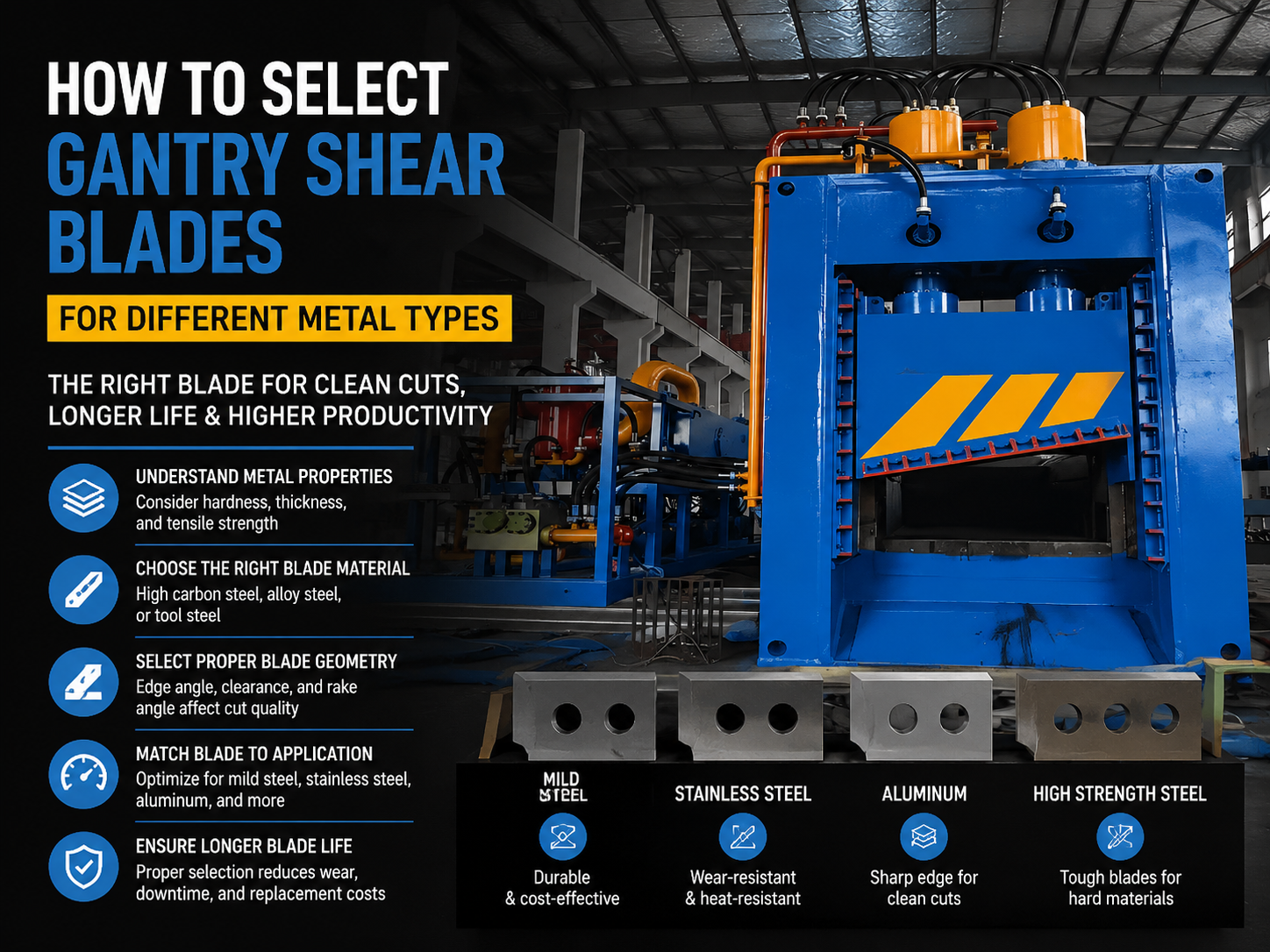
Technical Overview of Gantry Shear Blades
In the heavy-duty world of metal recycling and industrial fabrication, the gantry shear stands as a titan of productivity. However, the efficiency of these massive machines is fundamentally dictated by a relatively small component: the shear blades. To select gantry shear blades for different metal types is not merely a matter of finding a piece of steel that fits; it is a complex engineering decision that involves metallurgy, geometry, and mechanical force dynamics. Gantry shears are designed to process everything from thin aluminum sheets to thick structural steel beams and hardened scrap. Each of these materials exerts a unique set of stresses on the blade edge.
The primary function of a gantry shear blade is to initiate a fracture in the workpiece through localized plastic deformation. This process requires the blade material to possess a higher yield strength and hardness than the material being cut, while maintaining enough toughness to resist the shock loads inherent in hydraulic shearing. When we discuss how to select gantry shear blades for different metal types, we are essentially looking for the optimal balance between wear resistance (to maintain sharpness) and impact toughness (to prevent chipping). Using a blade designed for soft copper on high-carbon steel scrap will result in immediate edge failure, while using an ultra-hard blade on thin, gummy aluminum might lead to excessive material sticking and poor cut quality.
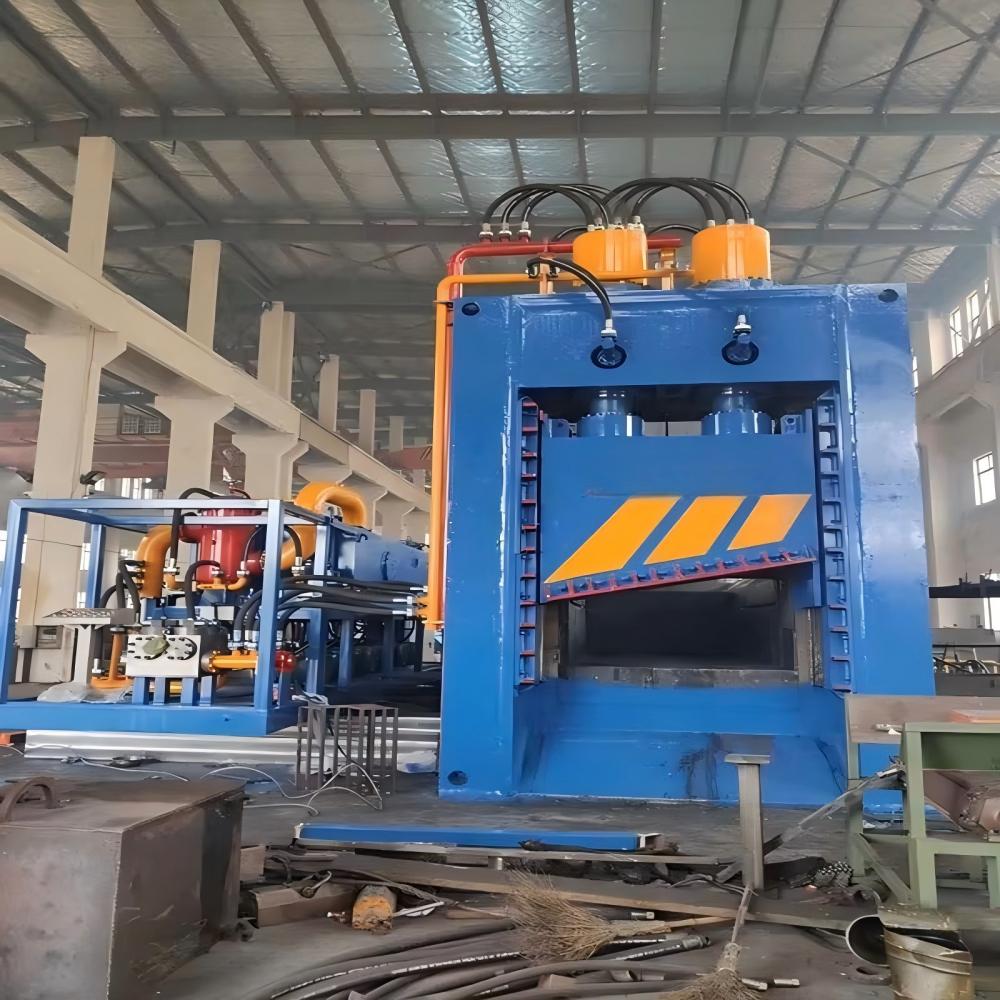
Modern gantry shear blades are typically manufactured from high-alloy tool steels. Common grades include 9CrSi, 6CrW2Si, Cr12MoV (D2), and H13. Each of these alloys offers different characteristics. For instance, 9CrSi is an excellent general-purpose steel for thinner materials, while Cr12MoV is preferred for high-production environments where wear resistance is paramount. Understanding these material properties is the first step in the selection process. The heat treatment process—quenching and tempering—is equally critical, as it determines the final Rockwell hardness (HRC) of the blade, which typically ranges from 52 to 60 HRC depending on the application.
Furthermore, the physical environment of the gantry shear must be considered. In scrap yards, blades are often exposed to contaminants like dirt, rust, and varying temperatures. In a controlled factory setting, the focus might be more on precision and edge longevity. Therefore, the technical overview of blade selection must encompass both the internal metallurgy of the blade and the external variables of the shearing operation. By aligning these factors, operators can significantly extend the lifespan of their equipment and reduce the total cost of ownership.
Core Parameters for Blade Selection
When you aim to select gantry shear blades for different metal types, several core parameters must be evaluated. The first and most critical is the Blade Material Grade. For shearing soft metals like aluminum or mild steel, a blade with high toughness is required to handle the high-speed impact without cracking. For harder materials like stainless steel or alloy scrap, high-carbon, high-chromium steels are necessary to resist the abrasive nature of the metal. The chemical composition, specifically the percentages of Chromium, Tungsten, and Vanadium, dictates how the blade will perform under thermal and mechanical stress.
The second parameter is Hardness (HRC). Hardness is a double-edged sword in blade selection. A harder blade (e.g., 58-60 HRC) will stay sharp longer when cutting abrasive materials but is more prone to “brittle fracture” or chipping if it hits an unexpectedly hard object or if the machine is misaligned. Conversely, a softer blade (e.g., 52-54 HRC) is much tougher and can withstand significant shocks, but it will dull faster, leading to “burrs” on the cut material and increased strain on the hydraulic system. Finding the “sweet spot” for your specific metal type is essential for operational efficiency.
The third parameter is Blade Geometry and Clearance. Clearance refers to the horizontal gap between the upper and lower blades as they pass each other. This is not a fixed value; it must be adjusted based on the thickness and tensile strength of the metal being processed. If the clearance is too tight for a thick plate, the friction increases exponentially, leading to heat buildup and blade deformation. If the clearance is too wide for thin sheet metal, the material will simply fold between the blades rather than being sheared, causing a “jam” that can damage the gantry’s guide rails.
Finally, consider the Rake Angle. The rake angle is the slope of the upper blade relative to the lower blade. A higher rake angle reduces the required shearing force because it cuts the material gradually (like a pair of scissors). However, a high rake angle can cause more distortion in the sheared piece. When selecting blades for high-precision fabrication, a lower rake angle might be preferred, whereas for bulk scrap processing, a higher rake angle is often used to protect the machine’s hydraulic cylinders from peak pressure spikes.
Calculation Method for Shearing Force and Clearance
To accurately select gantry shear blades for different metal types, one must employ mathematical formulas to ensure the machine and the blades are not overstressed. The most fundamental calculation is the Shearing Force (F). The formula is generally expressed as:
F = L × S × τb
Where:
– L is the length of the cut (mm).
– S is the thickness of the material (mm).
– τb is the shear strength of the material (MPa).
For example, if you are shearing a 20mm thick mild steel plate with a shear strength of 400 MPa over a length of 1000mm, the force required is substantial. If the calculated force exceeds the rated capacity of your gantry shear, you must either reduce the cut length or increase the rake angle to distribute the load. This calculation helps in choosing a blade material that can withstand the specific pressure (Force divided by the contact area of the blade edge).
Another vital calculation is the Blade Clearance (C). A common rule of thumb for industrial shears is that the clearance should be between 5% and 10% of the material thickness. However, this varies by metal type:
– Soft Metals (Aluminum, Copper): 5-7% of thickness.
– Medium Metals (Mild Steel): 8-10% of thickness.
– Hard Metals (Stainless Steel, High-Carbon Steel): 12-15% of thickness.
Using the wrong clearance calculation is the leading cause of premature blade wear. If you are processing a mix of materials, you must calculate the clearance for the thickest and hardest material in the batch to prevent catastrophic blade collision, or ideally, adjust the clearance between different jobs. Modern HARSLE gantry shears often feature automated or semi-automated clearance adjustment systems to simplify this process, but the operator must still understand the underlying physics to input the correct parameters.
Parameter Table for Metal Types and Blade Specifications
The following table provides a reference guide to help you select gantry shear blades for different metal types based on standard industrial practices.
| Metal Type | Recommended Blade Material | Hardness (HRC) | Recommended Clearance (% of Thickness) | Key Characteristic |
|---|---|---|---|---|
| Mild Steel (A36) | 9CrSi / 6CrW2Si | 54-56 | 8% – 10% | General purpose, high toughness |
| Stainless Steel (304/316) | Cr12MoV / D2 | 58-60 | 12% – 15% | High wear resistance, anti-galling |
| Aluminum Alloys | H13 / 6CrW2Si | 52-54 | 5% – 7% | Low friction, resists sticking |
| Scrap Rebar / Structural | Cr12MoV / High Alloy | 56-58 | 10% – 12% | Impact resistance, edge retention |
| Copper / Brass | 9CrSi | 50-52 | 5% | Precision edge, low burr |
| High-Carbon Steel | Specialized Tungsten Steel | 60-62 | 15% | Extreme hardness, brittle |
Note: These values are guidelines. Always consult your HARSLE equipment manual for specific machine tolerances and manufacturer recommendations. The choice of blade material may also depend on the frequency of use; for 24/7 operations, investing in higher-grade D2 or H13 steel is usually more cost-effective due to reduced downtime for sharpening.
Common Engineering Mistakes in Blade Selection
One of the most frequent mistakes when people select gantry shear blades for different metal types is prioritizing initial cost over “cost per cut.” Low-quality blades made from inferior steel grades may look identical to high-performance blades but will lose their edge rapidly. This leads to increased “draw-in,” where the metal is pulled into the gap rather than cut, putting immense lateral pressure on the gantry’s ram and potentially scoring the hydraulic cylinders.
Another common error is ignoring thermal expansion. During high-speed or continuous shearing of thick plates, the blades generate significant heat. If the clearance was set too tight at the start of the shift, the thermal expansion of the blades can cause them to expand and actually strike each other during the stroke. This results in “blade clashing,” which can shatter the edges of expensive tool steel blades. Operators should always allow for a slight “warm-up” period and re-check clearances if the machine is running hot.
Furthermore, many engineers fail to account for the surface condition of the metal. Shearing rusted scrap or metal with heavy scale (mill scale) is much more abrasive than shearing clean, cold-rolled steel. If the blade material isn’t hard enough to resist this abrasion, the edge will round off within hours. Conversely, if the metal is coated or galvanized, the coating can flake off and build up on the blade face, changing the effective clearance and causing uneven cuts. Regular cleaning and the use of appropriate lubricants can mitigate these issues, but the initial blade selection must account for these environmental factors.
Finally, a mistake often seen in scrap yards is using the same blade set for wildly different thicknesses. While a gantry shear is versatile, using a blade set up for 40mm structural steel to cut 2mm sheet will result in a terrible cut and likely jam the machine. The “one size fits all” approach is the enemy of efficiency. Successful facilities often keep multiple sets of blades or dedicated machines for different material categories to ensure that the blade geometry always matches the workpiece.
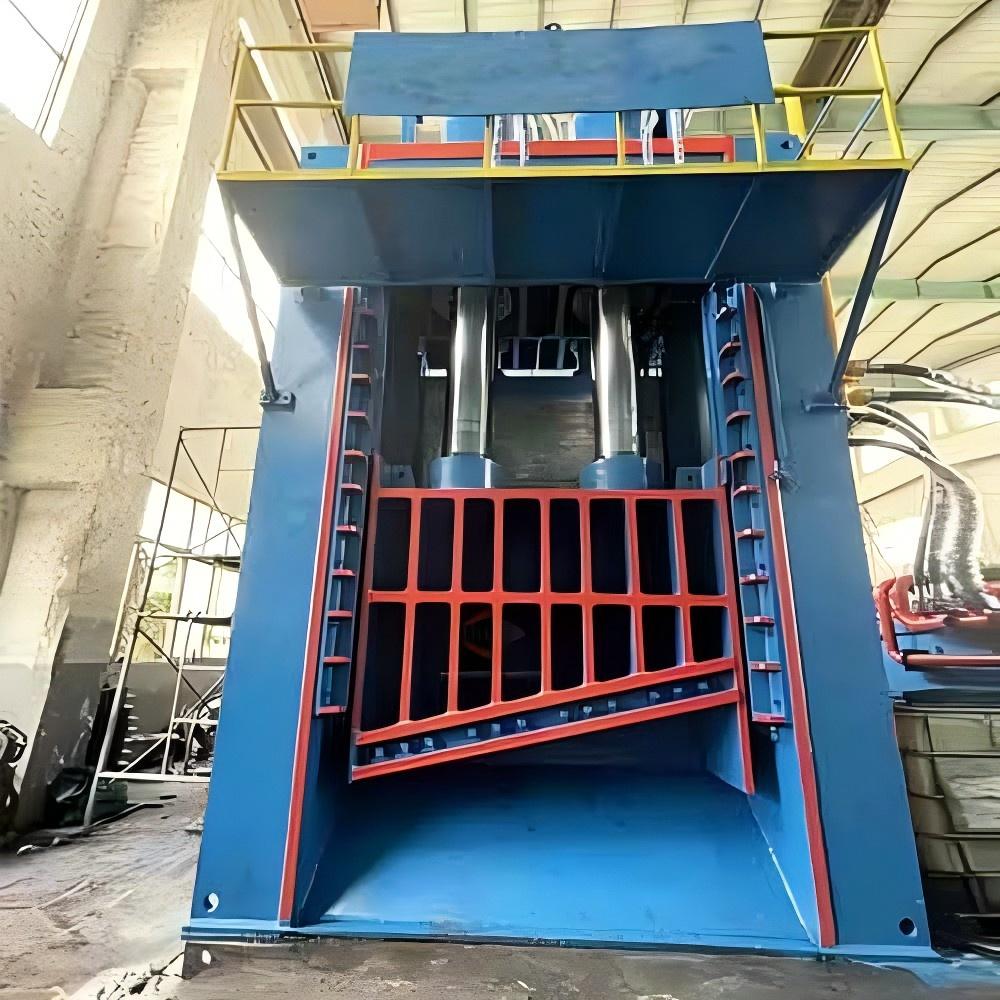
Selection Checklist for Gantry Shear Blades
To ensure you select gantry shear blades for different metal types correctly every time, follow this comprehensive checklist before making a purchase or starting a new production run:
- Identify the Primary Material: What is the most common metal you will be cutting? (Mild steel, stainless, aluminum, or mixed scrap?)
- Verify Material Thickness: Determine the maximum and minimum thickness. This dictates the required blade toughness and the range of clearance adjustment.
- Check Tensile Strength: Look up the MPa rating of your material. Ensure the blade material and the machine’s hydraulic force can handle the load.
- Select Blade Alloy: Choose 9CrSi for economy/light duty, Cr12MoV for high-wear/production, or H13 for high-temperature/heavy-impact applications.
- Confirm Hardness Requirements: Ensure the HRC rating is appropriate—higher for thin/hard materials, lower for thick/shock-heavy materials.
- Inspect Blade Dimensions: Double-check the length, width, and thickness of the blades to ensure they fit the HARSLE gantry seat perfectly.
- Evaluate Bolt Hole Alignment: Ensure the mounting holes match your machine’s specific model to avoid costly modifications.
- Assess Coating Options: For specialized applications, consider TiN (Titanium Nitride) coatings to reduce friction and heat.
- Plan for Maintenance: Do you have a local vendor capable of regrinding these specific alloy blades?
- Budget for Spares: Always keep at least one backup set of blades to prevent total downtime during a blade failure.
Frequently Asked Questions (FAQ)
1. How often should I rotate or sharpen my gantry shear blades?
The frequency depends entirely on the material being cut. For mild steel, you might get 500-1,000 tons of scrap processed before needing a rotation. For stainless steel, this might drop by 50%. Most gantry shear blades are 4-sided; once one edge is dull, you can rotate the blade to a fresh edge. Once all four edges are worn, the blades must be professionally reground.
2. Can I use the same blades for both aluminum and steel?
While physically possible, it is not recommended. Aluminum requires a very sharp edge and tight clearance to prevent burring, while steel requires more robust support. If you must switch, ensure you thoroughly clean the blades and reset the clearance. Using blades dulled by steel on aluminum will result in poor quality and potential material welding to the blade.
3. Why did my new blades chip after only a few hours of use?
Chipping is usually caused by one of three things: the blade material is too hard (brittle) for the impact load, the blade clearance was set too tight causing a collision, or the material being cut contained a “hard spot” (like a hardened bolt or tool steel scrap) that exceeded the blade’s impact resistance.
4. What is the benefit of Cr12MoV over 9CrSi?
Cr12MoV (equivalent to D2) contains high carbon and high chromium, providing much better wear resistance and through-hardening capabilities. It is ideal for high-volume industrial environments. 9CrSi is a lower-cost alloy that is easier to sharpen but wears out faster under heavy use.
5. How does temperature affect blade selection?
In very cold environments, tool steel becomes more brittle and prone to cracking. If operating in sub-zero temperatures, it is vital to pre-heat the blades or use a grade with higher nickel content for improved low-temperature toughness. Conversely, in hot environments, H13 steel is preferred as it maintains its hardness at elevated temperatures.
6. Does HARSLE provide custom blade configurations?
Yes, HARSLE offers various blade configurations tailored to specific customer needs, including different alloy grades and edge geometries. When you select gantry shear blades for different metal types through HARSLE, our engineers can provide specific recommendations based on your machine model and application data.