Top Factors That Influence Gantry Shear Cutting Precision: A Comprehensive Technical Guide

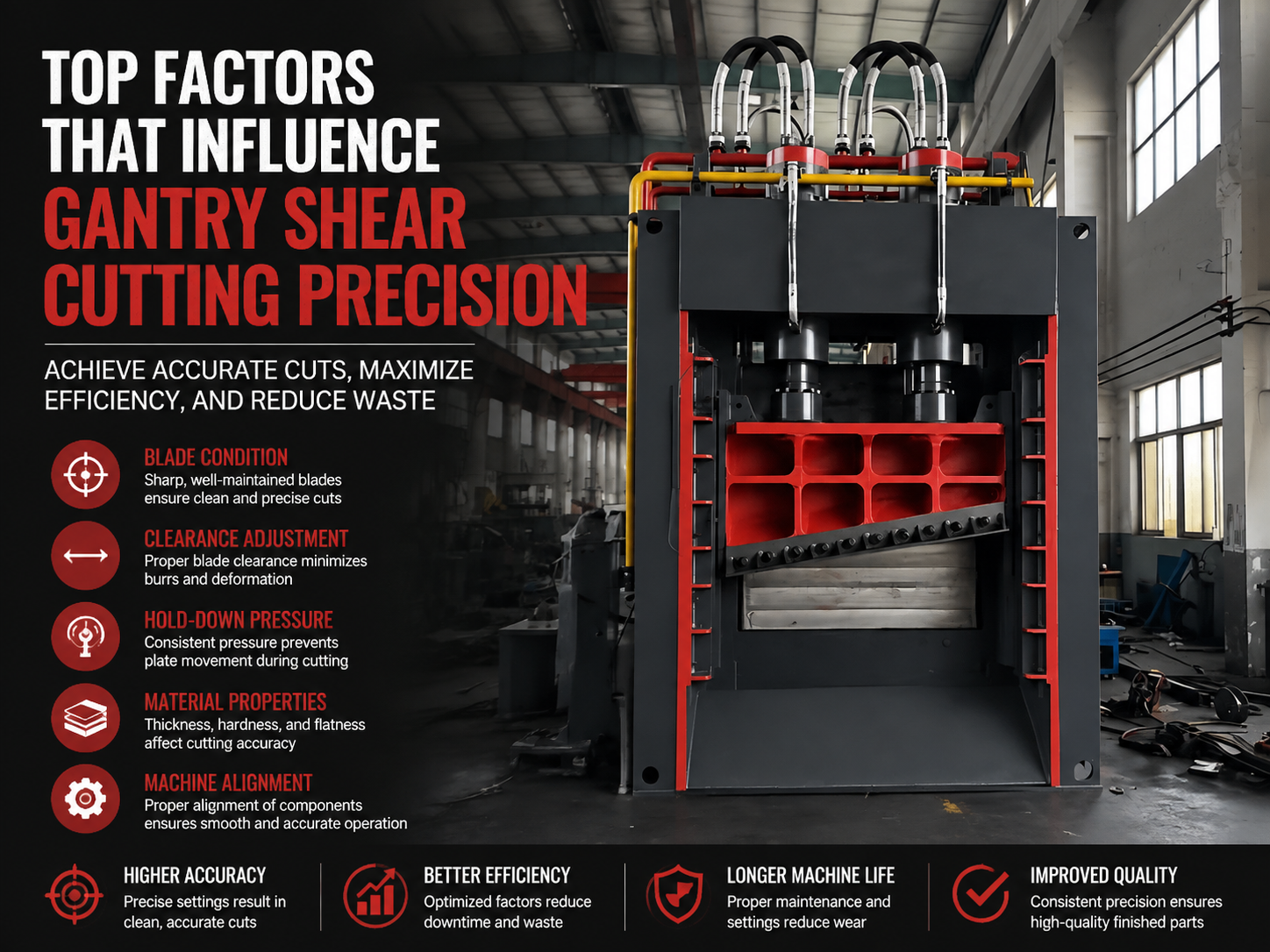
Technical Overview of Gantry Shear Precision
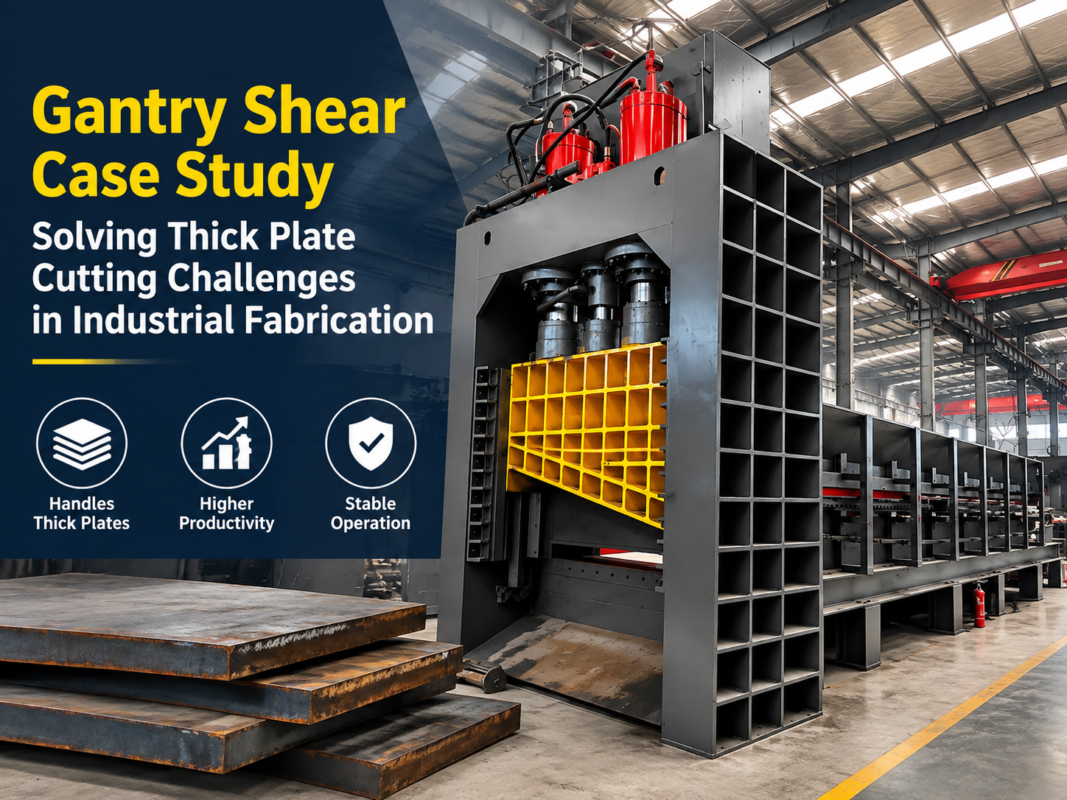
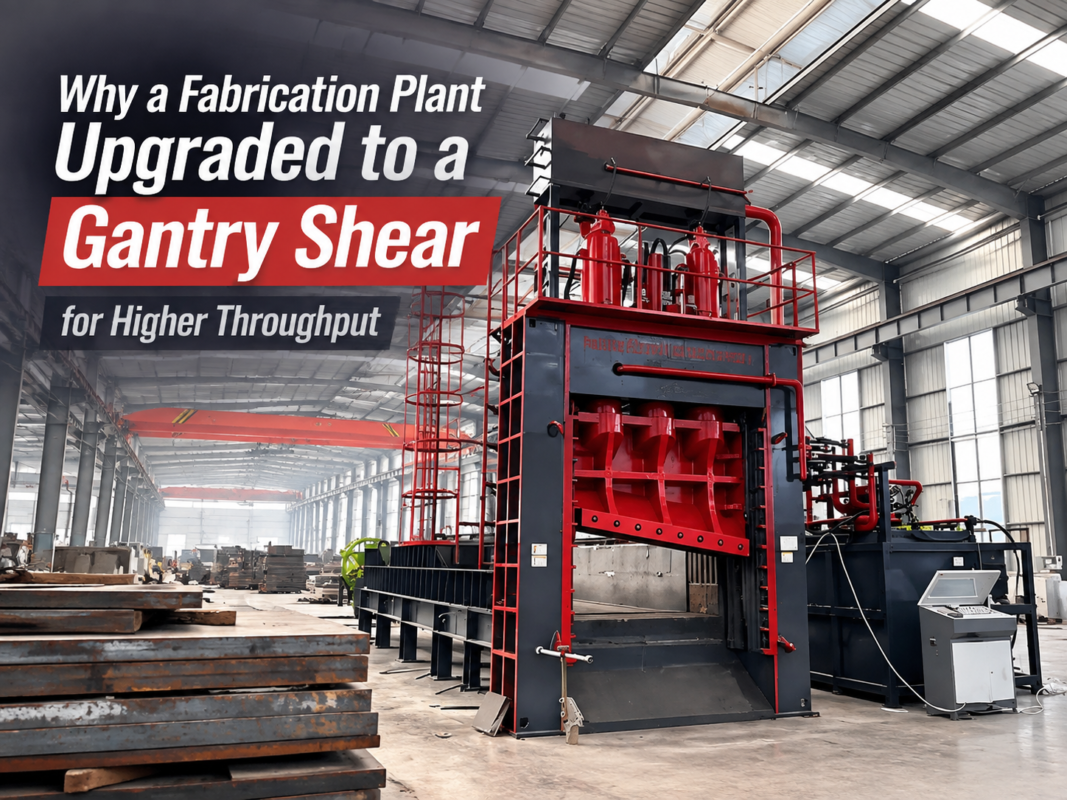
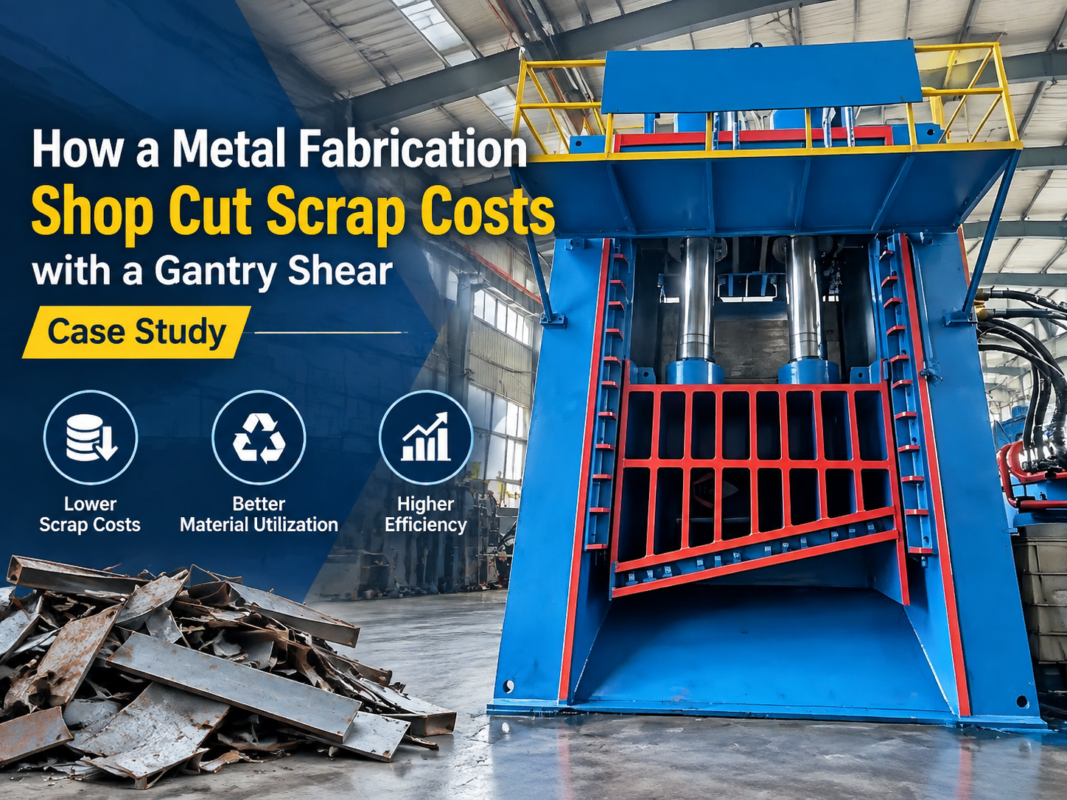
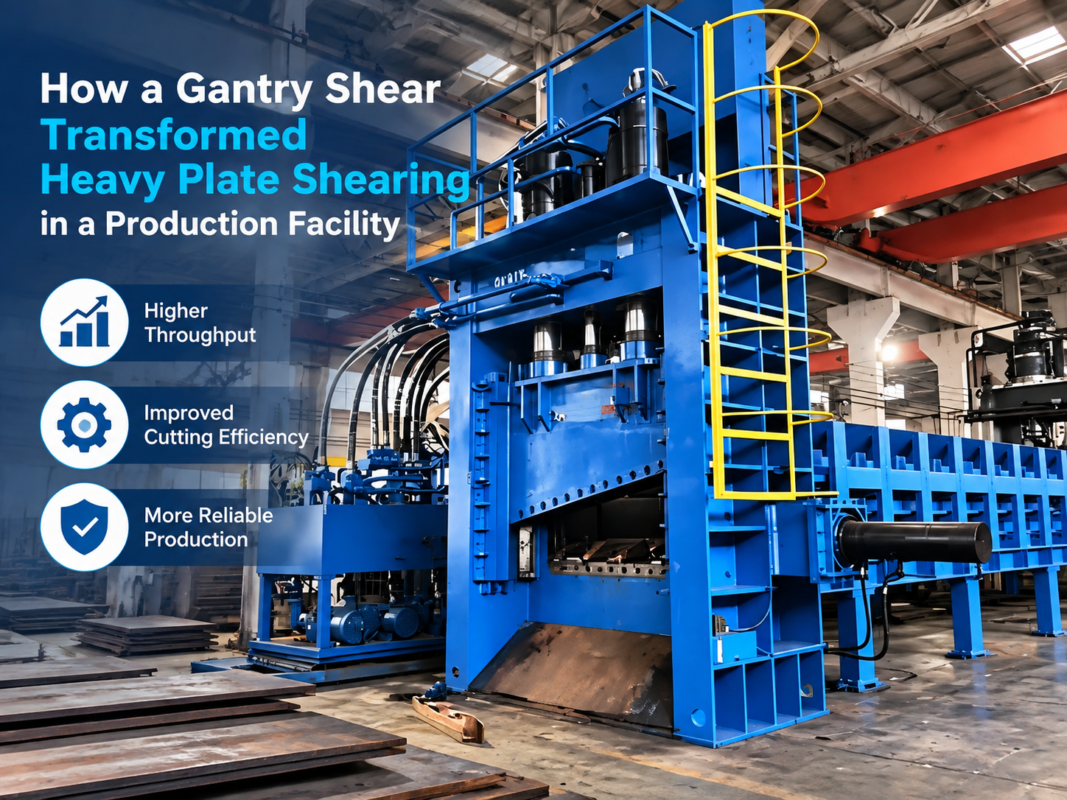
In the realm of heavy-duty metal recycling and industrial fabrication, the gantry shear stands as a titan of productivity. However, productivity without precision often leads to material waste, increased tool wear, and safety hazards. Understanding the Top Factors That Influence Gantry Shear Cutting Precision is essential for operators and engineers who aim to maximize the efficiency of their HARSLE equipment. A gantry shear operates by utilizing a vertical downward force, guided by a robust frame, to slice through thick metal sections, scrap, and structural steel. Unlike smaller alligator shears, the gantry shear is designed for high-volume, high-accuracy tasks, making its precision a critical metric for operational success.
Precision in gantry shearing is not merely about the straightness of the cut; it encompasses the quality of the sheared edge, the consistency of the dimensions across multiple cycles, and the ability of the machine to handle varying material thicknesses without deviating from set tolerances. When we discuss the top factors that influence gantry shear cutting precision, we are looking at a synergy between mechanical design, hydraulic control, and material science. A well-calibrated machine ensures that downstream processes, such as smelting or further fabrication, are streamlined and cost-effective.

The mechanical integrity of the gantry frame itself is the foundation of precision. Any deflection or ‘yawning’ of the frame under the immense pressure of the hydraulic cylinders will immediately translate into an uneven cut. HARSLE engineers focus on high-tensile steel constructions and stress-relieved frames to ensure that the blade path remains perfectly vertical throughout the entire stroke. This structural rigidity is the first and perhaps most vital factor in maintaining long-term accuracy in harsh industrial environments.
Core Parameters Influencing Cutting Accuracy
1. Blade Clearance (The Gap)
Perhaps the most significant of the Top Factors That Influence Gantry Shear Cutting Precision is the blade clearance. This refers to the horizontal distance between the upper and lower blades as they pass each other. If the gap is too wide, the metal will bend or ‘fold’ between the blades rather than being cleanly sheared, resulting in heavy burrs and a distorted edge. Conversely, if the gap is too narrow, the blades may experience excessive friction, leading to rapid dulling, chipping, or even catastrophic failure of the blade seats. Proper clearance is typically calculated as a percentage of the material thickness, usually ranging from 5% to 10% depending on the material’s tensile strength.
2. Cutting Angle (Rake Angle)
The cutting angle, or rake angle, is the slope of the upper blade relative to the lower horizontal blade. A higher rake angle reduces the total force required to shear the material because it focuses the pressure on a smaller area at any given moment. However, a high rake angle can also introduce ‘twist’ or ‘bow’ in the sheared piece, especially in thinner materials. Finding the optimal balance in the rake angle is crucial for maintaining the dimensional stability of the scrap or plate being processed. Modern HARSLE gantry shears often feature adjustable or optimized fixed angles to mitigate these effects.
3. Hydraulic Pressure and Flow Stability
Precision is heavily dependent on the consistency of the hydraulic system. Fluctuations in pressure can cause the shear head to hesitate or stutter during the cut, leading to ‘step marks’ on the sheared surface. The synchronization of the main cylinders is also paramount. If one cylinder moves slightly faster than the other, the gantry slide may tilt, causing uneven wear on the guide rails and a slanted cut. High-quality proportional valves and advanced PLC controls are employed in HARSLE machines to ensure that hydraulic delivery is smooth and perfectly timed.
4. Material Properties and Feed Alignment
The nature of the material being cut—its hardness, thickness, and temperature—plays a massive role in precision. Harder alloys require more force and tighter clearances. Furthermore, how the material is fed into the shear matters immensely. If the material is not held securely by the hydraulic hold-down (stamper), it can shift during the shearing process. This shifting results in an angled cut and can potentially damage the blades if the material kicks back against the shear head. Proper alignment of the conveyor or charging box is essential to ensure the material enters the throat of the shear at a 90-degree angle.

Calculation Method for Shear Force and Precision
To maintain precision, engineers must first understand the forces at play. Calculating the required shear force helps in setting the correct hydraulic pressure and selecting the appropriate blade clearance. The standard formula for calculating the shearing force (F) in a gantry shear is:
F = L * S^2 * σ / (2 * tan(α))
Where:
- F: Shearing force (Newtons)
- L: Length of the material being cut (mm)
- S: Thickness of the material (mm)
- σ: Tensile strength of the material (N/mm²)
- α: The rake angle of the blade (degrees)
By using this formula, operators can determine if the machine is operating within its rated capacity. Overloading the machine beyond its calculated force limits is a primary cause of precision loss, as it forces the hydraulic system into relief mode and causes structural flexing. Additionally, the ‘Clearance Factor’ (C) is calculated as C = k * S, where ‘k’ is a constant based on the material type (e.g., 0.06 for soft steel, 0.10 for hard alloys). Adhering to these calculations ensures that the Top Factors That Influence Gantry Shear Cutting Precision are managed scientifically rather than through guesswork.
Gantry Shear Parameter Table
The following table provides a general guideline for setting parameters on a standard HARSLE gantry shear to optimize cutting precision across different material types.
| Material Type | Thickness Range (mm) | Recommended Blade Gap (mm) | Rake Angle (°) | Shear Strength (N/mm²) |
|---|---|---|---|---|
| Mild Steel (Q235) | 10 – 20 | 0.8 – 1.4 | 1.5 – 2.5 | 375 – 460 |
| Stainless Steel (304) | 8 – 15 | 0.6 – 1.0 | 2.0 – 3.0 | 520 – 720 |
| Aluminum Alloy | 15 – 30 | 1.2 – 2.0 | 1.0 – 2.0 | 150 – 250 |
| Heavy Scrap (Mixed) | 20 – 50 | 2.0 – 3.5 | 3.0 – 4.5 | Varies |
| Hardened Tool Steel | 5 – 12 | 0.3 – 0.6 | 2.5 – 3.5 | 800+ |
Common Engineering Mistakes in Gantry Shear Operation
Even with the best equipment, human error and poor maintenance can degrade precision. One of the most common mistakes is neglecting blade rotation. Gantry shear blades usually have four cutting edges. Operators often wait until the blade is visibly chipped before rotating it, but by then, the increased shear force required for the dull blade has already put undue stress on the hydraulic seals and guide bushings. This stress leads to long-term play in the gantry slide, permanently affecting precision.
Another frequent error is improper lubrication of the guide rails. The gantry moves within a set of precision-machined guides. If these are not lubricated, friction increases, causing heat expansion. This expansion can cause the gantry to bind or move erratically. Furthermore, using the wrong type of hydraulic oil or failing to change filters can introduce contaminants into the proportional valves. These contaminants cause ‘spool stick,’ where the valve doesn’t open or close fully, leading to inconsistent blade speed and pressure, which are critical Top Factors That Influence Gantry Shear Cutting Precision.
Finally, many facilities fail to calibrate the backgauge or feed system. If the feeding mechanism is off by even a few millimeters, the resulting scrap will not meet the size requirements for the furnace, leading to rejection or the need for a second cut. Precision is a chain; if the feed system is the weak link, the high-quality shear becomes irrelevant.
Selection Checklist for High-Precision Gantry Shears
When purchasing a gantry shear, especially from a manufacturer like HARSLE, use this checklist to ensure the machine meets your precision requirements:
- Frame Construction: Is the frame a monolithic welded structure or a bolted assembly? Monolithic frames offer superior rigidity.
- Blade Material: Ensure the blades are made of high-quality tool steel like 6CrW2Si or Cr12MoV, which retain their edge longer under high heat.
- Control System: Does it feature a PLC (like Siemens or Schneider) with a touch-screen interface for precise stroke adjustment?
- Hydraulic Components: Are the pumps and valves from reputable brands (e.g., Rexroth, Parker)? Reliability in hydraulics equals reliability in precision.
- Hold-down Mechanism: Does the machine have an independent hydraulic stamper to prevent material movement during the cut?
- Cooling System: Is there an integrated oil cooler to maintain hydraulic viscosity during multi-shift operations?
- Ease of Adjustment: How easy is it to adjust the blade gap? Machines with shim-free or quick-adjust systems save time and encourage operators to maintain the correct gap.
Frequently Asked Questions (FAQ)
How often should I check the blade clearance?
Blade clearance should be checked at the start of every shift and whenever you change the type or thickness of the material being processed. Small adjustments can prevent significant wear and maintain the Top Factors That Influence Gantry Shear Cutting Precision.
Why is my gantry shear producing a ‘crushed’ edge instead of a clean cut?
A crushed edge is almost always a sign of excessive blade clearance or extremely dull blades. The material is being pushed down into the gap rather than being sliced. Check your gap settings against the material thickness and inspect the blade edges for rounding.
Can temperature affect cutting precision?
Yes. In extreme cold, hydraulic oil becomes viscous, leading to sluggish movement. In extreme heat, the oil thins, which can cause internal leakage in valves and reduced pressure. Additionally, the metal frame itself can expand or contract. Always allow the machine to reach a stable operating temperature before beginning high-precision work.
What is the role of the nitrogen accumulator in precision?
The nitrogen accumulator helps in the rapid return of the shear head and absorbs hydraulic shocks. If the accumulator pressure is low, the return stroke will be slow and the system will experience ‘hydraulic hammer,’ which can loosen bolts and disturb the alignment of the machine over time.
How do I know when to flip or replace the blades?
Monitor the burr height on your sheared material. If the burr exceeds 10% of the material thickness, it is time to inspect the blades. Also, listen for increased noise during the cut, which indicates the machine is working harder to penetrate the material due to dullness.
Conclusion
Mastering the Top Factors That Influence Gantry Shear Cutting Precision requires a holistic approach that combines mechanical knowledge, regular maintenance, and precise operational settings. By focusing on blade clearance, hydraulic stability, and structural integrity, HARSLE users can ensure their gantry shears deliver consistent, high-quality results for years. Precision is not just a feature of the machine; it is a result of how the machine is managed and understood within the production environment.