What to Look for in a Car Body Baler Before Making a Purchase: A Comprehensive Guide

Introduction to Car Body Baler Procurement
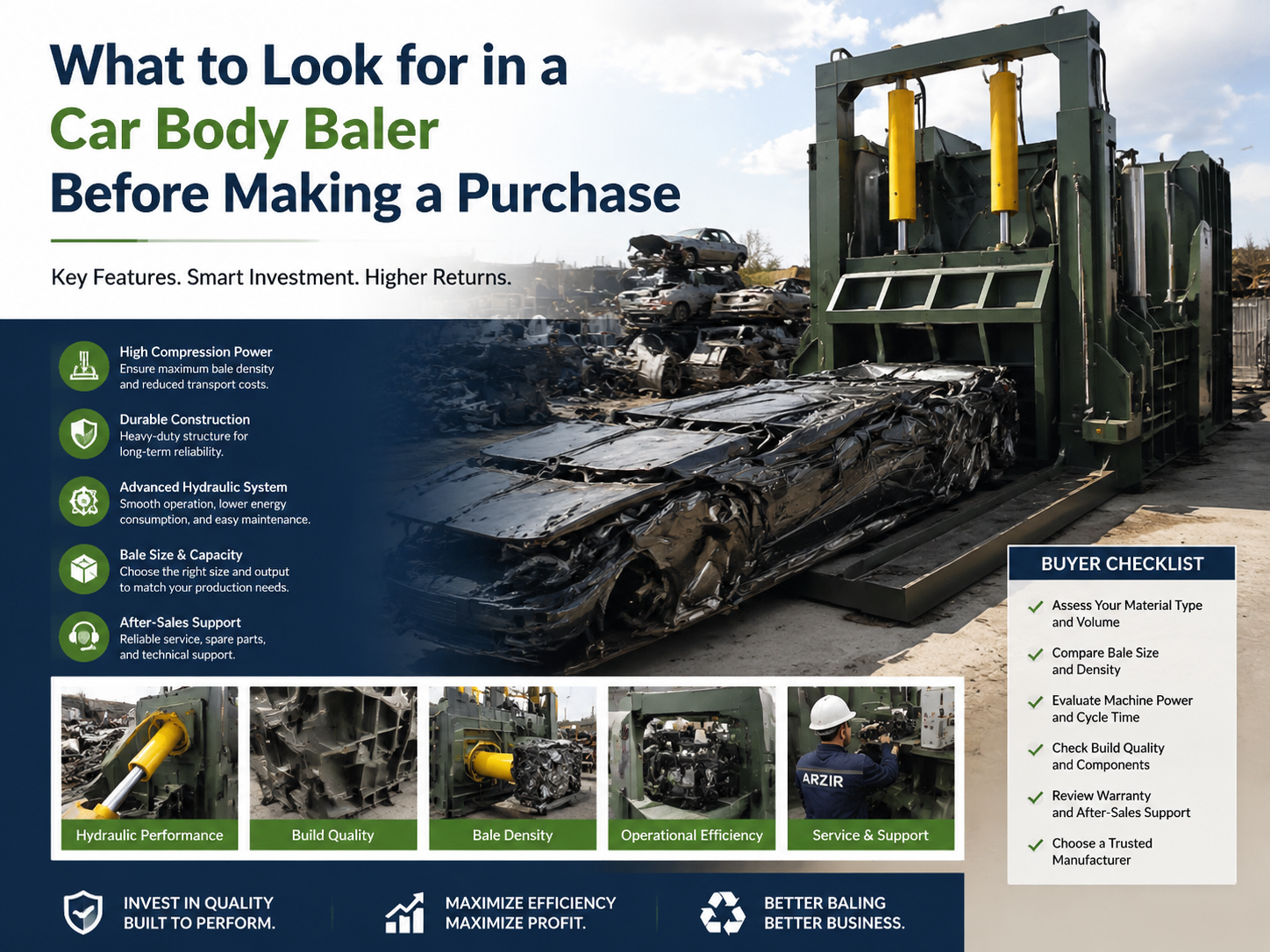
In the rapidly evolving world of scrap metal recycling, the efficiency of your processing equipment determines your bottom line. A car body baler is a significant investment for any recycling facility or scrap yard. These machines are designed to compress end-of-life vehicles (ELVs) into dense, manageable blocks, significantly reducing transportation costs and increasing the value of the scrap. However, the market is flooded with various models, ranging from small portable units to massive stationary installations. Knowing exactly what to look in a car body baler before making a purchase is the difference between a profitable operation and a maintenance nightmare.
When evaluating these machines, one must look beyond the initial price tag. Factors such as cycle time, bale density, hydraulic pressure, and the quality of wear-resistant liners play a pivotal role in long-term performance. HARSLE, a leader in metal fabrication machinery, emphasizes that a well-chosen baler should align with your specific volume requirements and logistical constraints. This guide provides a deep dive into the technical and financial aspects of purchasing a car body baler, ensuring you make an informed decision that serves your business for decades.
Price Range Overview: Setting Your Budget
The price of a car body baler can vary wildly based on its capacity, mobility, and automation level. Generally, the market is divided into three main tiers. Entry-level or refurbished stationary balers typically start around $50,000 to $80,000. These machines are suitable for smaller yards processing a few dozen cars per week. While they get the job done, they often lack the speed and high-density compression found in more expensive models.
Mid-range balers, which are the most common choice for professional recycling centers, fall between $100,000 and $250,000. These machines often feature semi-automatic controls, faster cycle times, and better hydraulic systems. They are capable of handling 10 to 20 cars per hour. At this price point, you begin to see features like remote control operation and integrated crane systems, which can significantly reduce labor costs.
High-end, heavy-duty, or fully mobile car balers can exceed $400,000. These are industrial powerhouses designed for 24/7 operation. They produce the highest density bales, which are preferred by steel mills and large-scale exporters. When you look in a car body baler before making a purchase at this level, you are paying for extreme durability, advanced PLC (Programmable Logic Controller) diagnostics, and the ability to process not just cars, but heavy structural scrap as well.
Main Cost Drivers: What Influences the Price?
Several technical factors drive the cost of a car body baler. The most significant is the hydraulic system. The quality of the pumps (such as Rexroth or Vickers) and the diameter of the main compression cylinders determine the force the machine can exert. A baler with a 200-ton pressing force will naturally cost more than a 100-ton unit, but it will also produce much tighter bales, which is crucial for maximizing truckload weights.
Material quality is another major cost driver. The interior of the baling chamber is subject to immense friction and impact. High-quality balers use replaceable wear plates made from hardened steel, such as Hardox 450 or 500. While these materials increase the initial purchase price, they prevent the main structure of the machine from wearing out, saving tens of thousands of dollars in structural repairs over the machine’s lifespan.
The complexity of the control system also impacts the price. Modern balers equipped with Siemens or Omron PLCs allow for automated cycles, where the operator simply loads the car and presses a button. These systems also include sensors that monitor oil temperature, pressure levels, and filter status. While more expensive, these features prevent catastrophic failures by alerting the operator to issues before they cause permanent damage.
Configuration Impact: Mobile vs. Stationary Units
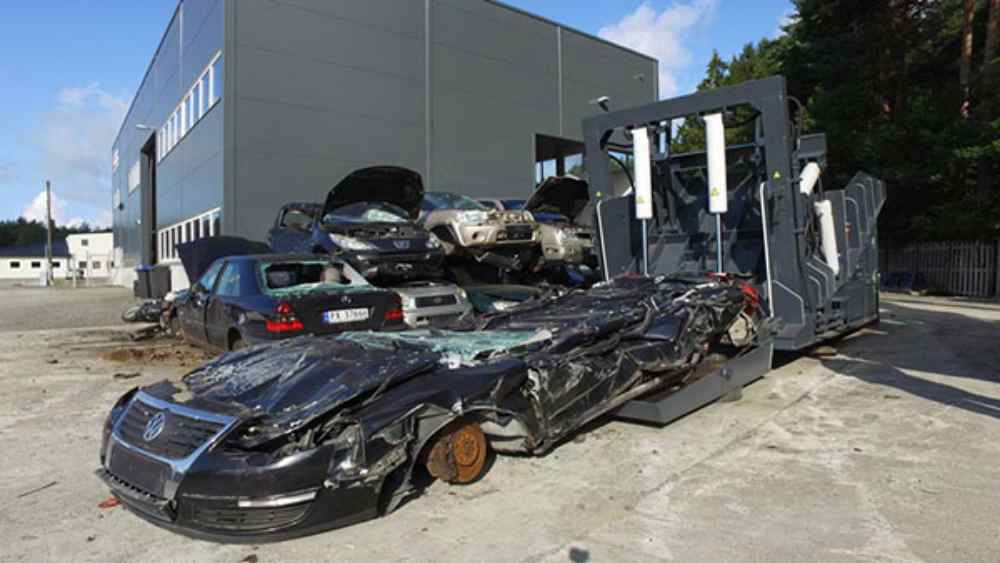
One of the most critical decisions you will make is whether to opt for a stationary or a mobile car body baler. Stationary units are typically bolted to a reinforced concrete foundation. They are ideal for yards with a consistent flow of material and established logistics. Stationary balers often offer higher throughput and are easier to maintain because they are not subjected to the stresses of road travel.
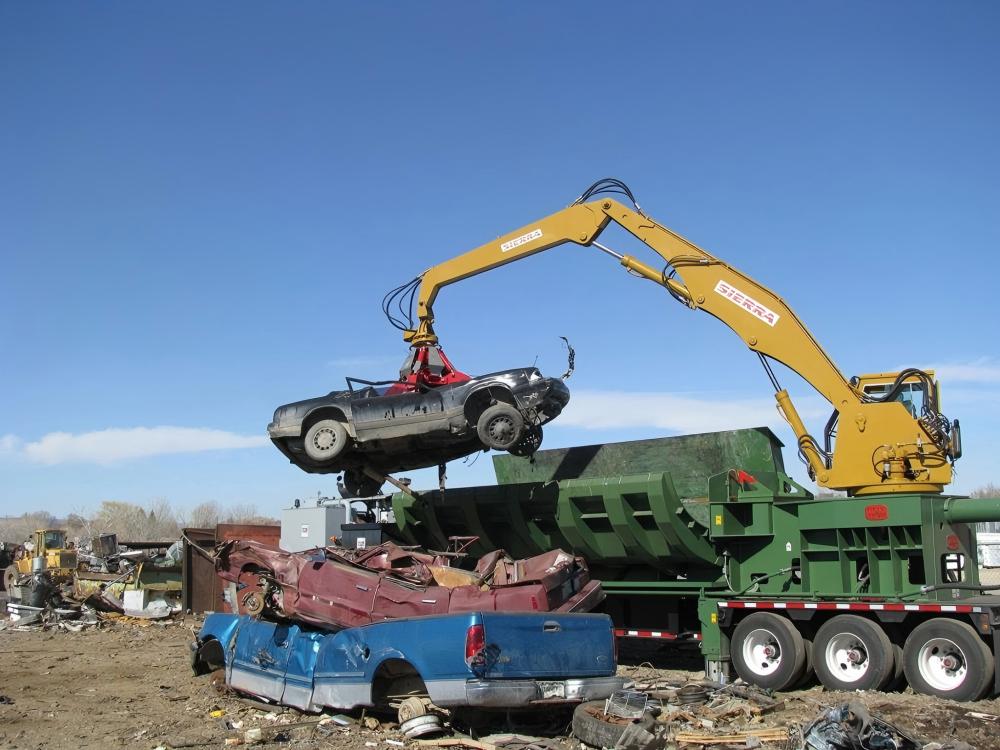
Mobile car balers, on the other hand, are mounted on trailers or tracks. These are essential for contractors who travel to different sites to process scrap. The mobility adds a significant premium to the price due to the specialized chassis, braking systems, and often the inclusion of an onboard diesel engine. If your business model involves “cleaning up” remote sites, a mobile unit is indispensable. However, if your scrap comes to you, a stationary unit provides better stability and lower long-term maintenance costs.
Furthermore, consider the loading configuration. Some balers feature a “L-box” design, while others use a “clamshell” or “wing” design. The wing-style baler is particularly effective for car bodies as it uses two heavy lids to fold the car into the chamber before the main ram compresses it. This configuration is often more expensive but results in a more uniform bale shape, which is easier to stack and transport.
Hidden Costs: Beyond the Sticker Price
When you look in a car body baler before making a purchase, you must account for the “hidden” costs that aren’t always listed in the brochure. Shipping and logistics are the first hurdle. These machines are incredibly heavy and often require specialized heavy-haul transport and cranes for offloading. Depending on your location, this can add $5,000 to $20,000 to your total expenditure.
Installation and site preparation are also significant. A stationary baler requires a thick, reinforced concrete pad to handle the vibration and weight. You may also need to upgrade your electrical service to handle the high-amperage motors used in hydraulic power units. If you choose a diesel-powered model, you must factor in the ongoing cost of fuel and the maintenance of an internal combustion engine, which is generally higher than an electric motor.
Finally, consider the cost of hydraulic oil. A large car baler can require 1,000 to 3,000 liters of high-grade hydraulic fluid. This fluid needs to be changed periodically, and the filters must be replaced. Neglecting these “hidden” maintenance costs can lead to pump failure, which is one of the most expensive repairs in the industry. Always ask the manufacturer for a detailed maintenance schedule and the estimated cost of consumables before signing the contract.
ROI Calculation: When Will the Machine Pay for Itself?
Calculating the Return on Investment (ROI) for a car body baler involves analyzing three main areas: transportation savings, labor reduction, and scrap value. Transportation is usually the biggest winner. An uncrushed car takes up a massive amount of space but weighs very little. You might only fit 10-12 cars on a trailer. Once baled, you can maximize the weight limit of the truck, often fitting 20-30 tons of material. This can cut your shipping costs by 50% or more.
Labor efficiency is the second factor. A manual process of dismantling or flattening cars with an excavator is slow and inconsistent. A dedicated baler with a fast cycle time (e.g., 60-90 seconds) allows a single operator to process hundreds of tons per week. By reducing the man-hours required per ton of scrap, you significantly lower your operational overhead.
Lastly, consider the premium paid by steel mills for baled scrap. Clean, dense bales are easier for mills to melt and handle, often fetching a higher price per ton than loose or poorly flattened scrap. To calculate your ROI, estimate your monthly volume, multiply the transportation savings per ton, add the labor savings, and divide the total machine cost by this monthly profit. Most high-volume yards find that a HARSLE car baler pays for itself within 18 to 24 months.
Buying Advice: A Checklist for Success
Before finalizing your purchase, there are several steps you should take to ensure the machine meets your expectations. First, always request a live demonstration or a video of the machine processing a full-sized vehicle. Pay attention to the cycle time and whether the machine struggles with heavier frames. If the machine groans or the cycle time slows significantly under load, the hydraulic system may be undersized.
Second, inspect the build quality of the frame. Look for continuous welds and heavy-duty reinforcement at stress points. Check the thickness of the baling chamber walls. A thin-walled chamber will eventually bulge or crack under the intense pressure of car baling. Ask about the brand of the valves and pumps; sticking with well-known brands like HARSLE ensures that you can find replacement parts locally without waiting weeks for international shipping.
Finally, evaluate the after-sales support. A car baler is a complex machine that will eventually need service. Does the manufacturer offer remote diagnostics? Do they have technicians who can travel to your site? A cheaper machine from a company with no support network is a liability. Choosing a reputable manufacturer like HARSLE provides peace of mind, knowing that expert advice and spare parts are just a phone call away.
Technical Specification Comparison Table
| Feature | Entry-Level Baler | Mid-Range Baler | Heavy-Duty Baler |
|---|---|---|---|
| Pressing Force | 100 – 125 Tons | 160 – 200 Tons | 250+ Tons |
| Cycle Time | 120 – 180 Seconds | 70 – 100 Seconds | 45 – 60 Seconds |
| Control System | Manual Levers | Semi-Auto PLC | Fully Auto / Remote |
| Wear Liners | Standard Steel | Hardox 400 | Hardox 500 / Manganese |
Frequently Asked Questions (FAQ)
1. How long does a car body baler typically last?
With proper maintenance, a high-quality car body baler can last 15 to 20 years. The key to longevity is regular hydraulic oil changes, greasing all pivot points daily, and replacing wear plates before the main structure of the chamber is damaged. Machines used in extreme environments or those that are consistently overloaded may have a shorter lifespan.
2. Can I process other materials besides cars in a car baler?
Yes, most car balers are versatile enough to process light melting scrap, white goods (appliances), and sheet metal. However, you should avoid putting heavy structural steel, thick axles, or engine blocks directly into the baler unless it is specifically rated for shearing or heavy-duty baling, as these can damage the rams or the chamber walls.
3. Is an electric or diesel motor better for a car baler?
Electric motors are generally more efficient, quieter, and require less maintenance. They are the best choice for stationary installations where power is available. Diesel engines are necessary for mobile units or yards without sufficient electrical infrastructure. While diesel offers mobility, it comes with higher fuel costs and more intensive engine maintenance requirements.
4. What is the ideal bale size for car scrap?
The most common bale size is approximately 600mm x 600mm (24″ x 24″) with a variable length. This size is ideal because it fits perfectly into standard shipping containers and is easily handled by the magnets and grapples used in steel mills. When you look in a car body baler before making a purchase, ensure the bale dimensions are compatible with your downstream buyers’ requirements.
5. How much maintenance does the hydraulic system require?
The hydraulic system is the heart of the machine. You should check oil levels daily and inspect hoses for leaks or abrasions. Hydraulic filters should be changed every 500 to 1,000 hours of operation. It is also recommended to perform an oil analysis annually to check for internal wear of the pumps and cylinders. Keeping the oil clean and cool is the single most important thing you can do to prevent expensive repairs.
6. Do I need a special license to operate a car baler?
While a specific “baler license” usually isn’t required, operators must be thoroughly trained on the machine’s safety features, emergency stop procedures, and loading techniques. Many regions also require the facility to have environmental permits for handling ELVs (End-of-Life Vehicles), which involves the proper drainage and disposal of fluids like gasoline, oil, and coolant before baling.