Comprehensive Guide to Scrap Metal Baler Uses in Aluminum, Copper, and Steel Scrap Processing

Introduction to Modern Scrap Metal Management
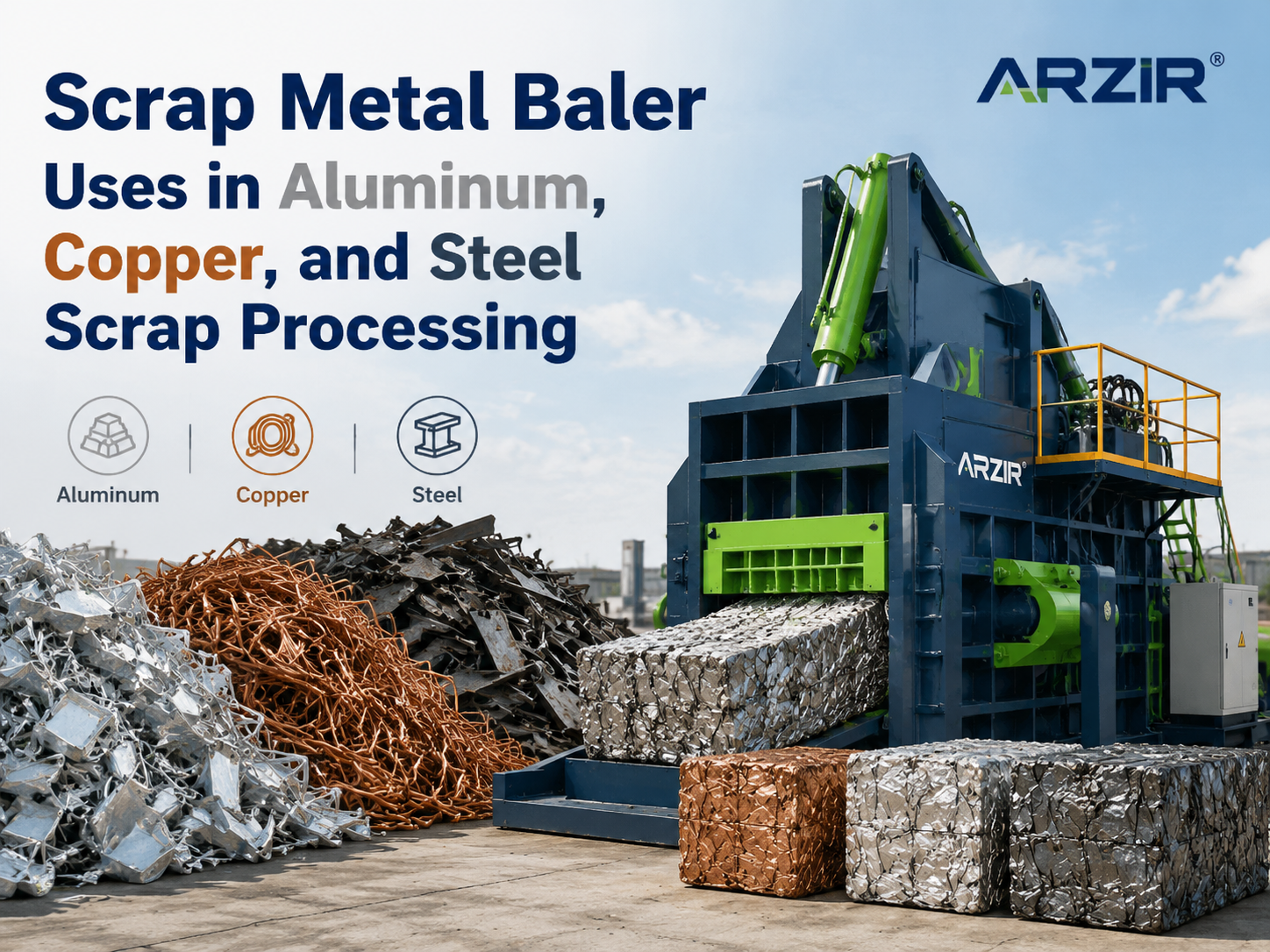
In the rapidly evolving landscape of global manufacturing and environmental sustainability, the role of efficient waste management cannot be overstated. Metal recycling has transitioned from a secondary industrial activity to a primary pillar of the circular economy. Central to this transformation is the hydraulic scrap metal baler. As industries strive to reduce their carbon footprint and optimize operational costs, understanding the specific scrap metal baler uses in aluminum, copper, and steel scrap processing becomes essential for facility managers, recycling entrepreneurs, and industrial engineers.
HARSLE, a leader in metal fabrication machinery, provides high-performance baling solutions designed to handle the rigorous demands of various metal types. Whether it is the lightweight nature of aluminum extrusions, the high-value density of copper wiring, or the sheer structural strength of steel scrap, a specialized baler is the key to turning loose waste into profitable, furnace-ready commodities. This guide explores the technical nuances, application scenarios, and productivity benefits of integrating advanced baling technology into your scrap processing workflow.
Application Scenarios for Scrap Metal Balers
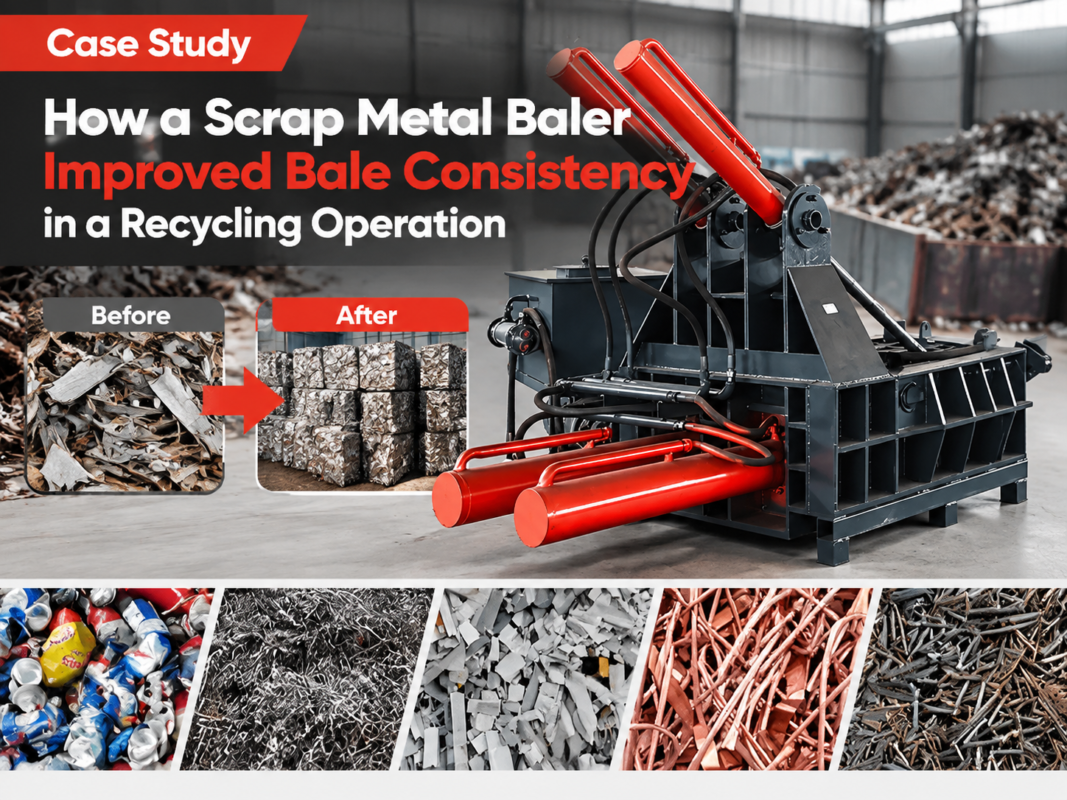
The application of scrap metal balers spans across multiple sectors, each with unique requirements for volume reduction and material handling. In large-scale recycling centers, these machines serve as the primary processing unit, converting mountains of loose scrap into uniform blocks that are easy to transport and stack. Without effective baling, the logistics of moving low-density scrap like aluminum cans or thin steel shavings would be economically unfeasible due to the high volume-to-weight ratio.
In the automotive dismantling industry, scrap metal balers are indispensable. When a vehicle reaches the end of its life, it is stripped of usable parts, leaving behind a skeleton of mixed steel and aluminum. Balers compress these frames into dense cubes, significantly reducing the footprint required for storage and making them ready for secondary smelting. Similarly, in the construction and demolition sector, balers are used on-site or at specialized facilities to process structural steel beams, copper piping, and aluminum siding recovered from old buildings.
Manufacturing plants also benefit significantly from localized baling. Facilities that produce metal stampings, CNC machined parts, or extruded profiles generate a constant stream of ‘new’ scrap. By installing a HARSLE scrap metal baler at the point of production, these companies can immediately process their waste, maintaining a clean workspace and securing higher prices from scrap dealers who prefer pre-baled, single-alloy materials. This internal processing also reduces the frequency of waste pickups, further lowering operational overhead.
Material and Process Requirements
Aluminum Scrap Processing
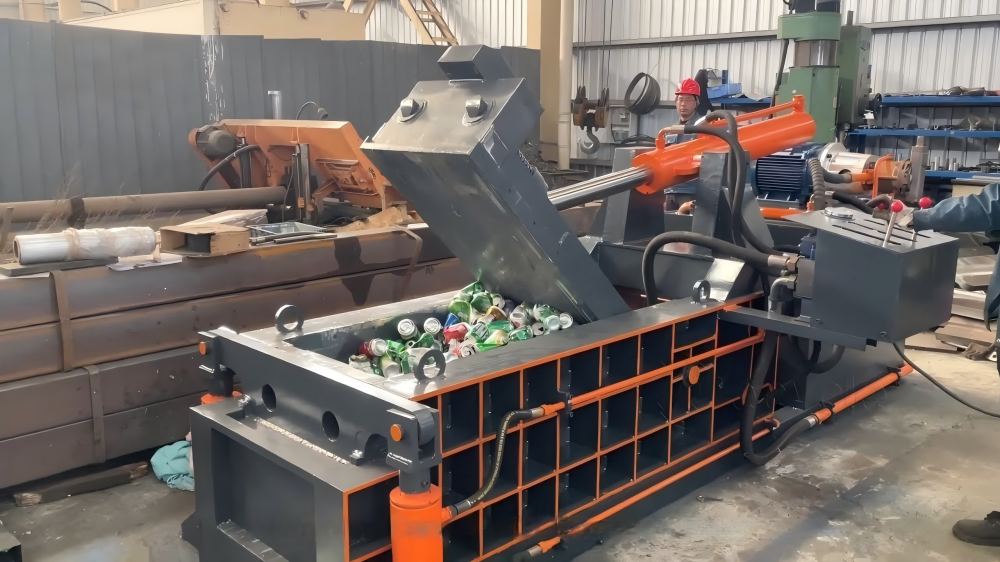
Aluminum is characterized by its low density and high susceptibility to oxidation if not handled correctly. In the context of scrap metal baler uses in aluminum, copper, and steel scrap processing, aluminum requires a machine that can handle high volumes quickly. Because aluminum is relatively soft, the baler must apply consistent pressure to ensure the bale remains intact without the need for excessive strapping. Aluminum cans (UBC), extrusions, and lithographic plates are common materials that require specific compression ratios to meet the standards of secondary aluminum smelters.
Copper Scrap Processing
Copper is one of the most valuable non-ferrous metals in the recycling stream. Its processing requirements focus on purity and density. Copper scrap often comes in the form of ‘bright and shiny’ wire, busbars, or tubing. Because of its high value, precision in baling is vital to prevent material loss. Balers used for copper must have clean internal chambers to avoid cross-contamination with ferrous metals. The goal is to create small, extremely dense bales that maximize the weight capacity of shipping containers, as even a small increase in density can lead to significant freight savings for this high-value material.
Steel and Ferrous Scrap Processing
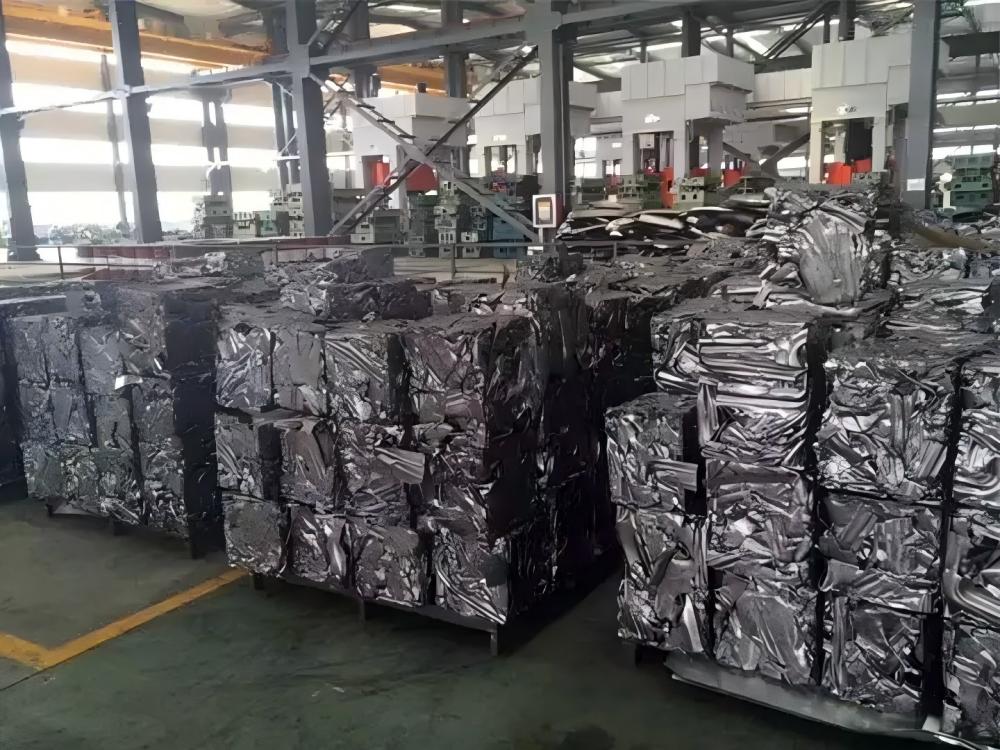
Steel scrap processing is the most demanding in terms of machine durability and shearing force. Ferrous materials range from thin-gauge sheet metal to heavy structural plates. The baler must be equipped with high-strength wear plates (such as Hardox) and powerful hydraulic cylinders to overcome the material’s yield strength. For mixed steel scrap, integrated shearing blades are often necessary to cut oversized pieces as the lid closes, ensuring a smooth compression cycle. The resulting bales must be dense enough to sink in a furnace melt, preventing the metal from burning off as slag.
Recommended Machine Configuration
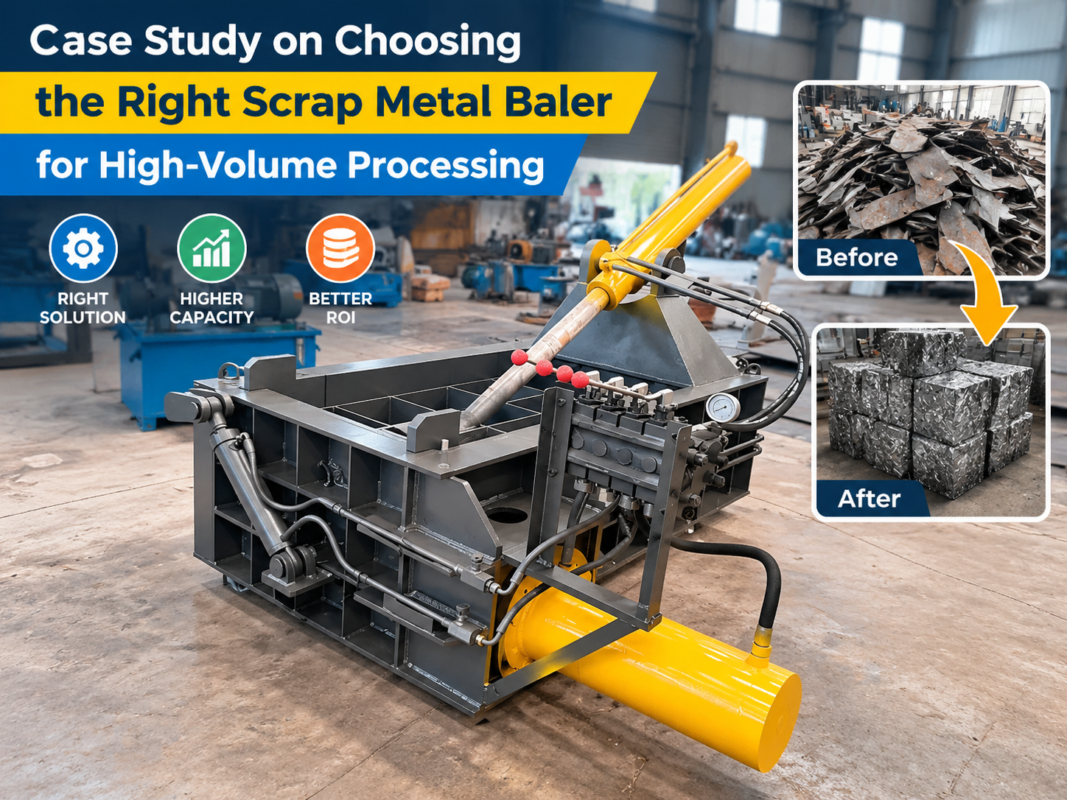
Choosing the right configuration for a scrap metal baler depends on the primary material being processed and the desired throughput. HARSLE recommends several key features for a robust industrial setup:
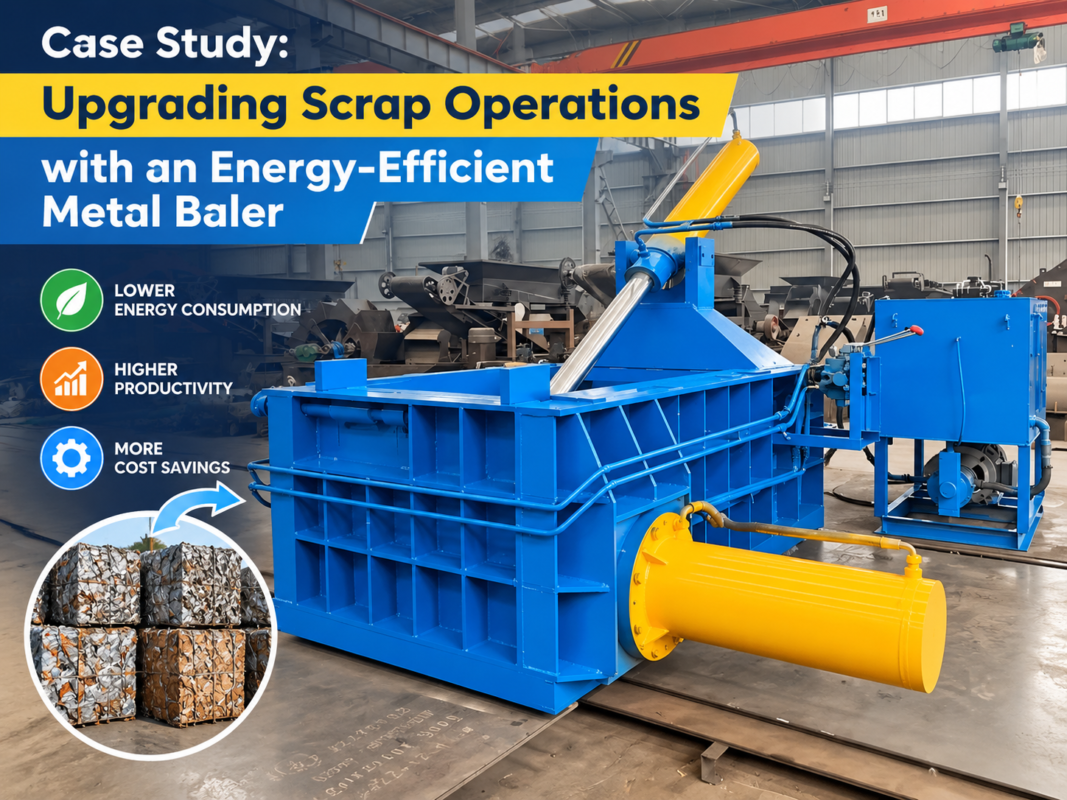
- Hydraulic System: A high-pressure hydraulic system with variable displacement pumps ensures that the machine provides maximum force when needed while maintaining energy efficiency during idle or low-load phases.
- PLC Control and Automation: Modern balers should feature Siemens or similar PLC systems with touch-screen interfaces. This allows operators to select pre-set programs for different materials (e.g., a ‘soft’ setting for aluminum and a ‘high-pressure’ setting for steel).
- Wear-Resistant Lining: The compression chamber should be lined with replaceable high-manganese or Hardox steel plates. This is critical for steel processing where abrasive friction can quickly wear down standard steel.
- Shearing Mechanism: For bulky scrap, a ‘V-shape’ or serrated shear blade on the lid and chamber edge allows the machine to cut through overhanging material, preventing jams and ensuring a uniform bale shape.
- Cooling Systems: In high-volume operations, hydraulic oil can overheat. Integrated air or water cooling systems are essential to maintain consistent performance during multi-shift operations.
| Feature | Aluminum Optimization | Steel Optimization | Copper Optimization |
|---|---|---|---|
| Compression Force | Medium (100-160 Tons) | High (250-600+ Tons) | Medium-High (160-250 Tons) |
| Chamber Lining | Standard AR Plate | Hardox 500/600 | Stainless or Clean AR Plate |
| Cycle Time | Fast (20-40 seconds) | Standard (60-90 seconds) | Precise (40-60 seconds) |
| Bale Ejection | Side Push / Turn-out | Side Push / Forward Push | Side Push |
Workflow of a Scrap Metal Baler
The operational workflow of a HARSLE scrap metal baler is designed for safety, efficiency, and ease of use. The process typically follows these stages:
- Material Loading: Scrap is loaded into the hopper or directly into the compression chamber using a crane, grapple, or conveyor belt. For aluminum cans, automated conveyors are preferred, while for heavy steel, a hydraulic grab is standard.
- Pre-Compression: Once the chamber is full, the operator initiates the cycle. In many designs, a side ram or the lid itself acts as a pre-compressor, pushing the material into the main baling zone.
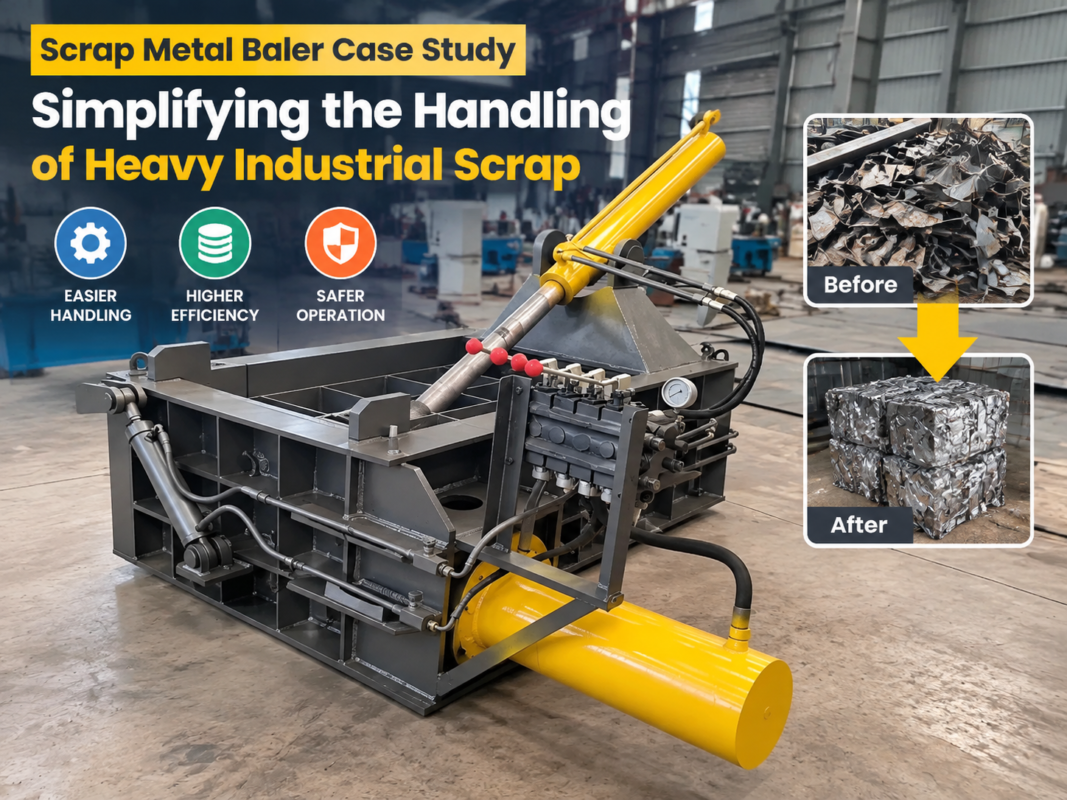
- Main Compression: The primary hydraulic ram moves forward, exerting hundreds of tons of pressure against the scrap. This collapses the air pockets and deforms the metal into a dense block.
- Shearing (Optional): If the scrap exceeds the chamber dimensions, the closing lid shears off the excess, ensuring the bale is perfectly rectangular.
- Bale Formation and Ejection: After the compression hold time, the ejection door opens. Depending on the model, the bale is either pushed out by a side cylinder (Side-push), flipped out by a dedicated arm (Turn-out), or pushed forward by the main ram (Forward-push).
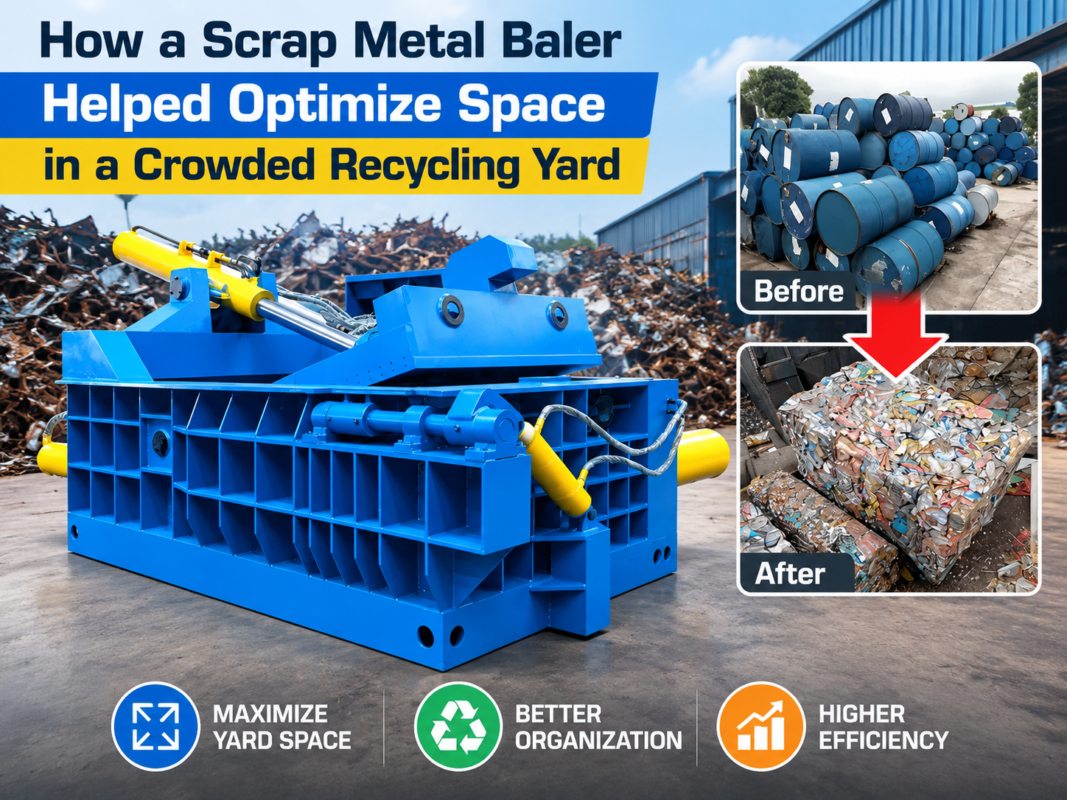
- Storage and Transport: The finished bales are moved via forklift to a storage area. Because of their uniform shape, they can be stacked safely and efficiently, maximizing warehouse space.
Productivity and Economic Benefits
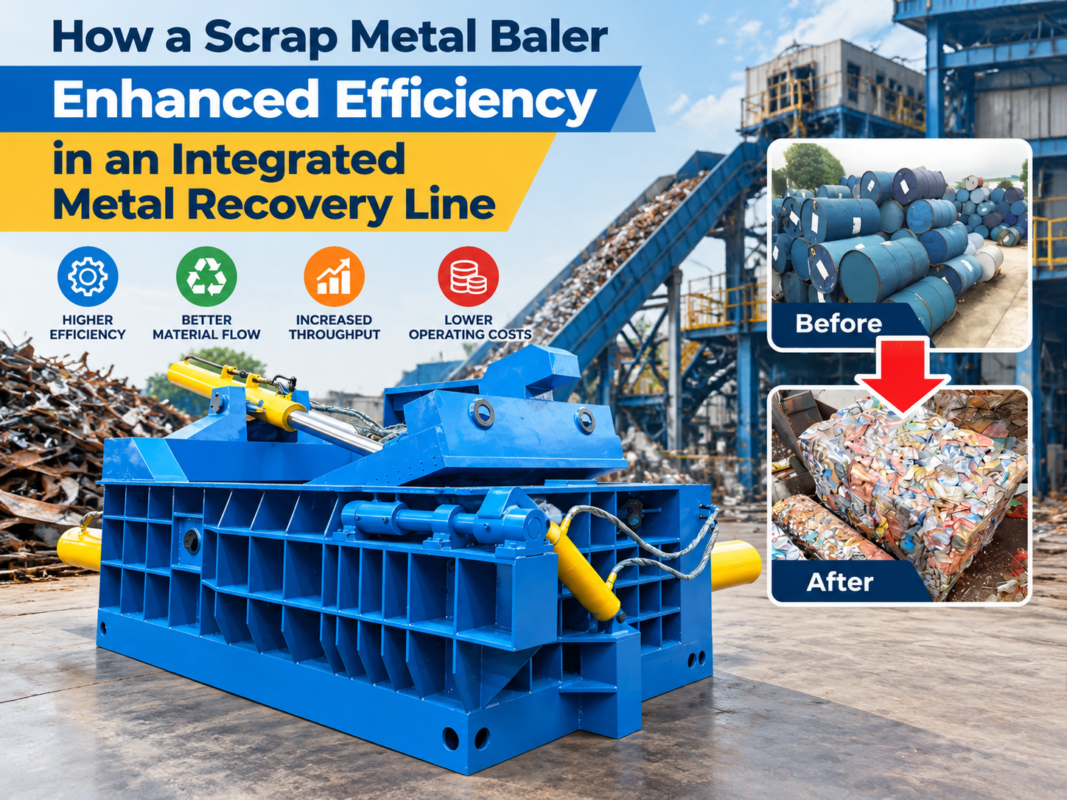
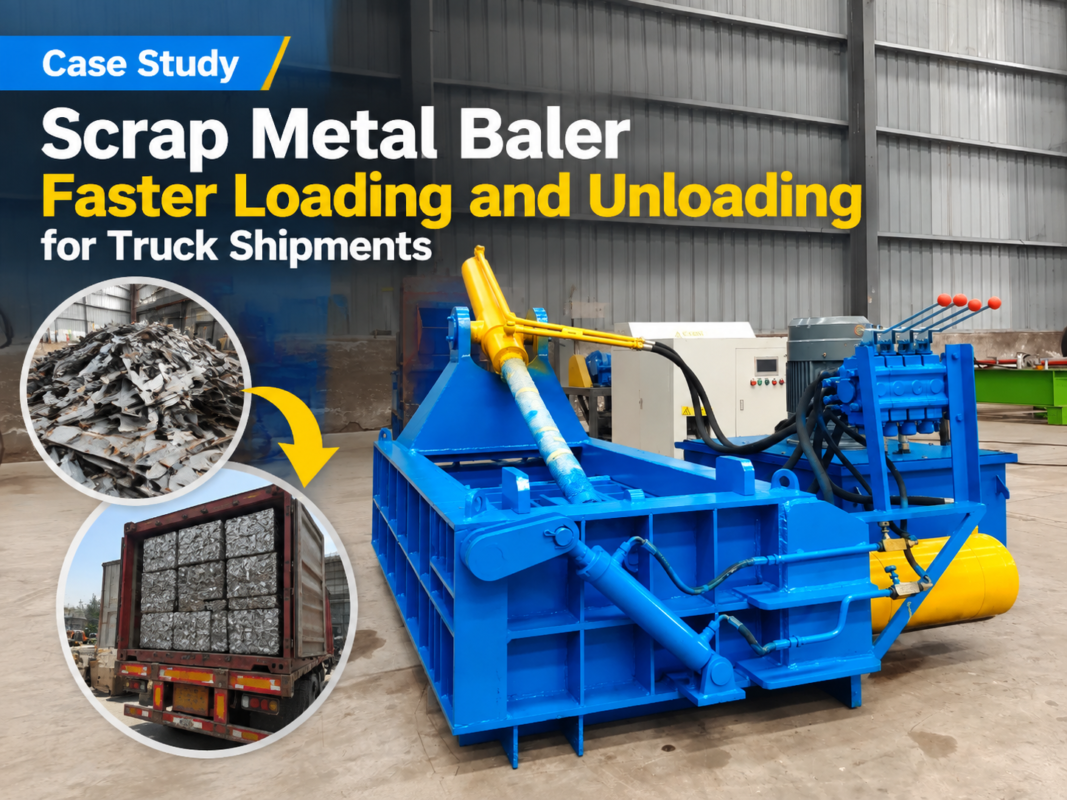
Investing in a high-quality scrap metal baler offers a rapid Return on Investment (ROI) through several channels. First and foremost is the reduction in logistics costs. Loose scrap is expensive to transport because trucks reach their volume capacity long before they reach their weight capacity. Baling increases the density of the load, allowing for fewer trips and lower fuel and labor costs.
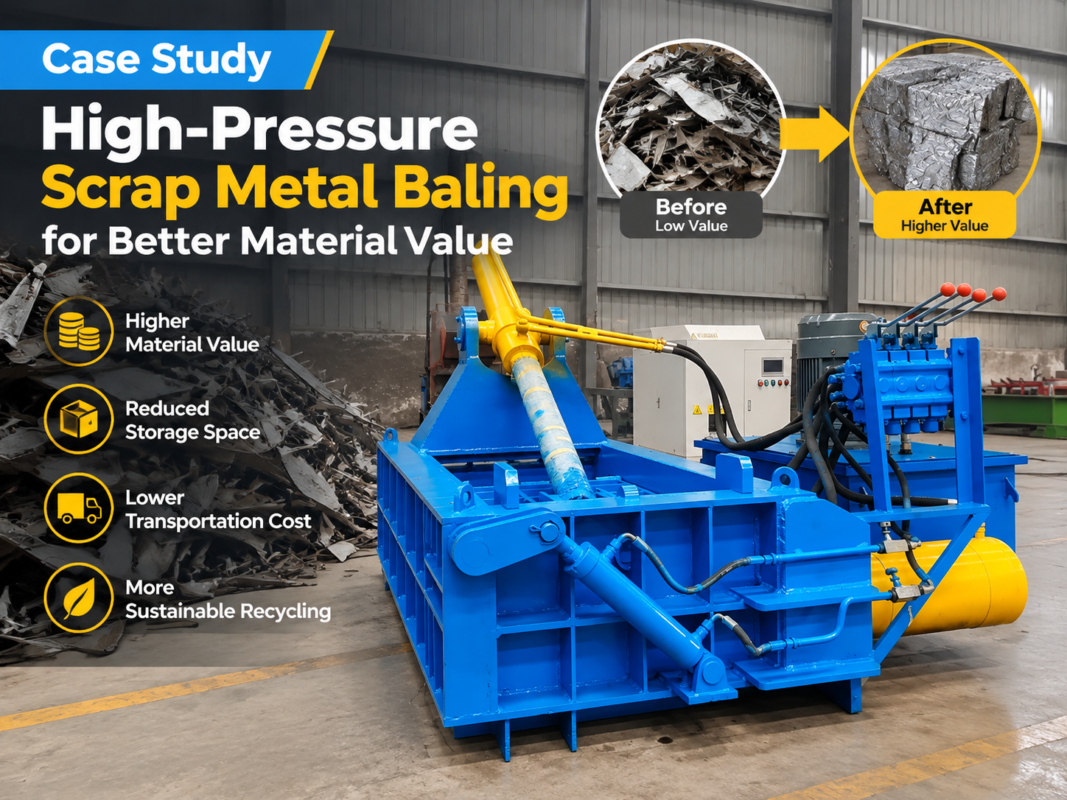
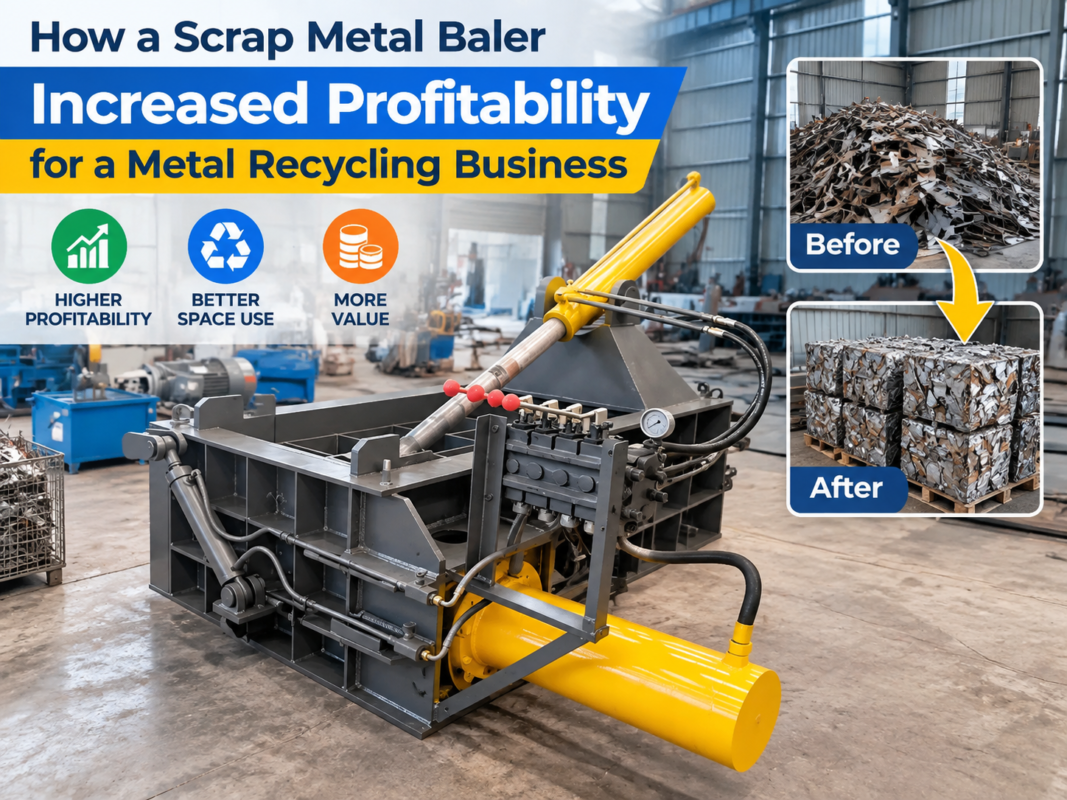
Secondly, baled scrap commands a premium price in the market. Smelters and foundries prefer baled material because it is easier to handle with magnets or grapples and it improves furnace efficiency. Loose, thin scrap has a high surface area, leading to significant metal loss through oxidation during the melting process. Dense bales submerge quickly into the molten bath, resulting in higher metal recovery rates. This efficiency is passed back to the recycler in the form of better pricing per ton.
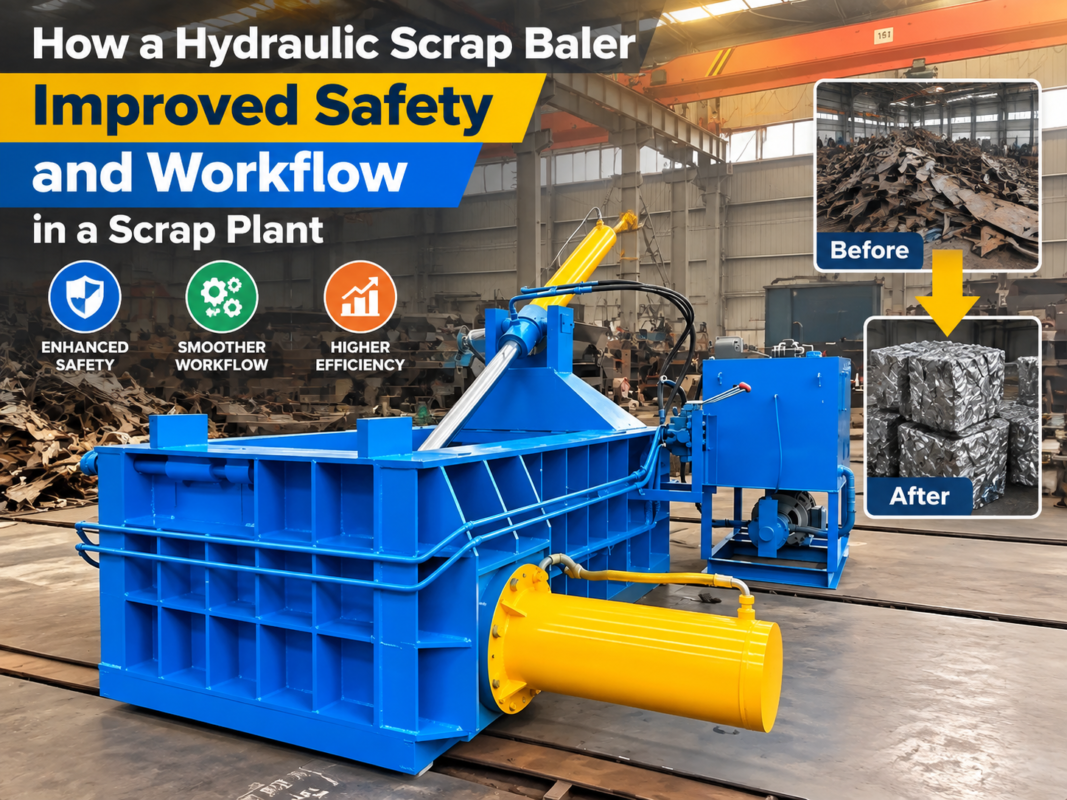
Furthermore, the use of a baler improves workplace safety and organization. Loose scrap, especially steel with sharp edges or copper wire tangles, poses a significant tripping and cutting hazard. By containing waste in compact bales, the facility remains clean, reducing the risk of accidents and improving the overall flow of personnel and machinery. From a regulatory perspective, many jurisdictions require scrap to be processed or contained to prevent environmental contamination, making the baler a tool for compliance.
Case Example: Aluminum and Steel Processing Upgrade
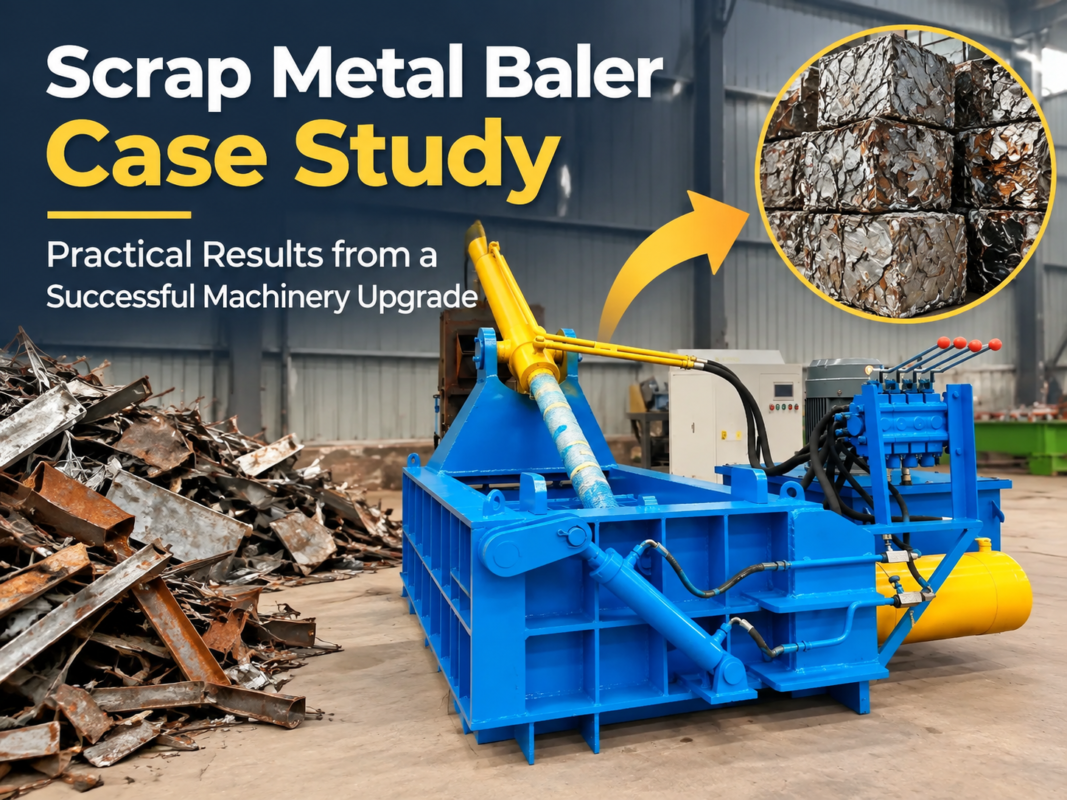
A mid-sized recycling facility in Eastern Europe was struggling with the rising costs of transporting loose aluminum extrusions and light steel scrap to a regional smelter. They were utilizing manual sorting and small, outdated vertical balers that could not keep up with the daily intake of 15 tons of material. The facility faced a bottleneck, with loose scrap taking up 60% of their floor space.
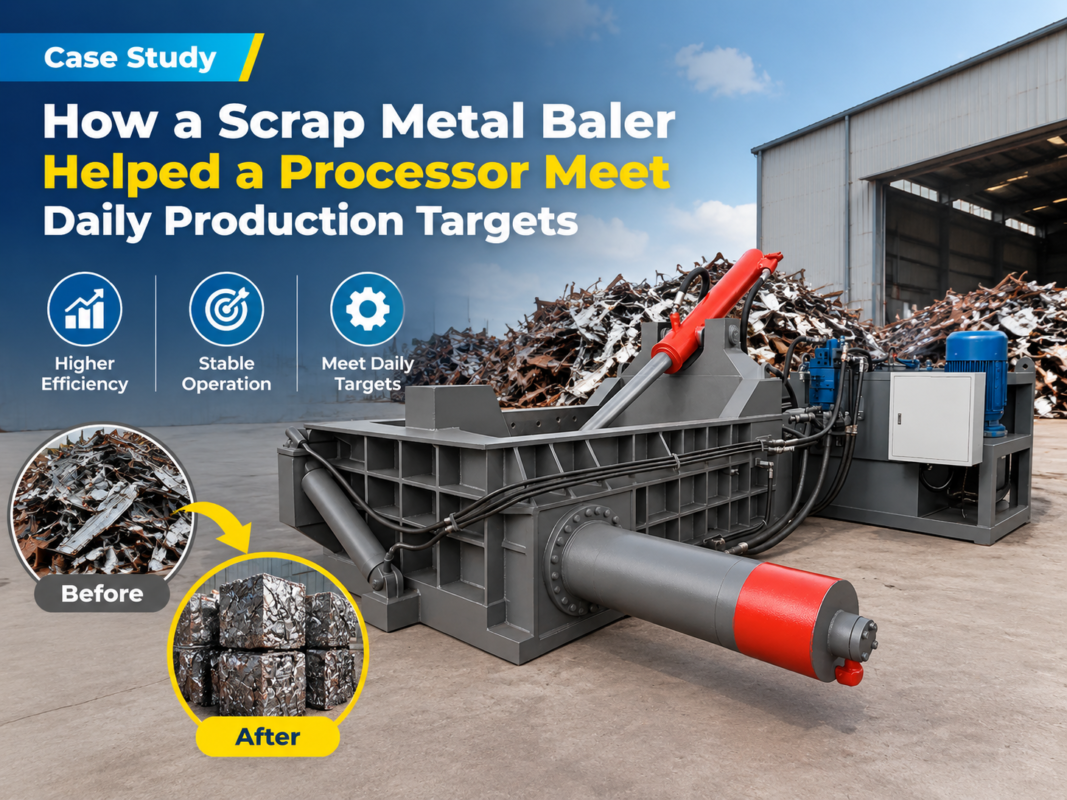
After consulting with HARSLE, they implemented a 250-ton horizontal hydraulic scrap metal baler equipped with a side-push ejection system and integrated shear blades. The results were immediate. The volume of their aluminum scrap was reduced by a ratio of 8:1, and steel scrap by 5:1. This allowed them to increase their average truckload weight from 6 tons to 22 tons, effectively cutting their transport costs by nearly 70%. Additionally, the ‘furnace-ready’ quality of their bales allowed them to negotiate a 12% increase in the sale price of their aluminum. The machine paid for itself within 14 months of operation.
Frequently Asked Questions (FAQ)
1. What is the best baler for a mix of aluminum and steel?
For facilities handling both, a medium-to-heavy duty hydraulic baler (200-300 tons) with Hardox liners is recommended. The machine should have adjustable pressure settings so that it can be optimized for the softer aluminum and the more resistant steel without causing unnecessary wear.
2. How often does the hydraulic oil need to be changed?
Typically, hydraulic oil should be checked monthly and replaced every 2,000 to 4,000 hours of operation, depending on the environment and the use of cooling systems. Regular filtration and oil analysis can extend this interval and prevent damage to the pumps and valves.
3. Can a scrap metal baler handle copper wire with insulation?
While a baler can compress insulated copper wire, it is generally more profitable to strip the insulation first using a wire stripping machine. Smelters pay significantly more for ‘clean’ copper. However, if the insulation is left on, the baler will still effectively reduce the volume for transport to a specialized recovery plant.
4. What safety features should I look for in a HARSLE baler?
Key safety features include emergency stop buttons at multiple locations, safety interlocks on the chamber doors, pressure relief valves to prevent hydraulic over-pressurization, and protective guarding around moving parts. Operator training is also a critical component of safety.
5. Does the bale size matter?
Yes. Bale size should be matched to the charging door of the furnace where the scrap will eventually be melted. Standard sizes like 400x400mm or 600x600mm are common. HARSLE offers customizable chamber sizes to meet specific smelter requirements.
Conclusion and CTA
The strategic use of scrap metal balers in aluminum, copper, and steel processing is a game-changer for modern industrial operations. By converting bulky, disorganized waste into high-density, high-value bales, businesses can drastically reduce costs and improve their environmental standing. HARSLE remains committed to providing the robust, high-precision machinery needed to drive this efficiency.
Are you ready to optimize your scrap metal processing workflow? Contact HARSLE today to speak with our technical experts about the ideal baling solution for your facility. Let us help you turn your scrap into a streamlined source of revenue.