Best Applications for Scrap Metal Balers in Manufacturing Waste Management


Introduction to Scrap Metal Balers in Modern Manufacturing
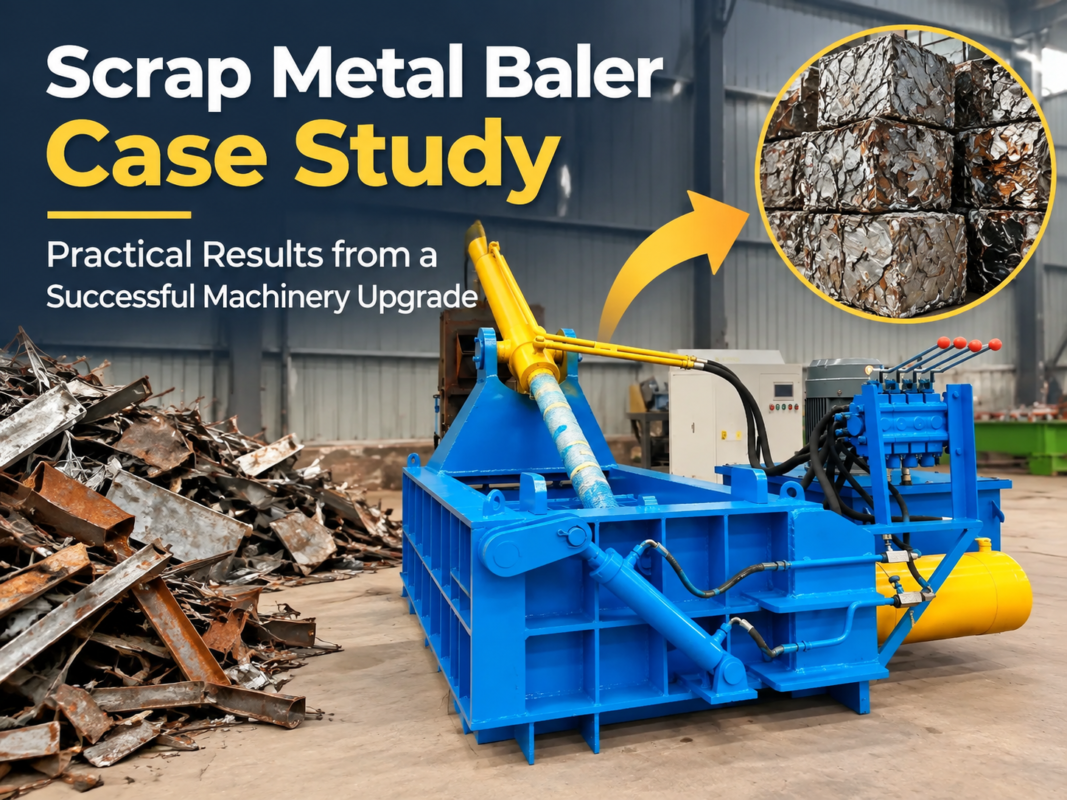
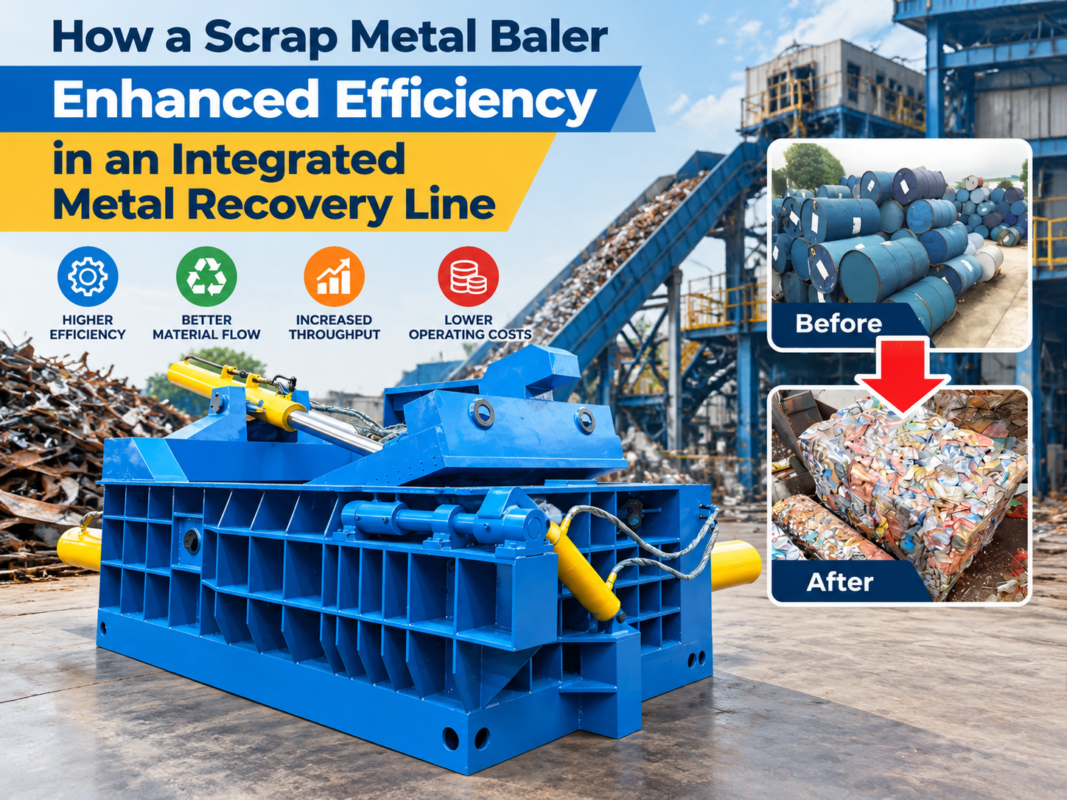
In the contemporary industrial landscape, the efficiency of waste management is no longer just an environmental concern; it is a critical component of operational profitability. As manufacturing processes become more sophisticated, the volume of byproduct—specifically scrap metal—continues to rise. This is where the Best Applications Scrap Metal Balers In Manufacturing Waste Management come into play. These robust machines are designed to compress loose metal scrap into dense, manageable blocks, known as bales, which are significantly easier to handle, transport, and sell to refineries.
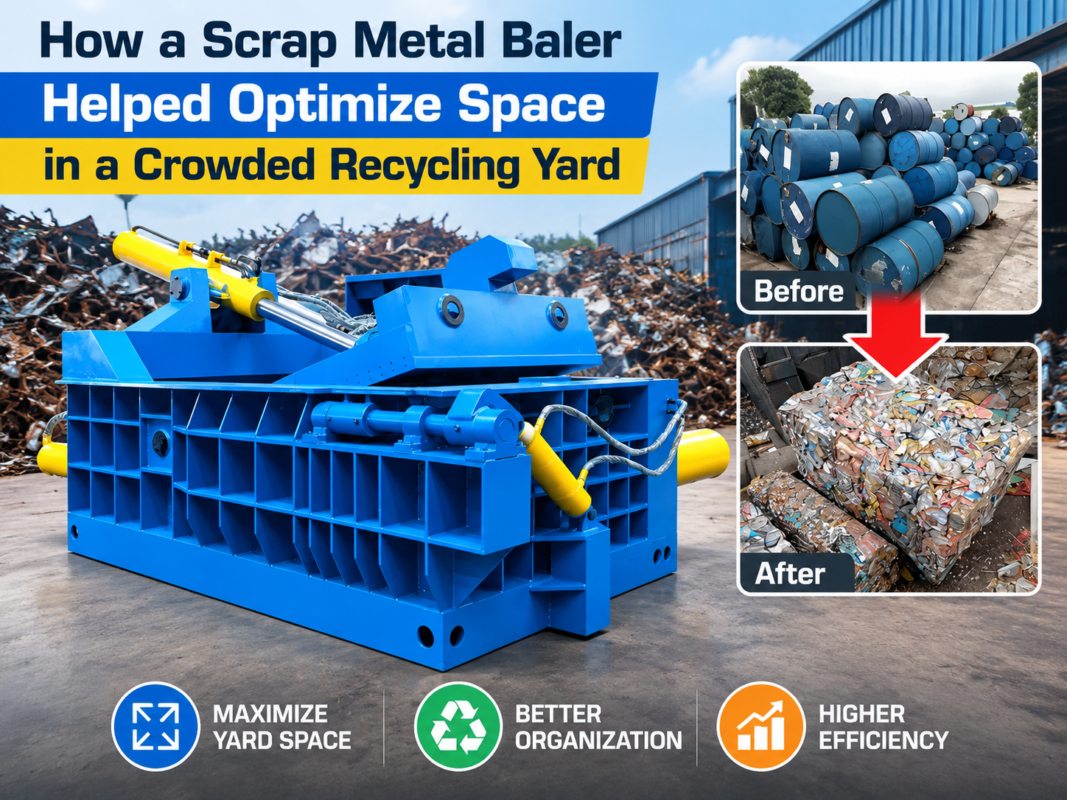
HARSLE has been at the forefront of providing high-performance hydraulic solutions that cater to the diverse needs of the metal fabrication industry. A scrap metal baler is more than just a compactor; it is a strategic asset that transforms a logistical headache into a streamlined revenue stream. By reducing the volume of waste by up to 90%, manufacturers can reclaim valuable floor space and drastically cut down on the frequency of waste pickups, leading to immediate cost savings.
Understanding the specific applications and technical requirements of these machines is essential for any facility looking to optimize its waste stream. Whether dealing with aluminum offcuts from an automotive line or stainless steel shavings from a precision machining shop, the right baler configuration ensures that the material is processed with maximum efficiency and minimum energy consumption. In this guide, we will delve deep into the various scenarios where scrap metal balers provide the highest return on investment.
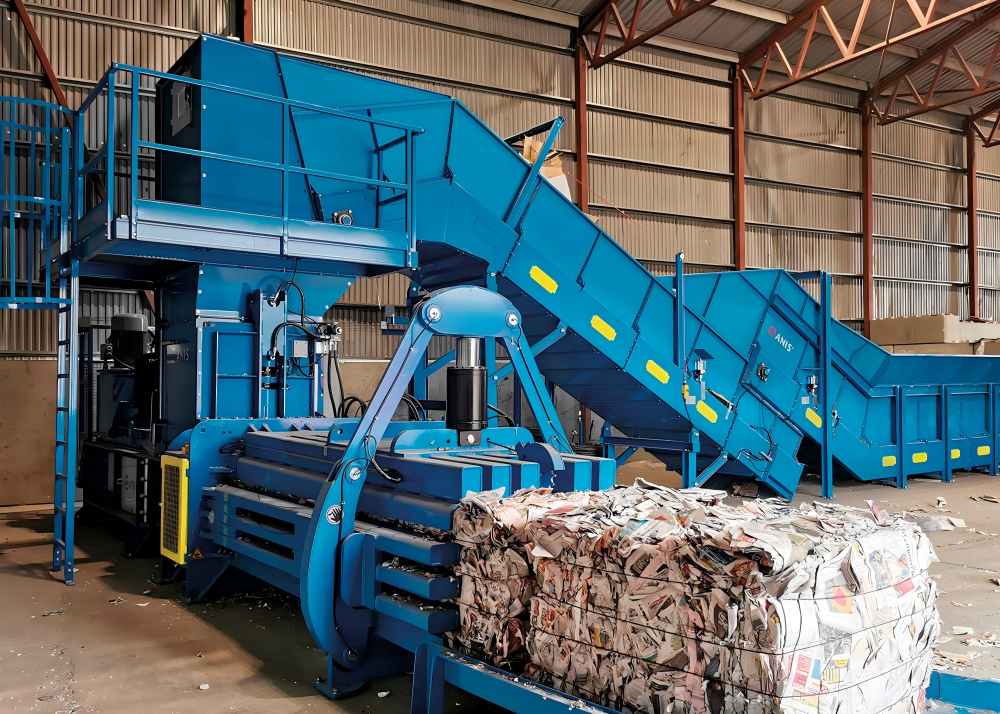
Primary Application Scenarios for Scrap Metal Balers
1. Automotive Manufacturing and Stamping Plants
The automotive industry is perhaps the largest generator of high-quality scrap metal. During the stamping process, large sheets of steel and aluminum are cut into body panels, leaving behind significant amounts of skeletal scrap. These offcuts are often sharp, bulky, and difficult to manage manually. Implementing a scrap metal baler directly at the end of the production line allows for the immediate conversion of this waste into uniform bales.
In these high-volume environments, the Best Applications Scrap Metal Balers In Manufacturing Waste Management involve fully automated systems. These machines can keep pace with rapid stamping cycles, ensuring that scrap does not accumulate and create safety hazards on the factory floor. Furthermore, because automotive scrap is usually of a known alloy, baling it separately maintains its purity, allowing the manufacturer to command a premium price from recyclers.
2. Aerospace and High-Value Alloy Processing
In the aerospace sector, the materials used—such as titanium, Inconel, and specialized aluminum alloys—are incredibly expensive. Every gram of waste represents a significant financial loss if not recovered efficiently. Scrap metal balers in this scenario are used to process turnings, chips, and small offcuts. Because these materials are often tough and resistant to deformation, the balers must be equipped with high-pressure hydraulic systems and specialized wear-resistant liners.
The precision required in aerospace manufacturing extends to its waste management. Baling these high-value materials prevents cross-contamination, which is vital for the recycling process. A dedicated baler for titanium scrap, for instance, ensures that the material remains segregated from standard aluminum, preserving its high resale value and supporting the industry’s push toward a circular economy.
3. Appliance and Consumer Electronics Production
Manufacturers of “white goods” (refrigerators, washing machines, ovens) deal with large volumes of thin-gauge galvanized steel and pre-painted metals. These materials are lightweight but take up immense volume when loose. Scrap metal balers are essential here to condense these voluminous scraps into compact units. This is particularly important for urban manufacturing centers where storage space is at a premium and logistics costs are high.
For electronics manufacturing, where copper and aluminum are prevalent in heat sinks and chassis, small-to-medium-sized balers are often used. These machines are designed for smaller footprints but offer the high compression force needed to create stable bales of non-ferrous metals. By integrating baling into the waste management workflow, electronics manufacturers can significantly reduce their carbon footprint by optimizing transport efficiency.
4. Construction and Structural Steel Fabrication
Structural steel fabricators produce heavy-duty scrap, including rebar ends, beam sections, and thick plate offcuts. The Best Applications Scrap Metal Balers In Manufacturing Waste Management in this sector require heavy-duty “triple compression” balers. These machines apply force from three directions to crush even the thickest steel sections into dense cubes. This application is crucial for maintaining a clean and safe job site or fabrication yard, as loose heavy scrap can be a major tripping and equipment hazard.
Material and Process Requirements
Selecting the right baler starts with a thorough analysis of the material being processed. Not all scrap is created equal, and the physical properties of the metal dictate the machine’s required specifications. For example, soft metals like aluminum and copper require less force to bale but may need specific chamber designs to prevent the material from “springing back” after compression.
Ferrous metals, such as carbon steel and cast iron, require significantly higher hydraulic pressure. The thickness of the material is also a critical factor; while a standard baler can handle 3mm sheet metal, 10mm plate scrap requires a machine with reinforced structural integrity and high-tonnage cylinders. Additionally, the presence of contaminants like oils, coolants, or plastics must be considered, as some balers include drainage systems to collect and recycle these fluids during the compression process.
Process requirements also involve the desired bale size and weight. Most recycling facilities have preferred bale dimensions (e.g., 400mm x 400mm or 600mm x 600mm) that fit their furnaces or transport containers. The Best Applications Scrap Metal Balers In Manufacturing Waste Management are those that can be adjusted to meet these specific downstream requirements, ensuring that the manufacturer doesn’t face penalties or rejection from the scrap dealer.
Recommended Machine Configuration for Industrial Efficiency
When configuring a scrap metal baler for a manufacturing environment, several technical components must be prioritized to ensure longevity and performance. HARSLE recommends focusing on the following key areas:
- Hydraulic System: The heart of the baler. Look for high-efficiency pumps and valves that offer fast cycle times without overheating. Variable displacement pumps can adjust power output based on the resistance of the scrap, saving energy.
- Chamber Liners: Since scrap metal is abrasive, the internal walls of the compression chamber should be lined with replaceable, high-hardness steel plates (such as Hardox). This protects the main structure of the machine from wear and tear.
- Shearing Blades: Many modern balers include integrated shearing blades on the lid or the ram. These blades cut overhanging scrap as the chamber closes, preventing jams and ensuring a clean, uniform bale.
- Control Systems: PLC (Programmable Logic Controller) systems allow for automated operation. Operators can select different programs for different materials (e.g., “Aluminum Mode” vs. “Steel Mode”), optimizing the pressure and cycle time for each.
- Cooling Systems: For 24/7 manufacturing operations, an integrated oil cooling system (either air or water-cooled) is essential to maintain the hydraulic fluid’s viscosity and protect the seals.
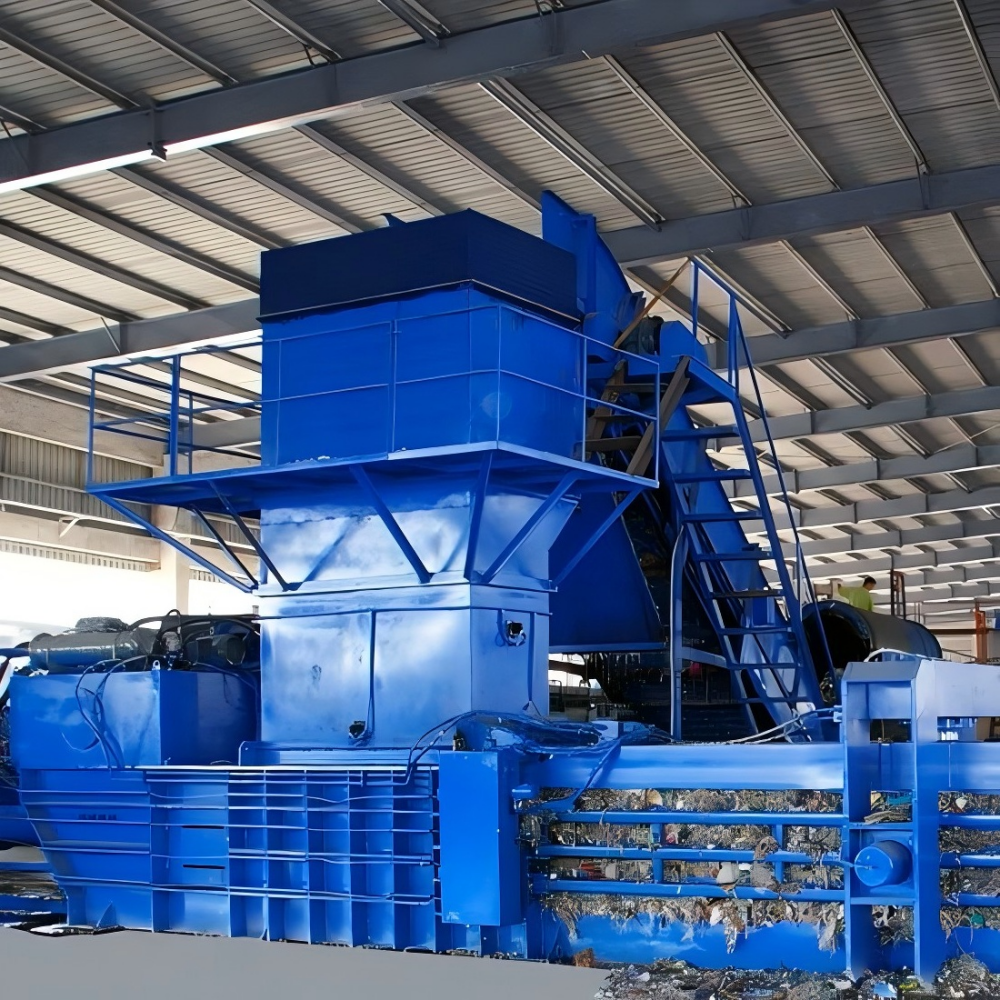
The Standard Workflow of a Scrap Metal Baler
The integration of a baler into a manufacturing waste management plan follows a logical, multi-step workflow designed to minimize manual labor and maximize throughput. Understanding this workflow helps in placing the machine correctly within the facility layout.
- Collection and Sorting: Scrap is collected at the source (the CNC machine, the press brake, or the stamping line). Sorting at this stage is critical; mixing different metals reduces the value of the final bale.
- Loading: The scrap is loaded into the baler’s hopper or charging box. This can be done manually, via a conveyor belt, or using a grab crane for larger operations.
- Pre-Compression: In many designs, a lid or a side ram moves first to consolidate the loose scrap into the main compression zone. This is where shearing of oversized pieces often occurs.
- Main Compression: The primary hydraulic ram moves forward with maximum force, crushing the metal against the end gate or the previously formed bale.
- Bale Ejection: Once the desired density is reached, the end gate opens, and the ram pushes the finished bale out of the machine. Some HARSLE models feature a “turn-out” or “side-push” ejection system for easier handling.
- Storage and Transport: The uniform bales are stacked using a forklift and stored until a full truckload is ready for transport to the recycler.
Productivity and Economic Benefits
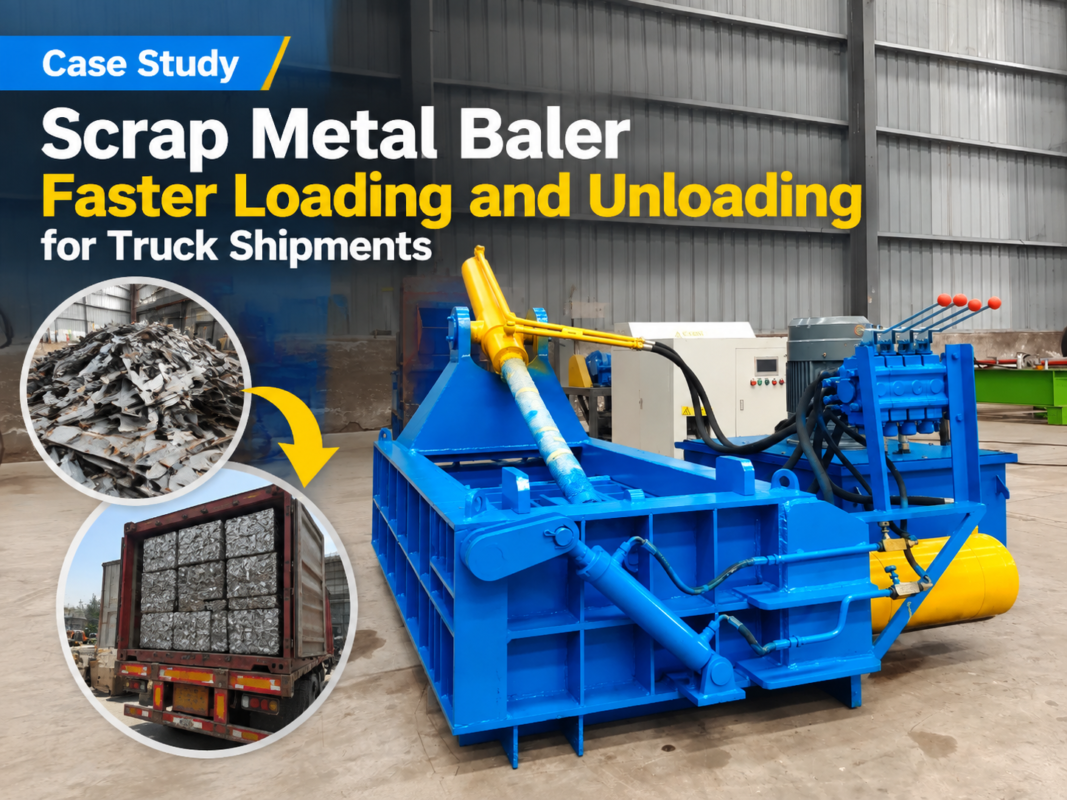
The adoption of the Best Applications Scrap Metal Balers In Manufacturing Waste Management yields immediate and long-term benefits. The most obvious is the reduction in volume. Loose scrap is mostly air; by compressing it, you can fit significantly more weight into a single transport container. This reduces the number of truck trips required, lowering fuel costs and carbon emissions.
From a labor perspective, baling automates what is often a messy and time-consuming manual task. Instead of workers spending hours moving bins of loose metal, they can focus on production while the baler handles the waste. Furthermore, a clean workspace is a safe workspace. Removing sharp, loose metal from the floor reduces the risk of workplace injuries and improves overall morale.
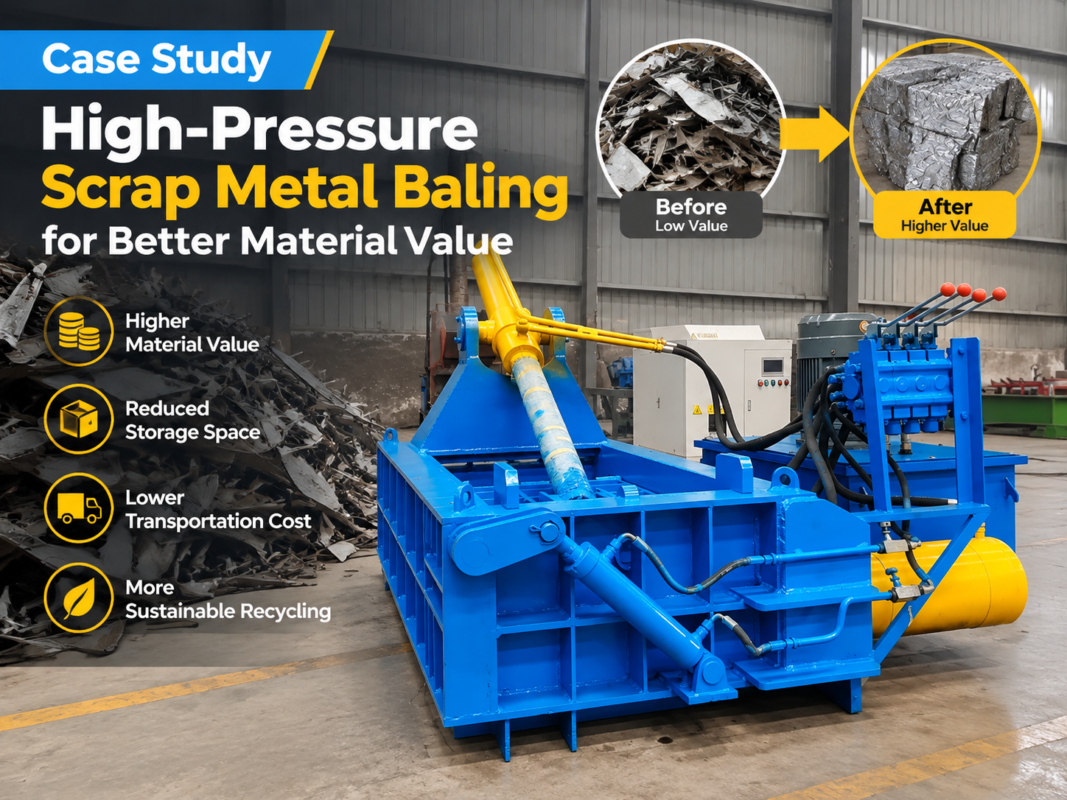
Financially, the ROI of a HARSLE scrap metal baler is often realized within 12 to 24 months. Recyclers pay significantly more for baled scrap because it is “furnace-ready.” It requires less processing on their end, and the density allows for more efficient melting. By moving up the value chain from a “waste generator” to a “processed scrap supplier,” manufacturers can turn a cost center into a profit center.
Case Example: Automotive Parts Supplier in Mexico
A mid-sized automotive parts supplier specializing in aluminum heat shields was struggling with the massive volume of thin-gauge aluminum scrap generated by their high-speed presses. The loose scrap was filling up large bins every hour, requiring a dedicated forklift driver just to move waste to an outdoor yard. The logistics costs were astronomical, and the recycler was paying a low rate due to the high volume-to-weight ratio.
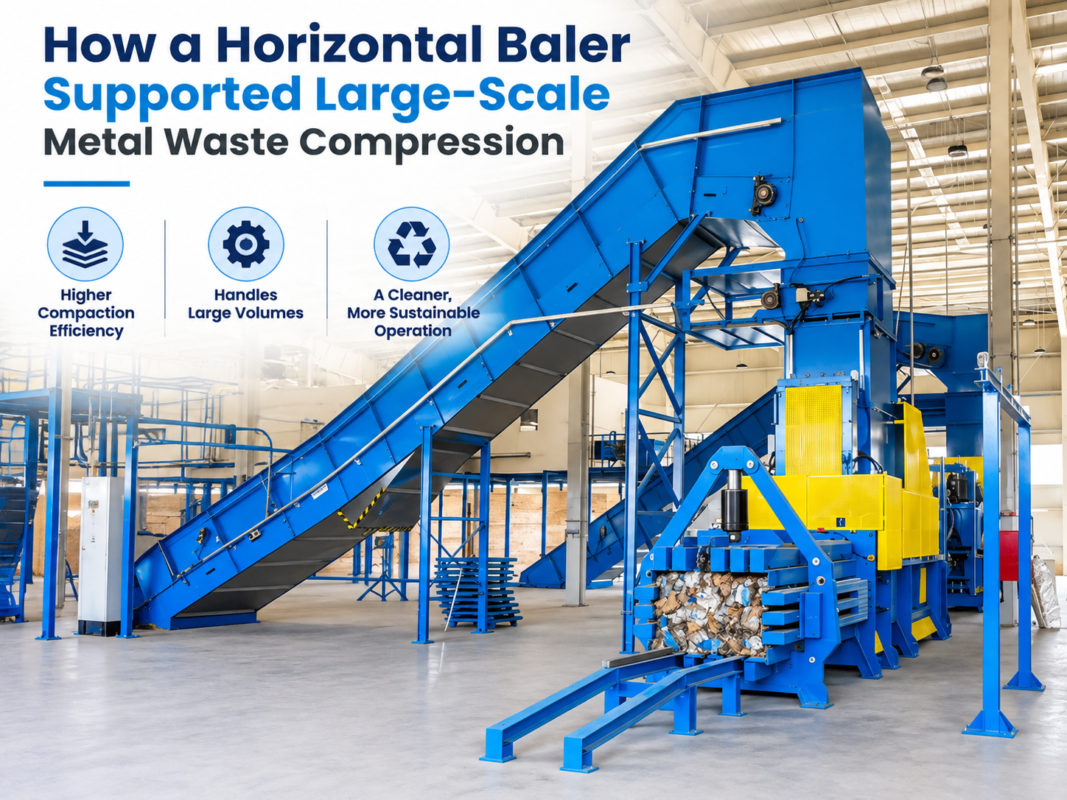
After consulting with HARSLE, the company installed a horizontal hydraulic scrap metal baler with an integrated conveyor system. The results were transformative:
- Volume Reduction: The scrap volume was reduced by 85%, allowing them to store a week’s worth of waste in the space previously occupied by one day’s worth.
- Labor Savings: The dedicated forklift driver was reassigned to the production line, as the baler only required periodic monitoring.
- Increased Revenue: The recycler increased the payout per ton by 25% because the aluminum was now delivered in clean, dense bales.
- Payback Period: The machine paid for itself in just 14 months through a combination of reduced transport costs and higher scrap value.
Frequently Asked Questions (FAQ)
What is the lifespan of a HARSLE scrap metal baler?
With proper maintenance, including regular oil changes and replacement of wear liners, a HARSLE scrap metal baler can last 15-20 years in an industrial environment. The heavy-duty steel construction and high-quality hydraulic components are designed for long-term durability.
Can one baler handle different types of metal?
Yes, most balers can process various metals, including steel, aluminum, copper, and stainless steel. However, it is crucial to clean the chamber between different materials to prevent contamination if you want to maintain the highest resale value for your scrap.
How do I choose the right size baler for my facility?
Selection depends on three factors: the type of metal, the volume of scrap generated per hour, and the maximum dimensions of your largest scrap pieces. HARSLE experts can help you calculate the required press force and chamber size based on your specific production data.
Does the machine require a special foundation?
While smaller balers can sit on a standard reinforced concrete factory floor, larger, high-tonnage machines may require a dedicated foundation to handle the vibration and weight. Always consult the machine’s technical manual for floor loading requirements.
Conclusion and Call to Action
Implementing the Best Applications Scrap Metal Balers In Manufacturing Waste Management is a strategic move for any forward-thinking manufacturer. By turning bulky, hazardous waste into compact, valuable assets, you not only improve your bottom line but also contribute to a more sustainable industrial ecosystem. HARSLE’s range of hydraulic scrap metal balers is engineered to provide the reliability, power, and efficiency needed to meet the demands of modern production.
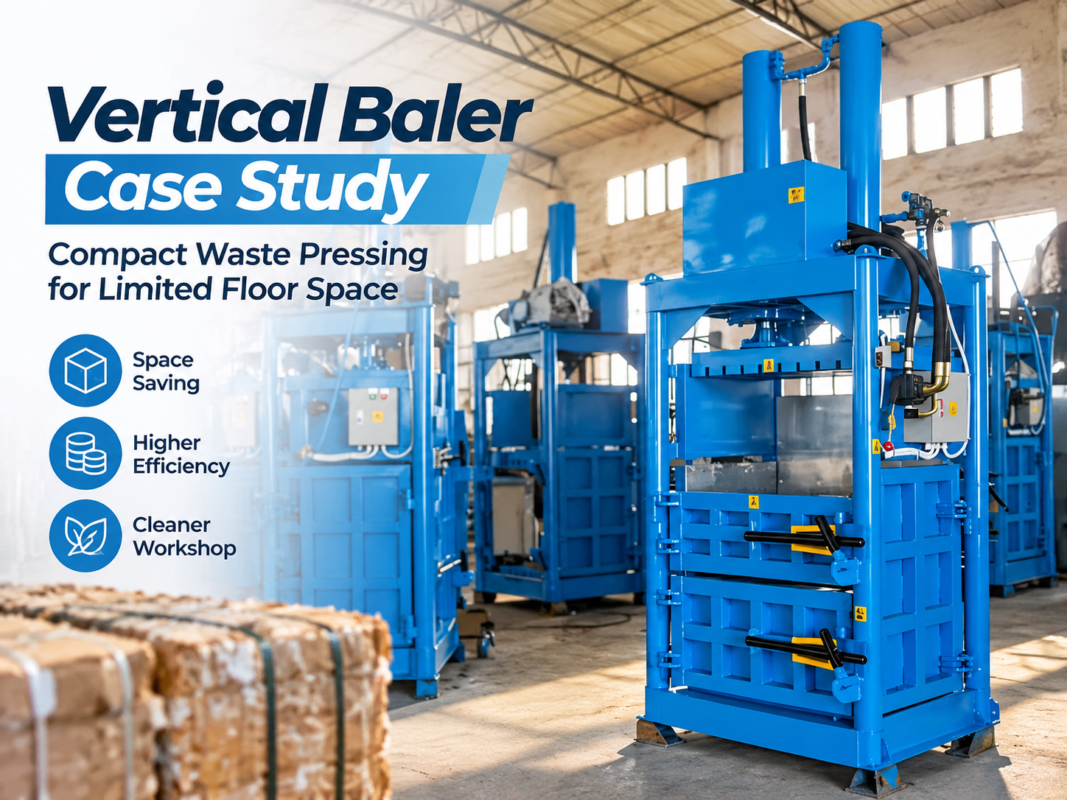
Don’t let your scrap metal go to waste. Contact HARSLE today to speak with our technical engineers about a customized waste management solution. Whether you need a compact vertical baler or a high-capacity fully automated system, we have the expertise to help you optimize your process. Visit our website or call our sales team to request a quote and take the first step toward a more profitable and efficient manufacturing operation.