How Scrap Metal Balers Support High-Volume Metal Waste Compaction

Introduction to High-Volume Metal Waste Management
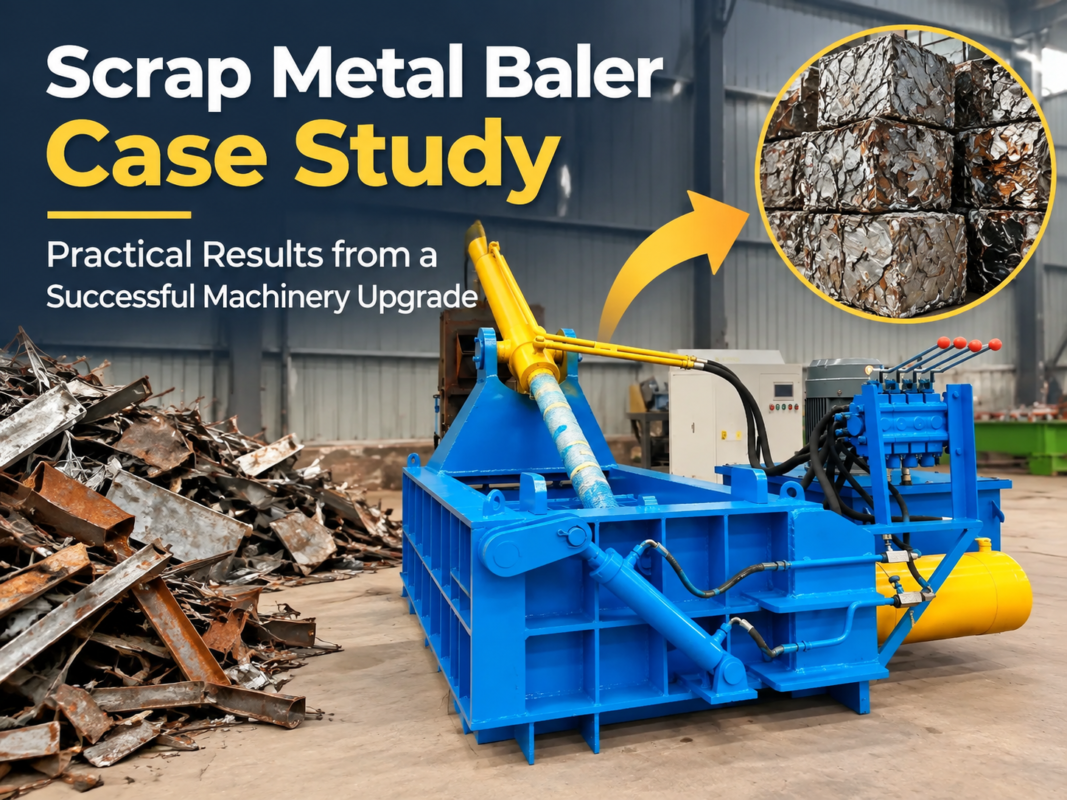
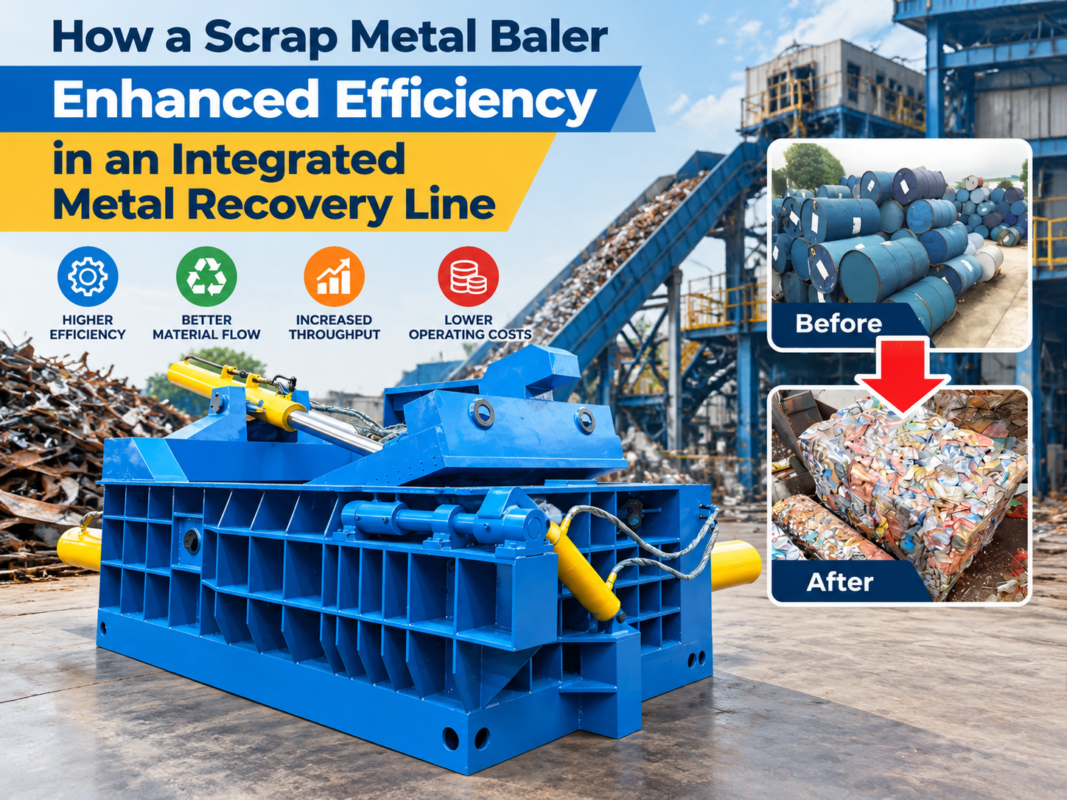
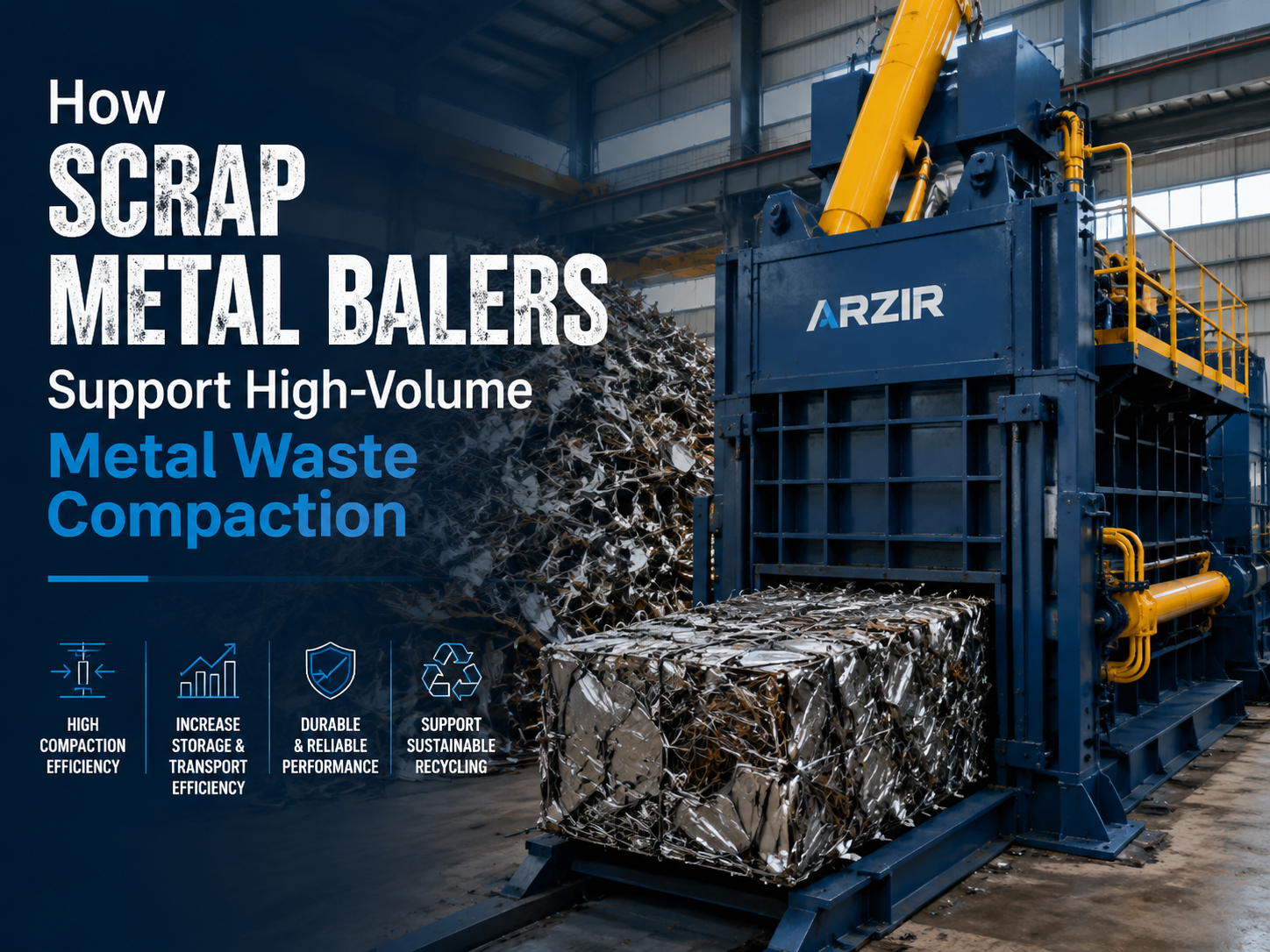
In the modern industrial landscape, the management of metal waste has evolved from a secondary logistical concern into a primary driver of operational efficiency and sustainability. As global manufacturing output continues to rise, the sheer volume of scrap metal—ranging from aluminum offcuts to decommissioned structural steel—presents a significant challenge for facilities. This is where Scrap Metal Balers Support High-Volume Metal Waste Compaction by transforming loose, voluminous debris into dense, manageable blocks. These machines are the backbone of the circular economy, ensuring that metal waste is not just disposed of, but prepared for efficient transport and high-quality smelting.
High-volume compaction is not merely about saving space; it is about optimizing the entire supply chain of recycled materials. Loose scrap is notoriously difficult to handle, requiring excessive labor and multiple transport trips, which increases the carbon footprint and operational costs. By utilizing advanced hydraulic baling technology, companies can achieve density levels that make shipping economically viable. HARSLE, a leader in metal fabrication machinery, provides the robust engineering required to meet these demanding industrial needs, ensuring that high-volume waste streams are processed with precision and speed.
Application Scenarios for Industrial Scrap Balers
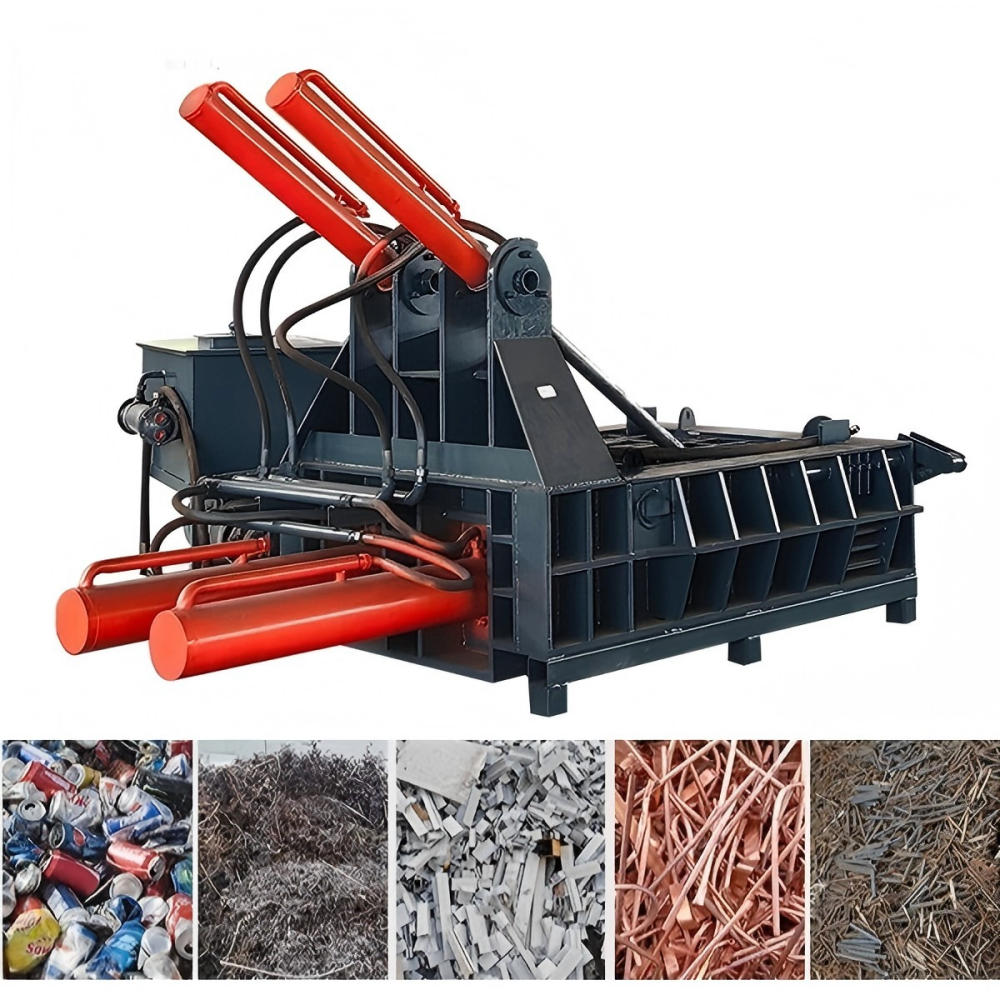
The application of scrap metal balers spans across various sectors, each with unique demands for waste compaction. In large-scale recycling centers, these machines operate nearly 24/7, processing a diverse mix of ferrous and non-ferrous metals. These facilities require balers that can handle everything from copper wiring to stainless steel panels without frequent downtime. The ability of Scrap Metal Balers Support High-Volume Metal Waste Compaction in these environments directly correlates to the facility’s daily throughput and profitability.
Automotive manufacturing and demolition sites represent another critical application scenario. In car manufacturing plants, stamping presses generate massive amounts of skeletal scrap. Without an integrated baling solution, this waste would quickly overwhelm the production floor. Similarly, in demolition, structural steel and aluminum siding must be compacted on-site or at a nearby transfer station to reduce the number of truckloads required to clear the site. By densifying the material at the source, companies significantly reduce their logistical overhead.
Furthermore, steel mills and foundries utilize balers to prepare “charge-ready” material. Smelting furnaces operate most efficiently when the scrap fed into them has a consistent density and size. Loose scrap can cause uneven heating and potential damage to furnace linings. Compacted bales, however, sink into the molten bath more effectively, improving the melt rate and reducing energy consumption. This makes the baler an essential tool not just for the recycler, but for the end-user of the recycled metal as well.
Material and Process Requirements
To understand how Scrap Metal Balers Support High-Volume Metal Waste Compaction, one must consider the physical properties of the materials being processed. Different metals exhibit varying levels of elasticity and hardness. For instance, aluminum is relatively soft and easy to compress but has a high “spring-back” effect, requiring sustained pressure to maintain bale integrity. In contrast, stainless steel is much harder and requires significantly higher hydraulic force to achieve the desired density.
The process requirements also involve managing the size and shape of the input material. Large sheets of metal or long extrusions often need to be sheared before or during the baling process. Many high-volume balers are equipped with integrated shear blades on the chamber lid. As the lid closes, it cuts off any overhanging material, ensuring a clean compaction cycle. This dual-functionality is crucial for maintaining a continuous workflow in high-volume environments where manual pre-cutting would be too slow and labor-intensive.
Moisture and contamination are additional factors that must be addressed. Industrial scrap often contains residual oils, coolants, or water. A high-quality baler design includes drainage systems to collect these liquids, preventing them from contaminating the hydraulic system or creating a mess in the workspace. The compaction process itself must be controlled via sophisticated PLC systems that adjust the pressure based on the resistance encountered, ensuring that the machine is never over-stressed while still achieving maximum density.
Recommended Machine Configuration for High Volume
When selecting equipment to ensure Scrap Metal Balers Support High-Volume Metal Waste Compaction, the configuration of the hydraulic and mechanical systems is paramount. For high-volume operations, a triple-compression baler is often the gold standard. These machines apply force from three directions (longitudinal, lateral, and vertical), resulting in the highest possible bale density. This is particularly important for non-ferrous metals where transport costs are a high percentage of the material value.
Key Specifications to Consider
| Feature | Requirement for High Volume | Benefit |
|---|---|---|
| Hydraulic Pressure | 250 – 600 Tons | Ensures maximum density for heavy ferrous scrap. |
| Chamber Size | 2000mm x 1500mm+ | Allows for large pieces of scrap without pre-cutting. |
| Cycle Time | < 120 Seconds | Increases the number of bales produced per shift. |
| Cooling System | Industrial Oil Cooler | Prevents overheating during continuous 24/7 operation. |
| Control System | Siemens/Schneider PLC | Provides precise control and easy troubleshooting. |
The choice of bale ejection mechanism also impacts productivity. For high-volume lines, a “side-push” or “forward-out” ejection system is preferred as it allows for faster clearing of the chamber compared to manual “turn-out” designs. Additionally, the use of wear-resistant liners, such as Hardox plates, is non-negotiable. These liners protect the main structure of the baler from the abrasive nature of metal scrap, significantly extending the machine’s service life and reducing maintenance intervals.
The Workflow of High-Volume Compaction
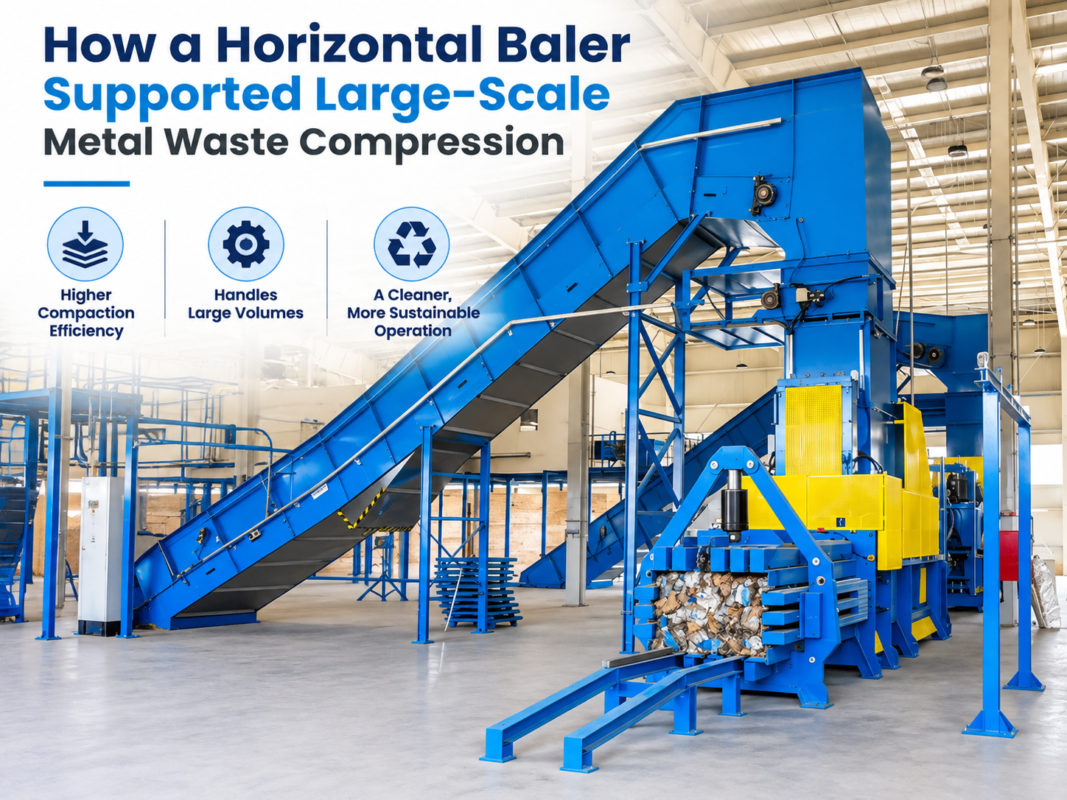
The workflow of a high-volume scrap metal baler is a choreographed sequence of hydraulic movements designed for maximum efficiency. It begins with the loading phase, where scrap is fed into the hopper using a crane, grabber, or conveyor belt. In automated systems, sensors detect when the chamber is full, triggering the start of the cycle. This automation is a key way Scrap Metal Balers Support High-Volume Metal Waste Compaction by removing the variability of human operation.
Once the cycle begins, the lid (or the first ram) closes, shearing off excess material and providing the initial downward compression. Following this, the side ram moves in to narrow the scrap into a column. Finally, the main high-pressure ram moves forward to compress the column into a finished bale. The entire process is monitored by the PLC, which ensures that the rams move in the correct sequence and that the pressure levels are within safe operating limits. If a jam occurs, modern balers feature auto-reverse functions to clear the obstruction without operator intervention.
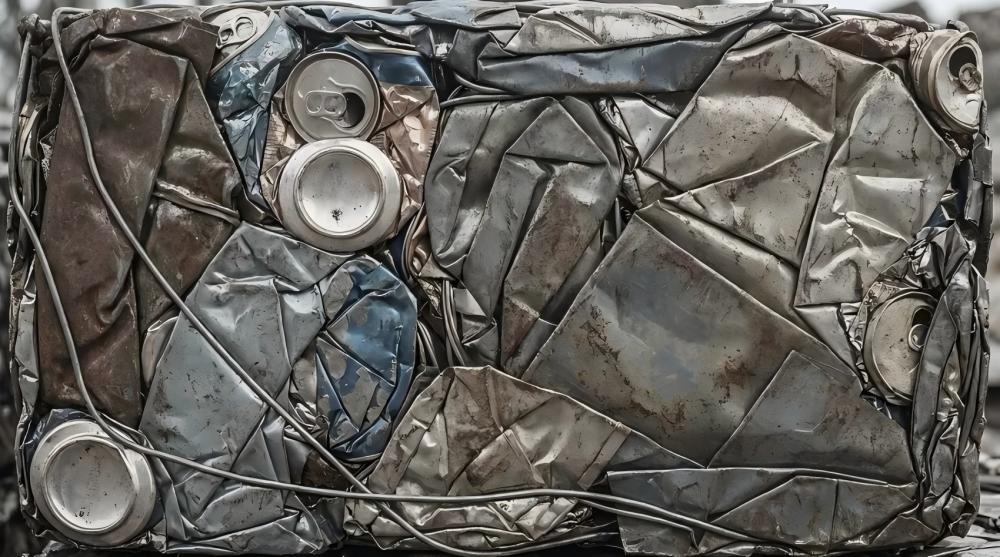
After compaction, the bale is ejected. In a high-volume setup, the bale often slides onto a conveyor or a dedicated collection area where it can be easily picked up by a forklift. This seamless transition from loose scrap to a finished, stacked bale allows for a continuous flow of material through the facility. The integration of weighing scales at the ejection point can also provide real-time data on production volumes, which is essential for inventory management and financial reporting.
Productivity and Economic Benefits
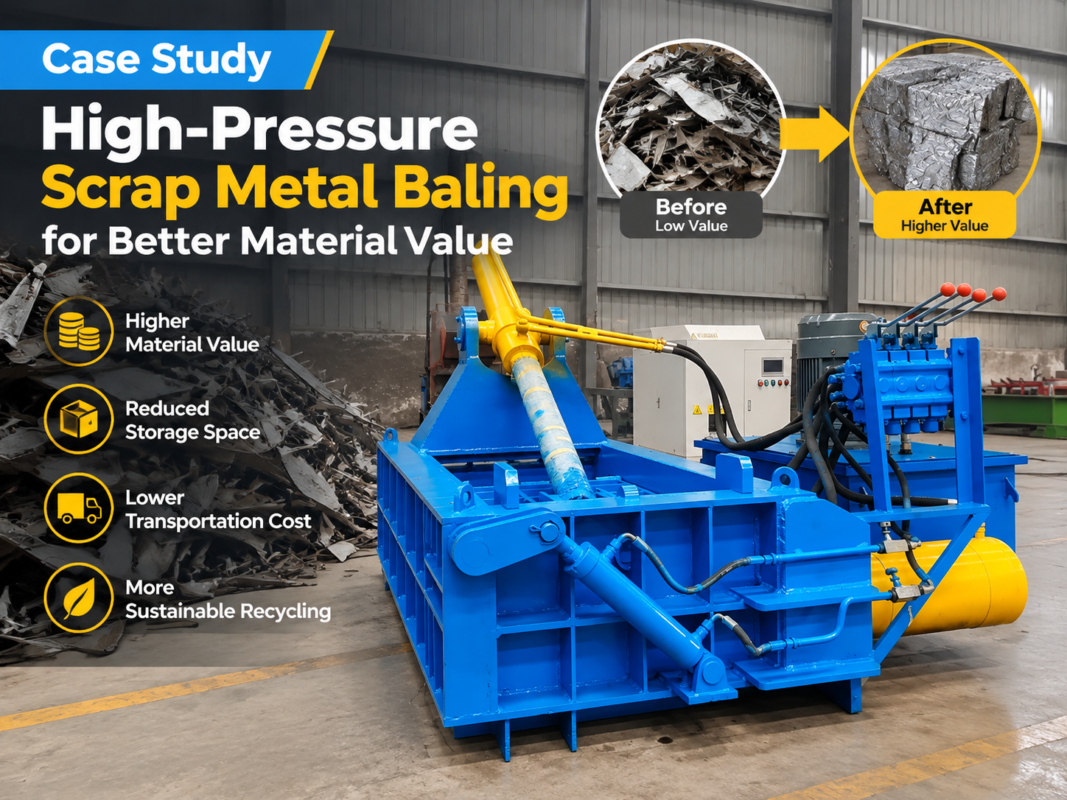
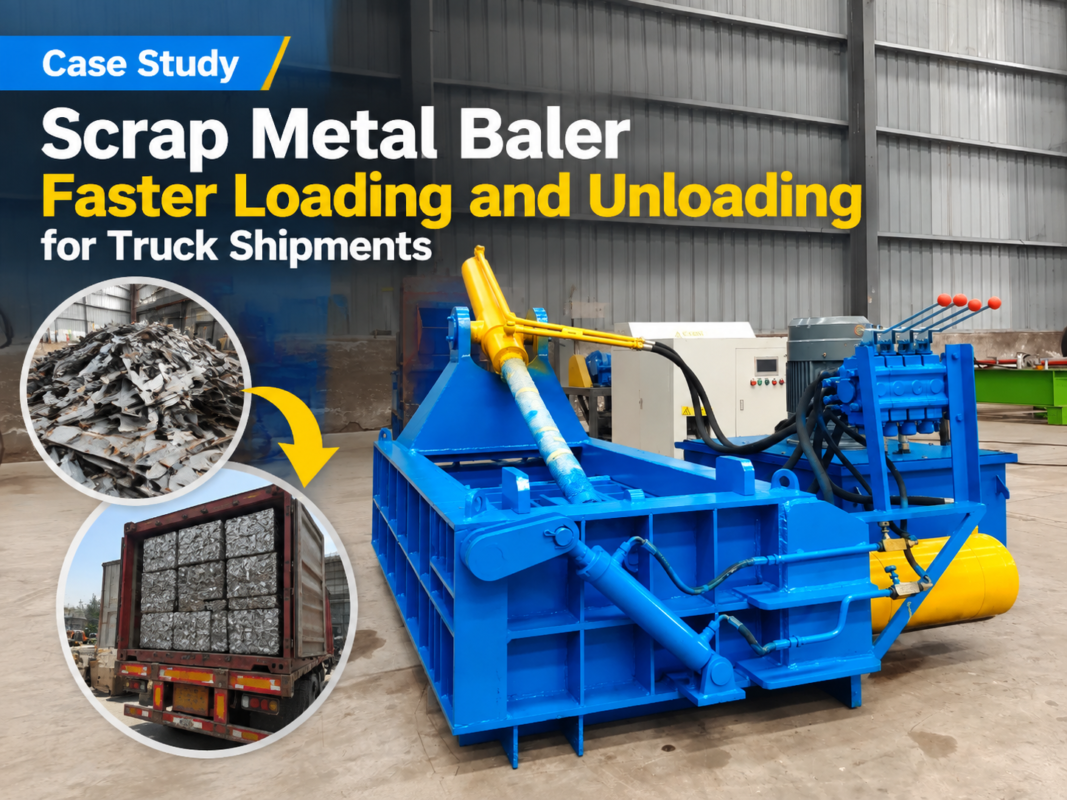
The primary economic benefit of high-volume compaction is the drastic reduction in logistics costs. Loose scrap metal has a very low bulk density, meaning a standard truck might reach its volume limit long before it reaches its weight limit. By using a baler, the density is increased to the point where trucks can be loaded to their maximum legal weight capacity. This can reduce the number of required trips by up to 70%, leading to massive savings in fuel, labor, and vehicle maintenance.
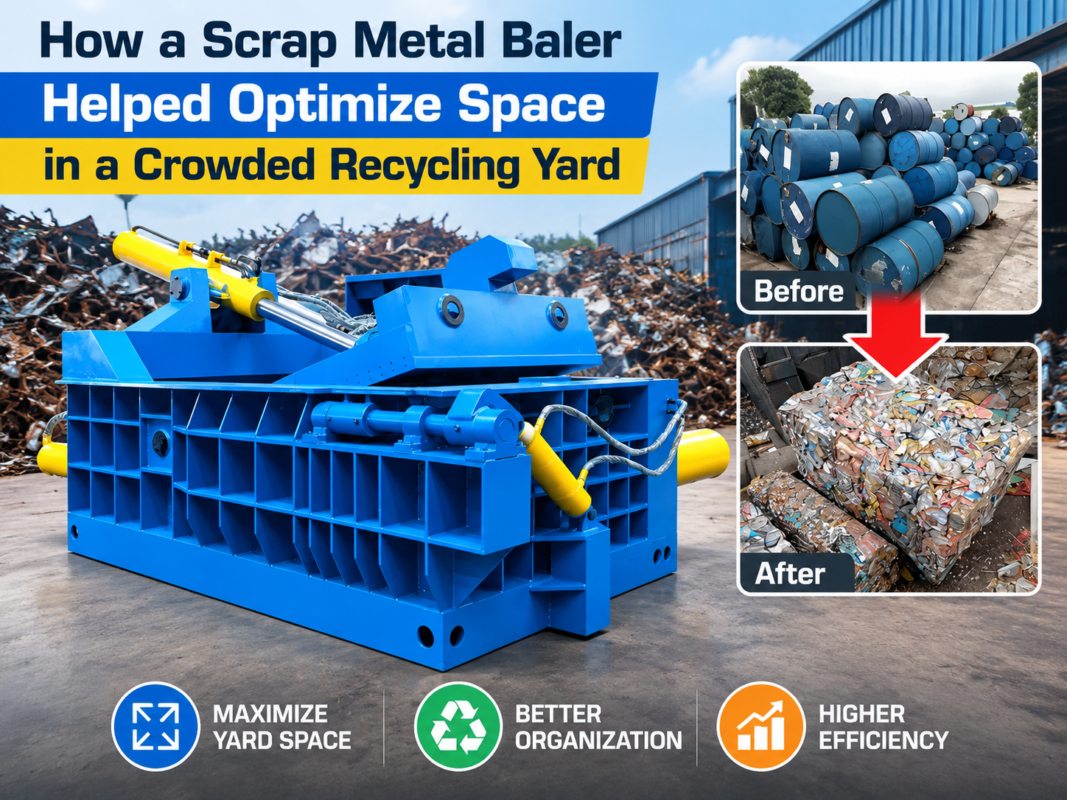
Beyond logistics, Scrap Metal Balers Support High-Volume Metal Waste Compaction by increasing the market value of the scrap. Recyclers and smelters pay a premium for baled material because it is easier to handle, store, and process. Bales take up significantly less square footage in a warehouse, allowing facilities to store more inventory and wait for favorable market prices before selling. This strategic storage capability can be the difference between a profitable year and a loss-making one in the volatile commodities market.
- Labor Efficiency: Automated baling reduces the need for manual sorting and cutting.
- Safety: Compacted bales are safer to move than loose scrap, which often has sharp edges and unpredictable weight distribution.
- Environmental Impact: Fewer truck trips mean lower CO2 emissions, and contained waste prevents soil contamination from metal residues.
- Operational Clarity: Standardized bale sizes make it easier to calculate inventory and load containers for export.
Case Example: Automotive Scrap Optimization
Consider a mid-sized automotive parts manufacturer that produces approximately 50 tons of aluminum and steel scrap per week. Initially, they used open-top containers to collect loose scrap. This required daily pickups by a local recycler, and the manufacturer was charged high transport fees due to the inefficiency of the loads. Furthermore, the loose scrap was a constant safety hazard on the factory floor.
By implementing a HARSLE high-volume hydraulic baler, the manufacturer was able to compress their weekly waste into just a few dozen dense bales. The frequency of pickups was reduced from daily to once a week. The recycler, receiving high-density, clean bales, offered a higher price per ton. Within 14 months, the savings in transport costs and the increased scrap revenue completely covered the capital investment of the baler. This real-world example demonstrates how Scrap Metal Balers Support High-Volume Metal Waste Compaction to deliver a rapid return on investment.
Frequently Asked Questions (FAQ)
What is the average lifespan of a high-volume scrap baler?
With proper maintenance and the use of high-quality wear liners, an industrial scrap baler from a reputable manufacturer like HARSLE can last 15 to 20 years. Regular hydraulic oil changes and structural inspections are key to longevity.
Can one baler handle different types of metal?
Yes, most modern balers are versatile. However, the PLC settings may need to be adjusted for different materials (e.g., aluminum vs. steel) to account for different compression requirements and spring-back characteristics.
How much space is required for a high-volume baling station?
While the machine itself might occupy a 5m x 5m area, you must account for the loading zone, bale storage area, and forklift access. A total dedicated area of 100-150 square meters is typically recommended for a fluid workflow.
Is automation necessary for high-volume processing?
While manual balers exist, automation is highly recommended for high volumes. Features like infrared sensors for auto-start and remote-control operation significantly increase safety and throughput.
Conclusion: Choosing the Right Partner for Metal Compaction
Investing in a scrap metal baler is a strategic decision that impacts the long-term efficiency and profitability of any metal-related business. As we have explored, Scrap Metal Balers Support High-Volume Metal Waste Compaction by providing the force, speed, and reliability needed to turn a waste stream into a revenue stream. When choosing a machine, it is vital to partner with a manufacturer that understands the nuances of hydraulic engineering and the harsh realities of the scrap industry.
HARSLE offers a range of scrap metal balers designed for durability and high performance. Whether you are a small recycling yard looking to grow or a large manufacturing plant needing to optimize your waste management, our team can provide the technical expertise and equipment necessary to achieve your goals. Contact HARSLE today to learn more about our industrial solutions and how we can help you maximize your metal waste compaction efficiency.