Scrap Metal Baler Applications in Automotive Scrap Recycling Facilities: A Comprehensive Guide

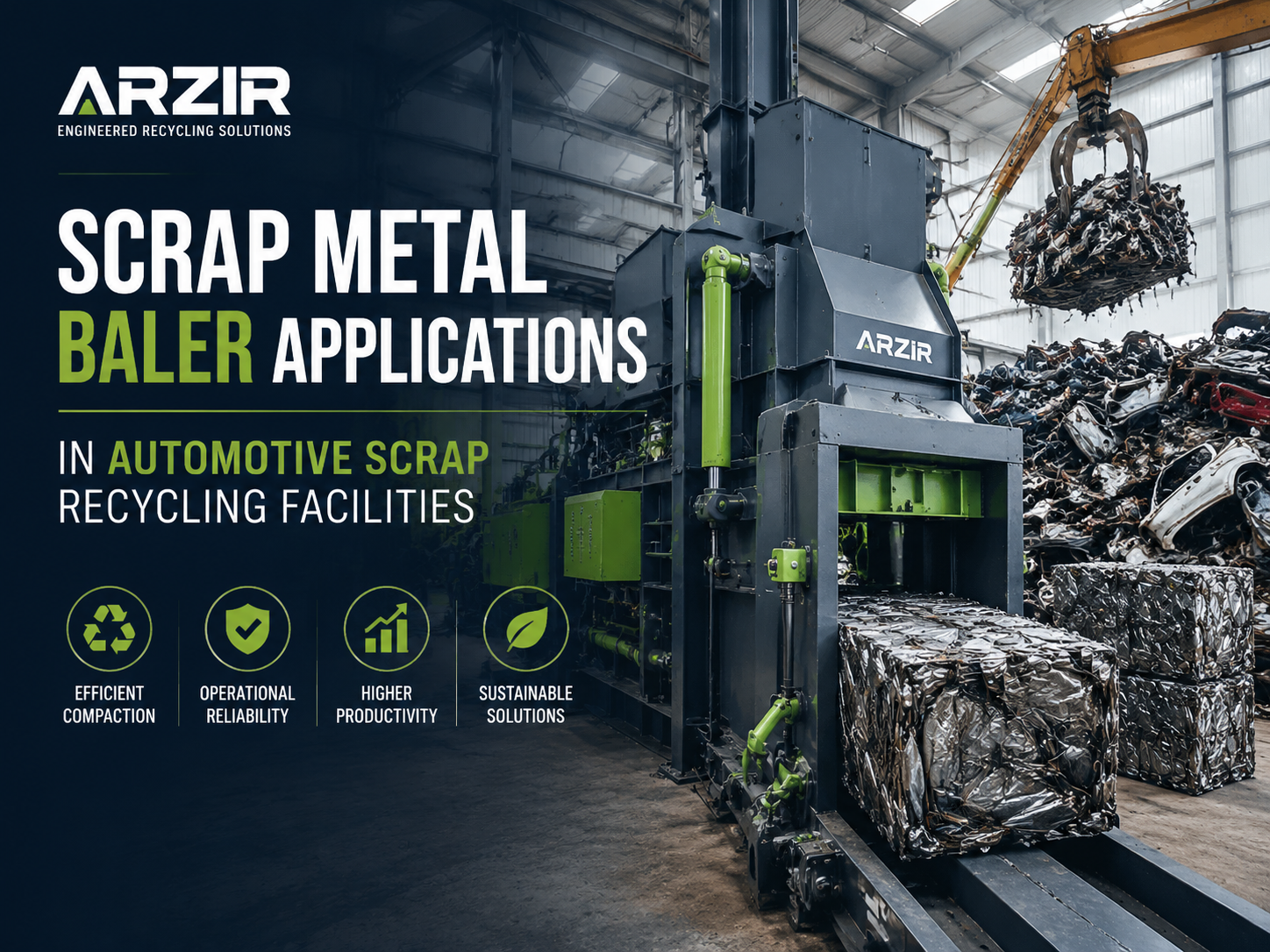
Introduction to Scrap Metal Baler Applications in Automotive Scrap Recycling Facilities
The automotive industry is one of the largest contributors to the global scrap metal market. Every year, millions of vehicles reach the end of their operational life, becoming what the industry terms End-of-Life Vehicles (ELVs). These vehicles are a goldmine of recyclable materials, including steel, aluminum, copper, and various alloys. However, the sheer volume and awkward shape of automotive scrap present significant logistical challenges. This is where Scrap Metal Baler Applications In Automotive Scrap Recycling Facilities become indispensable. By compressing bulky car bodies and components into dense, manageable blocks, these machines transform a logistical nightmare into a streamlined, profitable raw material stream.
Modern automotive recycling is no longer just about dismantling; it is about high-efficiency processing. As environmental regulations tighten and the demand for secondary raw materials rises, recycling facilities must adopt advanced industrial machinery to remain competitive. HARSLE, a leader in metal fabrication equipment, provides high-performance hydraulic balers specifically engineered to handle the rigorous demands of the automotive sector. This guide explores the deep integration of baling technology within the automotive recycling ecosystem, detailing everything from application scenarios to technical configurations.
Application Scenario: The Role of Balers in ELV Management
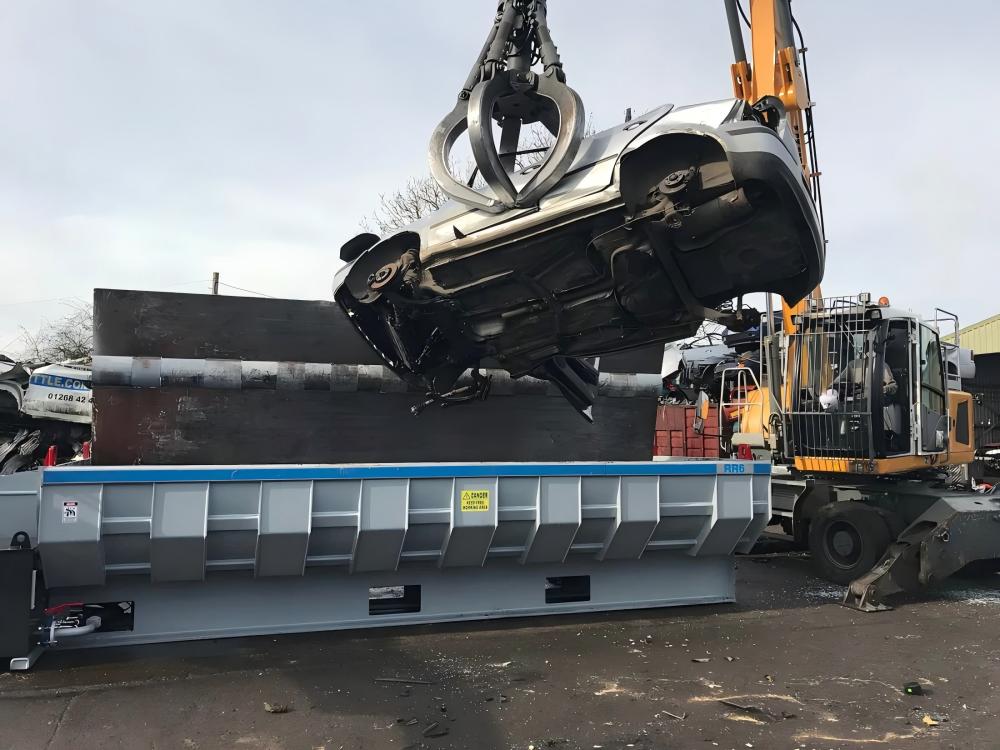
In a typical automotive scrap recycling facility, the journey of a vehicle begins with depollution—the removal of fluids, batteries, and hazardous materials. Once the car is stripped of its high-value components like the engine and transmission, the remaining chassis or ‘hulk’ represents a massive volume of low-density steel. Without a scrap metal baler, transporting these hollow shells is economically unfeasible, as a standard trailer would reach its volume capacity long before its weight capacity.
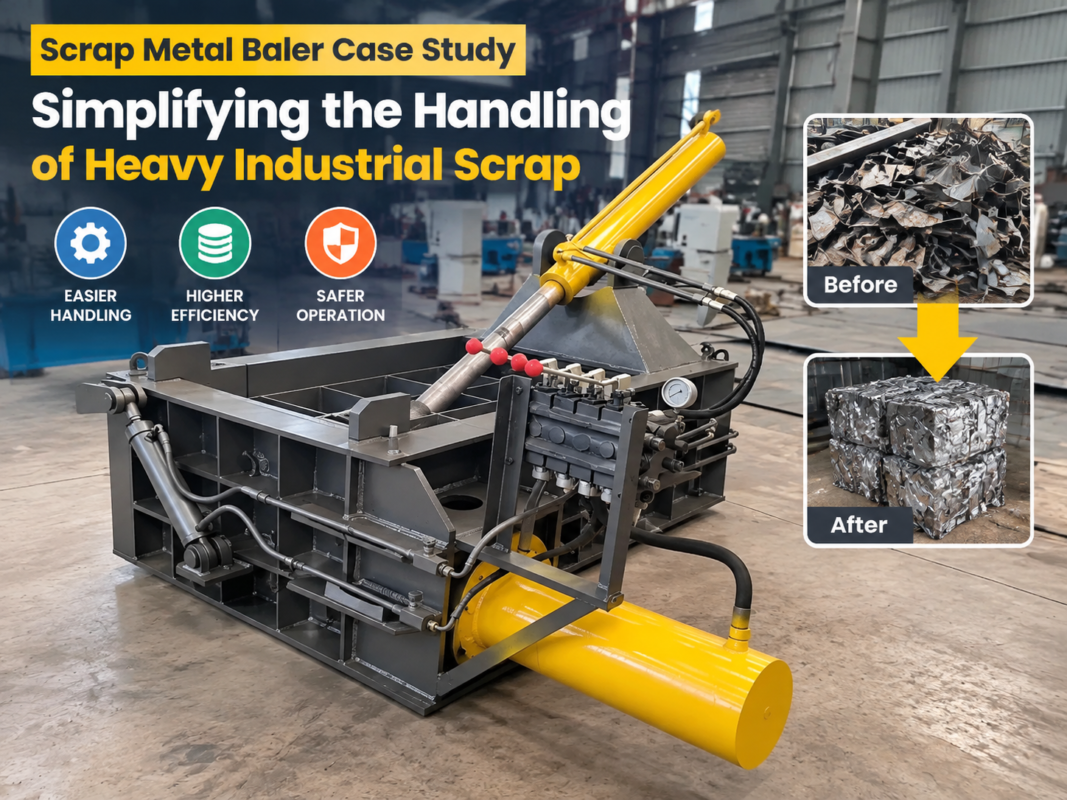
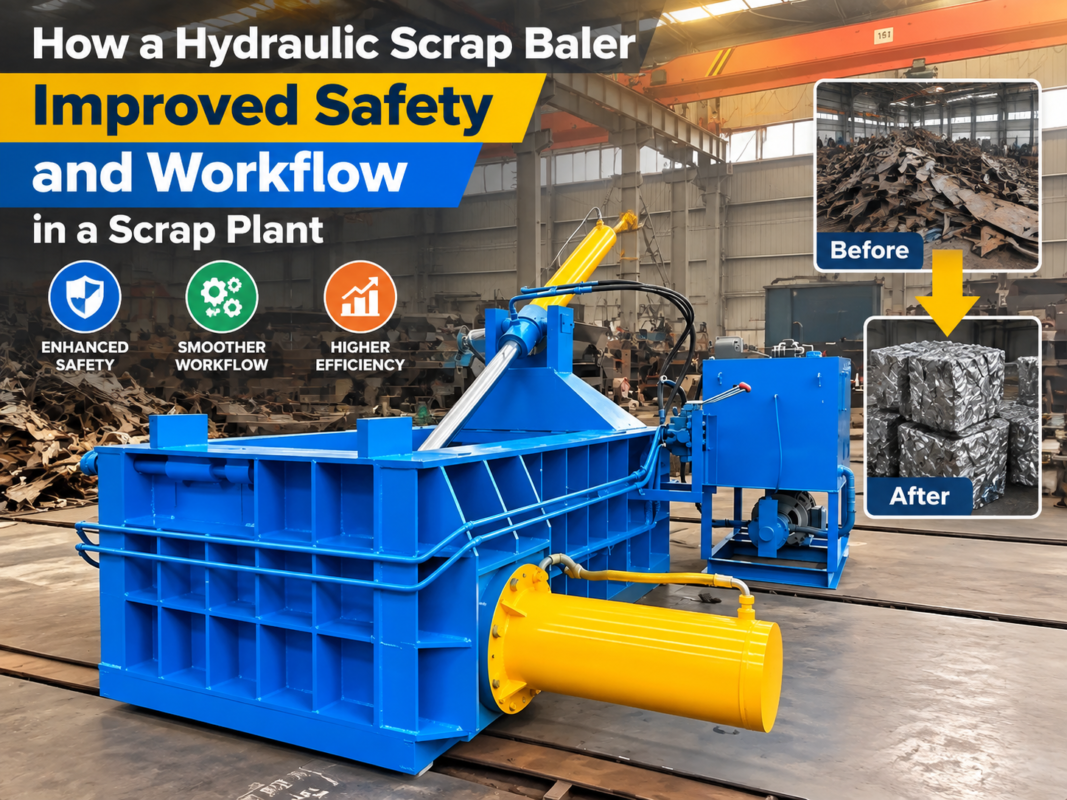
The primary application scenario for scrap metal balers in this context is the volume reduction of car bodies. By applying massive hydraulic force, the baler crushes the entire chassis into a rectangular bale. This process is not limited to the main body; it also extends to peripheral automotive scrap such as fenders, doors, hoods, and even aluminum rims. In large-scale facilities, balers are often positioned at the end of a dismantling line, acting as the final stage before the metal is shipped to a shredder or directly to a steel mill for smelting.
Beyond the dismantling yard, scrap metal balers are also used in automotive manufacturing plants. During the production of new vehicles, stamping presses generate significant amounts of ‘busheling’ scrap—clean, high-quality steel offcuts. Balers are used on-site to compress these offcuts into high-density bundles, ensuring that the manufacturer can sell the scrap back to mills at a premium price while maintaining a clean and safe factory floor. Whether it is post-consumer ELV scrap or industrial manufacturing waste, the baler is the heart of the recycling workflow.
Material and Process Requirements
Automotive scrap is diverse, requiring a baler that can handle various material properties. The primary material is carbon steel, which makes up the bulk of a car’s structural frame. This steel is often coated or galvanized, requiring the baler to have high-pressure capabilities to overcome the structural integrity of the reinforced pillars and frames. Additionally, the rise of lightweight vehicles has increased the amount of aluminum scrap in the automotive stream. Aluminum requires different handling, as it is more prone to ‘spring-back’ if not compressed with sufficient force and held for the correct duration.
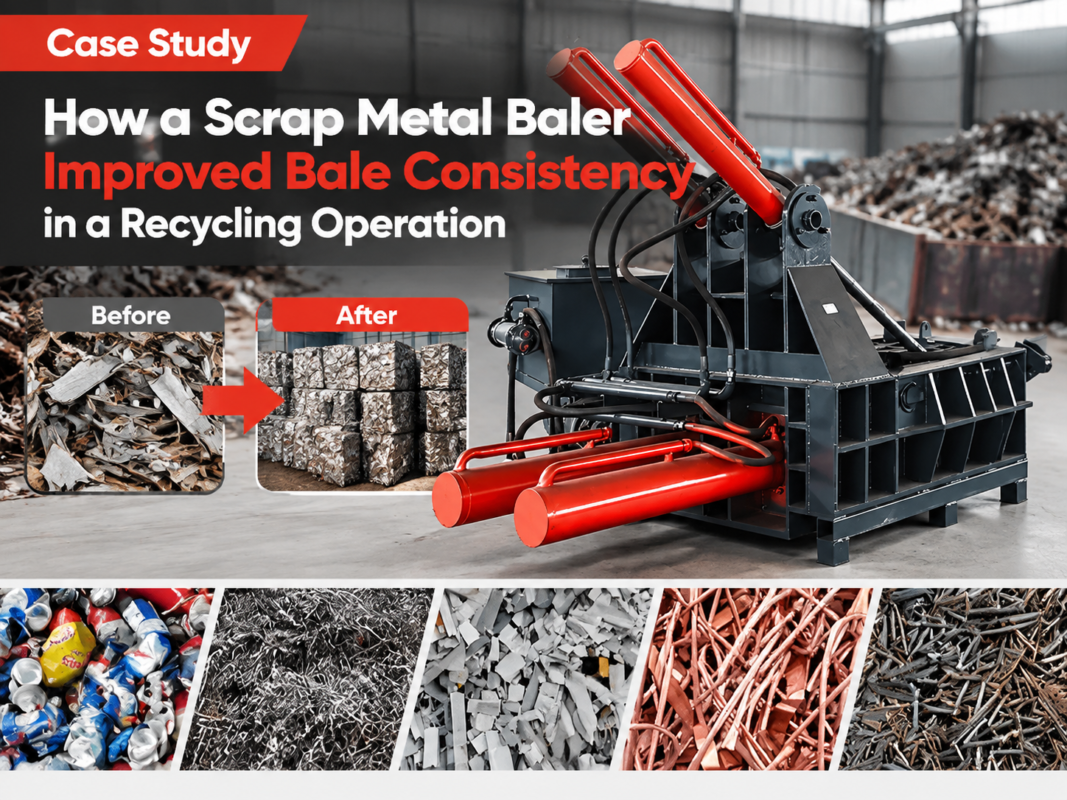
The process requirements for automotive baling are stringent. First, the bale density must meet the specifications of the end-user, typically a steel mill or a large-scale shredder. A bale that is too loose may fall apart during transport, while one that is too dense might be difficult for certain shredders to process. Most automotive recycling facilities aim for a density that maximizes shipping container weight—usually around 25-35% of the solid metal density. Furthermore, the size of the baling chamber must be large enough to accommodate a full-sized sedan or SUV without requiring extensive pre-cutting, which saves on labor costs.
Contamination control is another critical process requirement. While the baler itself is a mechanical device, the materials it processes often contain residual plastics, glass, and rubber. The machine must be designed to withstand the abrasive nature of these contaminants. Wear-resistant plates, typically made of high-strength alloys like Hardox, are essential in the compression chamber to prevent the jagged edges of automotive scrap from damaging the structural integrity of the machine over time.
Recommended Machine Configuration for Automotive Scrap
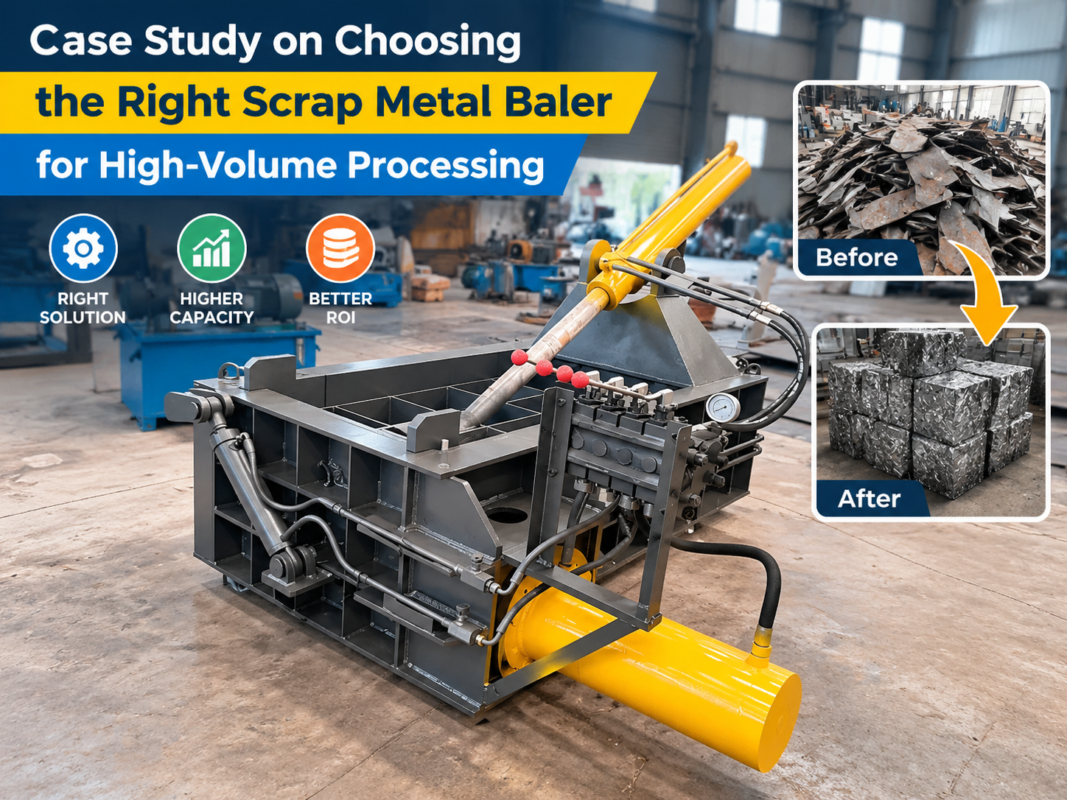
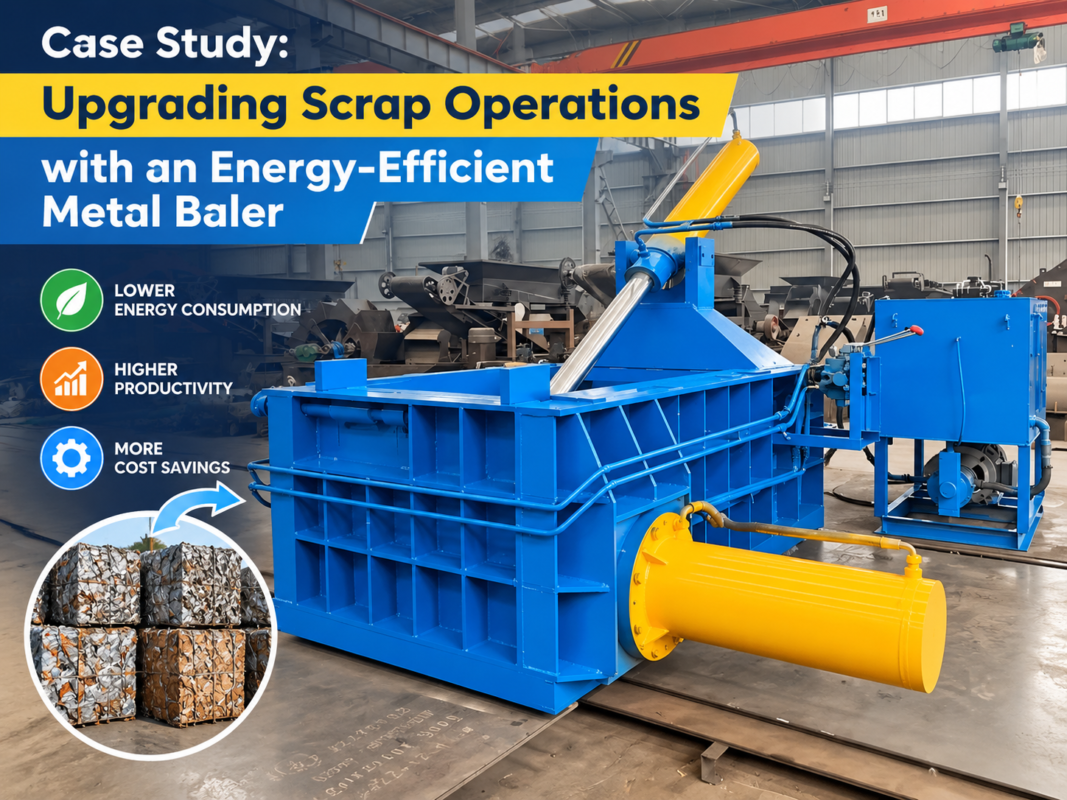
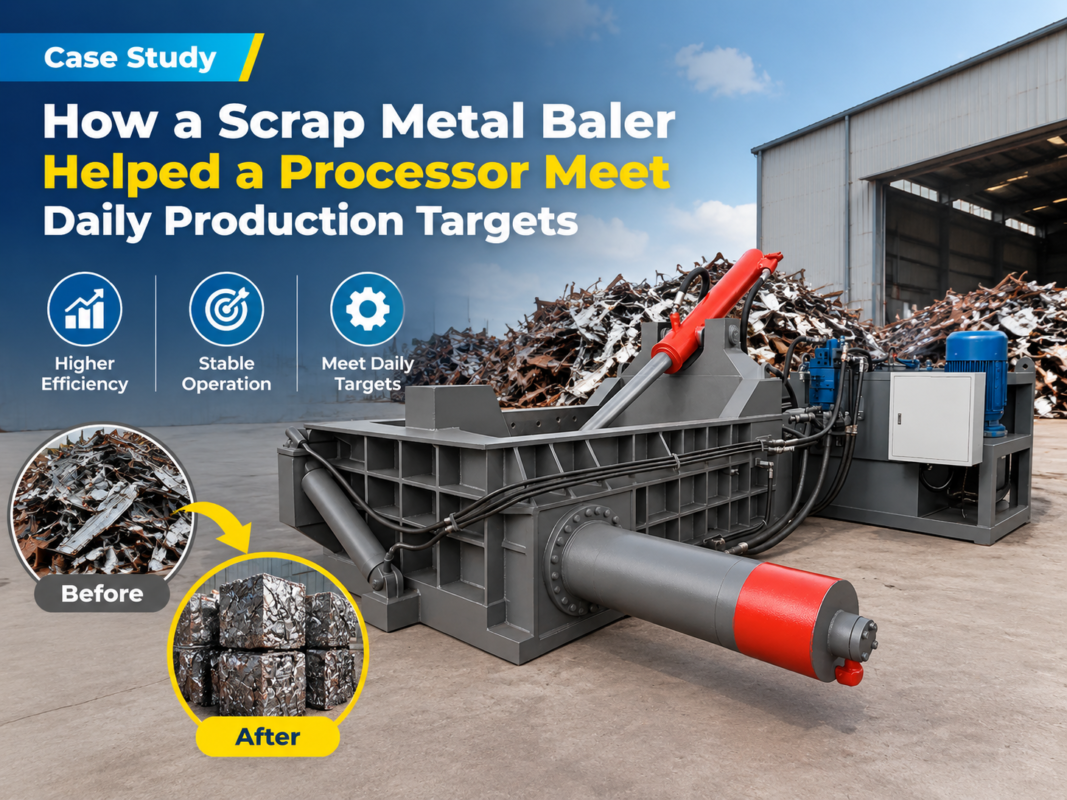
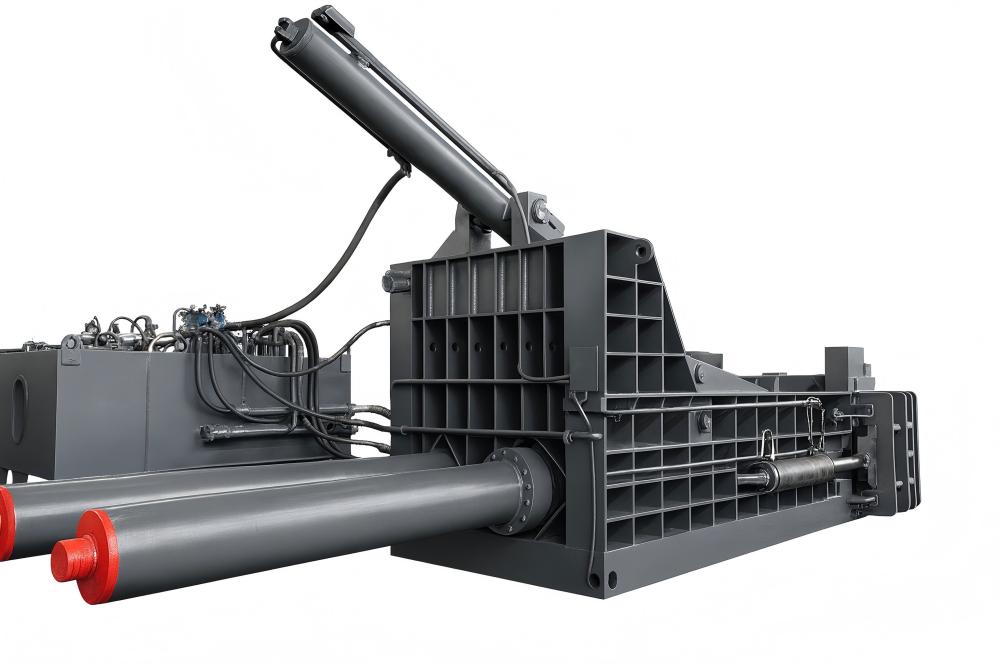
When selecting a machine for Scrap Metal Baler Applications In Automotive Scrap Recycling Facilities, the configuration must prioritize power, durability, and speed. HARSLE recommends the Y81 series of hydraulic metal balers for this specific industry. These machines are designed with a large ‘charging box’ or chamber, often exceeding 2000mm in length, which is necessary for accepting car shells. The hydraulic system is the core of the machine, typically featuring a main cylinder pressure ranging from 250 to 630 tons, depending on the required throughput.
Key configuration features include:
- Triple Compression Design: Most automotive balers utilize a three-way compression system (side, longitudinal, and vertical) to ensure the bale is uniform and dense from all sides.
- PLC Automation: An integrated Siemens or Mitsubishi PLC allows for semi-automatic or fully automatic operation. This reduces the need for constant operator intervention and ensures consistent bale sizes.
- High-Speed Valves: To improve cycle times, high-speed hydraulic valves are used to accelerate the movement of the rams during the non-load phase of the cycle.
- Hardened Liners: The interior of the compression chamber should be lined with replaceable, high-hardness wear plates to handle the abrasive nature of automotive steel.
- Remote Control: For safety and efficiency, many facilities opt for a remote-controlled configuration, allowing the crane operator to trigger the baling cycle without leaving their cab.
The Workflow of Baling in a Recycling Facility
The operational workflow of a scrap metal baler in an automotive setting is a choreographed sequence of material handling and mechanical force. It begins with the Loading Phase, where a hydraulic grab or magnet crane lifts the prepared car body or scrap pile into the open charging box. Efficiency at this stage depends on the operator’s ability to distribute the load evenly to prevent jams.
Once the chamber is full, the Compression Phase begins. The lid of the baler (if equipped) closes first, providing the initial downward force. Then, the side cylinders push the material toward the center, followed by the main longitudinal ram which performs the final high-pressure squeeze. This sequence ensures that even the most rigid parts of the vehicle frame are collapsed. The entire cycle usually takes between 60 to 120 seconds, depending on the machine’s power and the material’s resistance.
The final stage is the Ejection Phase. There are three common methods for bale discharge: ‘turn-out’ (where the bale is flipped out of the side), ‘side-push’ (where the bale is pushed out of a side gate), and ‘forward-out’ (where the main ram pushes the bale out the front). For automotive scrap, the ‘side-push’ or ‘turn-out’ methods are often preferred as they allow for faster clearing of the machine and immediate reloading. The finished bale is then moved to a storage area or loaded directly onto a truck for transport to the foundry.
Productivity and Economic Benefits
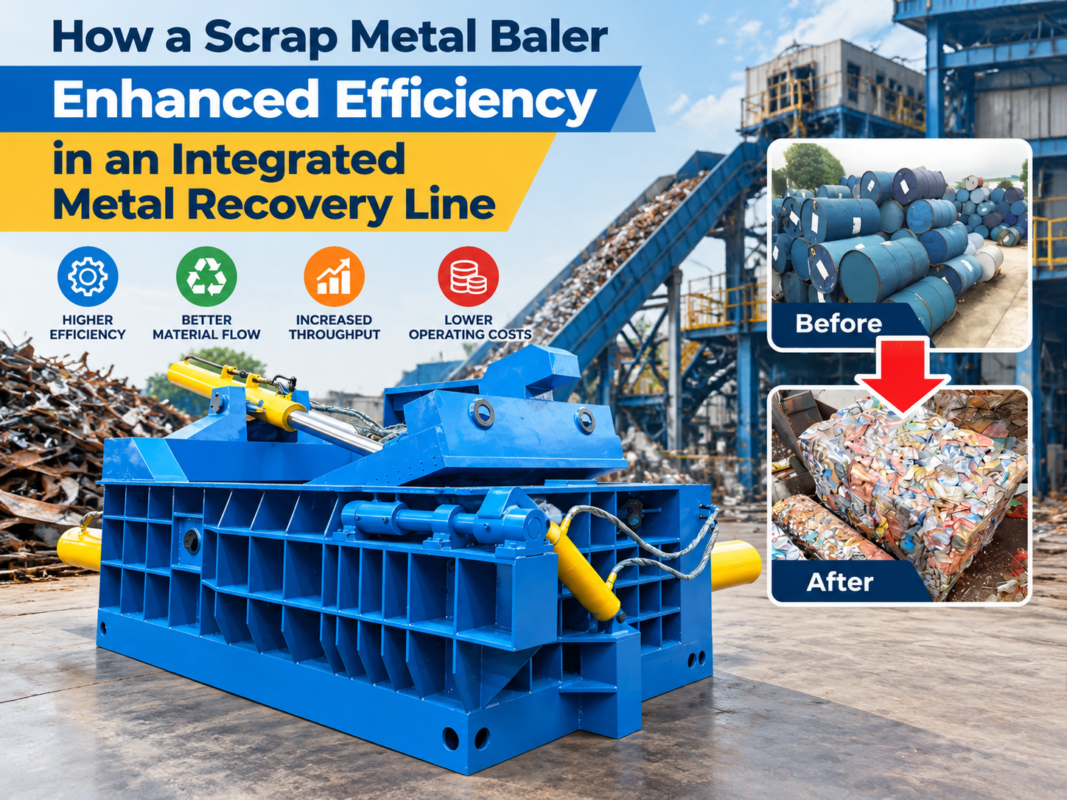
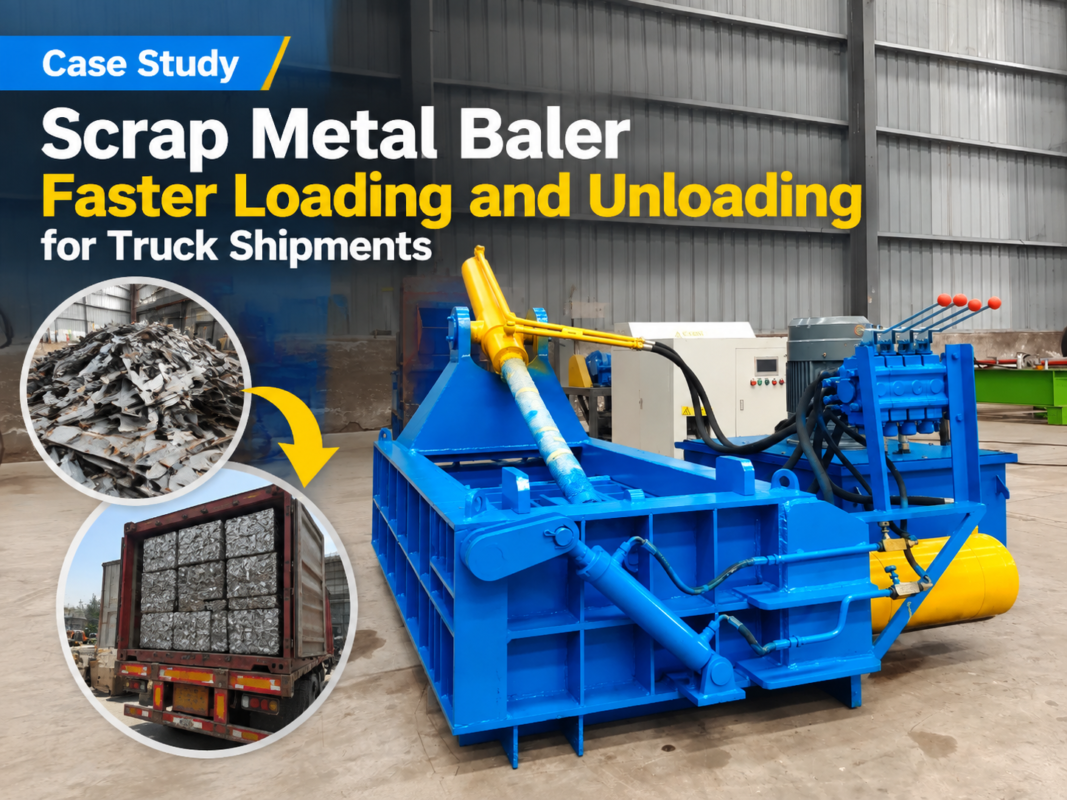
The implementation of high-quality scrap metal balers offers transformative productivity benefits. The most immediate impact is on Logistics and Transportation. A flatbed truck that could previously only carry 5 or 6 un-crushed car shells can carry 20 to 30 tons of baled scrap. This reduction in ’empty space’ transport directly slashes fuel costs and carbon emissions, making the facility more environmentally sustainable and profitable.
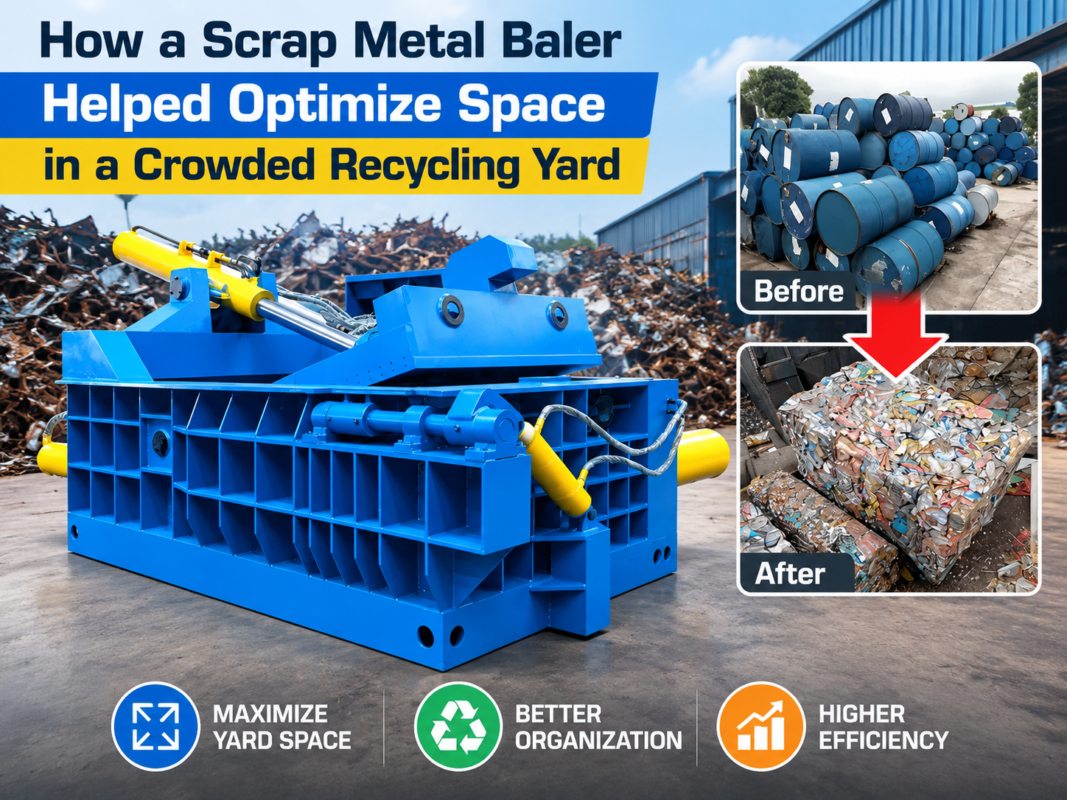
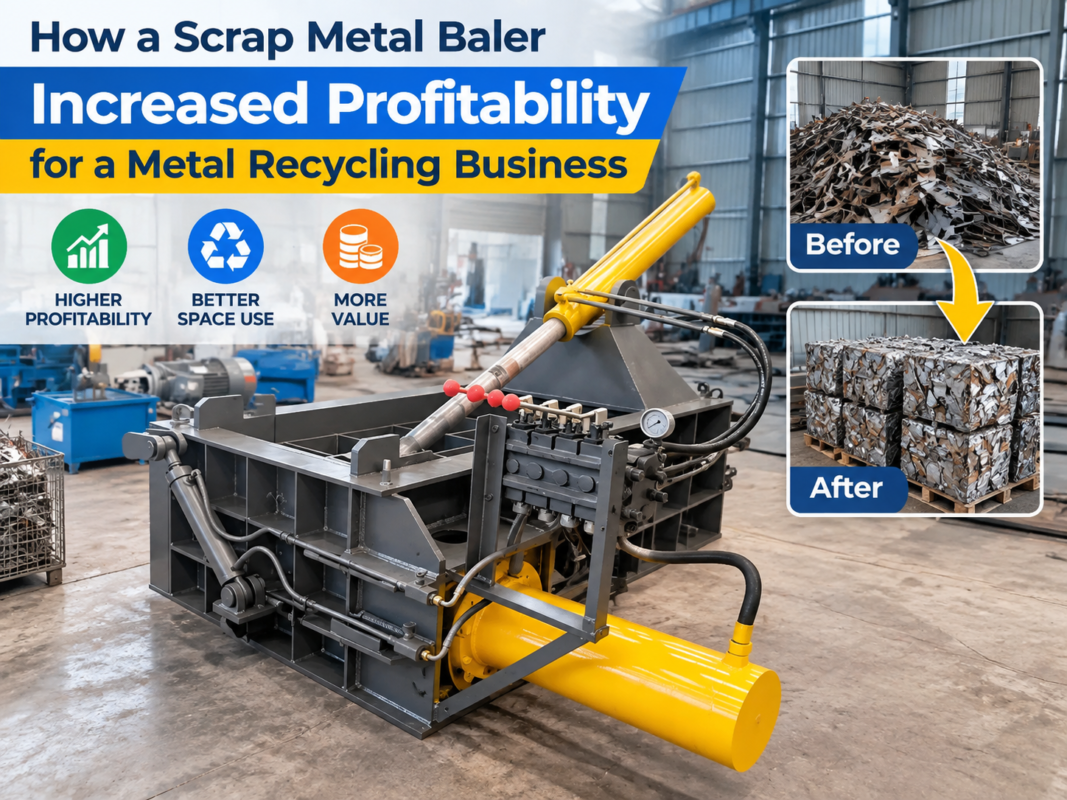
Furthermore, baling significantly improves Space Utilization. Automotive scrap is notoriously bulky; a small pile of car doors can take up a vast area of a yard. By baling this material, the facility can stack the blocks vertically, increasing the storage capacity of the yard by up to 500%. This allows recyclers to hold onto material when market prices are low and sell in bulk when prices peak, providing a strategic market advantage.
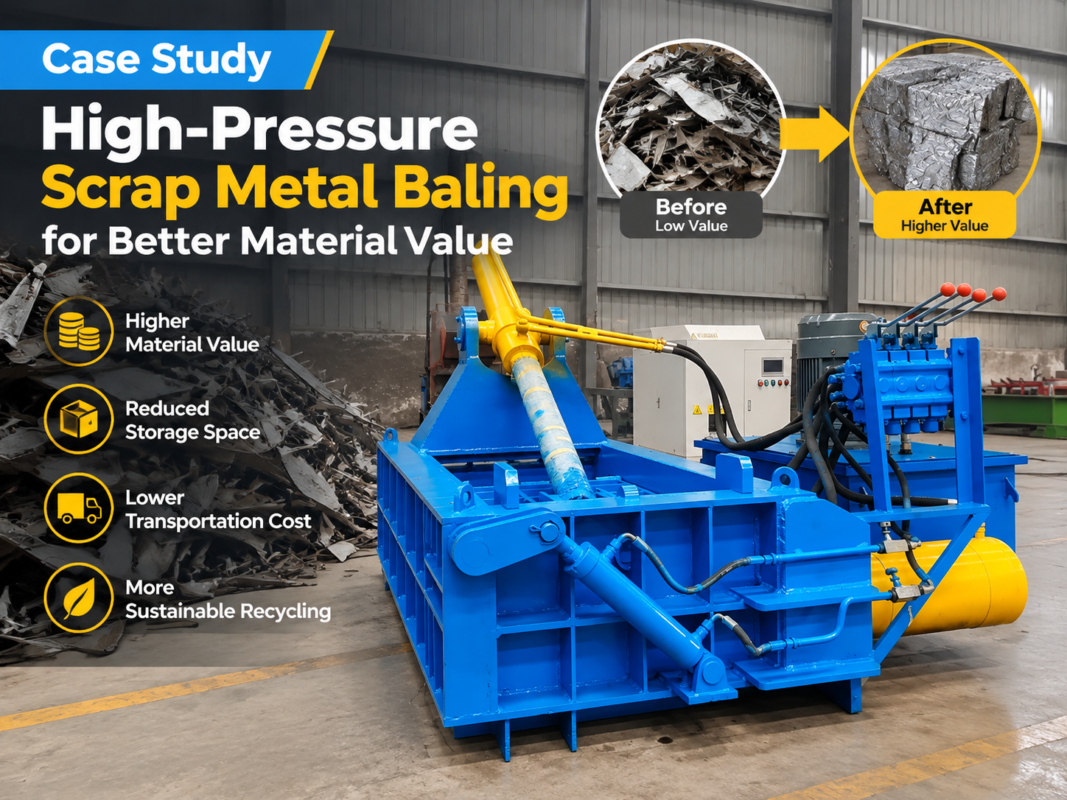
From a safety and labor perspective, automated baling reduces the need for manual cutting with torches or shears. This minimizes the risk of workplace injuries and reduces the labor hours required to process each ton of scrap. Additionally, baled scrap is highly valued by steel mills because it is easier to handle with magnets and provides a predictable melt rate in the furnace, often resulting in a higher purchase price per ton compared to loose scrap.
Case Example: High-Volume ELV Processing
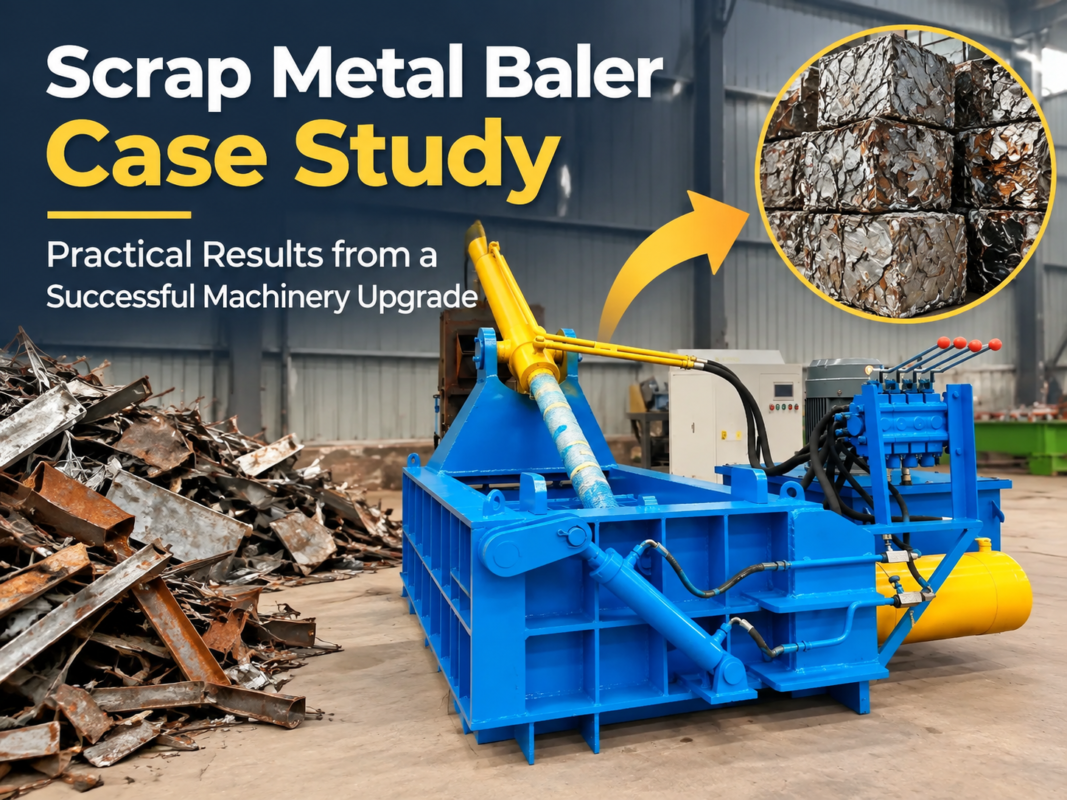
Consider a regional automotive recycling center that processes approximately 80 vehicles per day. Before installing a HARSLE Y81-400 baler, the facility struggled with a massive backlog of car shells that occupied three acres of land. They were forced to hire external contractors to crush the cars once a month, which was expensive and disrupted their daily operations.
After integrating the HARSLE baler into their workflow, the facility was able to process cars in real-time as they came off the depollution line. The Y81-400, with its 400-ton press force, could turn a full car body into a 600mm x 600mm bale in under 90 seconds. This allowed them to clear their entire backlog within the first two months. The facility reported a 40% reduction in transport costs and was able to negotiate a 15% higher price from their local steel mill due to the consistent density and cleanliness of their bales. This case illustrates how the right machinery can turn a bottleneck into a profit center.
Frequently Asked Questions (FAQ)
1. What is the best size baler for a small automotive scrap yard?
For smaller yards processing 10-20 cars a day, a mid-sized baler with a 250-ton press force and a chamber length of around 1600mm-2000mm is usually sufficient. It offers a balance between footprint, power consumption, and processing capability.
2. Can a scrap metal baler handle engine blocks?
While some heavy-duty balers can crush engine blocks, it is generally recommended to remove them first. Engine blocks are high-value cast iron or aluminum and should be sold separately. Crushing them inside a car body can also cause excessive wear on the baler’s hydraulic rams and liners.
3. How often does a scrap metal baler require maintenance?
Daily checks should be performed on hydraulic fluid levels and seal integrity. The wear plates inside the chamber should be inspected weekly. A full professional service, including oil filtration and PLC calibration, is typically recommended every 2,000 operating hours.
4. Does the machine require a special foundation?
Yes, most industrial scrap balers require a reinforced concrete pad to handle the weight of the machine and the vibrations generated during the high-pressure compression cycles. HARSLE provides detailed foundation drawings for all our installations.
5. What is the difference between a ‘turn-out’ and a ‘side-push’ baler?
A ‘turn-out’ baler uses a hydraulic arm to flip the bale out of the chamber, which is generally faster. A ‘side-push’ baler pushes the bale through a gate, which often results in a more squared-off bale shape, preferred by some steel mills for stacking.
Conclusion: Optimizing Your Recycling Facility with HARSLE
The strategic application of scrap metal balers in automotive recycling is a cornerstone of modern industrial efficiency. By understanding the material requirements, selecting the correct machine configuration, and optimizing the workflow, recycling facilities can significantly enhance their productivity and bottom line. HARSLE remains committed to providing the automotive recycling industry with robust, high-performance machinery that meets the challenges of today’s scrap market.
If you are looking to upgrade your facility’s capabilities or are planning a new automotive recycling project, our team of experts is ready to assist you in selecting the perfect baling solution. Contact HARSLE today to learn more about our Y81 series and how we can help you turn automotive waste into a valuable resource.