Car Body Baler vs. Scrap Metal Baler: Which Machine Fits Automotive Recycling Needs

Technical Overview: Understanding the Dynamics of Automotive Recycling
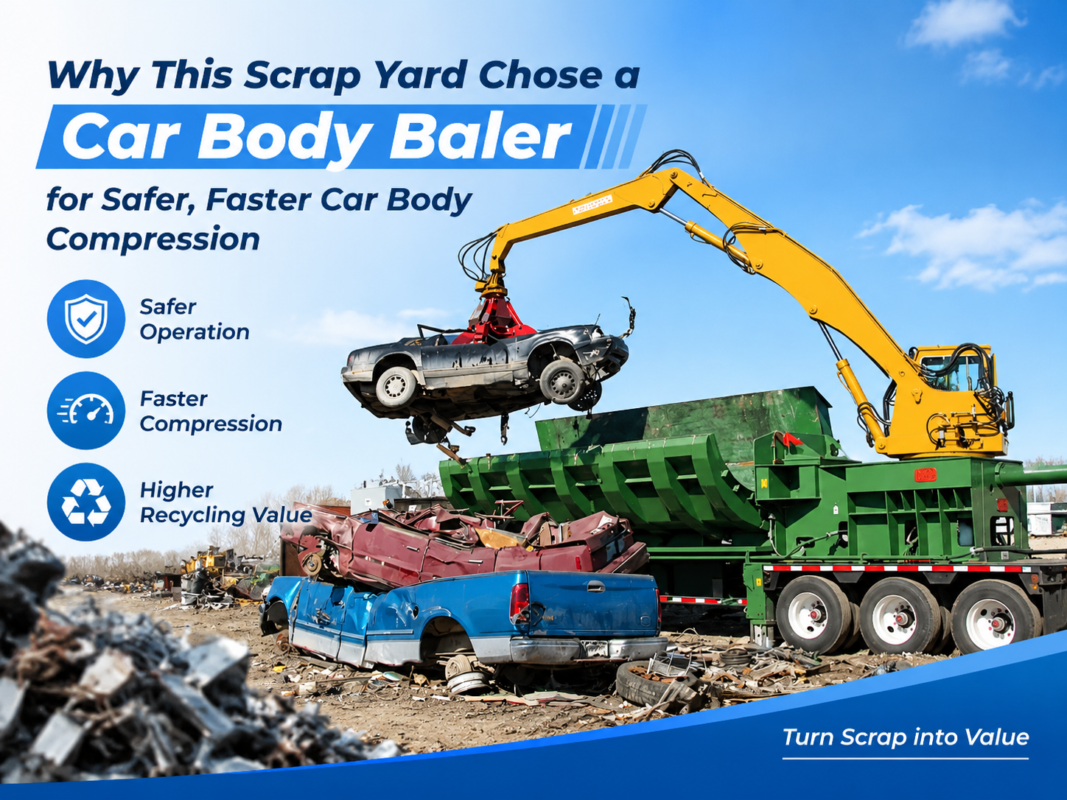
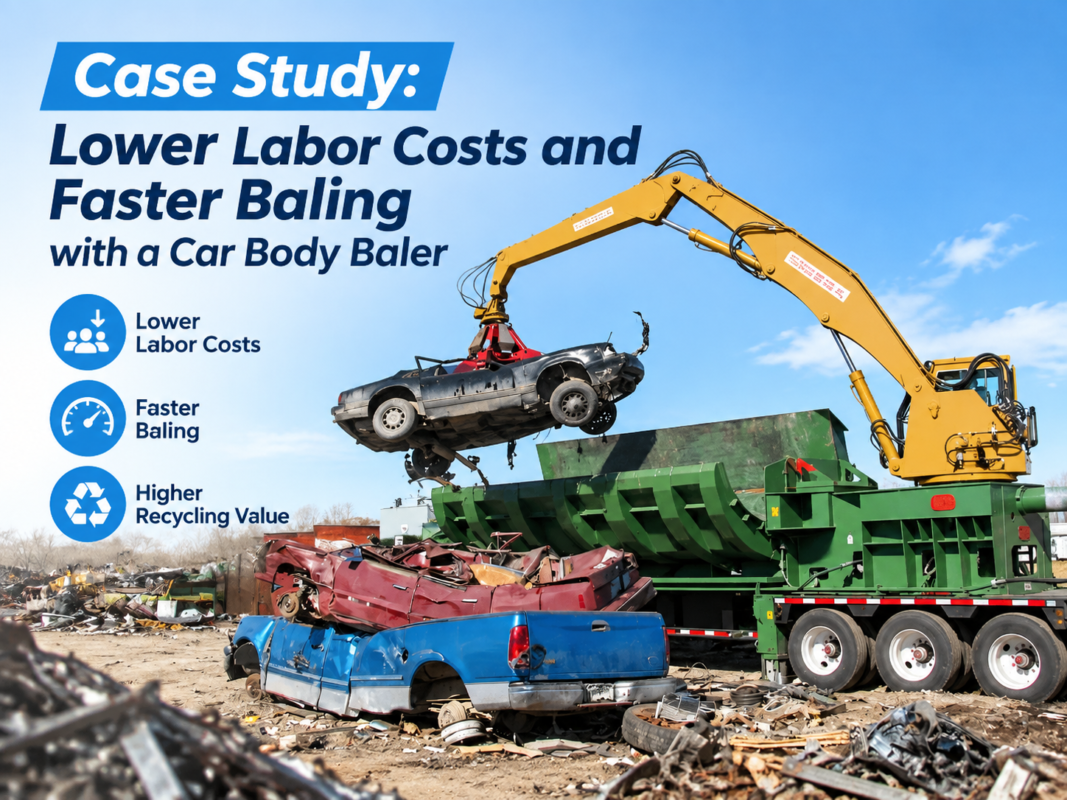
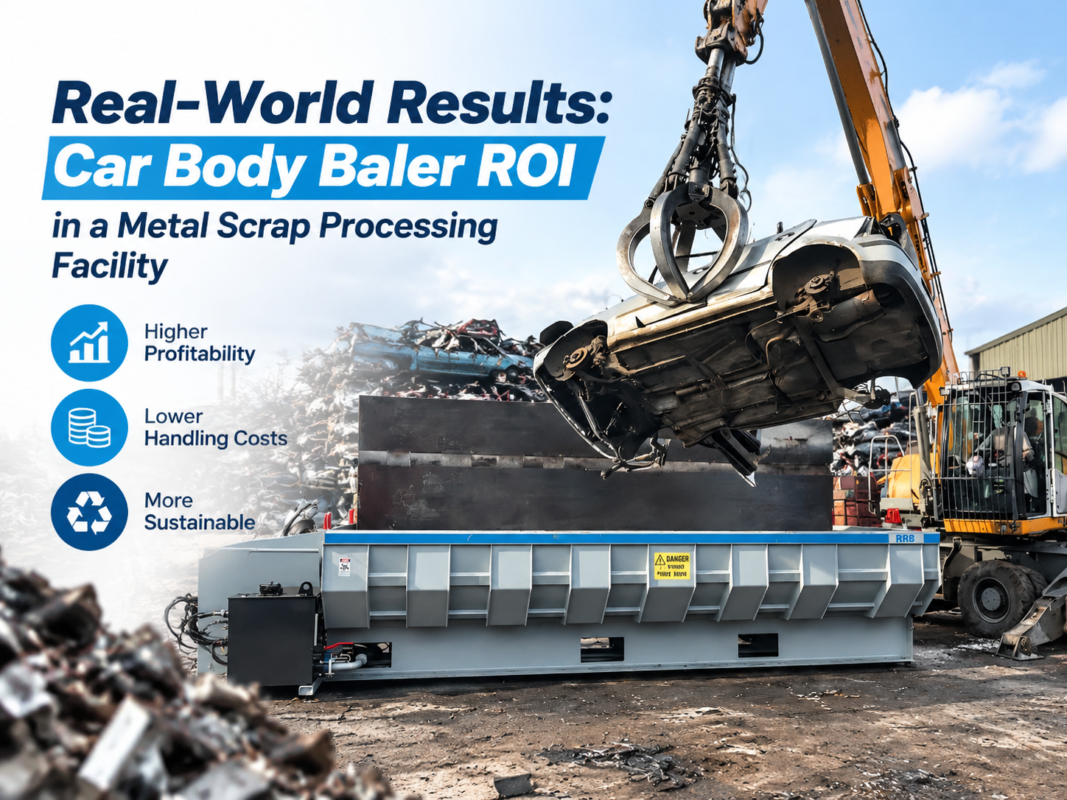
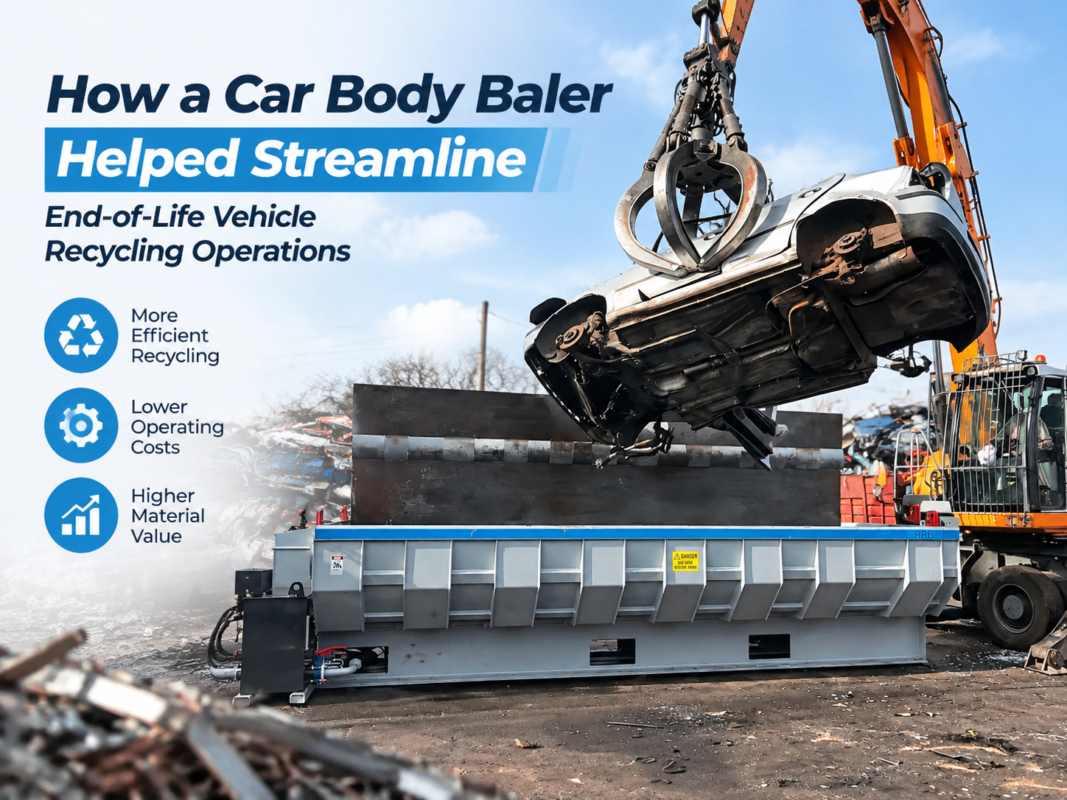
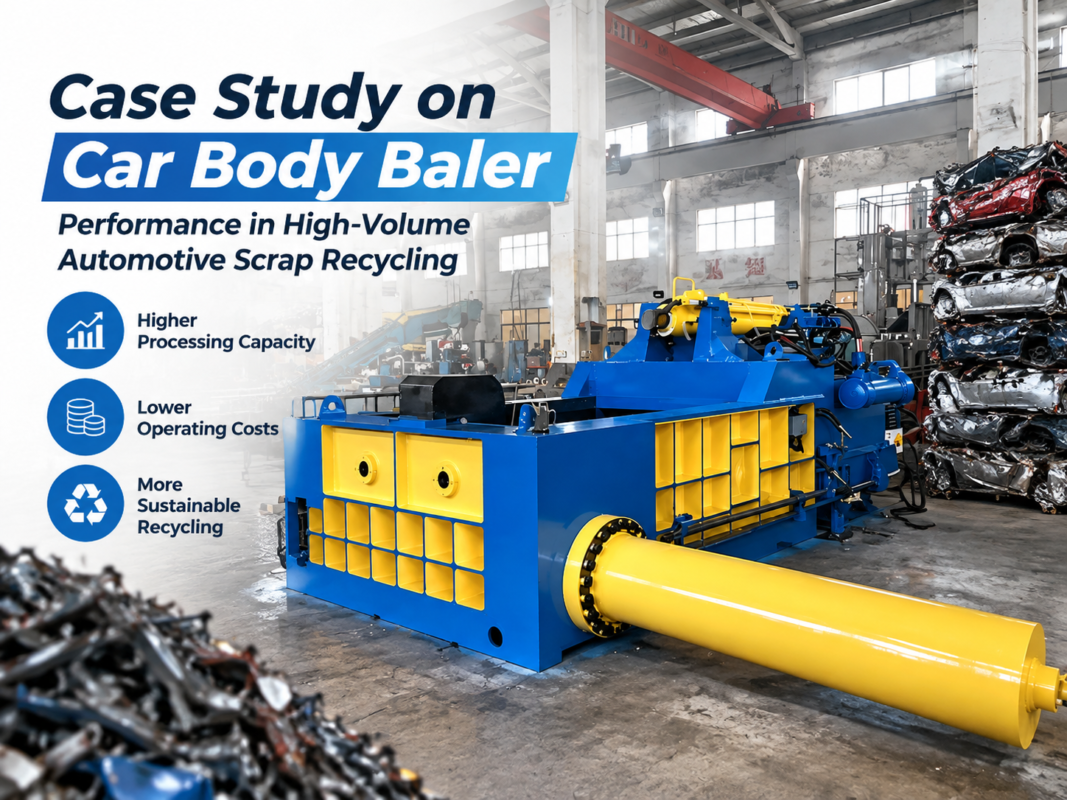
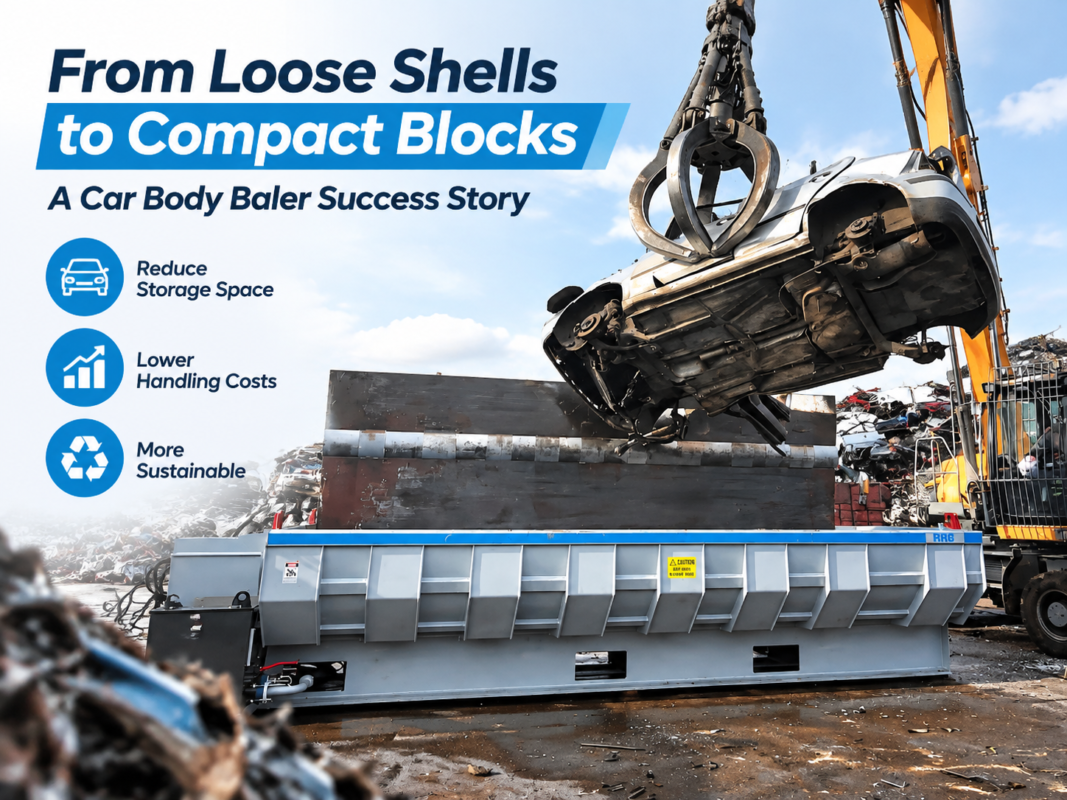
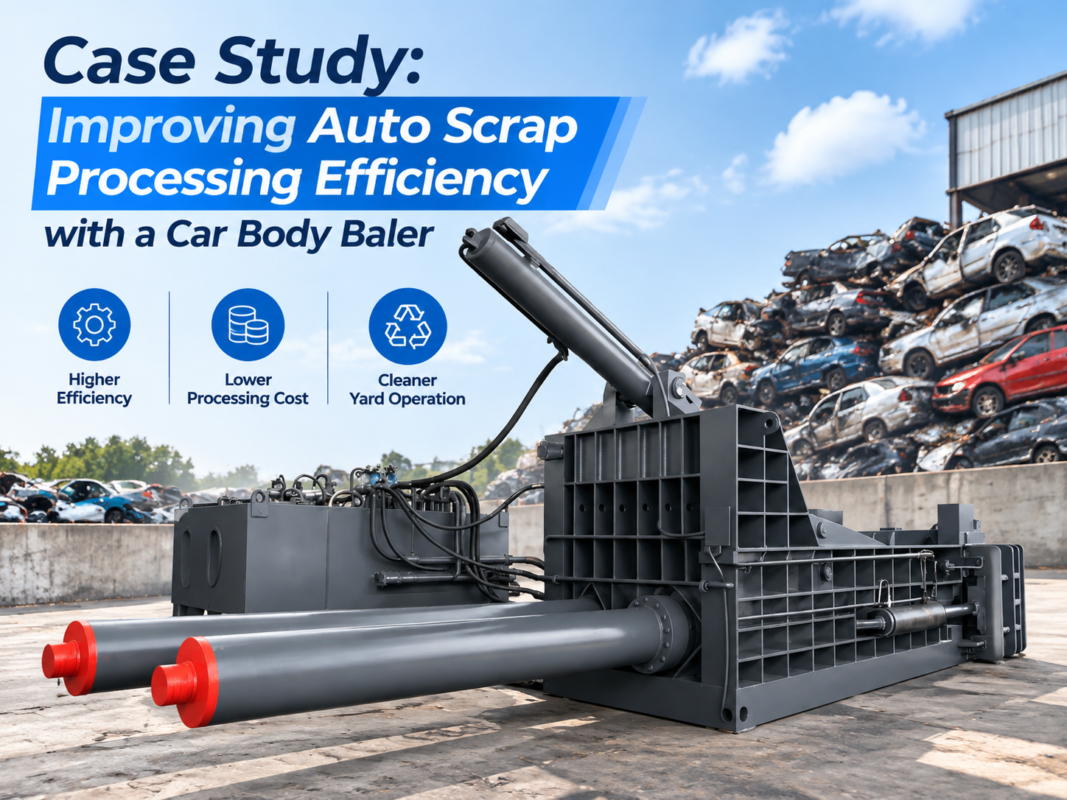
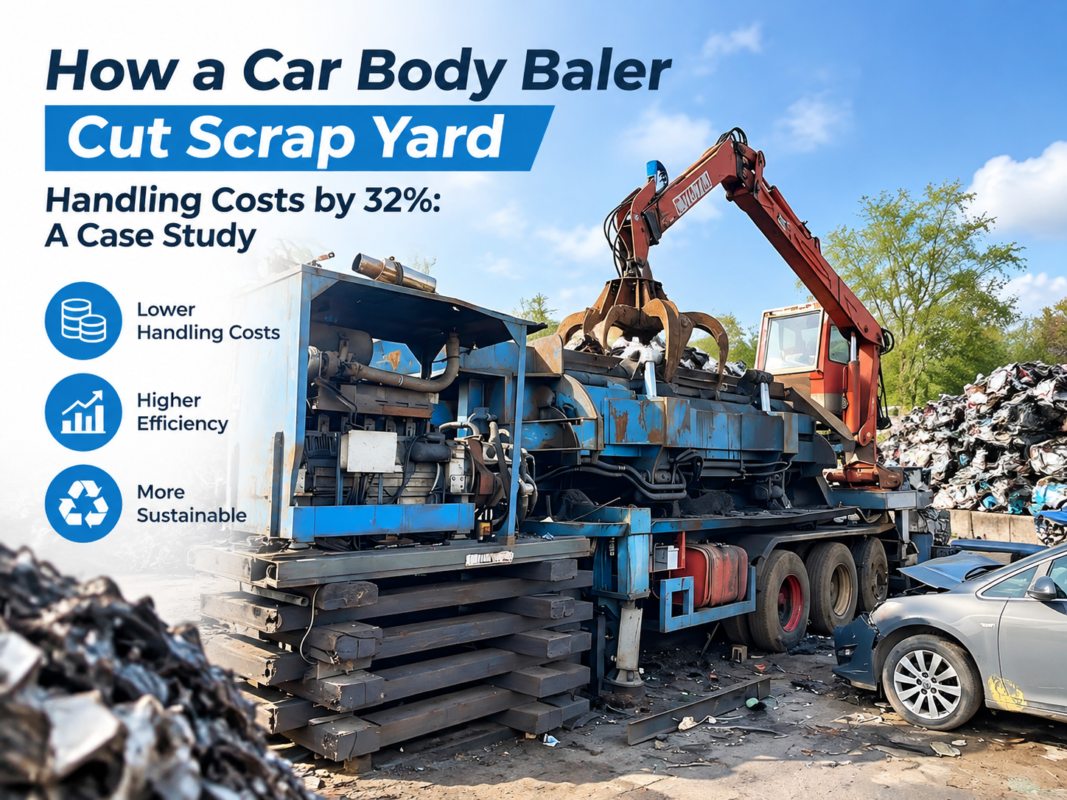
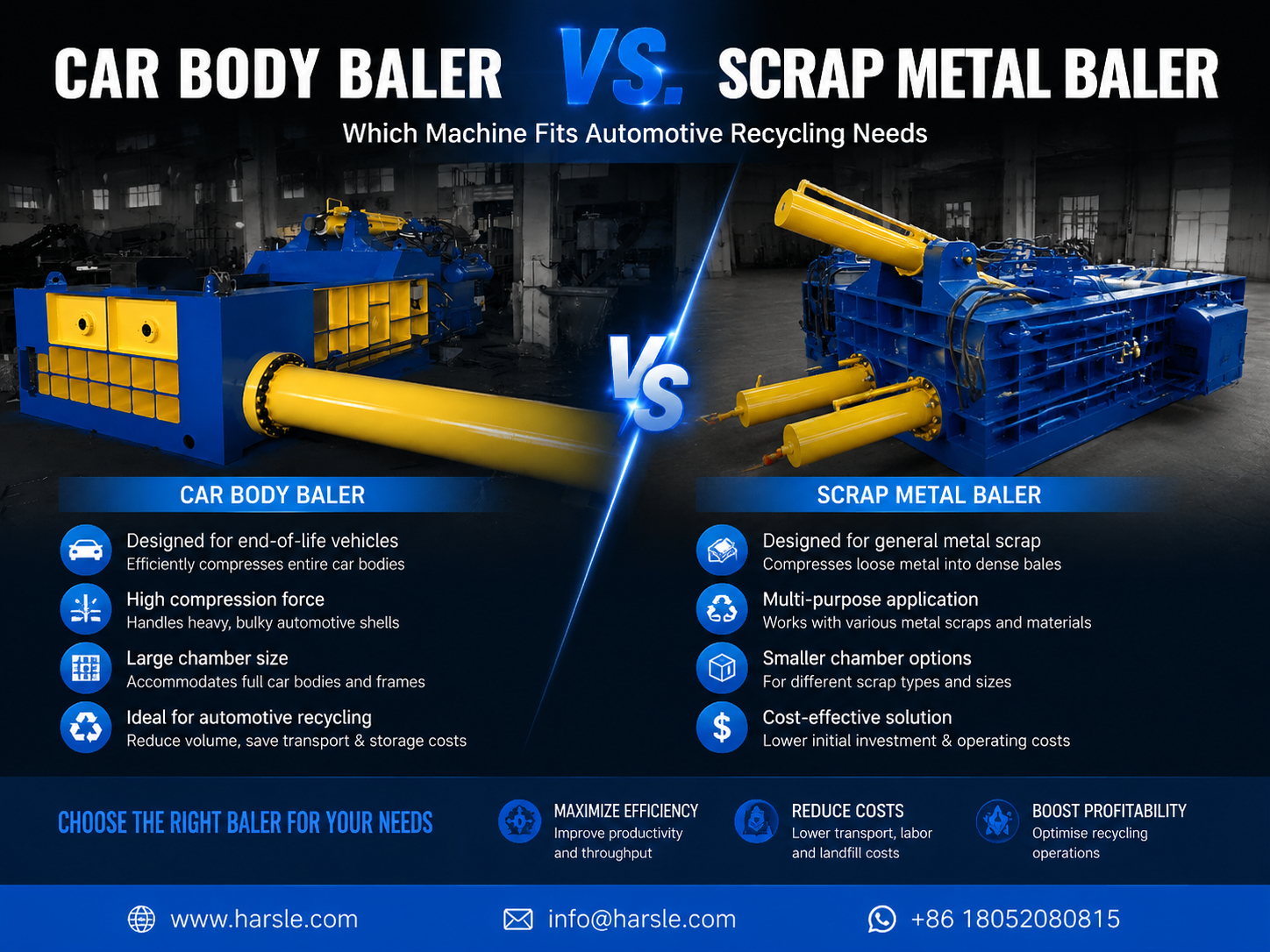
In the modern industrial landscape, the distinction between a specialized car body baler and a general-purpose scrap metal baler is critical for operational efficiency. While both machines utilize hydraulic force to compress metal into manageable blocks, their engineering focus differs significantly. A car body baler is specifically designed to handle End-of-Life Vehicles (ELVs), which possess high volume but relatively low initial density. These machines feature massive charging boxes, often exceeding five meters in length, to accommodate entire chassis without the need for extensive pre-cutting.
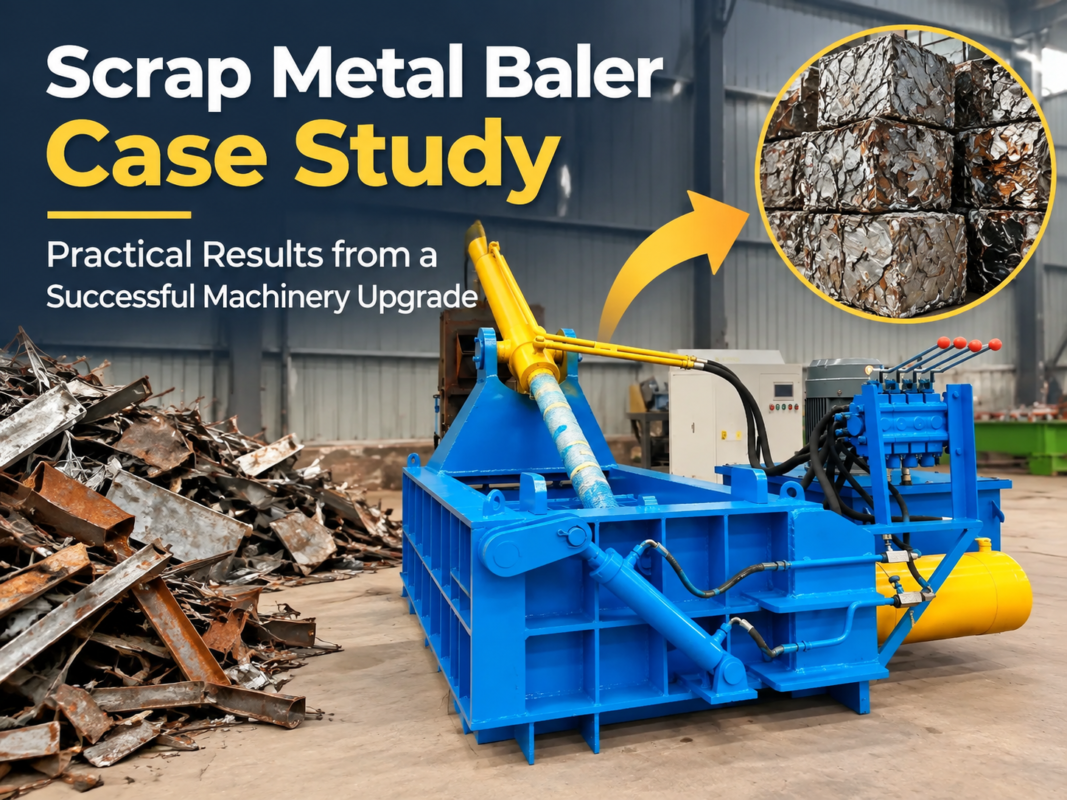
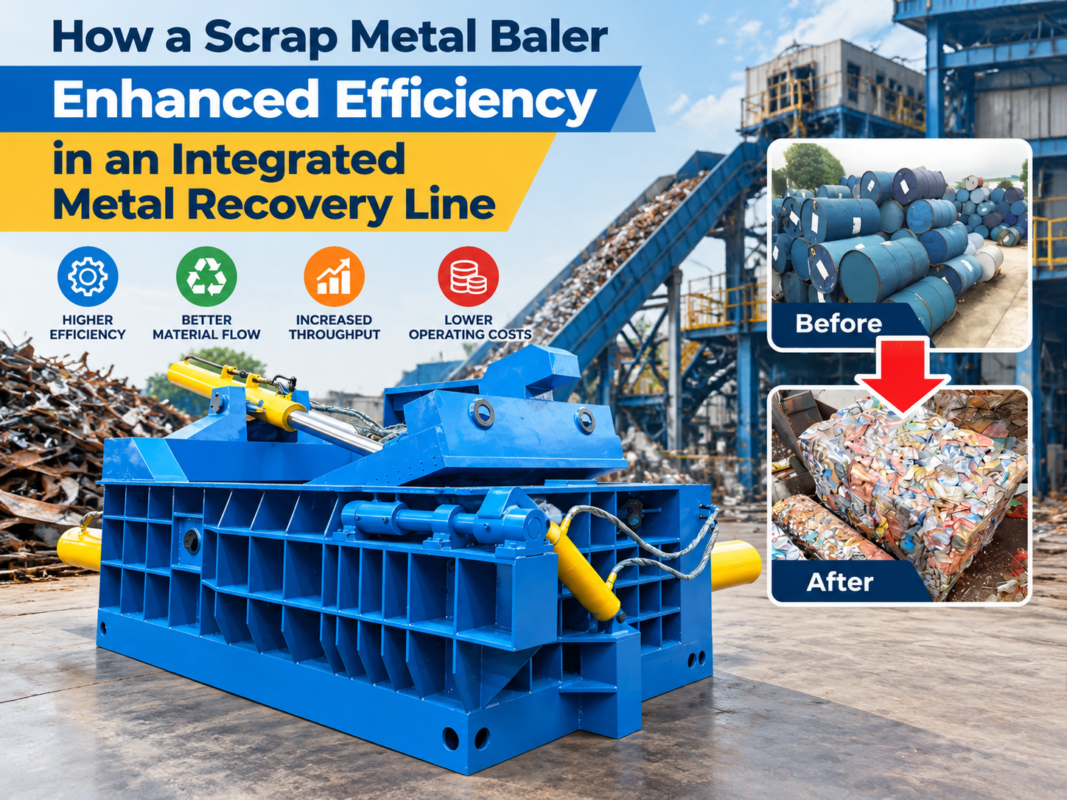
Conversely, a standard scrap metal baler is the workhorse of the recycling yard, designed for a diverse stream of materials including aluminum extrusions, copper wiring, stainless steel offcuts, and light structural steel. These machines prioritize high-density compression and rapid cycle times. When evaluating equipment for automotive recycling, one must consider the structural integrity of the input material. A car body contains hollow pillars, engine cradles, and reinforced frames that require a specific type of folding and crushing force that a standard small-chamber scrap baler simply cannot provide efficiently.
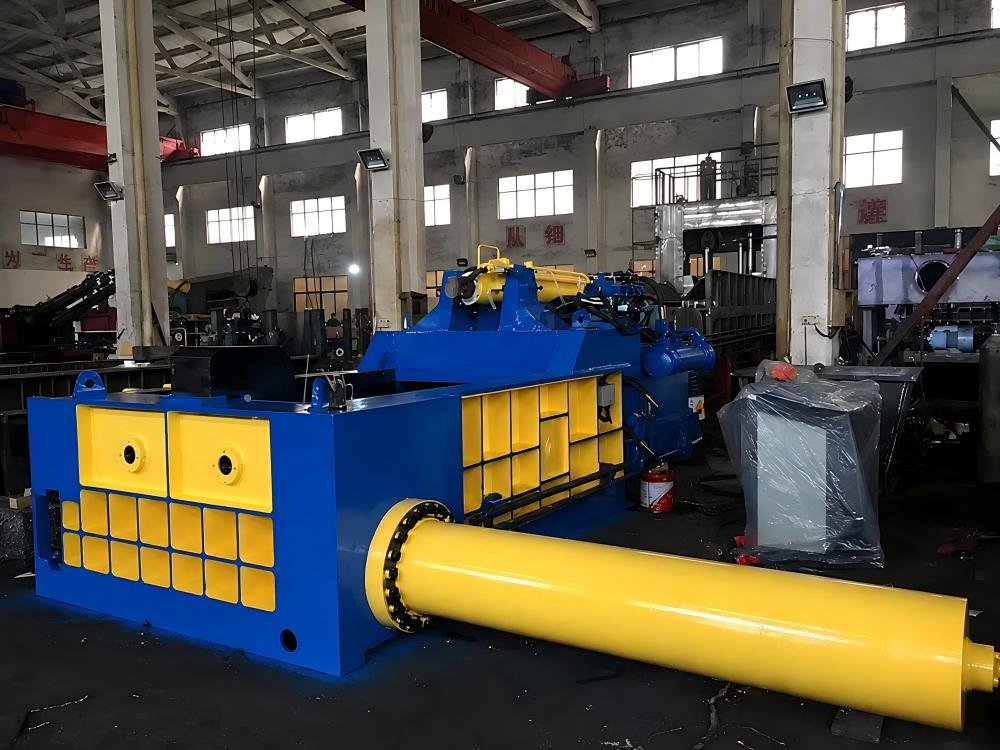
HARSLE engineering focuses on the “clamshell” or “lid-compression” design for car body balers. This design allows the machine to use the lid itself as a primary compression tool, folding the car body into the chamber before the main and side rams finalize the bale. Standard scrap balers often use a triple-compression method (side, lid, and end) but in a much tighter configuration. Choosing the wrong machine leads to “bridging”—where the material jams the chamber—or insufficient bale density, which increases logistics costs significantly.
Furthermore, the hydraulic systems in these machines are tuned differently. Car body balers require high-volume oil flow to move large cylinders over long distances quickly, whereas scrap balers often focus on high-pressure peaks to densify tough industrial scrap. Understanding these nuances is the first step in optimizing a recycling facility’s ROI.
Core Parameters: The Engineering Backbone
When comparing these two heavyweights, several core parameters dictate their performance. The most prominent is the Nominal Pressure. For a car body baler, the main cylinder force typically ranges from 2000kN to 5000kN. However, the lid force is equally important, as it must overcome the structural resistance of the car’s A, B, and C pillars. In a scrap metal baler, the pressure is often more concentrated, focusing on achieving a bale density that meets foundry requirements (typically 15-30% of the metal’s solid density).
Chamber Dimensions are the next critical factor. A car body baler requires a “long-box” configuration. If the chamber is too short, the operator must spend time pre-processing the vehicle with shears or torches, which adds labor costs and slows down the line. A standard scrap baler might have a chamber size of 1.2m x 1.6m, which is perfect for industrial offcuts but impossible for a full-sized sedan. HARSLE’s car-specific models often feature chambers of 5.0m x 2.2m or larger.
Cycle Time is a measure of efficiency. In automotive recycling, a cycle includes loading, lid closure, primary compression, side compression, and bale ejection. A high-performance car body baler should complete this in 90 to 120 seconds. Standard scrap balers, dealing with smaller volumes per charge, often aim for 60-second cycles. The power of the electric motors (measured in kW) and the displacement of the hydraulic pumps (L/min) are the primary drivers of these speeds.
Lastly, Bale Discharge Method varies. Car body balers often use a “turn-out” or “side-push” mechanism. Because the bales are large and heavy (often 500kg to 1200kg), the discharge system must be robust enough to handle the momentum of the bale without damaging the machine’s frame. Scrap balers may use a “forward-out” system for smaller, denser cubes.
Calculation Method: Determining Throughput and Density
To select the right machine, engineers must calculate the expected throughput. The formula for hourly production capacity (P) is:
P = (W × 3600) / T
Where W is the average weight of the bale (kg) and T is the total cycle time (seconds), including loading and unloading. For example, if a HARSLE car body baler produces an 800kg bale every 100 seconds, the hourly throughput is 28,800kg, or 28.8 tons per hour. This calculation is vital for matching the machine to the yard’s intake volume.
Another critical calculation is Bale Density (ρ), which affects shipping costs. It is calculated as:
ρ = m / (L × W × H)
Where m is the mass of the bale and L, W, H are the dimensions. For automotive recycling, the goal is to reach a density that allows a standard 40ft container or flatbed truck to reach its weight limit before it reaches its volume limit. If your baler produces low-density bales, you are essentially paying to ship air.
Hydraulic pressure requirements are calculated based on the cylinder bore. Force (F) = Pressure (P) × Area (A). To crush a reinforced car frame, the pressure at the cylinder face must exceed the yield strength of the steel components. HARSLE engineers use finite element analysis (FEA) to ensure that the frame of the baler can withstand these forces without fatigue over thousands of cycles.
Parameter Comparison Table
| Feature | Car Body Baler (HARSLE Y81-C) | Scrap Metal Baler (HARSLE Y81-S) |
|---|---|---|
| Main Force (kN) | 2500 – 6300 | 1000 – 4000 |
| Chamber Length (mm) | 4500 – 6000 | 1200 – 2500 |
| Bale Weight (kg) | 600 – 1500 | 50 – 500 |
| Primary Application | ELVs, Large Appliances | Industrial Offcuts, Cans, Wire |
| Loading Method | Grapple Crane | Conveyor or Manual |
Common Engineering Mistakes in Baler Selection
One of the most frequent mistakes in automotive recycling is underestimating the importance of the lid force. Many buyers focus solely on the main ram pressure. However, in a car body baler, if the lid cannot fully close and lock due to the structural resistance of the vehicle, the main ram cannot engage. This leads to “half-baled” cars that jam the machine. Ensuring the lid has dual cylinders and a robust locking mechanism is essential.
Another common error is ignoring the cooling system. Automotive recycling is often a continuous operation. Hydraulic oil generates significant heat during high-pressure cycles. Without an adequately sized industrial oil cooler (air or water-cooled), the oil viscosity drops, leading to seal failure and sluggish performance. HARSLE recommends integrated cooling systems for any operation running more than one shift per day.
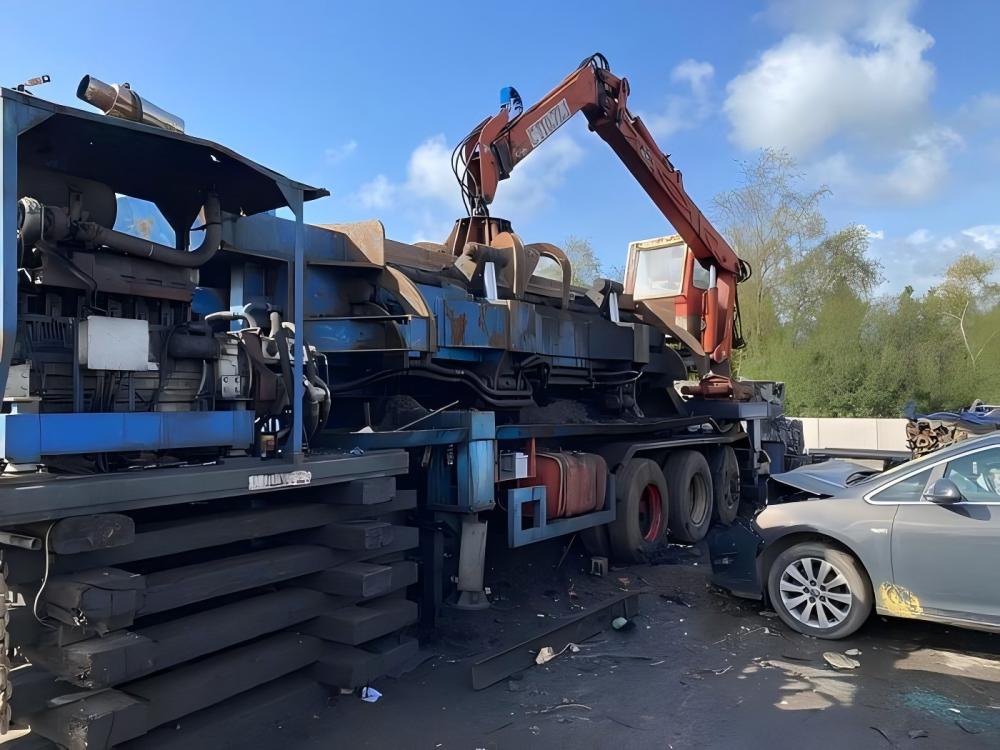
Poor Foundation Planning is a hidden cost that many overlook. A car body baler exerts massive dynamic loads. If the concrete pad is not engineered with the correct thickness and reinforcement, the machine will eventually shift, leading to frame misalignment. This misalignment causes the rams to wear unevenly and can eventually lead to catastrophic cylinder failure. Always follow the manufacturer’s foundation drawings precisely.
Finally, many facilities fail to account for material contamination. Car bodies often contain residual fluids or non-metallic materials. If a baler is not designed with proper drainage for fluids (oil, coolant), these liquids can pool in the chamber, causing corrosion and creating a fire hazard. A dedicated drainage channel in the chamber floor is a hallmark of a well-engineered car body baler.
Selection Checklist: Choosing the Right Machine
- Material Volume: Do you process more than 20 cars per day? If so, a dedicated car body baler is mandatory. For lower volumes mixed with general scrap, a large-chamber scrap baler might suffice.
- Bale Size Requirements: Check with your downstream steel mill. Do they have a maximum bale dimension for their furnace? Ensure the machine’s output matches their specs.
- Power Availability: High-capacity balers require significant electrical amperage. Does your facility have the transformer capacity for 45kW, 60kW, or 90kW motors?
- Automation Level: Do you need a manual valve control (lower cost, higher durability in harsh climates) or a PLC-controlled automatic system (higher throughput, less operator fatigue)?
- Space Constraints: Car body balers have a large footprint, especially when accounting for the swing radius of the loading crane. Map your yard flow before purchasing.
- Maintenance Access: Ensure the machine design allows for easy access to hydraulic hoses and cylinder seals. HARSLE designs prioritize accessible manifold blocks.
- Wear Liners: Does the machine feature replaceable Hardox or similar high-abrasion-resistant liners? Automotive scrap is abrasive and will wear down raw steel quickly.
Frequently Asked Questions (FAQ)
1. Can a scrap metal baler process a full car?
Technically, if the chamber is large enough, yes. However, most standard scrap balers have chambers that are too small. You would need to cut the car into 3-4 pieces first, which is labor-intensive and inefficient compared to using a dedicated car body baler.
2. What is the lifespan of a HARSLE car body baler?
With proper maintenance, including regular oil changes and liner replacements, these machines are designed to last 15-20 years in a heavy-duty recycling environment.
3. How often should the hydraulic oil be changed?
For high-volume operations, we recommend testing the oil every 2,000 hours and replacing it every 4,000 to 5,000 hours, or sooner if contamination is detected.
4. Is a diesel drive option available?
Yes, for yards without stable electrical infrastructure, HARSLE offers diesel-powered hydraulic units to ensure the baler can operate in remote locations.
5. What kind of training is required for operators?
Operators need to understand hydraulic pressure gauges, the sequence of the compression cycle, and safety protocols regarding the loading zone. HARSLE provides comprehensive manuals and on-site training options.
6. How does bale density affect my profit?
Higher density means more weight per truckload. If you can increase your bale density by 20%, you reduce your shipping costs by approximately the same margin, directly impacting your bottom line.
7. Can these machines handle non-ferrous metals?
Absolutely. While designed for steel, they are excellent for baling large volumes of aluminum siding, copper wire, or stainless steel scrap.
8. What happens if a non-compressible object (like an engine block) is left in the car?
High-quality balers like HARSLE’s feature pressure relief valves. If the ram hits an object it cannot crush, the system bypasses the oil to prevent structural damage to the machine.
9. Are the wear plates replaceable?
Yes, the inner walls of the chamber are lined with replaceable high-strength wear plates. These should be inspected monthly and replaced when they reach the wear limit to protect the main frame.
10. Does the machine come with a warranty?
HARSLE provides a standard industrial warranty covering the structural frame and major hydraulic components, ensuring peace of mind for your investment.