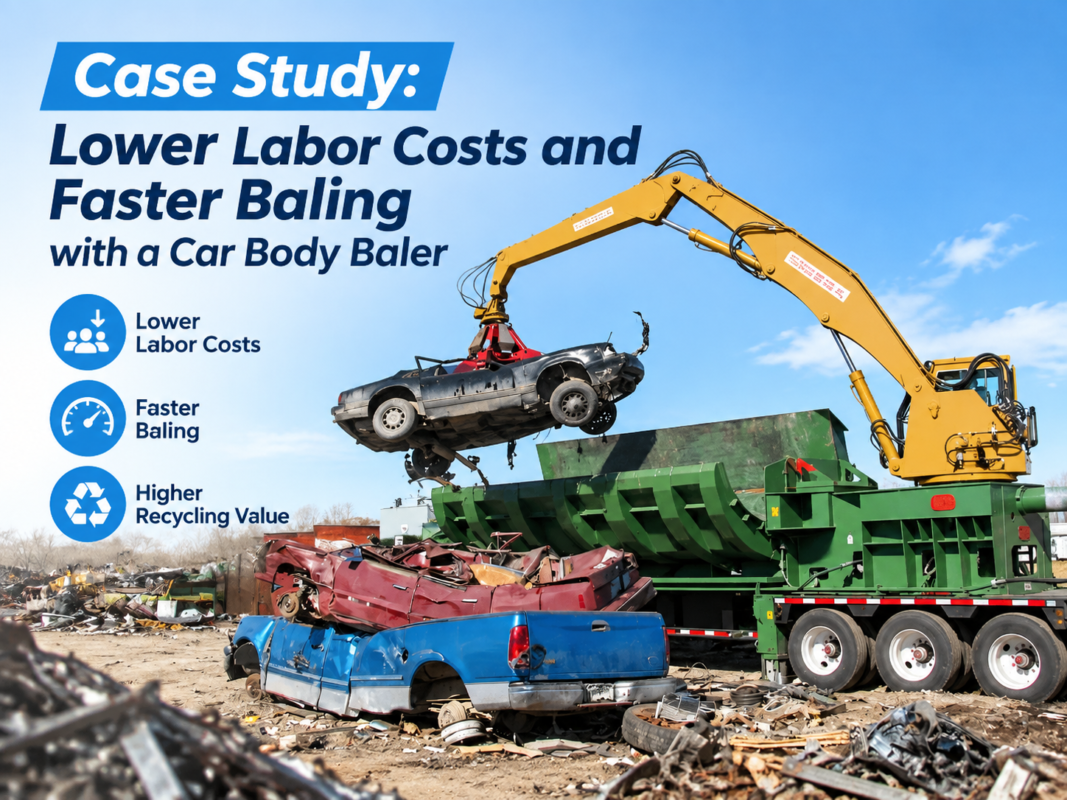
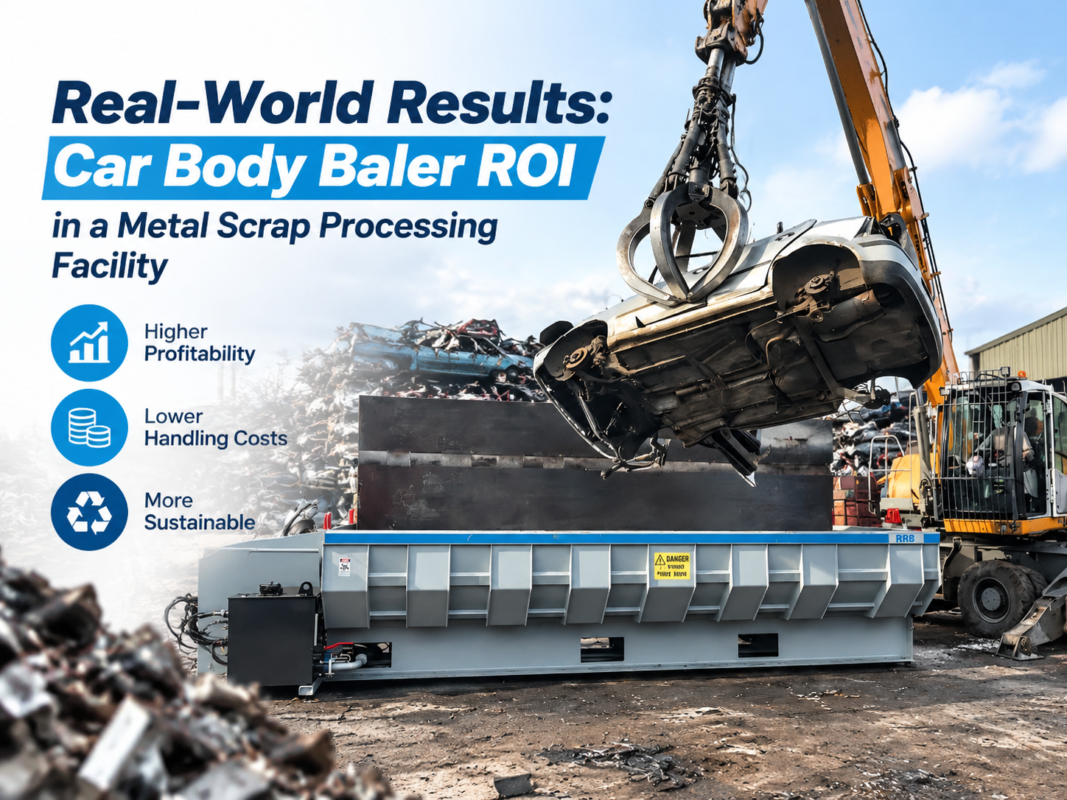
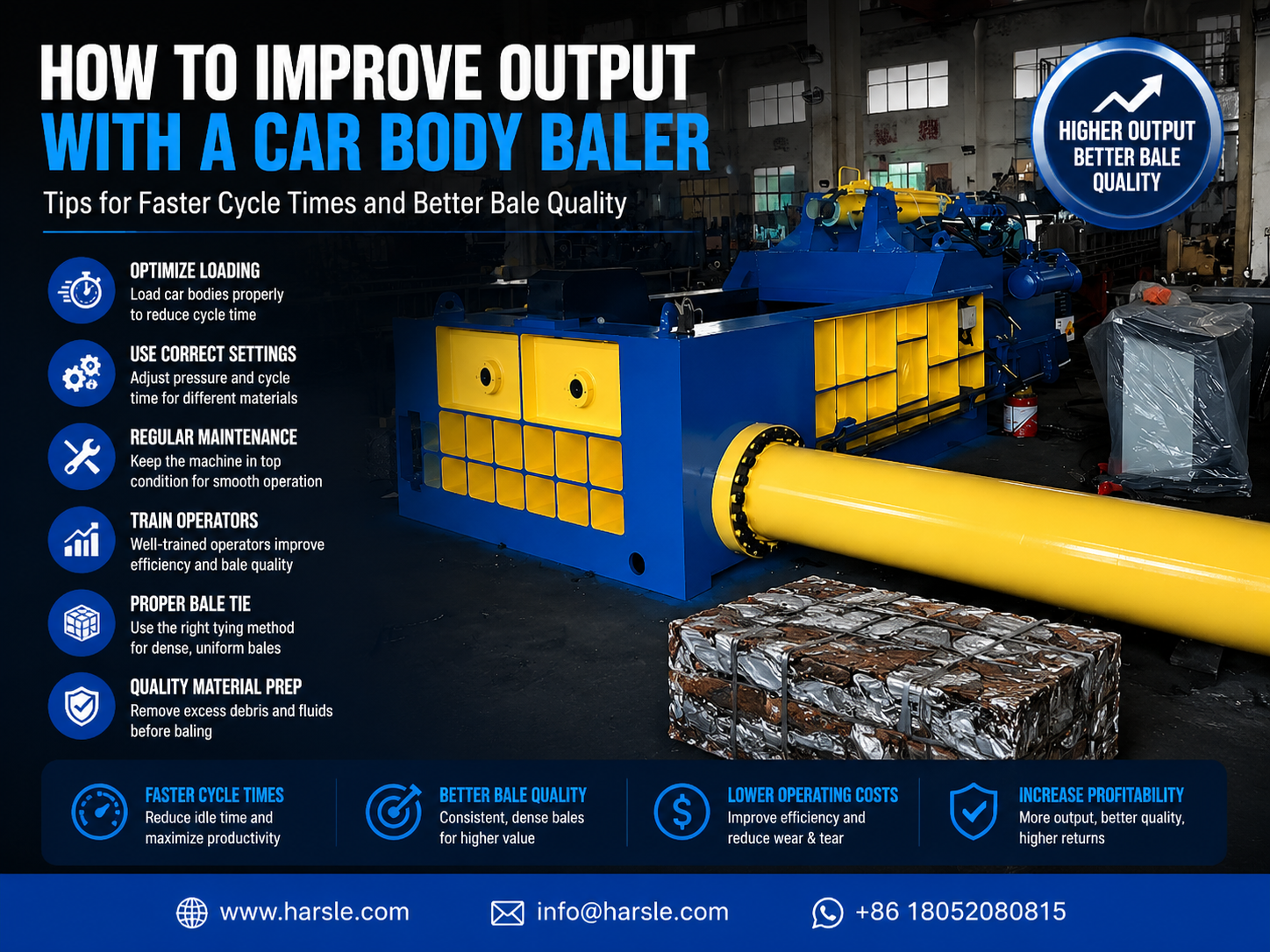
How to Improve Output with a Car Body Baler: Tips for Faster Cycle Times and Better Bale Quality

Technical Overview of Car Body Balers
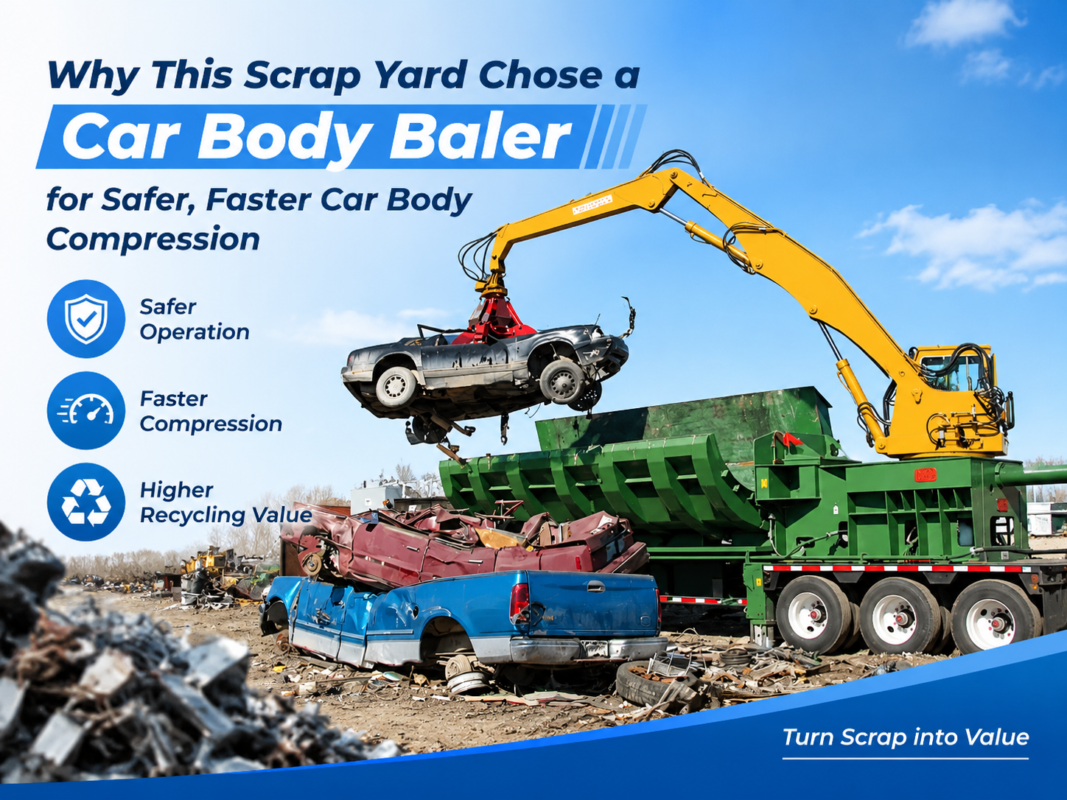
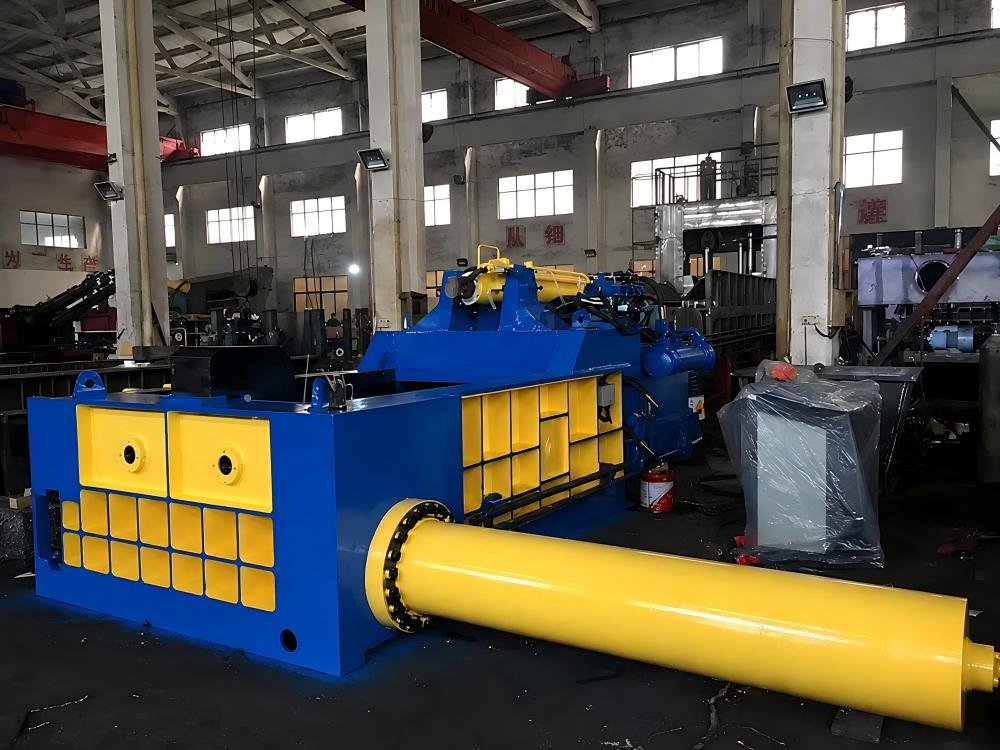
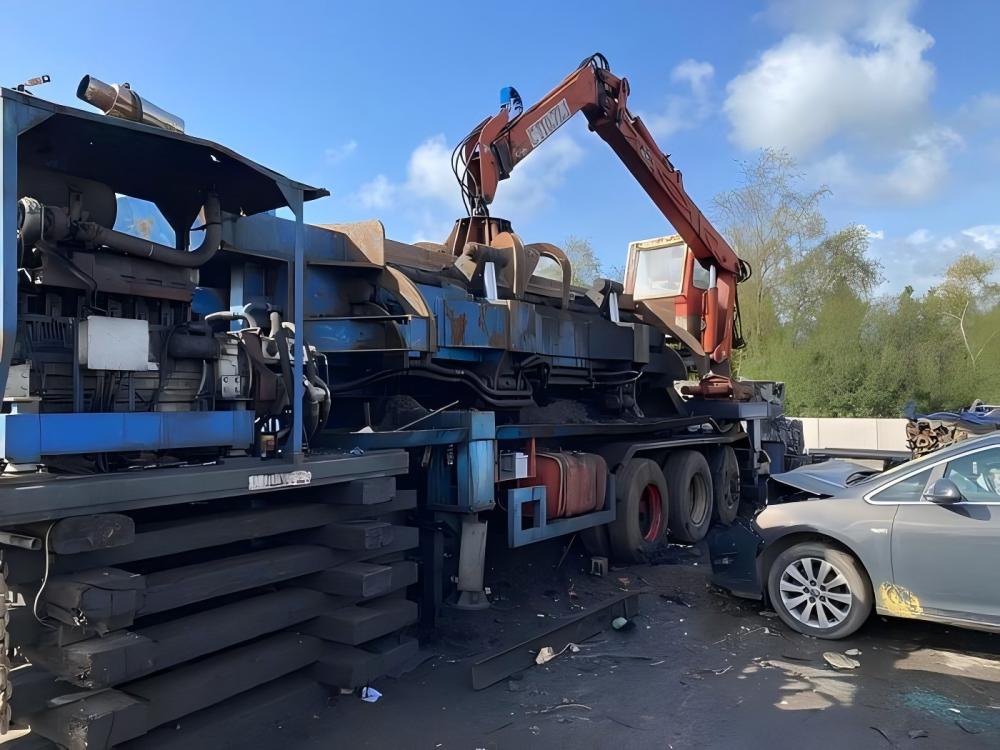
In the high-stakes world of scrap metal recycling, the car body baler stands as a cornerstone of operational efficiency. These machines are engineered to transform bulky, end-of-life vehicles (ELVs) into dense, manageable cubes that are optimized for transport and smelting. At its core, a car body baler utilizes massive hydraulic force to compress steel frames, body panels, and internal components. Understanding the mechanical synergy between the hydraulic pumps, the compression cylinders, and the structural frame is the first step toward improving output.
HARSLE car body balers typically employ a multi-stage compression process. This often involves a pre-compression lid or ‘clamshell’ design that crushes the vehicle from the top, followed by longitudinal and lateral rams that finalize the bale’s shape. The efficiency of this process is dictated by the hydraulic flow rate and the structural integrity of the baling chamber. If the chamber is not designed to withstand the eccentric loads generated by unevenly distributed scrap, the machine will suffer from premature wear, leading to increased downtime and slower cycle times.
To improve output, one must look beyond the raw tonnage of the machine. While a 400-ton press provides significant force, the speed at which that force is applied—and the speed at which the rams retract—is what determines the hourly throughput. Modern balers utilize high-speed hydraulic circuits and regenerative valves to accelerate the ‘dead time’ of the cycle, ensuring that the machine is always ready for the next load. Furthermore, the integration of PLC (Programmable Logic Controller) systems allows for precise control over the compression sequence, minimizing energy waste and maximizing mechanical advantage.
Bale quality is equally critical. A high-quality bale is characterized by its density and structural cohesion. If a bale is too loose, it may fall apart during transport, leading to safety hazards and logistical nightmares. Conversely, a bale that is too dense might exceed the weight limits of certain transport containers. Achieving the ‘sweet spot’ requires a balance of hydraulic pressure settings and operator expertise in material loading. By optimizing these technical aspects, scrap yards can significantly increase their daily tonnage while reducing operational costs per ton.
Core Parameters Influencing Performance
When evaluating how to improve output, several core parameters must be analyzed. The first is the Main Cylinder Force. This is the primary pressure exerted to form the bale. For car bodies, a force ranging from 250 to 600 tons is standard. However, the force must be distributed correctly. If the lateral cylinders are underpowered compared to the main ram, the bale will lack the necessary side-wall density, leading to ‘spring-back’ once the pressure is released.
The second parameter is the Hydraulic Flow Rate (L/min). This determines the speed of the ram movement. A machine with a high-displacement pump can move the rams faster, but this requires a robust cooling system to prevent the hydraulic oil from overheating. Overheated oil loses viscosity, which leads to internal leakage in the valves and pumps, ultimately slowing down the cycle time. Therefore, improving output often involves upgrading the cooling capacity or using high-efficiency variable displacement pumps.
Thirdly, the Chamber Dimensions play a vital role in cycle efficiency. A chamber that is too small for modern SUVs and trucks will require manual pre-processing (like cutting the vehicle in half), which adds significant labor time. A larger chamber allows for ‘single-drop’ processing, where the entire vehicle is loaded and baled in one sequence. HARSLE designs chambers with high-strength wear plates (such as Hardox) to ensure that the friction of the scrap against the walls does not degrade the machine’s speed over time.
Finally, the Cycle Time itself is the ultimate metric. This is the total time from the moment the lid starts to close until the bale is ejected and the rams return to their starting positions. A competitive cycle time for a car body baler is typically between 100 and 180 seconds. Reducing this by even 10 seconds through hydraulic optimization can result in several extra bales per shift, directly impacting the bottom line.
Calculation Method for Throughput and Efficiency
To scientifically improve output, scrap yard managers must be able to calculate their current efficiency. The most basic formula for Hourly Throughput (TP) is:
TP = (Average Bale Weight × 3600) / Total Cycle Time (seconds)
For example, if a baler produces a 1,200 kg bale every 150 seconds, the throughput is 28,800 kg per hour, or 28.8 tons. To increase this, you can either increase the bale weight (by loading more scrap) or decrease the cycle time. However, increasing bale weight often increases cycle time because the rams must work harder and move further. Finding the mathematical equilibrium is key.
Another critical calculation is the Bale Density (D), which is calculated as:
D = Bale Mass / (Bale Length × Bale Width × Bale Height)
Target density for steel scrap is usually around 25-35% of the density of solid steel. If your density is lower, you are essentially paying to ship air. To improve density without significantly increasing cycle time, operators should focus on the ‘loading pattern.’ Placing heavier components (like engines or axles) in the center of the chamber ensures that the hydraulic force is concentrated where it is needed most, leading to a more uniform and dense bale.
Technical Parameter Table
The following table outlines the typical specifications for HARSLE car body balers designed for high-output environments. These parameters serve as a benchmark for optimizing your own equipment.
| Parameter | HARSLE-250T | HARSLE-400T | HARSLE-600T |
|---|---|---|---|
| Main Pressure (KN) | 2500 | 4000 | 6000 |
| Bale Size (mm) | 500 x 500 | 600 x 600 | 800 x 800 |
| Cycle Time (s) | 120 – 140 | 150 – 170 | 180 – 210 |
| Motor Power (kW) | 37 x 2 | 45 x 2 | 55 x 3 |
| Chamber Size (mm) | 4000 x 2000 | 5000 x 2200 | 6000 x 2500 |
| Output (Tons/Hour) | 8 – 12 | 15 – 20 | 25 – 35 |
Common Engineering Mistakes in Baler Operation
One of the most frequent mistakes in scrap yard operations is Overloading the Chamber. While it might seem like more scrap equals more output, forcing too much material into the chamber can cause the hydraulic system to hit its relief pressure prematurely. This results in the rams ‘stalling,’ which requires the operator to manually intervene, reversing the rams and repositioning the scrap. This ‘double-handling’ can double the cycle time, effectively halving the machine’s output.
Another common issue is Neglecting Hydraulic Oil Health. Hydraulic oil is the lifeblood of the car body baler. Contaminated oil—filled with metal shavings or moisture—acts as an abrasive, wearing down the precision surfaces of the pumps and valves. This leads to ‘internal bypassing,’ where oil leaks past seals inside the cylinders. The result is a slow, ‘spongy’ ram movement that adds seconds to every cycle. Regular oil analysis and high-quality filtration are non-negotiable for high-output operations.
Incorrect Material Sorting also plagues many operations. Mixing non-compressible items or heavy cast-iron pieces with thin-gauge car bodies can lead to uneven bale density and potential damage to the baler’s liners. If a heavy engine block is positioned against the side wall rather than in the center, it can cause the ram to tilt, leading to ‘scoring’ of the cylinder rods. Proper pre-sorting ensures that the machine operates within its designed mechanical limits, maintaining a steady and fast rhythm.
Finally, many operators fail to utilize the Automatic Cycle Mode. Modern HARSLE balers are equipped with sensors that detect ram position and pressure. Using the manual joystick for every movement is inherently slower and more prone to error than a programmed automatic cycle. Training operators to trust and use the PLC-driven cycles can improve consistency and reduce the physical fatigue that leads to slower performance toward the end of a shift.
Selection Checklist for High-Output Balers
Choosing the right machine is the foundation of high output. Use this checklist when evaluating a new car body baler for your facility.
- Hydraulic System Efficiency: Does the machine use variable displacement pumps? Are the valves manifold-mounted to reduce hose vibration and leaks?
- Structural Reinforcement: Is the chamber lined with replaceable wear plates (Hardox 450 or 500)? Are the hinges on the lid heavy-duty and lubricated?
- Cooling Capacity: Is there an oversized air or water cooling system for the hydraulic oil? This is vital for 24/7 operations in warm climates.
- Automation Features: Does the PLC support remote diagnostics? Is there a ‘fast-approach’ feature for the rams to reduce idle time?
- Ease of Maintenance: Are the grease points centralized? Can the main seals be replaced without dismantling the entire frame?
- Bale Ejection Method: Does the machine use a ‘side-push’ or ‘turn-out’ ejection? Side-push is generally faster for continuous operation.
- Safety Systems: Are there light curtains or emergency stops integrated into the cycle logic to prevent accidents without sacrificing speed?
Frequently Asked Questions (FAQ)
1. How can I reduce the cycle time of my current baler?
To reduce cycle time, first check your hydraulic pressure settings and ensure the pumps are delivering their rated flow. Upgrading to a higher-flow pump or adding a regenerative circuit can significantly speed up ram movement. Additionally, ensuring that the scrap is pre-processed to fit easily into the chamber prevents the ‘stalling’ that occurs when the lid struggles to close.
2. What is the ideal bale density for car bodies?
The ideal density is typically between 800 kg/m³ and 1,200 kg/m³. This density ensures that the bales are heavy enough to maximize truck weight limits but not so dense that they become difficult for standard forklifts or cranes to handle. Achieving this requires consistent hydraulic pressure and proper loading of the scrap material.
3. Why is my baler losing pressure during the compression stroke?
Loss of pressure is usually caused by internal leakage in the hydraulic cylinders or a malfunctioning relief valve. If the oil temperature is too high, the decreased viscosity can also cause pressure drops. Inspect the cylinder seals and check the oil temperature. If the problem persists, the hydraulic pump may be reaching the end of its service life.
4. How often should I replace the wear plates in the chamber?
The lifespan of wear plates depends on the volume of scrap processed and the abrasiveness of the material. In a high-output environment, plates should be inspected monthly. Once the thickness has decreased by 20-30%, or if deep gouges appear, they should be replaced to protect the main structural frame of the baler.
5. Can I bale aluminum and steel cars in the same machine?
Yes, but you should adjust the pressure settings. Aluminum requires less force to compress, and using full steel-level pressure can lead to ‘over-compression,’ which might make the aluminum bale too brittle. Most modern PLCs allow you to save different ‘recipes’ or pressure profiles for different materials.
6. Does the type of hydraulic oil really matter for output?
Absolutely. Using the wrong grade of oil can lead to sluggish performance in cold weather or overheating in hot weather. High-quality anti-wear (AW) hydraulic oil with the correct ISO viscosity grade (usually 46 or 68) ensures that the pumps operate at peak efficiency, maintaining the fastest possible cycle times.
7. What is the benefit of a triple-action baler over a single-action?
A triple-action baler (lid, side ram, and main ram) produces a much more uniform and dense bale than a single-action press. Because the material is compressed from three directions, the internal ‘voids’ are eliminated, resulting in a bale that stays together better during transport and is more valuable to steel mills.