How to Reduce Downtime in Scrap Metal Baler Production Lines: A Technical Guide

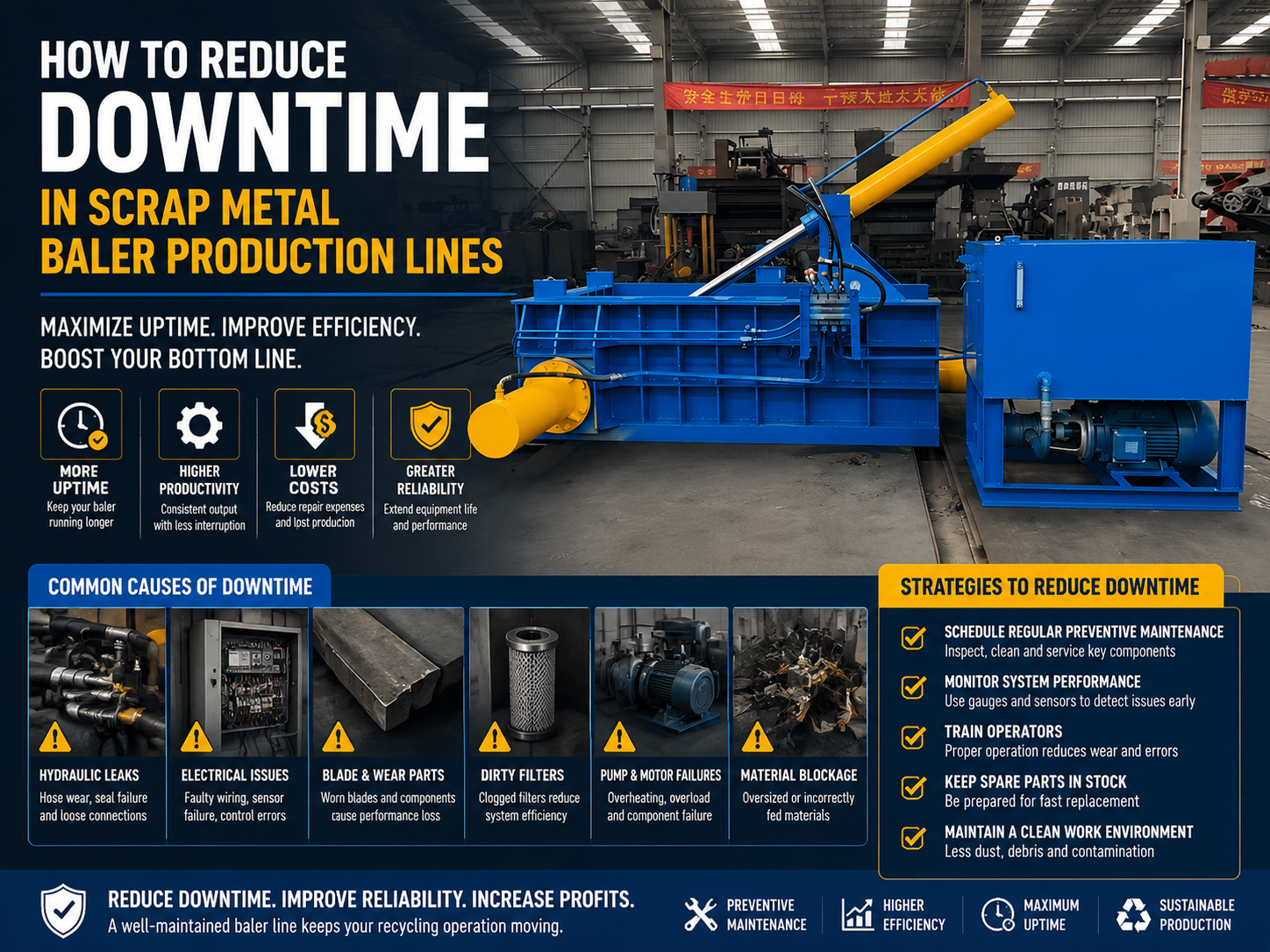
Technical Overview of Scrap Metal Baler Efficiency
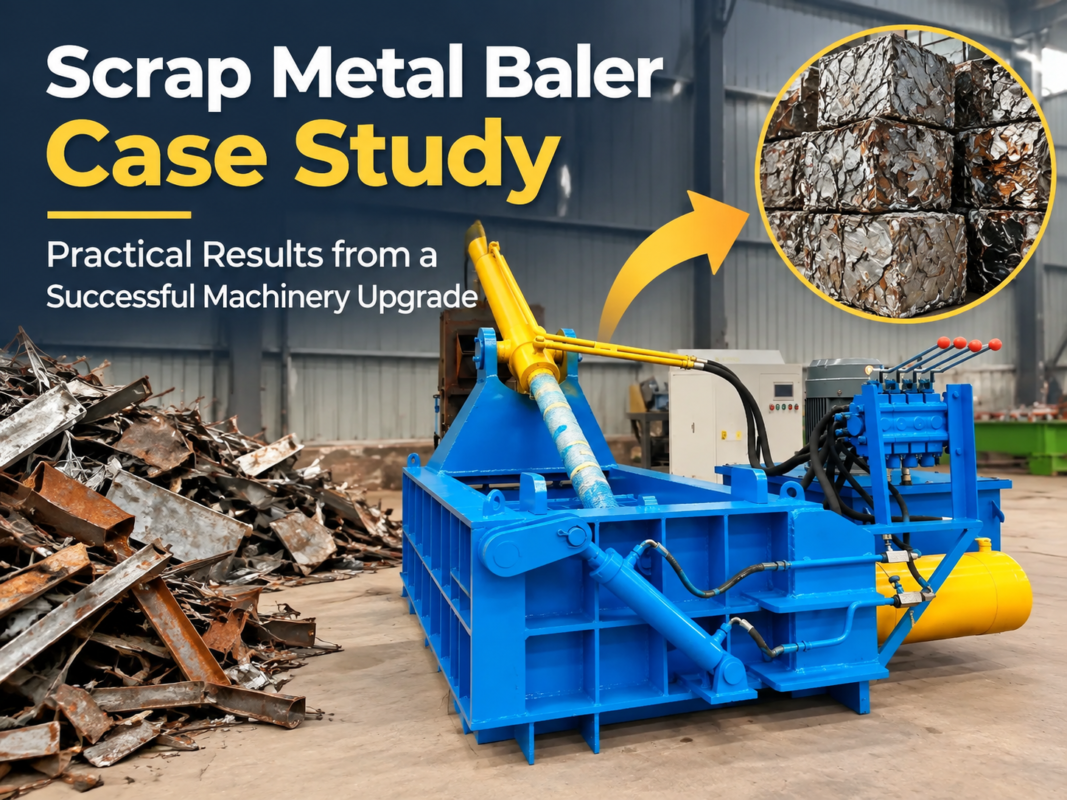
In the high-stakes world of industrial recycling, the scrap metal baler is the heartbeat of the facility. To reduce downtime in scrap metal baler production lines, one must first understand the complex interplay between hydraulic power, structural integrity, and electronic control systems. A scrap metal baler operates by compressing loose metal—ranging from aluminum cans to heavy steel plate—into dense, manageable blocks. When this machine stops, the entire production flow halts, leading to significant financial losses and logistical bottlenecks.
Modern balers, such as those engineered by HARSLE, utilize advanced hydraulic circuits designed for high-speed operation and maximum force. However, the harsh environment of a scrap yard, characterized by abrasive dust, varying material hardness, and extreme temperatures, poses a constant threat to uptime. Reducing downtime is not merely about fixing things when they break; it is about implementing a holistic strategy that encompasses predictive maintenance, operator training, and the selection of robust hardware.
The primary causes of downtime in these production lines often stem from hydraulic seal failures, structural fatigue, or contaminated oil. By focusing on these critical areas, facilities can transition from a reactive ‘break-fix’ model to a proactive ‘reliability-centered’ model. This transition is essential for maintaining a competitive edge in the recycling industry, where throughput volume directly correlates with profitability.
Furthermore, the integration of PLC (Programmable Logic Controller) systems has revolutionized how we monitor baler health. These systems provide real-time data on cycle times, pressure fluctuations, and temperature levels. Leveraging this data allows engineers to identify anomalies before they escalate into catastrophic failures. In the following sections, we will delve into the technical parameters and engineering strategies required to optimize these machines for maximum availability.
Core Parameters Influencing Baler Reliability
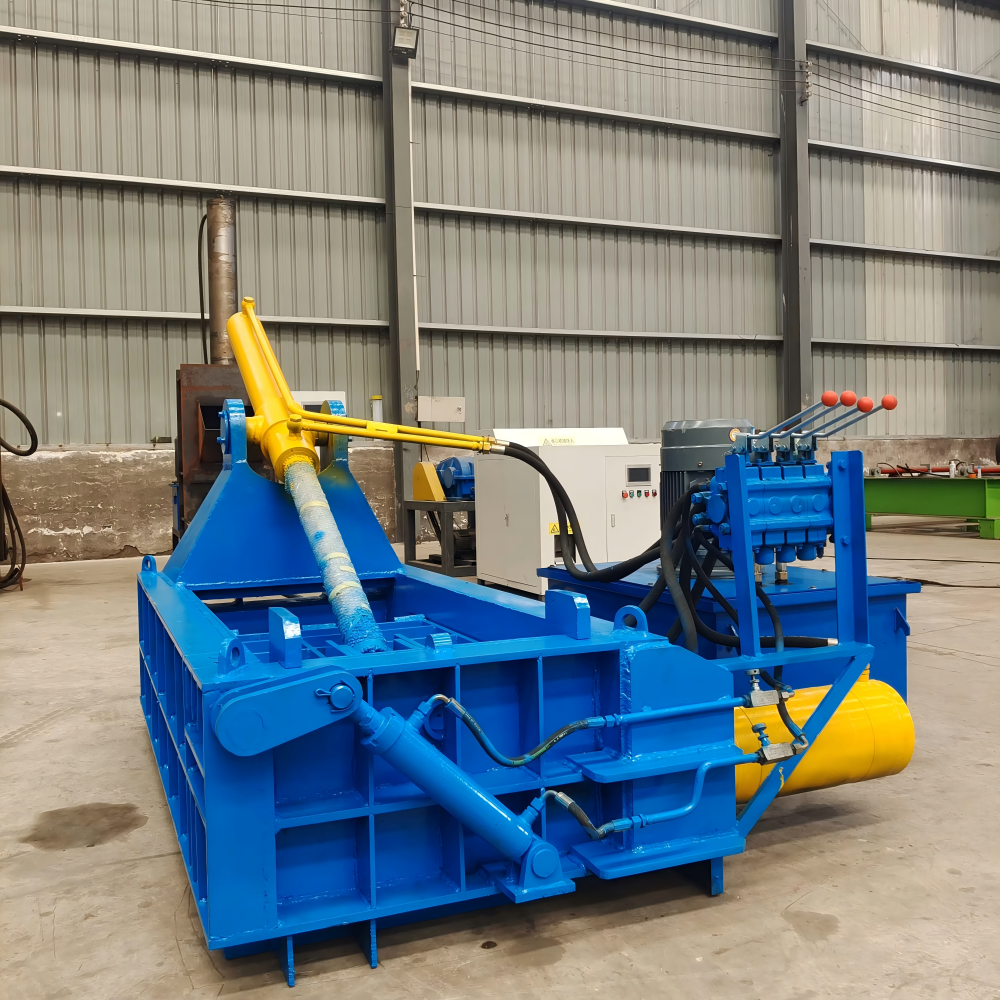
To effectively reduce downtime in scrap metal baler production lines, engineers must monitor several core parameters that dictate the machine’s operational health. The first and most critical is the Hydraulic System Pressure. Most industrial balers operate between 20MPa and 31.5MPa. Operating consistently at the upper limit increases the risk of hose bursts and valve wear. Ensuring the system is calibrated to the specific material being processed can significantly extend the life of hydraulic components.
The Cycle Time is another vital metric. A standard cycle involves the lid closing, the side cylinder compressing, the main cylinder finishing the bale, and the ejection process. If the cycle time begins to creep upward, it often indicates internal leakage in the cylinders or a declining pump efficiency. Monitoring these seconds can provide an early warning of hydraulic degradation.
Oil Temperature management is equally crucial. Hydraulic oil performs best within a specific temperature range (usually 30°C to 55°C). If the temperature exceeds 60°C, the oil’s viscosity drops, leading to poor lubrication and accelerated seal wear. High-quality balers incorporate air or water cooling systems to maintain thermal stability. A failure in the cooling circuit is a leading cause of unplanned downtime during summer months.
Lastly, the Bale Density and Throughput Rate must be balanced. Overloading the chamber to achieve higher density can stress the structural frame and the welding joints. Using high-tensile strength steel (like Hardox wear plates) in the chamber lining is a technical requirement for machines intended for 24/7 operation. These plates protect the main structure from the abrasive nature of scrap metal, reducing the frequency of structural repairs.
Calculation Method for Baler Productivity and OEE
To quantify the success of efforts to reduce downtime in scrap metal baler production lines, facilities should use the Overall Equipment Effectiveness (OEE) formula. OEE is calculated by multiplying Availability, Performance, and Quality. In the context of a baler, Quality is usually defined as the percentage of bales that meet the required weight and density specifications without falling apart.
Availability Calculation:
Availability = (Planned Production Time – Downtime) / Planned Production Time. For example, if a shift is 8 hours (480 minutes) and the machine is down for 60 minutes for repairs, the availability is 87.5%.
Performance Calculation:
Performance = (Actual Throughput / Theoretical Max Throughput). If a HARSLE baler is rated for 10 tons per hour but only processes 8 tons due to slow feeding or minor glitches, the performance is 80%.
MTBF and MTTR:
Two other critical metrics are Mean Time Between Failures (MTBF) and Mean Time To Repair (MTTR). MTBF = Total Operating Time / Number of Failures. MTTR = Total Maintenance Time / Number of Repairs. To truly optimize a production line, the goal is to maximize MTBF while minimizing MTTR through better spare parts management and technician training.
Technical Parameter Table for HARSLE Baler Series
The following table outlines the technical specifications for common scrap metal baler models. Choosing the right model for your specific material volume is the first step in preventing equipment overstrain.
| Model Series | Nominal Force (kN) | Chamber Size (mm) | Bale Size (mm) | Cycle Time (s) | Motor Power (kW) |
|---|---|---|---|---|---|
| HBS-125 | 1250 | 1200 x 700 x 600 | 300 x 300 | 80 – 90 | 15 |
| HBS-250 | 2500 | 2000 x 1400 x 900 | 450 x 450 | 90 – 110 | 37 |
| HBS-400 | 4000 | 2500 x 2000 x 1200 | 600 x 600 | 120 – 150 | 60 (Dual) |
| HBS-630 | 6300 | 3000 x 2500 x 1500 | 700 x 700 | 150 – 180 | 90 (Triple) |
Common Engineering Mistakes in Baler Operation
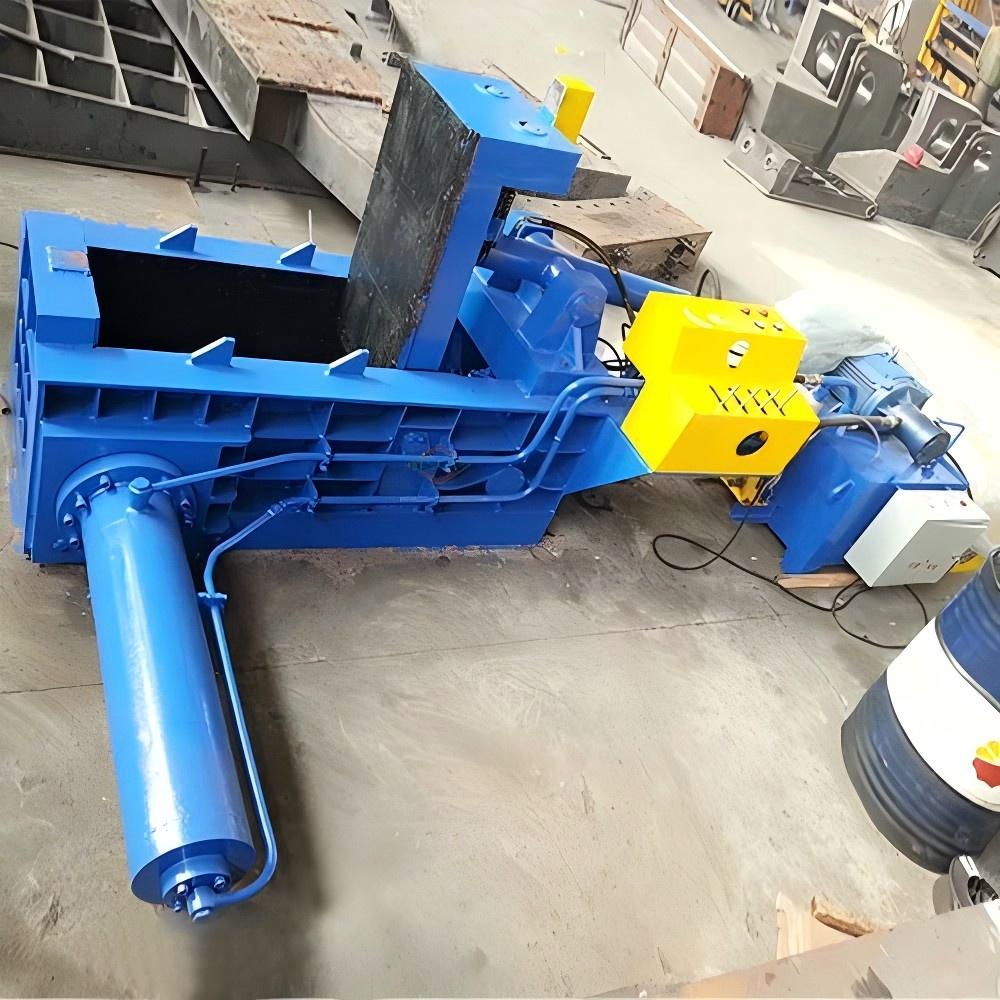
One of the most frequent mistakes that prevents efforts to reduce downtime in scrap metal baler production lines is the neglect of hydraulic oil filtration. Many operators assume that as long as the oil level is high, the machine is safe. However, microscopic metal particles from the scrap can enter the system, acting as an abrasive that destroys pump vanes and valve seats. Implementing a dual-stage filtration system with a 10-micron rating is essential for long-term reliability.
Another common error is the improper adjustment of the ‘Lid Shear’ or ‘Gate Shear.’ In many balers, the lid or the side ram is equipped with blades to cut overhanging scrap. If these blades become dull or the gap between them becomes too wide, the machine will consume significantly more power and experience ‘shocks’ that can crack hydraulic manifolds. Regular sharpening and gap adjustment (typically 0.5mm to 1.0mm) are mandatory.
Foundation and installation errors also contribute to downtime. A scrap metal baler generates immense vibration and shifting forces. If the machine is not anchored to a reinforced concrete pad of sufficient depth, the frame can twist over time. This twisting leads to misalignment of the rams, causing uneven wear on the guide rails and eventually leading to a catastrophic jam that requires days of teardown to fix.
Finally, ignoring the electrical cabinet’s environment is a recipe for disaster. Scrap yards are dusty. If the electrical cabinet is not properly sealed or cooled, dust buildup on contactors and PLCs can cause overheating and short circuits. Using an IP65-rated enclosure with an integrated heat exchanger can prevent these ‘ghost’ electrical faults that are often difficult and time-consuming to diagnose.
Selection Checklist for Low-Downtime Balers
When purchasing a new machine, use this checklist to ensure the equipment is designed to reduce downtime in scrap metal baler production lines:
- Hydraulic Component Brand: Does the machine use reputable valves and pumps (e.g., Rexroth, Vickers, or high-end domestic equivalents)?
- Wear Plate Material: Are the chamber walls lined with replaceable NM450 or Hardox wear plates?
- PLC and HMI: Is the control system user-friendly with built-in diagnostics and error logging?
- Cooling System: Is the oil cooler sized for your local climate (Air-cooled vs. Water-cooled)?
- Auto-Lubrication: Does the machine feature an automatic greasing system for the main pivot points and guide rails?
- Frame Construction: Is the frame stress-relieved after welding to prevent future cracking?
- Spare Parts Availability: Are critical seals, sensors, and filters kept in stock by the manufacturer?
- Remote Support: Does the PLC support remote internet diagnostics for rapid troubleshooting?
Frequently Asked Questions (FAQ)
How often should I change the hydraulic oil in my scrap metal baler?
For most industrial scrap metal balers, the hydraulic oil should be sampled every 1,000 operating hours and completely changed every 2,000 to 4,000 hours, depending on the environment. However, the use of high-quality synthetic oils and advanced filtration can extend this interval. Always monitor the oil’s color and viscosity; if it appears milky, water contamination is present and it must be changed immediately.
Why is my baler losing pressure during the compression stroke?
A loss of pressure is usually caused by one of three things: internal bypass in the hydraulic cylinder (worn seals), a malfunctioning relief valve that is opening too early, or a failing hydraulic pump. Start by checking the relief valve settings and then perform a ‘drift test’ on the cylinders to identify internal leakage.
Can I process different types of metal in the same baler?
Yes, but you must adjust the settings. For example, baling aluminum requires less force but more frequent cleaning of the chamber to prevent ‘galling’ or sticking. Baling heavy steel requires maximum pressure and sharp shear blades. Modern HARSLE balers often have pre-programmed ‘recipes’ on the HMI for different material types to optimize performance and reduce wear.
What is the most common cause of structural cracking in balers?
Structural cracking is almost always caused by ‘off-center loading.’ If the scrap is consistently piled on one side of the chamber, the ram will exert uneven force, causing the frame to flex. Over thousands of cycles, this fatigue leads to cracks. Ensuring operators distribute the load evenly is the best way to prevent this.
How does an automatic greasing system help reduce downtime?
Manual greasing is often neglected by busy operators. An automatic system ensures that every pivot pin and guide rail receives a precise amount of lubricant at set intervals. This reduces friction, prevents heat buildup, and significantly extends the life of the mechanical linkages, preventing the ‘seizing’ that can lead to days of downtime.
What should I do if the baler’s cycle time suddenly increases?
First, check the oil temperature. If the oil is too hot, the pump efficiency drops. Second, check the suction filters for clogs, which can cause pump cavitation. Third, inspect the solenoid valves to ensure they are shifting fully and quickly. If these are fine, the pump may be reaching the end of its service life.