Scrap Metal Baler Vs. Scrap Shear: Which Machine Is Better Operation?

Technical Overview: Understanding the Mechanics of Scrap Processing
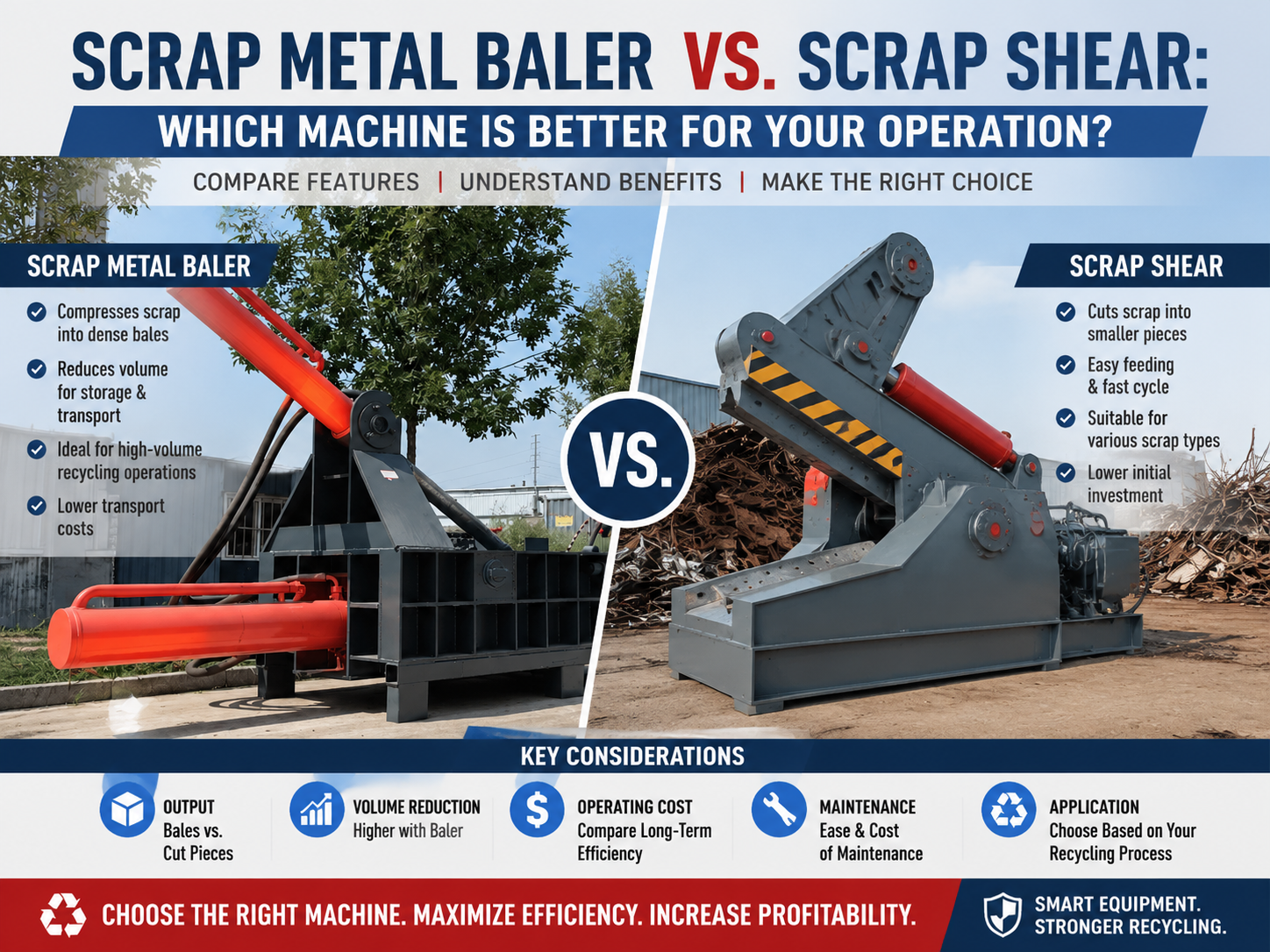
In the high-stakes world of metal recycling and industrial waste management, the choice between a scrap metal baler and a scrap shear is one of the most critical decisions an operation manager will face. Both machines serve the primary purpose of processing metal waste into a more manageable form, but they achieve this through fundamentally different mechanical processes. A scrap metal baler utilizes high-pressure hydraulic cylinders to compress loose metal scrap into dense, rectangular blocks known as bales. This process is primarily focused on volume reduction and logistical efficiency. By condensing light-gauge materials like aluminum extrusions, copper wire, or thin steel sheets, the baler allows for significantly higher transport weights per truckload, reducing shipping costs and maximizing storage space.
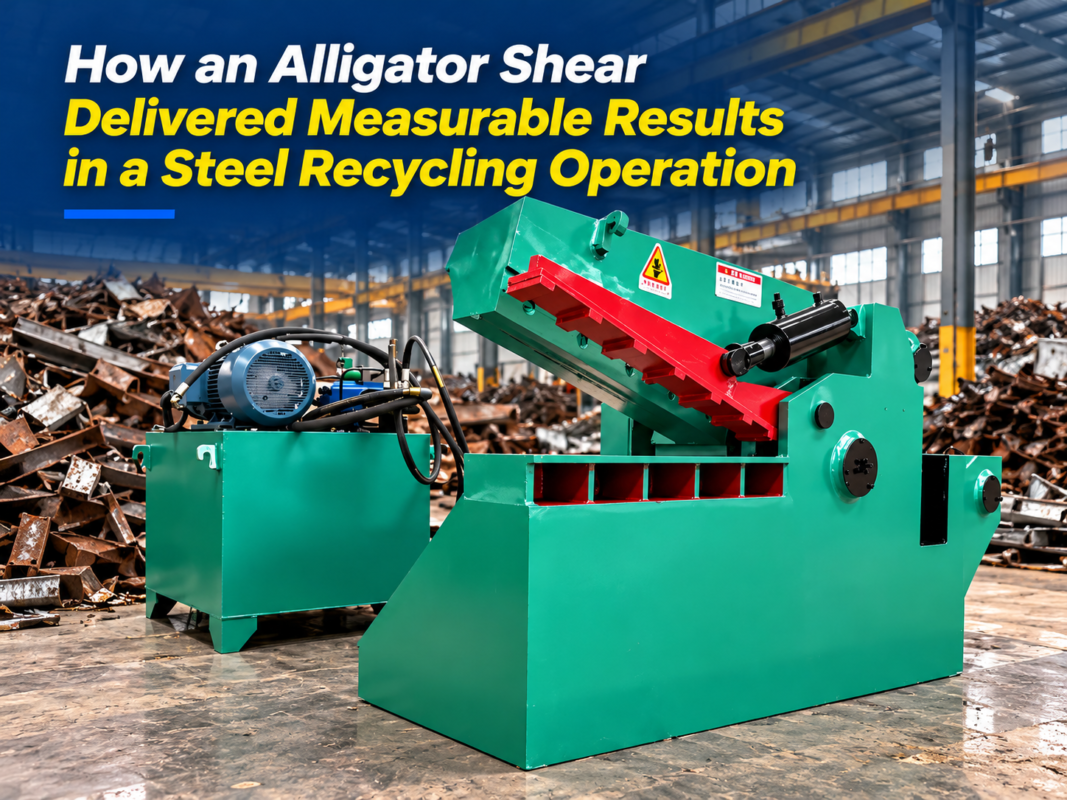
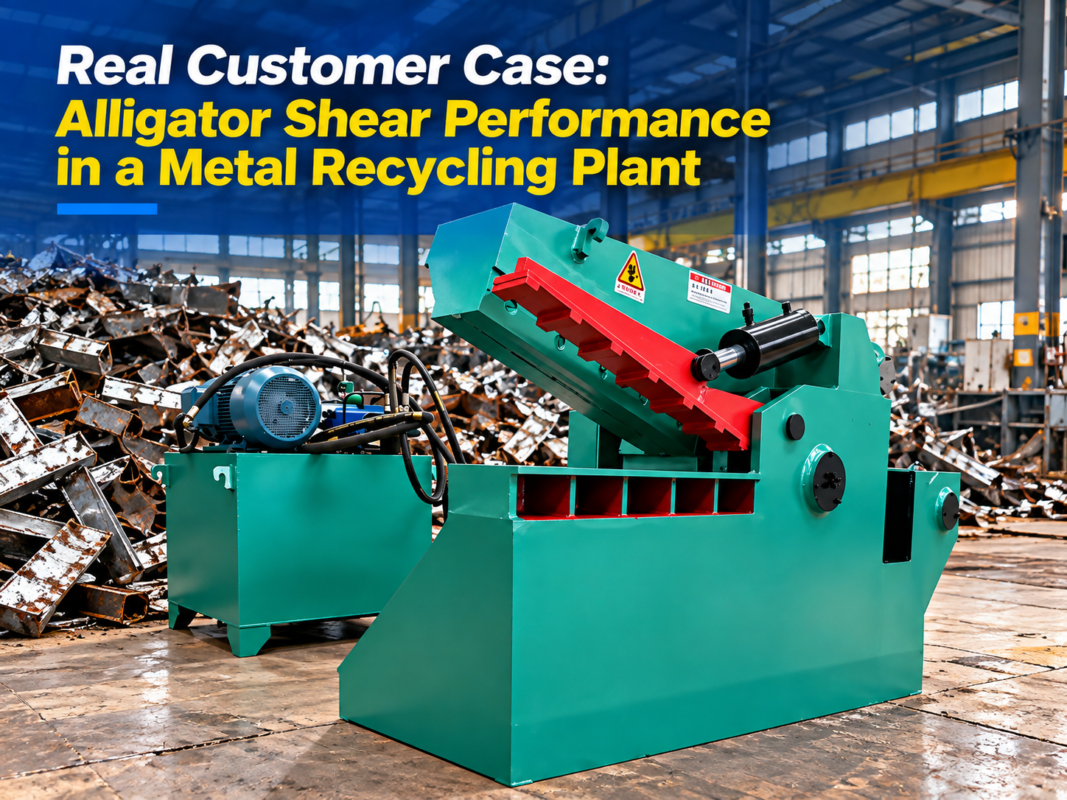
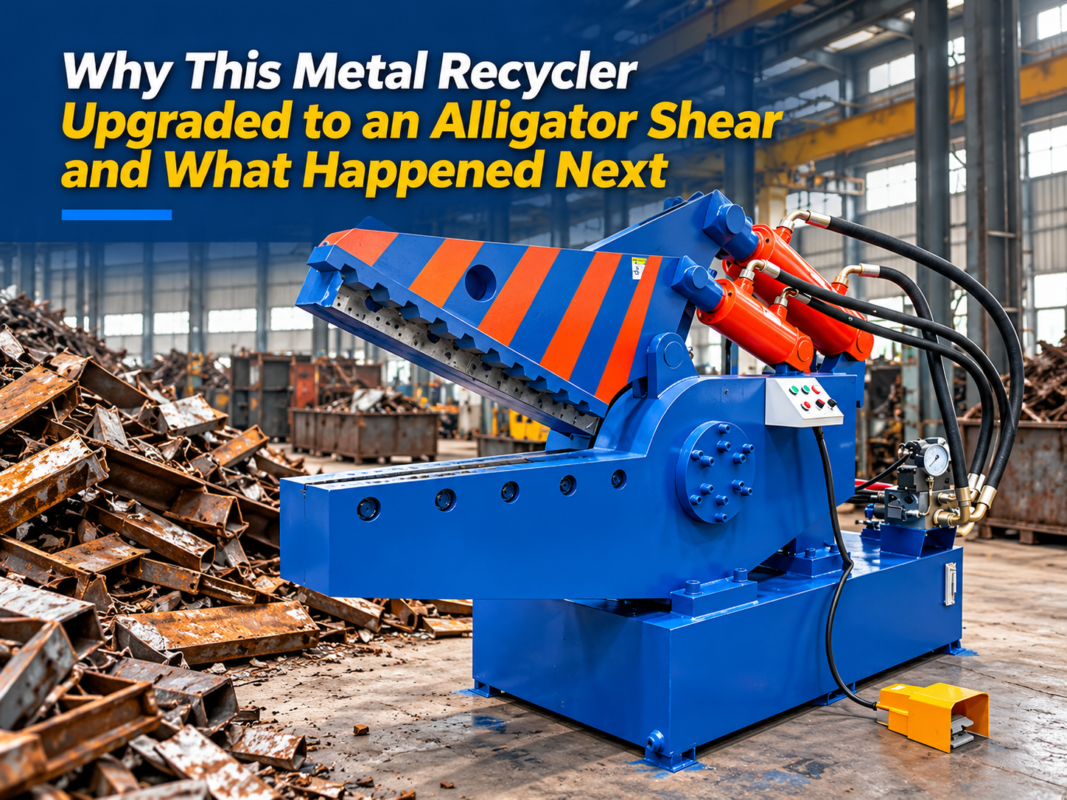
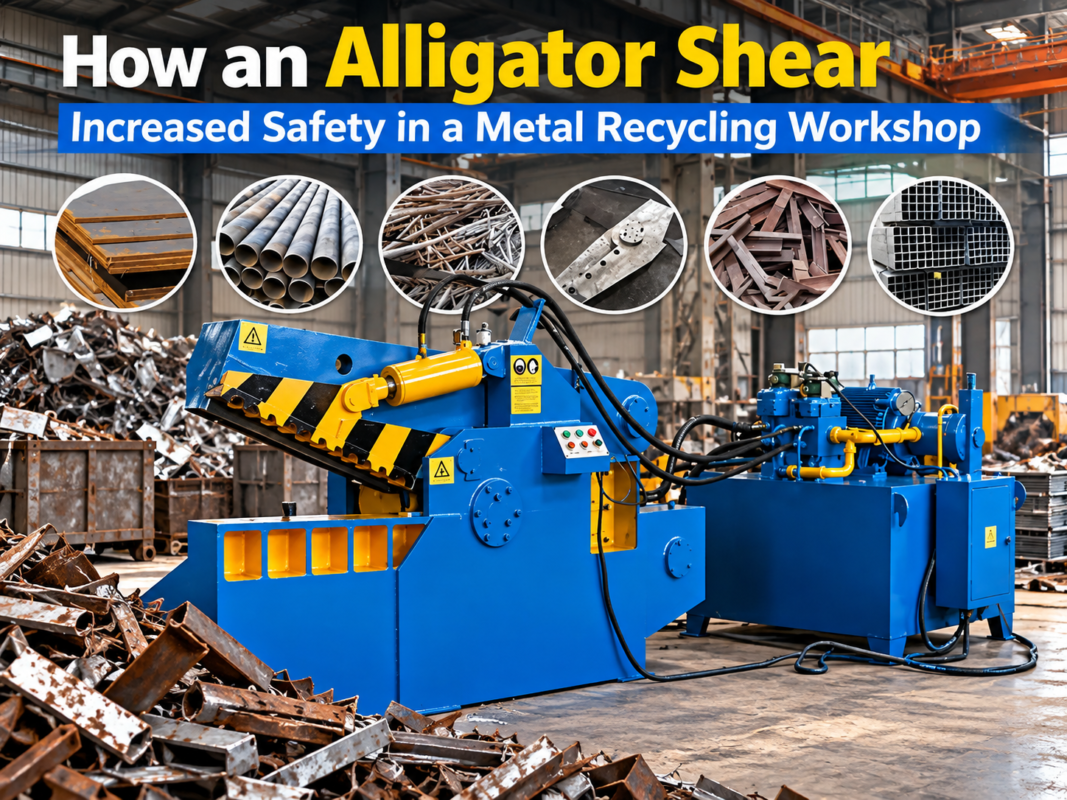
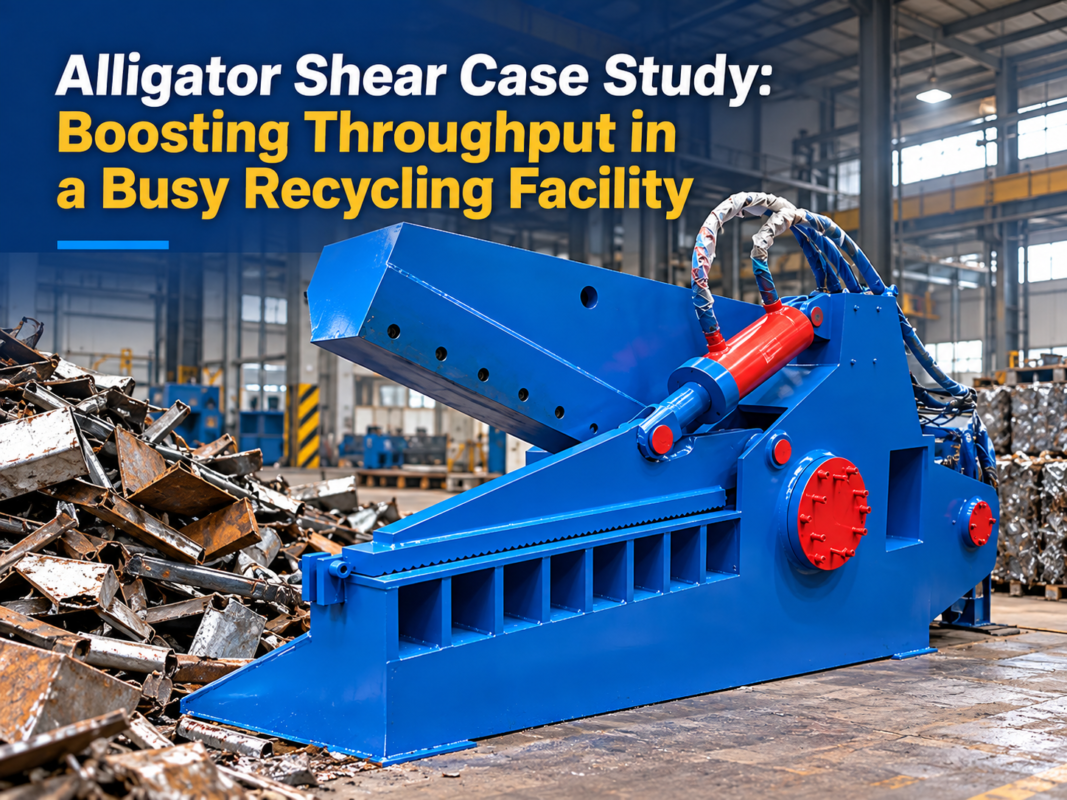
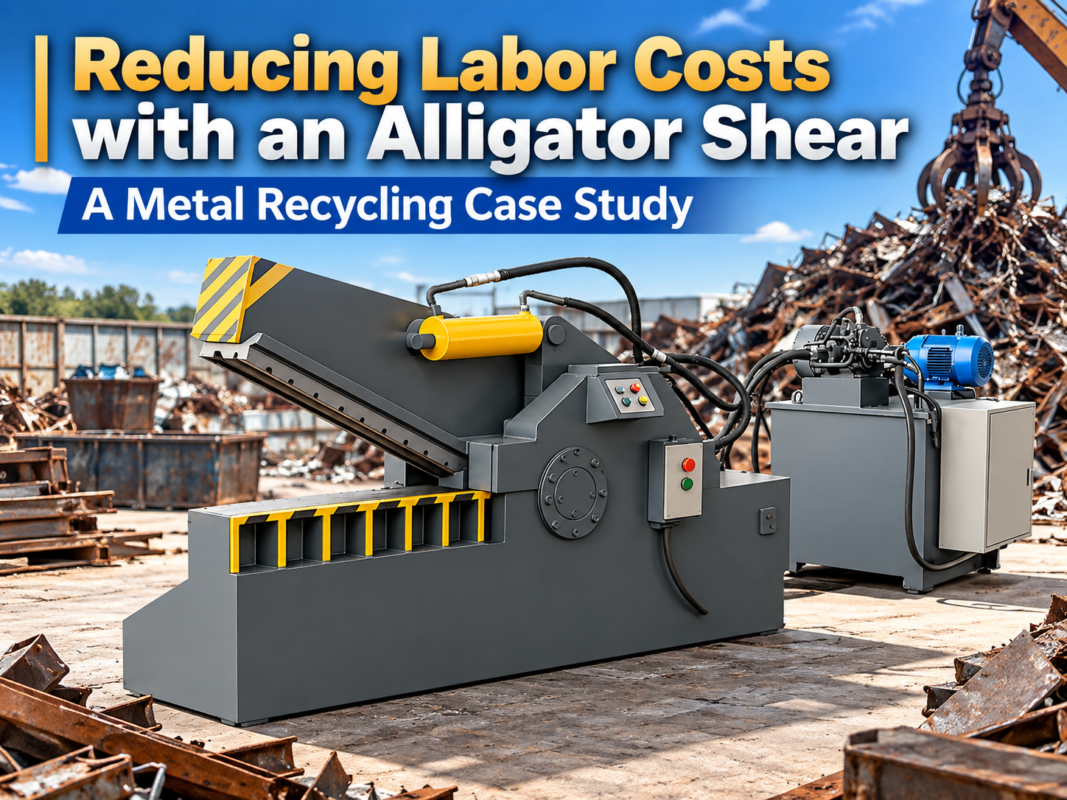
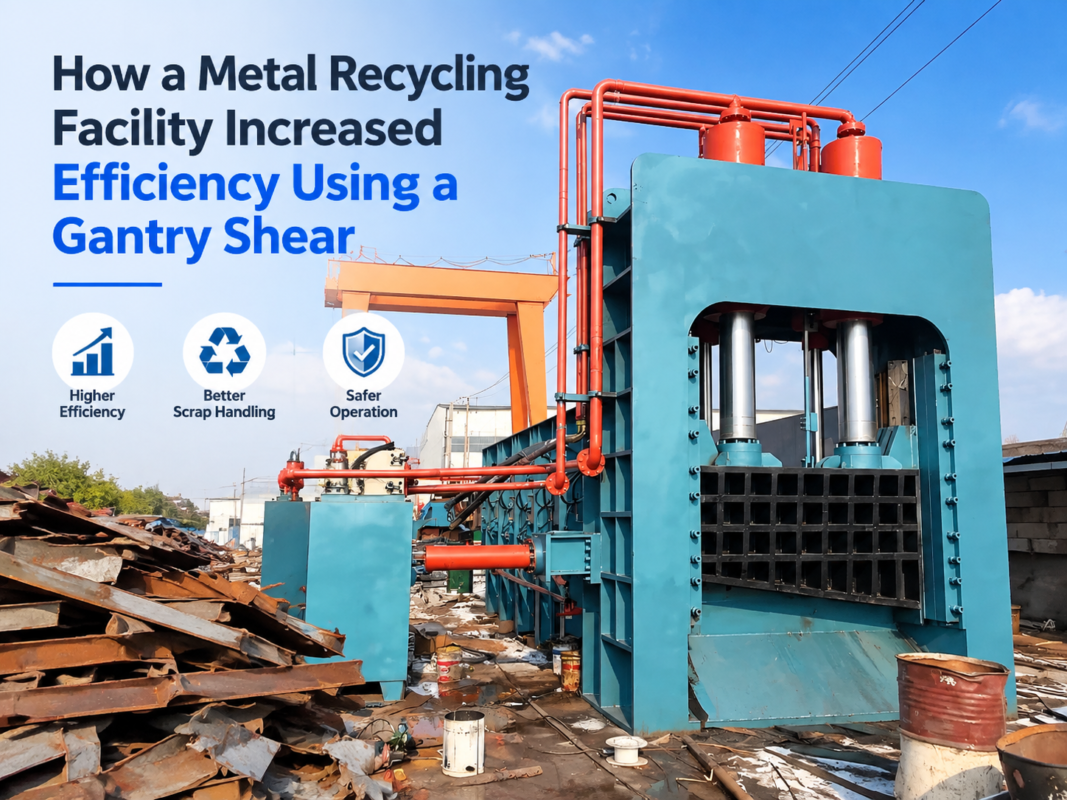
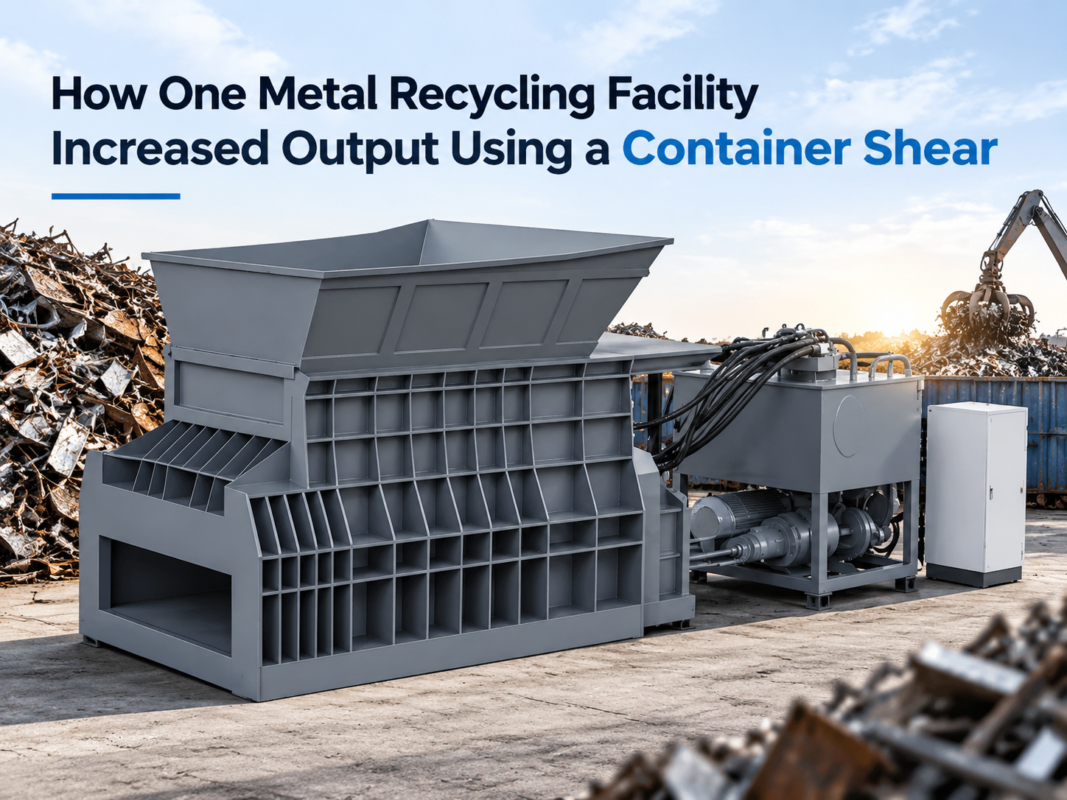
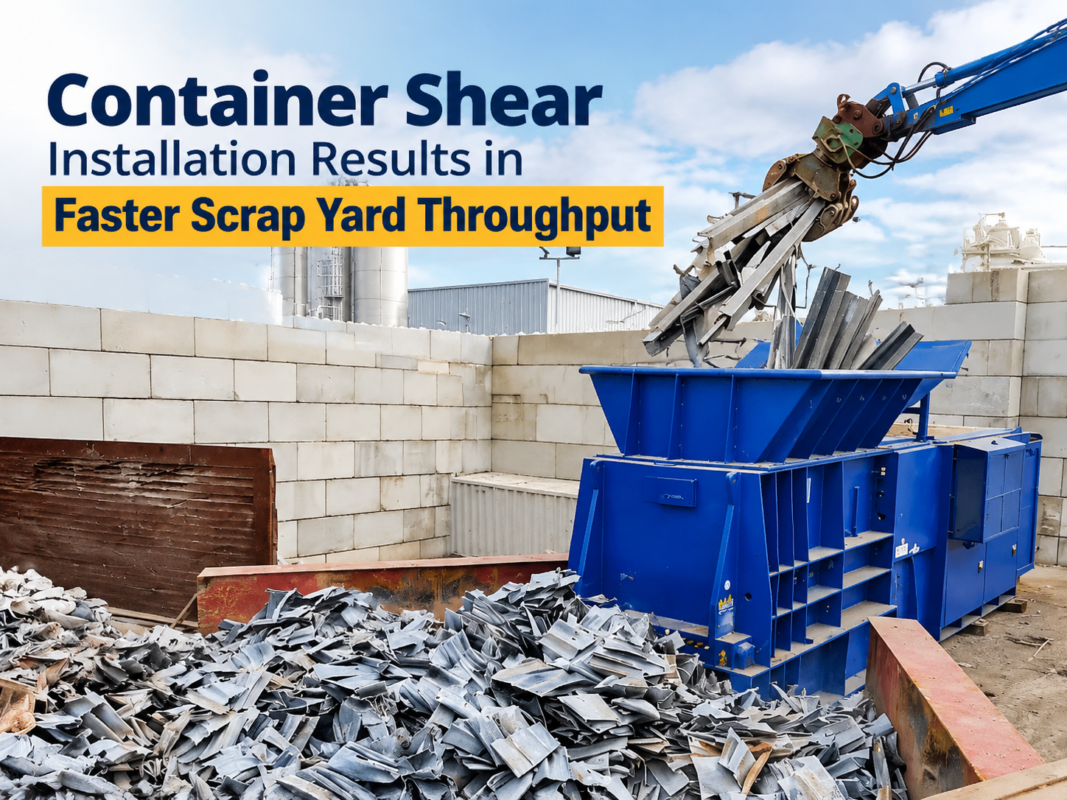
Conversely, a scrap shear—often referred to as a guillotine shear or an alligator shear—is designed to cut large, heavy, or oversized metal pieces into smaller, uniform lengths. The primary objective of a shear is not necessarily volume reduction through compaction, but rather size reduction for furnace readiness. Steel mills and foundries often require scrap to be cut to specific dimensions to fit into their melting crucibles or electric arc furnaces (EAF). Heavy structural steel, I-beams, pipes, and thick plates that are too rigid for a standard baler are the primary candidates for shearing. While a baler ‘squeezes,’ a shear ‘slices,’ and this distinction dictates which machine is better suited for specific types of scrap streams.
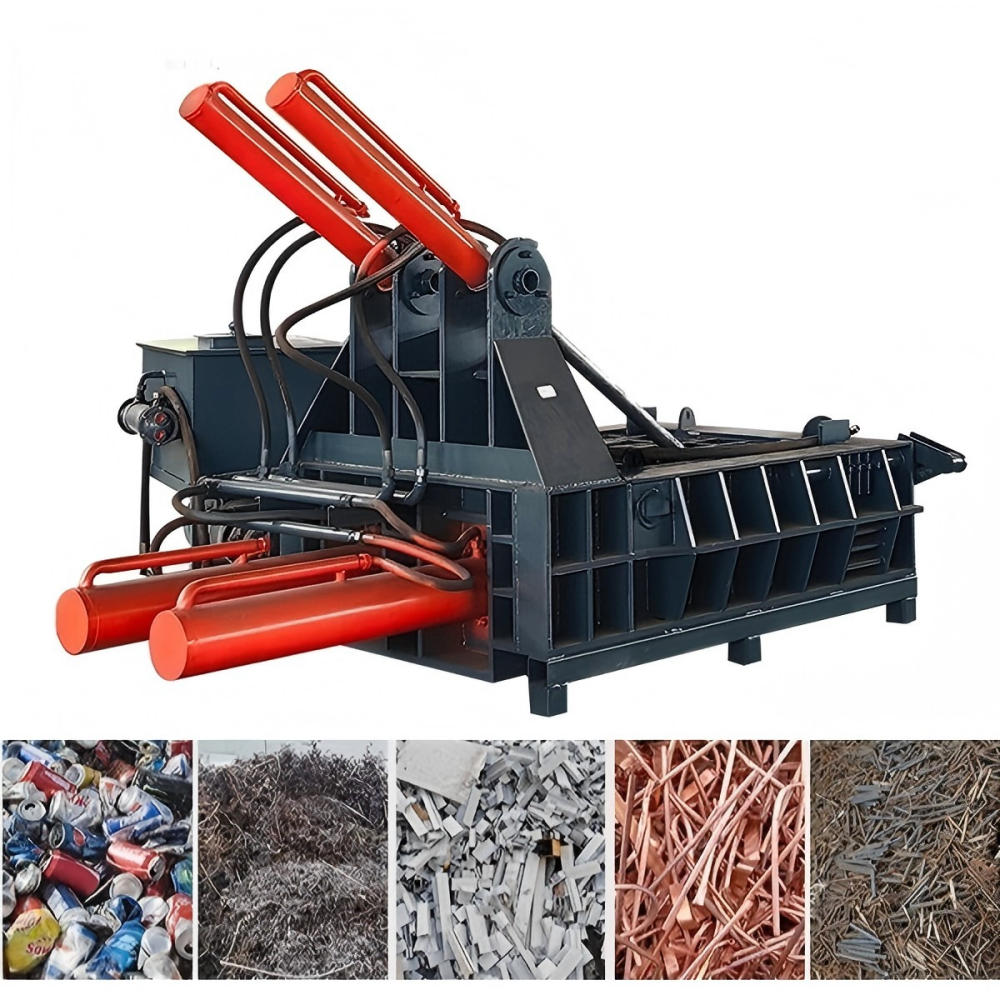
Modern engineering at HARSLE has bridged some of the gaps between these two technologies. For instance, many high-end scrap balers now feature integrated cutting blades on the lid or the side ram to shear off excess material that hangs out of the compression chamber. However, the core mechanical advantage remains distinct. A baler relies on multi-stage compression (often 2-way or 3-way) to achieve maximum density, whereas a shear relies on massive downward force concentrated on a hardened steel blade to overcome the tensile strength of the metal. Understanding these technical foundations is the first step in determining which machine will yield the highest return on investment (ROI) for your specific facility.
Furthermore, the operational environment plays a significant role. Balers are typically found in facilities dealing with non-ferrous metals, white goods (appliances), and light ferrous scrap. Shears are the workhorses of heavy demolition yards and ship-breaking operations. The energy consumption profiles also differ; balers often require sustained hydraulic pressure to hold a bale under tension during the strapping or ejection phase, while shears require peak bursts of energy to complete a single cut through thick material. Choosing the wrong machine can lead to premature mechanical failure, inefficient processing times, and lost revenue due to improperly prepared scrap.
Core Parameters: Comparing Performance Metrics
When evaluating the Scrap Metal Baler Vs. Scrap Shear: Which Machine Is Better Operation? question, one must look closely at the core technical parameters. For a scrap metal baler, the most critical metric is the nominal pressure, usually measured in Kilonewtons (kN) or Tons. A standard 160-ton baler, for example, provides enough force to process aluminum and light steel, while a 400-ton or 600-ton unit is required for heavier industrial waste. Another vital parameter is the bale size. If the bale is too large for the end-user’s furnace or too heavy for standard forklifts, the efficiency of the entire supply chain is compromised. Cycle time—the time it takes to complete one full compression and ejection cycle—directly dictates the hourly throughput of the machine.
For scrap shears, the parameters shift toward cutting force and blade length. The cutting force must be sufficient to penetrate the thickest material in your scrap stream. If you are processing heavy-duty rebar or thick-walled pipe, a shear with a cutting force of 500 tons or more is often necessary. Blade length determines the maximum width of the material that can be processed in a single stroke. Additionally, the ‘strokes per minute’ (SPM) is the shear’s equivalent to a baler’s cycle time. A high SPM allows for rapid processing of long pipes or beams, which is essential for high-volume demolition contractors.
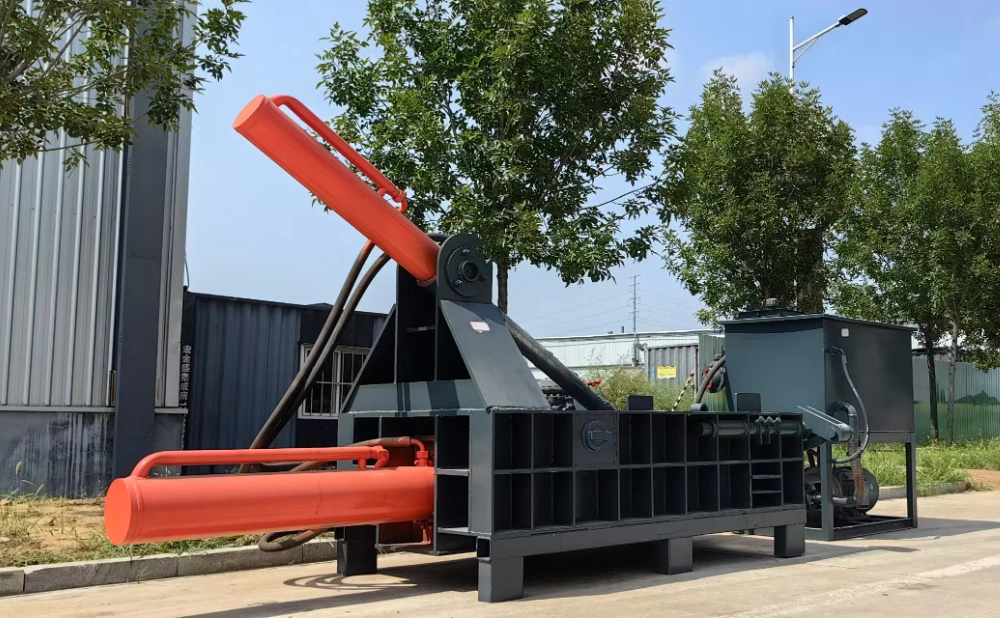
Hydraulic system efficiency is a shared parameter but manifests differently. In a baler, the hydraulic system must manage multiple cylinders (main ram, side ram, and lid) in a synchronized sequence. In a shear, the focus is often on a single, massive cylinder or a pair of cylinders working in tandem to provide a clean, vertical cut. Cooling systems are also paramount; because these machines often run 8-16 hours a day, the hydraulic oil can overheat, leading to seal degradation. HARSLE machines incorporate advanced oil cooling and filtration systems to ensure that these core parameters remain stable even under extreme operating conditions.
Calculation Method: Determining Throughput and ROI
To scientifically determine which machine is better for your operation, you must calculate the projected throughput. For a scrap metal baler, the formula is generally: (Bale Weight × 60) / Cycle Time (minutes) = Tons per Hour. For example, if a baler produces a 200kg bale and has a cycle time of 2 minutes, the hourly output is 6 tons. However, this is a theoretical maximum. Real-world factors such as loading time (using a crane or conveyor) and operator efficiency typically reduce this by 20-30%. When calculating ROI, you must also factor in the increased value of the scrap; densified bales often fetch a higher price per ton than loose scrap because they are easier for the mill to handle.
For a scrap shear, the calculation is based on the volume of material fed per hour. This is often more difficult to quantify because the material is non-uniform. A common method is to estimate the average weight of the material per linear foot and multiply it by the number of cuts per hour. (Average Weight per Cut × Strokes per Minute × 60) × Efficiency Factor = Tons per Hour. Shearing ROI is often driven by the avoidance of ‘oversize’ penalties at the scrap yard. If your scrap is too large, the mill will either reject it or charge a significant processing fee. By shearing it in-house, you capture that value for your own operation.
Another critical calculation is the ‘Cost per Ton’ of processing. This includes electricity costs, labor, and wear-and-tear (specifically blade sharpening for shears and liner plate replacement for balers). Generally, balers have a lower cost per ton for light materials, while shears are more cost-effective for heavy structural scrap. If your operation handles a mix of both, a hybrid approach or a heavy-duty baler with integrated shearing capabilities might be the most mathematically sound investment.
Parameter Table: Baler vs. Shear Comparison
| Feature/Parameter | Scrap Metal Baler | Scrap Metal Shear |
|---|---|---|
| Primary Function | Compaction & Volume Reduction | Size Reduction & Cutting |
| Best Material Type | Light-gauge steel, Aluminum, Copper | Heavy structural steel, Pipes, Rebar |
| Output Form | Dense, rectangular bales | Uniform, short-length pieces |
| Key Force Metric | Compression Force (Tons) | Cutting Force (Tons) |
| Main Wear Part | Chamber Liner Plates | Hardened Steel Blades |
| Logistical Benefit | Maximizes truck/container weight | Ensures furnace-ready dimensions |
| Typical Cycle Time | 60 – 180 seconds | 5 – 20 seconds (per cut) |
Common Engineering Mistakes in Machine Selection
One of the most frequent mistakes in the industry is underestimating the ‘spring-back’ effect of certain materials when using a baler. High-tensile materials, like certain stainless steel alloys, have a tendency to expand once the hydraulic pressure is released. If the baler is not powerful enough to achieve a permanent deformation, the bales will fall apart or jam the ejection mechanism. Engineers often overlook the ‘Specific Pressure’ (pressure per square inch on the bale face) and focus only on the total tonnage. A high tonnage spread over a massive chamber may actually result in a lower density bale than a medium tonnage machine with a smaller chamber.
In the case of scrap shears, a common engineering error is failing to account for the ‘shock load’ on the hydraulic system. When a shear blade finally breaks through a thick piece of steel, there is a sudden release of energy that can cause hydraulic hammers or pressure spikes. Without proper dampening valves and robust structural reinforcement, the machine’s frame can develop fatigue cracks over time. Furthermore, many operators fail to maintain the proper gap between the upper and lower blades. A gap that is too wide will cause the metal to ‘fold’ rather than cut, leading to massive lateral forces that can snap the blade bolts or damage the cylinder guides.
Another mistake is ignoring the ‘Loading Method.’ A high-speed baler is useless if the material is fed by a slow, manual process. The entire system—from the grapple crane to the conveyor to the machine itself—must be balanced. If the baler’s hopper is too small for the crane’s grapple, the cycle time is wasted as the operator struggles to fit the scrap into the box. Similarly, for shears, if there is no automated feed table, the machine will spend more time waiting for material than actually cutting, leading to a poor ROI despite the machine’s high technical specs.
Selection Checklist: Which Machine Is Better for Your Operation?
- Material Analysis: Is more than 70% of your scrap thinner than 6mm? If yes, a Scrap Metal Baler is likely the better choice. If you deal with heavy beams and thick plates, choose a Scrap Shear.
- Transport Distance: Are you shipping scrap more than 200 miles? High-density bales are essential for making long-distance transport profitable.
- End-User Requirements: Does your local steel mill require ‘Grade A’ sheared scrap, or do they accept ‘Baled’ scrap? Always check the buyer’s specifications before investing.
- Available Power: Do you have the electrical infrastructure to support large hydraulic motors? Shears often require high-peak current, while balers have a more consistent draw.
- Space Constraints: Balers require space for bale storage and loading docks. Shears require long ‘run-out’ areas for feeding long pipes and beams.
- Maintenance Capability: Do you have the equipment to sharpen or rotate heavy shear blades? Baler liners are easier to replace but require frequent welding/hard-facing.
- Budget vs. Throughput: A shear generally has a higher initial cost but lower per-cut labor costs for heavy materials. A baler is more versatile for general-purpose recycling.
FAQ: Frequently Asked Questions
1. Can a scrap metal baler also cut metal?
Yes, many modern balers, including those from HARSLE, feature ‘shear blades’ on the edges of the compression lid. As the lid closes, it shears off any overhanging material. However, this is intended for trimming, not for primary size reduction of heavy structural steel.
2. How often do the blades on a scrap shear need to be replaced?
This depends entirely on the material being processed. For clean, mild steel, blades can last for several hundred hours before needing to be rotated or sharpened. If processing abrasive materials or hardened alloys, the lifespan is significantly shorter. Most HARSLE shears feature four-sided blades that can be rotated to provide four fresh cutting edges before replacement is necessary.
3. Which machine is safer for operators?
Both machines are safe when operated according to manufacturer guidelines. However, shears carry a higher risk of ‘flying’ debris during the cutting process, requiring protective shields or a safe distance. Balers are generally enclosed systems, but operators must be cautious of ‘ejection’ zones when the bale is pushed out of the chamber.
4. Is a vertical baler better than a horizontal baler for scrap metal?
Vertical balers are typically used for cardboard or very light plastics. For scrap metal, a horizontal baler is almost always required due to the forces involved and the need for automated, high-volume processing. Horizontal balers allow for continuous feeding and much higher compaction pressures.
5. What is the typical lifespan of a HARSLE scrap processing machine?
With proper maintenance—including regular oil changes, liner plate replacement, and structural inspections—a HARSLE scrap metal baler or shear can easily last 15-20 years in a demanding industrial environment. The key to longevity is never exceeding the machine’s rated capacity and keeping the hydraulic system free of contaminants.