
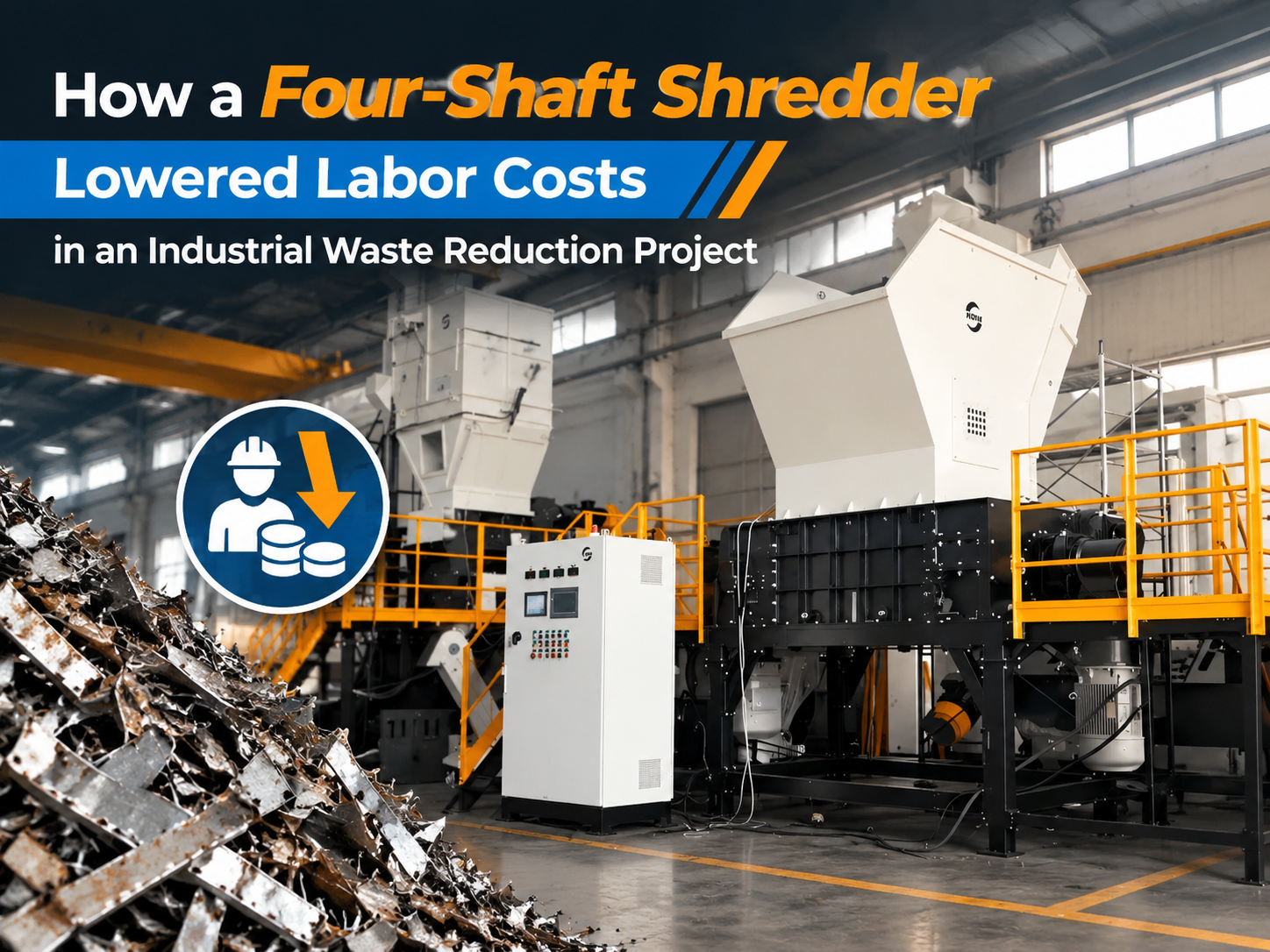
How a Four-Shaft Shredder Lowered Labor Costs in an Industrial Waste Reduction Project

Introduction
In the modern landscape of metal fabrication and industrial manufacturing, waste management is no longer just a regulatory necessity; it is a critical component of operational profitability. Many facilities struggle with the sheer volume of scrap, bulky waste, and hazardous materials that accumulate daily. Traditionally, managing this waste required significant manual intervention—sorting, cutting, and transporting materials to disposal sites. However, the integration of advanced machinery has changed this dynamic. Specifically, how a four-shaft shredder lowered labor costs in an industrial waste reduction project serves as a prime example of how automation can transform a cost center into a streamlined process.
HARSLE has observed that companies often overlook the hidden labor costs associated with waste handling. When employees spend hours manually breaking down scrap metal, plastic containers, or electronic waste, they are diverted from high-value production tasks. By deploying a high-torque, four-shaft shredder, facilities can automate the volume reduction process, turning massive piles of waste into manageable, uniform output. This article explores the technical advantages, economic impacts, and strategic considerations of adopting this technology to optimize your facility’s waste management workflow.
The transition from manual waste handling to automated shredding is not merely about speed; it is about safety and consistency. Manual handling of industrial waste carries inherent risks, including lacerations, musculoskeletal injuries, and exposure to hazardous materials. A four-shaft shredder mitigates these risks by providing a contained, mechanical solution that requires minimal human interaction. As we delve into the specifics of this technology, you will see how the initial capital investment is quickly offset by the drastic reduction in man-hours and the increased value of processed scrap.
Ultimately, the goal of any industrial waste reduction project is to minimize the footprint of waste while maximizing the potential for recycling or efficient disposal. A four-shaft shredder provides the precision and power necessary to handle diverse material streams, from thin-gauge sheet metal to complex composite structures. By understanding the mechanics behind this equipment, plant managers can make informed decisions that align with both their sustainability goals and their bottom-line financial targets.
Key Considerations for Industrial Waste Reduction
Before investing in shredding technology, it is essential to conduct a thorough audit of your current waste stream. Not all waste is created equal, and the physical properties of your scrap—such as hardness, density, and size—will dictate the type of shredder required. A four-shaft shredder is particularly effective for materials that require a consistent particle size, as the secondary shafts provide additional shearing action that two-shaft models cannot match. Understanding your material composition is the first step in calculating the potential labor savings.
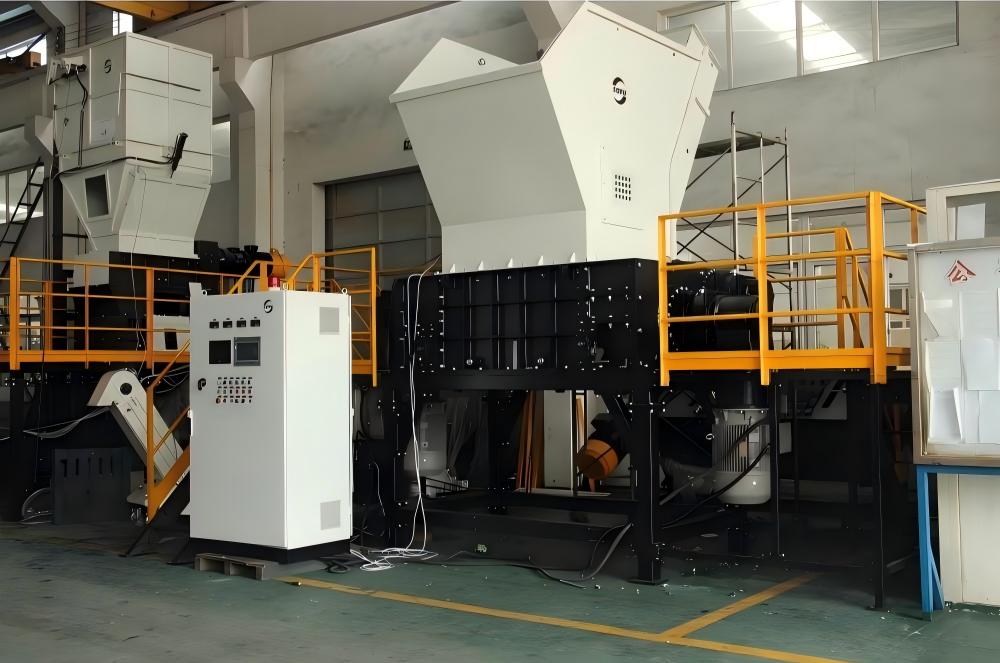
Another key consideration is the integration of the shredder into your existing production line. If the shredder is placed too far from the source of the waste, you incur additional labor costs related to internal logistics and material handling. Ideally, the machine should be positioned at the point of generation or within a centralized waste processing hub. HARSLE engineers emphasize that the layout of your facility plays a massive role in how effectively a four-shaft shredder lowers labor costs in an industrial waste reduction project. Minimizing the distance waste travels reduces the need for forklift operators and manual laborers dedicated solely to waste transport.
Regulatory compliance and environmental impact are also major drivers for adopting shredding technology. Many regions have strict mandates regarding the volume of waste that can be sent to landfills. By shredding materials, you significantly increase the bulk density of the waste, which means fewer trips to the landfill or recycling center. This not only saves on transportation costs but also reduces the labor associated with managing multiple waste containers and coordinating logistics with third-party disposal services.
Finally, consider the long-term maintenance and reliability of the equipment. A four-shaft shredder is a heavy-duty piece of metal fabrication equipment that requires regular inspection and blade maintenance. Choosing a reputable manufacturer like HARSLE ensures that you have access to spare parts, technical support, and training for your staff. When the machine is reliable, labor costs remain low because you avoid the downtime and emergency repairs that often plague lower-quality, under-engineered shredding solutions.
Technical Details of Four-Shaft Shredders
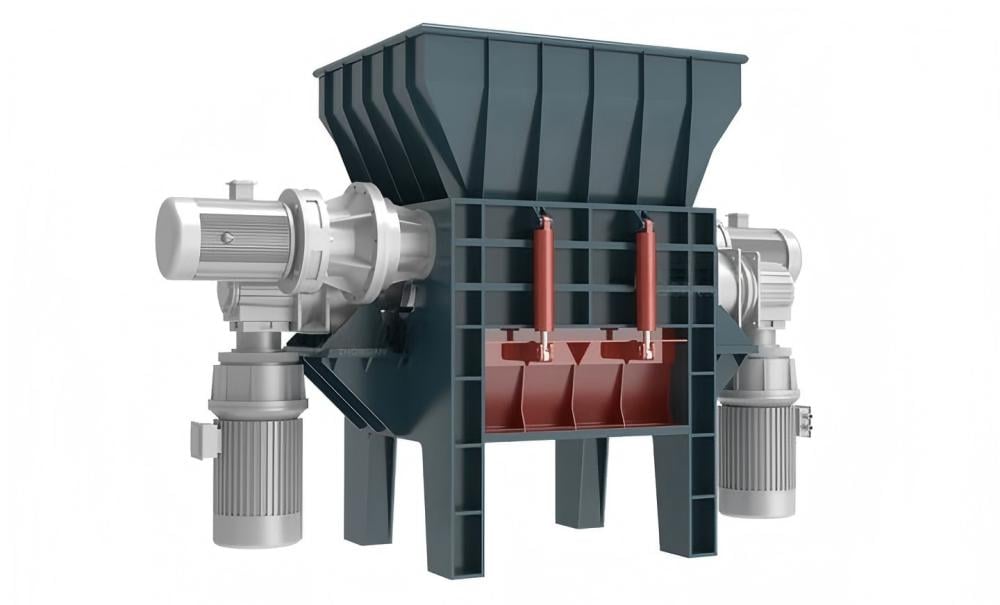
The core of the four-shaft shredder’s efficiency lies in its unique design. Unlike two-shaft shredders, which rely on a primary cutting action, the four-shaft configuration utilizes two sets of shafts working in tandem. The primary shafts grab and tear the material, while the secondary shafts act as a sizing screen, ensuring that the output meets specific dimensions. This dual-stage process is what allows the machine to handle complex materials that would otherwise jam or clog a simpler system, thereby reducing the need for manual intervention to clear blockages.
HARSLE’s four-shaft shredders are equipped with high-torque, low-speed motors that provide the necessary force to process tough industrial materials without overheating. The low speed is a critical feature, as it reduces noise levels and wear on the cutting blades, extending the service life of the machine. Furthermore, the intelligent control system monitors the load on the shafts; if a particularly dense object is detected, the machine automatically reverses the shafts to prevent damage, eliminating the need for an operator to manually reset the system.
The cutting blades themselves are manufactured from high-alloy, wear-resistant steel. These blades are designed to be modular, meaning that if one section of the cutting chamber experiences more wear than others, it can be replaced individually. This modularity is a significant factor in how a four-shaft shredder lowers labor costs in an industrial waste reduction project; maintenance teams spend less time on complex repairs and more time on routine, preventative checks. The precision of these blades ensures a clean cut, which is vital for downstream processes like metal smelting or plastic recycling.
Additionally, the discharge system of a four-shaft shredder can be customized to suit your facility’s needs. Whether you require a conveyor belt system to move shredded material directly into a hopper or a specialized bin-tipping mechanism, HARSLE provides integrated solutions that eliminate the need for manual shoveling or sorting. By automating the entire flow from input to output, the shredder becomes a self-contained processing unit that requires only periodic oversight rather than constant manual labor.
Selection Advice: Choosing the Right Equipment
When selecting a four-shaft shredder, the most important factor is the throughput capacity required by your facility. You must calculate the volume of waste generated per shift and ensure the shredder’s motor power and chamber size can handle the peak load. An undersized machine will lead to bottlenecks and increased labor costs as employees wait for the machine to catch up, while an oversized machine represents an unnecessary capital expenditure. HARSLE consultants recommend a capacity buffer of at least 20% to account for future growth or seasonal spikes in production.
Material compatibility is another critical selection criterion. If your waste stream includes a mix of metals, plastics, and wood, you need a shredder with adjustable cutting speeds and blade configurations. Some materials require a ‘tearing’ action, while others require a ‘shearing’ action. A versatile four-shaft shredder allows you to swap out blades or adjust the gap between the shafts to accommodate different material types, ensuring that you don’t need multiple machines for different waste streams.
Consider the safety features integrated into the machine. In an industrial environment, safety is paramount. Look for features such as emergency stop buttons, light curtains, and automatic shut-off sensors that detect when the feed hopper is being accessed. A machine that is inherently safe reduces the need for constant supervision and minimizes the risk of workplace accidents, which are a major hidden cost in any industrial operation. HARSLE prioritizes these safety standards in all its metal fabrication equipment.
Finally, look for a manufacturer that offers comprehensive training for your operators. Even the most advanced machine will fail to deliver its full potential if the staff does not know how to operate it efficiently. Proper training covers everything from daily maintenance routines to troubleshooting minor issues, ensuring that your team can keep the shredder running at peak performance. When your staff is empowered to manage the equipment, you further reduce the reliance on external technicians and minimize downtime.
FAQ: Common Questions About Shredding Technology
- Q: How does a four-shaft shredder differ from a two-shaft shredder?
A: A four-shaft shredder includes two additional shafts that act as a sizing screen, providing a more uniform output and preventing oversized material from passing through. This reduces the need for secondary processing or manual sorting. - Q: Can a four-shaft shredder handle mixed materials?
A: Yes, HARSLE four-shaft shredders are designed to handle a wide variety of materials, including metal, plastic, and wood. The high-torque motors and robust blade design allow for versatile processing. - Q: How much maintenance does a four-shaft shredder require?
A: Routine maintenance includes checking blade wear, lubricating bearings, and inspecting the drive system. Because the blades are modular, maintenance is straightforward and can be performed by your in-house team. - Q: Will this machine really lower my labor costs?
A: Yes. By automating the volume reduction process, you eliminate the need for manual cutting, sorting, and frequent transport of bulky waste. This allows your staff to focus on core production activities. - Q: What is the typical lifespan of the cutting blades?
A: The lifespan depends on the material being shredded. However, HARSLE uses high-alloy, wear-resistant steel, which is designed for long-term durability in demanding industrial environments.
Conclusion
The implementation of a four-shaft shredder is a strategic move for any industrial facility looking to optimize its waste management processes. As demonstrated, how a four-shaft shredder lowered labor costs in an industrial waste reduction project is not just a theoretical concept; it is a measurable reality for companies that have transitioned to automated shredding. By reducing the volume of waste, minimizing manual handling, and increasing the efficiency of the entire disposal chain, these machines provide a significant return on investment.
HARSLE remains committed to providing high-quality metal fabrication equipment that helps our clients achieve their operational goals. Whether you are looking to reduce your environmental footprint, comply with new regulations, or simply streamline your facility’s workflow, a four-shaft shredder is a powerful tool in your arsenal. We encourage you to evaluate your current waste management practices and consider the long-term benefits of automation.
Investing in the right technology is the first step toward a more efficient and profitable future. With the right equipment, your facility can turn the burden of waste into a manageable, cost-effective process. If you are ready to explore how a four-shaft shredder can transform your operations, contact the HARSLE team today for a consultation tailored to your specific industrial needs.












