How to Improve Scrap Metal Recycling Performance with a Hammer Shredder

Introduction
In the modern landscape of industrial manufacturing and waste management, the ability to efficiently process scrap metal is not just an environmental necessity but a significant economic driver. As global demand for raw materials fluctuates, metal fabrication facilities and recycling centers are under constant pressure to maximize their output while minimizing operational costs. One of the most effective ways to achieve this is to improve scrap metal recycling performance with a hammer shredder. By transforming bulky, irregular scrap into uniform, high-density fragments, facilities can significantly increase their processing speed, improve material purity, and command higher market prices for their recycled output.
The hammer shredder has become a cornerstone of modern metal recycling plants. Unlike traditional shearing methods that may leave large, awkward pieces, a hammer shredder utilizes high-speed rotating hammers to impact and break down metal components into manageable sizes. This process is essential for downstream separation technologies, such as magnetic separators and eddy current systems, which rely on consistent material sizing to function at peak efficiency. For businesses looking to optimize their workflow, understanding the mechanics and strategic implementation of these machines is paramount.
HARSLE, as a leader in industrial machinery, recognizes that the transition to high-performance shredding is a critical step for any facility aiming to scale its operations. Whether you are handling automotive scrap, white goods, or industrial offcuts, the right shredding technology acts as a force multiplier for your entire production line. This guide explores the technical intricacies, selection criteria, and operational strategies required to leverage hammer shredders for maximum profitability and efficiency.
Key Considerations for Recycling Efficiency
When evaluating how to improve scrap metal recycling performance with a hammer shredder, the first consideration must be the consistency of the input material. A hammer shredder is highly versatile, but its efficiency is directly tied to the homogeneity of the feed. Facilities should implement a pre-sorting protocol to remove non-metallic contaminants, such as plastics, rubber, or hazardous materials, which can damage the hammers or lead to excessive wear on the internal liners. By ensuring a clean feed, you reduce downtime and extend the lifespan of your critical components.
Another vital factor is the throughput capacity versus the power consumption of the unit. High-performance shredding requires significant torque and rotational speed. Operators must balance the motor power with the desired output size. If the shredder is underpowered for the volume of scrap being processed, the system will experience frequent jams and mechanical strain. Conversely, an oversized machine may lead to unnecessary energy expenditures. Analyzing your daily tonnage and the physical dimensions of your scrap is the first step in aligning your machinery with your production goals.
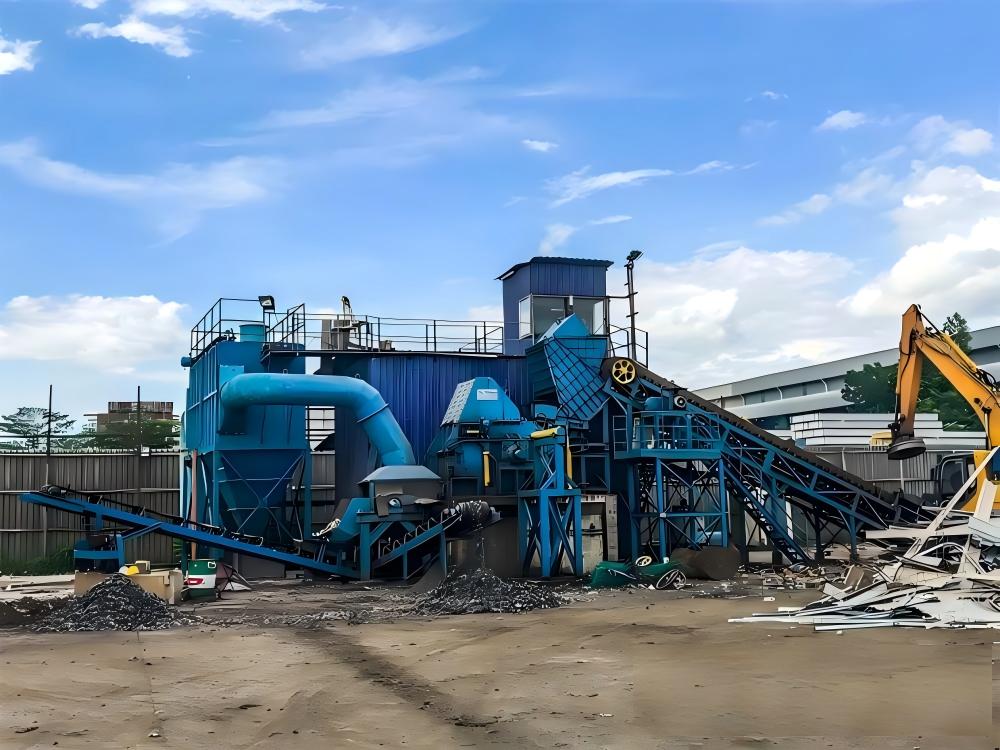
The integration of the shredder into the broader facility layout is often overlooked. A hammer shredder should not exist in a vacuum; it must be part of a continuous flow system. This includes efficient in-feed conveyors, dust collection systems, and post-shredding sorting lines. If the material cannot be moved away from the shredder as quickly as it is processed, the system will bottleneck, negating the performance gains provided by the shredder itself. Proper facility design ensures that the high-speed output of the shredder is matched by the capacity of your sorting and storage infrastructure.
Finally, maintenance scheduling is the backbone of recycling performance. Hammer shredders operate in a high-impact environment, which naturally leads to the degradation of hammers, grates, and liners. Implementing a predictive maintenance program—where components are inspected and replaced based on wear patterns rather than reactive failure—is essential. By keeping the shredder in optimal condition, you ensure that the particle size remains consistent, which is the primary metric for quality in the scrap metal market.
Technical Details of Hammer Shredder Operation
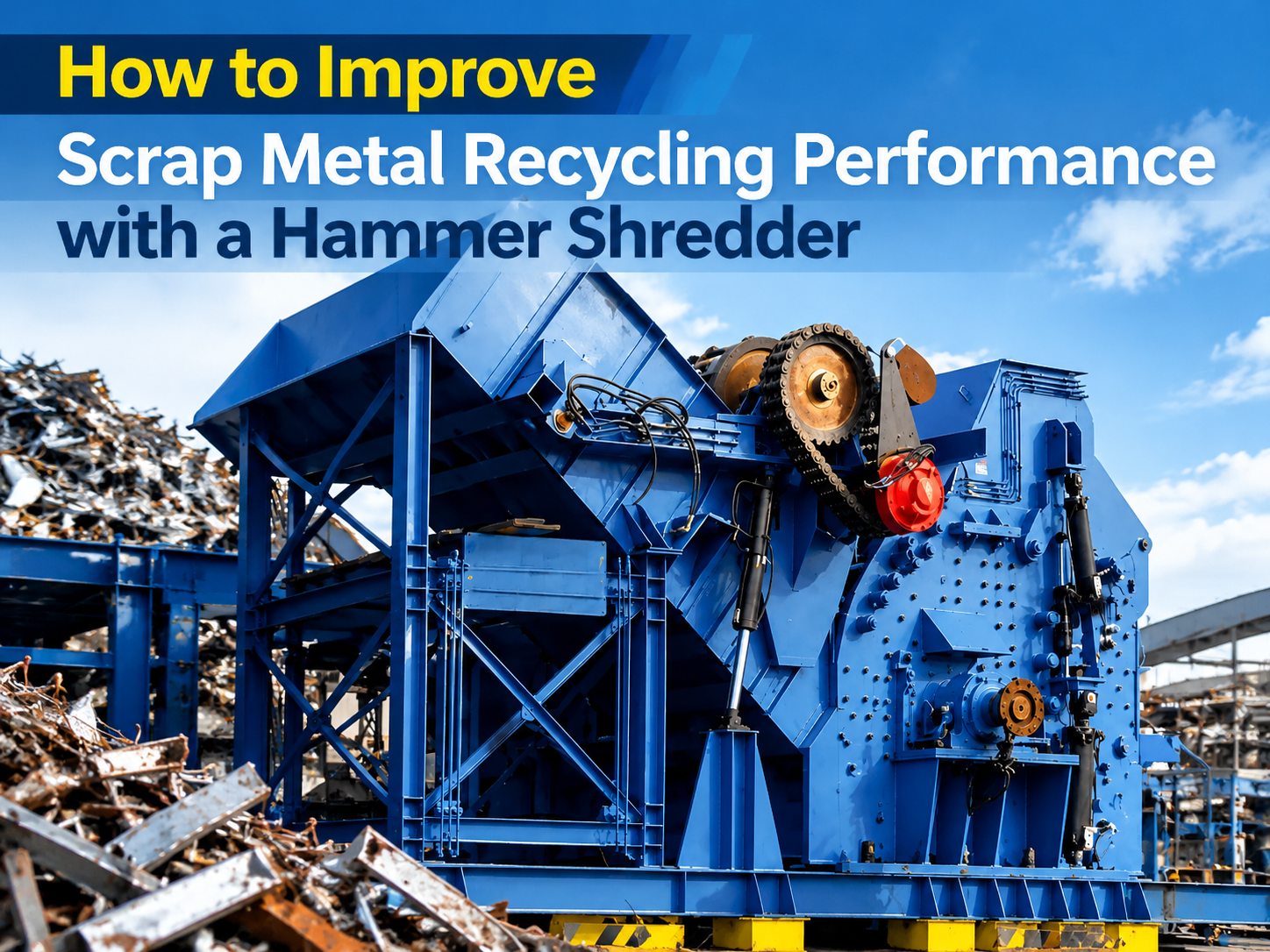
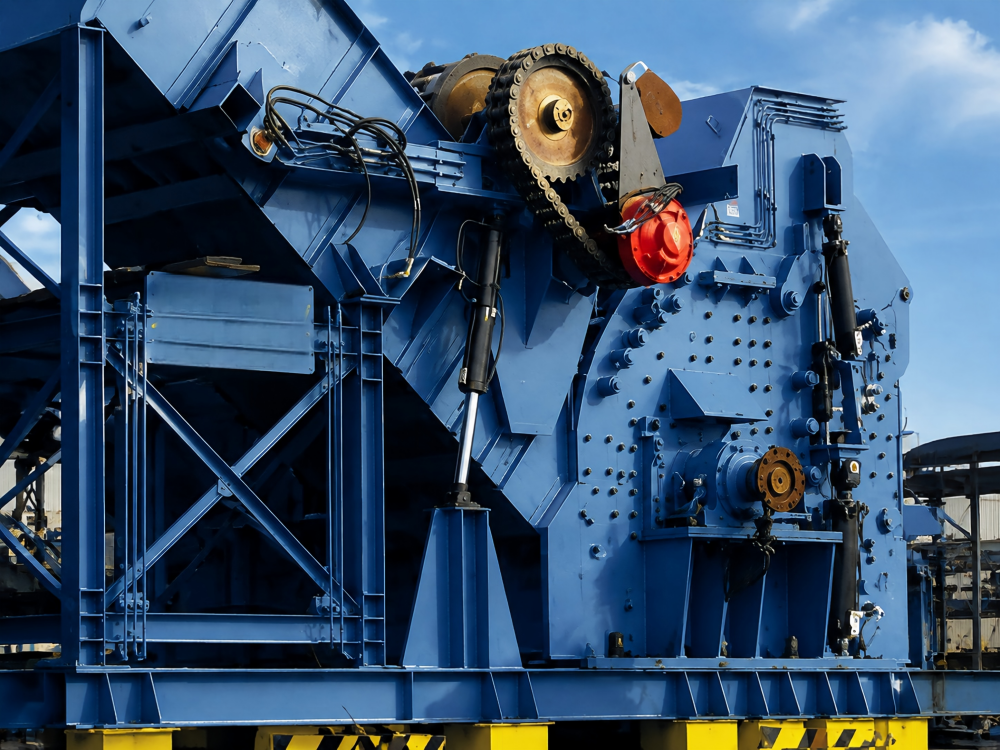
The core mechanism of a hammer shredder relies on kinetic energy. A heavy-duty rotor, equipped with a series of swinging hammers, rotates at high speeds within a reinforced chamber. As the scrap metal enters the chamber, it is subjected to repeated, high-velocity impacts. These impacts shatter the metal, forcing it through a discharge grate at the bottom of the machine. The size of the holes in this grate determines the final output size of the metal fragments, allowing operators to customize the product based on the requirements of the end-user or smelter.
The metallurgy of the hammers themselves is a critical technical detail. Depending on the type of scrap—whether it is light-gauge aluminum or heavy steel plate—the hardness and toughness of the hammer material must be carefully selected. High-manganese steel is often used for its work-hardening properties, as it becomes tougher the more it is impacted. Understanding the material science behind these components allows operators to select the right hammer configuration to improve scrap metal recycling performance with a hammer shredder, effectively reducing the frequency of replacements and maintaining high throughput.
The discharge grate design also plays a pivotal role in performance. Modern shredders often feature adjustable or modular grate systems that allow for quick changes in output size. This flexibility is crucial for facilities that handle diverse scrap streams. For instance, if a facility needs to switch from processing thin-gauge sheet metal to thicker industrial components, the ability to adjust the grate clearance and hole diameter ensures that the shredder remains efficient without requiring a complete machine overhaul.
Furthermore, the drive system—typically consisting of a high-torque electric motor coupled with a heavy-duty gearbox or direct drive—must be capable of handling sudden load spikes. When a particularly dense piece of metal enters the shredder, the motor must maintain its RPM to prevent stalling. Advanced shredders incorporate variable frequency drives (VFDs) that allow for precise control over the rotor speed, enabling the machine to adapt to varying material densities in real-time. This level of control is a hallmark of modern industrial machinery and is essential for maximizing energy efficiency.
Selection Advice: Choosing the Right Equipment
Selecting the right hammer shredder involves a thorough assessment of your specific operational needs. Start by defining your target output. Are you aiming for a specific density, such as shredded steel for electric arc furnaces, or are you looking to liberate non-ferrous metals from a mixed stream? The desired end-product dictates the required shredder size, motor power, and grate configuration. It is always advisable to consult with manufacturers like HARSLE to perform a material analysis, ensuring the machine’s specifications align with your throughput requirements.
Consider the footprint and installation requirements of the shredder. Industrial shredders are massive pieces of equipment that require robust foundations to absorb the vibrations generated during operation. Ensure that your facility has the necessary electrical infrastructure to support the high-voltage requirements of the motor. Additionally, consider the noise and dust mitigation strategies required for your site. Modern shredders often come with sound-dampening enclosures and integrated dust suppression systems, which are vital for maintaining a safe and compliant working environment.
Look for manufacturers that provide comprehensive after-sales support. A hammer shredder is a long-term investment, and the availability of spare parts, technical training, and remote diagnostic services can significantly impact your total cost of ownership. A machine that is easy to maintain, with accessible wear parts and a clear maintenance manual, will always outperform a more complex, proprietary system that requires specialized technicians for every minor adjustment. Prioritize modular designs that allow for quick component swaps.
Finally, evaluate the safety features of the equipment. Modern shredders should include emergency stop systems, anti-jamming sensors, and automated feed control. These features not only protect the machine from catastrophic failure but also ensure the safety of your personnel. When you improve scrap metal recycling performance with a hammer shredder, you are also improving the safety culture of your facility by reducing the need for manual handling of heavy, sharp, and hazardous scrap materials.
Case Study: Optimizing Throughput in a Mid-Sized Facility
A mid-sized metal recycling facility in the industrial sector recently faced a challenge: their existing shearing equipment could not keep up with the increasing volume of mixed automotive scrap. The bottleneck was causing a backlog in the yard and preventing them from meeting the strict size requirements of their primary steel mill client. By deciding to improve scrap metal recycling performance with a hammer shredder, they replaced their legacy shear with a high-capacity HARSLE hammer shredder system.
The results were immediate. The facility saw a 40% increase in daily throughput within the first month of operation. By shredding the automotive scrap into uniform, fist-sized pieces, they were able to achieve a much higher bulk density in their shipping containers. This reduced their logistics costs significantly, as they were no longer paying to ship “air” between large, irregular pieces of metal. Furthermore, the uniform size allowed for better magnetic separation, resulting in a cleaner ferrous product that commanded a premium price from the steel mill.
The facility also noted a reduction in labor costs. Previously, workers had to manually sort and cut oversized pieces to fit the shear. With the hammer shredder, the feed process was largely automated, allowing the team to focus on quality control and downstream sorting rather than manual labor. This transition not only improved their bottom line but also created a safer, more efficient work environment. The investment in the shredder paid for itself within 18 months through increased revenue and reduced operational expenses.
FAQ
How often should I replace the hammers in my shredder?
The frequency of hammer replacement depends on the abrasiveness of the material being processed and the total tonnage. We recommend a weekly inspection schedule. When the edges of the hammers become rounded or the weight loss exceeds 20%, they should be replaced or hard-faced to maintain shredding efficiency.
Can a hammer shredder process non-metallic materials?
While designed for metal, hammer shredders can process some non-metallic materials. However, this can lead to increased dust and potential fire hazards. It is best to consult with HARSLE regarding your specific material stream to ensure the machine is configured correctly.
What is the most common cause of shredder downtime?
The most common cause is the ingestion of non-shreddable items, such as large solid steel blocks or heavy-duty hydraulic cylinders that exceed the machine’s capacity. Implementing a strict pre-sorting process is the best way to prevent these incidents.
How do I ensure the best output quality?
To improve scrap metal recycling performance with a hammer shredder, ensure your grate size is matched to your target output and that your rotor speed is optimized for the material density. Regular maintenance of the grate and hammers is also essential for consistent sizing.
Conclusion
Investing in a hammer shredder is one of the most impactful decisions a metal recycling facility can make. By transforming raw, bulky scrap into high-value, uniform material, you unlock new levels of efficiency and profitability. The ability to improve scrap metal recycling performance with a hammer shredder relies on a combination of proper equipment selection, rigorous maintenance, and a commitment to operational excellence. As the industry continues to evolve toward more sustainable and efficient practices, HARSLE remains dedicated to providing the industrial machinery and expertise necessary to keep your facility at the forefront of the metal fabrication and recycling sector. By focusing on the technical details and strategic implementation outlined in this guide, you can ensure that your facility is not just keeping up with the market, but leading it.