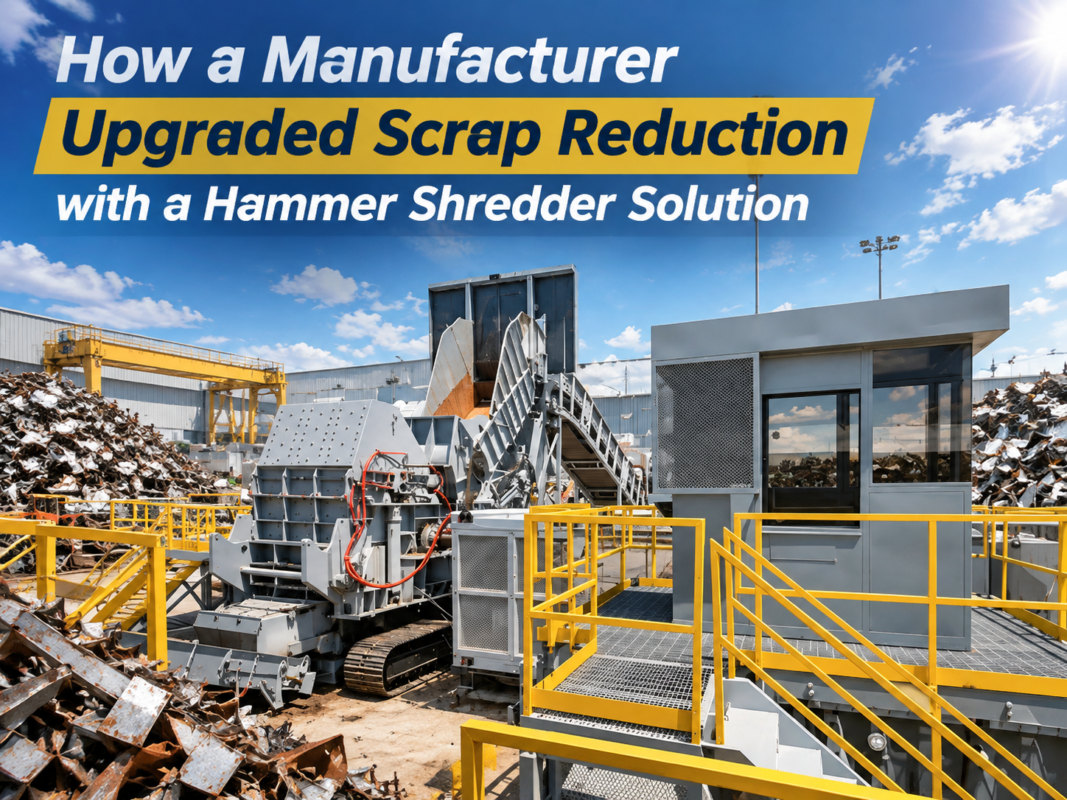
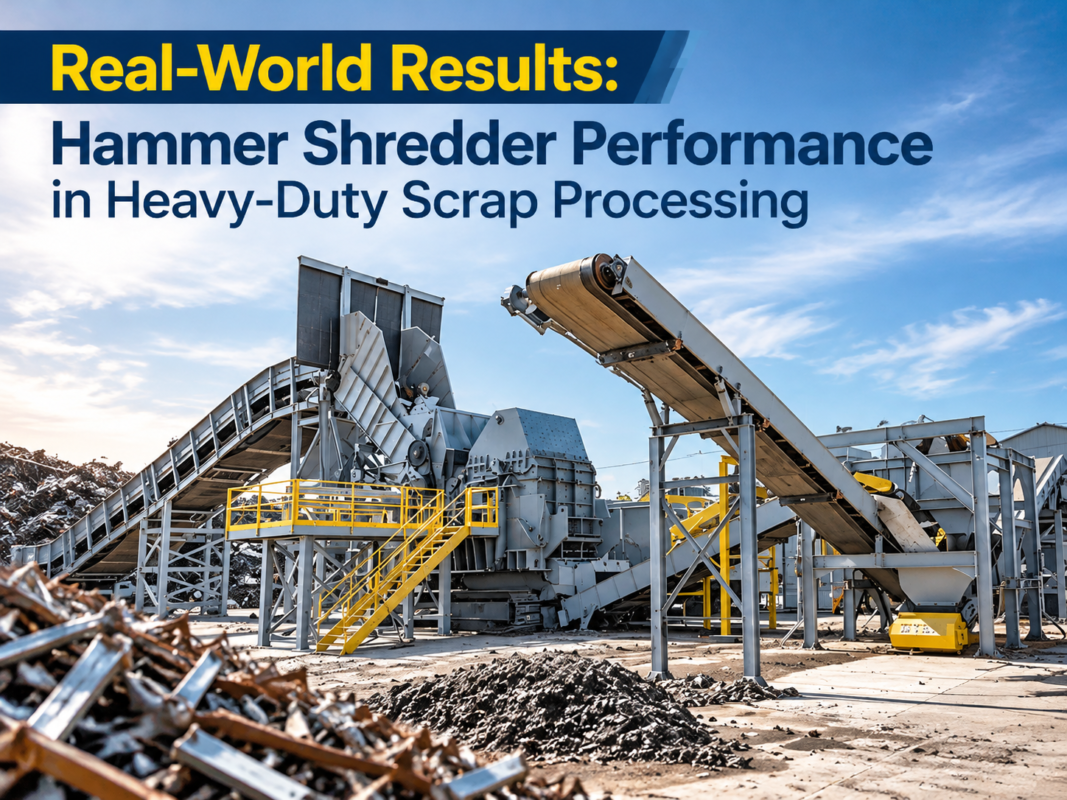
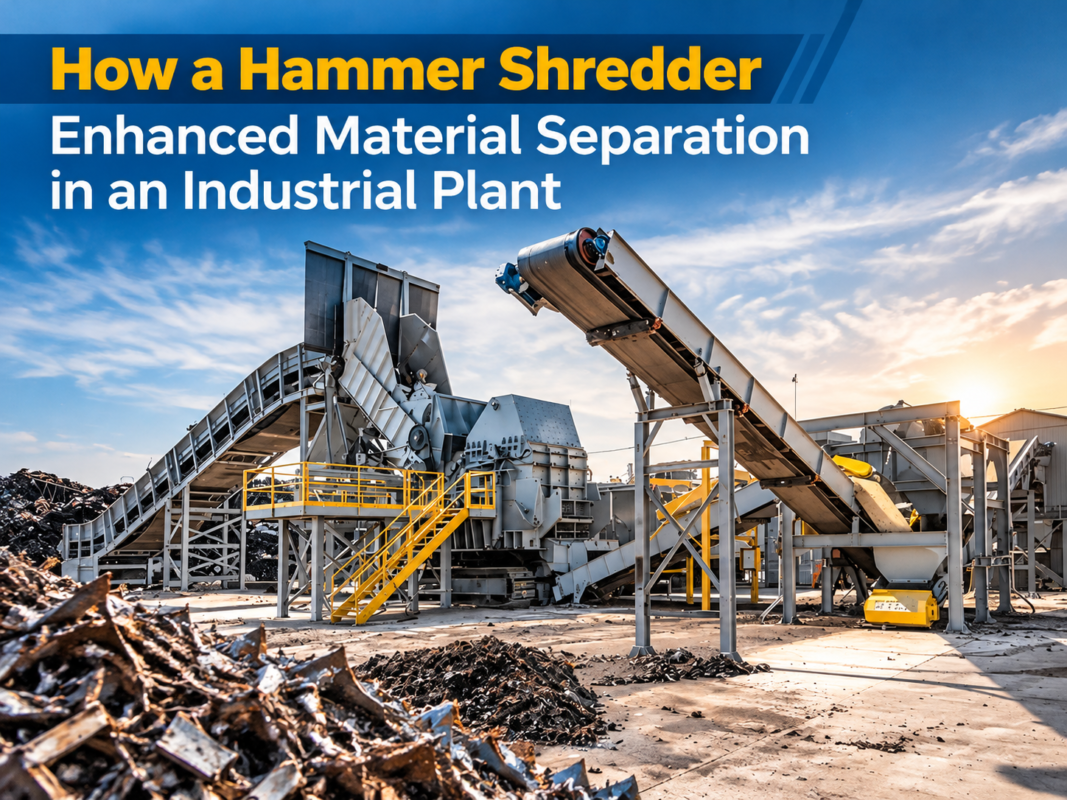
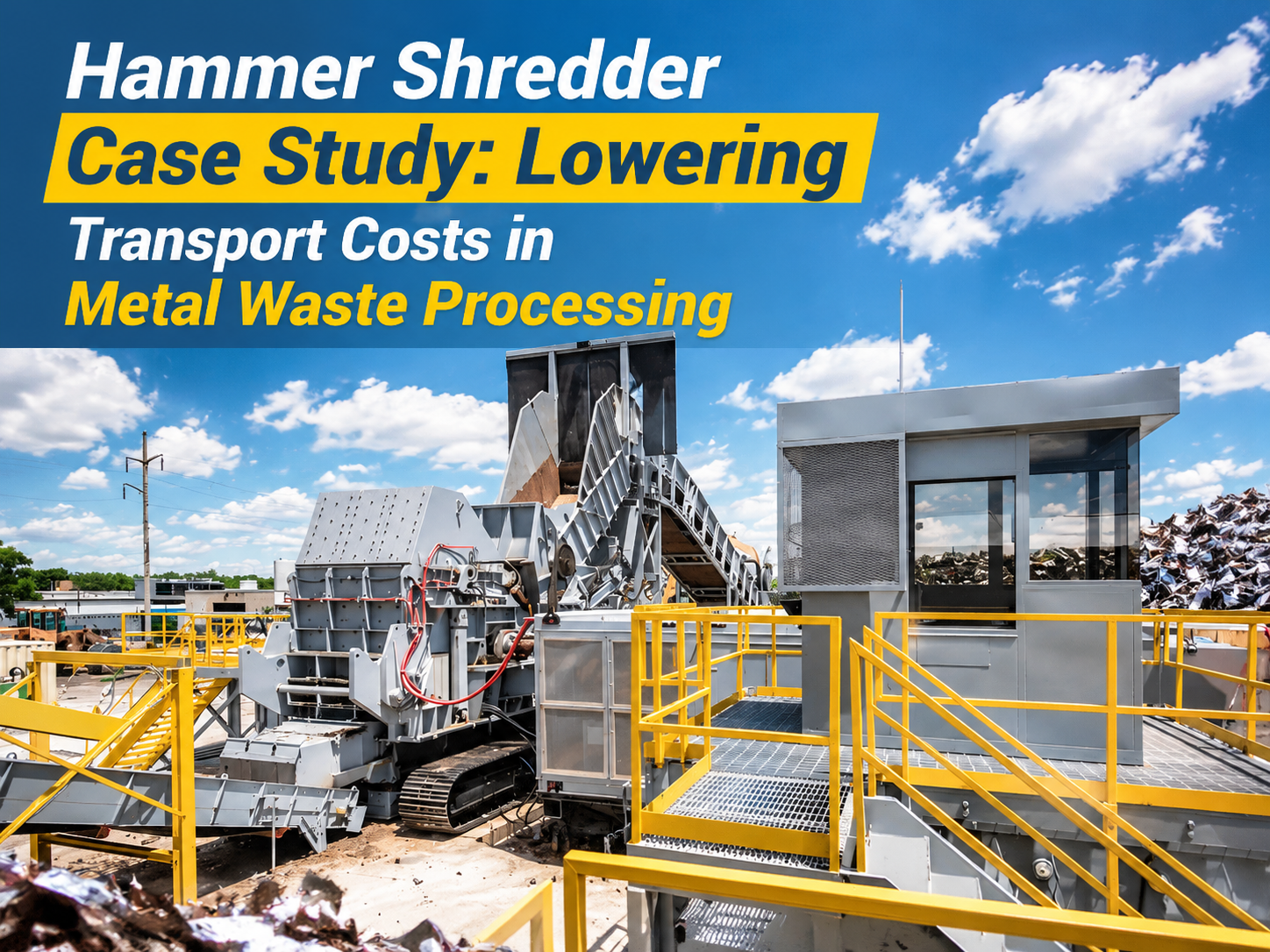
Hammer Shredder Case Study: Lowering Transport Costs in Metal Waste Processing

Introduction: The Economic Challenge of Metal Waste Logistics
In the modern metal fabrication and recycling industry, the profitability of a facility is often determined not just by the quality of the end product, but by the efficiency of the supply chain. One of the most significant overhead costs for scrap yards and metal processing centers is the transportation of raw, bulky metal waste. When metal scrap is left in its original, irregular form, it occupies a massive volume while weighing relatively little, leading to inefficient truck loading and excessive fuel consumption. This is where a Hammer Shredder Case Study: Lowering Transport Costs In Metal Waste Processing becomes essential for facility managers looking to optimize their bottom line.
HARSLE has observed that many facilities struggle with the ‘air-to-metal’ ratio in their transport containers. By utilizing high-torque, industrial-grade hammer shredders, companies can transform loose, bulky scrap into dense, uniform fragments. This process, known as densification, allows transport vehicles to reach their maximum weight capacity long before they reach their maximum volume capacity. This article explores how implementing HARSLE shredding technology serves as a catalyst for reducing logistics expenditures and improving overall operational throughput.
The transition from manual sorting or basic shearing to automated hammer shredding represents a paradigm shift in waste management. By breaking down complex metal structures into manageable, high-density pieces, businesses can reduce the number of trips required to transport the same tonnage of material. This not only cuts down on fuel and labor costs but also reduces the carbon footprint of the entire recycling operation, aligning with modern sustainability goals.
Throughout this guide, we will analyze the technical mechanics of hammer shredders, the specific financial benefits of volume reduction, and the strategic selection criteria for choosing the right equipment for your facility. Whether you are managing a small-scale fabrication shop or a large-scale industrial recycling plant, the principles of efficient metal processing remain the same: reduce volume, increase density, and maximize transport efficiency.
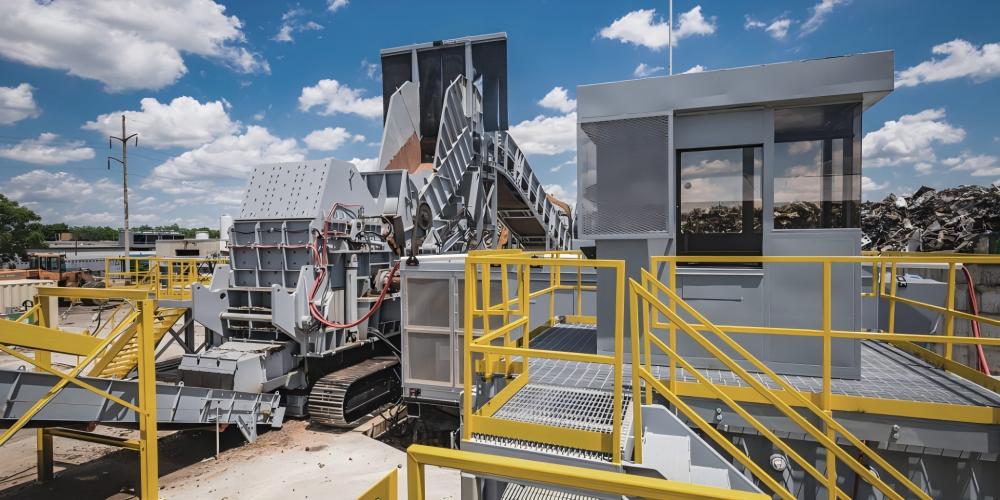
Key Considerations for Metal Waste Processing Efficiency
When evaluating the efficiency of a metal waste processing line, the primary metric should be the ‘density-per-load’ ratio. Many operators focus solely on the throughput speed of the shredder, but if the output material is not sufficiently dense, the transport savings will be minimal. A successful Hammer Shredder Case Study: Lowering Transport Costs In Metal Waste Processing highlights that the goal is to achieve a bulk density that allows for maximum legal payload on standard transport trailers.
Another critical consideration is the consistency of the output material. Hammer shredders are designed to produce a uniform fragment size, which is essential for downstream sorting processes, such as magnetic separation or eddy current separation. When the output is uniform, it is easier to handle, store, and load into containers. Inconsistent scrap sizes often lead to ‘bridging’ or voids in containers, which wastes valuable space and increases the cost per ton of transported material.
Operational uptime is the third pillar of efficiency. A shredder that is frequently down for maintenance or blade replacement will quickly negate any savings gained from transport efficiency. HARSLE equipment is engineered with modular wear parts, allowing for rapid maintenance cycles. By minimizing downtime, facilities ensure a steady flow of processed material, which keeps the logistics chain moving without bottlenecks.
Finally, the integration of the shredder into the existing workflow is paramount. The placement of the shredder relative to the scrap collection area and the loading dock can significantly impact labor costs. A well-designed facility layout minimizes the distance that material needs to be moved before and after shredding. By optimizing the material flow, facilities can reduce the need for heavy machinery like forklifts and loaders, further lowering the operational cost per ton.
Technical Details: How Hammer Shredders Optimize Density
The core technology behind the hammer shredder is the high-speed rotor assembly equipped with heavy-duty, hardened steel hammers. As the rotor spins at high velocity, the hammers strike the metal waste, shattering it against the anvil and the discharge grate. This impact-based reduction is far more effective at increasing density than shear-based shredding, as it forces the metal to conform to the shape of the chamber, effectively ‘crushing’ the air out of the material.
HARSLE hammer shredders utilize advanced metallurgy for their hammers and liners. The choice of material for these wear parts is critical, as they must withstand the extreme impact forces required to shred thick steel, aluminum, and copper alloys. By using high-manganese steel or specialized alloy coatings, these shredders maintain their edge geometry longer, ensuring that the output size remains consistent throughout the life of the wear parts.
The discharge grate is perhaps the most important component for controlling density. By adjusting the grate opening size, operators can dictate the maximum size of the shredded fragments. A smaller grate opening results in a finer, denser product, which is ideal for high-value scrap that needs to be transported over long distances. Conversely, a larger grate opening allows for higher throughput if the material is less bulky or if the transport distance is short.
Advanced control systems in modern HARSLE shredders also play a role in efficiency. Load-sensing technology automatically adjusts the feed rate based on the current draw of the motor. This prevents the shredder from stalling during heavy loads and ensures that the machine is always operating at its peak efficiency point. This intelligent automation reduces energy consumption per ton of processed material, contributing to the overall cost-reduction strategy.
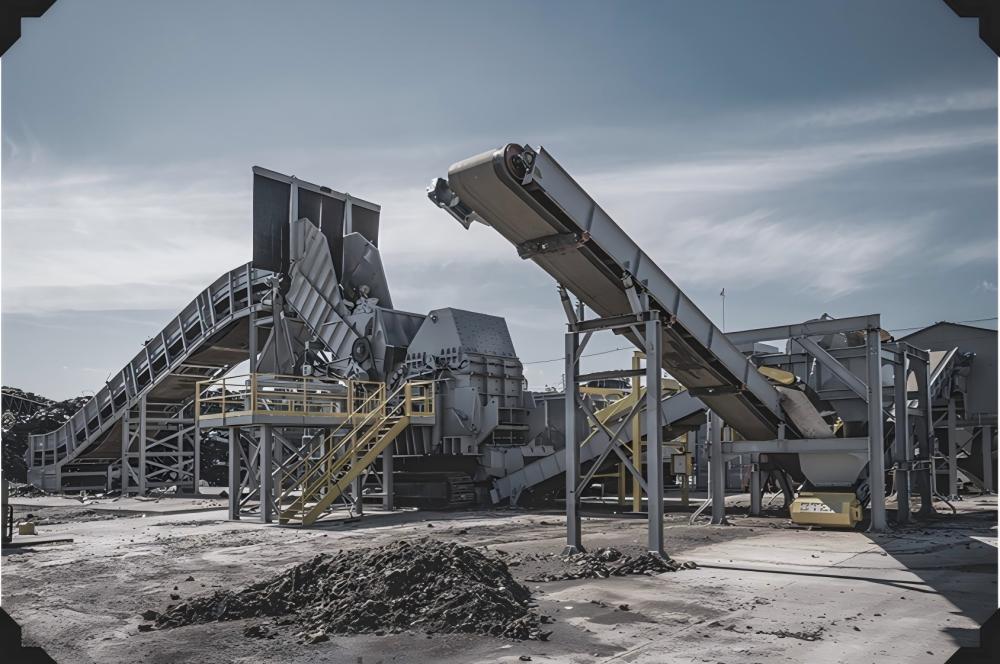
Selection Advice: Choosing the Right Shredder for Your Facility
Selecting the right hammer shredder requires a thorough analysis of your current waste stream. Not all metal waste is created equal; thin-gauge sheet metal requires different hammer configurations than heavy structural steel or mixed automotive scrap. Before purchasing, conduct a waste audit to determine the average thickness, hardness, and volume of your scrap. This data will inform the required motor power and rotor design.
Consider the throughput requirements of your facility. If your operation generates a steady stream of waste, a continuous-feed hammer shredder is the best choice. However, if your waste generation is sporadic, you might consider a batch-processing system. HARSLE offers a range of sizes, from compact units for fabrication shops to massive, multi-stage systems for industrial recycling centers. Matching the capacity to your peak generation rate is essential to avoid bottlenecks.
Maintenance accessibility should be a non-negotiable factor. Look for machines that feature hydraulic opening mechanisms for the shredding chamber. This allows maintenance teams to inspect and replace hammers, grates, and liners safely and quickly. A machine that takes two days to service is significantly more expensive over its lifetime than a machine that can be serviced in two hours, even if the initial purchase price is higher.
Finally, evaluate the support and spare parts availability. A Hammer Shredder Case Study: Lowering Transport Costs In Metal Waste Processing is only successful if the machine remains operational. Partnering with a manufacturer like HARSLE, which provides comprehensive technical support and a reliable supply of wear parts, ensures that your investment continues to deliver returns for years to come. Always ask for references and case studies from similar industries to verify the performance claims of the equipment.
Maintenance and Operational Best Practices
To maximize the lifespan of your hammer shredder and ensure consistent transport cost savings, a proactive maintenance schedule is essential. Daily inspections should focus on the condition of the hammers and the discharge grate. Even minor wear can lead to a decrease in output density, which directly impacts your transport efficiency. Keeping a log of wear part life helps in predicting when replacements are needed, preventing unexpected downtime.
Lubrication and cooling systems must be monitored regularly. The high-speed bearings in a hammer shredder are subject to significant heat and vibration. Using high-quality lubricants and ensuring that the cooling system is free of debris will prevent premature bearing failure. Additionally, vibration analysis can be used to detect early signs of rotor imbalance, which, if left unaddressed, can cause catastrophic damage to the shredder housing.
Operator training is another critical factor. Operators should be trained to recognize the signs of an overloaded machine and how to properly sort incoming scrap to remove non-shreddable items like large, hardened steel blocks or hydraulic cylinders that could damage the hammers. By preventing ‘tramp metal’ from entering the shredder, you significantly reduce the risk of damage and extend the life of the internal components.
Finally, keep the area around the shredder clean. Dust and debris can accumulate in the motor housing and control panels, leading to overheating and electrical issues. A clean working environment not only improves safety but also makes it easier to spot potential maintenance issues before they become major problems. Implementing a ‘clean-as-you-go’ policy will pay dividends in the long run.
FAQ: Common Questions About Hammer Shredders
- Q: How much can a hammer shredder reduce transport costs?
A: While results vary based on the material, many facilities report a 30% to 50% reduction in transport costs by increasing the bulk density of their scrap metal, allowing for more weight per truckload. - Q: What types of metal can be processed in a HARSLE hammer shredder?
A: Our shredders are designed to handle a wide variety of metals, including aluminum, copper, brass, and steel scrap. However, it is important to avoid materials that exceed the hardness rating of the hammers. - Q: How often do the hammers need to be replaced?
A: The lifespan of hammers depends on the abrasiveness and hardness of the material being shredded. We provide wear-life estimates based on your specific waste stream during the consultation process. - Q: Can the shredder be integrated into an existing conveyor system?
A: Yes, HARSLE shredders are designed for modular integration and can be easily incorporated into existing material handling and conveyor lines. - Q: Is a hammer shredder noisy?
A: Industrial shredding is inherently noisy. We recommend installing the equipment in a dedicated area with appropriate sound-dampening measures or using an acoustic enclosure if the machine is located near office or residential areas.
Conclusion: Investing in Long-Term Efficiency
The implementation of a hammer shredder is more than just an equipment upgrade; it is a strategic move toward a more profitable and sustainable business model. By focusing on the principles outlined in this Hammer Shredder Case Study: Lowering Transport Costs In Metal Waste Processing, facility managers can effectively tackle the logistical challenges that often erode profit margins in the metal fabrication and recycling sectors. The ability to densify scrap metal at the source is a powerful tool that transforms waste into a more valuable, transportable commodity.
HARSLE remains committed to providing the industrial machinery necessary to drive these efficiencies. Through robust engineering, advanced material science, and a deep understanding of the metal processing industry, we help our clients turn their waste management operations into a competitive advantage. As transport costs continue to rise, the investment in high-density shredding technology becomes not just an option, but a necessity for any forward-thinking metal processing facility.
We encourage you to evaluate your current logistics costs and consider how a HARSLE hammer shredder could streamline your operations. By reducing the volume of your waste, you are not only saving money on every truckload but also positioning your company as a leader in efficient, responsible metal recycling. Contact our technical team today to discuss your specific requirements and start your journey toward lower transport costs and higher operational performance.